REVIEW · AREQUIPA
Private 3 Day Colca Canyon Trekking tour (superior Service)
Book on Viator →Operated by Peru Ultimate Expedition · Bookable on Viator
Three days, one huge canyon. This private Colca Canyon trek mixes Andean nature with real local life, starting at dawn and ending with volcano-and-vicuña views from high passes. You’ll walk among terraces, bridges, and villages, watch for the Andean condor at Cruz del Condor, then climb out early enough to feel like you earned the sunrise.
I like the way this tour keeps the pacing humane. You get real meals (with local food stops), plus downtime to rest your legs in the canyon area. I also love the service details: a specialized guide team (English–Spanish), oxygen and first aid on hand, and family-home stays with private bathrooms and hot water.
One consideration: this is still serious hiking at altitude. Expect steep changes, long days, and an early 4:00 a.m. start on day three, so plan for sturdy boots, trekking poles, and a moderate fitness level.
In This Review
- Key highlights you’ll feel right away
- Day one from Arequipa to Yanque, Cruz del Condor, and Pallca
- Yanque breakfast and the Valley of Fire pace
- Cruz del Condor: 40 minutes to watch the giants
- Down into the Colca Canyon to Pallca (about 1,200 meters lower)
- Day two: Apacheta viewpoint, hanging bridges, amphitheater ruins, and Sangalle Oasis
- Flora, fauna, and canyon shape lessons
- Sangalle Oasis around 1:00 p.m.: pool time and lunch
- Day three: Cabanaconde’s early ascent to the top, then Chivay food and high Andean views
- Chivay: taste-focused stop for stews and local flavors
- Abra Patapampa at 4,910 m: volcano views and the Juanita story
- Salinas y Aguada Blanca National Reserve: vicuñas and respectful photos
- Why this trek feels like good value at $400 per person
- The service style: what stands out with guides like José (Pepe), Jarley, and Miguel
- What to pack and how to prepare for this Colca Canyon route
- Who should book this private Colca Canyon trek (and who should reconsider)
- Should you book this Colca Canyon trekking tour?
- FAQ
- What time does hotel pickup happen in Arequipa?
- Is this tour private?
- How many people are on the tour?
- What hiking days and durations should I expect?
- Where do you stay for the two nights?
- What meals are included?
- Is vegetarian or vegan food available?
- Do you provide medical help at altitude?
- Do I need to carry all my gear?
- What’s the highest viewpoint on the trip?
- When do we return to Arequipa?
Key highlights you’ll feel right away
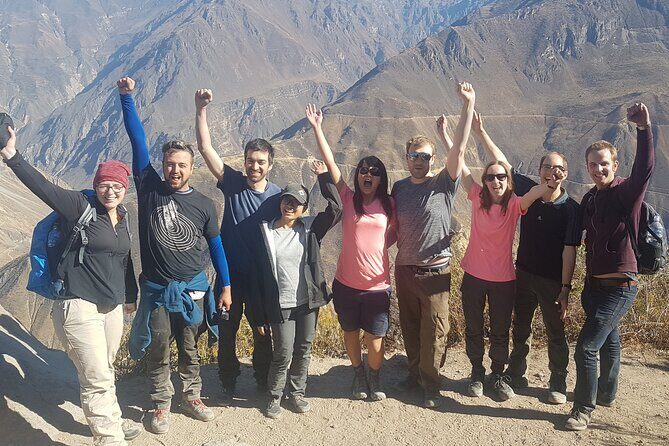
- Hotel pickup at 3:15–3:30 a.m. so you arrive in the Colca Valley while the light is perfect.
- Cruz del Condor viewpoint timing around 8:00 a.m., with about 40 minutes to watch the sky.
- Sangalle Oasis swim time in the natural pool area at midday on day two.
- Guide-led culture and nature explanations that go beyond the view, including local plants and canyon geography.
- Hot showers at family stays (private bath, hot water) plus chances to relax between hikes.
Day one from Arequipa to Yanque, Cruz del Condor, and Pallca
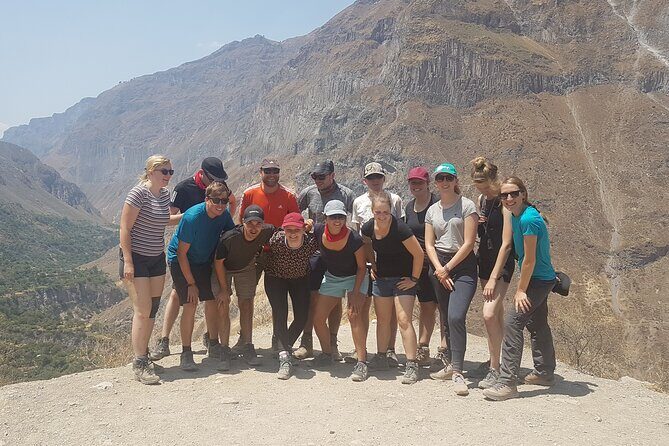
The day starts before most people have even finished dreaming. You’ll be picked up from your hotel in Arequipa between 3:15 a.m. and 3:30 a.m. Your guide sets the tone quickly—biosecurity protocols, what to expect that day, and even the meaning behind local place names (toponymy).
Then comes the drive into the Colca Valley. It’s about a 3-hour trip at dawn, when mountains look sharp and dramatic. You’re not just commuting—you’re getting the Andes in the morning light, which makes the later viewpoints feel even bigger.
You can also read our reviews of more private tours in Arequipa
Yanque breakfast and the Valley of Fire pace
Your first meaningful stop is the traditional town of Yanque, arriving around 6:30 a.m. Here, you’ll get a traditional breakfast prepared by a local family. It’s one of those simple moments that makes the hike feel human, not just sporty.
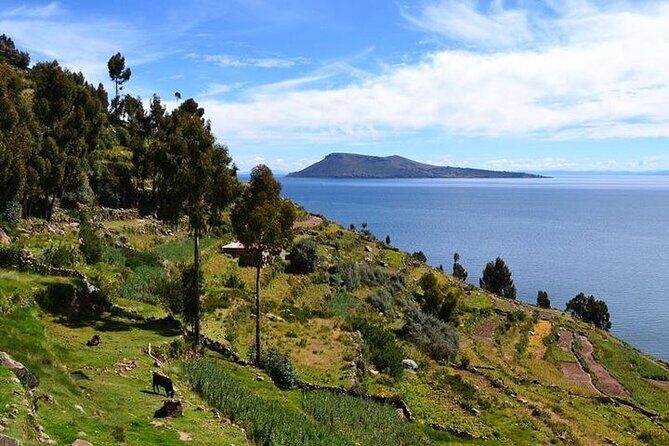
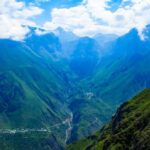
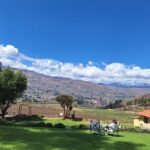
From there you head through the Colca Valley, often described as the Valley of Fire. Expect pre-Inca terraces—built over generations by different cultures to use land well despite harsh conditions. You’ll also notice how the river cuts through the area, shaping walls and ground over time. This is the part where your guide’s explanations matter, because you start seeing the canyon as a living system, not a postcard.
Cruz del Condor: 40 minutes to watch the giants
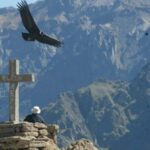
Around 8:00 a.m., you reach Mirador Cruz del Condor. This viewpoint is considered important by local people and is known for condor watching. You’ll have roughly 40 minutes there—long enough to settle in, look carefully, and (with luck) spot the Andean condor gliding overhead.
This is also where you learn the practical side: why this location matters for viewing, and how condors fit into local beliefs. The goal isn’t just seeing a bird. It’s understanding why this canyon is treated like a sanctuary.
Down into the Colca Canyon to Pallca (about 1,200 meters lower)
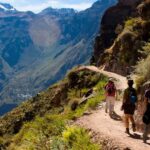
Once you’re prepped, the main workout begins: a 5-hour walk with a drop of about 1,200 meters. The trail winds down through sections where you’ll want to stop for photos, but also keep moving steadily.
On the way, your guide helps you notice details—local fruits, the canyon’s changing terrain, and the scale of the walls around you. Eventually you reach a charming destination area called Pallca, where you have lunch prepared with local products.
The afternoon is yours. You can rest, relax muscles, and use the thermal baths if conditions allow. In a nice touch, stays in the canyon area have sometimes included a small pool for cooling off, which is great after a long descent.
Possible day-one drawback: your legs will feel the descent. Even if the trail is manageable, you’re lowering yourself quickly—so take your time and don’t try to “win” the hike.
Day two: Apacheta viewpoint, hanging bridges, amphitheater ruins, and Sangalle Oasis
Day two is where the tour shifts from big viewpoints into canyon life. After breakfast, you start walking for about 5 hours with the goal of reaching Sangalle and its Oasis.
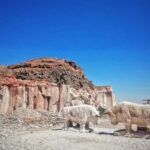
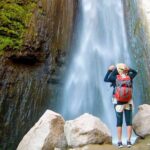
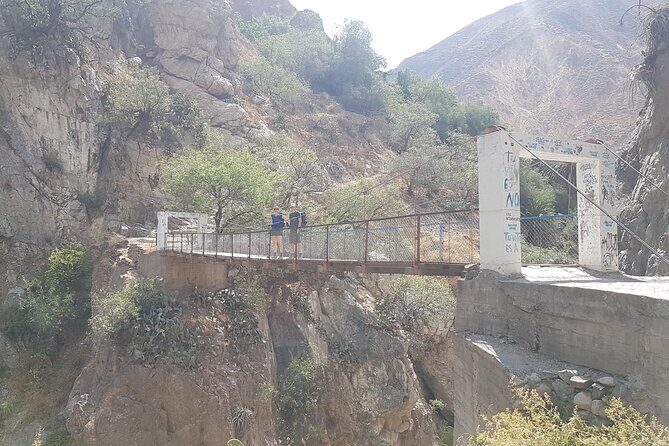
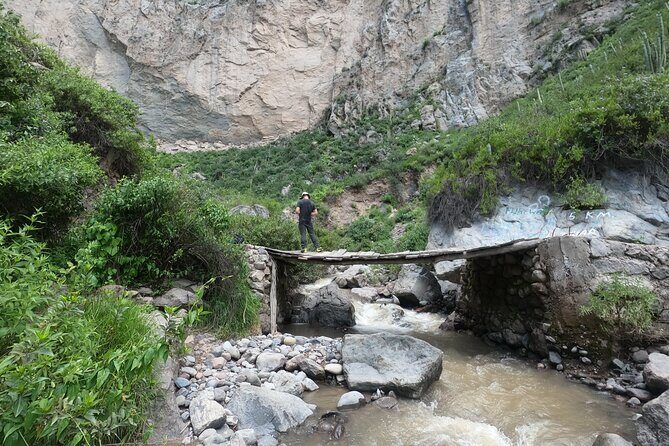
Early on you begin with about two hours of ascent toward the Apacheta viewpoint. Along the way, you’ll cross hanging bridges and pass small communities. It’s not dramatic scenery on a screen—it’s daily work in motion, especially around how locals carry water to agricultural fields.
You can also read our reviews of more hiking tours in Arequipa
Flora, fauna, and canyon shape lessons
This is also a standout day for what you learn. Your guide will explain the canyon’s morphology and point out flora and fauna you might otherwise miss. If you’ve ever walked in nature feeling like you’re just guessing what you’re seeing, this is the fix.
The second part becomes a descent through an area that includes an archaeological site: the amphitheater built for agricultural use (dated to about 1200–1500 B.C.). It’s one of those moments where you start realizing the canyon has been a “system” for thousands of years—water use, terraces, and food production.
Sangalle Oasis around 1:00 p.m.: pool time and lunch
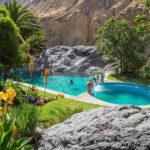
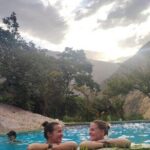
You arrive around 1:00 p.m. at the Oasis (about 2,100 meters). This is prime time for a break. You’ll have a chance to enjoy the natural pool area to cool off, then you’ll get lunch.
After eating, the afternoon stays flexible. You can explore around the oasis forest of fruit trees, or simply relax with a drink—people commonly mention a Colca sour as part of the downtime vibe.
At 7:00 p.m., you’ll have dinner and an important planning talk for the next day: the big ascent out of the canyon. This is where questions get answered—what pace to use, what to watch for, and how to manage energy for the climb.
Day three: Cabanaconde’s early ascent to the top, then Chivay food and high Andean views
Day three begins when your body is still waking up. You’ll start the walk at 4:00 a.m. for about 3 hours (around 5 km) toward the top of the canyon.
This is the day you’ll feel in your calves, so your guide’s pace advice matters. The plan is a “mountaineer rhythm”—steady effort, not a sprint. Once the sunlight hits, you’ll be able to look back and judge how far you’ve gone, then you rest and finish the climb until you reach the top.
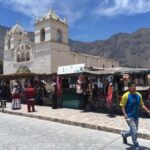
After that, you head to Cabanaconde for recovery time and breakfast. Then you move by transport back toward the rest of the region, with a stop in a Colca Valley town to visit a colonial church and do some browsing.
Chivay: taste-focused stop for stews and local flavors
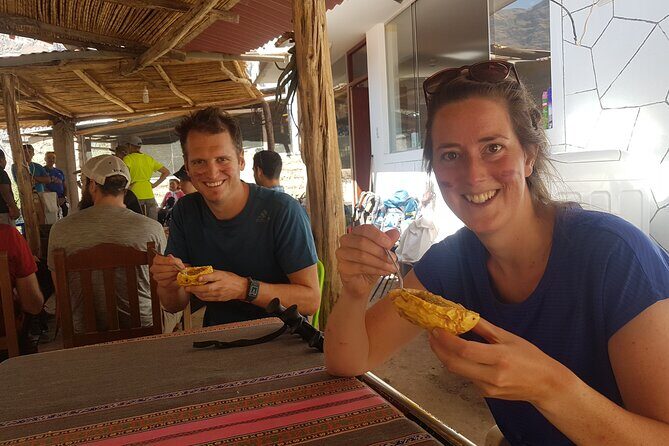
Around 1:00 p.m., you arrive in Chivay, where the tour leans into food. You’ll have time for a trip through the senses—especially taste—so you can enjoy traditional stews of the region, including arequipeña options.
This isn’t a random restaurant stop. It helps you understand why Peru is taken seriously as a culinary destination. For many hikers, it’s the moment they realize they’re not just “doing a trek.” They’re building a memory of the region.
Abra Patapampa at 4,910 m: volcano views and the Juanita story
Next comes a major altitude viewpoint: Abra Patapampa at about 4,910 meters, the highest point on the expedition. Here you get panoramic views across part of the central Andes volcanic range.
Your guide will point out volcanoes including Misti, Chachani, Sabancaya, Walka Walka, and Ampato. You’ll also hear the story tied to Ampato, including the Inca princess known as Juanita.
Even if you’re not chasing altitude records, this stop is worth the breathless pause. The view makes the earlier walking feel connected—like the canyon is only one chapter in a larger geological story.
Salinas y Aguada Blanca National Reserve: vicuñas and respectful photos
The final segment lands at the Salinas y Aguada Blanca National Reserve. This area is famous for rain capture and water supply that feeds rivers and lagoons, and it’s home to vicuñas and other high-Andes biodiversity.
You’ll get off the bus for photos and learning about vicuña life and behavior. The important part here is tone: you’ll be reminded to watch respectfully and avoid disturbing wildlife.
Then it’s back to transportation for the return to Arequipa, arriving around 5:00 p.m. That’s the end of the expedition.
Why this trek feels like good value at $400 per person
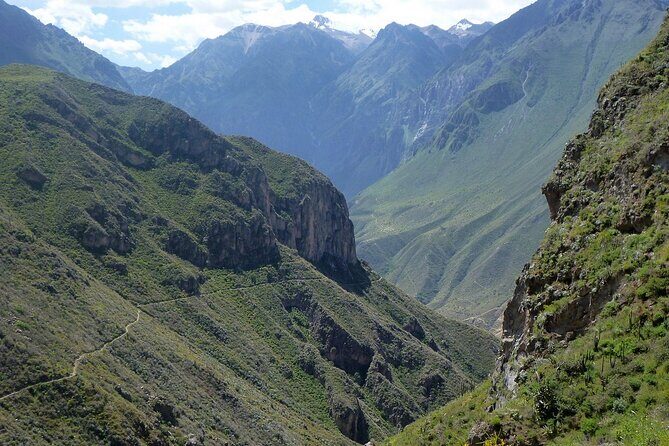
At $400 per person for a 3-day, private tour setup, the value comes from what’s included—not just the scenery.
You’re paying for:
- Two nights in family-home lodging with private bathroom and hot water
- Specialized hiking guide service (English–Spanish)
- All tickets included
- Oxygen and first aid kit provided
- Most of your major costs bundled: guide time, transport, and the food plan (breakfasts, lunches, dinners)
- A small tool that helps: an optional mule to carry group backpacks on the last day
In other words, you’re not trying to piece together logistics after you arrive in Arequipa. You show up with hiking boots and a pack, and the structure does the heavy lifting. For many hikers, that’s worth real money—especially when you’re dealing with early starts and altitude.
If you were to DIY it, you’d still need a guide for safe pacing, local knowledge, and condor/oasis timing. The trek stays smoother because you’re not building a schedule from scratch.
The service style: what stands out with guides like José (Pepe), Jarley, and Miguel
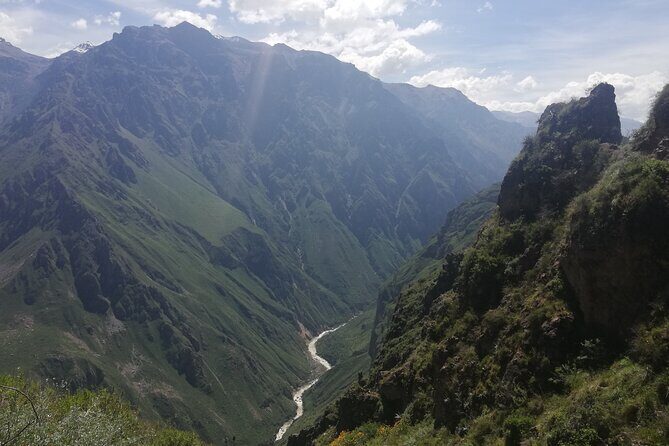
This tour’s biggest recurring strength is the human side of guiding. People frequently praise guides such as José (Pepe), Jarley, Miguel, and Marcello for being friendly, attentive, and genuinely invested in sharing what they know.
What that means for you on the trail:
- You don’t just hear general facts. You get practical context while you walk—why the canyon looks the way it does, what plants do locally, and how communities survive.
- The guide feels like a teammate, especially during harder moments like the 4:00 a.m. ascent on day three.
- The day stays organized. Plans are kept, breaks make sense, and meals arrive when you need them.
There’s also a safety-minded touch that isn’t glamorous but matters: medical oxygen and a first aid kit for participants. That kind of planning makes the “altitude + hiking” mix feel more manageable.
What to pack and how to prepare for this Colca Canyon route
This isn’t a bare-minimum tour. It asks you to show up ready to hike comfortably.
Bring:
- A 40-liter backpack
- Hiking boots
- Trekking sticks (strongly helpful for the descent and the climb)
- Sunscreen, sunglasses, hat
- Jacket and poncho if it’s rainy season
- Mosquito repellent
- Flashlight with extra batteries
- Swimwear (since Sangalle’s oasis pool time is part of the plan)
- Water and rehydrating supplies
- Extra money for small purchases you might want (like water or extras)
Altitude and early mornings are part of the deal. Your guide will set a hiking rhythm, but you’ll do best if you arrive with a moderate fitness base and a calm attitude about pacing.
Practical tip: if your backpack feels heavy on day one, remember day three includes a climb. Use the packing rules early, not after your legs start complaining.
Who should book this private Colca Canyon trek (and who should reconsider)
This tour is best for:
- You want a structured 3-day trek with time for viewpoints and rest
- You like nature plus real community stops (Yanque, canyon communities, Cabanaconde area)
- You want a guide-led experience where learning happens while you walk
- You prefer private service with a small group (maximum 8 people, minimum 2)
It may be a rough fit if:
- You’re traveling with babies (it’s not recommended)
- You’re not comfortable with early starts and steep elevation changes
- You don’t have the footwear or stamina for long hiking days
If you’re nervous about the ascent, there’s an option mentioned in the setup: you can rent a mule to help with climbing to the top of the canyon. Also, an optional mule to carry backpacks on the last day is included as part of the tour approach.
Should you book this Colca Canyon trekking tour?
I’d book it if you want the Colca Canyon experience to feel organized, safe, and personal. The mix of condor watching, Sangalle Oasis downtime, and the high-view finish at Abra Patapampa hits the sweet spot for most first-timers—while still rewarding people who care about how locals live and use the land.
Choose it if you value:
- Good guiding (names like José/Pépe and Jarley come up for a reason)
- A realistic pacing plan across three days
- Hot showers, included meals, and the kind of logistics that let you focus on the canyon
Skip it (or ask more questions first) if you’re expecting an easy walk or a relaxed vacation pace. This is adventure with early mornings and serious hiking segments—just run by people who know what they’re doing.
FAQ
What time does hotel pickup happen in Arequipa?
Pickup is scheduled between 3:15 a.m. and 3:30 a.m.
Is this tour private?
Yes. It’s private for your group. The only shared part mentioned is the tourist mobility.
How many people are on the tour?
The group size ranges from a minimum of 2 to a maximum of 8 participants.
What hiking days and durations should I expect?
Day one includes about a 5-hour walk with roughly a 1,200-meter descent. Day two is about a 5-hour hike to Sangalle. Day three includes about a 3-hour walk (around 5 km) starting at 4:00 a.m., plus additional moving time by transport later.
Where do you stay for the two nights?
You’ll stay for 2 nights in family home accommodation with a private bath and hot water.
What meals are included?
Breakfast is included for all 3 mornings, lunch is included for 3 days, and dinner is included for 2 nights.
Is vegetarian or vegan food available?
The tour notes that there is a flexible option for vegetarian, vegan, and others.
Do you provide medical help at altitude?
Yes. The included kit includes medical oxygen and a first aid kit.
Do I need to carry all my gear?
You’ll need a 40-liter backpack. On the last day, there is an optional mule included to carry the group’s backpacks. You can also rent a mule to climb to the top of the canyon.
What’s the highest viewpoint on the trip?
Abra Patapampa at about 4,910 meters.
When do we return to Arequipa?
You arrive back in Arequipa at approximately 5:00 p.m. on day three.