REVIEW · LIMA
Cook with Maido’s creative chef and chef de cuisine
Book on Viator →Operated by Peruvian Cooking Classes · Bookable on Viator
A great food class should teach you more than recipes. Here, you get Peruvian cooking skills and a dose of Lima food culture in just about two hours. The best part is the hands-on pace, led by Maido’s Chef Hector and his team.
I love the small-group size (up to 15), which makes it easier to ask questions while you cook. I also like that the class includes a pisco sour lesson, so you leave with both technique and a real Peruvian drink you can recreate. One thing to consider: this experience depends on good weather, so plan a flexible afternoon or evening.
You’ll meet in Miraflores and spend the session cooking, eating, and getting practical guidance. Morning or afternoon options help you plug it into a Lima itinerary without losing time.
In This Review
- Key points worth knowing before you book
- Why Maido’s Chef Hector Makes This Lima Cooking Class Different
- Two Hours In Miraflores: How the Timing Works
- Market Time and Hands-On Peruvian Cooking
- Pisco Sour Class: More Than a Cocktail Break
- Lunch or Dinner + Recipes of the Day
- Price and Value: Is $60 Worth It?
- The Small-Group Advantage: Why Up to 15 Matters
- Who Should Book This Cooking Class in Lima (and Who Might Skip It)
- Practical Notes Before You Go
- Should You Book This Lima Cooking Class?
- FAQ
- How long is the cooking class in Lima?
- Where do we meet, and is it near transit?
- What does the class include?
- Can I choose a morning or afternoon class?
- How big is the group?
- Who teaches the cooking?
- Is food intolerance or allergies accommodated?
- Do I get recipes to take home?
- Will I get confirmation after booking?
- What’s the cancellation policy?
Key points worth knowing before you book
- Maido connection: Chef Hector (creative chef at Maido) brings high-level technique to a laidback format
- Up to 15 people: small-group class means more attention and less standing around
- Market + prep time: you’ll spend time gathering flavors and then putting them to work in your own dishes
- Pisco sour class included: not an afterthought, it’s part of the learning
- Lunch or dinner served: you eat what you help make, plus you take home the recipes of the day
- Dietary needs welcome: food intolerance and allergies can be catered for
Why Maido’s Chef Hector Makes This Lima Cooking Class Different
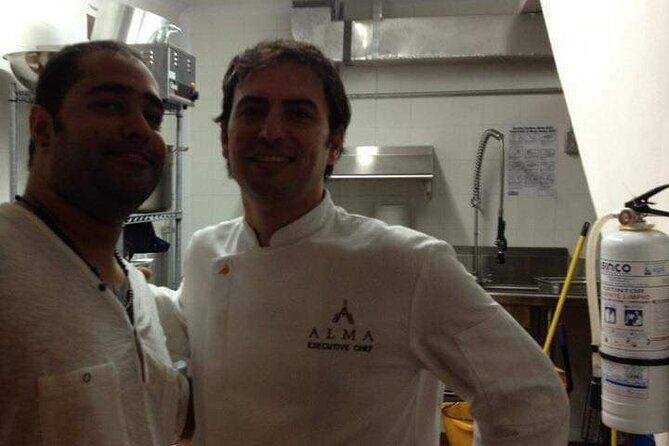
This isn’t a generic “follow the instructor” cooking workshop. The class is run by Chef Hector Aguilsr (creative chef at Maido) or Chef Jose Aguilar, bringing that restaurant-level mindset into a relaxed, approachable lesson.
If you’re the type who likes cooking for real—not just for fun—this kind of chef-led class matters. You’ll likely get clearer reasons behind techniques and not only step-by-step instructions. The reviews point to this same vibe: friendly teaching, solid culinary tips, and a genuine interest in sharing how Peruvian food works.
Maido is also described as the Best Restaurant in the World (2025), which gives you a sense of the culinary standard behind the experience. Even if you don’t care about awards, that usually translates into better consistency: the pacing is smoother, the ingredients are handled with care, and the learning feels intentional.
You can also read our reviews of more tours and experiences in Lima.


Two Hours In Miraflores: How the Timing Works
The class runs for about 2 hours, and you can choose either a morning or afternoon session. That’s useful in Lima, because weather and energy can shift fast—especially if you’re juggling beach time, historic sites, and dinner plans.
You start at Ca. Gral. Borgoño 712, Miraflores 15074, Peru, and the activity ends back at the meeting point. The “back where you started” structure is underrated: it keeps your day simple and reduces end-of-tour stress, especially if you’re using public transportation.
The group size is capped at 15 travelers, which supports the “laidback but focused” feel. In a bigger class, you often spend more time waiting your turn. Here, you’re more likely to get hands-on guidance while things are still fresh.
Practical note: it’s near public transportation, so you can reach it without planning a whole private transfer just for a two-hour activity.
Market Time and Hands-On Peruvian Cooking
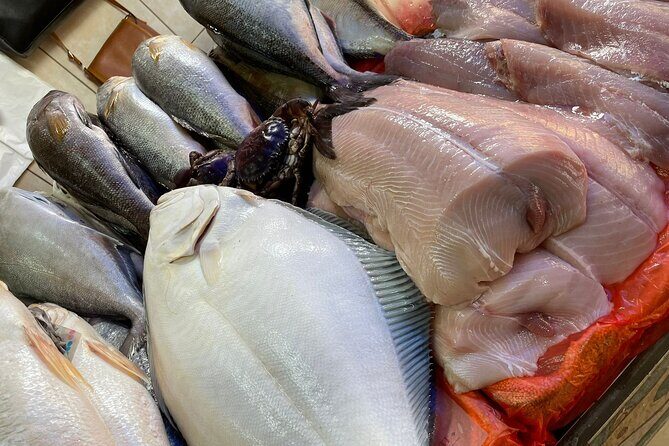
One of the most satisfying parts is that the class doesn’t feel like you only meet ingredients inside a kitchen. You get to experience the Peruvian food side beyond the stove, including a market visit as part of the experience.
That matters because Lima’s ingredients—and the way Peruvians think about flavor—don’t always map neatly onto what you’re used to at home. Seeing ingredients up close can make later cooking steps feel more logical. Instead of memorizing recipes, you start understanding choices: what flavors pair, what textures matter, and how seasoning changes the final dish.
Once cooking begins, the reviews describe interactive food preparation and a style of teaching that makes you feel comfortable. In other words, it’s not a “watch someone else cook” situation. You’ll likely do real prep, not just assembly.
Also, the class includes a friendly, social tone—one review mentions conversation and a relaxed atmosphere that turns strangers into people you want to talk to. That kind of energy is a bonus if you’re traveling solo and want something more personal than a standard group tour.
Pisco Sour Class: More Than a Cocktail Break
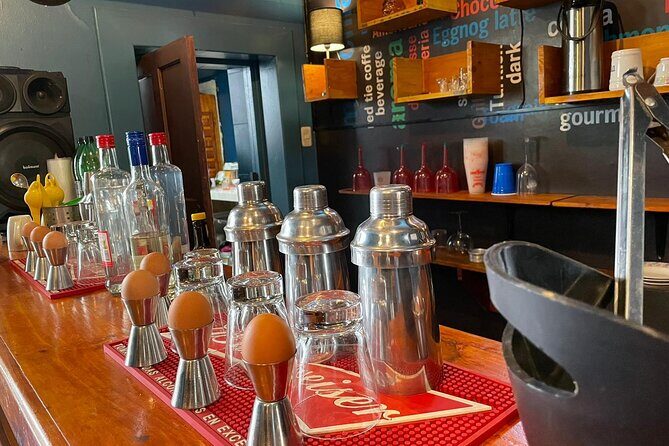
A pisco sour class is a big deal here because it’s not separate from the cooking. It’s built into the experience, which means it connects to the meal you’ll eventually eat.
Peru’s pisco sour isn’t just a drink; it’s part of the food culture. Learning it during a cooking class makes the lesson feel cohesive, especially if the chefs are also talking about how Peruvian flavors balance. The class includes the pisco sour instruction as part of the overall package, so you’re not paying extra or doing a separate tasting half a day later.
If you’re hoping to bring something home, this is one of the best parts to target. Even if cooking isn’t your main skill, you can take the pisco sour steps and ingredient approach and practice later in your own kitchen.
Lunch or Dinner + Recipes of the Day
You’re not leaving hungry. The experience includes lunch or dinner (depending on your session), and you also get recipes of the day.
That combination is what turns this into a real value for your trip. Food lessons are memorable, but they fade fast if you don’t have a way to recreate them. Recipes mean you can try again at home, and they help you remember what you learned about seasoning, timing, or preparation methods.
And because you’re eating what you cook, the meal feels earned. It’s easier to notice what worked well—what you’d adjust next time, what tasted balanced, and what you’d want more of.
One review also mentions sitting down with the group to enjoy the meal together, which supports the idea that you’re not just cooking and running. You get the full arc: gather inspiration, cook, then eat and chat.



Price and Value: Is $60 Worth It?
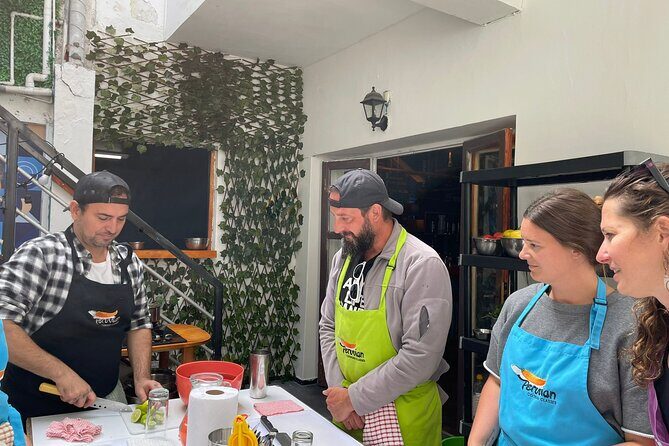
At $60 per person for a 2-hour chef-led class in Miraflores, the value depends on what you want from Lima.
Here’s what you’re paying for that goes beyond a cheap cooking demo:
- Chef access (Chef Hector Aguilsr or Chef Jose Aguilar) with restaurant-level expertise tied to Maido
- Small group limit (maximum 15), which usually means more interaction
- Pisco sour class included
- Market time included
- Meal included (lunch or dinner)
- Recipes provided so you can recreate at home
If you’re comparing this to museum-style tours or basic food tastings, the value is more obvious. This is active learning plus a proper sit-down meal. If you’re the type who likes practical takeaways—skills, not just photos—then $60 feels like a fair deal.
If you’re only interested in tasting without cooking, you might find it a bit more effort than you want. But if you enjoy rolling up your sleeves, the price-to-experience ratio looks strong.
The Small-Group Advantage: Why Up to 15 Matters
A cap of 15 travelers doesn’t just sound nice—it changes the experience.
In smaller groups:
- You can ask questions without feeling rushed
- You get more guidance when your food is mid-step
- Chefs can notice what people are doing and adjust instruction
The reviews back that up with descriptions of friendly, eager teaching and a setting where people become conversation partners. That’s the kind of social comfort that makes cooking classes feel less like school and more like a shared meal project.
Who Should Book This Cooking Class in Lima (and Who Might Skip It)
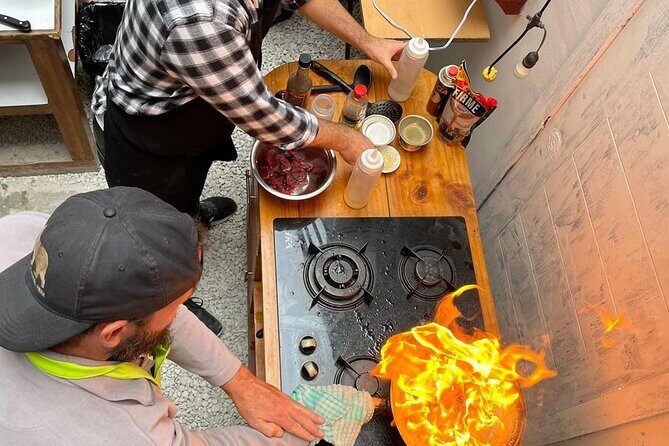
This experience fits best if you:
- Want a hands-on cooking class instead of a passive tour
- Like food culture and want context, not just instructions
- Enjoy learning a Peruvian signature drink through a pisco sour class
- Prefer a setting where you can actually interact thanks to the small group size
It may be less ideal if you:
- Want a very short or very casual activity with no cooking steps
- Are visiting with a busy schedule where weather risk could be a problem (the class requires good weather)
If you’re traveling with kids, note that children must be accompanied by an adult. So it can work for families, as long as you plan accordingly.
Practical Notes Before You Go
You’ll want to think ahead in a few simple ways:
- Dietary needs: food intolerance and allergies can be catered for, which is a big plus if you need modifications.
- Weather matters: the experience requires good weather, and if it’s canceled due to poor weather you’ll be offered another date or a full refund.
- What you’ll receive: cooking class with Chef Hector Aguilsr or Chef Jose Aguilar, pisco sour class, lunch or dinner, recipes, and everything included in the package.
- Where you meet: Ca. Gral. Borgoño 712, Miraflores 15074. Because it’s near public transportation, you can plan transit without making it a whole project.
Also, confirmation is typically sent within 48 hours of booking, as long as there’s availability. If you’re booking last-minute, the provider offers a contact path via phone or WhatsApp at +51-922063425 for last-minute bookings.
Should You Book This Lima Cooking Class?
If you want a Lima food experience that feels practical and personal—skills, ingredients, and a real meal—then yes, book it. The chef-led instruction (Chef Hector Aguilsr or Chef Jose Aguilar), the pisco sour class, and the small-group size are the kind of details that make the session feel worth your time.
I’d especially recommend it if you’re excited by Peruvian cuisine and want more than tasting. The market connection and the included recipes of the day give you the best shot at taking something home you’ll actually use.
If you’re short on time, only want quick bites, or can’t handle weather-related schedule changes, then consider whether a more weather-proof plan would be better. Otherwise, this is a strong, value-focused way to learn Peruvian cooking in Miraflores.
FAQ
How long is the cooking class in Lima?
The experience lasts about 2 hours.
Where do we meet, and is it near transit?
You meet at Ca. Gral. Borgoño 712, Miraflores 15074, Peru, and the location is near public transportation.
What does the class include?
It includes a cooking class with Chef Hector Aguilsr or Chef Jose Aguilar, a pisco sour class, lunch or dinner, recipes of the day, and the experience itself is designed as a small-group activity.
Can I choose a morning or afternoon class?
Yes. You can choose either a morning or afternoon class to fit your schedule.
How big is the group?
The tour has a maximum of 15 travelers.
Who teaches the cooking?
The class is led by Chef Hector Aguilsr or Chef Jose Aguilar, associated with Maido.
Is food intolerance or allergies accommodated?
Yes. Food intolerance and allergies can be catered for.
Do I get recipes to take home?
Yes. You receive recipes of the day.
Will I get confirmation after booking?
Confirmation is sent within 48 hours of booking, subject to availability.
What’s the cancellation policy?
You can cancel for a full refund up to 24 hours before the experience starts. If you cancel less than 24 hours before, the amount paid is not refunded.