REVIEW · CUSCO
4-Day Lares Trek to Machu Picchu
Book on Viator →Operated by Inkayni Peru Tours · Bookable on Viator
High passes and quieter trails set the tone. This 4-day Lares Trek to Machu Picchu swaps the crowded Inca Trail vibe for small Quechua mountain communities, alpine lakes, and passes near 14,000 feet (4,400m), then caps it with a guided Machu Picchu visit when you’re still fresh. I especially love the morning-first strategy for Machu Picchu, plus the chance to see the Andes at a slower, more human pace.
What also wins is the trip’s hands-on support. You get a professional bilingual guide, a chef, mules that carry camp gear and up to 7kg of your personal items, and camp comforts like Thermarest-style inflatable mattresses plus an oxygen bottle and first-aid kit for altitude jitters. The main drawback is straightforward: you’re signing up for real altitude and early starts, including a 5:00am meeting time and hard uphill moments that can feel tough if your fitness isn’t strong.
In This Review
- Key things you’ll notice on this trek
- Why the Lares route feels different than the usual Peru circuit
- Day 1: Cusco pickup, Sacred Valley drive, and the climb to Pumahuanca
- Day 2: the highest pass, long downhill energy, and Yanacocha
- Day 3: Quechua family visit, alpaca textiles, and Lares hot springs
- Day 4: Machu Picchu’s guided tour plus optional mountain views
- What’s included (and what you still need to bring)
- Value and pricing: what $656.42 covers in real terms
- Who this trek fits best (and who should rethink it)
- Practical tips so you don’t feel behind on altitude
- Should you book the 4-Day Lares Trek to Machu Picchu?
- FAQ
- What time does the tour start on the first day?
- How much of the trek is guided?
- Are meals included?
- What sleeping setup is provided?
- Is there a hotel included?
- Do I need separate tickets for Huayna Picchu or Machu Picchu Mountain?
- How does the tour handle altitude?
- Can I request vegetarian meals?
- Is the trek refundable if I cancel?
Key things you’ll notice on this trek
- A genuinely less-crowded route through the Lares area, not the usual stampede
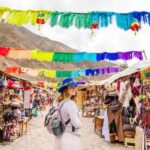
- Quechua village access, including a home visit and time browsing alpaca textiles
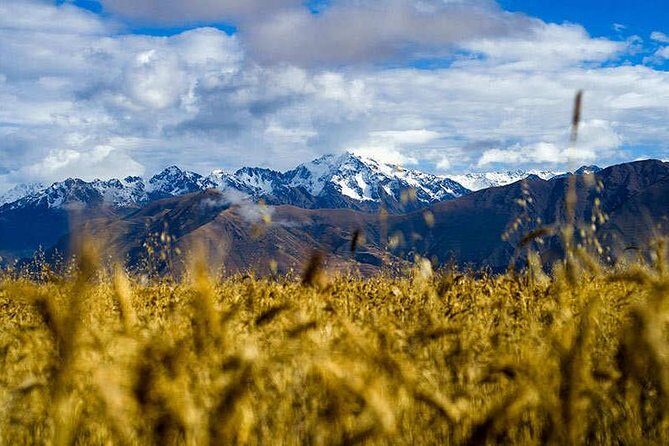
- High-pass hiking near 14,000 feet (4,400m) with big views and real altitude effects
- Yanacocha, Black Water Lake, a memorable stop that looks unreal in certain light
- Machu Picchu in the morning, with a guided citadel tour and extra time to roam
- Comfort built in for a trek: tents, table-and-chair dining setup, hot spring day, and an Aguas Calientes hotel
Why the Lares route feels different than the usual Peru circuit
If you want Machu Picchu without arriving as part of a human conveyor belt, the Lares path is a smart choice. The trek’s whole premise is a change of pace: fewer people, more quiet footpaths, and a stronger sense of everyday Andean life as you move through mountain valleys.
I like that your itinerary builds in natural breaks. You’re not just walking all day, then falling into bed. You hike through forests and streams, you pause for lakes like Yanacocha (Black Water Lake), and you end Day 3 with a soak at the Lares hot springs area. That kind of rhythm matters when you’re at altitude.
One more practical detail: the group size is capped at 15 travelers. That makes the trek feel more personal and easier to manage, especially when things get steep.
You can also read our reviews of more hiking tours in Cusco
Day 1: Cusco pickup, Sacred Valley drive, and the climb to Pumahuanca
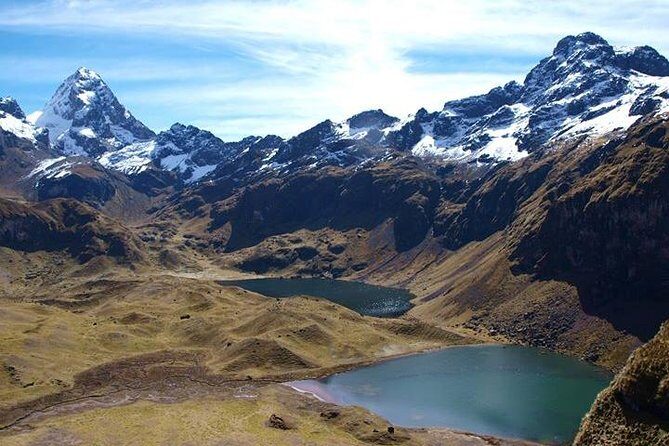
Your day starts early, with pickup from your Cusco hotel and private transport into the Sacred Valley. You get views of snow-capped peaks and traditional Andean villages on the drive, then head to Pumahuanca (2,950 masl / 9,678 ft.), the trek starting point.
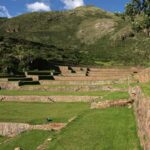
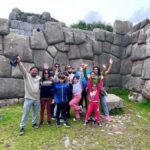
The walking on Day 1 is a gradual ascent: about 14 km (8.7 mi) with roughly 1,150 m (3,773 ft) of gain. You’ll move through a scenic valley with native forests and streams, and your guide also takes time at the Inca site of Pumahuanca, explaining local history plus what you might notice in flora and birdlife.
This is a good first day, but don’t let the word gradual fool you. At altitude, 14 km can feel longer than you expect. Go slow, keep breathing steady, and treat this as acclimatization that happens on your legs.
Day 2: the highest pass, long downhill energy, and Yanacocha
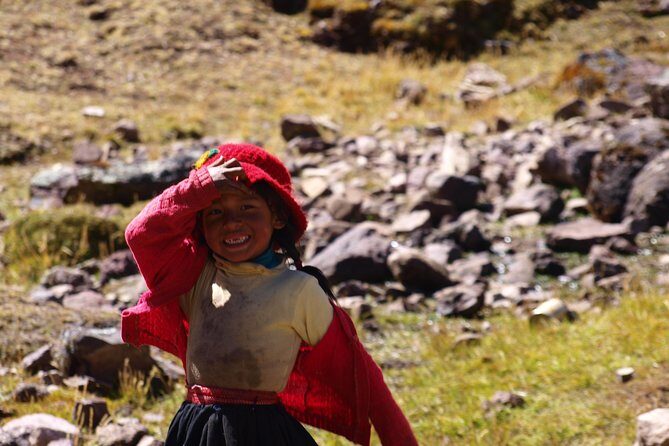
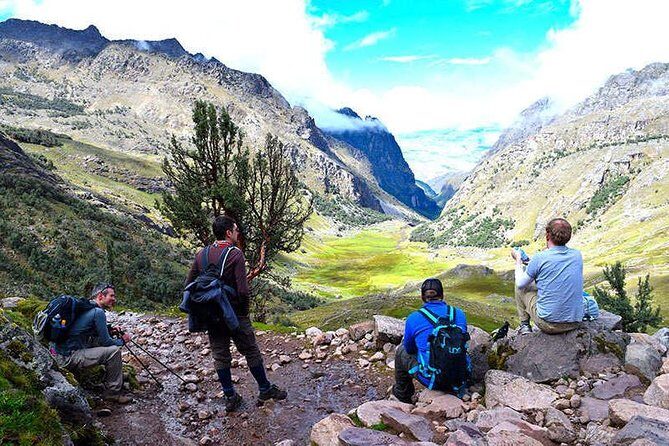
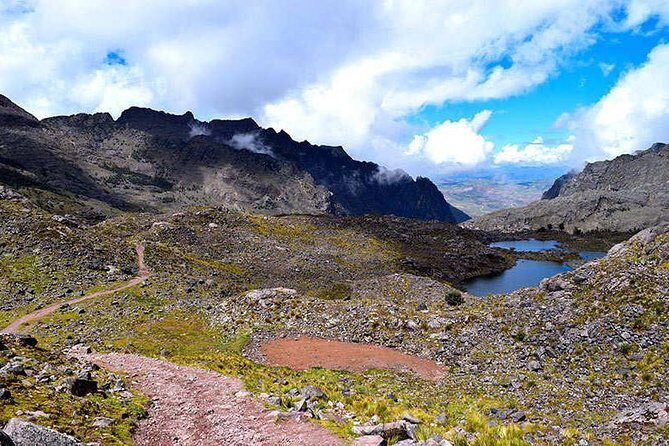
Day 2 is often the day people remember most clearly because it combines exertion with payoff. After camping at Puyoc, you set out for a 13 km (8 mi) trek toward Cuncani at about 3,900 masl (12,795 ft.). The overall feel is easier after Day 1 because you spend much of the day descending, but you still earn your views with a climb.
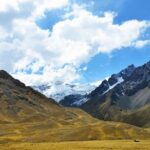
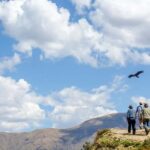
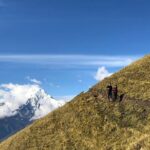
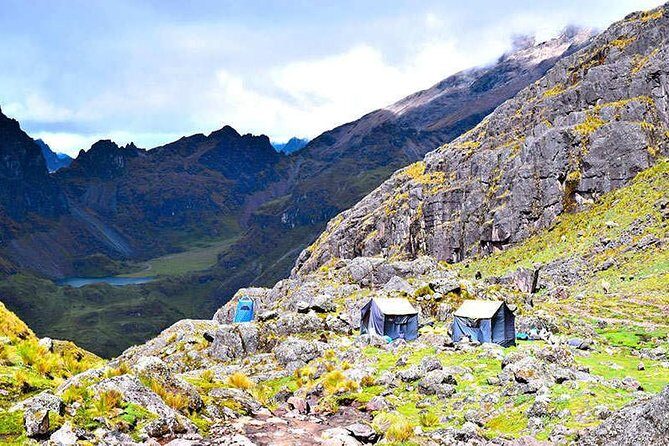
The morning includes about two hours of climbing to the trek’s highest pass. From there, you look out over remote valleys and snow-capped peaks, then start a downhill stretch that helps your legs recover.
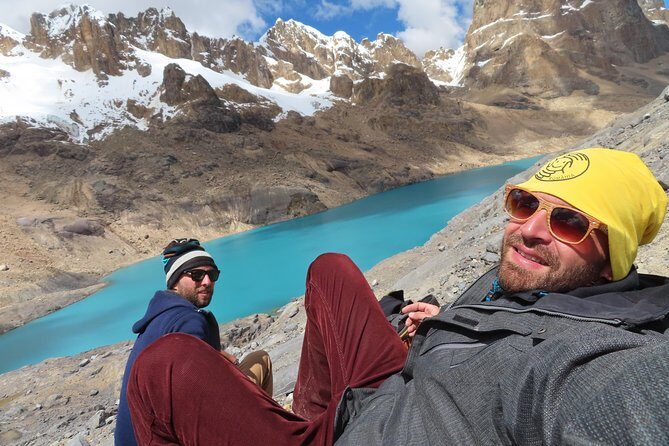
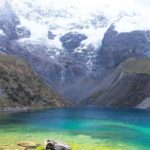
Then comes one of the most striking natural moments: the chance to see Yanacocha (Black Water Lake). The idea is simple—dark, mirror-like water that reflects the sky—and the effect can be dramatic depending on light and wind.
If you’re prone to rushing when you finally feel steadier, watch that habit today. Descents are easier on your breathing but harder on your knees and feet. Take shorter steps, use trekking poles if you have them, and keep your pack snug.
Day 3: Quechua family visit, alpaca textiles, and Lares hot springs
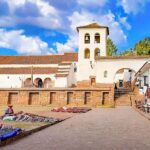
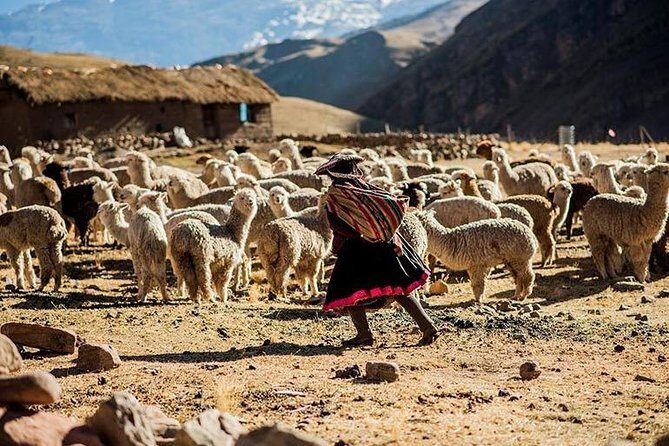
Day 3 shifts from scenery to people, which is often the part that stays with you. After an early wake-up, your guide takes you to a local home for an Andean family visit. This is where you’ll see traditions up close and likely pick up practical, friendly cultural context—plus a bit of humor if you try a few Quechua phrases and get a laugh back.
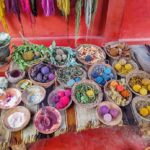
You also have time to offer small gifts (if you bring them), and to browse handwoven alpaca textiles. The textiles here matter because they’re not a generic souvenir stop; they connect directly to the household economy and craft tradition. If you’ve ever wondered why alpaca pieces last and feel different, this is where the answer becomes personal.
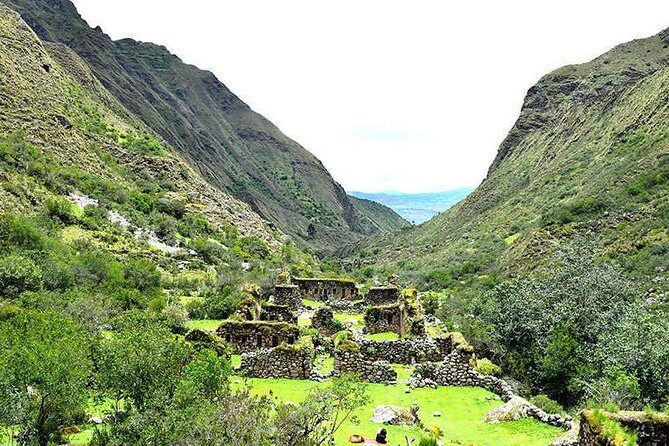
After that, you leave Cuncani and take a gentler path down: about 6 km (3.7 mi) to the Lares hot springs area at around 3,150 masl (10,334 ft.). The itinerary notes quinoa and tarwi fields along the way, so you’ll likely see how agriculture looks in the Andes at this altitude.
This is also your physical reset. When you’re tired, hot water doesn’t solve altitude, but it can reduce that heavy-stiff feeling and help you sleep better.
Day 4: Machu Picchu’s guided tour plus optional mountain views
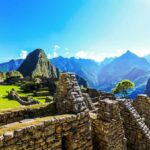
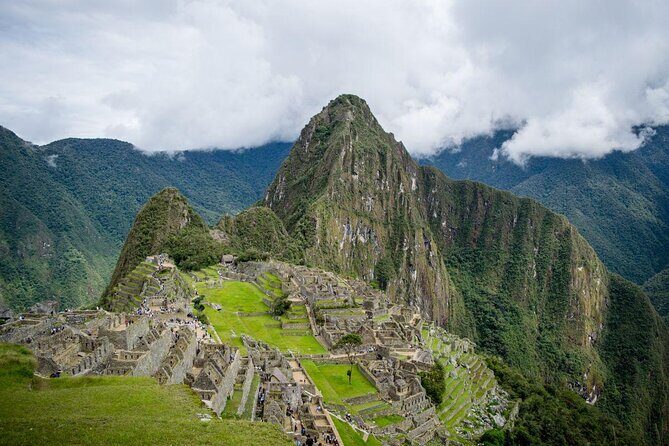
You start early on Day 4 with breakfast, then board a morning bus up to Machu Picchu (about 2,430 meters / 7,972 ft.). The morning timing is a big part of why this trek works. You arrive while the citadel is still at its most workable and less chaotic.
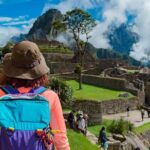
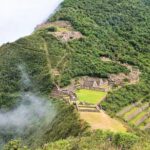
Once inside, you get an in-depth guided tour that covers temples, ceremonial areas, terraces, and storage structures. That guidance helps you connect what you’re seeing to how the site functioned, not just what it looks like from a distance.
After the guided portion, your group returns to Aguas Calientes. The plan also includes time for you to explore on your own after the tour, which is where Machu Picchu turns from lecture into personal experience. You can walk slower, step into viewpoints at your pace, and decide what you want to look at again.
If you want a bigger perspective, there’s an option to climb Huayna Picchu or Machu Picchu Mountain—but you need an additional ticket in advance. Entrance to those is not included, so budget for it if you want the extra height and viewpoints.
A few more Cusco tours and experiences worth a look

What’s included (and what you still need to bring)
This trek is built as an all-in package, which is a huge part of the value. On the trail, you’ll have a dining tent setup with tables and chairs, plus camp structures: 4-person tents for every 2 trekkers and an inflatable sleeping mattress for each person.
You’ll also have real medical and altitude support. The included items list an oxygen bottle and a first aid kit. It’s not a guarantee against altitude sickness, but it’s reassuring when you’re going to nearly 14,000 feet (4,400m).
Meals are also mostly handled for you. The tour includes breakfast (3), lunch (3), and dinner (3), with the note that breakfast on Day 1 and lunch on Day 4 are not included. Water is included after the first part of the day, but you may need to bring water for the first 4 hours of the trek.
There’s also the mule support detail you’ll feel immediately: mules carry cooking and camping equipment and up to 7kg of your personal items. That means you don’t have to carry every last thing all day, which can be the difference between enjoying the hike and suffering through it.
Just make sure you plan for the gear gaps:
- Sleeping bag is not included, but it can be hired
- Bring a waterproof jacket or rain poncho
- Bring warm layers, gloves, a hat, and good walking boots
- Sunscreen factor 35 or higher and insect repellent are listed as what you should have
- A torch with spare batteries is specifically mentioned
- Bring your original passport (and ISIC if you want any student discount)
Value and pricing: what $656.42 covers in real terms
At $656.42 per person, the value comes from how many major costs are wrapped into one plan. You’re not just paying for hiking. You’re paying for trained leadership and the logistics that keep a trek moving safely and on schedule.
Included costs that matter:
- A professional bilingual guide (and an assistant guide for groups of 9+)
- Chef and camp services
- Entrance fees
- Transport to the trail start in the morning and return transport by train and bus to Cusco
- Bus round trip from Aguas Calientes to Machu Picchu
- An Aguas Calientes hotel on Day 3
- Machu Picchu tour with a guide, plus time to explore afterward
For me, this turns the decision into a simple question: do you want to wrestle with logistics, or do you want to focus on the hiking and the sites? This plan is built for the second option. You can spend energy on breathing, footing, and taking photos—not on figuring out which bus goes where.
The one cost to watch is optional mountain entry at Machu Picchu (Huayna Picchu or Machu Picchu Mountain). That’s not included.
Who this trek fits best (and who should rethink it)
This trek is for people who have a strong physical fitness level. The itinerary includes steep altitude work, including a pass near 14,000 feet (4,400m), plus multi-hour trekking days. If you know you struggle with altitude, this trip can still work if you’re willing to move slowly and listen to your guide—but you should be honest about your limits.
A real plus here is that the guide support can be hands-on. In one experience summary I saw, Edgar was praised for encouraging support when the trekker had trouble walking at higher altitudes. That kind of guidance is exactly what you want when your body starts negotiating.
Age-wise, the minimum is 6 years. Group size stays small (max 15 travelers), which helps pacing and keeps the camp vibe manageable.
Food-wise, vegetarian meals are available if you request them at booking. The notes also say they can’t accept bookings from clients with life-threatening allergies, so if that applies to you, you’ll need to choose a different option.
Practical tips so you don’t feel behind on altitude
Start with the basics you already see listed, because they’re there for a reason:
- Pack sunscreen (factor 35+), and use it even if it’s cloudy
- Bring a rain layer, because the Andes can shift fast
- Wear gloves and a warm hat; morning air at altitude can bite
- Use trekking rhythm: steady pace beats speed at passes
Also, think about hydration and water planning. Since water is not included for the first 4 hours, don’t wait until you feel thirsty to get organized. Eat and drink early, especially on pass days when effort ramps up.
Sleep matters too. You’ll be in tents with an included mattress, which is helpful, but you’ll still want warm layers because colder nights can make it harder to rest. Better rest usually means better hiking the next morning.
Should you book the 4-Day Lares Trek to Machu Picchu?
I think you should book this trek if you want a less-crowded route, real Andean village contact, and a Machu Picchu visit that starts early enough to feel manageable. The combination of guided history at Pumahuanca and Machu Picchu, plus quieter natural stops like Yanacocha and the hot springs day, makes the 4 days feel full without feeling chaotic.
Skip it (or at least talk to your doctor first) if altitude trips you up easily or if you’re not comfortable with early mornings and a high pass. This is not a walk-in-the-park itinerary.
If you want the practical middle ground—guided support, included logistics, and still enough time to enjoy the trail and ruins—this Lares route is a very solid bet.
FAQ
What time does the tour start on the first day?
The meeting/start time is listed as 5:00am, and Day 1 includes hotel pickup from Cusco.
How much of the trek is guided?
You’ll have a professional bilingual tour guide throughout, and the Machu Picchu portion includes an in-depth guided tour.
Are meals included?
Yes. The tour includes breakfast (3), lunch (3), and dinner (3), with breakfast on Day 1 and lunch on Day 4 not included.
What sleeping setup is provided?
You’ll have a camping setup with 4-person tents for every 2 trekkers and an inflatable sleeping mattress (Thermarest). A sleeping bag is not included, but you can hire one.
Is there a hotel included?
Yes. There is a hotel in Aguas Calientes on Day 3.
Do I need separate tickets for Huayna Picchu or Machu Picchu Mountain?
Yes. Entrance to Huayna Picchu Mountain is not included, and you’ll also need an additional ticket (if you want those optional viewpoints).
How does the tour handle altitude?
The inclusions list an oxygen bottle and a first aid kit. The itinerary also reaches high passes near 14,000 feet (4,400m), so strong fitness helps.
Can I request vegetarian meals?
Yes. Vegetarian meals are available if you advise at booking and share any dietary requirements.
Is the trek refundable if I cancel?
No. This experience is listed as non-refundable and cannot be changed for any reason.