REVIEW · PUNO
Full Day Tour to Titicaca Lake in Puno: Uros and Amantani
Book on GetYourGuide →Operated by AREQUIPA EXPLORER Y ACTIVIDADES TURISTICAS · Bookable on GetYourGuide
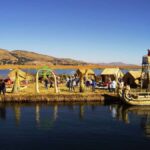
Reed islands feel like another planet. On this full-day trip from Puno, you’ll see how the Uros community makes life from totora reeds and you’ll get a guided look at a world shaped by the lake.
What I love most is the up-close feeling of watching everyday craft—homes and boats built the same way as they have for generations.
My second big win is Amantani. After the walk to the town, you get a longer stretch of time to roam, plus textile stories from local families, and a typical lunch based on trout with lake views.
One thing to consider: the day has a lot of transit, so the time on the floating islands is limited. If you want long stays in just one place, this itinerary may feel a bit rushed.
Key things to know before you go
- Uros islands are built from totora reeds, used for homes, boats (rafts), fuel, and food
- You’ll visit a main Uros island plus nearby islands, with guided stops and photo breaks
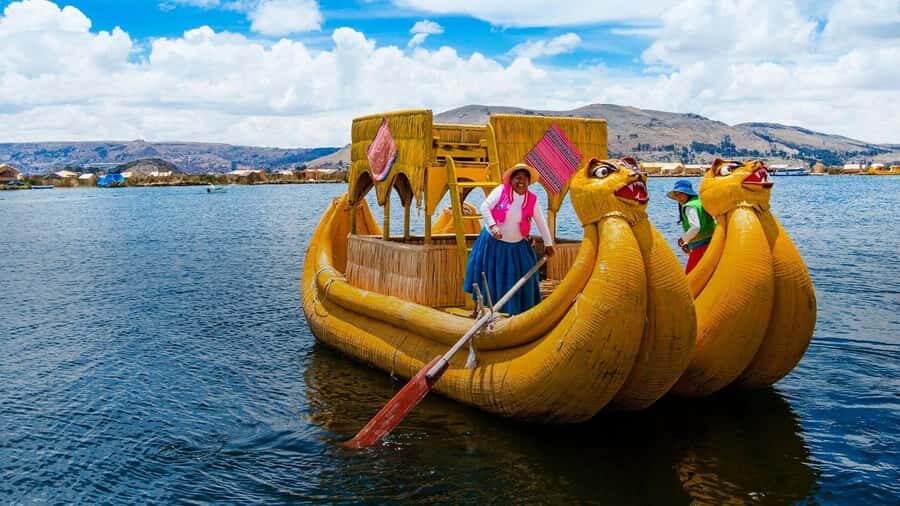
- There’s an optional ride in a traditional totora boat for an extra fee
- On Amantani, expect a walk up to town and then about three hours to explore and interact
- Lunch is included and is typically trout-based, served at a local restaurant
- The day runs long (about 9 hours), so plan for a slow, recovery-friendly return
In This Review
- Why Uros and Amantani Make Sense as a Same-Day Titicaca Trip
- Morning Pickup in Puno and the Boat Start to the Lake Port
- Uros Floating Islands: Reed Craft You Can Actually See
- What you’ll learn (and why it matters)
- How the island visiting typically goes
- The optional totora boat ride
- A practical drawback to keep in mind
- Crossing Toward Amantani and the Timing Between Stops
- The Amantani Island Walk and the Village Time You Actually Need
- What you’ll focus on during the guided visit
- Free time: where the experience becomes yours
- Lunch on Amantani: Typical Trout and a Real Local Meal
- Puno Return Timing: Why the Day Feels Long (and How It Can Be Worth It)
- Price and Value: What You Pay for at This $29-Per-Person Rate
- What costs extra
- The value call
- Who Should Book This Titicaca Tour (and Who Might Want a Different Plan)
- Should You Book This Titicaca Day Trip?
- FAQ
- How long is the tour?
- What time does pickup happen in Puno?
- What does the tour include?
- What languages is the guide available in?
- How long do you spend at the Uros floating islands?
- Do you include a lunch on Amantani?
- Is there an extra cost for a traditional totora boat ride?
- What if my hotel is outside Puno’s historic center?
Why Uros and Amantani Make Sense as a Same-Day Titicaca Trip
This tour works because it gives you two very different “lenses” on Lake Titicaca—one that’s very practical and one that’s more story-driven. Uros is about how a community builds its entire life around the reed-covered water. Amantani leans into ancestry, symbols, and textiles, where you can actually sit in the rhythm of village life for a few hours.
I also like the balance of guided time and free time. The guide keeps you oriented (and helps with English and Spanish interpretation), then you get moments to look, take photos, and wander at your own speed—especially on Amantani.
The overall feel is slow and human-paced. It’s not built like a “rush through the highlights” checklist. Just know the tradeoff: you’ll spend meaningful time traveling between stops.
Morning Pickup in Puno and the Boat Start to the Lake Port
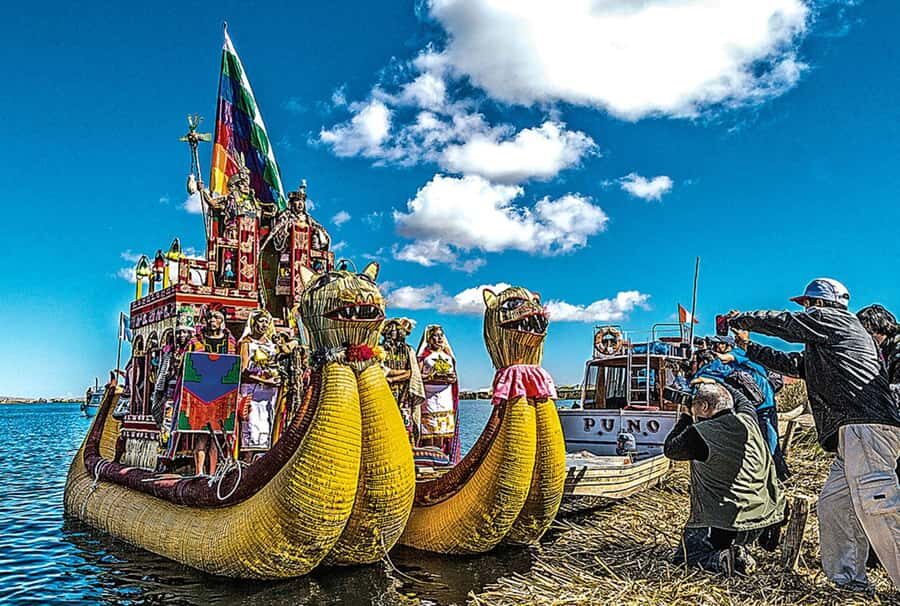
Your day begins with hotel pickup in Puno at around 7:15 am. From there, you head to the lake port to board a motor boat. The first boat portion is roughly 50 minutes, long enough for you to settle in, take in the water, and start watching how conditions change as you move away from the dock.
This is a good moment to get your basics ready:
- water for the day (nothing in the tour listing says you get it besides lunch)
- a light layer if you get chilly on the boat
- a camera you can grab fast for the first views
If you’re sensitive to early starts, that’s the main “real-life” hurdle. The tour is scheduled as a full morning-to-afternoon loop, so you’ll want a solid night of sleep in Puno.
A few more Puno tours and experiences worth a look


Uros Floating Islands: Reed Craft You Can Actually See
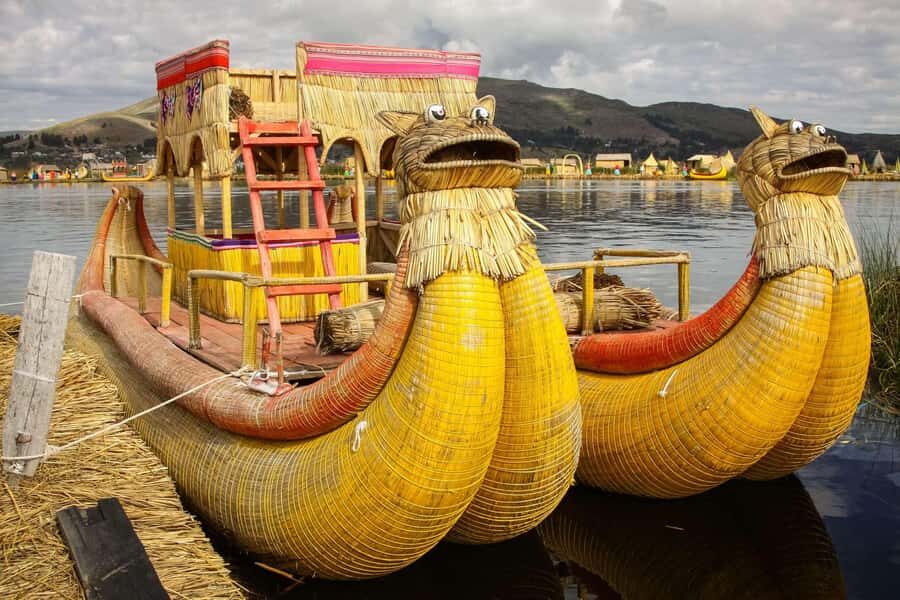
At the Uros islands, you’ll spend about 45 minutes during your main visit. That time includes guided explanation, photo opportunities, and a visit that shows you how the islands work day-to-day.
What you’ll learn (and why it matters)
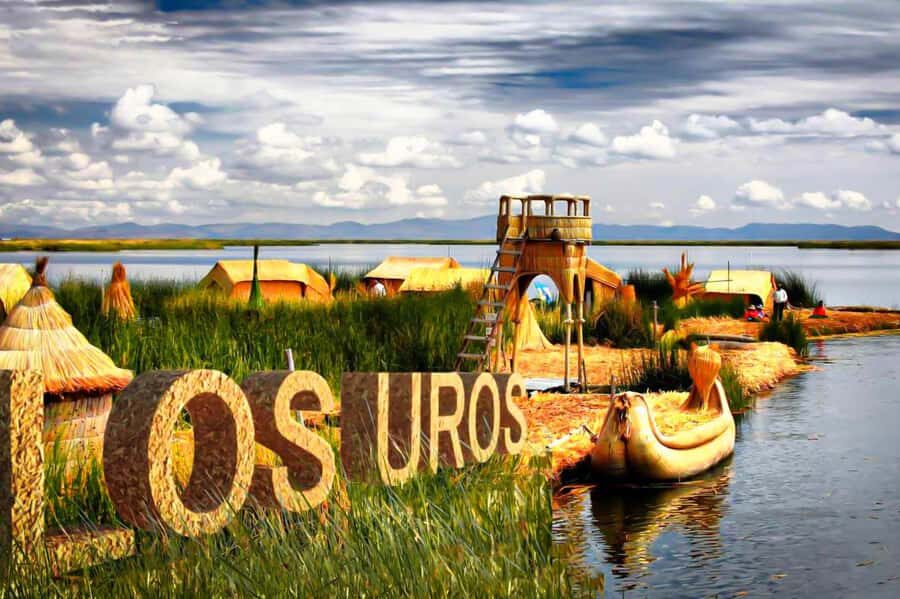
The Uros are an indigenous community spread across more than 40 islands, built with totora reeds by residents. On this trip, you don’t just look from the outside—you’re shown what those reeds become:
- homes and island structure
- boats/rafts
- fuel
- and even food made from what grows there
That last part is what makes the visit feel less like a theme park. You’re seeing a system—one where materials, food, and transportation come from the same reed source.
How the island visiting typically goes
The plan calls for the main Uros island first, then around 2–3 additional islands for shorter stretches (about 30 minutes each, depending on timing). There’s also an option to take a ride in a typical totora boat for an extra cost.
The optional totora boat ride
If you do the add-on, you’ll get a different angle of the islands and a more hands-on sense of movement through reed channels. One review specifically mentioned that the optional totora boat ride was a worthwhile extra (example given: 15 soles). If your budget is tight, you can skip it and still get the core visit.



A practical drawback to keep in mind
The Uros stops are short. You may feel a little rushed if you expect deep, unhurried conversation on every island you pass. Also, this area is very tour-driven, so you should come with the mindset of seeing a living community, not expecting a private workshop.
If you keep your expectations grounded, Uros is one of the most memorable parts of the day. It’s visual, simple to understand, and genuinely different from most cultural sites.
Crossing Toward Amantani and the Timing Between Stops

After Uros, the boat travel continues toward Amantani. The itinerary includes a longer transfer segment—about 2 hours on the water—so you’ll likely feel a shift from the quick island hop pace to a more steady ride.
This is where the “full-day reality” shows up. It’s not just a quick detour. You’re committing to a loop that balances:
- enough time to visit Uros properly
- a meaningful arrival into Amantani
- and then getting back to Puno before late afternoon
Bring patience. The lake travel is part of the experience, even if it’s not the part you’ll remember most in photos.
The Amantani Island Walk and the Village Time You Actually Need
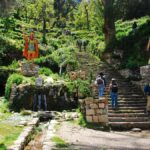
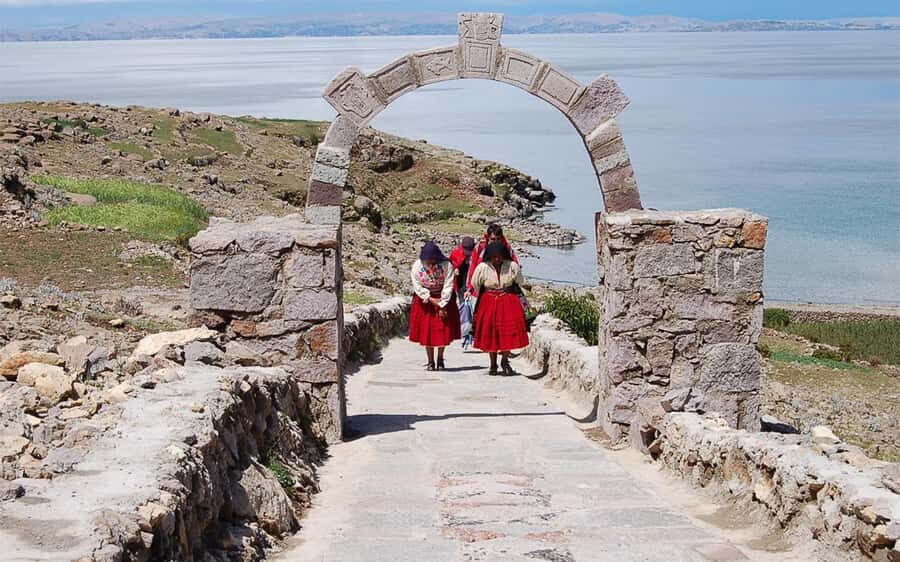
When you arrive on Amantani, there’s a 1-hour walk to reach the town. This is a big deal. If you’re not comfortable walking uphill or at altitude (Puno is already high, and Amantani is a climb), consider whether your stamina matches a full-day itinerary.
Once in town, you get about three hours on Amantani, broken into:
- visiting with guidance
- lunch at a local restaurant
- and free time to explore
What you’ll focus on during the guided visit
Amantani is described as an ancestral island that keeps Inca stories alive. You’ll also spend time observing how local life is connected to agriculture and how people express meaning through textiles.
Free time: where the experience becomes yours
This is where you can slow down. The schedule gives you space to meet people and look closely at daily routines, especially through textiles that locals use to show their way of life. Even without language skills, the textiles tell a lot, because you can see craftsmanship and patterns up close.
This is also when you can do the “good travel move”: ask questions with your body language first—smiles, calm curiosity—and then use whatever language you’ve got. The tour guide supports you, but your curiosity drives the rest.
Lunch on Amantani: Typical Trout and a Real Local Meal
Lunch is included, and it’s described as a typical meal based on trout, served at a local restaurant on Amantani. This is a practical win. You’re not stuck hunting for food between stops, and you’re eating where the tour plan wants you to eat: with locals.
If you’re thinking about value, lunch here is doing more than filling you up. It’s one of the few moments in the day where you’re not moving between places. It’s also the meal most likely to feel “day-trip authentic” because it’s part of the island routine, not a roadside add-on.
Come hungry, then pace yourself. After lunch and free time, you’ll likely be ready for the return travel.
Puno Return Timing: Why the Day Feels Long (and How It Can Be Worth It)

The tour sets you up to return to Puno in the afternoon. The plan has you back at the port around 2:30 pm and arriving in Puno around 5:00 pm, then transferred back to your hotel.
That means you should treat this as a full day out, not a quick culture hit. The lake portions plus the walk on Amantani are what stretch it.
That said, there’s a hidden upside. If you’ve been trekking or doing long days in the Andes, this can be a good “recovery day.” Uros and Amantani are active experiences, but the main intensity is spread across the day rather than being a single exhausting hike.
If you’re the type who gets cranky after too much time in transit, pack snacks and keep your expectations realistic.
Price and Value: What You Pay for at This $29-Per-Person Rate
At about $29 per person, this tour prices like a value-focused lake day—especially because the basics are covered:
- tourist boat(s) for the route
- a professional guide
- typical lunch
- hotel pickup and drop-off in Puno’s historic center (with coordination for remote areas)
- all the fees
You’re also getting English and Spanish guidance, which matters for understanding the reed-building and the story-based parts of Amantani.
What costs extra
Two things can add cost:
- Breakfast is not included, so you’ll want to eat before pickup.
- The totora boat ride is optional and may cost extra (an example given in one account was 15 soles).
Also, if your hotel is outside the historic center, pickup and return may cost extra. One example mentioned a higher pickup/return charge, so ask your provider if you’re not sure where you fall on the map.
The value call
To me, the value depends on your goal:
- If you want both Uros + Amantani in one day, and you’re okay with transit, the price is fair.
- If your goal is maximum time in one place, you might find the schedule tight for the money—especially around Uros, where island time is limited.
Who Should Book This Titicaca Tour (and Who Might Want a Different Plan)
This is a great fit if you want:
- a clear, guided explanation of how totora reeds shape Uros life
- a full day of gentle roaming on Amantani, including textiles and village time
- a included lunch so you’re not juggling meals mid-excursion
It’s also a good match if you like culture experiences that are hands-on and visual rather than museum-style.
You might want to reconsider if:
- long boat travel and a walk on Amantani feel like too much
- you strongly prefer spending more time in fewer locations
- you’d rather avoid a tour-heavy environment (Uros is built for visitors, even when the community is real)
Should You Book This Titicaca Day Trip?
Yes—with conditions.
Book it if you’re excited by the idea of living reed islands and you want a day that mixes explanation with real village time on Amantani. The included guide support in English and Spanish, plus lunch and hotel transfers, keeps this from turning into a logistics headache.
Skip or shop around if you’re planning to move at a slower pace than the schedule allows, or if you’re the type who gets irritated by short stops and lots of traveling. In that case, you may prefer an itinerary with longer on-site time.
If you do book, do yourself one favor: arrive rested, wear comfortable shoes for the Amantani walk, and keep your expectations focused on what this day is best at—seeing how people live with the lake.
FAQ
How long is the tour?
It’s a full-day trip of about 9 hours.
What time does pickup happen in Puno?
Pickup is at approximately 7:15 am.
What does the tour include?
Included are the tourist boat(s), a professional guide, a typical lunch, hotel pickup and drop-off in Puno’s historic center, and all fees.
What languages is the guide available in?
The live guide speaks English and Spanish.
How long do you spend at the Uros floating islands?
You’ll visit the Uros islands for about 45 minutes, and the plan also includes additional nearby islands for shorter visits.
Do you include a lunch on Amantani?
Yes. Lunch is included and is described as a typical trout-based meal at a local restaurant.
Is there an extra cost for a traditional totora boat ride?
The option to take a ride in a typical totora boat is described as extra-cost, and one mentioned example price was 15 soles.
What if my hotel is outside Puno’s historic center?
Pickup and return are included for hotels within the historic center. For remote places, coordination may be done at an extra cost.