REVIEW · PUNO
Floating Islands of the Uros
Book on GetYourGuide →Operated by Titicaca Travel Peru · Bookable on GetYourGuide
Reeds beneath your feet can feel unreal. On this Uros floating islands tour from Puno, you ride out to Lake Titicaca, step onto reed-built homes, and learn how this Aymara community has kept its way of life going for generations. I especially like the guided explanations and the chance to interact with the islanders up close, not just snap photos.
One thing to plan for: the visit is short, and the totora raft ride isn’t included.
I like that the tour is structured for quick learning. You get a mix of guided time on the islands plus some free time to look around and take in the view, and the crew provides a normal boat setup with life jackets and first aid kit. In several cases, guides also help you with basic Aymara greetings, which makes the whole stop feel less like a show and more like conversation.
That said, this is a tight 3-hour loop. You can see a lot, but you cannot expect deep, slow immersion, and the reed-raft ride is an add-on you’ll only get if you choose it (or pay for it) separately.
In This Review
- Key things I’d zero in on
- Entering the Uros World From Puno (and why the route matters)
- The 2-hour island visit: photo stop, guided tour, and time to look
- What you’re actually seeing on the reed islands
- Aymara language and real conversation cues
- Totora raft rides: the add-on people plan around
- How the 3-hour schedule feels on the ground
- Price and value: why $7 can be a smart move
- Who this tour suits best
- Practical tips so the visit is comfortable
- Final call: should you book the Uros from Puno?
- FAQ
- Where is this tour located?
- How long does the tour take?
- How much does it cost?
- What is included in the tour price?
- Is the totora reed raft ride included?
- Are meals included?
- What languages are the guides?
- What should I bring?
- Is it wheelchair accessible, and is smoking allowed?
Key things I’d zero in on

- Uros reed villages: homes built and maintained from totora reeds, explained in plain terms.
- Aymara language moments: you may get help learning greetings before you talk with islanders.
- Hands-on interaction: builders, drivers, and embroiderers show you what they do.
- A short totora raft option: often the extra activity people want most, but it isn’t bundled.
- A simple, scenic route: van + ferry + van, then back the same way, all within about 3 hours.
Entering the Uros World From Puno (and why the route matters)

Puno is the gateway, and this tour keeps things straightforward. You’re picked up in downtown Puno, then you transfer toward the port area and head out to the Uros islands, which are about 8 km from the city.
The route is split into chunks: a short van ride, a ferry crossing on Lake Titicaca, another short van transfer, and then you spend the bulk of the time on the islands. The practical upside is that you’re not stuck doing one long, tiring transfer. You get lake time without losing the whole day.
The other upside is flexibility. If you’re in Puno for just a day (or you want a main attraction without overcommitting), this 3-hour format is easy to slot in. It also means you’ll still have time for other Puno plans afterward, like wandering the waterfront or grabbing a warm drink.
You can also read our reviews of more tours and experiences in Puno.

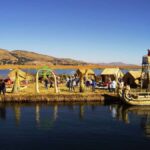

The 2-hour island visit: photo stop, guided tour, and time to look
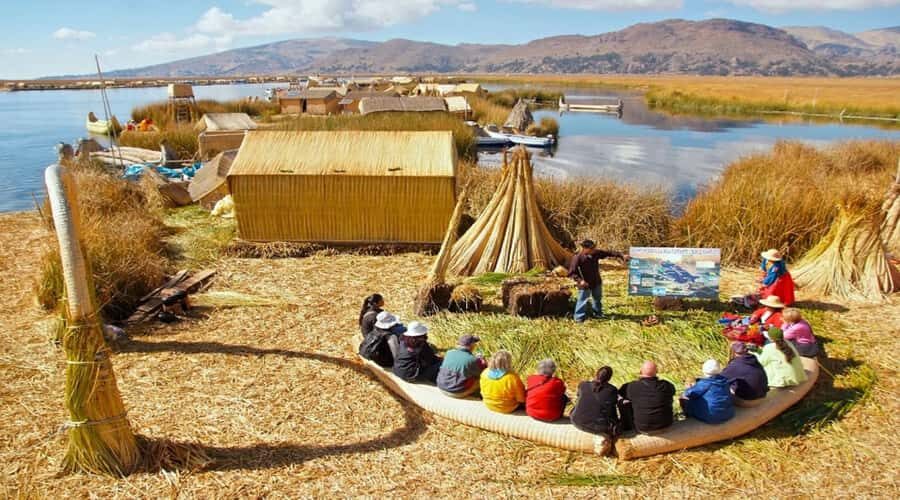
Once you reach the Uros islands, your time is organized so you don’t feel lost. You’ll get a photo stop, then a guided tour where the guide walks you through daily life and what makes the Uros environment work.
After the guided part, you’ll have a bit of free time. That matters. It gives you a chance to look closely at materials, ask a few follow-up questions, and photograph without feeling like a ticking clock is hovering over every second.
You should also expect that each island can feel slightly different based on who’s living there and what they’re focusing on that day. Since the tour is designed around interaction, you’ll learn more by watching how people work and talk than by trying to memorize every detail.
What you’re actually seeing on the reed islands
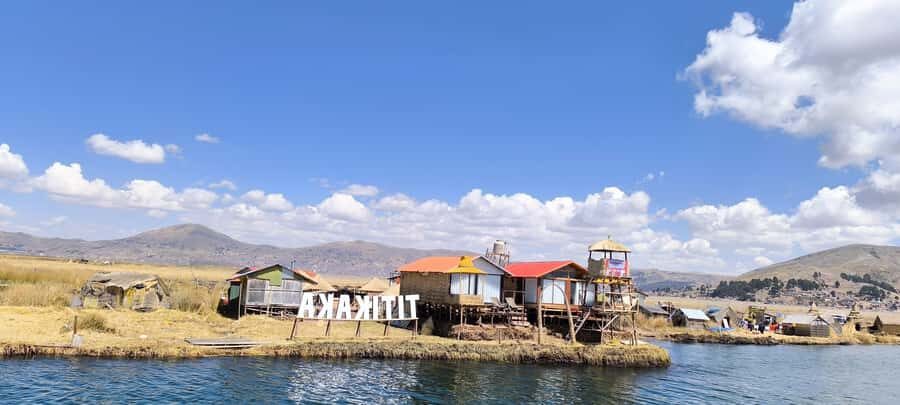
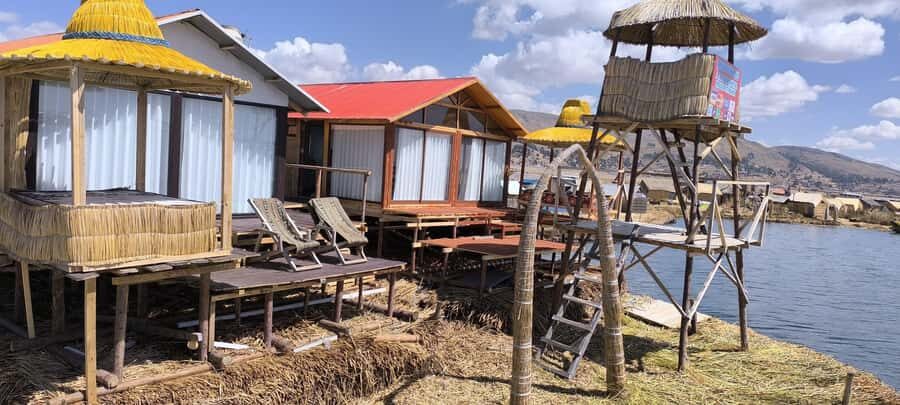
The big thing is that this isn’t a static set. The Uros live in and build with totora reeds, which are the core material for their floating islands.
During your visit, you’ll learn how the community uses reeds for structures and how they maintain them. You also get an understanding of the roles inside the community: men are typically described as skilled builders and drivers of reed rafts, while women are described as skilled embroiderers of rugs. That mix helps you see the islands as a working community, not just a craft project.
You may also hear about traditional activities like fishing, hunting birds, and collecting eggs. The tone on the tour is about explaining life in that setting, not performing it for you.
Aymara language and real conversation cues
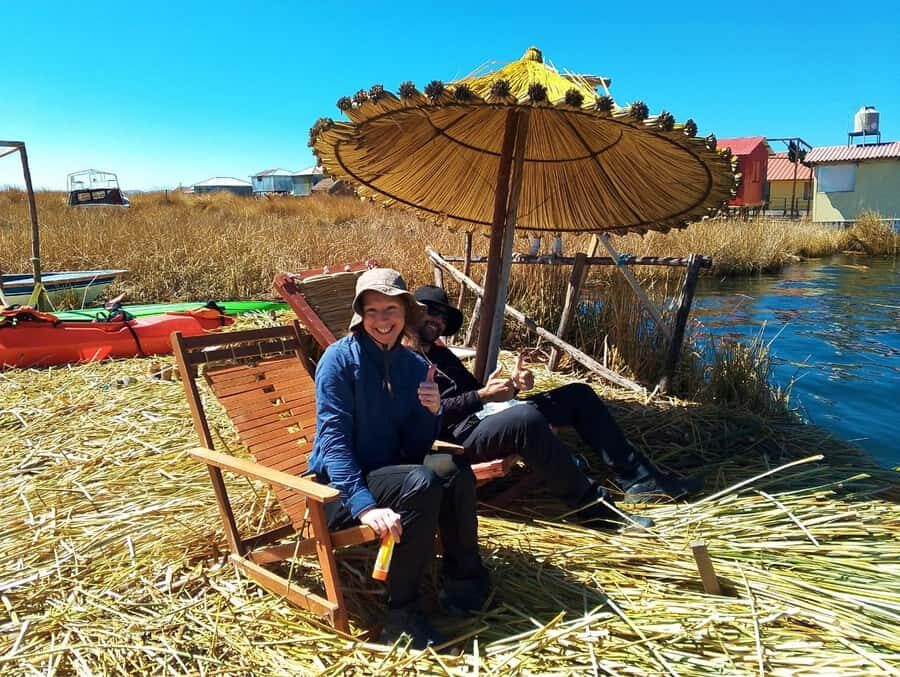
One of the most praised parts of this experience is how the guide helps you connect with people, not just pass by. Guides like Roly have been highlighted for giving practical help with Aymara language greetings, so you can say something friendly before the conversation starts.
Even if your Spanish is strong, those island greetings make a difference. They signal respect. And on small islands, respect travels fast because there’s nowhere to hide behind big-group distance.
This is also where you’ll see how the tour handles cultural boundaries. You’re not sent to a scripted stage. You’re encouraged to be respectful and present. The guide helps set the tone, and the islanders decide how much they want to share at that moment.
If you’re lucky and the schedule fits, you might even be able to meet an island leader. One visit described meeting the president, Olga, on a small reed island. That’s not something you can plan on for every departure, but it’s a good reminder: your guide isn’t just translating facts; they’re helping you access relationships.
Totora raft rides: the add-on people plan around
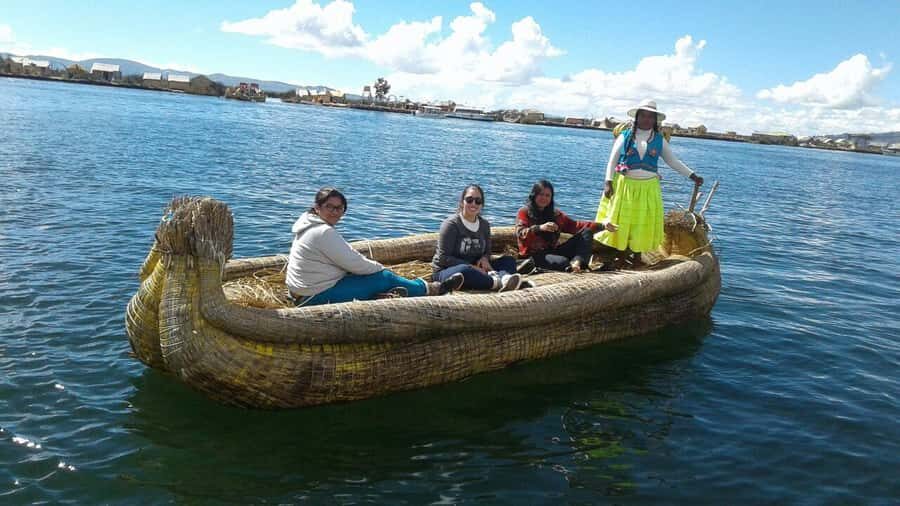
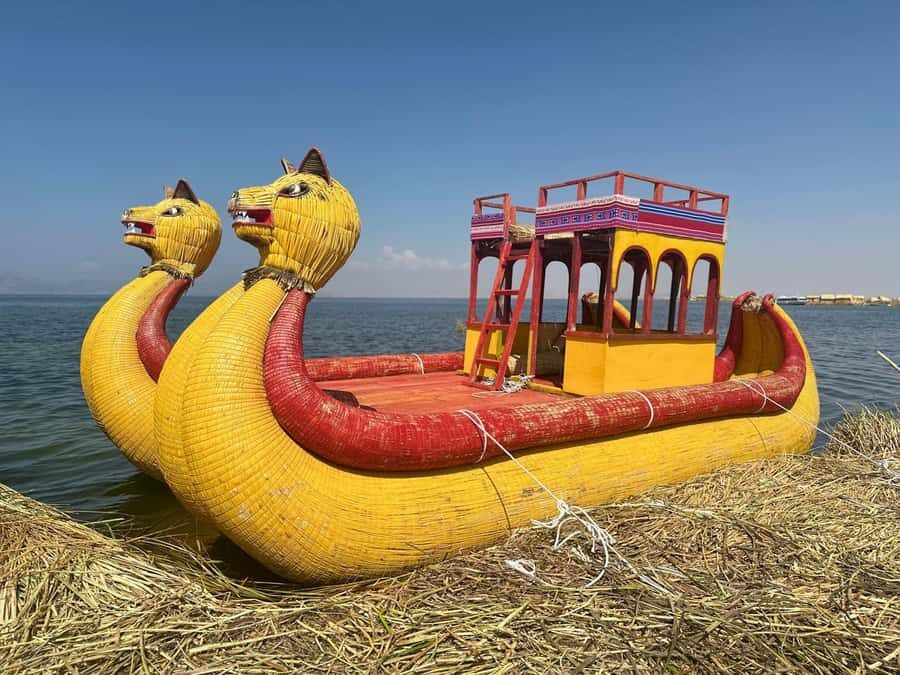
The ride on a totora reed raft is one of the top reasons many people book this kind of tour. But here’s the key point: it’s not included in the base price.
So think of this experience in two layers:
- Layer 1: the guided reed-island visit, interaction, and explanations (included).
- Layer 2: the short raft ride (not included).
If you want that raft moment, factor in extra cost early. Don’t wait until you’re already on-site with only minutes left in the schedule. You’ll enjoy the island part more when you’ve already decided what you’re paying for.
Also, wear comfortable clothes and shoes you can handle on uneven reed surfaces. You want to move confidently, not stiffly.



How the 3-hour schedule feels on the ground
This is the tour’s main tradeoff: it’s efficient, not slow.
You spend about 2 hours on the islands. That includes sightseeing time, a guided portion, and free time. For the iconic nature of the Uros, that’s plenty to understand the basics and get some memorable interaction.
But it is also short enough that you won’t get every possible detail about daily life. If your goal is deep cultural study, you’ll likely want a longer format or an itinerary that stays longer in the area. Here, you’re collecting impressions fast.
Still, for many people in Puno, that short format is exactly right. A lot of travelers use Puno as a stepping-off point to bigger Lake Titicaca plans. This tour gives you the headline experience without swallowing your whole day.
Price and value: why $7 can be a smart move
At $7 per person, this trip is priced like an easy entry ticket to something that feels out of the ordinary. The included package is also more than the island visit itself.
You’re getting:
- Transfer from downtown Puno to the port and back
- Entrance ticket to the Uros
- A normal boat ride setup with comfortable seats, life jackets, and first aid kit
- An official guide in English/Spanish
When you compare that to tours that charge more for similar short-distance island visits, the value looks strong. The big reason is that transportation and guide time are built into the offer.
The one cost you should anticipate is the totora raft ride, since it’s not included. If you skip it, you still get the core experience: guided exploration plus time to interact.
Who this tour suits best
This is a great fit if:
- You’re in Puno for a short stay and want the Uros at an efficient pace
- You like cultural stops where you can ask questions and watch daily work
- You want a guided tour in English or Spanish
It’s also a solid “first Lake Titicaca day” option, because you’re not committing to a full-day lake itinerary. You’ll get lake scenery, reeds, and people-focused learning without dragging your schedule.
If you’re the type who wants extremely detailed, multi-stop cultural coverage, you may find the time limiting. But for an affordable, iconic add-on with real human interaction, it performs well.
Practical tips so the visit is comfortable
The tour is built for walking and outdoor time on Lake Titicaca, so small comfort choices pay off.
Bring:
- Sun hat
- Camera (you’ll want it for reed structures and island scenes)
- Sunscreen
- Water
- Comfortable clothes and shoes for walking
Don’t smoke on the islands or during the tour. Smoking isn’t allowed.
Weather can change quickly near high-altitude water. Dress in layers so you’re not miserable if the wind kicks up. And if you’re prone to motion sensitivity, expect you’ll be on a ferry for part of the route and plan accordingly.
One more detail: the tour notes that it’s wheelchair accessible. If mobility needs are part of your plan, it’s worth confirming with the operator what kind of help or route adjustments they can offer on the day you book.
Final call: should you book the Uros from Puno?
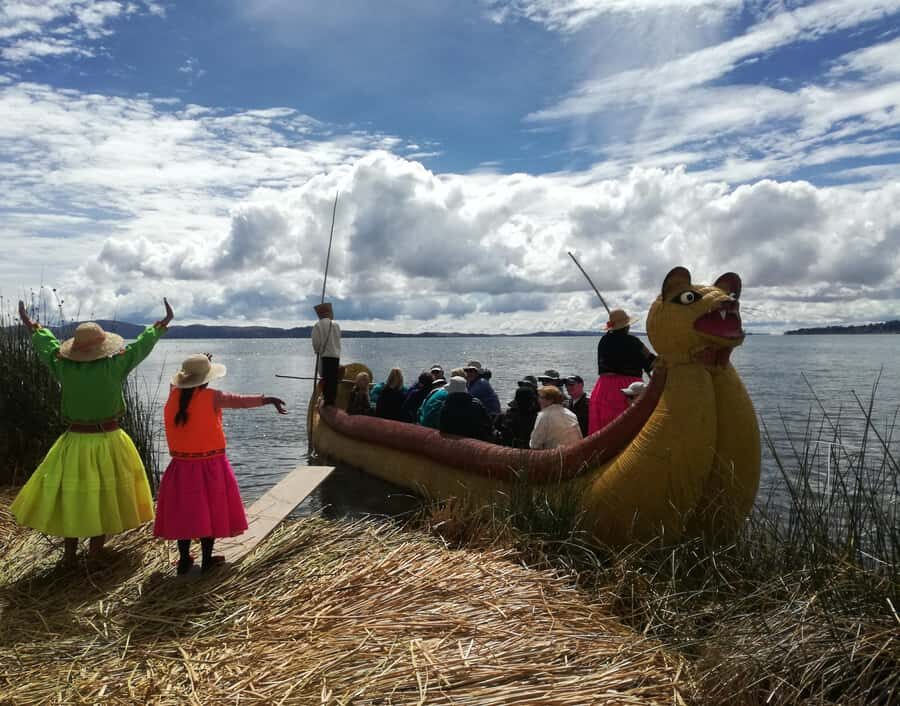
I’d book this if you want an iconic Puno experience that feels human-scale. The best part isn’t just the reed islands. It’s the guided interaction—especially moments where your guide helps you use Aymara greetings and where you can see how builders, drivers, and embroiderers keep life moving on the water.
Skip it only if you’re chasing a long, slow cultural immersion. This tour is designed for a short, memorable snapshot. And because the totora raft ride isn’t included, decide ahead of time whether you want to add that on.
If your goal is straightforward: see the Uros, learn the basics, talk to the people, and move on—this is a strong value way to do it.
FAQ
Where is this tour located?
It takes place at the Uros Floating Islands on Lake Titicaca, with pickups and returns in Puno.
How long does the tour take?
The duration is 3 hours.
How much does it cost?
The price is $7 per person.
What is included in the tour price?
You get hotel pickup and return (downtown Puno to Puno Port and vice versa), the entrance ticket to Uros, a normal boat with comfortable seats plus life jackets and a first aid kit, and an official guide in English/Spanish.
Is the totora reed raft ride included?
No. The totora reed raft ride is not included.
Are meals included?
No. Meals are not included.
What languages are the guides?
The guide is listed as English and Spanish.
What should I bring?
Bring a sun hat, camera, sunscreen, water, and comfortable clothes.
Is it wheelchair accessible, and is smoking allowed?
The tour is wheelchair accessible. Smoking is not allowed.