REVIEW · PUNO
Discover the Celestial Wonder of Sillustani: Towers of Time
Book on GetYourGuide →Operated by Journey Peru SAC · Bookable on GetYourGuide
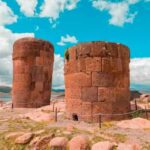
Stone towers, big sky, even bigger meaning. The Sillustani chullpas are ancient funerary towers that reach up to 12 meters high, built by the Kolla for high-status burials, and they’re placed in a dramatic setting on the Umayo peninsula. I especially love two things: how the architecture makes you slow down and look closely at the stone shapes, and how the visit naturally layers in wildlife and science-of-farming details like Waruwaru earthworks. The only real drawback to plan for is the pacing: it’s a short afternoon, with about 1h30 on-site, so you’ll want to decide early what you want to focus on.
You start in Puno and head out in the afternoon, which keeps the light soft for photos and helps you pair the tour with the rest of your day. The guide’s English-Spanish explanations can make the site feel more understandable than just wandering among towers. Still, you should know this tour isn’t designed for everyone: it’s not suitable for wheelchair users or people with visual impairments.
If you enjoy archaeology with real-world context, this one works. You’re not just looking at stone—your route includes the frost-and-flood engineering fields, and you may get lucky with animals around the lake and grasslands.
In This Review
- Key things that make this Sillustani tour worth it
- Sillustani’s chullpas: stone towers for high-status burials
- The route from Puno and your realistic timing window
- Waruwaru fields and the frost-and-flood engineering
- Wildlife chances around the Umayo peninsula
- Umayo Lake views at the edge of the archaeological zone
- The local house stop: typical food and photos with camelids
- How much time you get on site and what to prioritize
- Price and what you’re really paying for
- What to pack for Sillustani: practical Andes basics
- Who this Sillustani towers tour suits best
- Should you book this Sillustani towers tour?
- FAQ
- How long is the Sillustani towers tour?
- What time does pickup happen?
- How long do we visit the archaeological complex?
- How long is the drive from Puno to Sillustani?
- Is transportation included?
- What is included in the price?
- What language is the guide?
- What should I bring?
- Is it suitable for wheelchair users or pregnant women?
- Are any items not allowed?
- When will I know my pickup time?
- How far in advance can I cancel for a refund?
Key things that make this Sillustani tour worth it
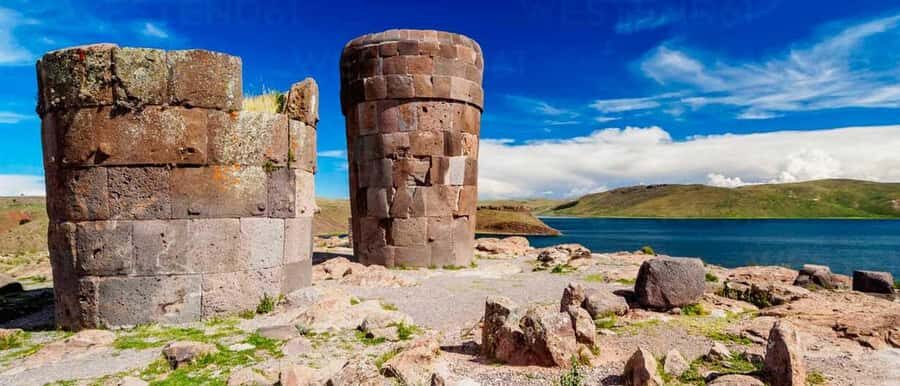
- Stone chullpas built as high-status burials with cylindrical or square tower shapes (some up to 12 meters)
- Waruwaru earthworks—artificial mounds designed to protect crops from frost and floods
- Wildlife chances around the peninsula, including possible sightings of Andean wild pigs and flamingos
- Umayo Lake in front of the archaeological zone for strong payoff views near the end
- A local house stop for typical food and photos with camelids
- A short, efficient afternoon plan that fits well if you’re limited on time in Puno
Sillustani’s chullpas: stone towers for high-status burials
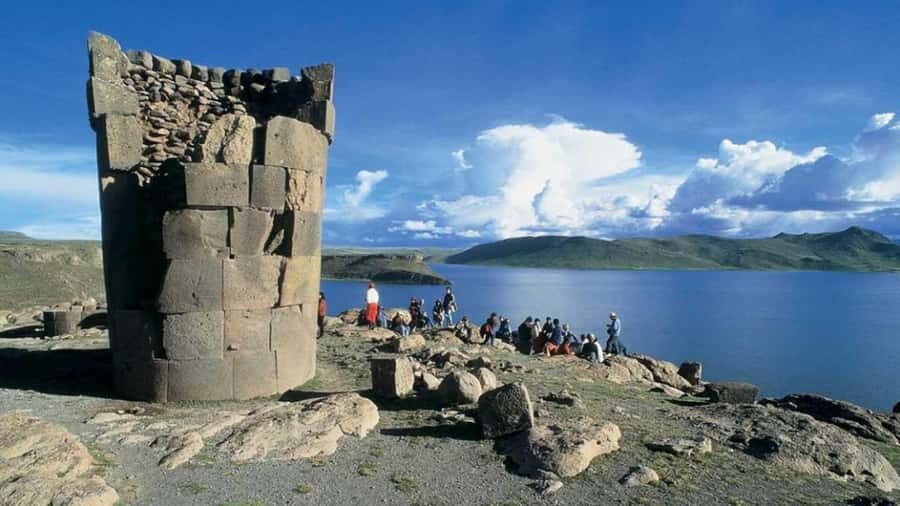
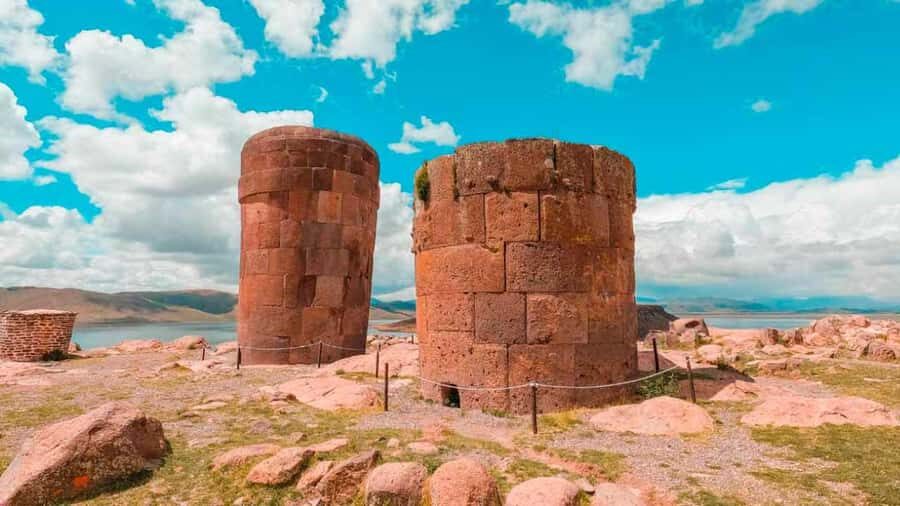
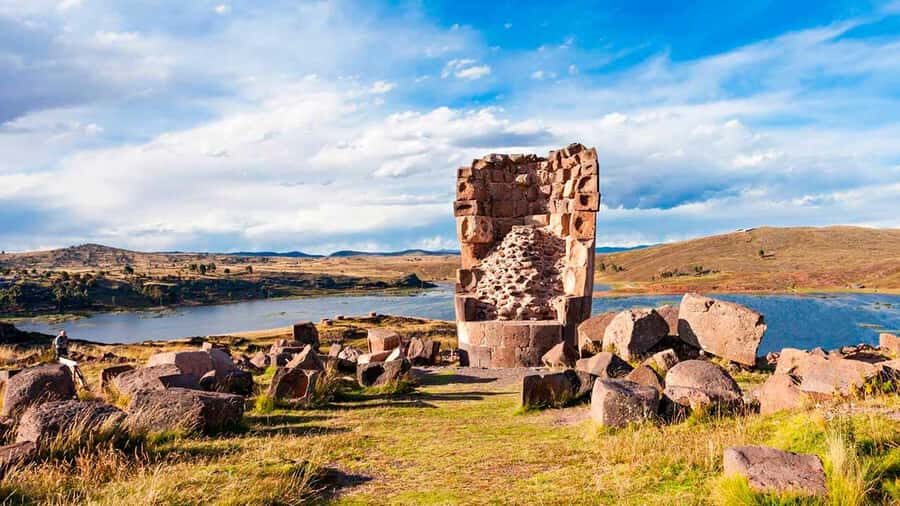
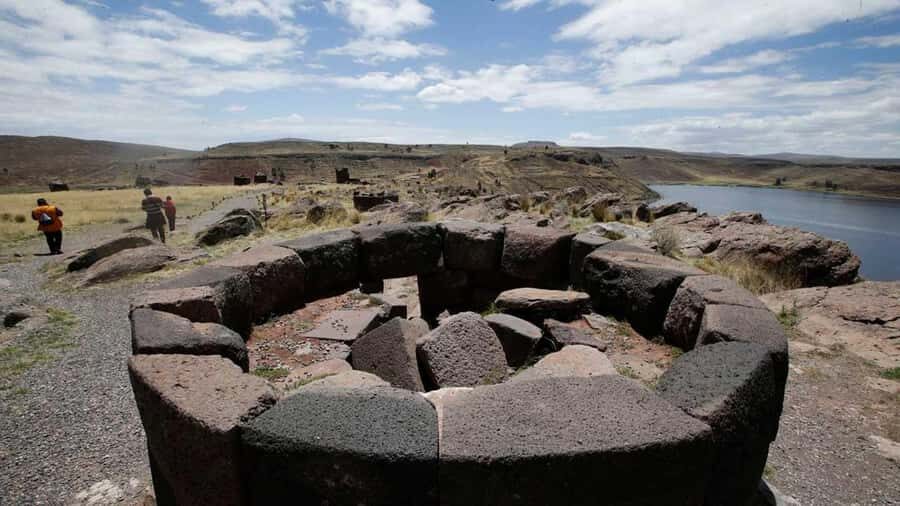
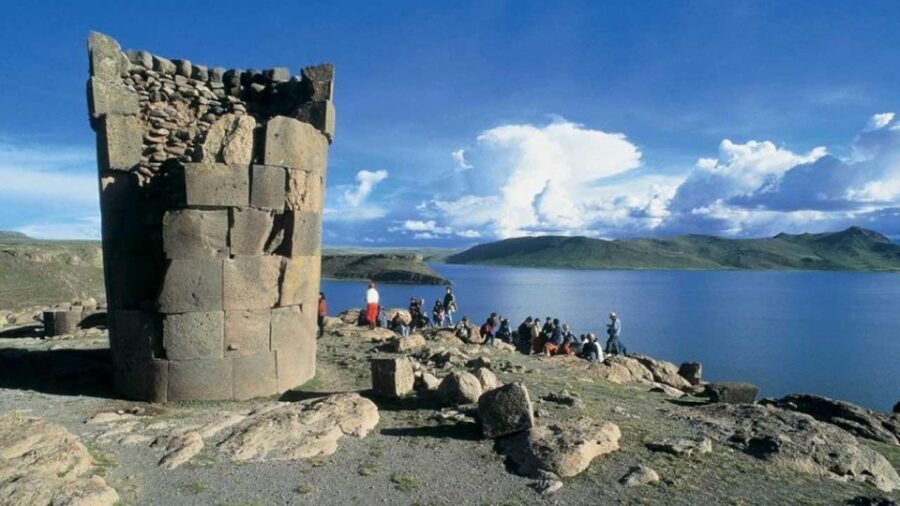
Sillustani is all about the chullpas: ancient tomb towers made from stone, built in cylindrical or square forms. Some reach around 12 meters high, so even from a distance they feel like architecture made for the sky. The Kolla civilization created these for burials of people with high status, which helps explain why the structures are so carefully shaped and why they’re placed where you can see them.
What I like here is how the site invites careful looking. If you pause near a tower and study how it’s constructed, the form stops being “just a photo.” You start noticing patterns of placement and how the towers relate to the terrain around them.
You can also read our reviews of more tours and experiences in Puno.

The route from Puno and your realistic timing window
This tour starts at 2:00 pm with pickup from your hotel, and you’ll ride out for about 40 minutes. Arrival time matters here because you only get about 1h30 to explore the archaeological complex itself. That time is enough if you go with a plan, but it isn’t a slow, all-day hike—think focused sightseeing rather than wandering for hours.
You’ll finish back in Puno around 6:00 pm. That’s handy if you’re trying to keep your itinerary simple: you get a full afternoon outing, then you’re back before evening gets too late. It also means you should come prepared for sun, wind, and changing light conditions after you leave Puno.
Waruwaru fields and the frost-and-flood engineering
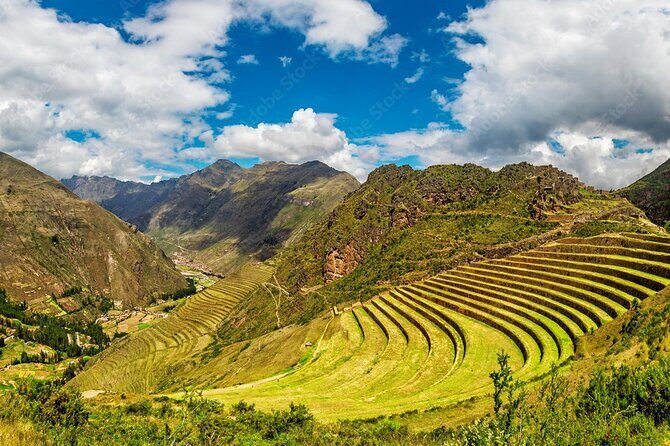
One of the best parts of the experience is that it doesn’t treat Sillustani like a museum stop. As you move through the surroundings, you’ll spot artificial earth mounds used to protect crops from both frost and floods. Locally, this approach is tied to Waruwaru—a farming method that turns the landscape into a tool for survival.
This is a rare kind of “why it matters” moment. It connects the archaeological structures to the practical problem of living in the Andes. Even if you’re not a farming-history person, you’ll likely appreciate the logic: the same environment that makes this region beautiful can be harsh for growing food, so people engineered ways to reduce risk.
Wildlife chances around the Umayo peninsula
The tour route is designed for wildlife spotting, and that’s one reason the afternoon feels lively. If you have a little luck, you may see wild pigs of the Andes, flamingos, and other animals in the Andean ecosystem. Even when sightings are limited, the landscape still feels like it’s “doing something”—there’s wind motion, bird movement, and open-space visibility.
I recommend you don’t chase sightings at the expense of context. Let the guide’s pacing keep you in the right areas. If an animal appears, great—just take a moment, get your eyes on it, and then return to your main goal: understanding the chullpas and the lakefront scenery.
Umayo Lake views at the edge of the archaeological zone
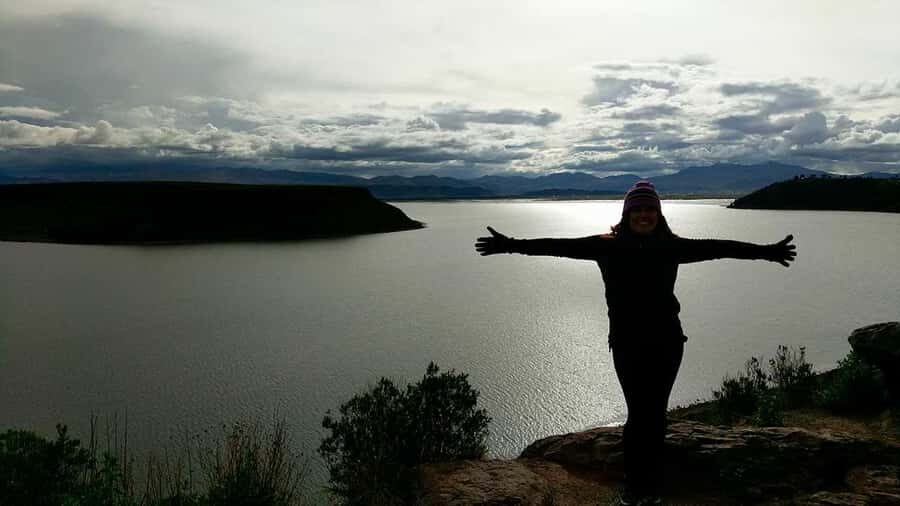
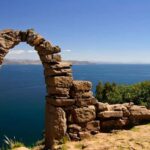
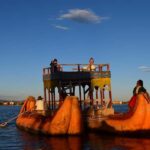
Near the end, you’ll see Umayo Lake, positioned right in front of the archaeological zone. This is where your photos tend to improve without extra effort. The lake adds depth and a sense of place—suddenly those stone towers feel like part of a larger system of water, weather, and grazing lands.
It’s also a good mental checkpoint. By the time you reach this part of the route, you’ve already seen the towers and the Waruwaru earthworks, so the lake works like a visual reward: big sky, reflective water, and a calmer stretch to absorb what you’ve learned.
The local house stop: typical food and photos with camelids
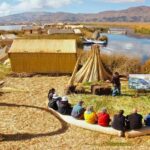
On the way back, the tour includes a stop at a local house. This is where you get a small taste of daily life—learning a bit about how people live in the region, tasting typical food, and taking pictures with different camelids.
This part tends to be a standout because it adds texture beyond the archaeological site. A farm or household stop can be hit-or-miss on some tours, but here it’s integrated as a cultural add-on: you’re not just consuming snacks, you’re getting a quick, human-scale context for the landscape you just visited.
If you like low-key, genuine interactions (not performances), this stop is worth paying attention to. Ask simple questions through your guide, take your time with the food, and use the camelids photo moment as a chance to slow down rather than rush.
How much time you get on site and what to prioritize
With about 1h30 at the archaeological complex, your success depends on priorities. Here’s the smart way to do it:
- Start with the biggest towers. Walk a bit, get oriented, then zoom in on the most striking chullpas first.
- Then focus on shape and placement. Cylindrical versus square isn’t just trivia; it helps you read the site’s design logic.
- Save your best photos for the end. The Umayo Lake views near the end often give you more dramatic framing than the earlier towers.
Because the tour is time-efficient, the guide will likely keep things moving. That’s not a bad thing—it matches the style of a one-afternoon outing. You just need to be ready to make decisions quickly once you’re there.
Price and what you’re really paying for
At about $25 per person, this tour is one of the more value-friendly ways to do Sillustani from Puno—especially if you’re factoring in transportation, entrance fees, and a professional guide. If you were to self-arrange everything, the costs and headaches often add up fast: coordinating transport, figuring out the site access, and paying for any interpretation.
What makes the price feel reasonable is the balance of three elements that are hard to replicate cheaply:
- The guided explanations (English-Spanish) that help you understand what you’re seeing
- Entrance fees included, so you’re not surprised at the site
- A cultural stop on the return, where you taste typical food and meet camelids
The one thing to keep in mind is that you can’t stretch the time on-site. If you want an hour-by-hour, slow exploration with lots of downtime, this might feel short. But if you want a complete afternoon that hits both archaeology and real Andes culture, the cost-to-experience ratio works well.
What to pack for Sillustani: practical Andes basics
Bring what keeps you comfortable without overpacking. The tour asks you to have passport, snacks, drinks, biodegradable sunscreen, and comfortable clothes. Also pack cash, since you might have personal expenses.
You’ll also want to dress for sun and wind. Even if the day starts calm, you can feel exposed in open areas near the lake and peninsula. Comfortable layers help you handle temperature shifts without thinking about it every few minutes.
One safety note: alcohol and drugs aren’t allowed, and weapons or sharp objects aren’t allowed either. That’s the kind of rule that’s worth respecting so you can focus on the experience.
Who this Sillustani towers tour suits best
This tour makes the most sense if you like structured sightseeing with real context. You’ll probably enjoy it most if you:
- Want archaeology but also want the story connected to how people lived and farmed
- Like wildlife spotting and don’t mind that sightings are never guaranteed
- Prefer an efficient afternoon plan that returns you to Puno by early evening
- Value a guide who explains what you’re looking at in English and Spanish
It’s not suitable for pregnant women, wheelchair users, or visually impaired people, so plan accordingly.
If you’re traveling with limited time in Puno, this is also a strong fit. One afternoon, two major landscapes (chullpas and Umayo Lake), plus a cultural stop on the way back.
Should you book this Sillustani towers tour?
Yes, I’d book it if you want the “complete afternoon” version of Sillustani: towers with meaning, Waruwaru farming context, possible Andean wildlife, Umayo Lake views, and a local house stop with typical food and camelids. At $25 with transport, entrance fees, and an English-Spanish guide, it hits good value for an outing that’s hard to piece together on your own without extra planning.
Skip it if you need mobility-friendly access or you’re hoping for a slow, long, deep archaeological walk with lots of downtime. The site time is focused, and the experience is built for one afternoon, not an all-day drift.
If your goal is to leave Sillustani understanding what you saw—and also feeling like you experienced the Andes beyond stone towers—this tour fits the bill.
FAQ
How long is the Sillustani towers tour?
The duration is 1 day, and the schedule is built around an afternoon visit.
What time does pickup happen?
Pickup starts at 2:00 pm from your hotel. You should wait in the hotel lobby about 10 minutes before pickup.
How long do we visit the archaeological complex?
You’ll have about 1 hour and 30 minutes to visit the archaeological complex of Sillustani.
How long is the drive from Puno to Sillustani?
The trip is approximately 40 minutes one way.
Is transportation included?
Yes. Transportation throughout the trip is included.
What is included in the price?
Included are transportation, entrance fees to the archaeological site, and a professional English-Spanish guide.
What language is the guide?
The guide is available in English and Spanish.
What should I bring?
Bring your passport, snacks, drinks, biodegradable sunscreen, comfortable clothes, and cash.
Is it suitable for wheelchair users or pregnant women?
No. It is not suitable for wheelchair users or pregnant women.
Are any items not allowed?
Weapons or sharp objects are not allowed, and alcohol and drugs are also not allowed.
When will I know my pickup time?
You will be contacted via WhatsApp 2 or 1 day before the tour with your pickup time.
How far in advance can I cancel for a refund?
You can cancel up to 24 hours in advance for a full refund.