REVIEW · PUNO
Sillustani: Chullpas de Sillustani Afternoon Half-Day Tour
Book on GetYourGuide →Operated by PVTravel · Bookable on GetYourGuide
Sillustani hits you fast with scale and mystery. On this afternoon half-day, you’ll see the chullpas—circular stone funerary towers tied to pre-Inca and Inca-era traditions—set against the big sky near Lake Titicaca. I especially like how the guide keeps the site clear and understandable, and how you get a short museum stop that connects different cultures. One thing to consider: the visit can be tough in intense rain, which can cut down comfort and photo time.
I also like that this tour is efficient: you’re picked up around 2:00 PM, you visit the main ceremonial area for about an hour, and you’re back in Puno around 5:00 PM. It’s a smart choice when you don’t want a full-day excursion but still want something genuinely different from the lakeside crowds. The only real drawback is the short time on site—if you love slow, lingering archaeology, you may want a longer option.
In This Review
- Key Things I’d Prioritize on This Sillustani Tour
- Sillustani Chullpas: Why This One Feels Different
- Afternoon Timing from Puno: 34 km Out, Back by Around 5 PM
- Entering the Ceremonial Complex: Chullpas, Collao Leaders, and Stone Geometry
- Chullpa del Lagarto and the Site Museum’s Culture Switch
- Umayo Lagoon: Vicuñas, Reflections, and a Quiet Photo Window
- Price and Value: What You Get for $45 in Real Terms
- What to Bring (and What to Expect in Weather)
- Who This Tour Suits Best (And Who Might Be Happier Elsewhere)
- Should You Book the Sillustani Chullpas Afternoon Half-Day Tour?
- FAQ
- What time is the pickup in Puno for the Sillustani afternoon tour?
- How far is Sillustani from Puno?
- How long is the tour at Sillustani?
- What sites does this half-day tour include?
- Is the tour in English and Spanish?
- What’s included in the $45 price?
- Is it suitable for wheelchair users?
Key Things I’d Prioritize on This Sillustani Tour
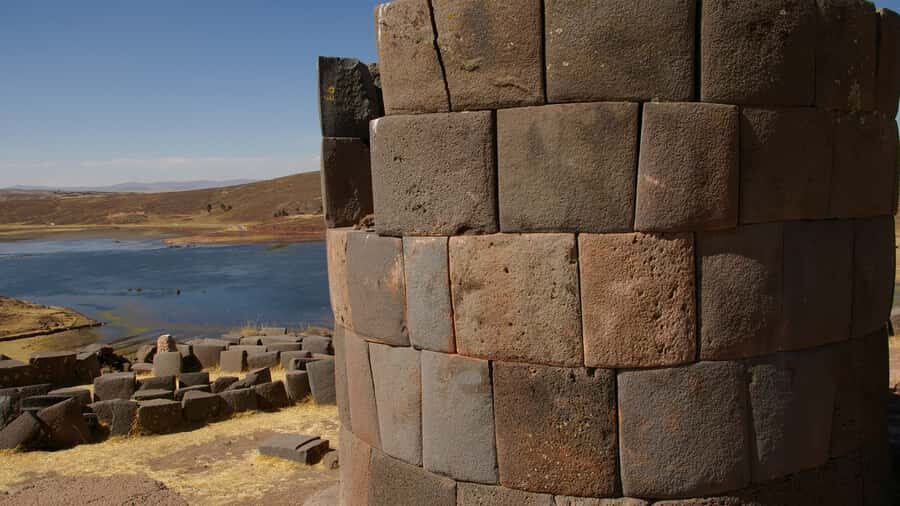
- Circular chullpas up to 12 meters: the engineering logic is part of the story
- Chullpa del Lagarto: a standout funerary tower built in the Inca era
- On-site museum context: Kolla, Tiahuanaco, and Inca materials in one stop
- Umayo Lagoon photos: mirror-like water views and a vicuña reserve island
- Guide-led pacing with free time: enough structure to learn, time to take pictures
Sillustani Chullpas: Why This One Feels Different
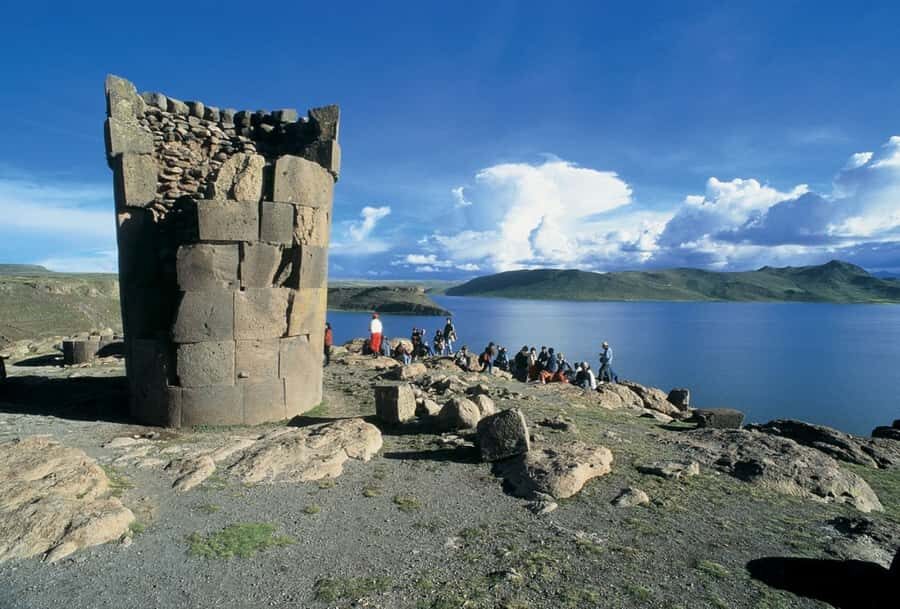
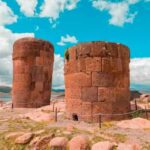
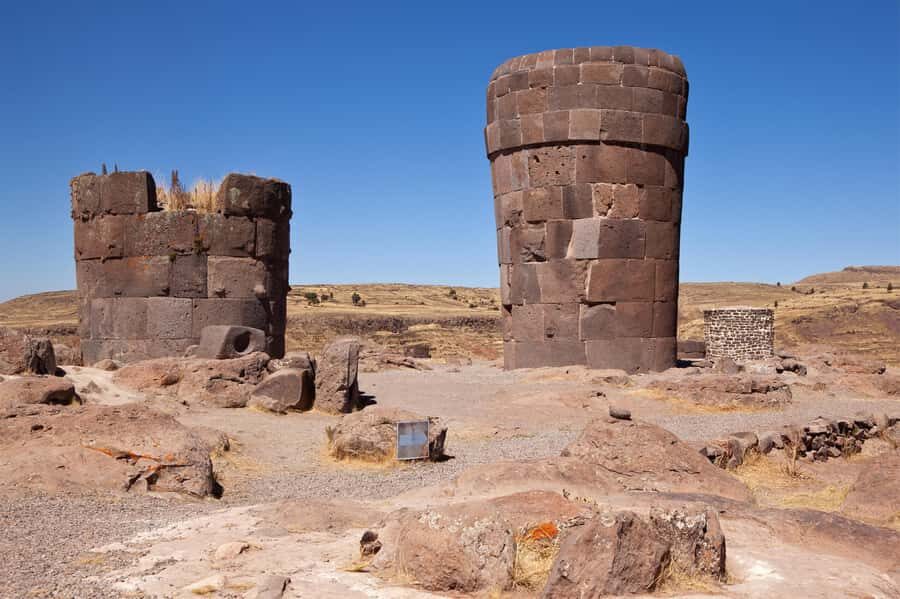
The first thing that surprised me about Sillustani is how “architectural” it feels, not just scenic. The chullpas are circular stone towers built to hold the funerary remains of principal authorities from ancient settlers of Collao on the Altiplano. And unlike some ruins that look random or shattered, these towers still show a clear design idea.
A key detail you’ll hear is that many of the towers rise to impressive heights—some around 12 meters—and their bases are smaller in diameter than the upper sections. That shape isn’t just decorative. It reads like intentional construction that helped those structures endure for centuries, even if many are partially ruined.
The other reason this site lands is the mix of cultural layers. You’re not only looking at one era. The museum pieces connect the Kolla, Tiahuanaco, and Inca traditions, which helps you understand why this complex matters beyond being a pretty stop.
A few more Puno tours and experiences worth a look

Afternoon Timing from Puno: 34 km Out, Back by Around 5 PM
This is an afternoon tour, not a sunrise or day-long lakeshore plan. You’ll get picked up from your hotel in Puno around 2:00 PM, then ride about 34 km out to the ceremonial center of Sillustani. The total duration is listed as 6 hours, and the site visit itself takes about 1 hour.
That timing is practical for two reasons. First, it makes the day feel lighter: you still have plenty of time before and after for exploring Puno on your own. Second, the tour is paced so you can learn and walk the key areas without feeling like you’re signing up for a marathon.
Also, the route matters because altitude and weather in the Puno region can change how long you want to be outside. With a half-day, you can enjoy the experience without committing to hours of exposed wandering.
Entering the Ceremonial Complex: Chullpas, Collao Leaders, and Stone Geometry
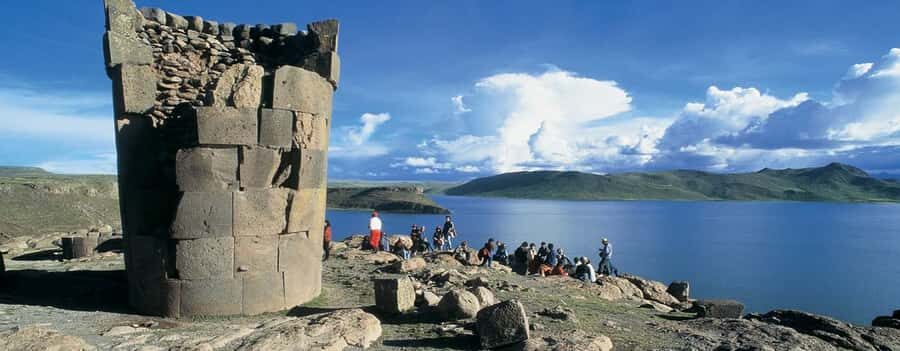
When you arrive at the archaeological complex, the tour focuses on the core elements: the chullpas and what they represent. Expect a guided walk through the main area so you can appreciate both the visible structure and the meaning behind it.
Here’s what you’ll want to pay attention to as the guide explains: these are funerary towers, built for high-status individuals—principal authorities of the Collao people. That detail changes your mindset. You’re not just looking at old architecture. You’re viewing a place that was designed to honor and house remains, which means the “form” and “placement” are part of how the culture communicated importance.
The chullpas’ circular shape and tapering profile are your visual anchors. The circular towers weren’t meant to be climbed for fun; they were built as monumental storage and remembrance. So as you move around, try to notice how the tower thickness changes from base to top and how the stones meet. It’s an easy way to appreciate engineering without needing a technical background.
Chullpa del Lagarto and the Site Museum’s Culture Switch
One of the most memorable parts of the tour is the emphasis on a specific standout tower: the Chullpa del Lagarto. This tower represents the highest chullpa of the complex, and it was built in the Inca era. You’ll also learn that it was raised with square stones that fit perfectly, which is a nice reminder that Inca construction often shows careful workmanship even when the bigger story spans multiple time periods.
The tour also covers what happened to it. The Chullpa del Lagarto was destroyed at the beginning of the 19th century by huaqueros—people who searched for treasures. That’s one of those painful truths that can sit in the background for a lot of archaeological sites across the Andes. Here, it’s close enough that the story feels immediate, not abstract.
Just as important, there’s a site museum a short distance from the archaeological area. This is where the visit gains context fast. You’ll see preserved pieces tied to the Kolla, Tiahuanaco, and Inca cultures. Even if you’re not a hardcore history person, this museum stop helps you connect “what you’re seeing” to “who might have influenced it” and “how the area changed over time.”
Umayo Lagoon: Vicuñas, Reflections, and a Quiet Photo Window
After the main chullpas area, the tour shifts to the nearby Umayo lagoon. This is described as a mirror of water that reflects the blue sky and white clouds of Puno—so when the weather cooperates, it’s a beautiful visual break from stone towers.
There’s also a specific wildlife angle: Umayo lagoon houses an island that acts as a reserve for protection of local vicuñas. That detail adds meaning to the water stop. You’re not only getting a view; you’re seeing part of a living conservation setup connected to the local landscape and species.
Practically, this is usually where you’ll want to slow down a bit. The tour timing is tight overall, so treat this as your best window for photos and for taking in the air and quiet. If you’re the type who likes to ask questions, this is a good moment to do it calmly, since the guide can usually explain how the lagoon fits into the broader regional story.





Price and Value: What You Get for $45 in Real Terms
At $45 per person, this half-day Sillustani tour is priced like an “all-in” outing. What you’re paying for isn’t just a ride. It includes pickup from your hotel, transport to the site (and back), entrance fees, and a professional guide. That combination matters because Sillustani is far enough from Puno (34 km) that you’d either spend time organizing or end up paying more for individual transport.
You should also note what’s not included. Meals aren’t part of the package, so you’ll want to eat before pickup (or plan something after you return to Puno around 5:00 PM). If you’re sensitive to hunger delays, bring a light snack plan on your own.
The biggest “value question” isn’t only the cost. It’s the time split: you spend about 1 hour at the ceremonial center. For most people, that’s enough to see the main chullpas, understand the story through the guide, and still enjoy Umayo lagoon. If you want to take your time reading every stone and exploring side corners, you may feel slightly rushed.
What to Bring (and What to Expect in Weather)
This tour is straightforward in what it asks of you:
- Wear comfortable shoes for walking the complex area.
- Bring comfortable clothes for the altitude and conditions.
One practical restriction: luggage or large bags aren’t allowed. If you’re carrying big gear, plan to travel lighter for this afternoon outing.
Also, bring your eyes to the weather reality. One experience described the visit as partially ruined by intense rain. In that situation, even if the tour still goes ahead, you lose some comfort and photo options. You can’t control the sky, but you can control preparation: dress for the possibility of wet conditions and keep your camera-ready moments flexible.
Who This Tour Suits Best (And Who Might Be Happier Elsewhere)
I think this is ideal if you want:
- A pre-Inca and Inca archaeology experience without a full day
- A guided explanation that keeps things focused
- A chance to see chullpas and then take a breather at Umayo lagoon
It also works well if you enjoy learning from a guide who lets you ask questions. In a high-rated experience, the guide was described as relaxed and good-humored while staying in command, and the tour included time for pictures and even browsing local goods. That kind of balance is exactly what you want from a short half-day: structured learning with just enough freedom to enjoy it.
One caution: the tour is not suitable for wheelchair users, so if mobility is an issue, you’ll need to look for an alternative that matches accessibility needs.
Should You Book the Sillustani Chullpas Afternoon Half-Day Tour?
If you’re in Puno and you want one afternoon that feels meaningful—not just scenic—this is a strong booking. The key reason is simple: you get chullpas with real context, a museum that ties together multiple cultures, and a payoff at Umayo lagoon with vicuña reserve ties.
I’d book it if:
- You like archaeology with clear explanations
- You want a time-efficient outing (picked up around 2:00 PM, back by about 5:00 PM)
- You’re okay walking at least moderately around the site
I’d skip or reconsider if:
- You hate weather exposure and can’t handle the possibility of rain
- You need more than about an hour at the main complex to feel satisfied
If you’re choosing between doing nothing and squeezing in one memorable cultural stop, this one is usually the better call.
FAQ
What time is the pickup in Puno for the Sillustani afternoon tour?
Pickup is around 2:00 PM from your hotel in Puno.
How far is Sillustani from Puno?
Sillustani is about 34 km from the city of Puno.
How long is the tour at Sillustani?
The visit to the archaeological complex takes about 1 hour.
What sites does this half-day tour include?
You’ll visit the ceremonial center of Sillustani with the chullpas, a nearby site museum, and the Umayo lagoon area.
Is the tour in English and Spanish?
Yes, the live tour guide operates in Spanish and English.
What’s included in the $45 price?
The tour includes pickup from your hotel, transport, all entrance fees, and a professional guide.
Is it suitable for wheelchair users?
No, it is not suitable for wheelchair users.