REVIEW · PUNO
Lake Titicaca 2-Day Tour to Uros, Amantani and Taquile
Book on GetYourGuide →Operated by Peru & U · Bookable on GetYourGuide
Sleep on Lake Titicaca and learn real routines. I like how the trip blends boat time on Lake Titicaca with a genuine homestay on Amantani, where you’ll see how families live, cook, and celebrate. One thing to consider: your overnight base on Amantani is rustic, with no hot shower and a shared toilet setup that’s not in your room.
You also get a real sense of regional culture beyond the boat rides. The trek up to the Temples of Pachamama and Pachatata gives you a dramatic feel for the island, and Taquile’s reputation for intricate weaving isn’t just marketing—it’s visible in everyday life. If you dislike uphill walking or cold weather, plan for that upfront.
In This Review
- Key Highlights Worth the Time
- Two Days on Lake Titicaca: What You’re Actually Buying
- Uros Floating Reed Islands: Interesting, But Manage Expectations
- Amantani Homestay: The Part That Makes the Trip Count
- The Trek to Pachamama and Pachatata: Views and Work, Not a Stroll
- Food, Music, and the Night Fiesta Feeling
- Taquile Island and Weaving: Not Just a Souvenir Stop
- Logistics That Matter: Cold, Hills, Luggage Rules
- Price and Value: What $69 Covers (and What It Doesn’t)
- Guides, Group Energy, and Why Names Matter
- Who Should Book This Lake Titicaca 2-Day Tour?
- Should You Book It?
- FAQ
- How long is the Lake Titicaca 2-Day Tour?
- Where does the tour depart from?
- Does the tour include a guide in English?
- What islands are visited during the two days?
- Is there an overnight stay?
- What is the accommodation like on Amantani?
- Are meals included, and is meat served?
- Can I use hotel pickup?
- What should I bring for the trip?
- What restrictions should I know before booking?
Key Highlights Worth the Time
- Floating reed islands of Uros: a boat approach plus explanations of how reed life works
- Amantani homestay with a local family: shared routines, music, and a night that feels community-based
- Temple trek on Amantani: a hands-on look at spiritual sites tied to local names like Pachamama and Pachatata
- Dinner and food prepared locally: included meals are set up for the homestay style (no meat included)
- Taquile weaving in real context: you’ll meet locals known for intricate textile work, not just shop owners
Two Days on Lake Titicaca: What You’re Actually Buying
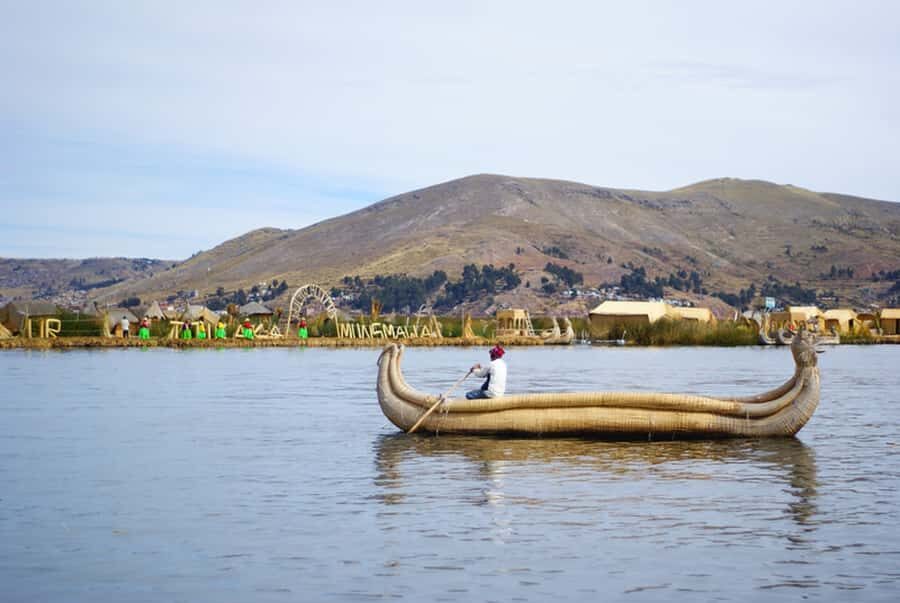
For $69 per person, you’re not just paying for “a scenic weekend.” You’re paying for transportation on and around the lake, guided island visits, island entry, and—most importantly—an overnight that puts you inside a family routine on Amantani.
What makes this tour work is the mix. You start with Uros, move into homestay life on Amantani, then finish on Taquile, where weaving is part of daily identity. You’ll get Lake Titicaca views, yes, but the value is how you go from seeing the lake to understanding the people who live with it.
The biggest reality check: the homestay side of the experience is simple. You’re getting bedding/blankets, and you’ll have a shared toilet. But you should not expect hot water, reliable electricity, or internet.
A few more Puno tours and experiences worth a look
Uros Floating Reed Islands: Interesting, But Manage Expectations
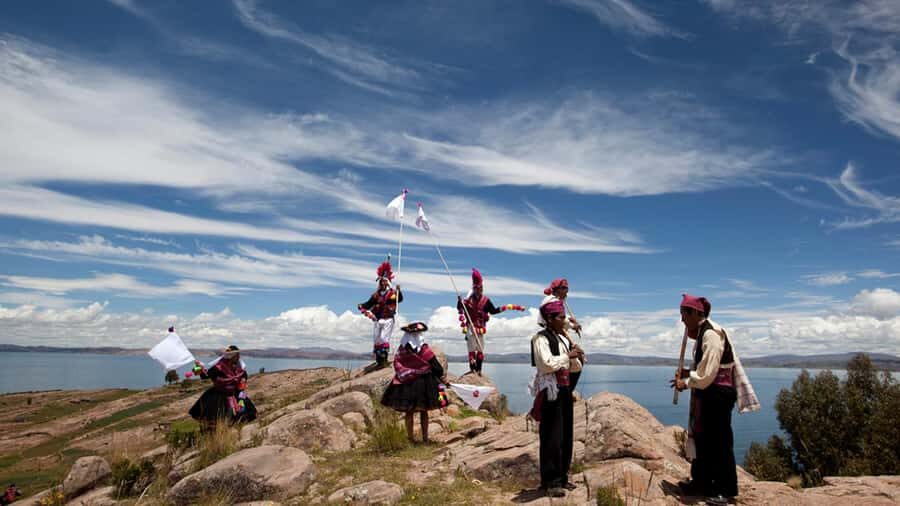
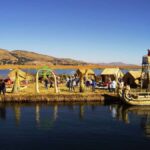
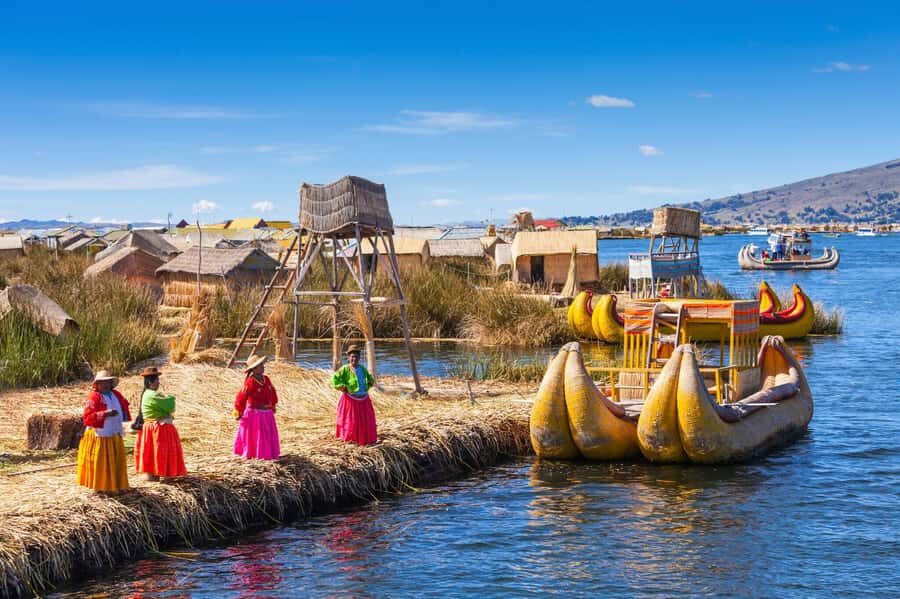
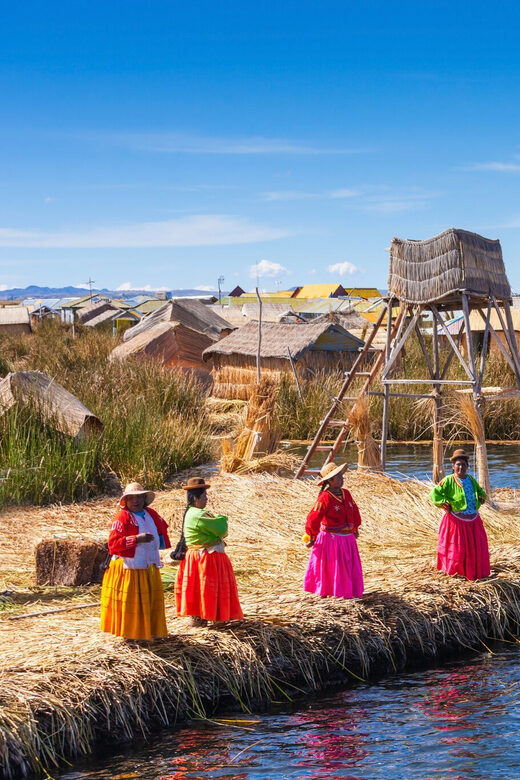
Uros is the classic starter stop for Lake Titicaca tours, and it’s famous for a reason: the floating reed islands look unlike anything else in the region. You’ll go by boat, and you’ll see how these islands are built and maintained from reeds harvested in the lake.
This part can feel a little tour-heavy depending on how a group schedule runs. In practice, though, the best approach is simple: treat it like an introduction. Ask questions. Pay attention to how reed materials are used and how the community explains life on the lake. The experience becomes more than sightseeing when you remember you’re learning a living adaptation.
One extra detail that’s common on these routes: you can take a ride on a typical reed boat once you’re there. It costs around 15 Soles per person, paid directly to the locals and tied to community income. It’s not listed as included, so if you want it, budget for it.
Amantani Homestay: The Part That Makes the Trip Count
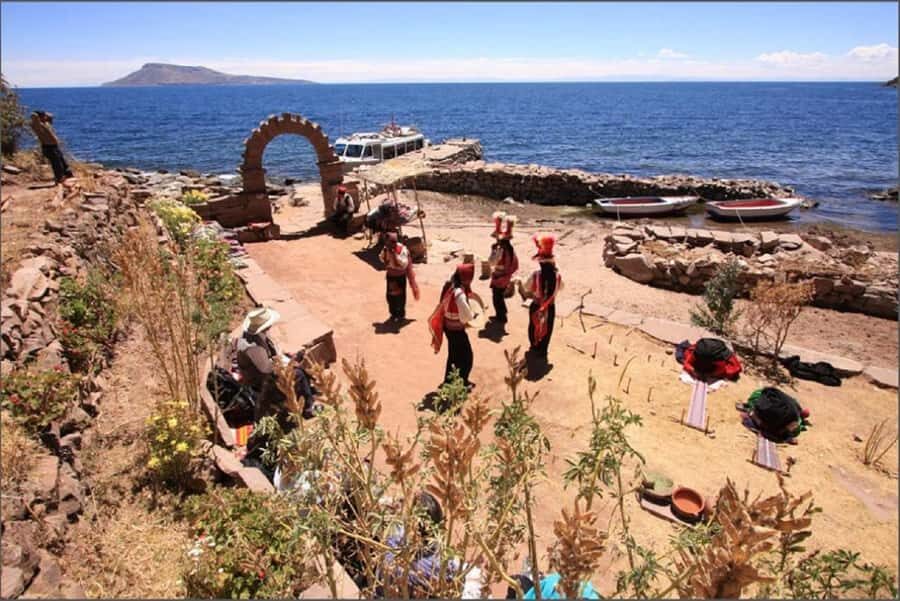
Amantani is where the tour stops being “Lake Titicaca highlights” and starts feeling human. After the Uros area, you’ll shift into smaller group arrangements so you can stay with a designated family.
From there, you’ll sleep on Amantani with a homestay setup that’s intentionally basic:
- rustic accommodation
- bedding and blankets provided
- a shared toilet (not in your room)
- no running water, no electricity, no hot shower, and no internet
This is the tradeoff. You don’t come here for comfort. You come here for interaction.
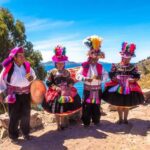
In multiple accounts, the families were the reason people felt the trip was worth it—especially the nightly music and dancing. Hosts like Eloy and families connected to names such as Romulo have been described as warm and welcoming, with homemade food and a genuine sense of pride in local traditions.
If you’re hoping for Wi-Fi and a big shower after a long day, you’ll be disappointed. If you’re okay with simple lodging, you’ll likely find this is the most memorable piece of your two days.
The Trek to Pachamama and Pachatata: Views and Work, Not a Stroll
On Amantani, you’ll take a trek to the top to visit the Temples of Pachamama and Pachatata. This is one of the defining moments of the trip because it forces you to slow down and work for the scenery.
Be honest with yourself about physical effort. Some people found the hill walking challenging, especially when you’re trying to enjoy views while also managing breath and footing. Wear comfortable shoes you’ve already used—not brand-new sneakers—and plan for cold air and wind.
The temple stop also helps you understand the island beyond “pretty scenery.” Those names carry local meaning tied to relationships with nature and community life. Even if you don’t know the full background before you arrive, the guide can help you frame what you’re seeing and why these sites matter.
A practical tip: pack warm layers. Lake Titicaca weather can shift fast, and even if the sun looks friendly at mid-day, the wind on higher ground can feel sharp.
Food, Music, and the Night Fiesta Feeling
Most tours include meals. This one tries to include the homestay flavor of meals and the social side of the evening.
You’ll have 1 dinner and 2 lunches plus 1 breakfast included. The tour info also states that meals with meat are not included, so the included meals will be meat-free (or at least not meat-focused). If you eat differently for health or religion, plan around that and double-check what’s typical for your host family once you’re on the island.
What you’re really here for at night is the family-side program. Several descriptions highlight dancing and music hosted by the family, with a shared celebration atmosphere. That’s not a “show you watch from a seat”—it’s usually interactive, and it’s where you’ll feel the daily culture more clearly.
That said, keep expectations grounded. This is a homestay night on Amantani, not a hotel event. You’ll likely go to bed with tired legs, cool air, and a different rhythm than the one you’re used to.


Taquile Island and Weaving: Not Just a Souvenir Stop
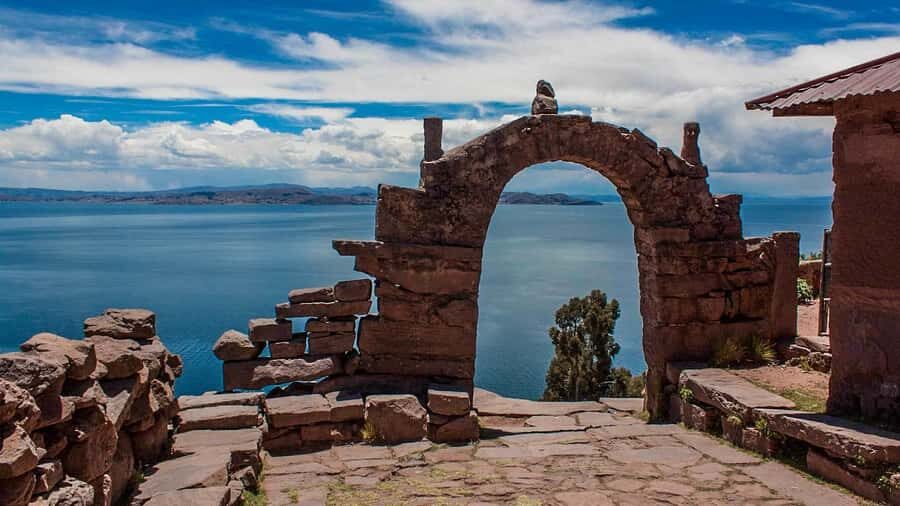
After breakfast on the second day, you’ll head by boat to Taquile. Then you’ll meet locals known for intricate weaving.
This stop works best when you slow down and look at the details. Weaving on Taquile isn’t random decoration; it’s part of identity and daily craft. The tour gives you a chance to see the artistry up close and talk with people who live with that tradition, not just sell items.
A note on timing: you’ll return to Puno after lunch, usually landing back between 3:15 PM and 3:30 PM. That’s late enough to feel like you got two full days out of your weekend, but early enough that you can still plan a casual evening in Puno.
Logistics That Matter: Cold, Hills, Luggage Rules
Here’s what can trip you up if you don’t plan ahead.
1) Clothing for altitude and weather
Lake Titicaca sits high, and cold is real. For the winter season (May to September), you’ll want warm clothing. During the rainy season (October to April), rainwear matters more than you’d think.
2) Shoes
You’ll walk uphill on Amantani. Comfortable shoes are non-negotiable.
3) Sun and water
Bring a sun hat and water. The lake sun can be strong even when it feels chilly.
4) Luggage size and pets
Pets aren’t allowed. Oversize luggage isn’t allowed either, and big luggage isn’t allowed on the boat. If you have heavy luggage, ask if your accommodation can hold it safely for you or leave it at the meeting point (the tour notes this is usually free).
5) Pickup area
Hotel pickup is optional and applies to hotels in central Puno. If you’re staying outside that pickup area, you’ll meet the group at a specified meeting point in the city center.
These points aren’t dramatic, but they keep your trip smooth. When you ignore them, you end up negotiating with cold wind, extra walking, or transportation rules.
Price and Value: What $69 Covers (and What It Doesn’t)
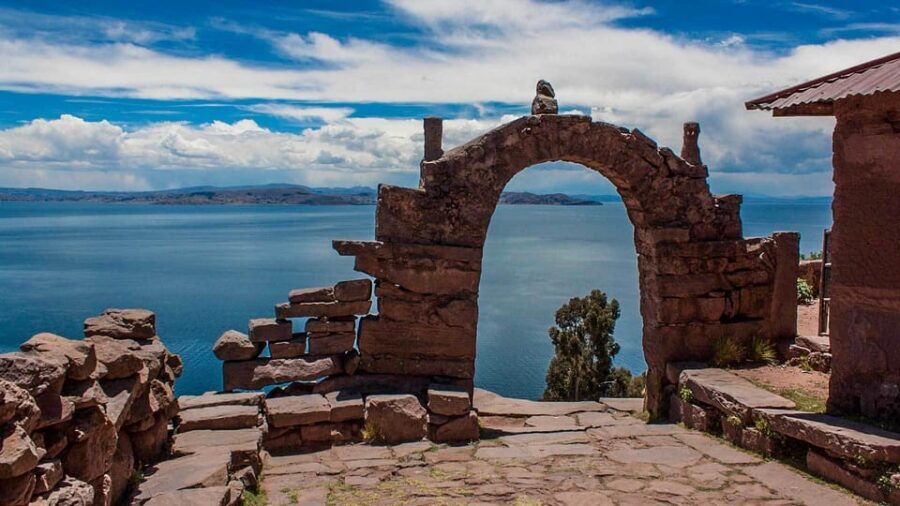
At $69 per person for two days, the value is strong if you want the homestay experience.
Included basics:
- transfers and boat transportation
- entry to the islands
- an English-speaking guide
- 1-night accommodation with a family on Amantani
- bedding/blankets
- meals: 2 lunches, 1 dinner, 1 breakfast
Not included:
- extra drinks and snacks on the boat
- hotel pickup if you’re not in central Puno
- running water, electricity, hot shower, or internet at the accommodation
- meat in meals (the info notes meals with meat aren’t included)
- optional reed boat ride on Uros (about 15 Soles per person)
One reason this feels like good value is the overnight isn’t a gimmick. You’re not just sleeping somewhere nearby; you’re spending time with a family and taking part in their night routine. That’s why the experiences often get praised most.
If you’re just looking for fast photos and minimal effort, you could find cheaper ways to see the lake. But if you want a real cultural contact point, this cost is working where it should.
Guides, Group Energy, and Why Names Matter
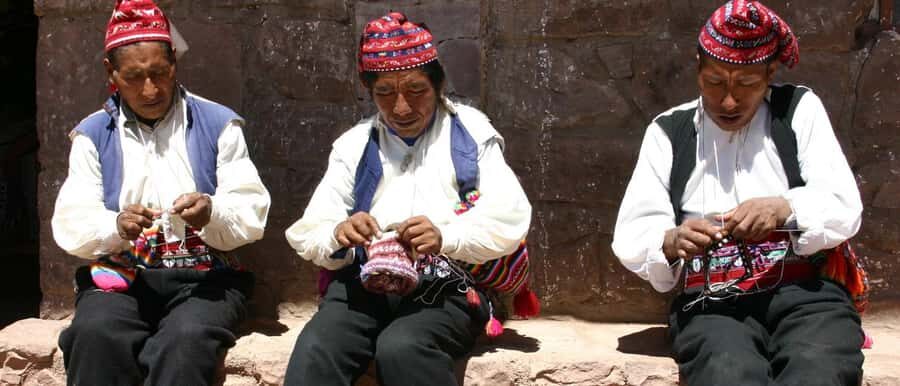
The quality of the guidance shows up in the little details: pacing, explanations, and how comfortably you’re introduced to island life.
In real group experiences, names like Carlos, Elmer, Ruben, and Ricardo have been credited for being experienced, approachable, and informative. People also mention Jose Carlos as a guide who helped make the experience enjoyable and clear.
Your guide experience may vary, but the pattern is consistent: a good guide helps you connect the dots between boat stops, temple meaning, and why Taquile weaving has importance. If you’re the type who asks questions and likes context, you’ll likely get more out of this tour.
Also, remember your group may split for homestays. That’s normal and part of how the tour ensures you actually get time with families.
Who Should Book This Lake Titicaca 2-Day Tour?
This tour is a strong fit if you:
- want an overnight with a local family, not just day trips
- don’t mind basic conditions for a meaningful experience
- can handle cold weather and uphill walking
- care about learning how people live, especially around crafts like weaving
You might think twice if you:
- need hot showers and dependable electricity
- dislike shared toilet arrangements and walking down at night
- want a very “comfortable” trip pace
- are hoping for a meat-inclusive meal plan during the included meals
Think of it like this: the tour trades luxury for access. If that trade feels fair to you, you’ll probably love it.
Should You Book It?
If you’re choosing between a quick photo loop and a cultural contact experience, I’d lean toward this one. The combination of Uros’s reed-island introduction, the Temples of Pachamama and Pachatata trek, and the Amantani homestay is exactly the kind of “different in a real way” trip that makes people remember Lake Titicaca long after the photos fade.
Book it if you’re ready for simple lodging, cold air, and meaningful interaction. Skip it (or consider a more comfort-focused option) if you want hotel-level amenities or you’re uncomfortable with the walking effort and shared bathroom reality.
FAQ
How long is the Lake Titicaca 2-Day Tour?
The tour lasts 2 days.
Where does the tour depart from?
It runs from Puno.
Does the tour include a guide in English?
Yes. The tour includes an English-speaking guide.
What islands are visited during the two days?
You visit the Uros floating reed islands, then Amantani, and finally Taquile.
Is there an overnight stay?
Yes. You stay overnight with a local family on Amantani Island.
What is the accommodation like on Amantani?
It’s rustic accommodation with a shared toilet. Bedding and blankets are supplied, and there is no running water, electricity, hot shower, or internet.
Are meals included, and is meat served?
Yes. The tour includes 2 lunches, 1 dinner, and 1 breakfast. Meals with meat are not included.
Can I use hotel pickup?
Pickup is optional and applies to hotels in central Puno. If you are outside the pickup area, you’ll meet at a specified meeting point in the city center.
What should I bring for the trip?
Bring comfortable shoes, warm clothing (especially May to September), rainwear if traveling in the rainy season, a sun hat, and water.
What restrictions should I know before booking?
Pets are not allowed. Oversize luggage is not allowed, and big luggage is not allowed on the boat.