REVIEW · PUNO
Puno: Full-Day Tour of Lake Titicaca and Uros & Taquile
Book on GetYourGuide →Operated by Peru & U · Bookable on GetYourGuide
Lake Titicaca feels like a planet of its own. This full-day trip links Uros and Taquile with real community life, not just scenery. I like that the experience is built around people and craft, and you spend real time seeing how homes and textiles connect to the lake. One thing to keep in mind: Taquile time can feel a bit focused on areas outside the main town, so if your priority is wandering the center, you may want to set your expectations.
The best part is getting up close to islands made from tortora reeds—including homes that are literally grown and rebuilt. I also love the hands-on moment with local weaving through a cooperative visit, where you can watch skilled workers do what they do every day. The day runs about 11 hours, so it’s not a quick hop; you’ll want comfortable shoes and a patient mindset for a long but satisfying route.
In This Review
- Key Highlights You’ll Actually Remember
- Puno to Lake Titicaca in One Long, Guided Day
- Entering the World of Uros Reed Islands
- What’s it like on the reed islands?
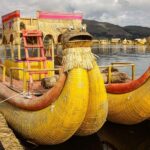
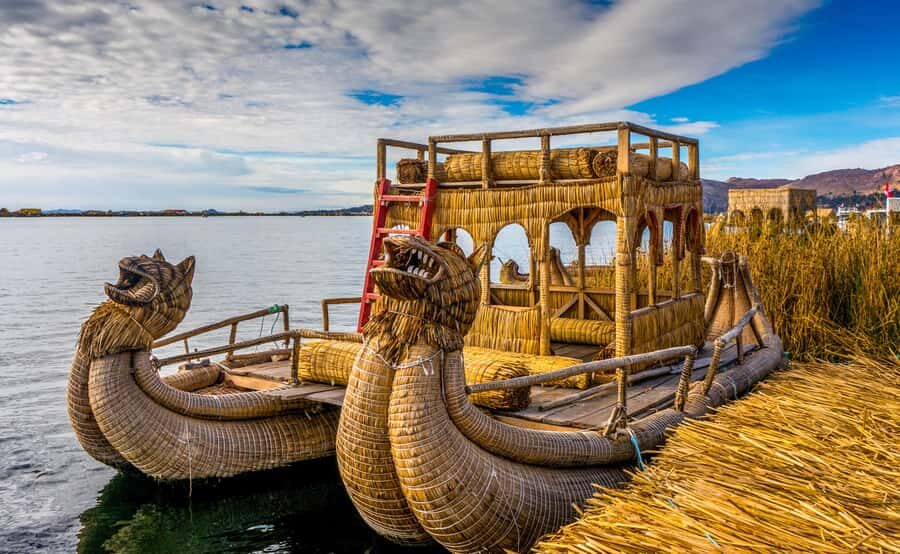
- Optional reed-boat ride
- Taquile Lunch: Why Eating on the Island Changes the Trip
- A small expectation check about Taquile time
- Watching Local Weavers at Work (This Is the Moment)
- The Practical Stuff: What to Bring for a Cold or Sunny Lake Day
- Price and Value: Is $33 Fair for What You Get?
- Who This Tour Is Best For (And Who Might Not Love It)
- Should You Book This Lake Titicaca Day Tour?
- FAQ
- Where does pickup happen for this tour?
- Does the tour include lunch, and where is it served?
- Is there an English-speaking guide?
- Are entrance fees included?
- Is the reed-boat ride on Uros included?
- What should I bring for the day?
- Are pets and oversize luggage allowed?
Key Highlights You’ll Actually Remember

- Tortora reed island living: see homes built from the lake’s own plant
- Inhabited Uros islands with a community that traces back to pre-Inca times
- Lunch on Taquile instead of eating just before or after the islands
- Weavers’ cooperative visit, where you can watch textile skill up close
- Aymara-linked culture on Taquile, distinct from Uros
- Optional reed-boat ride (extra cost, but contributes to the community)
Puno to Lake Titicaca in One Long, Guided Day
This tour is designed as a full-day rhythm: pickup in Puno City Center hotels, then straight toward the water, with an English-speaking guide keeping the story clear and the logistics simple. The full duration is listed as 11 hours, which matters because you’re on the move for a good chunk of the day. If you tend to get grumpy after sitting too long, plan to bring water and keep your “snack strategy” simple (you’ll have lunch during the program, but still bring your own water and stay hydrated).
What I like about how this day is structured is that it doesn’t try to squeeze in too many “random” stops. You get two island experiences—Uros first, Taquile next—so you’re not bouncing between half a dozen places where you barely catch your breath. You also get the benefit of a guide who can explain what you’re seeing in Spanish or English, and the tour description emphasizes an English-speaking companion for the group.
One practical note: pickup is included only for hotels in Puno City Center. If you’re staying farther out, you’ll need to choose the meeting point option. That’s not a deal-breaker, just something to check early so you don’t lose time tracking where the group starts.
A few more Puno tours and experiences worth a look


Entering the World of Uros Reed Islands
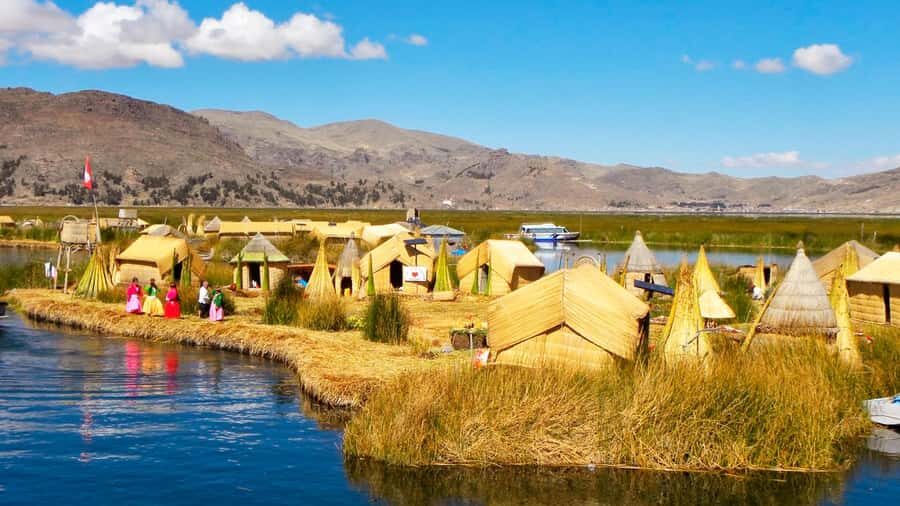
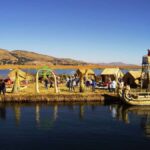
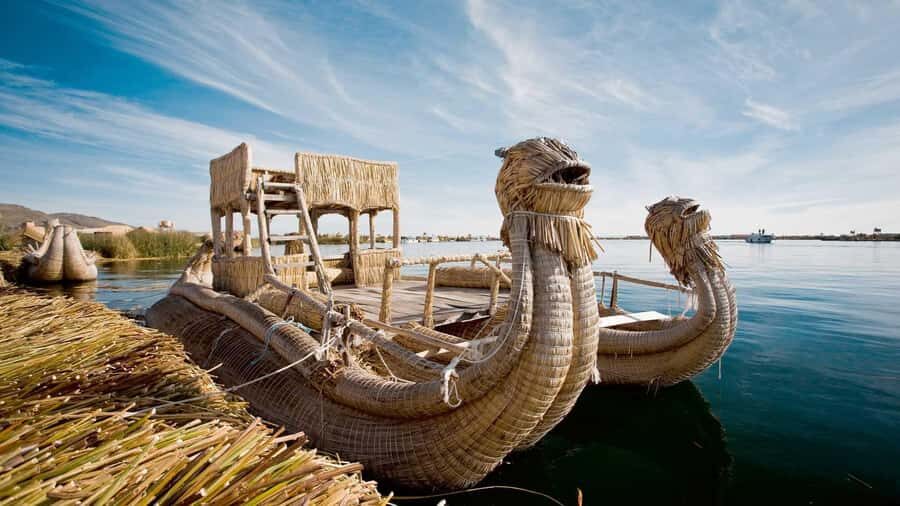
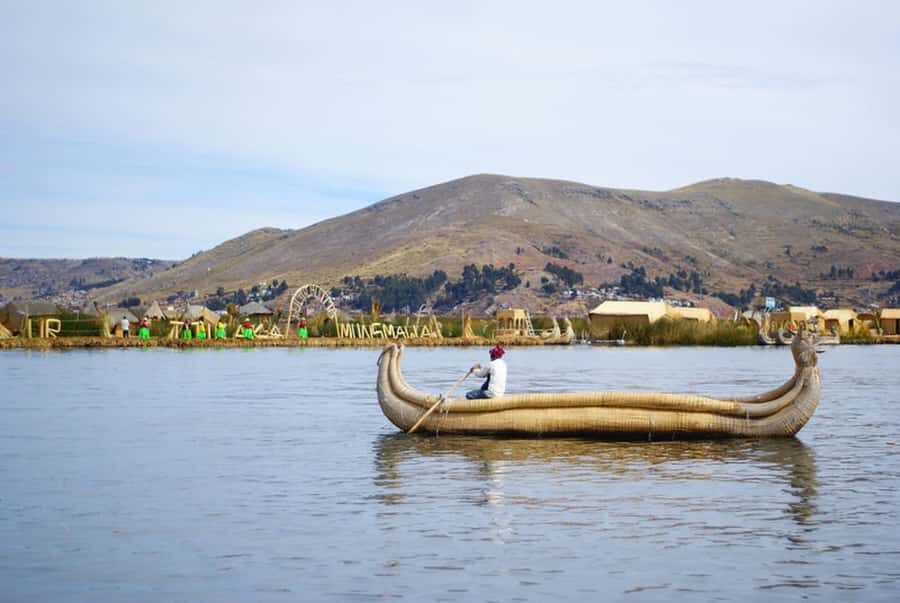
Uros is famous for a reason. You’re visiting a group of inhabited islands where structures are made entirely from tortora reeds—the same plant that grows in the lake. Instead of treating Uros like a photo stop, this tour gives you time with local residents. That’s the difference between seeing something and understanding it: you can ask questions, watch daily life, and get a sense of how this community uses the lake’s resources.
You’ll also learn that the community’s roots reach back to pre-Inca times. Even if you don’t obsess over timelines, that context helps you see the islands as more than a tourist trick. The lake isn’t just the backdrop; it’s part of the construction system, part of the survival strategy, and part of the identity.
What’s it like on the reed islands?
Expect a setting that feels lightweight and temporary—because the materials are living, and the islands are maintained. That can make photography interesting, but it also means comfort matters. Wear comfortable shoes. Surfaces can be uneven, and you’ll likely stand or walk more than you expect.
Optional reed-boat ride
If you want an extra “hands-on” moment, you can take a typical reed boat ride for about 10 Soles per person. This is listed as an additional activity and is said to contribute to the community income. Whether you do it depends on your comfort with motion and your budget. If you’re the type who likes to add one small paid experience that directly supports local people, this is the most clearly explained option on the day.
Taquile Lunch: Why Eating on the Island Changes the Trip
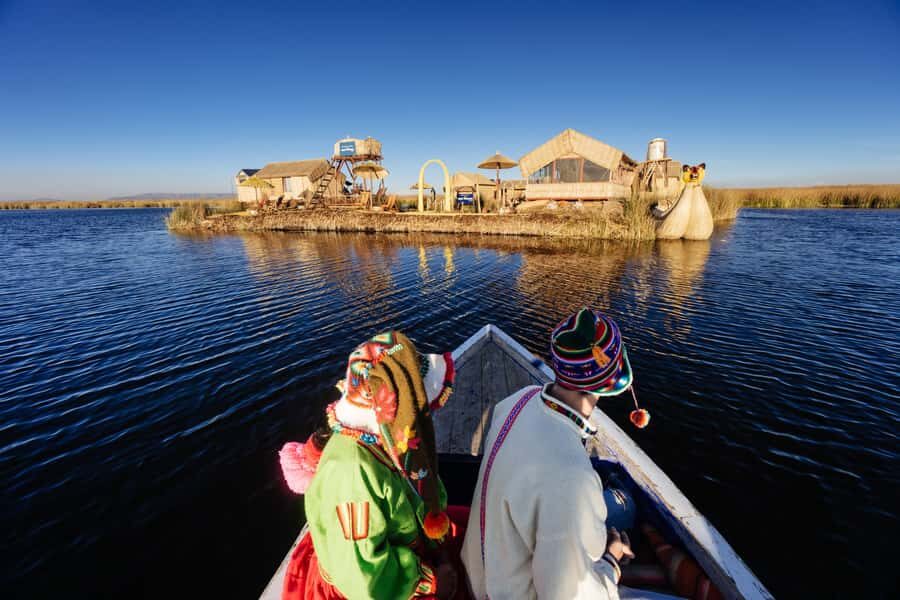
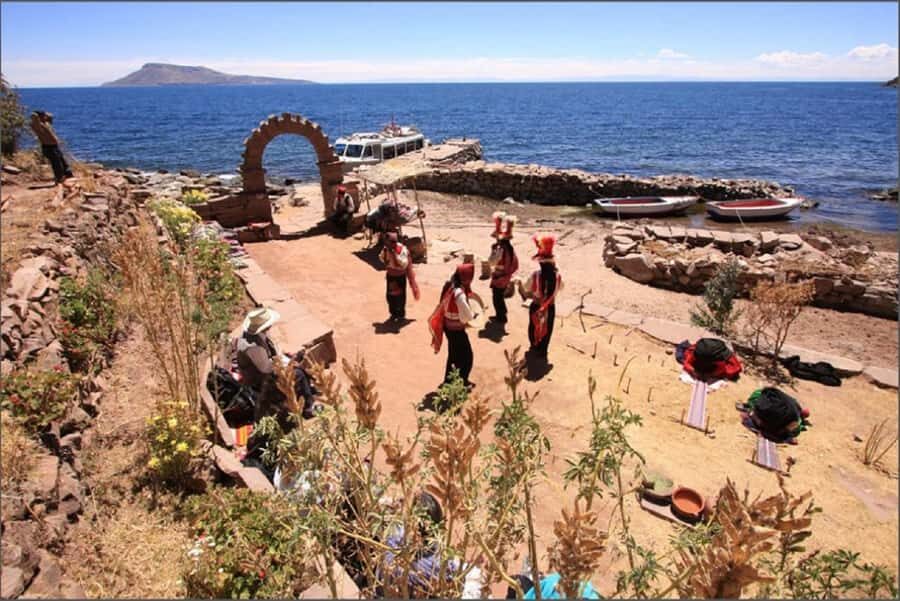
Then you shift to Taquile, an island whose culture is more closely related to the Aymara people of Bolivia. That cultural bridge matters because it keeps the day from becoming two separate “floating islands” that feel unrelated. There’s a thread: island life, lake economy, and traditions expressed through everyday actions.
Lunch happens on the island, locally prepared. This is one of those details that sounds routine until you realize why it’s valuable. If lunch were served back on the mainland, you’d spend your limited island time mostly moving and looking. Eating on Taquile gives you a slower pause. You see what people do when they’re not performing for visitors—especially important on a day that’s otherwise full of transport.



A small expectation check about Taquile time
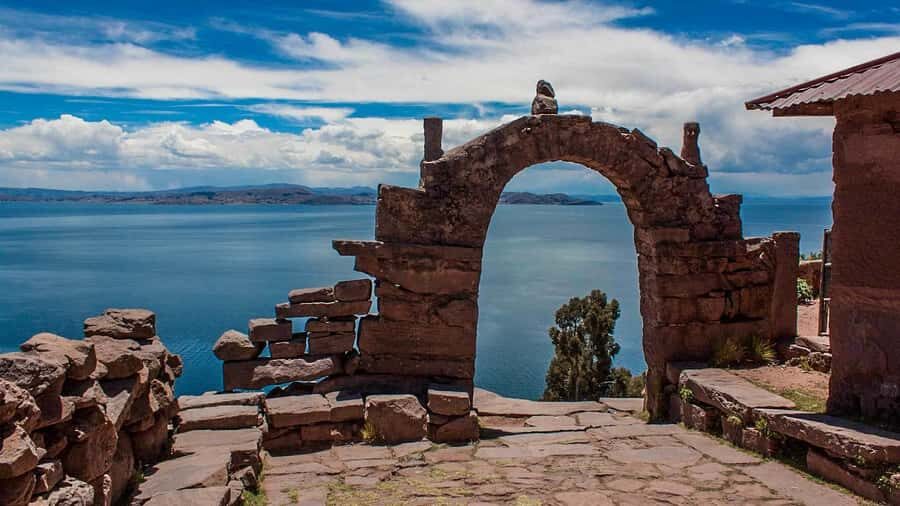
One caution comes from real-world experience: some routes may focus more on areas outside the main town, and you might not get the same chance to wander into town streets. If your dream is to spend hours strolling the center, ask how the day’s Taquile walk is typically handled when you book. The goal should be to align your expectations with the reality of a guided schedule.
Watching Local Weavers at Work (This Is the Moment)
Taquile is especially strong for crafts. After lunch, the tour includes a visit to a local cooperative, where you can see skilled weaving firsthand. This is the part I’d point to if you’re trying to decide what’s most worth your attention.
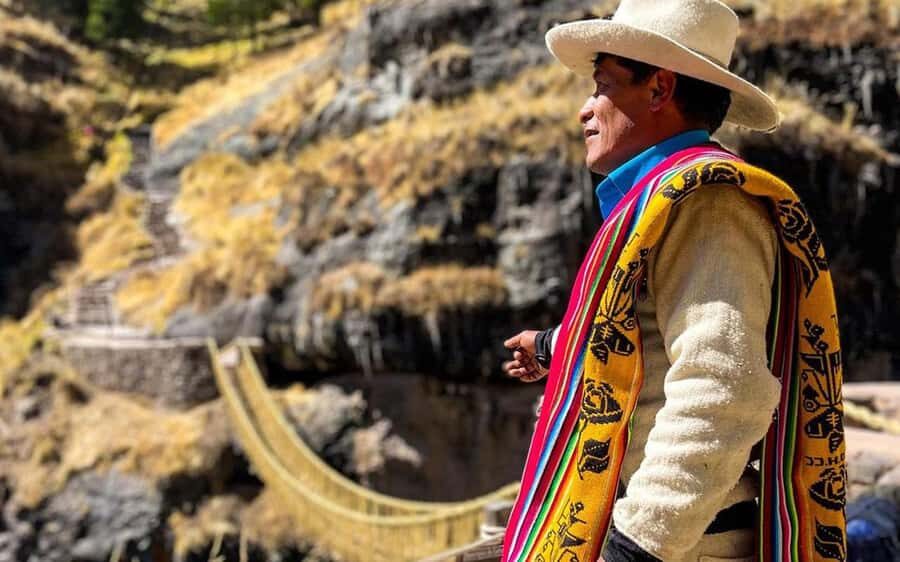
Here’s why it matters: textiles on these islands aren’t just souvenirs. They’re functional, cultural, and often tied to community knowledge that gets passed along. Seeing the process up close—hands moving with practiced rhythm, patterns tied to identity—turns the idea of tradition into something you can actually observe.
The guide’s explanations help you connect the dots between Uros reed construction and Taquile textile skill. One is built from what the lake provides; the other is built from knowledge shaped over generations. Same island logic, different expression.
If you’re buying anything, think of it as supporting a living craft, not just collecting a postcard. Even if you don’t buy, watching the weavers work is a satisfying use of your time.
The Practical Stuff: What to Bring for a Cold or Sunny Lake Day
Lake Titicaca weather can change fast. The tour info spells out two key windows: warm clothing is recommended for the winter season (May to September), while rainwear is suggested during the rainy season (October to April). That’s not overkill. You’ll be outside, you’ll be moving, and you’ll feel the wind off the water even when the sun shows up.
Bring:
- Comfortable shoes
- Warm clothing (or rainwear if traveling in the rainy season)
- Sun hat
- Water
Also keep your day friction low. Oversize luggage isn’t allowed, and pets aren’t permitted. If you have heavy bags, the tour suggests asking your hotel to store them safely—often at no cost—or leaving them at the meeting point at no extra charge. That’s a big deal on a long day, because your comfort drops fast when you’re hauling extra weight around.
Price and Value: Is $33 Fair for What You Get?
At $33 per person for an 11-hour guided trip, the value comes from what’s included. You get:
- Pickup and transfers within Puno City Center
- Tour as indicated (Uros + Taquile + cooperative + lunch)
- An English-speaking guide
- Lunch
- All entrance fees
That’s a solid package for a day that would otherwise require coordinating transport, figuring out entrance logistics, and building a route on your own. The guide matters here. Uros and Taquile are culturally dense, and the experience improves a lot when someone helps you understand what you’re seeing without you having to guess.
What’s not included:
- Pickup/transfer if you’re staying outside Puno City Center
And one add-on you might pay for:
- Optional reed-boat ride at roughly 10 Soles per person
So the question isn’t just “Is $33 cheap?” It’s “Does this tour remove headaches and give you an efficient, guided path through two island cultures?” In that sense, the pricing looks fair—especially if you’d otherwise spend time and money piecing together transport and entry stops yourself.
Who This Tour Is Best For (And Who Might Not Love It)
This is a great fit if you:
- Want a culture-first day trip rather than only scenic photos
- Like seeing how local life works, from reed island living to weaving
- Appreciate guided context, especially for places with unique traditions
It’s less perfect if you:
- Want lots of free time to roam independently for hours (this is a scheduled full day)
- Are hoping for a long, deep walk through the main town on Taquile without any time constraints (some routes may focus on other areas)
It’s also ideal for you if you travel with limited time in Puno. You get a full-day overview that connects both islands without requiring you to plan multiple separate outings.
Should You Book This Lake Titicaca Day Tour?
If you like authentic interactions and you’re okay with a long day, I’d book it. The strongest reasons are simple: Uros reed islands with time around local residents, and a cooperative weaving visit that lets you see skill rather than just buy a token. Lunch on Taquile makes the island feel like part of the day, not just a backdrop.
Before you hit reserve, do one quick reality check: if your top priority is exploring Taquile town itself, confirm how the Taquile walking route is handled on your departure. Also, double-check where your pickup will be from—City Center hotels are included, and outside that zone you’ll use the meeting point option.
If those two points align with your travel style, this is a strong value way to experience Lake Titicaca’s living cultures in one day.
FAQ
Where does pickup happen for this tour?
Pickup and transfers are included only for hotels in Puno City Center. If you’re staying outside that area, you’ll choose the meeting point option.
Does the tour include lunch, and where is it served?
Yes. Lunch is included and is served on the island of Taquile.
Is there an English-speaking guide?
Yes. The tour includes a live guide and the description notes an English-speaking guide accompanies you.
Are entrance fees included?
Yes. All entrance fees are included in the price.
Is the reed-boat ride on Uros included?
It’s optional. You can take a typical reed boat ride for about 10 Soles per person, and it contributes to community income.
What should I bring for the day?
Bring comfortable shoes, warm clothing (May to September) or rainwear (October to April), a sun hat, and water.
Are pets and oversize luggage allowed?
No. Pets aren’t allowed, and oversize luggage isn’t allowed either.