REVIEW · PUNO
Full Day Guided Tour of the Aymara Route from Puno
Book on Viator →Operated by Qhapaq Adventures · Bookable on Viator
Aymara country moves in one long day. This full-day guided Aymara Route from Puno strings together Chucuito’s Inca Uyo fertility stones, Acora’s Molloco chullpas, the rock-and-walk stop at Portal de Aramu Muru, and then heads to Juli. I love the practical pacing and the stories you get for each site, but keep a schedule flexibility mindset because the finish time can stretch later than you expect.
What really turns the trip into a keep-it-in-your-camera-roll day is the guide quality. On one departure tied to a guide named Pablo, I’d expect a fun extra: professional drone footage clips were provided at no extra cost, which is a nice way to capture the wide-open Lake Titicaca region without lugging around gear all day.
In This Review
- Key Highlights You’ll Notice Fast
- The Route Why This Day Trip Feels Different Than Titicaca Tours
- Chucuito and Inca Uyo: The Fertility Temple Stop With a Story
- Acora’s Molloco Chullpas: When Lupaca and Inca Stories Overlap
- Portal de Aramu Muru: A Meditation Break and a Walk That Changes Pace
- Juli After a Walk: Cathedral Views, Beach Options, and Realistic Expectations
- Time on the Road, Van Comfort, and Small-Group Behavior
- Price, Tickets, and What Makes $40 Feel Fair
- Who This Tour Suits Best (And Who Might Want Something Else)
- Should You Book This? My Straight Answer
- FAQ
- What time does the tour start in Puno?
- How long is the full day tour?
- What is the group size?
- What’s included in the price?
- Is lunch included?
- Are water sports included at Juli?
- Do I need to buy tickets at every stop?
- Can I cancel for a full refund?
Key Highlights You’ll Notice Fast
- Off-the-main-circuit stops: you get beyond the most common Titicaca day routes.
- Fertility temple details in Chucuito: Inca Uyo is known for its stone phalluses and local myth.
- Real architecture at Molloco (Acora): three square chullpas plus a circular one show cultural overlap.
- Portal de Aramu Muru walk + meditation time: not just a photo stop.
- Juli beach option: you can add kayaking, ATVs, or jet skis for an extra cost.
- Smaller group (max 15): easier conversations with your guide.
The Route Why This Day Trip Feels Different Than Titicaca Tours
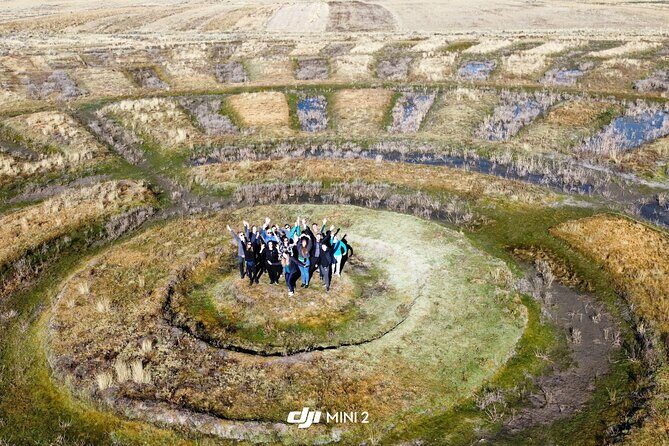
Most Lake Titicaca day tours focus on a few headline spots, then rush you back. This one builds a full arc of places tied to Aymara-area culture and earlier settlements, so your day feels like a route, not a checklist.
You’ll start in Puno at 8:00 am and spend roughly 7 hours 10 minutes on the move. The small group size (up to 15 people) matters here. It’s easier to ask questions, and your guide can slow down when the topic gets interesting—like why a myth is still part of local belief even when there’s no scientific proof.
Also, the logistics help: you get an air-conditioned vehicle, which is a big comfort upgrade when you’re spending most of a day traveling around high-altitude terrain.
The value angle is real, too. The price is $40 per person, and at least some admission tickets are handled for key stops—so you’re not constantly pulling out cash for every monument.
You can also read our reviews of more guided tours in Puno
Chucuito and Inca Uyo: The Fertility Temple Stop With a Story
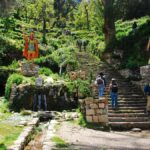
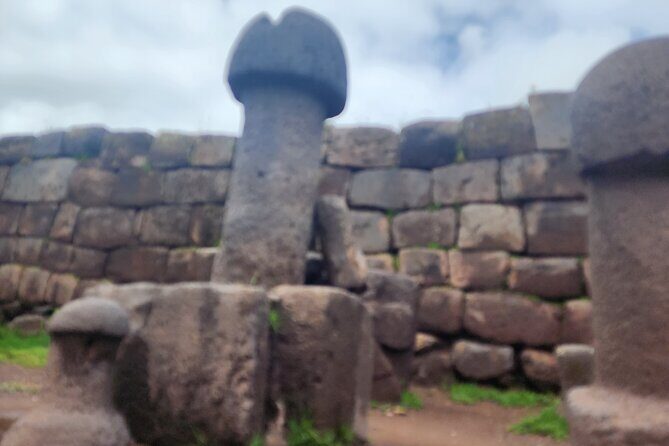
Chucuito is your first stop, and it hits you fast. The landmark is Inca Uyo, also called the Temple of Fertility—and yes, it’s famous for the around eight stone phalluses inside.
Here’s why this stop can be more than a weird photo moment. The story people share is that it was used in a ritual meant to help cure infertility in women, and like a lot of Andean traditions, it lives in a space where belief matters even if you can’t prove it. You’re not asked to treat it as science. You’re guided to understand what it meant to the people who created and kept the tradition alive.
What I like about this first stop: it gives you a theme for the day—sacred meaning, not just stone. What to watch for: if you’re expecting a pristine museum with lots of explanatory signage, this is more about the guide’s framing and local context.
Practical note: this stop includes an admission ticket, and you’ll have about 30 minutes to see the site.
Acora’s Molloco Chullpas: When Lupaca and Inca Stories Overlap
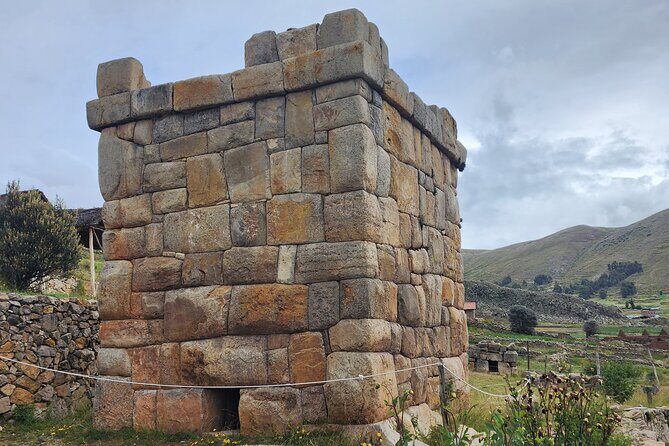
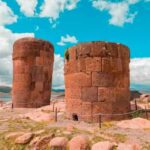
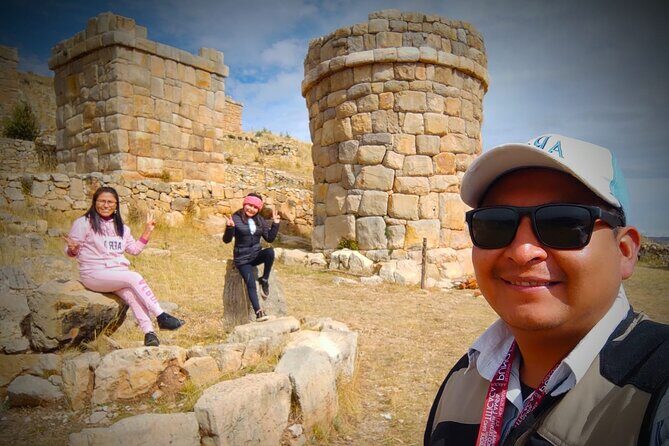
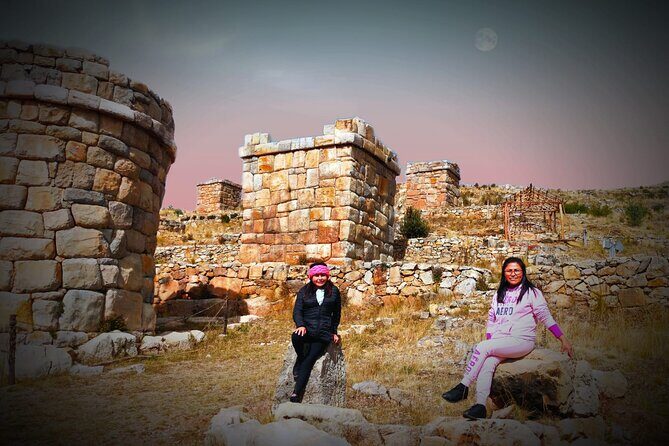
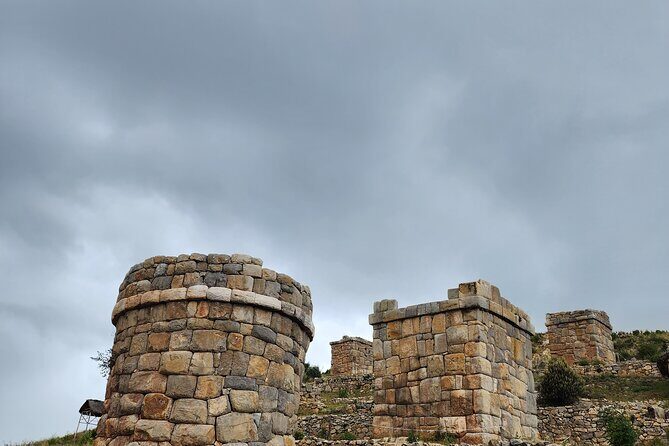
Next comes Acora, with the pre-Inca settlement of Molloco, tied to the Lupaca culture. This is where the day shifts from temple symbolism toward architecture and how cultures interacted.
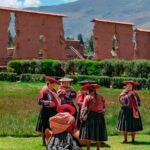
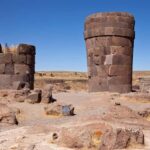
The layout gets specific: you can see three square-shaped chullpas and a circular one, coexisting in the same area. That design is presented as evidence of the fusion of Inca and Lupaca cultures—meaning you can read the physical structures as a record of cultural contact and change.
This stop is about 30 minutes, and importantly, the admission ticket is free. You’ll get funerary-burial context along with the chullpa shapes, which helps you understand why these towers mattered so much. Fun fact for planning: if you love pattern recognition in archaeology (shape, form, arrangement), Molloco is one of the more satisfying stops because it’s not just one monument—it’s a small layout you can actually interpret in a short visit.
Portal de Aramu Muru: A Meditation Break and a Walk That Changes Pace
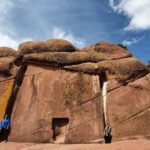
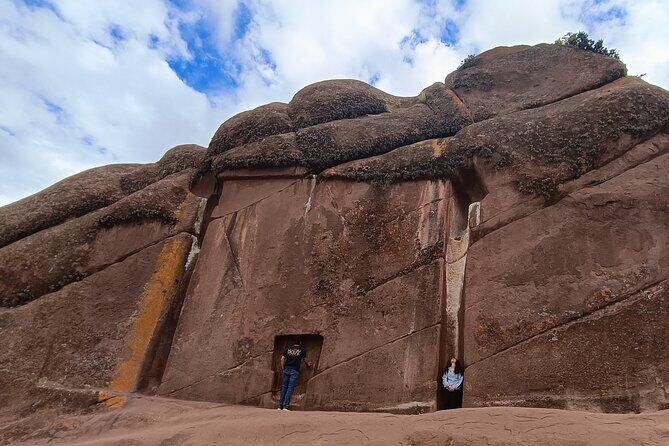
Portal de Aramu Muru (often spelled similarly in tour materials) is a historical-mythological place in the district of Ilave, in the province of El Collao. It sits halfway between Ilave and Juli along the national route, so you’re not crossing the region blindly—you’re following a corridor with deep local meaning.
The experience here isn’t only visual. You’ll have time to meditate and then do a walk to see rock formations and surrounding features. This is one of the stops that tends to feel calmer than the others because the structure encourages you to slow down.
If you’re into sacred sites, Aramu Muru is also where the day can become emotional in a good way. One example from a guide-led day described an opportunity for a ceremony, which made the stop feel personal and serious rather than purely tourist-y.
Reality check: portals and sacred places can be affected by commercialization, and not everyone likes how that looks in practice. If you prefer quiet, you might appreciate arriving mentally ready for mixed atmospheres—part nature, part belief, part modern tourism.
Ticket-wise, this one includes admission, and you’ll have about 1 hour here.
Juli After a Walk: Cathedral Views, Beach Options, and Realistic Expectations
After the Aramu Muru walk and a bit of time on the road, you’ll reach Juli. The schedule gives you about 1 hour in town.
What you’ll do:
- See the cathedral from the outside
- Move through the main square
- Head toward Juli beach
Juli is often marketed with big claims—like the idea of it being the Rome of America—but your enjoyment will depend on what you want. If you come for the beach and the chance to try active water sports, you’ll likely have a good time. The beach area can include optional fun like kayaking, ATVs, and jet skis, and those activities cost extra (the water activities are listed at USD 10.00).
If you come wanting a slow, charming town stroll with standout sights, you might feel like the stop is short. Even with the included time, there isn’t much margin for lingering.
Also, church entry is listed as free, but it’s optional. If you’re the type who likes to step into places of worship, you can decide on the spot based on how the group is moving.
A few more Puno tours and experiences worth a look

Time on the Road, Van Comfort, and Small-Group Behavior
A full-day loop needs a practical mindset. This one runs from 8:00 am with a total time of about 7 hours 10 minutes, and that includes the travel between sites.
The comfort piece:
- You ride in an air-conditioned vehicle
- Group size caps at 15, which helps with questions and fewer bottle-necks at stops
The pacing piece:
- Stops are short and focused (often 30 minutes)
- That makes the day feel efficient, but it also means you won’t get a long sit-down at any one place
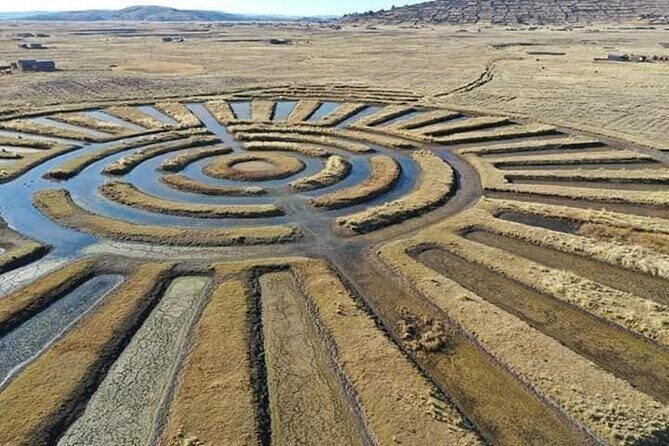
One review-style caution worth taking seriously: the itinerary can sometimes shift—either by adding a quick extra stop or by running longer in the day. In particular, there have been cases where an extra “Waru Waru” style water-management stop was added, and it didn’t feel worth the time to everyone. Translation: go in expecting some flexibility, especially with a 7-hour schedule.
Also, if you’re not into being photographed repeatedly for drone footage, be aware that some guides use drones for professional clips and group angles. If you prefer low-key, it’s okay to just stay relaxed and let the guide do their thing.
Price, Tickets, and What Makes $40 Feel Fair
At $40 per person, this tour lands in a sweet spot if you’re trying to see multiple sites in one day without paying for everything separately.
Here’s what’s supported:
- Air-conditioned vehicle included
- Admission tickets are included at Chucuito (Inca Uyo) and Portal de Aramu Muru
- Acora (Molloco) admission is free
- Juli church entry is free (and the activity choices are optional)
- Lunch is not included
- Water activities (like kayaking/ATVs/jet skis) are extra at USD 10.00
So the math works like this: you’re mostly paying for transportation + guided time + key admissions, while meals and optional beach activities are your choice.
If you’re sensitive about food, plan smart. Lunch isn’t included, but if the group gets an add-on lunch stop, it’s worth judging it quickly and deciding what’s comfortable for you. Bring a snack if that sort of flexibility makes you uneasy—this is one of those days where you may not want to rely on a single meal plan.
Who This Tour Suits Best (And Who Might Want Something Else)

This tour fits you best if you:
- Want more than the usual Titicaca headlines
- Like short stops with clear explanations and a guide leading the narrative
- Enjoy sacred sites as human belief and place, not just as photos
- Prefer a smaller group and an easy day structure
You might want to skip or choose a different option if you:
- Need strict adherence to the posted schedule (because day trips can run long)
- Dislike surprise add-ons that weren’t part of your plan
- Want a long, slow exploration of one town or one archaeological area
Also, a good note for planning comfort: the tour lists most travelers can participate, and service animals are allowed. It also says the meeting point is near public transportation, which can help if you’re coordinating your own arrival in Puno.
Should You Book This? My Straight Answer
Book it if you want a focused route that mixes Inca-era sacred symbolism, Lupaca–Inca overlap at chullpas, and a portal walk—all with a guide strong enough to make each stop make sense. The small group and included admissions push the $40 value in a good direction.
Skip it (or be extra selective) if you need a fixed timeline and hate schedule surprises. This is the kind of tour where you should go in with a flexible attitude, and you should be ready to decide on the fly about lunch and beach activities.
If you do book, pack light layers, bring water when you can, and set your expectations to short, meaningful stops rather than a slow deep exploration.
FAQ
What time does the tour start in Puno?
It starts at 8:00 am.
How long is the full day tour?
The duration is about 7 hours 10 minutes (approx.).
What is the group size?
The tour has a maximum of 15 travelers.
What’s included in the price?
Included items are an air-conditioned vehicle, plus admission tickets for Chucuito and Portal de Aramu Muru. Other admissions listed as free include Acora (Molloco) and Juli church.
Is lunch included?
No. Lunch is not included.
Are water sports included at Juli?
Water activities are optional and cost USD 10.00.
Do I need to buy tickets at every stop?
Not all stops require paid tickets. Chucuito and Portal de Aramu Muru include admission tickets, while Acora and Juli are listed as free for the relevant entry.
Can I cancel for a full refund?
Yes. Cancellation is free if you cancel up to 24 hours in advance of the experience start time.