REVIEW · PUNO
Puno: History and Culture Walking Tour
Book on GetYourGuide →Operated by Lago del Cielo Sociedad Anonima Cerrada · Bookable on GetYourGuide
Puno looks totally different from above. This 2-hour walk starts at Huajsapata Lookout, then threads through the city’s most important sights with a bilingual guide. I like how the views of Lake Titicaca give you instant context for why Puno matters, and I like the mix of architecture plus artifacts at the Carlos Dreyer Museum—so you’re not just seeing buildings, you’re also understanding the people.
One thing to plan for: the Carlos Dreyer Museum entrance fee is not included (it’s 20 soles per person), so your real total cost will be a little more than $20.
In This Review
- Key highlights you’ll actually use
- Huajsapata Lookout: the view that puts Puno on the map
- The Manco Capac monument: a short stop with real meaning
- Puno Cathedral: Baroque Spanish form with Andean identity
- Carlos Dreyer Museum: pre-Columbian art you can actually recognize
- The guide is the main event (especially with Samuel)
- Pace, group size, and what to bring
- Price and value: $20 plus the museum ticket
- Where the stops fit together (and where the time can feel tight)
- Who this tour is best for
- Should you book this Puno History and Culture Walking Tour?
- FAQ
- Where does the tour start and end?
- How long is the Puno history and culture walking tour?
- What is included in the tour price?
- Is the Carlos Dreyer Museum included?
- What languages will the guide speak?
- How big is the group?
- What should I bring?
- Is it suitable for young children?
Key highlights you’ll actually use
- Huajsapata Lookout views of Puno and Lake Titicaca right at the start
- Manco Capac monument for a quick historical anchor before you hit the main sights
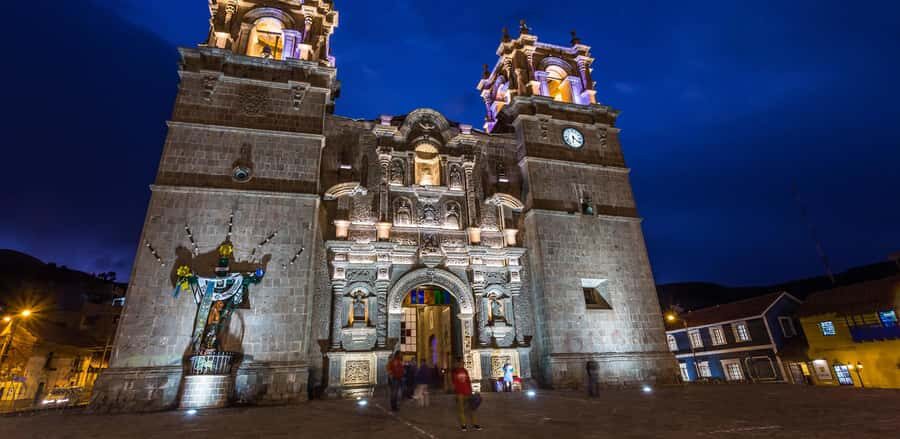
- Puno Cathedral’s blended style, where Baroque Spanish meets Andean elements
- Carlos Dreyer Museum collection of pre-Columbian jewelry, ceramics, and textiles
- Small group (max 10) with Spanish and English guidance
- Plaza de Armas as your easy start/end point
Huajsapata Lookout: the view that puts Puno on the map
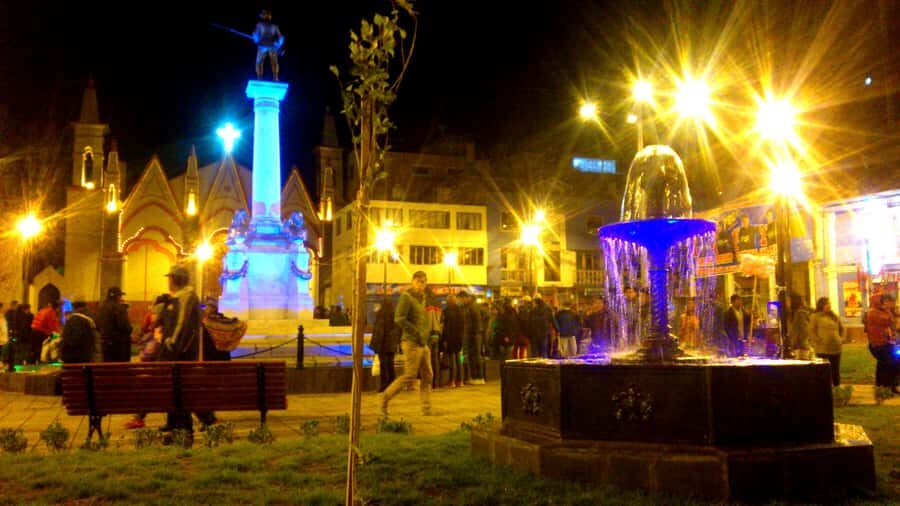
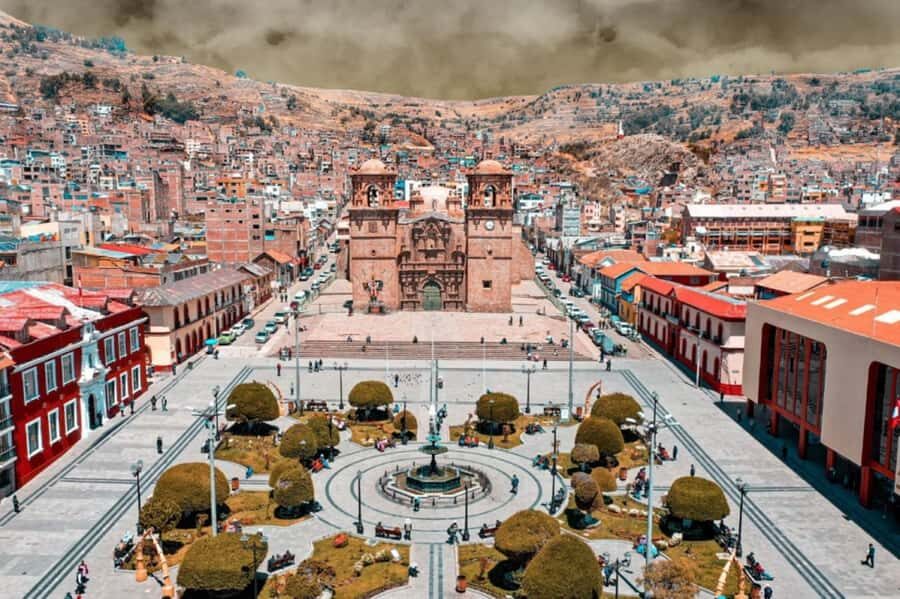
If you’ve only ever seen Puno on a route between Cusco and Bolivia, this stop helps you mentally reframe it. The tour begins at Huajsapata Lookout, which gives you panoramic city-and-lake context almost immediately. From there, you can start making sense of where you’re going next: the streets, the cathedral area, and why Lake Titicaca is more than a backdrop.
This is also the kind of first stop that helps on a walking tour. Once you’ve got the big picture, the rest of the sights feel less random. Even if the weather shifts fast (it can), you’ll still leave with a “now I get it” sense of place.
You can also read our reviews of more tours and experiences in Puno.

The Manco Capac monument: a short stop with real meaning
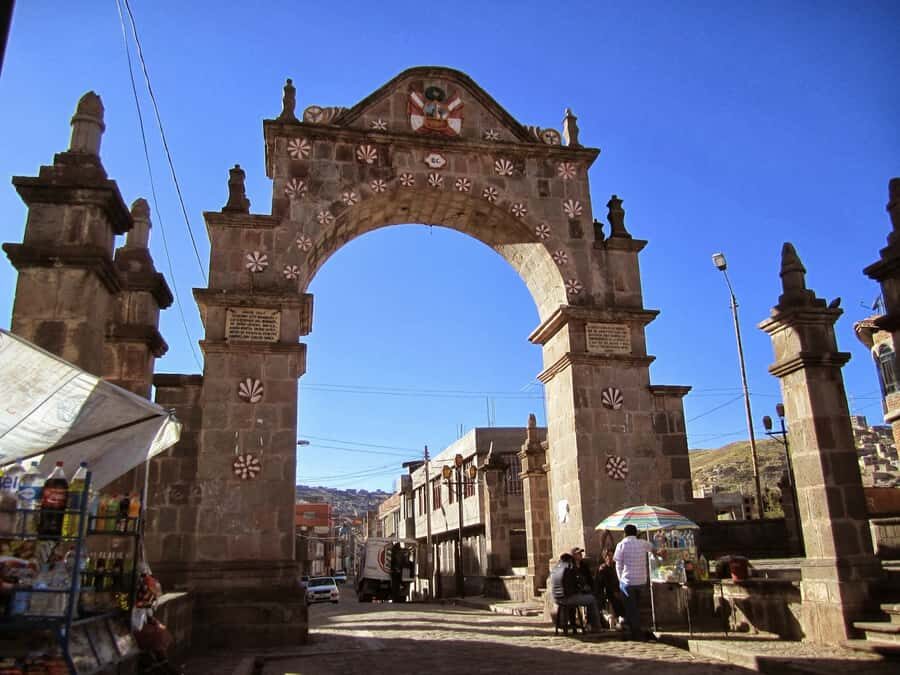
While you’re at Huajsapata, you’ll also see a monument dedicated to the founder of the Incan Empire, Manco Capac. It’s not the longest stop on the walk, but it works as a smart historical pause.
Why this matters: Puno’s identity sits at the crossroads of cultures—Incan legacies, Spanish colonial influence, and the ongoing presence of Andean traditions. A monument like this gives you a reference point so later architecture and museum pieces aren’t just isolated facts.
Puno Cathedral: Baroque Spanish form with Andean identity
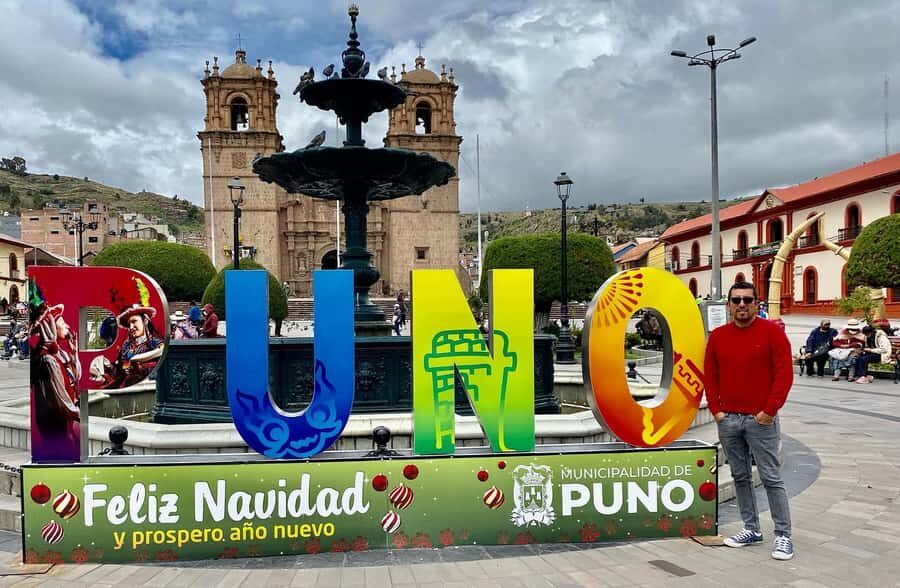
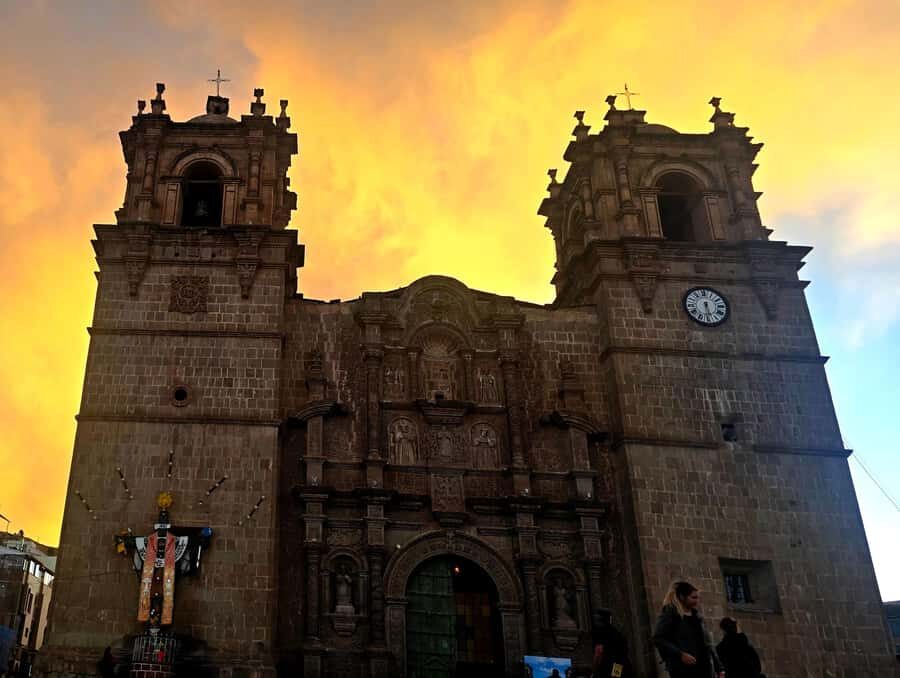
Next up is the 18th-century Cathedral of Puno, where you’ll see a unique blend of styles. The key detail is the mix: Baroque Spanish architecture combined with indigenous Andean elements. That “mix” is exactly why I think the stop is worth your time.
On most walking tours, a cathedral is just a pretty exterior and a quick photo. Here, the tour format helps you read what you’re seeing. The guide points out how the design reflects Puno’s mestizo character—the real-life blending of cultures that happened on the ground, not just in textbooks.
Practical note: you’ll want to look slowly at surfaces and shapes, not just snap-and-go. If you rush, you miss what makes this building different from the many other churches you might see across Peru.
Carlos Dreyer Museum: pre-Columbian art you can actually recognize
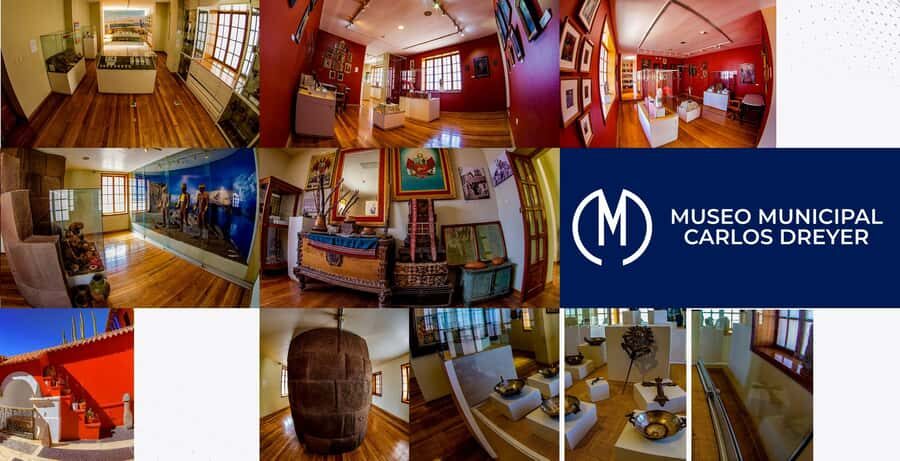
After the cathedral, the walk moves to the Carlos Dreyer Museum, a highlight if you want more than street-level sightseeing. The museum focuses on Puno’s founding history and includes a strong collection of pre-Columbian objects—jewelry, ceramics, and textiles.
Here’s why I find this stop especially valuable: those materials don’t just look old. They give you clues about technology, aesthetics, and everyday life. Textiles and ceramics are often where people’s attention finally locks in, because you can see craft choices right away—patterns, techniques, and materials that tell you something about trade and local culture.
Worth planning: the museum entrance fee is 20 soles per person and is not included in the tour price. If you budget for that upfront, the whole experience feels more straightforward.
The guide is the main event (especially with Samuel)
A great walking tour lives or dies by the guide, and this one is built around a bilingual guide speaking Spanish and English. That matters because Puno’s story is layered, and having someone who can answer questions without slowing you down makes the walk feel personal instead of scripted.
In the feedback I’ve seen, Samuel gets singled out for doing an outstanding job—clear explanations, and the kind of answers that help you connect the dots between lookout views, cathedral style, and museum pieces. Another common point is that the guide covers the important sights and can respond when you ask practical questions about what you’re seeing.
If you like tours where you can talk back and get real answers, this format fits. If you prefer silence and independent wandering, you might feel a bit guided—but that’s the point: you’re buying context.
Pace, group size, and what to bring
This is a small group experience with a limit of 10 participants. That’s a sweet spot: you can hear the guide, you’re not trapped behind a long line, and you still get that local-stroll feeling.
The tour runs about 2 hours, which means it’s efficient. You’ll see several major stops, but you won’t have a long, slow day to linger. I’d treat it like a “get oriented and informed” walk, not a museum-all-afternoon plan.
What to bring:
- Passport or ID card
What not to bring:
- Luggage or large bags
That last point is worth taking seriously. Keep your pack minimal so you don’t spend time trying to solve storage issues mid-walk. If you’re coming from another activity in Puno, this is the sort of tour where leaving big stuff behind is the stress-free move.
Price and value: $20 plus the museum ticket
The listed price is $20 per person, and it includes a Spanish and English-speaking guide. The big add-on is that Museum Dreyer entrance fees cost 20 soles per person, so plan on that extra expense.
Is it good value? For me, yes—if you like learning while you walk. You’re paying for:
- a guided flow between the city’s top sights,
- a bilingual explanation of architectural and cultural details,
- and museum access to artifacts like jewelry, ceramics, and textiles.
Two hours isn’t long, but the stop choices are concentrated. You’re not paying for lots of filler photo ops—you’re paying to understand why the sights matter.
Where the stops fit together (and where the time can feel tight)
Here’s how the sequence works and why it’s effective:
- You start at Plaza de Armas of Puno (also listed as Plaza Mayor de Puno) so you begin in the city center, not at the edge of town.
- Huajsapata Lookout gives you a mental overview of Puno and Lake Titicaca.
- The Manco Capac monument ties the viewpoint to a major historical anchor.
- The cathedral then brings you into the architecture that shows Spanish and Andean influence.
- The Carlos Dreyer Museum finishes with objects—jewelry, ceramics, and textiles—that give you something tangible to connect to the stories you heard.
The main “tight time” risk is the museum fee and how long you can spend there within a fixed 2-hour window. If you’re the type who wants to read every label, you may wish you had more time. If you’re more interested in seeing the highlights quickly, it works well.
Who this tour is best for
This walking tour is a strong match if you want:
- a guided introduction to Puno in a short timeframe,
- a focus on culture and architecture, not just landmarks,
- and a museum stop that highlights pre-Columbian art forms.
It’s also a good fit if you prefer small groups. With a cap of 10 people and bilingual guidance, you’re less likely to feel lost or rushed.
It’s not suitable for children under 5 years, based on the tour rules. If you’re traveling as a family with small kids, plan around that.
Should you book this Puno History and Culture Walking Tour?
I’d book it if you want an efficient way to understand Puno beyond the lake photo. The combination of Huajsapata Lookout, the Puno Cathedral (with its blended Baroque and Andean feel), and the Carlos Dreyer Museum makes this more than a checklist. You leave with both context and objects you can point to later.
I’d skip it or adjust expectations if you know you want a long, slow museum visit. In a tight 2-hour format, you’ll get the key pieces, but you won’t turn the museum into a half-day project. And if you don’t like paying extra on the spot, remember the 20 soles museum entrance fee.
If you can handle that small extra cost, this is a solid way to spend your first hours in Puno—especially if you appreciate a guide who can explain what you’re seeing as you walk.
FAQ
Where does the tour start and end?
The tour meets at Plaza de Armas of Puno and ends back at the same meeting point.
How long is the Puno history and culture walking tour?
The duration is 2 hours.
What is included in the tour price?
The tour includes a Spanish and English-speaking guide. Museum entrance fees are not included.
Is the Carlos Dreyer Museum included?
You’ll visit the Carlos Dreyer Museum, but the entrance fee is not included. It costs 20 soles per person.
What languages will the guide speak?
The live tour guide speaks Spanish and English.
How big is the group?
The group is small, limited to 10 participants.
What should I bring?
Bring your passport or ID card.
Is it suitable for young children?
It is not suitable for children under 5 years.