REVIEW · PUNO
Puno: 2 Day Visit to Uros, Amantani and Taquile
Book on GetYourGuide →Operated by PVTravel · Bookable on GetYourGuide
A lake of high-altitude surprises starts here. This two-day loop mixes boat time on Lake Titicaca with a real homestay night, plus a hike on Taquile with a local guide.
What I like most is how the day pacing keeps you moving between very different scenes, from the handmade Uros reed islands to Amantani’s family-run life. I also like that the tour stays small (up to 15), so your guide can actually manage the handoffs between boats and walking sections.
One thing to keep in mind: the Uros part can feel a bit staged, and your comfort levels will depend on your expectations and how you handle crowds, especially around activities tied to the islands.
In This Review
- Quick hits before you go
- Two-Day Rhythm: from Puno docks to Uros, Amantani, and Taquile
- The First Morning: Uros Floating Islands and the Lake Views That Set the Tone
- The Amantani Jump: the 3-Hour Motorboat and Meeting Your Host Family
- Dinner, Traditions, and the Homestay Night You Remember
- Day Two Starts Early: Goodbye Breakfast, Then Off to Taquile
- Taquile Island: Harbor Views, the Narrow Path, and Guide Stories
- Price and Value: What $95 Buys on This Two-Day Loop
- What to Bring (and What to Skip) for a Smooth Lake Titicaca Trip
- Who This Tour Fits Best (and Who Should Rethink It)
- Should You Book This 2-Day Puno Visit to Uros, Amantani, and Taquile?
- FAQ
- What islands and areas does this tour visit?
- How long is the tour?
- What is the price per person?
- What meals are included during the trip?
- Do I get accommodation in Puno?
- How does pickup work in Puno?
- Is the group small?
- What language will the guide speak?
- What should I bring?
- Are large bags allowed?
- Is this tour suitable for wheelchair users or people with heart problems?
Quick hits before you go
- Small group (up to 15) makes the schedule easier to follow and the conversations more natural.
- Boat time on Lake Titicaca is the backbone of the trip, not a side detail.
- Uros floating islands are unique, but you’ll want to expect some tourism mechanics around them.
- Amantani homestay means sleeping at a local family’s home, which is a major part of the experience.
- Taquile’s uphill walk rewards you with views and a guide-led story layer, then free time to explore.
- Warm clothes and good shoes matter more than you’d think at altitude, even when the sun is out.
Two-Day Rhythm: from Puno docks to Uros, Amantani, and Taquile
This is a classic Lake Titicaca circuit: you leave Puno for Uros first, then switch gears to Amantani for an overnight with a host family, and finish with Taquile and your return by boat. If you’re the type who likes variety—water, village life, then a hike—this works well.
The tour is built for a full experience in two days, not a slow travel vibe. That means early starts, boat schedules, and walking time, with the biggest payoff being that you get to see the lake from multiple angles and communities.
You’ll also want to respect the homestay part. The best nights tend to happen when you show curiosity, keep an open mind about basic conditions, and treat your host family with the same respect you’d want in someone else’s house.
A few more Puno tours and experiences worth a look

The First Morning: Uros Floating Islands and the Lake Views That Set the Tone
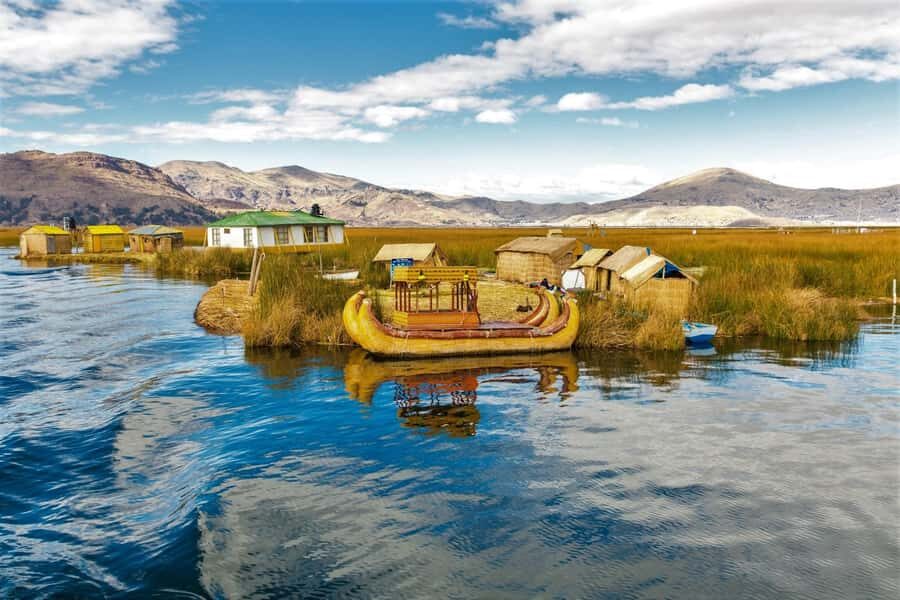
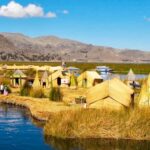
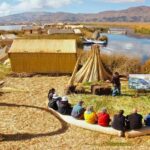
Uros comes first, and it’s easy to understand why. These islands are made from reeds, and the whole scene looks engineered by hand and maintained by people who live with the lake every day. When you arrive, you’re not just seeing a landmark—you’re seeing a way of life built from what’s available.
The boat trip also helps you get oriented. Lake Titicaca looks calm from a distance, but the scale is huge, and the atmosphere can shift quickly with light and wind. You’ll feel the altitude, too, so pace yourself when you’re taking photos or scanning the horizon.
A practical note: expect the Uros experience to be tourism-friendly. One past traveler described the area as a bit of a show, with sales of objects and an emphasis on taking a boat ride around the islands. You don’t have to fight it, but you should go in knowing it’s not a quiet, private moment.
The Amantani Jump: the 3-Hour Motorboat and Meeting Your Host Family
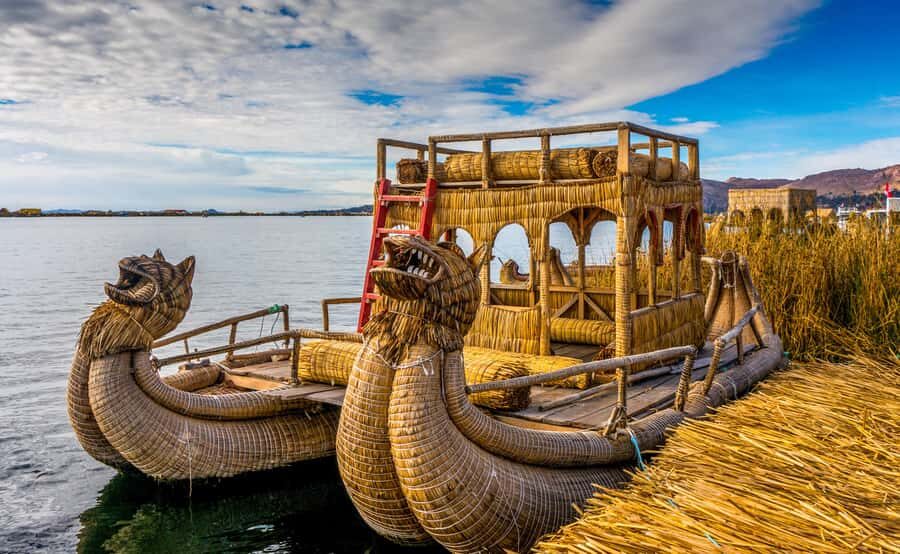
After Uros, you take a 3-hour motorboat journey to Amantani. That ride is where the trip starts to feel like you’re leaving one style of tourism and moving toward daily village rhythm. As you go, the lake scenery helps you understand why people build communities here instead of treating the water like a backdrop.
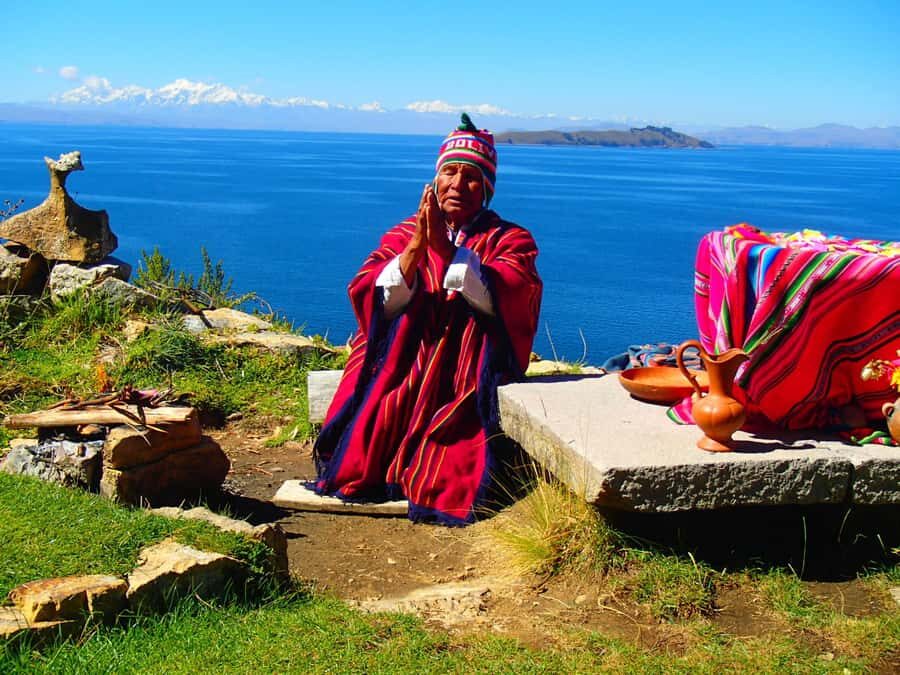
Once you reach Amantani, you’re welcomed by local families coming down to meet you. Then comes the real center of the tour: you’re assigned to a host family, and you spend the evening learning their routines and culture firsthand.
This is where the reviews hit hardest. One traveler mentioned sleeping at the home of Gladys and said the stay was better than many hotels during the rest of their trip. Another traveler praised the guide and family as adorable, and that kind of warmth can make the whole night feel personal instead of scripted.
Not every homestay experience is identical, though. One review flagged that some conditions can be basic and that a family might not feel as welcoming. Your best move is to stay flexible, be polite, and assume the experience is more about connection than comfort.
Dinner, Traditions, and the Homestay Night You Remember
Evening on Amantani is structured around your host family. You’ll have a typical lunch earlier on the itinerary for the day you arrive, and then dinner with the family at home. After dinner, you can watch a traditional show with your family, which is a big part of why this tour feels different from a simple island-hopping day.
You also get intercultural activities until dinner time. Those activities can be as important as the food because they put you in the role of learner, not spectator. If you take part with a good attitude, your evening tends to feel more human and less like a checklist.
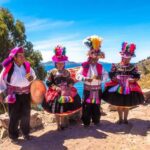
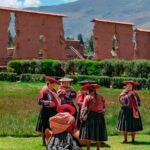
One past traveler specifically mentioned that the community may hold a party where tourists are dressed in traditional clothing, and it sounds like a moment that sticks. Since that isn’t guaranteed in the information you’re given, treat it as a possible bonus, not a promise—but it matches the kind of community energy Amantani is known for.
Day Two Starts Early: Goodbye Breakfast, Then Off to Taquile
Day two begins with an early breakfast with your host family. If you’ve never done a homestay before, this part often surprises people: mornings can feel calm and ordinary, and you get a last snapshot of how the household runs before you leave.
Then comes the goodbye. It can be emotional, mostly because you’ve been living inside someone’s routine for a night. Even if you keep expectations grounded, it still lands as a real goodbye, not a quick handover at a hotel lobby.
After you depart Amantani, you head to Taquile. The switch is big: Amantani focuses on family life, while Taquile includes more of a walking experience and a Quechua-speaking community setting that’s easier to explore as a group.

Taquile Island: Harbor Views, the Narrow Path, and Guide Stories
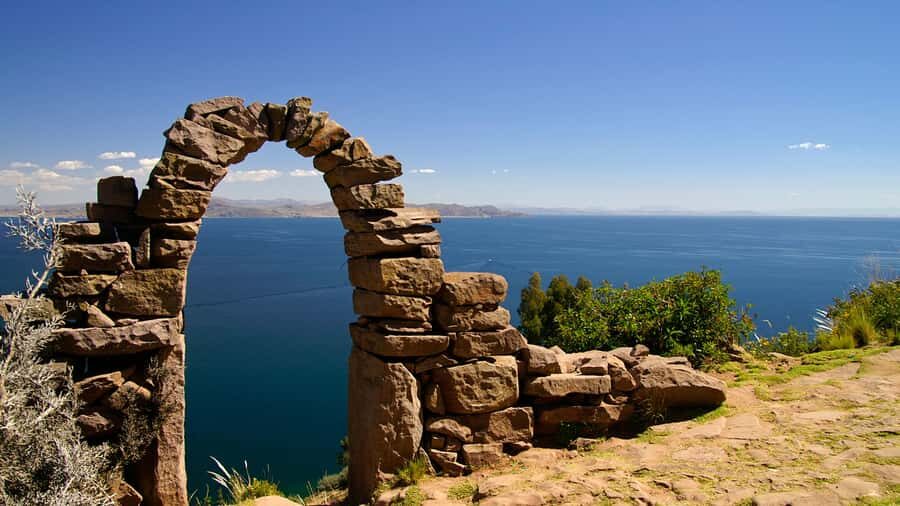
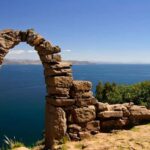
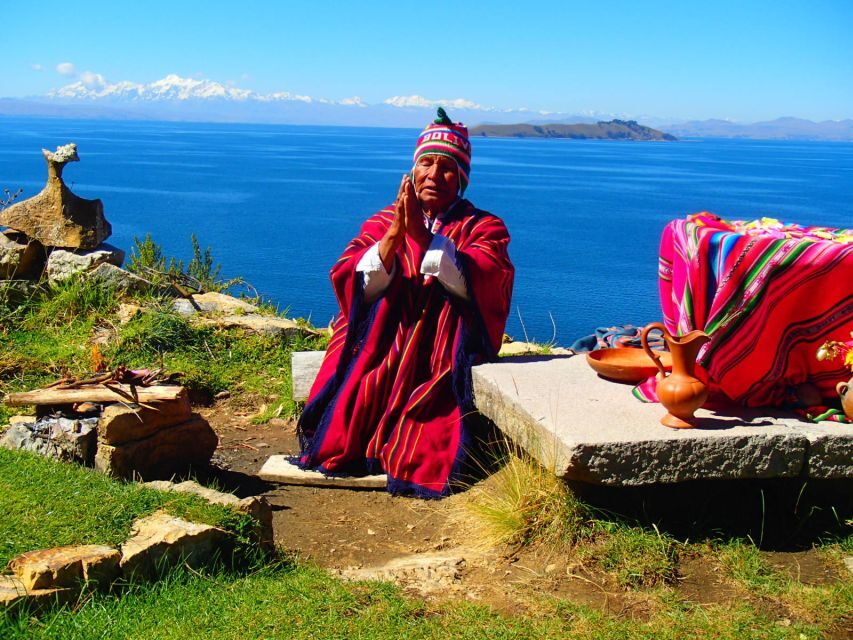
Taquile starts at the harbor. The visual change is immediate: you’re looking out over lake water with the mountain range in the background, including the nearby Bolivian mountains when conditions allow. This is the part where you feel the geographic scale of the region.
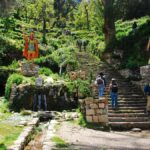
From the harbor, you walk up along a narrow path to the center of the island. The itinerary gives you the key idea: it’s a walk with scenery all the way up, and when you reach the top, your local guide shares stories and anecdotes about traditional life on Taquile. This is where the guide matters, because their explanations turn the hike from exercise into understanding.
You’ll get free time afterward to explore and wander around. Then you stop for lunch at a local restaurant. Finally, you descend back to the harbor and board the boat back to Puno.
The main drawback here is simply physical effort. Taquile involves a hike, and the tour isn’t designed for people with mobility limitations. If you’re nervous about altitude or uneven ground, bring your most reliable shoes and plan to move at your pace.
Price and Value: What $95 Buys on This Two-Day Loop
At $95 per person for two days, the value comes from what’s included. You’re not just buying boat rides. You’re also getting transfers from your hotel in Puno (or a meeting point in some cases), a professional guide, entrance fees, and the major island visits: Uros, Amantani, and Taquile.
The included meals are also focused. You get breakfast and dinner in Amantani and lunch in Taquile. Meals not mentioned as included are on you, so it’s smart to plan for at least one meal during the day when the itinerary doesn’t specify food.
What’s not included is equally important for budgeting. Your accommodation in Puno isn’t included, and pickup from Juliaca airport isn’t included either. If you’re arriving via Juliaca, you’ll need to handle that leg separately.
In practical terms, this price tends to work best if you want an organized structure and you’re okay with homestay living. If you’re mainly looking for five-star comfort, you might feel disappointed. If you want authentic contact—plus a clear schedule—this is a solid deal for the time you spend on the lake.
What to Bring (and What to Skip) for a Smooth Lake Titicaca Trip
This tour comes with a few clear rules: comfortable shoes and warm clothing are musts. Lake Titicaca weather can change, and altitude makes cold air feel sharper. Layers help you survive sun, wind, and shade.
The itinerary also says luggage or large bags aren’t allowed. That’s a big deal for planning. Travel light so you can move quickly between boat transfers and walking sections. If you normally bring a big bag, this tour will force you to rethink your setup.
Also, you may spend time on boats and outside. Sunglasses and sunscreen are sensible, even if it’s cool, because the light on water can be intense. If you get cold easily, pack accordingly—warm clothing isn’t optional here.
Who This Tour Fits Best (and Who Should Rethink It)
This experience fits best if you want firsthand cultural contact and you like the rhythm of a small group. With a maximum of 15 participants and a guide speaking English and Spanish, you’ll usually have enough attention for questions without feeling like a number.
It’s a great match for you if you enjoy boats and don’t mind a hike on Taquile. It’s also a good choice if you can handle basic conditions as part of the deal. One review praised sleeping at a host family’s home as better than hotels, which shows that homestay value can be more than symbolic.
It may not be the right fit if you have heart problems or if you use a wheelchair. The tour specifically notes that it’s not suitable for wheelchair users and people with heart problems, likely because of altitude, walking, and general physical demands.
Should You Book This 2-Day Puno Visit to Uros, Amantani, and Taquile?
If you want a two-day Lake Titicaca experience that mixes boat scenery, a real homestay night, and a guided walk on Taquile, I’d say this is a good booking. The strongest reasons to book are the homestay evening with a family, the small-group structure, and the simple fact that you see multiple communities rather than repeating the same view.
Your main reason to hesitate is expectation management. Uros can feel commercial, and homestay comfort can vary depending on your host family. If you’re the type who gets stressed by basic conditions or by a slightly tourist-driven setup on Uros, consider that before you commit.
If your goal is cultural connection over luxury, bring warm layers, wear solid shoes, and go with an open mind—you’ll likely leave with stories, not just photos.
FAQ
What islands and areas does this tour visit?
It includes visits to the Uros floating islands, Amantani Island, and Taquile Island.
How long is the tour?
The duration is 2 days.
What is the price per person?
The listed price is $95 per person.
What meals are included during the trip?
Breakfast and dinner are included in Amantani, and lunch is included in Taquile. Other meals are not mentioned as included.
Do I get accommodation in Puno?
No. Accommodation in Puno is not included.
How does pickup work in Puno?
Transfer from your hotel in Puno is included. If your hotel is outside the city center, a meeting point will be offered. Pickup from Juliaca airport is not included.
Is the group small?
Yes. The group is limited to 15 participants.
What language will the guide speak?
The tour guide is listed as English and Spanish.
What should I bring?
Bring comfortable shoes and warm clothing.
Are large bags allowed?
No. Luggage or large bags are not allowed.
Is this tour suitable for wheelchair users or people with heart problems?
No. It is not suitable for wheelchair users or people with heart problems.