REVIEW · PUNO
Full Day Lake Titicaca Tour to Uros and Taquile Islands
Book on Viator →Operated by Discover Lake Titicaca · Bookable on Viator
Two islands, one big lake day. I loved meeting Aymara families on the Uros floating islands and then climbing up Taquile for views and lunch on the island. The one downside to plan for: Uros can feel busy, since it’s a famous stop.
This 9-hour day trip starts early in central Puno (pickup around 7:00 am) and moves at a steady pace: a short boat ride to Uros, time with island builders, a water transfer to Taquile, then a hilltop walk and return by late afternoon. If you like hands-on cultural stops and don’t mind a workout, it’s a strong value day on Lake Titicaca.
In This Review
- Key Highlights You’ll Feel All Day
- From Central Puno to Lake Titicaca: The Morning Setup
- Uros Floating Islands: Totora Life, Aymara Words, and a Reed-Boat Optional Add-On
- The small choice: Totora reed boat rides cost extra
- The Uros-to-Taquile Transfer: 2 Hours on the Water to Reset
- Taquile Island Hilltop: Knitting Traditions, Wool Dyeing, and a Lunch Stop at Isabella
- What makes Taquile feel more like culture than an exhibit
- Lunch: included, and it can be a highlight
- Getting Back to Puno: Return Timing and a Late Afternoon Arrival
- Price and Value at $52: What’s Included and What Costs Extra
- Crowds, Authenticity, and the Uros-to-Taquile Shift
- Language and Guide Style: Bilingual Help with Real-World Limits
- How Demanding Is It Really? Walking Time You Can’t Skip
- Practical Tips to Make the Day Feel Smooth
- Best Fit: Who Should Book This Uros and Taquile Day Trip
- Should You Book This Uros and Taquile Tour?
- FAQ
- What time does the tour start?
- How long is the full day?
- Where does pickup and drop-off happen in Puno?
- What islands are included?
- Are entrance fees included?
- Is lunch included?
- Is there an extra cost for a reed-boat ride on Uros?
- How much walking is involved on Taquile?
- Is the guide only one language?
- What’s the cancellation timeline?
Key Highlights You’ll Feel All Day
- Uros floating islands with a community explanation and time to wander
- Island entrance fees and departure taxes included, so you won’t nickel-and-dime at the dock
- Aymara language moments from your guide, including a few greeting words
- Taquile hilltop views plus a guided look at knitting, spinning, and traditional dress
- Vegetable-based wool dye demo from the village chief
- Included lunch at the Taquile stop (one standout meal described: grilled trout)
From Central Puno to Lake Titicaca: The Morning Setup
This tour is built around one simple idea: get you from Puno to Lake Titicaca early enough to enjoy both islands without rushing the whole day. Pickup is in the center of Puno, and the start time is listed as 7:00 am, with the full day running about 9 hours.
The schedule matters here. Lake Titicaca is high and the day can feel long once you add boat time and walking time. Starting early also helps you beat the heaviest crowds at the first island stop.
You’ll travel with a bilingual local guide (English and Spanish), and the group is kept to a maximum of 25 people. That cap helps keep the day comfortable, even though Uros is still a popular destination.
A few more Puno tours and experiences worth a look

Uros Floating Islands: Totora Life, Aymara Words, and a Reed-Boat Optional Add-On
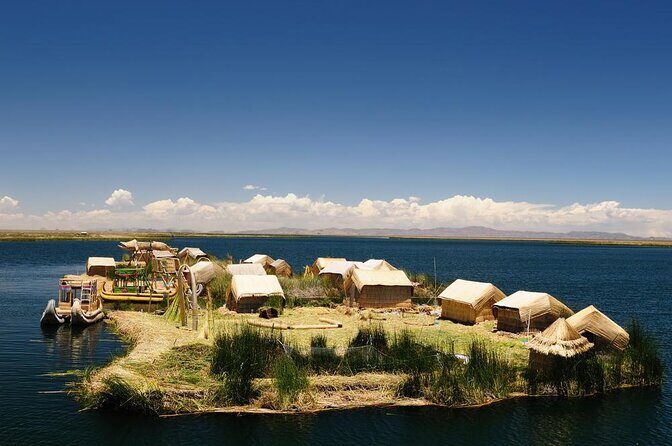
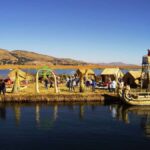
The day begins with a transfer to the boat pier, then a 25-minute boat ride out to the Uros area. As you head over, you can look back toward the distance and catch views of the snow-capped Andes when the weather allows.
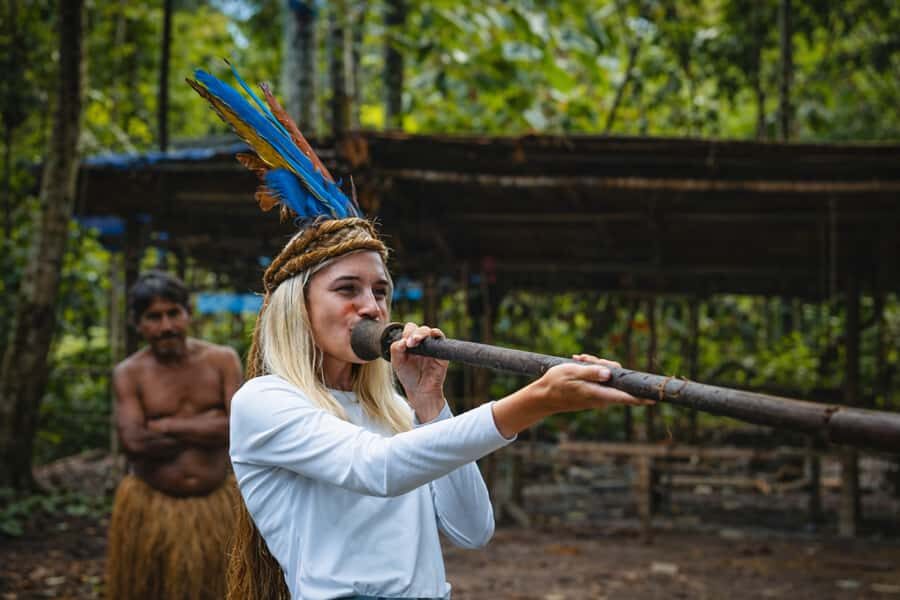
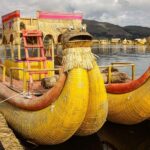
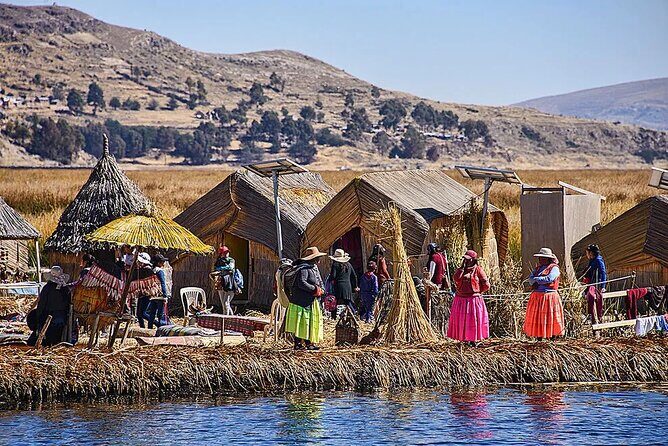
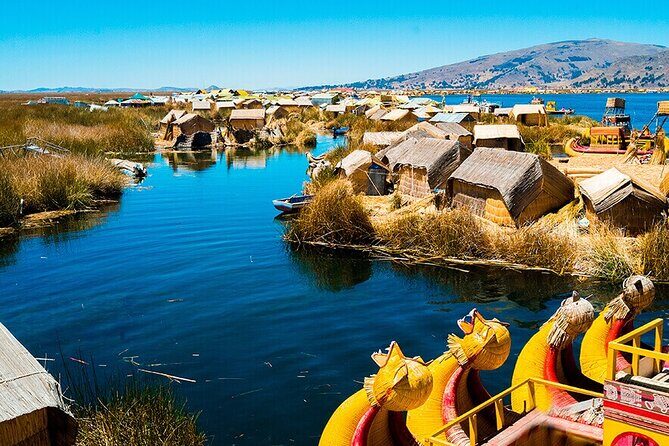
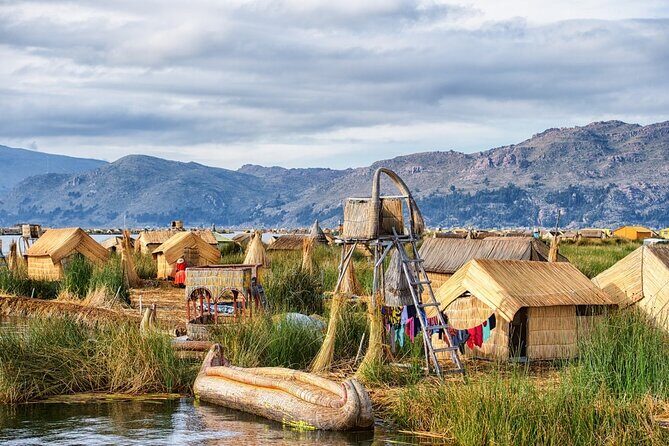
On arrival, the Uros community welcomes you and explains how these islands are made from totora reed. The island leader demonstration is a key part of the visit: they share the history and show the practical building concept, not just facts on a signboard. You’ll also get a quick Aymara-focused moment—your guide teaches you a few words so you can greet people in their language.
You’ll have time to stroll on the island itself. Since everything here is built with totora reed, it’s a visual lesson as much as a spoken one. If you want souvenirs, this is usually where they’re easiest to browse.
The small choice: Totora reed boat rides cost extra
There’s an optional reed-boat experience offered on Uros, listed at 10 soles. If you want the full hands-on “how they move on the water” feeling, it’s worth considering. If you’d rather keep the day moving and budget tight, you can skip it and still get plenty from the main island visit.
The Uros-to-Taquile Transfer: 2 Hours on the Water to Reset

After Uros, you’ll shift gears and head toward Taquile for about a 2-hour journey by boat. This is one of those stretches that can feel like a break even though you’re still in transit.
It’s useful time in two ways. First, you’ll likely cool down mentally after the first island stop, especially if it feels crowded. Second, it gives you time to adjust expectations: Taquile is more of a walking day, and you’ll want your energy for the hill.
Bring your eyes. Lake Titicaca can look big and calm, and the boat ride is part of the day’s “this is really happening” feeling. Even if the water is gray, the sense of scale is hard to fake.
Taquile Island Hilltop: Knitting Traditions, Wool Dyeing, and a Lunch Stop at Isabella
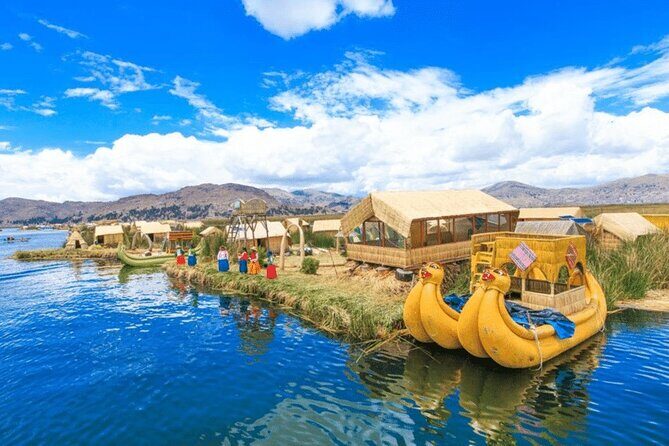
Taquile starts with a guided intro from a local expert as the boat nears the shore. Then comes the part you should plan for: a walk of about 45 minutes up the hill to the summit area.
The path is described as a climb on a rough sidewalk, so this isn’t a sit-and-snap photo stop. If your knees are touchy, take it slow and treat the walk like the main event. Once you reach the top, the reward is the open lake views—exactly the kind of payoff that makes people want to do the effort.


What makes Taquile feel more like culture than an exhibit
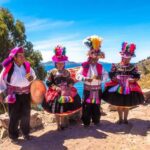
At Taquile, the focus turns to everyday tradition. You’ll learn about how men knit while women spin wool, and how community dress ties to marital status. A village chief also gives a demonstration on how wool is dyed using vegetables, which is practical knowledge you won’t get from generic cultural tours.
This part feels meaningful because it connects art and daily life. Handicrafts here aren’t just for show—they’re tied to how people produce materials and pass skills through generations.
Lunch: included, and it can be a highlight
Lunch is included at a local restaurant on Taquile, described in one meal account as grilled trout prepared fresh. The restaurant name mentioned was Isabella. Even if your meal choice isn’t identical, the key point is that lunch is built into the tour timing—so you’re not hunting for food while the day slips away.
After lunch, you’ll hike back down to the pier and get on the return boat.
Getting Back to Puno: Return Timing and a Late Afternoon Arrival
After the Taquile lunch and descent, the return trip is about 2.5 hours by boat. The tour is scheduled so you reach Puno around 5:00 pm.
That timing is convenient in practice. You still have an evening in town for dinner, and you’re not forced into a midnight scramble. It’s also helpful for people connecting to other plans the same day, since you can roughly plan on being back in the city by late afternoon.
Once you’re back, a representative meets you and returns you to your hotel within central Puno.
Price and Value at $52: What’s Included and What Costs Extra
At $52 per person, this tour is priced for a full-day combination: two major lake stops, local guiding, boat travel time, and a built-in meal. The best value here is the way costs are bundled.
What’s included:
- Hotel pickup and drop-off in central Puno
- Lunch
- Entrance to Uros and Taquile
- Departure taxes
- Bilingual local guide (English and Spanish)
What can cost extra:
- If you want the optional totora reed boat ride on Uros: 10 soles
- If your hotel is outside central Puno: pickup/drop-off costs 25 soles per way
That math is worth doing before you book. If you’re staying in central Puno, the tour price tends to feel straightforward. If you’re outside the pickup zone, factor in that extra 50 soles round trip (25 each way), and decide if the convenience is still worth it for you.
One more value note: this is not a short “see it and leave” tour. You get a guided cultural story at Uros, plus a real physical experience at Taquile.
Crowds, Authenticity, and the Uros-to-Taquile Shift
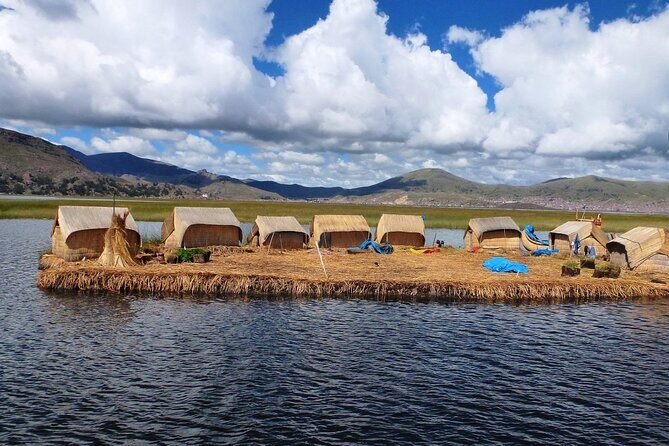
Uros is famous, so it can feel busy. One person summed it up as Uros being very tourist-focused, while Taquile felt more authentic.
I’d treat that as a planning lens. If you want quiet immersion, Uros probably won’t be your quietest moment of the day. If you can accept Uros as the orientation stop—the place where you learn how the reed islands work—then Taquile is where the day usually feels more “human scale.”
The good news: your Taquile time is longer on the cultural side than Uros, and the walk pushes you beyond a quick surface stop. If you’re the type who enjoys learning how things are made—reed islands, dyed wool—then the day feels cohesive.
Language and Guide Style: Bilingual Help with Real-World Limits
The tour is guided in English and Spanish by a bilingual local guide. That’s a big practical win when you’re in an area where few people speak your language.
Still, the guide has to manage two language needs in one group. One account specifically mentioned a guide named Jorge and noted that splitting English and Spanish groups could make it easier. That doesn’t mean the tour is hard—it just means you should be ready for occasional moments where translation pace doesn’t feel perfectly balanced.
If you can handle simple phrases, a few words you learn for Aymara greetings help a lot. They turn the visit from passive watching into a real exchange.
How Demanding Is It Really? Walking Time You Can’t Skip
Taquile includes a 45-minute uphill walk to the summit, plus the return down to the pier. Another meal account described Taquile climbing as hard enough that you need to be in decent physical condition.
The tour also says most people can participate, which usually means the day isn’t restricted like a technical hike. But “most people” still includes a wide range of fitness.
If you have knee issues, take it slow and wear shoes with good grip. If you get breathless easily at altitude, pace matters even more. You’re at Lake Titicaca height, so that uphill portion should be treated as the main effort of your day.
Practical Tips to Make the Day Feel Smooth
Bring the essentials that help you enjoy the day instead of “surviving” it.
- Wear sturdy shoes for the Taquile hill path.
- Bring a light layer, since you’re on open water for a chunk of the day.
- Plan your budget for the optional 10 soles reed-boat ride if you’re curious.
- If your hotel isn’t in the center of Puno, ask ahead about the 25 soles per way transfer cost.
- Use the early start to your advantage: eat a real breakfast before pickup, and don’t arrive hungry.
Also, do your homework on pickup reliability. One bad service report in the provided information described a no-show situation. That’s not enough to condemn the whole tour, but it is enough to justify being alert: confirm your pickup details in advance, and keep your contact info handy so you can follow up quickly if anything feels off.
Best Fit: Who Should Book This Uros and Taquile Day Trip
This tour is a great match if you want:
- A full-day Lake Titicaca experience that mixes hands-on culture with views
- An included lunch so you don’t waste time looking for food
- A guided explanation that covers everyday traditions like knitting and wool dyeing
It may be less ideal if:
- You hate hill walking or have trouble with rough paths
- You get frustrated by crowded popular sites, since Uros is a famous stop
It also fits well as a day to break up heavier exploring in the Andes. Uros can feel like an eye-opener, and Taquile gives you that satisfying “we earned these views” feeling.
Should You Book This Uros and Taquile Tour?
I’d book it if your idea of a great day is learning real traditions, watching how people live, and being willing to climb a hill for payoff. The strongest part is the pairing: Uros gives you the reed-island story, while Taquile brings crafts, wool dyeing, and a more grounded village feel.
I’d just go in smart. Pick a hotel in central Puno if you can to avoid extra transfer cost, wear good shoes for Taquile, and be ready for Uros to be busy. If you’re booking despite the one serious no-show report you might find online, take the simple precaution of double-checking pickup details before the morning of the tour.
If that all sounds like your kind of day on Lake Titicaca, this is a solid value choice at $52 with entrance fees and lunch handled for you.
FAQ
What time does the tour start?
The activity starts at 7:00 am.
How long is the full day?
Plan for about 9 hours total.
Where does pickup and drop-off happen in Puno?
Pickup and drop-off are included within the center of Puno. If your hotel is outside the center, pickup/drop-off is listed as 25 soles per way.
What islands are included?
You visit Uros Floating Islands and Taquile Island.
Are entrance fees included?
Yes. Entrance to Uros and Taquile is included, along with departure taxes.
Is lunch included?
Yes. Lunch is included during the Taquile Island portion of the day.
Is there an extra cost for a reed-boat ride on Uros?
Yes. A short ride on a totora reed boat is offered for 10 soles.
How much walking is involved on Taquile?
Taquile includes a walk of about 45 minutes up to the summit area, then you go back down afterward.
Is the guide only one language?
No. The guide is listed as bilingual (English and Spanish).
What’s the cancellation timeline?
The policy is free cancellation up to 24 hours in advance for a full refund. If you cancel less than 24 hours before the start time, the amount paid is not refunded.