REVIEW · PUNO
From Puno: 4h tour to Sillustani
Book on GetYourGuide →Operated by Lago del Cielo Sociedad Anonima Cerrada · Bookable on GetYourGuide
Puno at golden hour hits different. This 4-hour outing ties together the Mirador Puma Uta viewpoint with the Sillustani chullpas above Umayo Lagoon. You get Inca and Pre-Inca burial-tower engineering explained in plain language, plus scenery that feels oddly quiet at high altitude.
What I like most is the way the route starts with a panoramic “get your bearings” view over Lake Titicaca and the altiplano. You’ll also love Sillustani’s setting, where the cylindrical towers rise up against the lagoon’s reflections, making the whole place feel bigger than photos.
One thing to keep in mind: pickup can be a little awkward in practice. One passenger described walking to a bus, switching vehicles, then waiting before moving on. It still worked out, but build in a little patience.
In This Review
- Key points before you go
- Afternoon Altiplano Timing: Why a 1:40 PM Start Works
- Mirador Puma Uta: Getting Your Bearings Above Puno
- The Scenic 40-Minute Drive: Grasslands, Llamas, and 3,900 Meters
- Entering Sillustani: The Chullpas and the Umayo Lagoon Setting
- Chullpas Explained: Inca and Pre-Inca Burial Towers Without Mortar
- Optional Farmhouse Stop: A Low-Key Glimpse of Andean Daily Life
- Price and Logistics: Is This $25 Per Person a Good Value
- What to Bring and How to Handle the Altitude
- Who This Trip Fits Best (and Who Might Skip It)
- Should You Book This Sillustani From Puno Tour?
- FAQ
- How long is the tour from Puno to Sillustani?
- What time does pickup happen in Puno?
- Where are the pickup and drop-off locations?
- What does the tour include?
- Are meals included?
- What languages is the guide available in?
- Is there an option to visit a farmhouse?
- What should I bring?
- Is there cancellation flexibility?
Key points before you go
- Mirador Puma Uta first: a high-edge viewpoint that gives context for the landscape before Sillustani
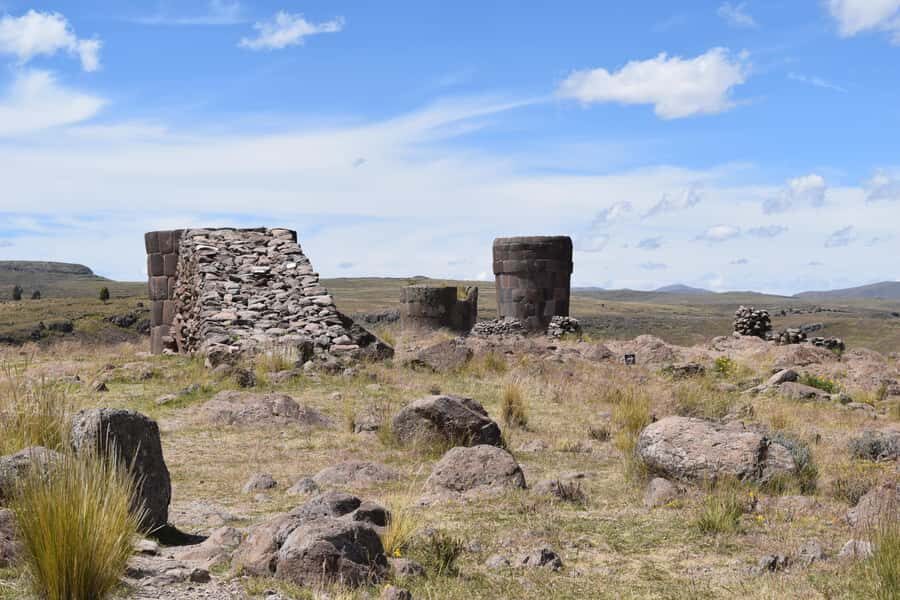
- Sillustani’s chullpas up to 12 meters: cylindrical stone burial towers built without mortar
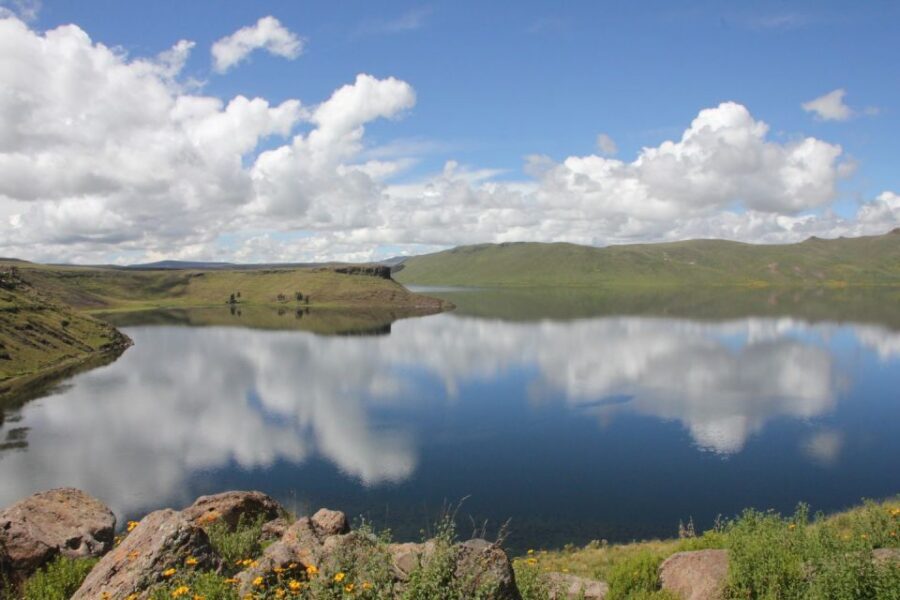
- Umayo Lagoon views: calmer water can mirror the sky and the hills for extra-atmosphere photos
- A real highland culture optional stop: a local farmhouse with day-to-day routines (and sometimes food tastings)
- Afternoon timing: fewer crowds and nicer light for both views and photos
- Guides who explain clearly: guides like Veronica and Esteban are noted for passionate, detailed explanations
Afternoon Altiplano Timing: Why a 1:40 PM Start Works
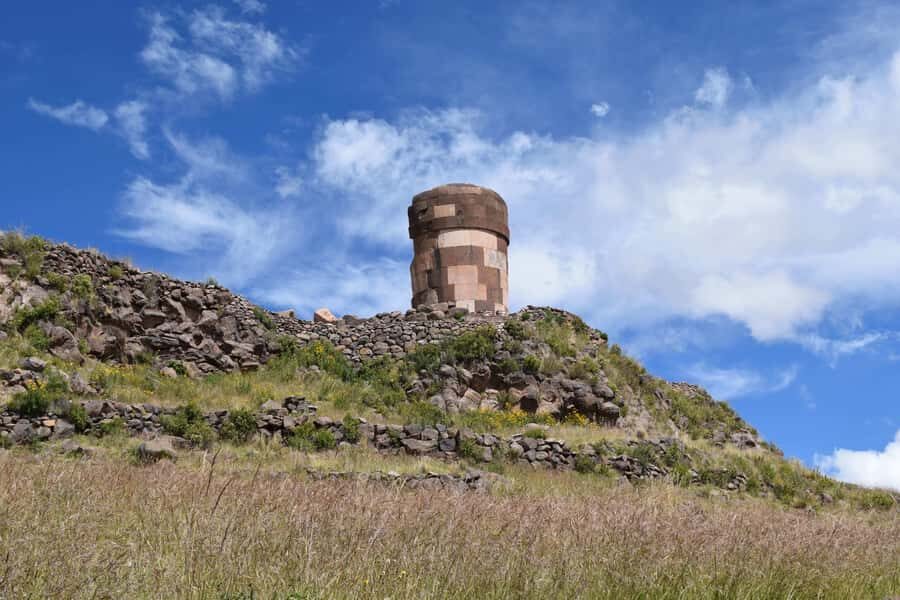
This tour runs in the afternoon, with pickup around 1:40 PM and a return to downtown Puno before late afternoon. That timing matters because Puno gets calmer later in the day, and the light turns softer on the drive and at the ruins. It’s easier to enjoy the views without feeling like you’re in a rush against a crowd.
The altitude also feels more manageable when you’re not rushing through everything in the morning. You’ll still be at elevation, so take it steady on the walking, but the day’s flow can feel smoother when the big sights happen later.
If you’re the type who likes photos, the afternoon light helps on both stops: Mirador Puma Uta for the wide panorama and Sillustani for the stone towers and lagoon.
You can also read our reviews of more tours and experiences in Puno.


Mirador Puma Uta: Getting Your Bearings Above Puno
Before you leave the city, you’ll stop at the Mirador Puma Uta, a viewpoint perched on the upper edge of Puno. The highlight is the monumental puma sculpture overlooking town. It’s a strong visual anchor, and it makes the rest of the trip feel more connected.
From the viewpoint, you get a panoramic look at Puno’s rooftops, surrounding hills, and Lake Titicaca stretching out in the distance. Even if you’ve seen Titicaca from street level, this angle helps you understand the region’s scale. It’s the kind of stop that makes the later ruins feel less like a random destination and more like part of a bigger landscape story.
Expect about 15 minutes here. It’s not long, but it’s enough time to orient yourself and grab photos before the drive starts.
The Scenic 40-Minute Drive: Grasslands, Llamas, and 3,900 Meters
After leaving the viewpoint, the route heads north across open altiplano. You’ll ride through grasslands dotted with grazing llamas and adobe homesteads, with the terrain gently climbing to around 3,900 meters.
This drive is part of the fun, not just transportation. You get those classic highland visuals that are hard to replicate in town: wide skies, sparse vegetation, and animals moving slowly like they own the place.
Two practical notes: first, bring layers even if Puno feels mild earlier in the day. Second, keep water handy and move slowly when you arrive at Sillustani. Altitude affects everyone differently, and the ruins involve some walking.
Entering Sillustani: The Chullpas and the Umayo Lagoon Setting
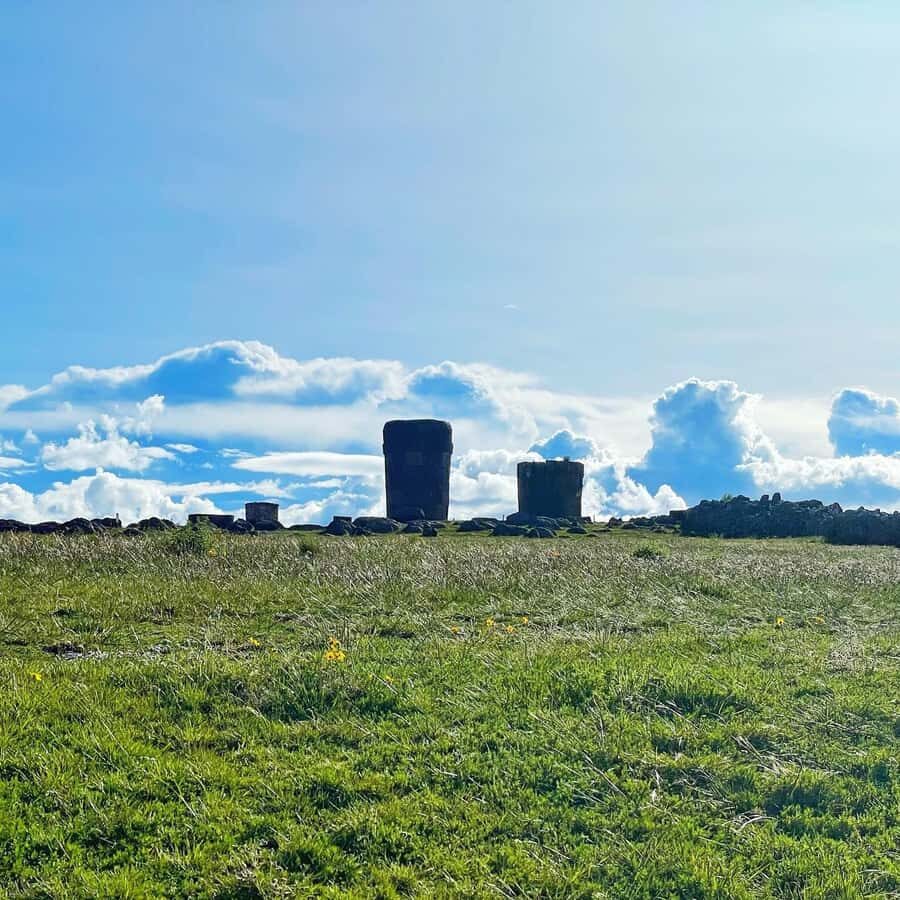
Sillustani is the main event. After the drive, your guide takes you through the archaeological complex on a trail along the peninsula, roughly 30 minutes of walking. The full stop runs longer (you’ll have time for a guided visit and photos), but the walking itself is manageable if you take breaks when you need them.
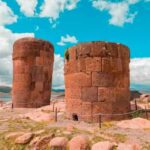
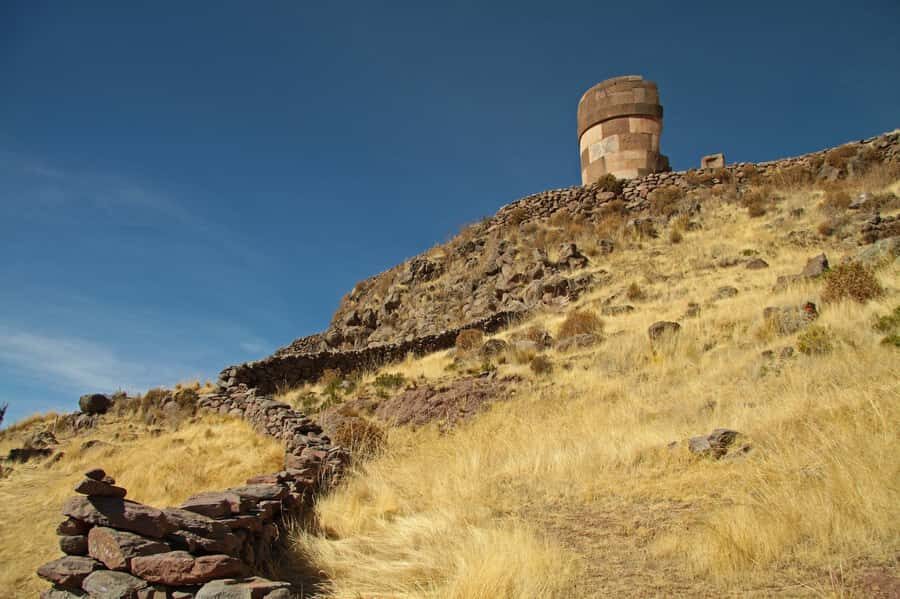
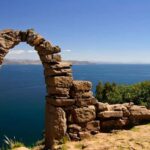
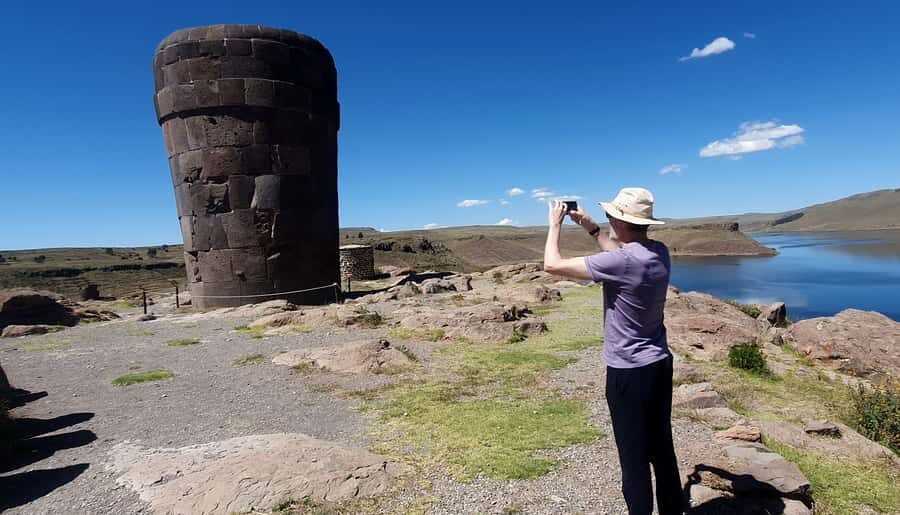
The real stars are the chullpas: cylindrical stone burial towers associated with the Colla culture and later used by the Incas. Some towers reach up to 12 meters. What hits you first isn’t just the height—it’s the precision of the stonework.
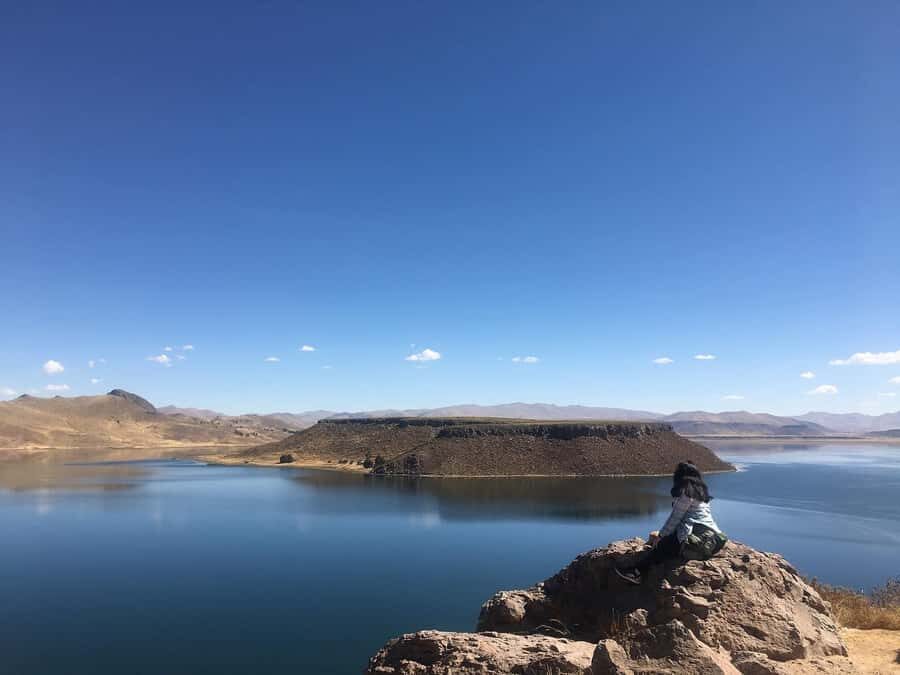
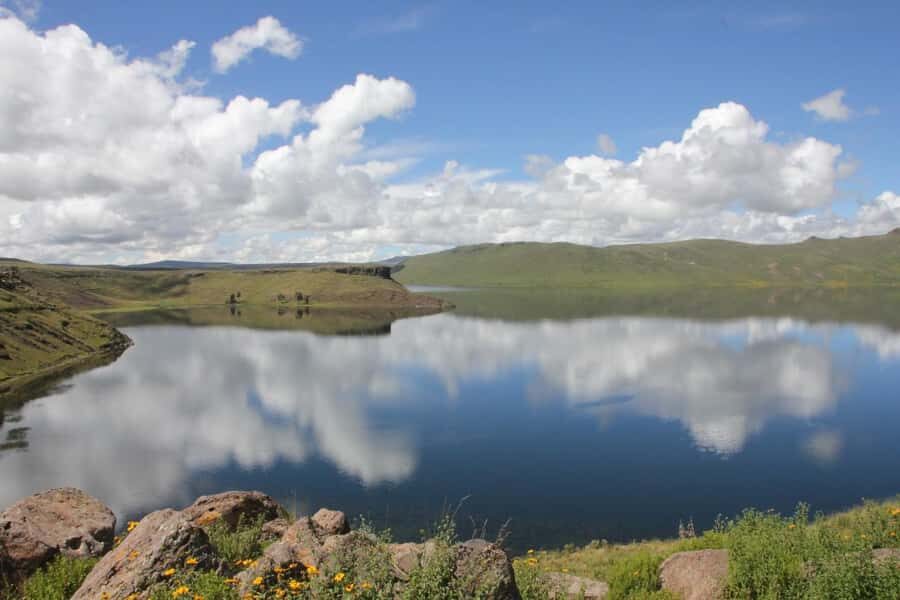
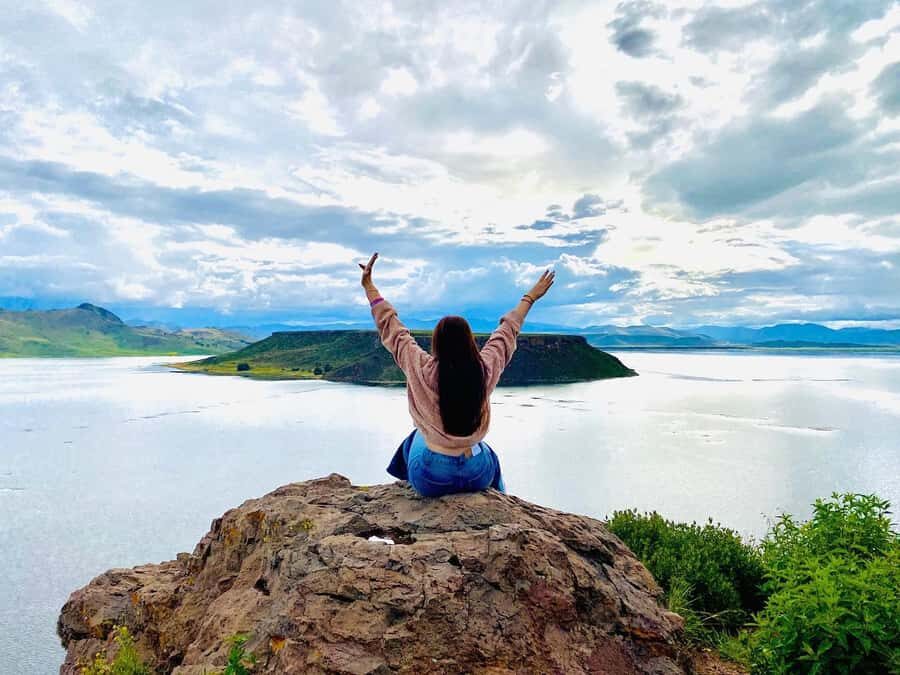
And then there’s the setting. The chullpas sit above Umayo Lagoon, a body of water that can reflect the sky and hills on calm days. When conditions line up, the lagoon turns Sillustani into something cinematic: stone towers, quiet water, and a horizon that keeps expanding as you look.
If you’re a slow-photo person, plan on it. This is one of those places where taking your time feels worth it.
Chullpas Explained: Inca and Pre-Inca Burial Towers Without Mortar
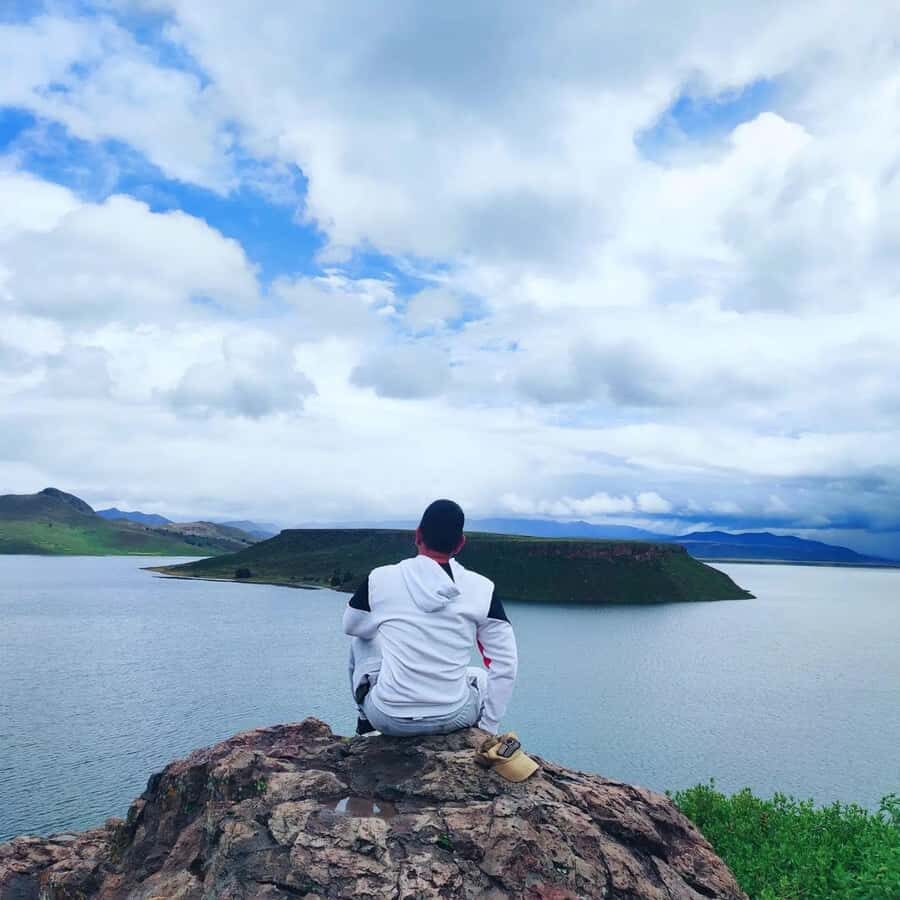
One reason this tour feels worth it is how the guide frames what you’re seeing. You’re not just walking around towers. You’ll learn about who was buried inside and why the towers narrow toward the base.
You’ll also get the “how did they build that” detail. These are Pre-Inca and Inca structures assembled without mortar, which makes the stone geometry even more impressive. The guide explains how Colla funerary practices changed once the Incas absorbed them into their empire.
If you’ve ever visited ruins and felt like the stones were cool but the context was missing, this is the opposite of that problem. Guides such as Veronica have been praised for explaining things clearly and enthusiastically, and Esteban is noted for passionate, detailed interpretation. Even if your guide isn’t named in your group, the style is clearly a priority here.
One small tip: ask questions about the narrowing shape and how burial traditions shifted. That’s usually where the explanation turns from facts into something you actually remember.
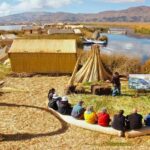
Optional Farmhouse Stop: A Low-Key Glimpse of Andean Daily Life
On the way back, you may have the option to visit a nearby farmhouse in the surrounding community. The goal isn’t a staged show. It’s daily life: how people work the land, care for animals, and cook.
You might see routines like preparing quinoa dishes and fresh cheese, and learning what a normal day looks like at high elevation. In one account, there was also a food tasting featuring potatoes with clay sauce, which is exactly the kind of Andean detail you usually only catch when you’re sitting down with a family.
Whether you choose this stop depends on your interests and your energy level. If you love food and everyday culture, it’s a great add-on. If you’d rather keep the trip focused strictly on archaeology, you can skip it and still get a strong experience.
Either way, the farmhouse option adds a human layer to Sillustani’s stone story.
Price and Logistics: Is This $25 Per Person a Good Value
At $25 per person for a roughly 4-hour (270-minute) tour, this is priced like a budget-friendly way to do two meaningful stops in one day. What you’re paying for isn’t just transport—it includes a guide, entrance tickets, and transportation.
Meals aren’t included, so you’ll want to plan around eating on your own before the tour or after you return to Puno. The upside is that you’re not locked into a meal you might not want.
Logistics are generally straightforward: pickup happens around central Puno, with options such as Plaza Mayor de Puno and Parque De Las Aguas. Drop-off is also in town at places like Plaza de Armas or Plaza Mayor.
That said, one practical caution: pickup can involve some vehicle juggling. A passenger described walking from their hotel to a bus, then switching buses and waiting about 20 minutes. If your hotel is far from the main pickup point, give yourself a bit of buffer time.
Also note: in case of vehicle issues, the group may switch plans quickly. One account mentioned a tyre blowout and a replacement bus arranged promptly, with the crew keeping everyone safe. It’s not something you can predict, but it’s reassuring to know the operation doesn’t just freeze.
Bottom line: $25 feels fair for the guide time, admissions, and the fact you’re covering both Mirador Puma Uta and Sillustani.
What to Bring and How to Handle the Altitude
This tour operates at high elevation, with the viewpoint area around 3,900 meters. You don’t need to be an athlete, but you do need to be sensible.
Bring:
- Passport or ID card (required)
- Warm layers (altiplano weather can change fast)
- Comfortable shoes for the peninsula trail and uneven stone paths
- Water, even if you don’t feel thirsty right away
Food isn’t included, so decide where you’ll eat. Afternoon tours are nice, but you can get hungry waiting for the last stop to finish.
If you’re prone to altitude discomfort, keep your pace easy on the trail. You’ll get the best experience by moving slowly rather than trying to “power through” because the views are worth pausing for.
Who This Trip Fits Best (and Who Might Skip It)
I think this tour fits best if you want:
- A focused archaeology stop with real interpretation
- A chance to see Sillustani’s towers in the quieter afternoon light
- A route that includes both city-to-ruins context (Mirador Puma Uta) and the lagoon setting
It’s also a nice choice for couples or solo travelers who don’t want to deal with planning transport on their own.
You might want to skip or modify it if:
- You dislike any walking at elevation, even moderate peninsula walking
- You’re very sensitive to schedule changes around pickup points
- You only want a long, leisurely time in one site and not a multi-stop route
For most people, though, it’s a sweet format: enough time to learn, enough time to look, not so long you feel drained.
Should You Book This Sillustani From Puno Tour?
I’d book it if you want the best parts of Sillustani without making a whole day of logistics. The combination of Mirador Puma Uta plus Sillustani’s chullpas by Umayo Lagoon is a strong one-two punch, and the afternoon timing helps you avoid the busiest feeling.
The value also holds up: for $25, you’re getting transportation, tickets, and guided explanation, plus a chance for an optional farmhouse visit. The reviews highlight what matters—guides who explain well (including Veronica and Esteban) and a well-organized experience with safe handling if anything goes wrong.
If you’re the kind of traveler who hates “maybe” stops, be aware the farmhouse is optional. Still, even without it, you’ll come away with a clearer understanding of the ruins and a memorable highland setting.
FAQ
How long is the tour from Puno to Sillustani?
The tour runs about 4 hours, or around 270 minutes.
What time does pickup happen in Puno?
Pickup is in the early afternoon, around 1:40 PM.
Where are the pickup and drop-off locations?
Pickup can be at Plaza Mayor de Puno, Parque De Las Aguas, or downtown Puno. Drop-off is at Parque De Las Aguas, Plaza de Armas de Puno, or Plaza Mayor de Puno.
What does the tour include?
It includes a guide, entrance tickets, and transportation.
Are meals included?
No. Meals are not included, so you’ll need to plan your own food.
What languages is the guide available in?
The guide is available in Spanish and English.
Is there an option to visit a farmhouse?
Yes, there’s an option to visit a local farmhouse to see daily life of Andean people.
What should I bring?
Bring a passport or ID card.
Is there cancellation flexibility?
Yes. You can cancel up to 24 hours in advance for a full refund.