REVIEW · PUNO
From Puno: Travel to Cusco in Titicaca Train All Inclusive
Book on GetYourGuide →Operated by Experience Travel · Bookable on GetYourGuide
You cross the Andes by rail in style. On the Titicaca Train All Inclusive, I love the mountain scenery from your window and the gourmet three-course lunch served right in the restaurant cars. One thing to consider: the experience can be picky about ticket details, seat assignments, and pickup timing, so I’d verify everything before you show up.
Beyond the views and food, you get a proper show onboard—live music and dancing—plus little extras that make the long ride feel like an event, not a chore. You’ll also stop at the high-mountain area of Abra de la Raya and visit the Andean market at La Raya, with drinks and tastings woven into the day.
In This Review
- Key Things That Make This Train Ride Special
- A 10-and-a-half-hour Train Day From Puno to Cusco
- Hotel-to-Station Start: The Smooth Part (If Your Timing Is Tight)
- Pullman-Style Comfort and What You’ll Actually Do Onboard
- The High Point Stop: Abra de la Raya and the Border Views
- La Raya Andean Market Stop: Where the Route Gets Human
- Gourmet Lunch in the Restaurant Cars: The Meal That Makes the Day Feel Premium
- Live Music and Dancing: More Fun Than Distraction
- Price and Value: Is $499 Per Person Worth It?
- Arrival in Cusco: The End Game You’ll Want to Confirm
- Who This Train Is Best For
- Should You Book This Titicaca Train All Inclusive?
- FAQ
- How long is the Puno to Cusco Titicaca Train experience?
- What meals are included?
- Is live music included?
- Does the tour include Piso Sour?
- Does the trip include any stops?
- What languages is the tour guide available in?
- What is the cancellation policy?
Key Things That Make This Train Ride Special
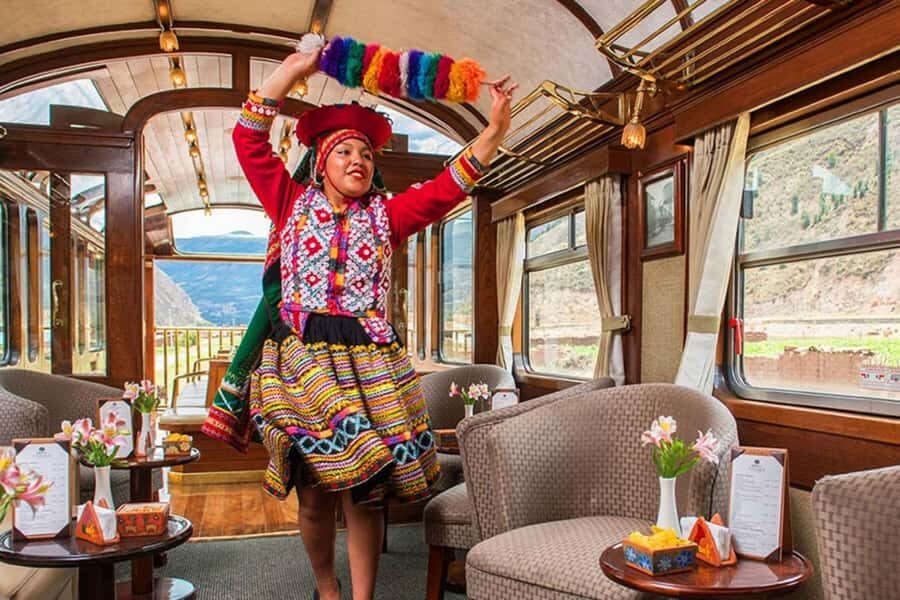
- Gorgeous Andean views from moving rail cars with multiple moments to take photos, not just one scenic stretch
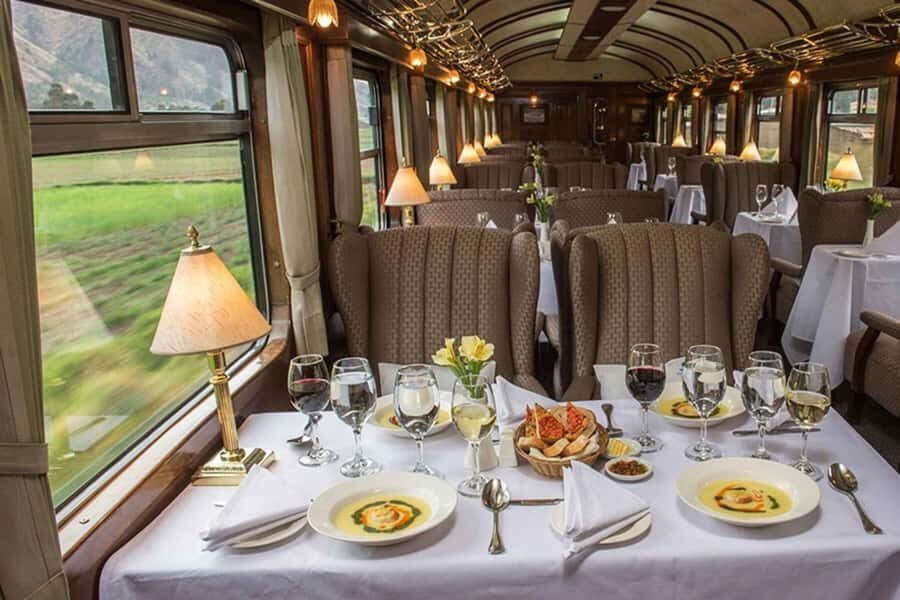
- Three-course gourmet lunch served in elegant restaurant-car style
- Abra de la Raya stop to take in the dramatic border area between Cusco and Puno
- La Raya Andean Market visit that adds real local color to the journey
- Onboard entertainment including live music, dance, and a Piso Sour demonstration
- Observatory bar car plus afternoon tea to keep the day feeling like a curated experience
A 10-and-a-half-hour Train Day From Puno to Cusco
This is a long ride—630 minutes—but it doesn’t feel like a box-checking transfer. You’re moving through the Peruvian Andes in a Pullman-style setup, with amenities designed for comfort rather than just transportation. If you hate waiting around, this can actually work well because the train keeps giving you something to do: food, drinks, music, and scenic stops.
Also, this route is about more than getting to Cusco. The pacing is built for the crossing itself: you’ll have time to settle in, enjoy onboard entertainment, and then step off at scenic and cultural waypoints. That’s a big deal when you compare this to a plain bus ride where you mostly sit and stare out a cracked window.
You can also read our reviews of more tours and experiences in Puno.

Hotel-to-Station Start: The Smooth Part (If Your Timing Is Tight)
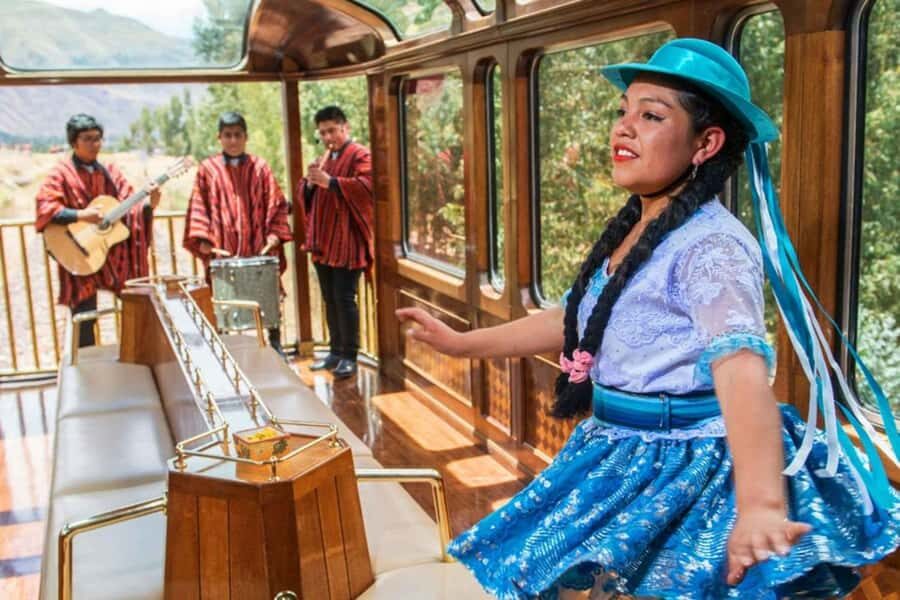
Your day begins with a transfer from your hotel to the station in Puno. Once you’re there, you’ll be greeted with a warm welcome drink before boarding. It’s a small touch, but it helps you transition from street-level travel into a more structured experience.
Then you head into the onboard rhythm: welcoming atmosphere, live music setup, and a sense that the staff are ready for guests. In practice, the experience depends on you arriving on time for pickup and boarding, because this kind of train package expects a schedule to be followed closely.
One extra note from real-world bookings: I’ve seen cases where tickets were issued very close to departure, and the names on the reservation weren’t showing up at the station at first. That doesn’t mean it will happen to you, but it does mean you should confirm your details well ahead of travel—especially if you booked through an agency rather than directly with the operator.
Pullman-Style Comfort and What You’ll Actually Do Onboard
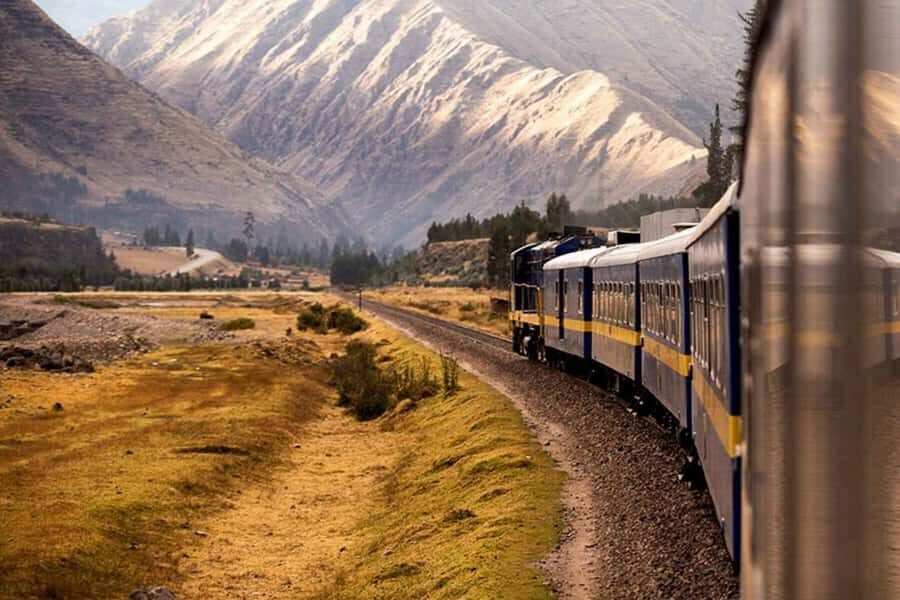
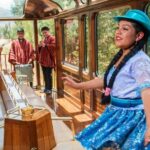
The train uses Pullman-style carriages, and the vibe is more upscale than basic rail travel. You can picture the day as three layers:
1) relaxing in your seat with views
2) stepping into shared spaces for drinks and entertainment
3) sitting down for meals and planned show moments
Live music and dancing are part of the ride, not just background noise. That matters because it changes how you experience long hours: instead of watching the scenery in silence, you’re sharing it with a lively atmosphere. It also means you’ll want to be present on the days’ key onboard moments, not just quietly pass time until arrival.
A standout for many people is the observatory bar car. Even if you don’t plan to treat it like a party zone, it’s a good place to pause, watch the mountains roll by, and keep the experience feeling social rather than purely scenic.
The High Point Stop: Abra de la Raya and the Border Views
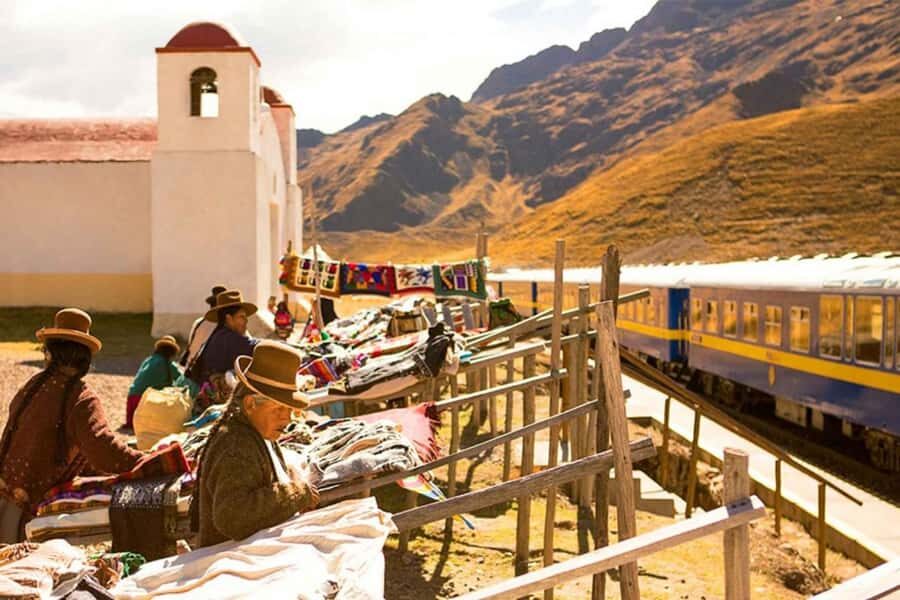
One of the most dramatic moments comes at Abra de la Raya, the high Andean crossing area referenced as the border between Cusco and Puno. This is the kind of stop where you don’t need a lecture to understand why people remember it. At altitude, the air can feel sharp, the mountains look closer, and the views can be seriously wide.
In the package description, Abra de la Raya is also tied to the bigger natural story of the region—linked to the birthplace of the Amazon River. Even if you’re not hunting for specific facts during the stop, it gives context to what you’re seeing: a landscape that feels like a dividing line between huge watersheds and cultures.
What I’d do practically: keep your camera ready and your layers accessible. Stops at altitude can feel cooler than you expect once you’re out and standing still.
La Raya Andean Market Stop: Where the Route Gets Human
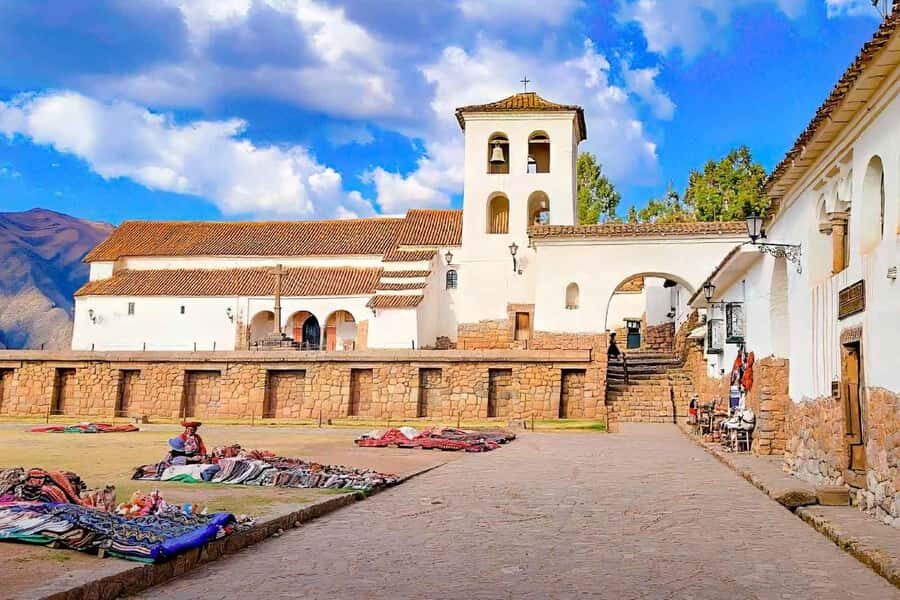
You also get a stop at La Raya, described as an Andean market. This is where the journey shifts from scenery to people and everyday trade. A market stop like this is valuable because it’s brief but grounded—an opportunity to see how goods and culture move in the Andes.
It’s also a moment you can use to buy small, practical souvenirs or snacks if allowed by the flow of the day. Since the exact purchasing rules aren’t detailed here, I’ll keep it simple: treat it as a chance to look, ask, and experience the market energy rather than a guaranteed shopping spree.
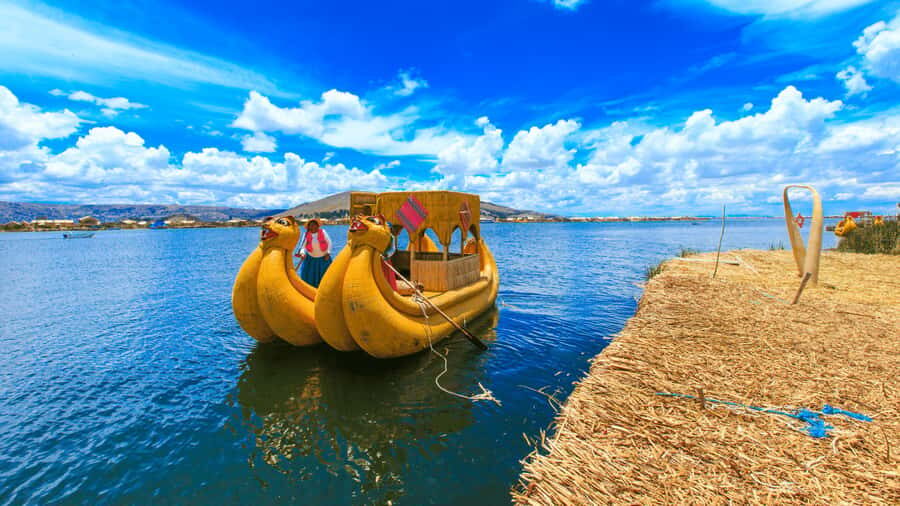
Gourmet Lunch in the Restaurant Cars: The Meal That Makes the Day Feel Premium
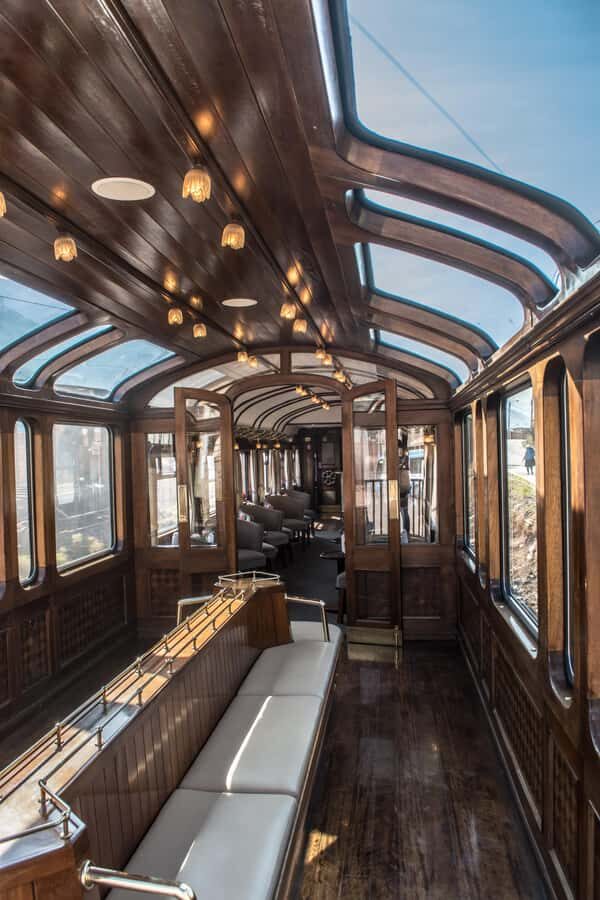
The biggest reason this train package stands out is the three-course gourmet lunch served in the elegant restaurant cars. On long transport days, meals are often rushed or basic. Here, the meal is part of the product. You’re not just eating to survive the ride—you’re sitting down at a proper time with a proper service rhythm.
That matters for comfort. After you’ve settled into your seat and watched the Andes come and go, lunch gives your body a break: standing legs for a moment, dining space, and a shift from motion to a calm, structured hour.
There’s also a Piso Sour demonstration, which adds a fun cultural layer. You’ll get to learn about and taste the Peruvian flag drink as part of the onboard or meal-time flow, which feels more intentional than a random bar order.
Finally, you’ll get afternoon tea, which helps you avoid the end-of-day energy crash. Think of it as a mid-late reset before arrival.
Live Music and Dancing: More Fun Than Distraction
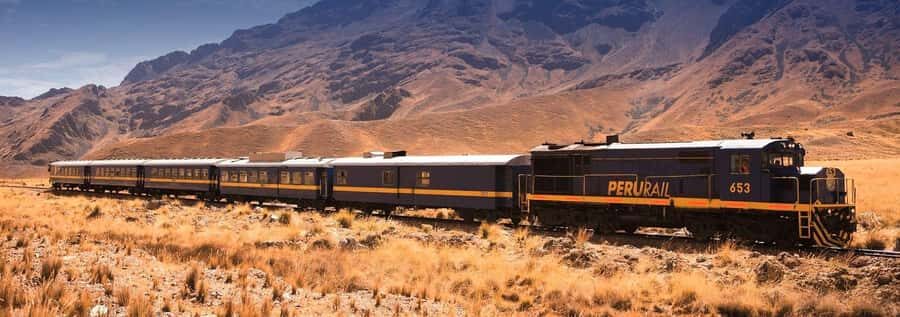
I like entertainment on trips when it supports the feeling of place. Here, live music and dancing work because they’re woven into the transport day. It turns the crossing into something you share with the staff and other passengers, instead of waiting silently for the next milestone.
If you’re traveling with friends, this part is usually the most memorable. If you’re traveling solo, it can be a welcome break from your own thoughts during the long ride. Either way, plan to be in the common areas when the show is happening—because this is one of the elements that makes the train experience different from a standard rail transfer.
Price and Value: Is $499 Per Person Worth It?
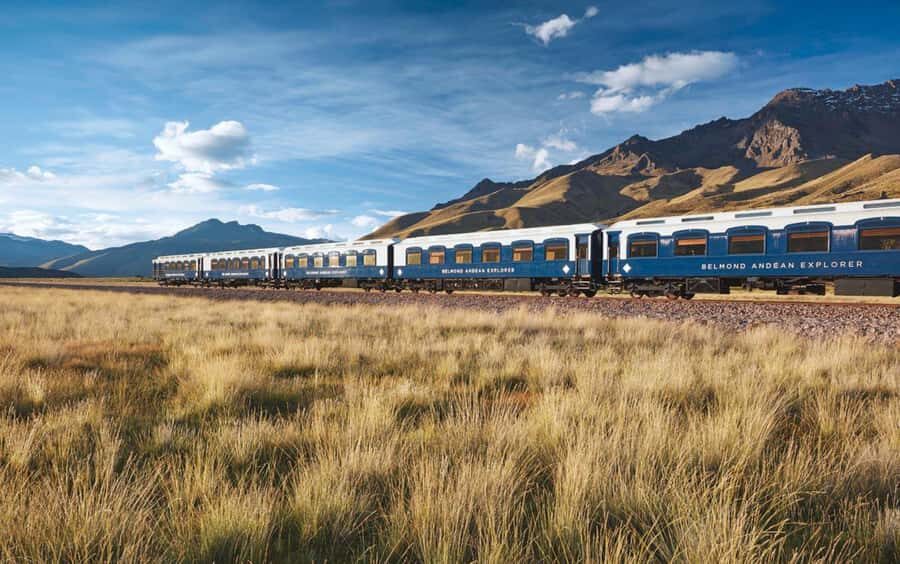
At $499 per person, this isn’t a budget choice. The value isn’t that it’s cheap—it’s that it’s built like a full experience. You’re paying for:
- the train ride with Pullman-style comfort
- a guaranteed three-course gourmet lunch
- welcome drink and afternoon tea
- entertainment: live music and dance
- a Piso Sour demonstration
- a planned route with stops like Abra de la Raya and La Raya
So the question isn’t just whether you can travel from Puno to Cusco another way. The question is whether you want the crossing to feel like part of your Peru trip, not just a means to get to Cusco.
If you’re the type who hates arriving exhausted, meals and structured breaks can be worth serious money. If you prefer DIY travel and you don’t care about onboard shows or included dining, you may feel this is too pricey for what you personally value.
Arrival in Cusco: The End Game You’ll Want to Confirm
On paper, once you arrive in Cusco, an attentive driver is waiting to take you to your hotel. That’s a big relief because Cusco logistics can be tricky after a long day.
Still, there’s a useful caution from a real booking: one person reported that a Cusco transfer wasn’t clearly included as expected, but the company honored the written description and arranged it. The takeaway for you is simple: when you book, confirm what transfer is included at Cusco so you’re not left scrambling at the end of a 10.5-hour day.
Who This Train Is Best For
I think this is a great fit for you if:
- you want a comfortable crossing instead of wrestling with buses or tight schedules
- you’re excited by included meals and onboard entertainment
- you want scenic stops, not just one long uninterrupted ride
- you’re willing to spend more to avoid travel-day fatigue
It may be less ideal if:
- you’re traveling on a strict budget
- you only care about reaching Cusco as fast as possible
- you dislike structured group timing and fixed meal schedules
- you’re not interested in live music or tasting experiences
Should You Book This Titicaca Train All Inclusive?
If you’re deciding based on memories, this package is built for those moments: big high-Andes views, a real sit-down three-course lunch, a Piso Sour demonstration, and live onboard entertainment on a route that can otherwise feel like a long slog.
Before you book, do two practical things:
- Confirm your reservation details and your seat info well before departure, especially if you booked through an intermediary like a travel agency. One booking story involved names not matching the station list and ended with worse seats.
- Confirm the Cusco end transfer so you know exactly what happens after arrival.
If you handle those, this is the kind of journey that makes a transfer day feel like a highlight. For many people, that’s the real value of paying for the train instead of taking the cheaper road.
FAQ
How long is the Puno to Cusco Titicaca Train experience?
The total duration is listed as 630 minutes.
What meals are included?
You’ll get a hot welcome drink, a 3-course gourmet lunch, and afternoon tea. Dinner is not included.
Is live music included?
Yes. The experience includes live music and a dance show onboard.
Does the tour include Piso Sour?
Yes. There’s a Piso Sour demonstration included.
Does the trip include any stops?
Yes. The itinerary includes stops at Abra de la Raya and La Raya (Andean Market).
What languages is the tour guide available in?
The live tour guide is listed in Spanish and English.
What is the cancellation policy?
It offers free cancellation up to 24 hours in advance for a full refund.