REVIEW · CHIVAY
Arequipa: 2-Day Colca Canyon Classic Tour return to Arequipa
Book on GetYourGuide →Operated by AREQUIPA EXPLORER Y ACTIVIDADES TURISTICAS · Bookable on GetYourGuide
Most people come for the condors, but the Colca journey starts earlier. You ride out from Arequipa into high-altitude scenery where you can spot vicuñas and alpacas, then settle near Chivay for a classic canyon day. The big payoff is an early morning at Cruz del Condor, plus a slower afternoon with viewpoints, churches, and hot springs.
I also like how this tour keeps things practical: you get real stops for photos and short views (not just a long bus ride), and the guide handles the story in English or Spanish. One thing to consider up front is that key extras are not included, like the Colca Canyon entrance ticket and your hotel in Chivay, so the final cost is a bit higher than the base price.
In This Review
- Key Points You’ll Care About
- From Arequipa to Chivay: The Colca Starts Before the Canyon
- Pampa Cañahuas and the High-Altitude Stops You Can Actually See
- First Night Base: Chivay or Yanque (and the Hotel Question)
- Chacapi Thermal Baths: A Hot Reset After Altitude
- Folkloric Dinner with Local Dances: Nice, but Expect Extra Costs
- Day Two at Cruz del Condor: The 6:30 Morning That Matters
- After Condors: Pinchollo, Maca, and Yanque Churches for a Slower, Human Scale
- Lunch and Return Drive: Back to Arequipa by Late Afternoon
- Price and What You’ll Pay on Top: Where the Real Value Lies
- Guide Quality: The Difference Between Seeing and Understanding
- If You Add Puno: A Possible Fit, With One Caution
- Who This Tour Suits Best
- Should You Book This Colca Canyon Classic Tour?
- FAQ
- Is the hotel in Chivay included?
- Do I need a ticket for the Colca Canyon?
- Are meals included?
- Are the hot springs in Chacapi included?
- What time does the condor viewing start?
- Is the Cruz del Condor walk part of the tour?
- What languages is the guide available in?
- Can I end the tour in Puno instead of Arequipa?
- What should I bring for the tour?
- Is alcohol or smoking allowed during the tour?
Key Points You’ll Care About
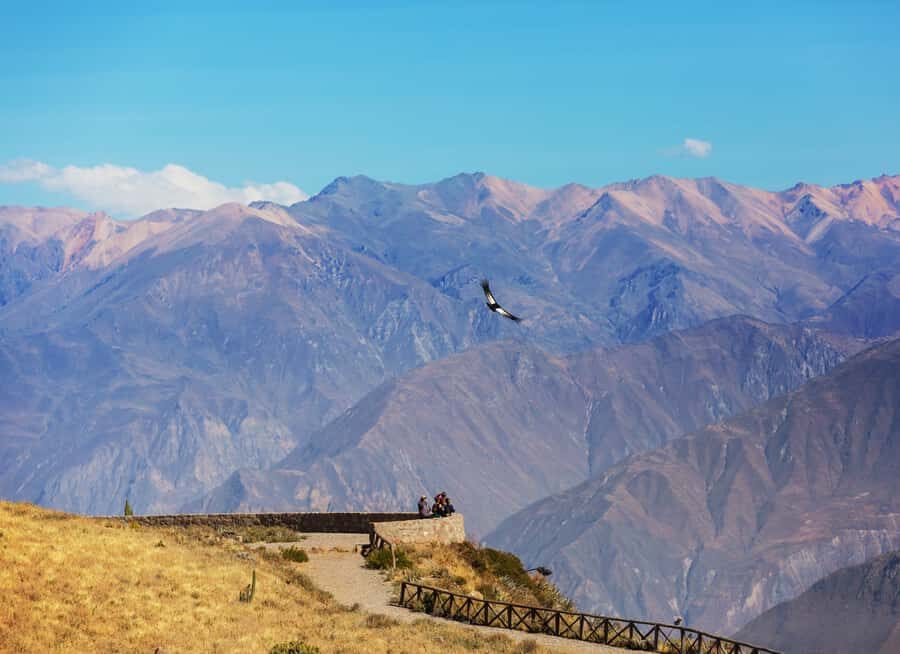
- Condor timing is the whole game: you start around 6:30 am for the best chance of a flight at Cruz del Condor.
- Wildlife on the way out: Pampa Cañahuas (Aguada Blanca and Salinas) is a good bet for vicuñas, llamas, alpacas, and even flamingos if luck is on your side.
- Chacapi thermal baths: relaxing 35–38°C waters in the Chivay area, often with an extra fee at the springs.
- Colonial churches in small towns: Pinchollo, Maca, and Yanque give you more than scenery.
- Views from multiple viewpoints: Choquetico and Antahuilque add terraces and pre-Inca tomb context to your photos.
- Optional extension to Puno: if you want to keep moving after the tour, you can switch the end point for an added bus ticket.
From Arequipa to Chivay: The Colca Starts Before the Canyon
This is a two-day Colca classic that feels like two different experiences stitched together: day one is about altitude, wildlife, and settling in; day two is about the condors. You’ll get picked up from your hotel in Arequipa and head toward the canyon region with a bilingual official guide.
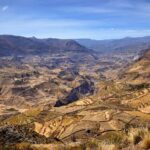
You’ll take the Yura highway, passing the snowy Chachani and rolling into the Pampa Cañahuas area, which borders the Aguada Blanca and Salinas National Reserve. This is where the tour gets more interesting than the average “drive to the viewpoint” route, because it builds in time for wildlife spotting.
A few more Chivay tours and experiences worth a look
Pampa Cañahuas and the High-Altitude Stops You Can Actually See
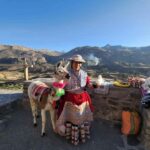
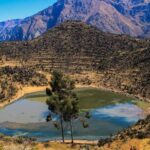
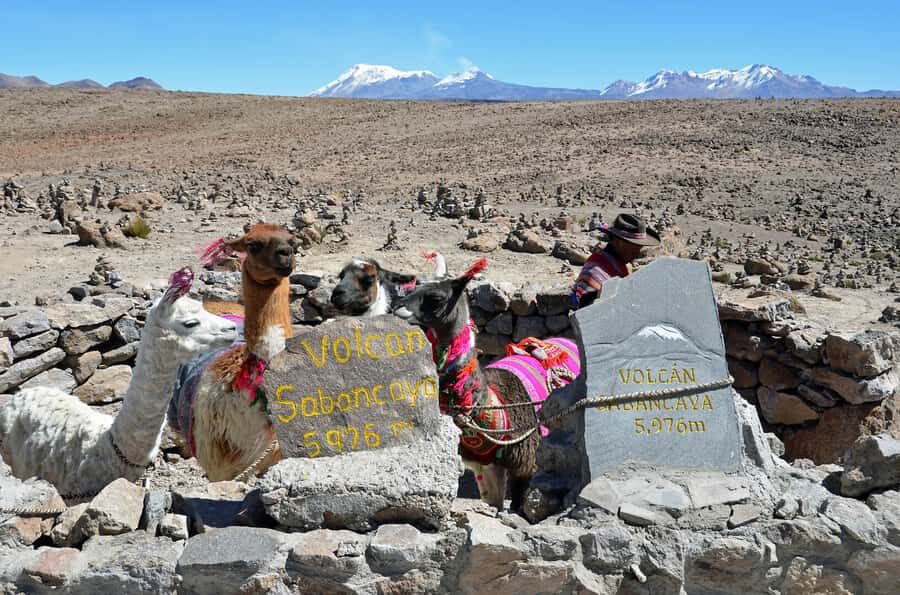
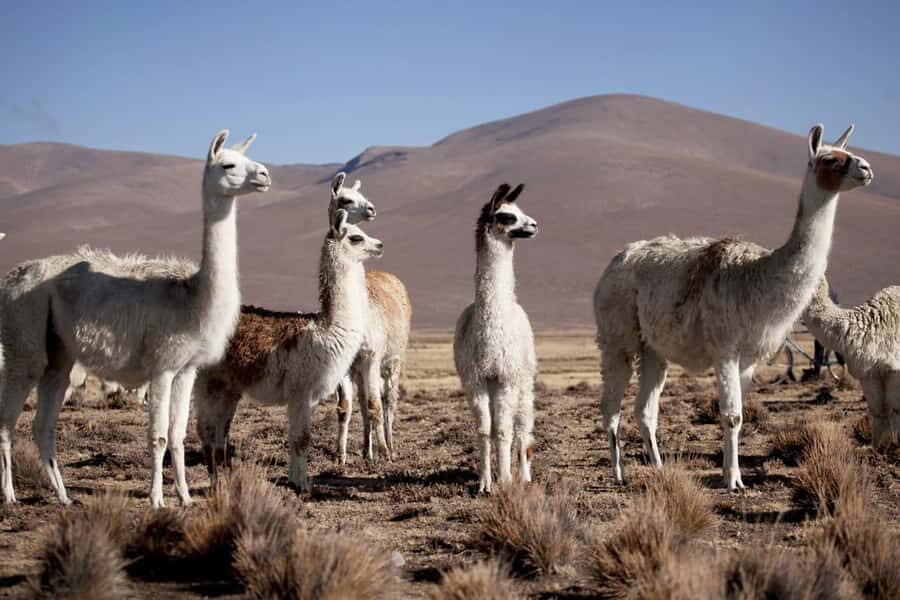
One of my favorite parts of this itinerary is that it doesn’t treat the route like empty scenery. At the Pampa Cañahuas (also described through Aguada Blanca and Salinas), you may spot vicuñas, llamas, and alpacas grazing in the open highlands. If birds are on your side, migratory birds show up here too, and flamingos are possible.
There’s also a neat geological moment: you pass the crater of an extinct volcano called Chucura. It’s brief, but it gives you a sense of the region’s volcanic past while you’re already thinking about the canyon’s dramatic depth.
As you climb, you reach one of the highest road points at about 4,910 meters. From there, you can appreciate the western mountain range from a big “look out and breathe” vantage point—just be smart about altitude. Go slow, drink water, and don’t treat high elevations like a stroll in the city.
First Night Base: Chivay or Yanque (and the Hotel Question)
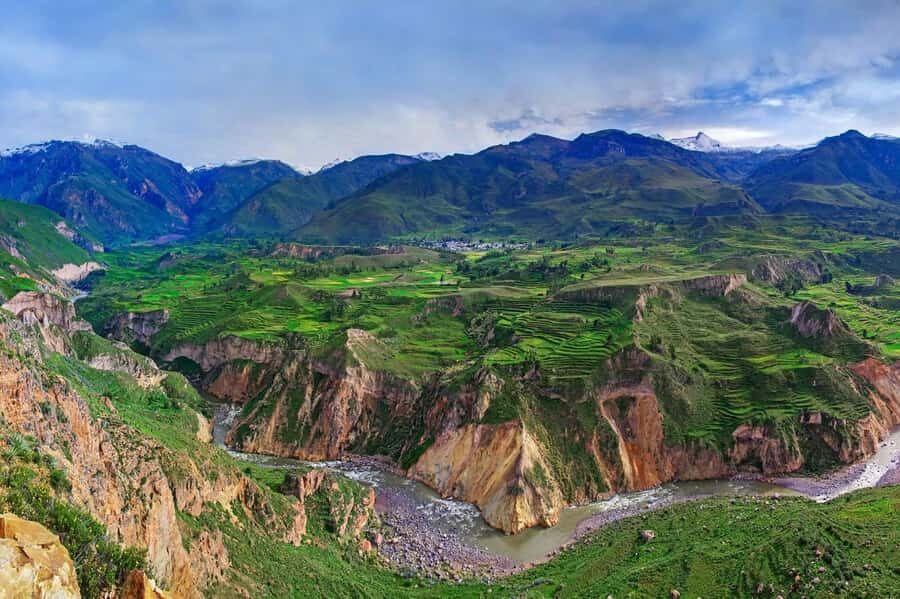
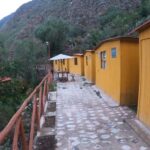
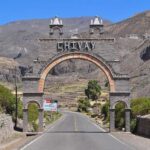
By the end of day one, you’ll arrive in the Colca Valley area and settle in a hotel in Chivay or around Yanque / Coporaque. This is where you should double-check your plan, because the hotel cost is not included in the tour price.
If your hotel ends up outside the town of Chivay, you may need extra transportation to get to where the tour activities happen. One traveler described their hotel (Colibri Inn) as simple but clean, which matches the expectation here: you’re paying for location and rest more than luxury.
After check-in, you’ll have lunch (meals beyond what’s described are not listed as included in the package). Then the afternoon turns into the part many people look forward to: warm water and a softer pace.
Chacapi Thermal Baths: A Hot Reset After Altitude
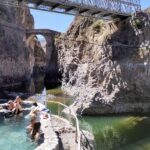
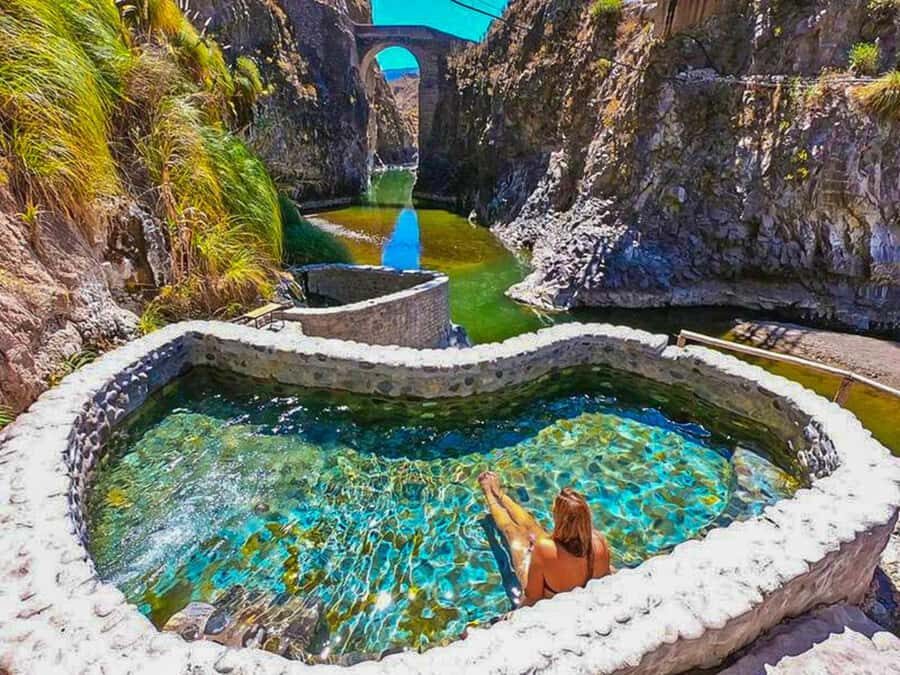
Afternoon time in Yanque at Chacapi is scheduled for the thermal baths. The waters are described as 35–38°C, which is exactly what you want after the road climbing and canyon anticipation.
This bath stop is often treated as optional in many tours, and here it comes with the idea that there may be an extra fee. One participant noted paying an extra 15 soles for the hot springs, so don’t assume it’s automatic even if it’s on the route.
Also, don’t ignore the practical side: warm water is relaxing, but you still need to prepare for an early start the next day. Bring a swimsuit, towel if you have one, and keep your warm clothes ready for the morning cold.
Folkloric Dinner with Local Dances: Nice, but Expect Extra Costs
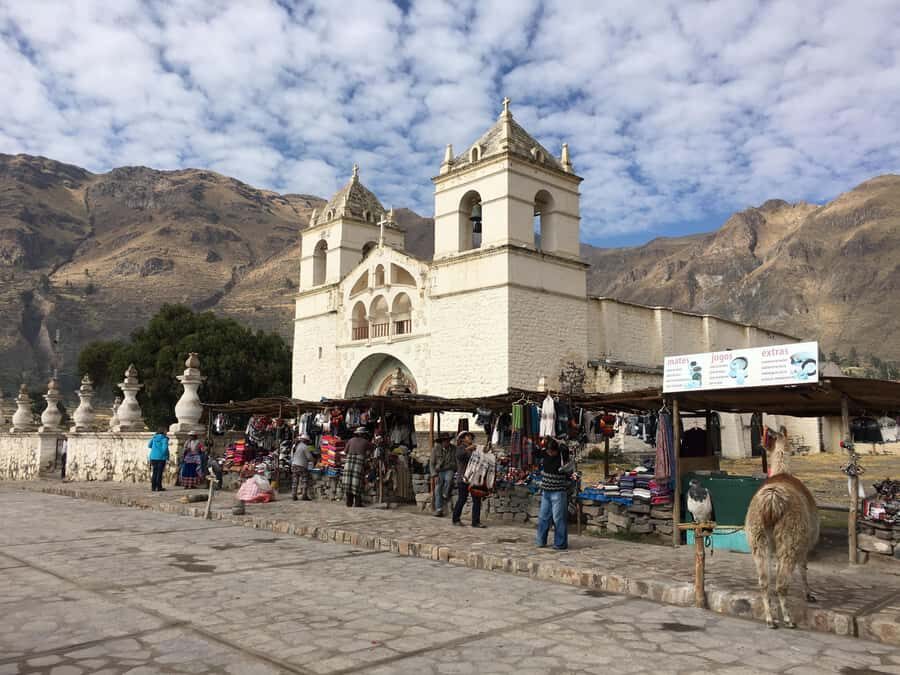
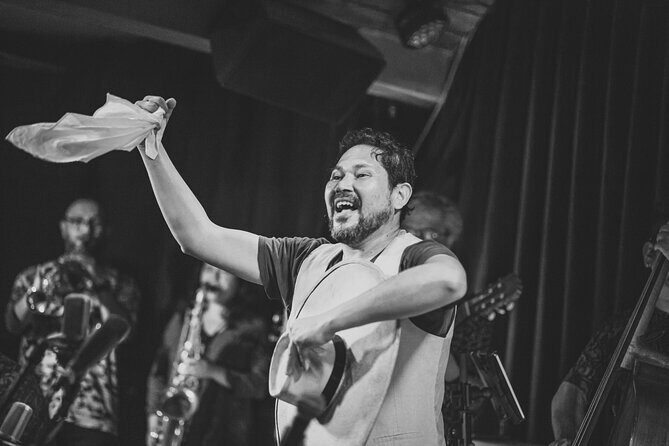
Day one also includes dinner with a folkloric show featuring typical dances of the area. The key word is extra: the folkloric dinner is not listed as included, so plan on paying on your own for this part.
If you’re curious about cultural performances, this gives you a structured option without searching on your own. If you’re not into shows, you can simply treat dinner as a flexible evening plan around your schedule and energy level.
Day Two at Cruz del Condor: The 6:30 Morning That Matters
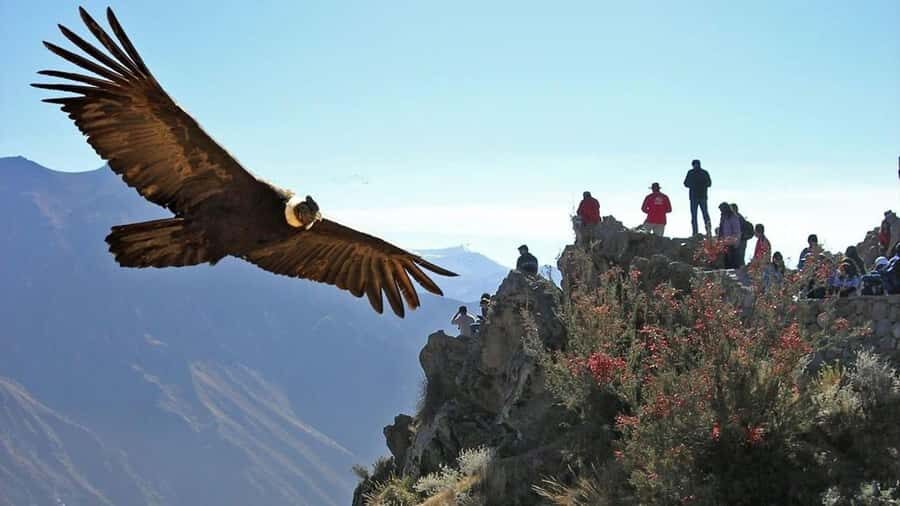
Day two starts early, with breakfast at your hotel or hostel, then departure toward Cruz del Condor. The tour lists the start as around 6:30 am the second day, depending on weather. That’s not just “early”—it’s the kind of timing that makes a difference because condor flights can be spotty.
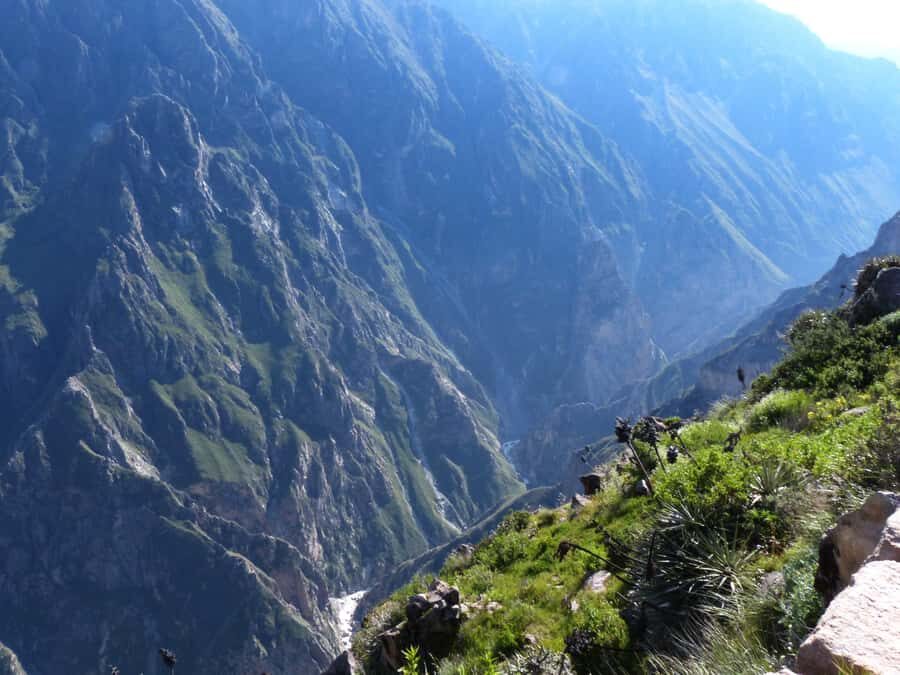
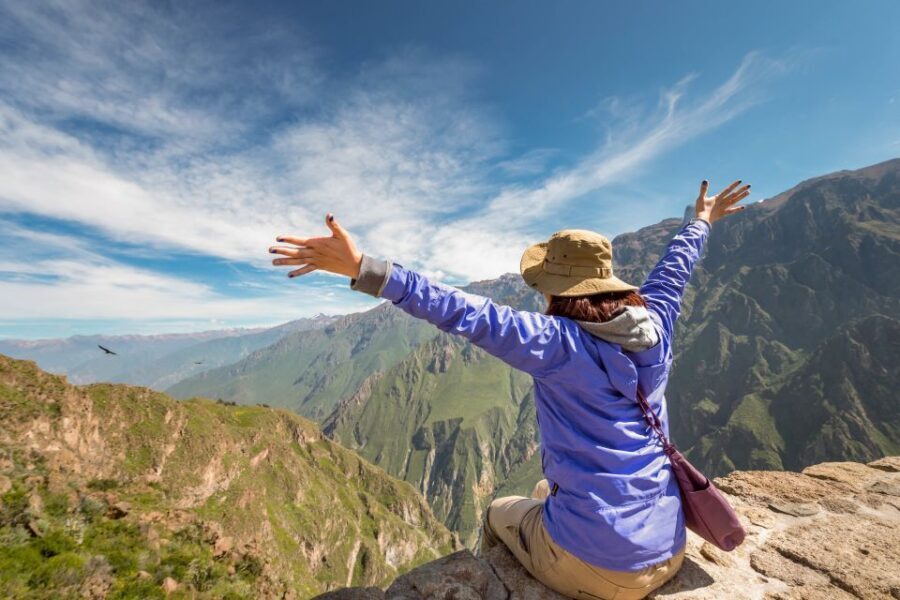
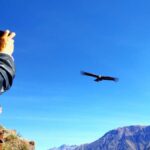
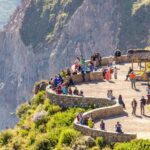
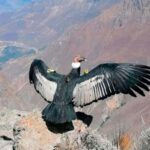
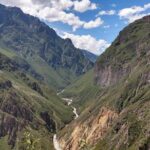
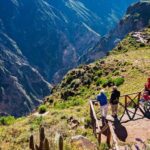
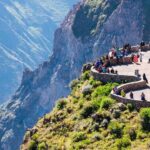
Cruz del Condor is the strategic canyon observation point where you’re hoping to see the condors ride thermals. If you’re lucky, they fly close, and the moment can be genuinely emotional for people who came purely for photos.
There’s also an optional short hike during the morning: a walk up the hill that surrounds the canyon viewpoint. This can improve your viewing angles and gives you a little stretch after sleeping at altitude, but keep it gentle. The canyon is dramatic, and your legs will feel it if you move too fast.
After Condors: Pinchollo, Maca, and Yanque Churches for a Slower, Human Scale
Once the condor watch is done, the itinerary shifts from big wildlife drama to small-town atmosphere. You’ll stop at towns including Pinchollo, Maca, and Yanque, with colonial churches as the main anchor.
These stops are compact—you may see the church and the core viewpoint area rather than a full museum-style visit—but that’s part of the charm. You get a sense of how people live around the canyon, not just how the canyon looks from above.
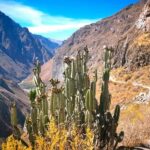
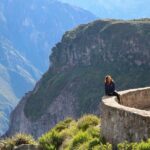
The tour also includes viewpoints like Choquetico and Antahuilque, where you can observe terraces and learn about pre-Inca tomb references shown in the area. Models are mentioned as part of what you see there, which helps if you want context beyond guessing what you’re looking at in the distance.
Lunch and Return Drive: Back to Arequipa by Late Afternoon
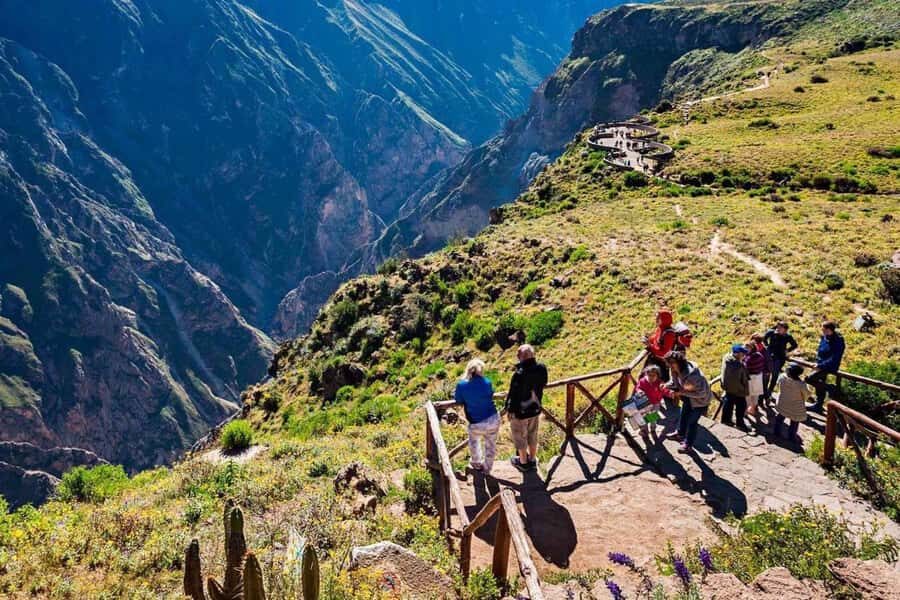
After the viewpoints, you return to Chivay and have options for lunch at restaurants. The day ends with a direct return to Arequipa, arriving around 4:30 pm.
This timing is helpful because it keeps your total trip contained. Two days is enough to see the canyon’s signature moment, then get back to Arequipa while you still feel like a traveler—not a sleep-deprived zombie.
Price and What You’ll Pay on Top: Where the Real Value Lies
The headline price given here is $35 per person, but the true value comes from what’s included—and what isn’t. Transport throughout the tour and a bilingual official guide are included, and you’re also picked up from your Arequipa hotel and returned to Arequipa at the end.
What’s not included is where many costs creep in:
- Colca Canyon entrance ticket (listed as mandatory): 70 soles for foreign visitors, with discounts for South Americans and Peruvians.
- Meals not mentioned: lunch and dinner details depend on where you eat and what’s scheduled as extra.
- Hotel in Chivay: you pay for your own overnight stay.
- Thermal baths: described as optional, and some travelers report paying extra on site.
- Folkloric dinner show: dinner with the show is extra.
So is it a good deal? Often, yes, because you’re really paying for the guide and the logistics of getting you to the canyon at the right time. But you should budget for the obvious add-ons before you fall in love with the base price. If you already have a hotel lined up and you’re comfortable with a ticket + meals, this tends to land as solid value.
Guide Quality: The Difference Between Seeing and Understanding
The itinerary works because the guide fills in the why. One participant highlighted a guide named Juan Pablo for explaining the history around the sites visited, and they also mentioned seeing a condor at the end of the experience. Another traveler praised the guide and driver experience with the guide Roy being patient and answering questions clearly in English as needed.
That matters because the Colca Canyon can feel like a set of viewpoints until someone explains what you’re looking at—terraces, tomb references, why condors choose that air space, and what the canyon tells you about the region’s long timeline.
If You Add Puno: A Possible Fit, With One Caution
There’s an optional extension: you can change the end point to Puno for an added bus ticket cost from Chivay to Puno, with departure listed as 1:00 pm. Coordination is handled through the agency.
One participant said the logistics for arriving in Puno could be improved. So if you plan to chain Puno right after the Colca, I’d treat it as a “doable but confirm details” add-on. Ask how the timing fits with your next booked activity.
Who This Tour Suits Best
This tour is a great fit if you want the classic Colca hits in two days without building a plan from scratch. You’ll like it if:
- you care about condors and want the early morning timing that helps your odds
- you enjoy road-trip stops with wildlife chances (vicuñas and alpacas) rather than only canyon photos
- you’re okay paying for your hotel and a canyon entrance ticket on top of the base rate
- you want a mix of nature and small-town stops, including colonial churches
If you hate early starts or you prefer everything included in one price, you may find the add-ons frustrating. The itinerary is efficient, but it assumes you’ll handle some meals and lodging choices yourself.
Should You Book This Colca Canyon Classic Tour?
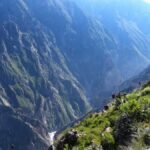
Book it if you want a guided, structured Colca visit where the condor viewpoint isn’t treated as a casual stop. The combination of vicuña country, a realistic acclimatization rhythm, and the early Cruz del Condor morning gives you a strong shot at seeing the canyon in the way it’s meant to be seen.
Skip or rethink it if budgeting stress would ruin your trip. The mandatory entrance ticket, your hotel in Chivay, meals, and optional thermal baths and folkloric dinner can add up fast once you price everything in.
If you’re traveling with realistic expectations—especially around altitude, the early wake-up, and paid add-ons—this is one of the more dependable ways to experience the Colca Canyon classic route.
FAQ
Is the hotel in Chivay included?
No. The hotel cost is your responsibility. You’ll be placed in a hotel in Chivay or around Yanque, and if it’s outside Chivay you may need extra transportation.
Do I need a ticket for the Colca Canyon?
Yes. A mandatory entrance ticket is required. It’s listed as 70 soles for foreign visitors, with discounts for South Americans and Peruvians. The tour includes skipping the ticket line.
Are meals included?
Meals beyond what’s mentioned aren’t listed as included. Breakfast on day two is at your hotel or hostel. Lunch and dinner should be treated as on your own or optional depending on what you choose.
Are the hot springs in Chacapi included?
Chacapi thermal baths are described as optional, so you should expect to pay an extra fee on site even though the waters are scheduled in the itinerary.
What time does the condor viewing start?
The tour starts at around 6:30 am on the second day for the Cruz del Condor viewpoint. Weather can affect timing.
Is the Cruz del Condor walk part of the tour?
There’s an optional short hike during the morning at Cruz del Condor, described as a walk up the hill surrounding the canyon.
What languages is the guide available in?
The tour uses a bilingual specialized official guide. Languages listed are English and Spanish.
Can I end the tour in Puno instead of Arequipa?
Yes. There’s an optional option to change the end point to Puno for an added bus ticket cost from Chivay to Puno, with a listed departure time of 1:00 pm. Coordination is done through the agency.
What should I bring for the tour?
Bring warm clothing, a hat, camera, snacks, sunscreen, water, and comfortable clothes.
Is alcohol or smoking allowed during the tour?
No. The tour rules state smoking and alcohol and drugs are not allowed.