REVIEW · CHIVAY
2-Day Colca Canyon Tour to Puno with accommodation
Book on GetYourGuide →Operated by PVTravel · Bookable on GetYourGuide
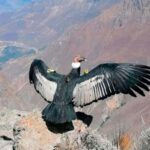
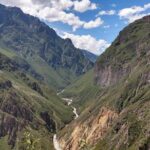
A condor view that feels personal. This tight 2-day route links the Colca Canyon with high-altitude nature in Pampa Cañahuas, plus classic Andes villages and photo stops on the way to Puno. I love the chance to watch the canyon’s famous flight at La Cruz del Condor, and I love the mix of wildlife and big viewpoints at extreme elevations. The main drawback to plan around is altitude: you’ll be up around 4,800–4,950m, and the schedule is early.
If you want a well-run, no-drama way to see a lot without rushing yourself to death, this works. You get picked up from central Arequipa, sleep in Chivay (with breakfast), and end in Puno at the Plaza de Armas around 7:00–7:30pm. Just remember that lunch and entrance fees (Colca and hot springs) are not included, so bring a little buffer.
In This Review
- Key highlights worth caring about
- Why this Colca-to-Puno route is such good value for two days
- Day 1: Arequipa to Chivay via Chachani-area reserve and Patapampa
- Chivay downtime: where the free afternoon really helps
- Day 2: Yanque and Maca, terraces in use, and the condors at La Cruz del Condor
- The Puno-bound bus: Miradores, camelids, and Lagunillas flamingos
- What the $145 includes, and where you should expect extra costs
- Altitude, timing, and how to stay comfortable on this schedule
- Who should book this tour (and who should skip it)
- Should you book the 2-Day Colca Canyon Tour to Puno with accommodation?
- FAQ
- What is the duration of the Colca Canyon tour to Puno?
- How much does the tour cost per person?
- Where does the pickup happen in Arequipa?
- What time is pickup on day 1?
- Is breakfast included?
- Are lunch and dinner included in Chivay?
- Are the hot springs included?
- Where does the tour end in Puno?
- Is the tour suitable for wheelchair users?
Key highlights worth caring about
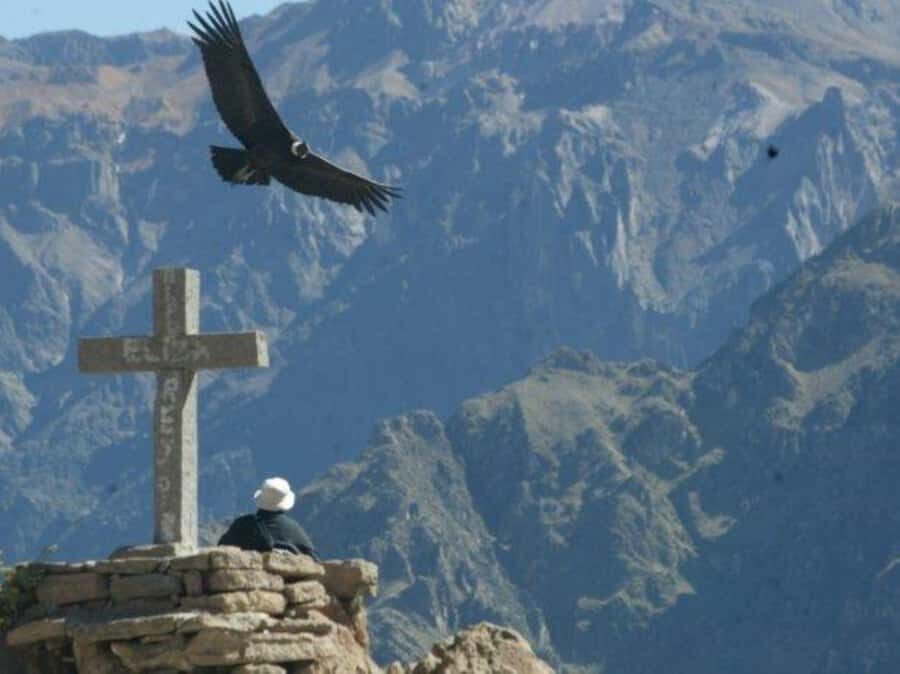
- La Cruz del Condor: free time to scan the canyon and catch the condor flight
- Yanque and Maca villages: colonial churches plus locals sharing traditional embroidered clothing
- Pampa Cañahuas National Reserve: chances to spot wild Andean camelids and a wide range of birds
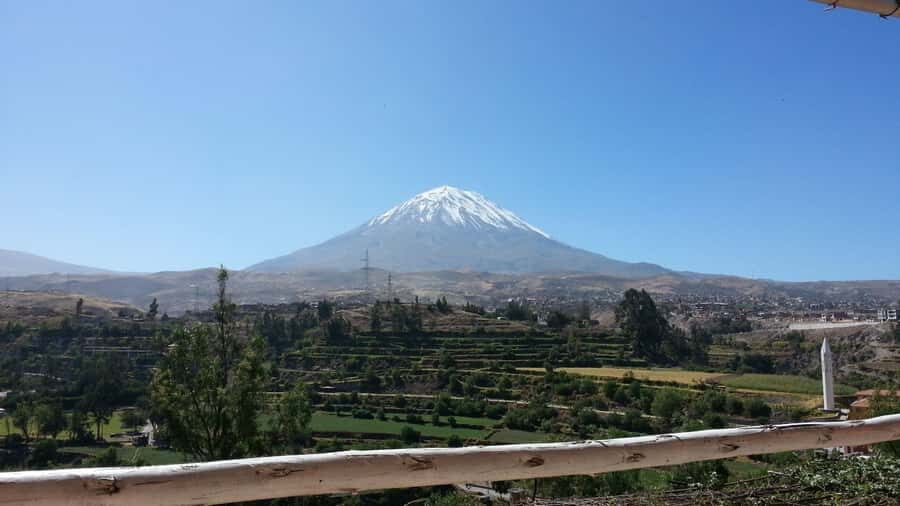
- Patapampa and Mirador de Volcanes (4,800–4,950m): huge volcano views, including Misti, Chachani, and Ampato
- Lagunillas viewpoint: panoramic lakes plus flamingos and Andean gulls
- Chivay overnight: a practical base in the Colca Valley to break up the drive
Why this Colca-to-Puno route is such good value for two days
For a 2-day trip, this tour avoids the biggest travel trap in the Andes: spending half your time on paperwork and waiting. Instead, it uses your daylight well, starting early, then layering in viewpoint after viewpoint. You’re not just going to one famous overlook—you’re moving through very different Andean zones.
The best part is the balance. You get the headliner condor moment in the Colca Canyon, but you also get long stretches of nature time in reserves where animals and birds are part of the day, not an afterthought. And you finish in Puno, so you don’t need to turn around and backtrack to Arequipa.
Price-wise, $145 per person feels reasonable if you’re okay with the “meals and entrances extra” setup. You’re paying for the pickup, transport, a professional English/Spanish guide, and a night in a hotel in Chivay with breakfast. The main extra costs to budget for are lunch during your free times and the Colca canyon and hot springs entrances (if you choose them).
A few more Chivay tours and experiences worth a look
Day 1: Arequipa to Chivay via Chachani-area reserve and Patapampa
On day 1, the day kicks off at 8:00am with pickup from your hotel in Arequipa city center. If your hotel is outside that area, you’ll get a meeting point instead. From there, you leave Arequipa (at 2,325m) toward the Chachani region by transport, with big altitude country ahead.
One of my favorite pieces of this day is that it’s not just driving to the Colca. In the National Reserve of Pampa Cañahu (the same general area described as Pampa Cañahuas across the route), you’re looking for wild animals like vicunas, alpacas, and llamas, plus birds such as flamingos, ibis, Andean geese, ducks, eagles, and k’ara k’ara. You won’t be “in a zoo.” You’ll be watching life in open Andean habitats.
You’ll also stop at Patapampa (around 4,800m) for volcano and snowy mountain views. Even if clouds roll in, being that high usually changes how the scenery reads—you get a wider feel for the valley and the mountain mass around you. Just be ready for cold and sun at that altitude. Sunglasses and sunscreen are not optional.
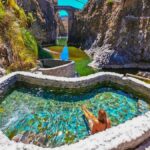
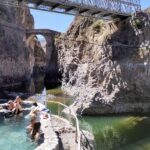
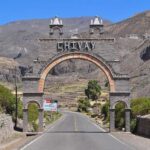
When you arrive in Chivay (about 3,600m), the schedule gives you room to breathe. Lunch is available but not included, then the afternoon is free. If you want it, you can visit the hot springs (entrance fees are not included). If you prefer to rest, that’s also the move—this trip asks your body to adapt to altitude, and an unplanned nap can be the best sightseeing tool.
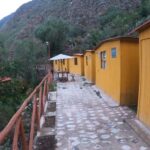
You end day 1 with an overnight hotel in Chivay and breakfast the next morning. That hotel night is part of what makes this tour feel “worth it,” not just a long day of bus windows.
Chivay downtime: where the free afternoon really helps
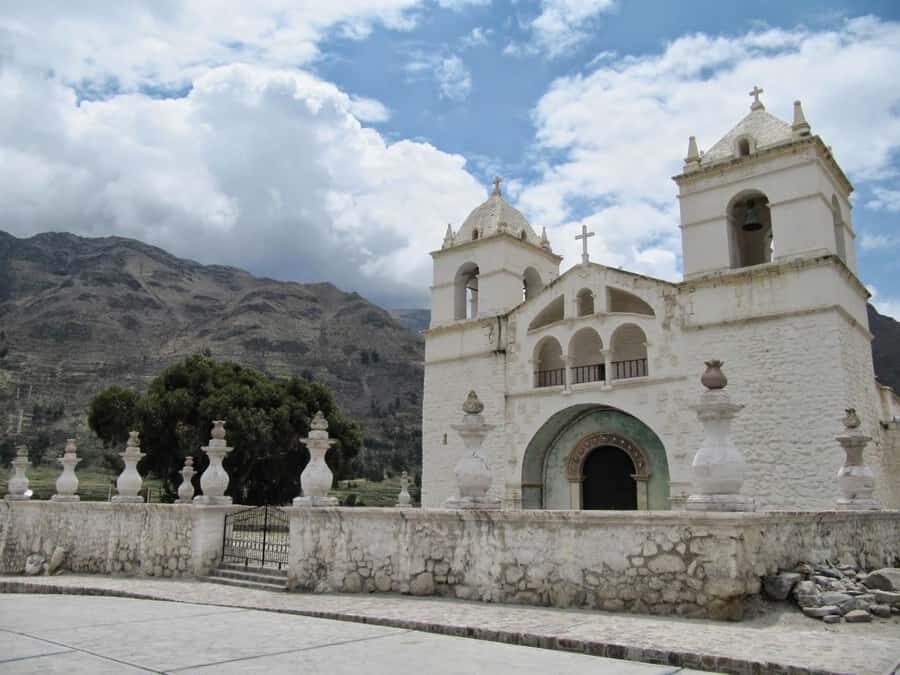
Chivay is your altitude buffer. After a day that climbs from Arequipa to very high viewpoints, having a place to settle for the night means you’re not starting the condor day depleted.
Your afternoon is flexible. You can relax in town, or you can go to the optional hot springs. The listing is clear that the hot springs entrance is not included, so you’ll want to budget a little if you plan to soak. Still, it’s one of those choices that can make the next morning easier, especially if you’re sensitive to cold.
If you’re trying to sleep well before day 2, plan around the fact that you’ll leave early. Keep your daypack simple, and think about what you want for cold-weather comfort: warm layers, a hat if you have one, and water.
Day 2: Yanque and Maca, terraces in use, and the condors at La Cruz del Condor
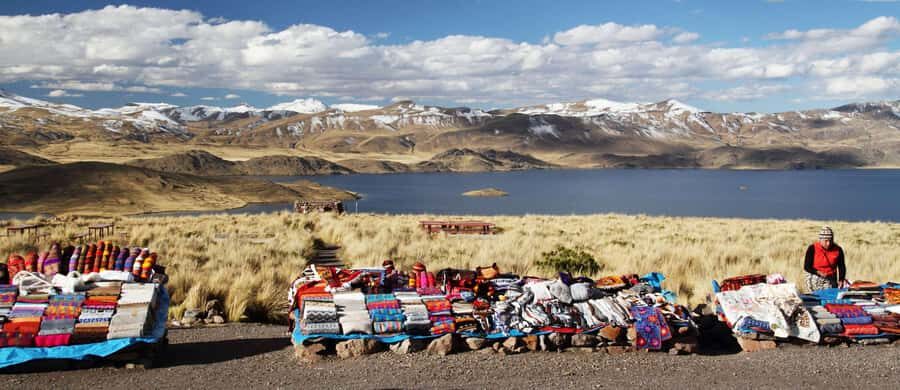
Day 2 starts early—after breakfast, around 6:00am you head out for a full day excursion on the left side of the canyon. The point here is variety: you’re not only chasing condors. You’re seeing how people live with the canyon and how farming continues on steep ground.
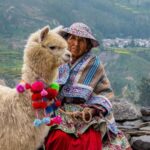
You visit towns like Yanque and Maca, known for colonial churches and friendly locals. One of the best details is that people are happy to show their traditional embroidered clothing. This isn’t just a stop for photos; it’s a chance to see everyday culture up close and to slow down enough to notice the small, practical things.
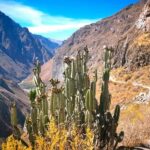
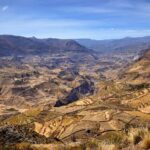
Then comes one of the more meaningful parts of the day: the pre-Inca terraces that are still used for farming—Andean corn, quinoa, amaranth, and other crops. Even if you’ve heard of terraces before, seeing them in use changes the story. These weren’t built just for display. They’re working systems that help crops survive on rugged slopes.
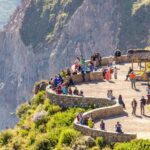
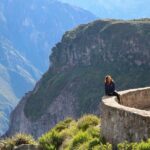
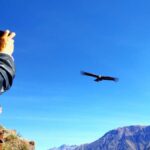
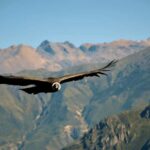
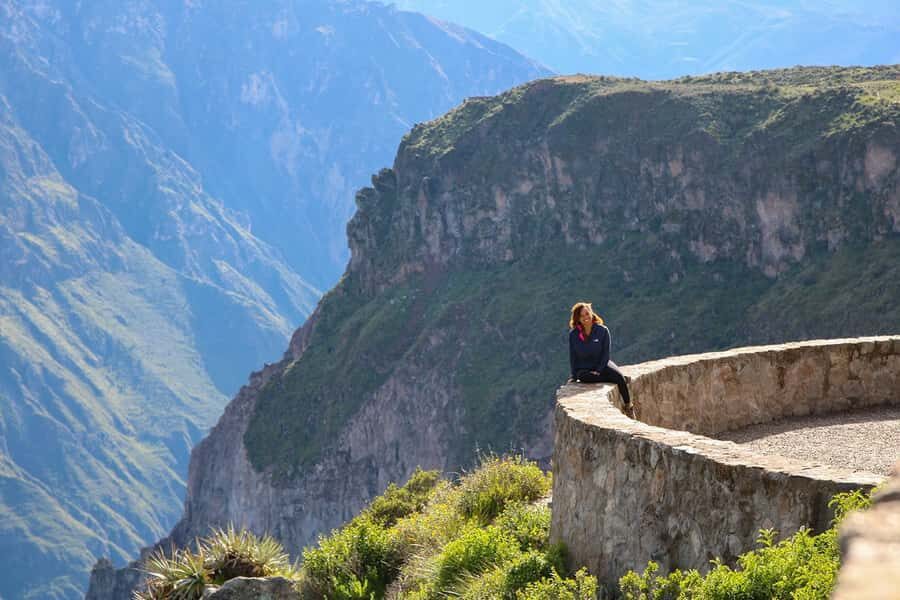
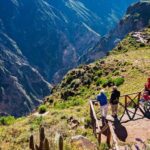
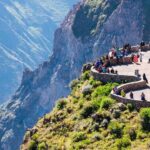
Two hours of driving later, you reach La Cruz del Condor, the moment you came for. Here you get the depth of the canyon view and time to watch the condors. The schedule gives you free time to explore the lookout and scan the air for that classic ride.
This is also where timing matters. Condor viewing often depends on conditions, and the tour plan is designed to give you enough time to benefit rather than just pass through. Bring your patience, keep your head up, and look into the wind patterns as much as the birds themselves.
After the canyon stop, you return to Chivay for lunch (not included). Then the tour switches gears from Colca sightseeing to a longer transfer day.
The Puno-bound bus: Miradores, camelids, and Lagunillas flamingos
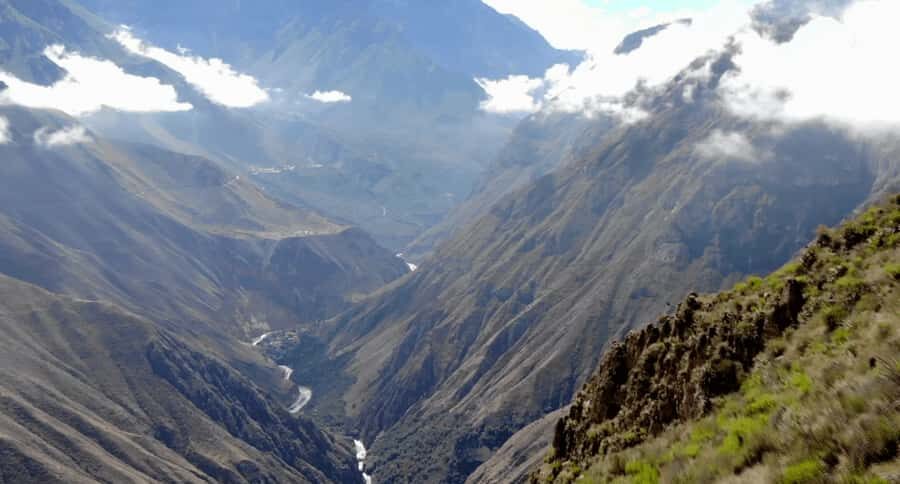
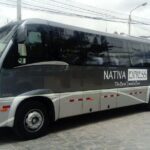
The touratic bus portion begins at 1:00pm from Chivay to Puno. This is a long but scenic ride, with three structured stops that keep the journey from feeling like downtime.
First stop: Patahuasi for mate and a viewpoint called Mirador de Volcanes at 4,950m. From here, you can see volcanoes including Misti, Chachani, and Ampato. This is one of the highest points of the route, so again: cold wind is real, and the sun can be strong even when you feel chilly.
Second stop: Pampa Cañahuas (also described as part of the Salinas y Aguada Blanca National Reserve) for rock formations and more chances to see vicuñas, llamas, and alpacas. This is a good contrast to the canyon day: instead of a single dramatic viewpoint, you’re out in an open reserve where the scenery feels wide and the animals can appear in the margins.
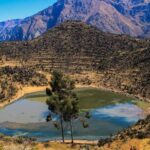
Third stop: Lagunillas, where you get panoramic views of small lakes and the habitat for flamingos and Andean gulls, along with other birds like ducks. This is a strong photo stop because it offers both a view and a wildlife target. Even when the light isn’t perfect, the lake-and-bird combination tends to reward you with at least a few memorable frames.
You reach Puno at Plaza de Armas around 7:00–7:30pm, and the tour ends there. If you’re continuing on to another part of town that evening, plan for that. The tour does not include drop-off to your specific hotel.
What the $145 includes, and where you should expect extra costs
Let’s break down value in plain terms. For $145 per person over two days, you get:
- Pickup from your hotel in central Arequipa (outside that area: a meeting point)
- Transportation and a professional guide in English or Spanish
- Breakfast at your accommodation in Chivay
- 1 night hotel in Chivay
Then the main add-ons:
- Hot springs entrance (optional)
- Colca Canyon entrance fees
- Lunch/dinner in Chivay (not included)
- Drop-off at hotel in Puno (end is Plaza de Armas)
So is it a bargain? If you’re trying to do Colca plus the long transfer to Puno in only two days, the included hotel night and guide support are what make the price feel fair. You’re paying to avoid the headache of arranging transport twice, and you’re paying for someone to time the stops and handle the route.
Where you can “win” is by using the included structure. For example, lunch is not included during your free times, but you’re not losing sightseeing time to searching around. You can also decide whether hot springs are worth paying extra to you.
Altitude, timing, and how to stay comfortable on this schedule
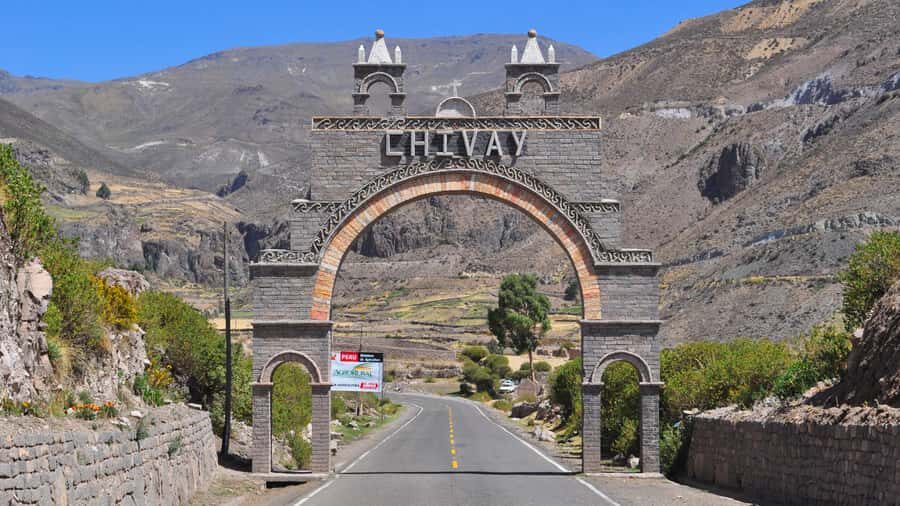
This route is designed for early starts and high elevations. Day 1 climbs from Arequipa to viewpoints, including Patapampa at 4,800m, and day 2 includes stops at La Cruz del Condor plus a later high viewpoint at 4,950m (Mirador de Volcanes).
You’ll feel it most in the first half of the trip. The good news is that the schedule also gives you breaks—free afternoon in Chivay, free time at the canyon lookout, and stops for photos and observation.
What to bring, based on the tour guidance:
- Comfortable shoes
- Sunglasses
- Sunscreen
- Water
- Comfortable clothes
And one more practical note: oversize luggage isn’t allowed, so keep what you bring manageable. You’ll have better mobility at viewpoints and less stress in the bus.
Who should book this tour (and who should skip it)
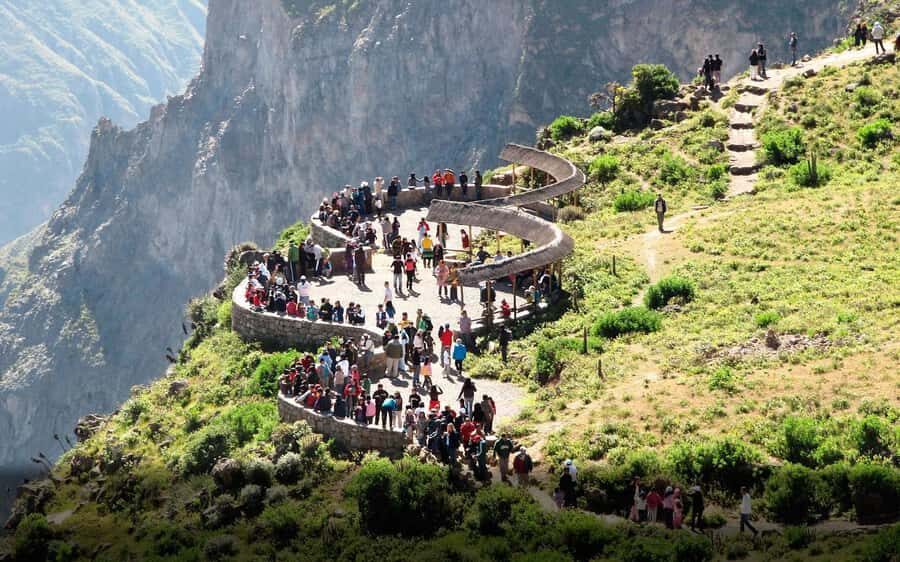
This tour is ideal if you want:
- A classic Colca Canyon condor day
- A nature component with camelids and birds in protected areas
- A smooth end in Puno, so you can keep exploring Peru without backtracking
It’s also a good fit if you like culture stops that go beyond a quick drive-by. The towns of Yanque and Maca bring in village life and embroidered clothing, and the terrace section shows ongoing Andean agriculture.
Skip it if you need wheelchair accessibility. The tour is listed as not suitable for wheelchair users, so you’ll likely face uneven terrain and viewpoint steps.
If you’re traveling with kids, ask yourself if early mornings and cold high-altitude viewpoints are realistic. The route is active enough that comfort matters.
Should you book the 2-Day Colca Canyon Tour to Puno with accommodation?
I’d book it if you want a clean, efficient route that actually covers the key sights: condors at La Cruz del Condor, village culture in Yanque and Maca, and wildlife-and-lakes time at Pampa Cañahuas and Lagunillas, finishing in Puno. The included hotel night in Chivay with breakfast is the glue that keeps the whole trip from feeling like nonstop moving.
I wouldn’t book it if you hate early mornings, don’t want altitude exposure, or you strongly need hotel drop-off details. Since lunches and entrances are extra, you should also be comfortable with that budgeting reality.
If that sounds like you, this tour is a smart way to turn two days into a real Andean story: canyon air, high reserve views, and then the lakeside energy of Puno.
FAQ
What is the duration of the Colca Canyon tour to Puno?
The tour lasts 2 days.
How much does the tour cost per person?
The price is $145 per person.
Where does the pickup happen in Arequipa?
Pickup is included from hotels in Arequipa city center. If your accommodation is outside that area, a meeting point is set.
What time is pickup on day 1?
Pickup is around 8:00am from your hotel in Arequipa city center.
Is breakfast included?
Yes. Breakfast is included at your accommodation in Chivay.
Are lunch and dinner included in Chivay?
No. Lunch and dinner in Chivay are not included.
Are the hot springs included?
Hot springs are optional, and entrance fees are not included.
Where does the tour end in Puno?
The tour ends at the Plaza de Armas in Puno around 7:00–7:30pm.
Is the tour suitable for wheelchair users?
No. It is not suitable for wheelchair users.