REVIEW · CHIVAY
Tour Fullday Colca Canyon with Breakfast and Typical Lunch
Book on GetYourGuide →Operated by AREQUIPA EXPLORER Y ACTIVIDADES TURISTICAS · Bookable on GetYourGuide
Waking before dawn in Colca Basin pays off. This full-day trip concentrates your time where it matters most: Cruz del Cóndor for canyon drama and condors, plus stops around Chivay, viewpoints, and Chacapi hot springs if you want a soak.
I love that it’s built as a long, efficient day with a bilingual English-Spanish guide, so you’re not guessing what you’re looking at. And you get a practical mix of sights—church towns, canyon viewpoints, and local food—without feeling like you’re just rushing between bus windows. One thing to plan for: it’s an early start and the entrance tickets and hot-spring ticket aren’t included, so you’ll want cash or a clear plan for those costs.
In This Review
- Key things that make this tour worth your time
- Why Cruz del Cóndor feels like the main event
- The early pickup and how the day gets paced
- Colca Canyon viewpoints: more than a single photo spot
- Cultural moments that actually break up the scenery
- Chivay lunch: buffet comfort after a long morning
- Chacapi thermal baths: how to decide if you’re a “soak” person
- The high-altitude nature stops: birds, alpacas, llamas, vicuñas
- Altitude reality check: what to do before you go
- Value and price: where your $40 goes (and what costs extra)
- Booking with confidence: who this tour fits best
- Should you book this Colca Canyon day tour?
- FAQ
- How long is the Colca Canyon tour?
- What time does the pickup start in Arequipa?
- Is pickup from my hotel included?
- What’s included in the price?
- Are entrance tickets included?
- Is the hot springs included?
- What’s the best time of year for weather in the canyon?
- What should I do about altitude sickness?
Key things that make this tour worth your time
- Cruz del Cóndor timing: you’re there early enough to maximize your chances of seeing condors
- Bilingual guiding: English or Spanish support to understand the viewpoints and traditions
- Chacapi thermal baths option: you can add a relaxing stop with time to enjoy the heat
- Colonial church towns + big views: towns like Pinchollo, Maca, and Yanque break up the ride nicely
- High-altitude wildlife and camelids: wetlands and Pampa Cañahuas put alpacas/llamas/vicuñas on your route
- Food that’s actually part of the day: breakfast plus a typical buffet lunch in Chivay
Why Cruz del Cóndor feels like the main event
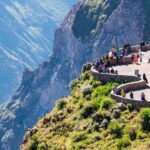
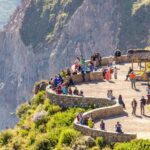
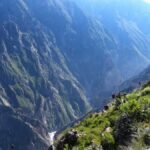
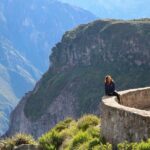
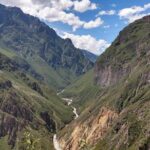
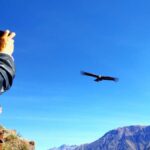
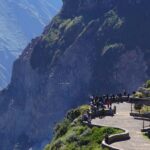
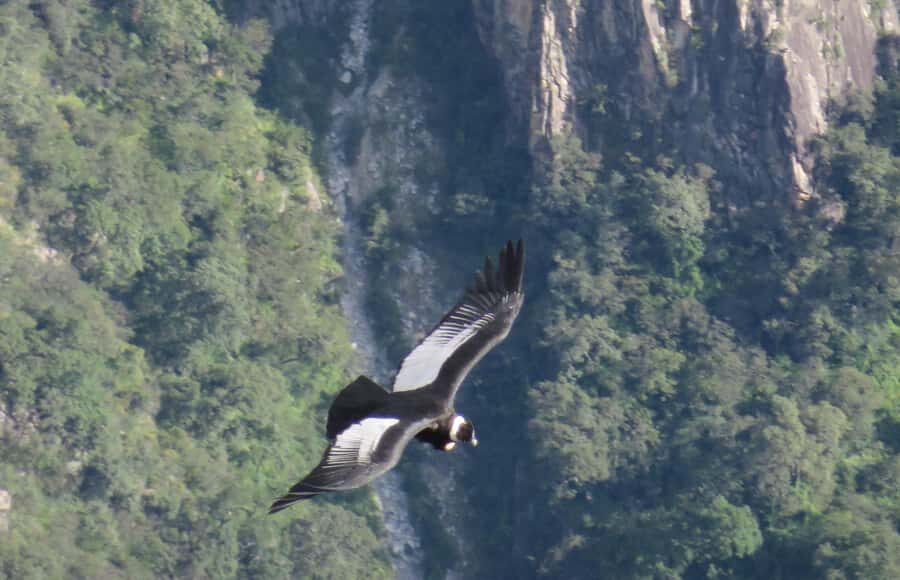
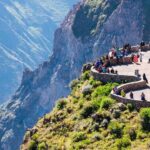
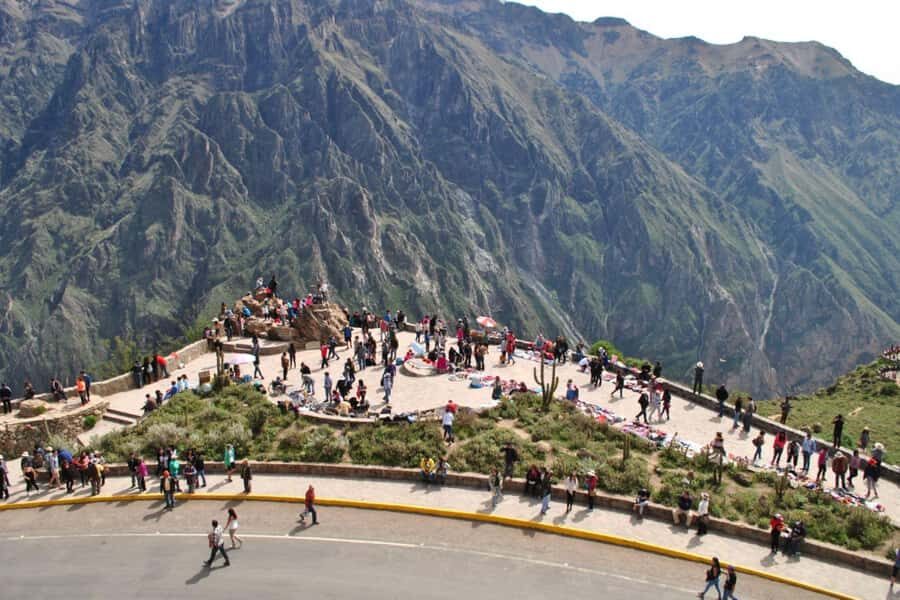
Cruz del Cóndor is where Colca starts to look unreal. From this viewpoint, you’re looking at one of the deepest canyons in the world, and the condor sanctuary nearby is the reason many people plan their whole day around this stop.
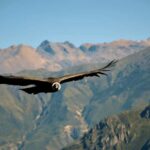
I like that the schedule positions you to enjoy the morning air and light. Morning tends to be when condors are most likely to ride the thermals you can’t really control—but you can control arriving early. If seeing the condors in flight is a priority, this is the place to focus your patience and camera battery.
A few more Chivay tours and experiences worth a look
The early pickup and how the day gets paced
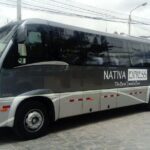
This tour runs on a very “are we there yet?” kind of timeline—because you’re leaving Arequipa around the 02:30–03:00 AM window for hotel pickups. The transport is by van, and the ride is part of the deal: you’re traveling for hours before you even get your first real viewpoint moment.
You’ll stop for breakfast on the way to the canyon area. That matters more than it sounds: you’ll be at high altitude, you’ll likely be awake before your body is ready, and you’ll want fuel before you start climbing into cold mornings and photo stops.
Practical tip: if your pickup point is near the main square, stay somewhere easy to find and give your name when the guide checks. That small step can save you from confusion and delays.
Colca Canyon viewpoints: more than a single photo spot
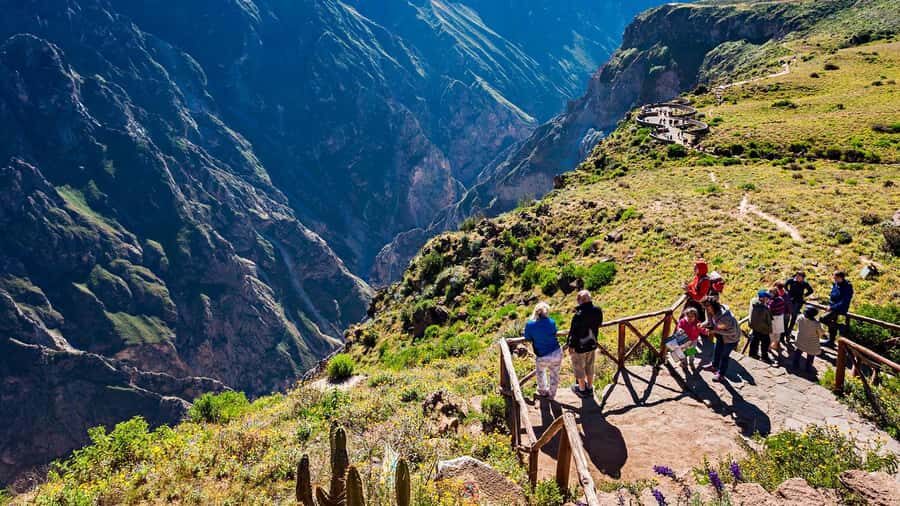
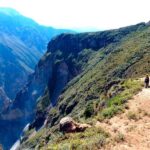
Once you reach the canyon area, you get a guided visit with time for photos and viewpoints. The big draw is obvious—the canyon itself—but the day also adds context so the scenery doesn’t feel like random cliffs.
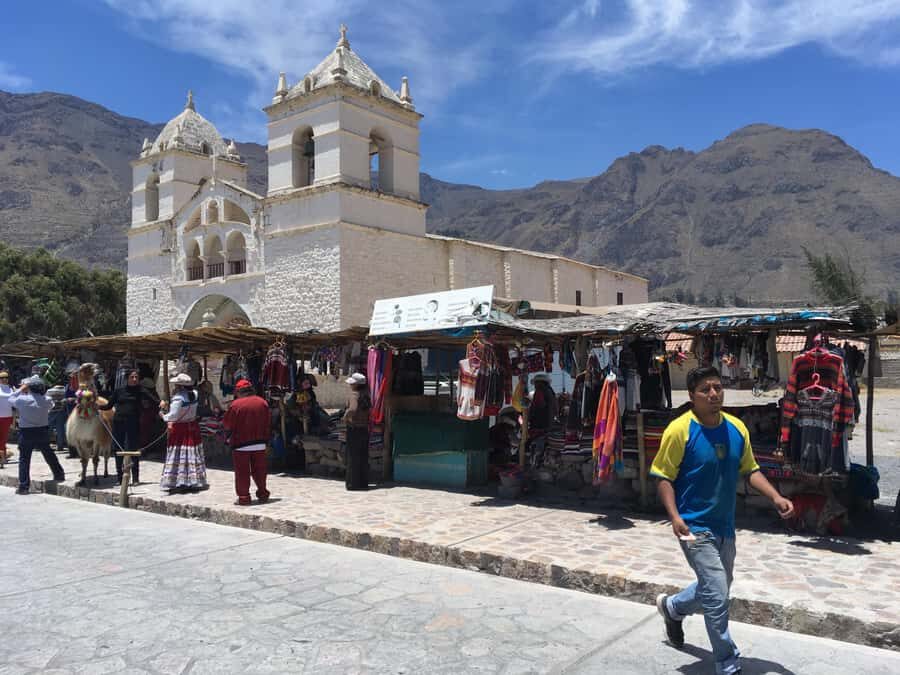
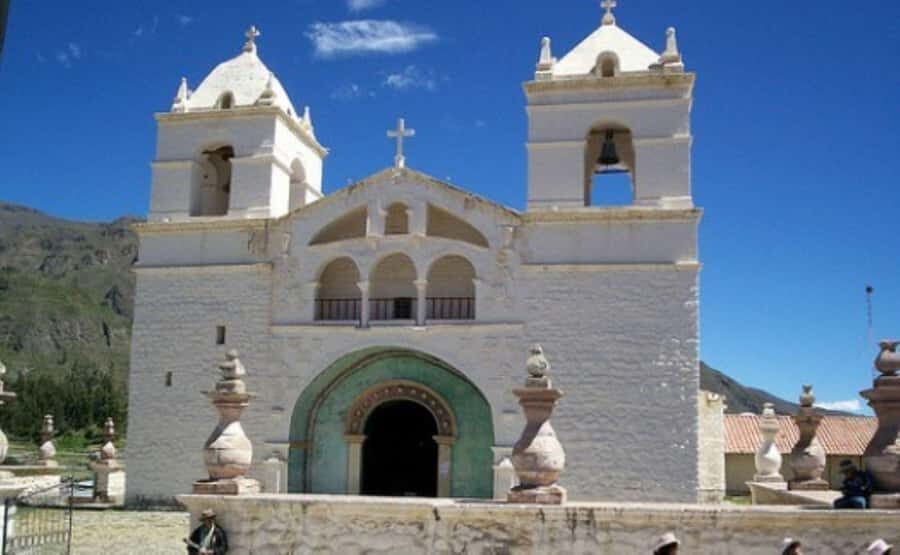
On the way back, you’ll pass through towns including Pinchollo, Maca, and Yanque, known for colonial churches. They’re not the reason you came for Colca, but they’re a nice change of pace from viewpoint-to-viewpoint. Plus, a quick look at the churches helps you connect the canyon to the people living around it.
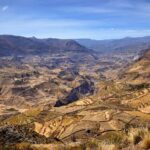
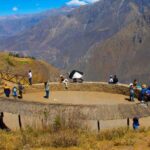
You’ll also make stops at viewpoints like Antahuilque and Choquetico, where you can observe pre-Inca tomb areas and viewing models, then take in terraced scenery and the wider Colca valley. This is where a guide helps: you get the “what am I seeing?” answers faster than wandering around cold and quiet.
Cultural moments that actually break up the scenery
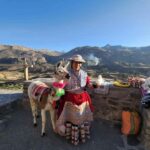
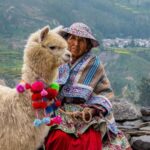
Colca isn’t only about geology and heights. As you move through the day, you’ll see traditional costumes, camelids, and trained birds during planned photo and visit stops. You may also spot traditional drinks such as Colca Sour made with Sancayo, which gives the day a local flavor beyond the canyon look.
I like these moments because they prevent the tour from becoming one long viewing session. Even if you’re not the type to love photo ops, these are brief windows to understand how the region shows culture to visitors.
Chivay lunch: buffet comfort after a long morning
Around midday you head toward Chivay, where lunch is included as a buffet with typical options. After the early start and canyon viewing, having a real sit-down meal matters. You’re not just grabbing something on the run.
I also think lunch timing is smart for altitude days. Eat, refill your energy, and give your body a chance to settle before the next high-altitude legs and photo stops.
Quick caution: check that the lunch inclusion matches what you expect when you board or confirm your reservation details. The tour is supposed to include breakfast and a buffet lunch, but you’ll feel better if you confirm how it’s handled for your group before you’re hungry and trying to sort it out.
Chacapi thermal baths: how to decide if you’re a “soak” person
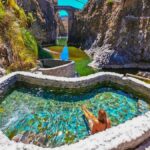
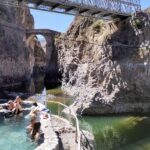
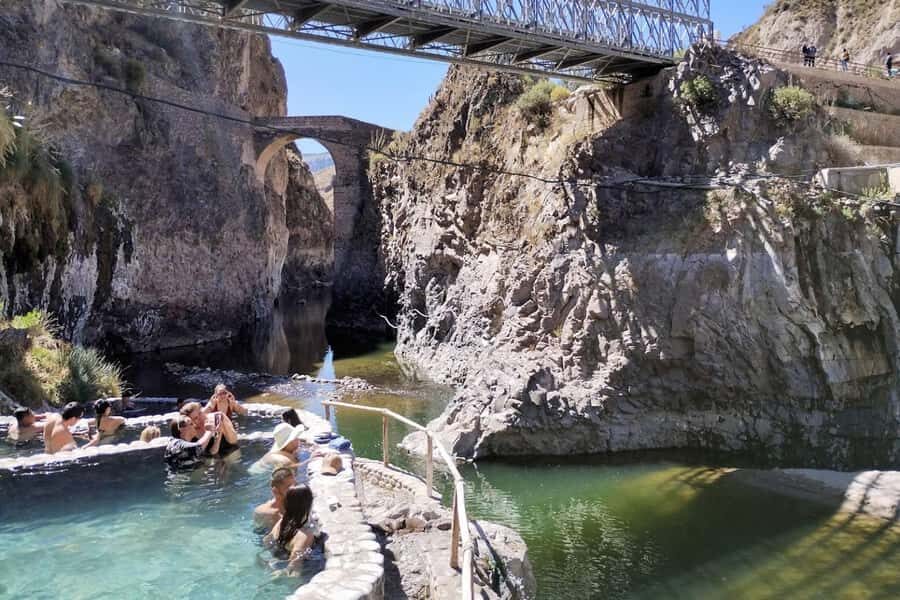
One of the best optional-feeling parts of this day is Chacapi Hot Springs. The tour includes time to visit and spend about 50 minutes in the hot-springs area. If you’re someone who likes to reset tired legs and cold hands, this is a perfect break in the middle-to-late portion of the day.
You may need to plan for an additional entrance fee for the hot springs area itself. The base tour includes the visit time, but there’s an optional ticket cost mentioned for entry into the thermal area.
If you do go in the water, bring swim gear. Even if you don’t plan to swim, having the option makes the stop more flexible.
The high-altitude nature stops: birds, alpacas, llamas, vicuñas
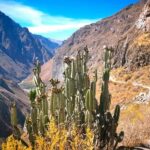
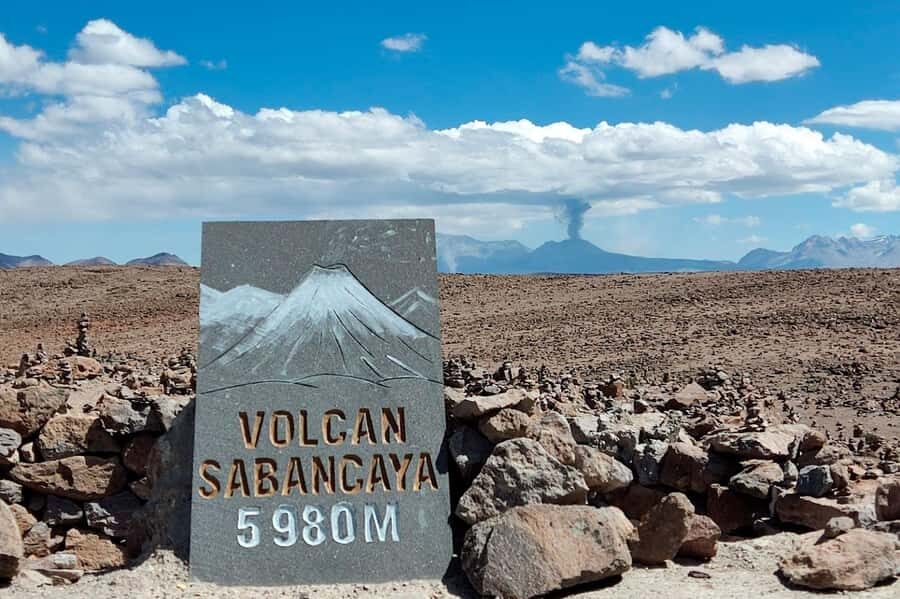
After lunch you start moving back toward Arequipa with more scenery stops built in. You’ll stop at a volcano viewpoint and reach a high point of about 4,910 meters above sea level. That’s serious altitude, even if you’re not doing a hike. Dress for cold, move slowly, and give your body respect.
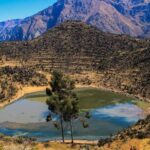
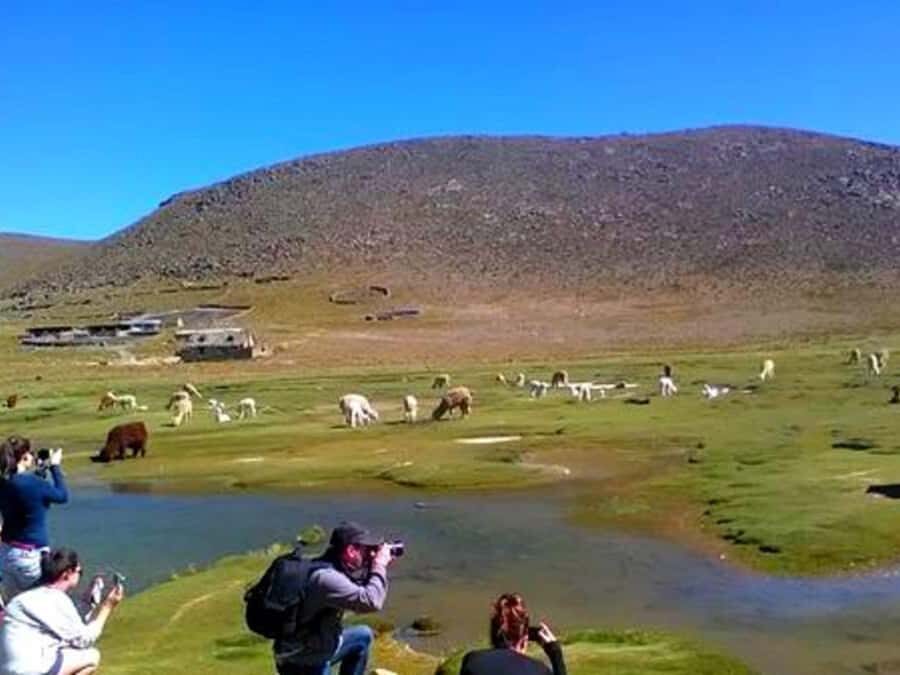
Then the day shifts toward wetlands like Tocrapampa, where you can observe diversity of wild birds and herds of alpacas and llamas. It’s a good contrast to the canyon: instead of dramatic drop-offs, you get a big sky feeling and animals grazing in wide open areas.
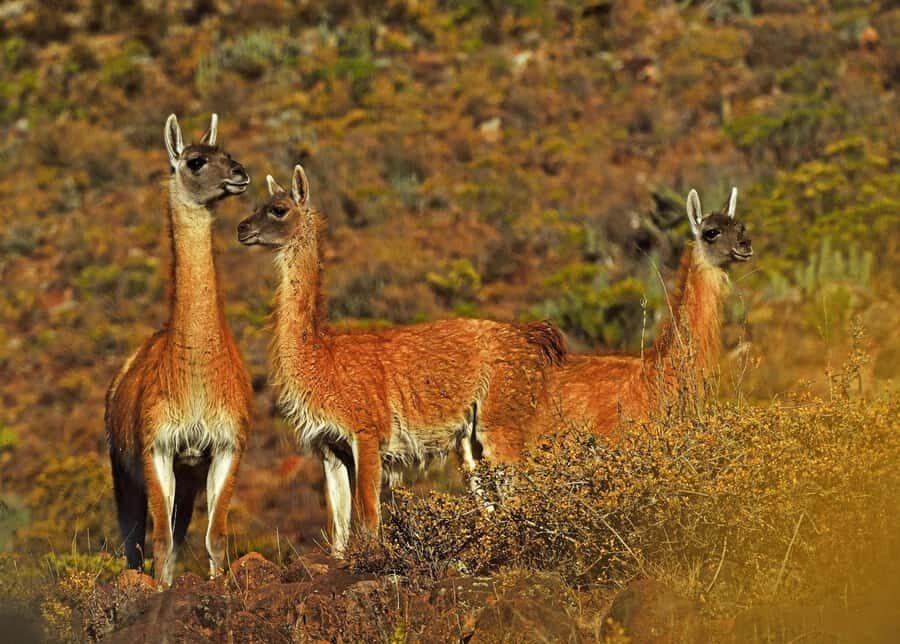
Later you’ll reach Pampa Cañahuas and have a chance to observe herds of vicuñas. These wild camelids are part of the Aguada Blanca and Salinas National Reserve, and spotting them is one of those moments that feels like you’re seeing the Andes the way it looks before it becomes a postcard.
Altitude reality check: what to do before you go
If this is your first high-altitude city on your trip, acclimatize a day before. The tour itself starts very early, and altitude can hit harder when you’re already tired and rushing around.
Here’s the practical part:
- Be careful with preventive medications for altitude sickness as advised for you
- Bring warm clothing even if you feel fine at the start
- Keep an eye on how you’re breathing and how your energy changes
If you do nothing else, plan to take it easy during viewpoint stops. This isn’t a fitness test. It’s a scenic day at height.
Value and price: where your $40 goes (and what costs extra)
At around $40 per person for a 15-hour day, the value is strong because the core logistics are handled: tourist transport, a bilingual guide (English/Spanish), plus breakfast and a buffet lunch. That’s a real cost saver when you’d otherwise need separate transport and guiding for the same route.
What’s not included is also clear:
- A mandatory entrance ticket cost (varies by category)
- An optional hot-springs ticket
So the math is: you pay for the trip convenience and guiding up front, then you pay the site entrance fees on top. If you budget for that from the beginning, you’ll feel in control instead of surprised.
Also worth noting: the day is long and you’re riding in a van. Some people find the ride comfortable; others don’t love the vehicle condition. If you’re sensitive to rough rides, you might want to pack layers, water, and something to make the long transport easier.
Booking with confidence: who this tour fits best
This is a good match if you want one intense day that hits the top Colca highlights: canyon views, condor chances at Cruz del Cóndor, Chivay lunch, and thermal-bath time if you choose it. It’s also good if you like structure—set stops, guided explanations, and predictable timing.
You might want to look at other options if you:
- Hate very early starts (02:30–03:00 AM pickup)
- Get altitude symptoms easily and don’t have time to acclimatize
- Need a more flexible pace than the fixed schedule allows
Should you book this Colca Canyon day tour?
If your goal is a full day that checks the most important Colca boxes—condor viewing, big canyon viewpoints, typical food, and a hot-springs break—then yes, it’s an easy “worth considering” option. The price-to-coverage ratio is solid, especially with a bilingual guide and meals handled.
Just go in prepared. Confirm pickup details so you’re not standing around early with cold hands. Budget separately for entrance tickets and optional hot-springs entry. And dress warm like you actually mean it—Colca mornings at altitude don’t care that you planned a short walk.
If you do those basics, you’ll spend your day focusing on what you came for: views you can’t rush and a canyon morning that feels bigger than the trip itself.
FAQ
How long is the Colca Canyon tour?
It lasts about 15 hours total, starting with an early pickup in Arequipa and returning in the late afternoon.
What time does the pickup start in Arequipa?
Pickup starts around 02:30 to 03:00 AM, depending on your hotel pickup location.
Is pickup from my hotel included?
Yes. The transport with the guide arrives to your hotel. If you’re near the main square, you should stay in the middle so the guide can ask for your name.
What’s included in the price?
The tour includes tourist transport, a bilingual English-Spanish professional guide, breakfast, and a buffet lunch with typical and varied food.
Are entrance tickets included?
No. Entrance tickets are mandatory and cost 20 soles for Peruvian travelers, 40 soles for South American travelers, and 70 soles for Europeans and others.
Is the hot springs included?
The tour includes time to go to Chacapi thermal baths, but an optional hot-springs entrance ticket is listed as 15 soles.
What’s the best time of year for weather in the canyon?
The months with the best weather are April through December.
What should I do about altitude sickness?
If it’s your first high-altitude city, acclimatize a day before if possible. Be cautious with preventive medications for altitude sickness, and bring warm clothing.