REVIEW · CHIVAY
From Puno to Arequipa: 2 Days/1 Night Colca Canyon Tour
Book on GetYourGuide →Operated by Pachakutik Tours Peru · Bookable on GetYourGuide
Condors and hot springs in two days. This Puno to Arequipa Colca Canyon tour strings together big views, high-altitude stops, and a real chance to see wildlife like you’d miss on a quick transfer. You’re also sleeping in Chivay, which makes the canyon day feel less rushed than day trips.
I really like the wildlife and altitude pacing. You start with Laguna Lagunillas, where you can spot Andean birds like flamencos and gansos andinos, then move through Pampas where vicuñas are a highlight at Pampa Cañahuas.
My main caution is logistics. Some departures can feel tight on the vehicle side, and the quality of guiding can vary by day, so you’ll want to go in with a flexible mindset and be ready to ask questions if you feel info is light.
In This Review
- Key things to know before you go
- Getting Puno to Chivay right: the tour’s altitude logic
- Laguna Lagunillas: birds are the first big win
- Pampa Cañahuas and vicuñas: where the spotting feels real
- Patapampa (4,830 m): your volcano-chain viewpoint and your altitude test
- Chivay arrival: main square, hotel break, and a hot springs window
- The Colca Canyon day: Cruz del Condor and the condor moment
- Maca on the way back: Santa Ana and gold-leaf detail
- Getting to Arequipa by 5:00 pm: a satisfying end, but it’s not slow travel
- Price and add-ons: is $102 good value?
- Transport reality: when the day feels tight
- Practical tips to enjoy Colca without fighting your body
- Who this tour fits best
- Should you book this Puno to Arequipa Colca tour?
- FAQ
- What is included in the tour price?
- What time does pickup happen in Puno on Day 1?
- When will you be back at Arequipa?
- Are Colca Canyon entrance tickets included?
- Are hot springs included?
- Is lunch included?
Key things to know before you go
- Lagunillas + Pampa Cañahuas: birds first, then vicuñas, all before the canyon day
- Patapampa viewpoint (4,830 m): a high stop built for volcanic-chain views and acclimatization
- Chivay hot springs are optional: you’ll have a scheduled window, but you pay the entrance
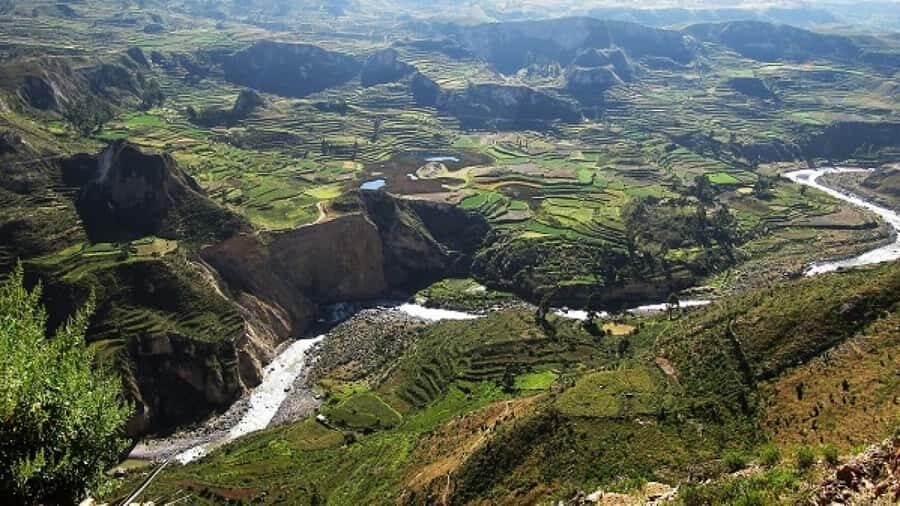
- Cruz del Condor viewpoint: your condor viewing moment happens during a guided canyon loop
- Gold-leaf altarpieces in Maca: Santa Ana church is a good palate-cleanser from canyon time
- Two-day timing is early: long mornings, early starts, and late-ish arrival back in Arequipa
Getting Puno to Chivay right: the tour’s altitude logic
Day 1 starts early. You’ll be picked up from your hotel in downtown Puno at 06:10, then you’ll travel toward Chivay with a set of planned stops. This matters because you aren’t just jumping to canyon lookouts. You’re working your way up through viewpoints and pampas that slowly introduce the altitude and the terrain.
The tour is also paced to keep you from staring out a window the whole time. Between stops, you’ll get time on the bus/van, yes, but every stop has a job: bird spotting, animal spotting, a viewpoint moment, then finally a town break in Chivay.
If you’re sensitive to altitude, this “stop often” approach can help. You’ll even have a short stop at Viscachanito where you’ll be offered coca as part of acclimatizing, followed by the big height at Patapampa.
You can also read our reviews of more evening experiences in Chivay
Laguna Lagunillas: birds are the first big win
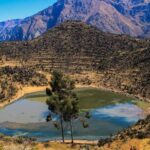
Laguna Lagunillas is one of those stops that can make the whole trip feel worth it even before Colca Canyon. You’ll stop along the way to observe aves andinos, including flamencos, gansos andinos, and gaviotas.
This is a good moment for two things:
- Taking photos without needing special timing
- Getting your eyes adjusted to high-altitude wildlife and open-country views
Even if you don’t identify every species, you’ll still get that satisfying moment of seeing life around the water—always more interesting than another roadside viewpoint.
Pampa Cañahuas and vicuñas: where the spotting feels real
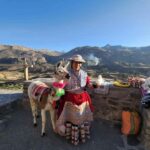
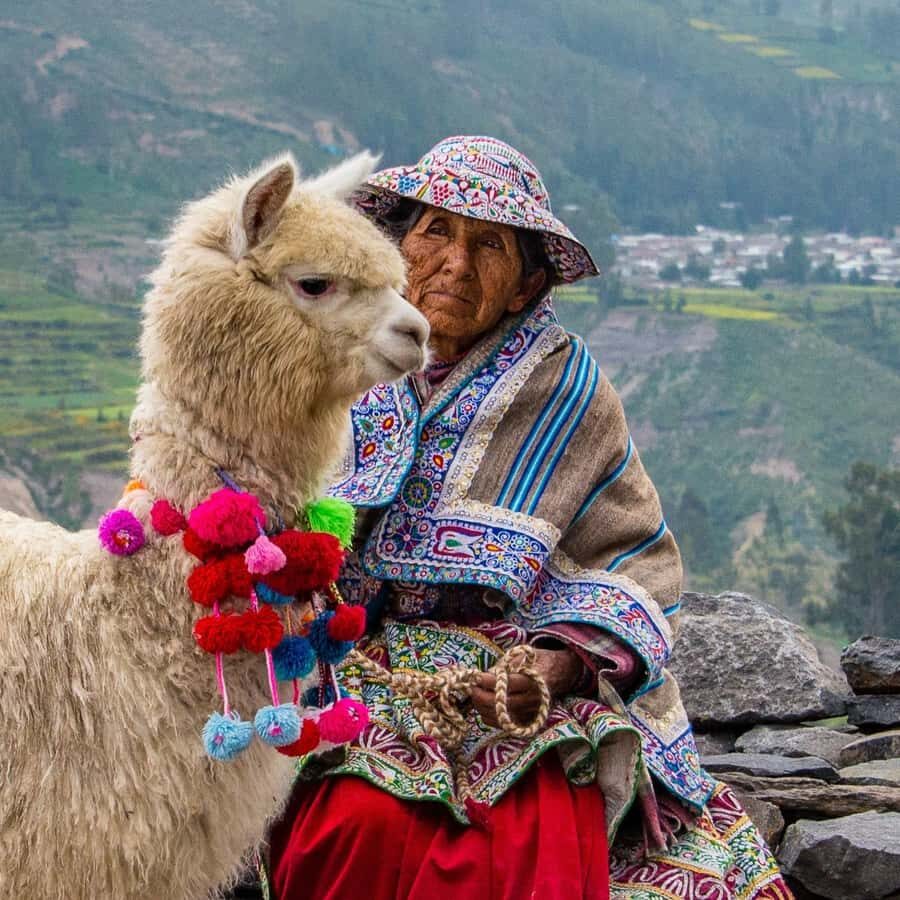
After Lagunillas, you continue through stops like Pampa de Arrieros and Pampa Cañahuas. This is where the tour leans into iconic Andean animals, especially vicuñas—named as part of Peru’s national symbols in the tour description.
What’s special here is the setting. Pampas at altitude aren’t a zoo vibe; you’re watching animals in their own environment, at a distance that keeps things respectful. If you like photography, you’ll appreciate that there’s time to look rather than just pass by.
A practical note: these areas can be cold and windy. Wear layers so you can stay outside longer without rushing back to the vehicle.
Patapampa (4,830 m): your volcano-chain viewpoint and your altitude test
Then comes the big height: Patapampa at 4,830 m. This is described as the viewpoint of the volcanoes, and from here you can see the volcanic chain, mainly Hualcahualca, Sabancalla, and Ampato.
Even if you’re not a volcano person, this stop does two useful things for you:
- It puts you on the high ground before the canyon, so the canyon day feels like the next chapter, not a sudden jump.
- It gives you a wide, open view where the scale of the region clicks.
Expect Patapampa to be the kind of place where you feel altitude. Take it slow on the walk, sip water, and don’t plan to run around for photos. If you’re with the group, you’ll want to stick close so you don’t miss the next stage of the route.
Chivay arrival: main square, hotel break, and a hot springs window
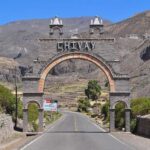
You reach Chivay after the high-point viewpoint sequence, then you’ll stop at the main square before going to your hotel. Dinner with a folkloric show is mentioned as optional at night, but it’s not included.
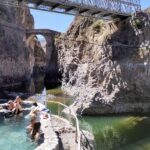
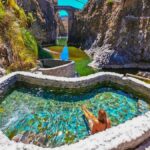
Then you get a scheduled hot springs meeting time: at 15:00 you’ll meet for the La Calera Hot Springs (entrance is extra, and the service is optional). This is one of the best “recovery tools” on the itinerary. Your canyon day uses your legs and your lungs; a soak can bring you back to human mode.
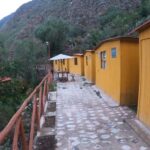
Your hotel setup is fairly straightforward: 2-star accommodation with a private bathroom, hot water, and an American breakfast. Rooms include TV and Wi‑Fi, which is handy if you want to check messages or plan what to prioritize the next morning.
One note from real-world experience: depending on the vehicle and how tight the schedule gets, you might feel the trip runs a bit fast on Day 1. If you want to enjoy Chivay rather than just sleep there, I’d treat the evening as your buffer.
A few more Chivay tours and experiences worth a look
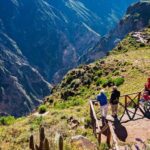
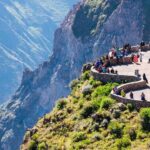
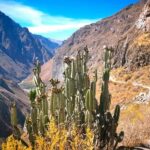
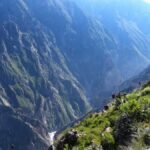
The Colca Canyon day: Cruz del Condor and the condor moment
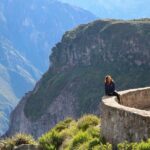
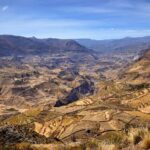
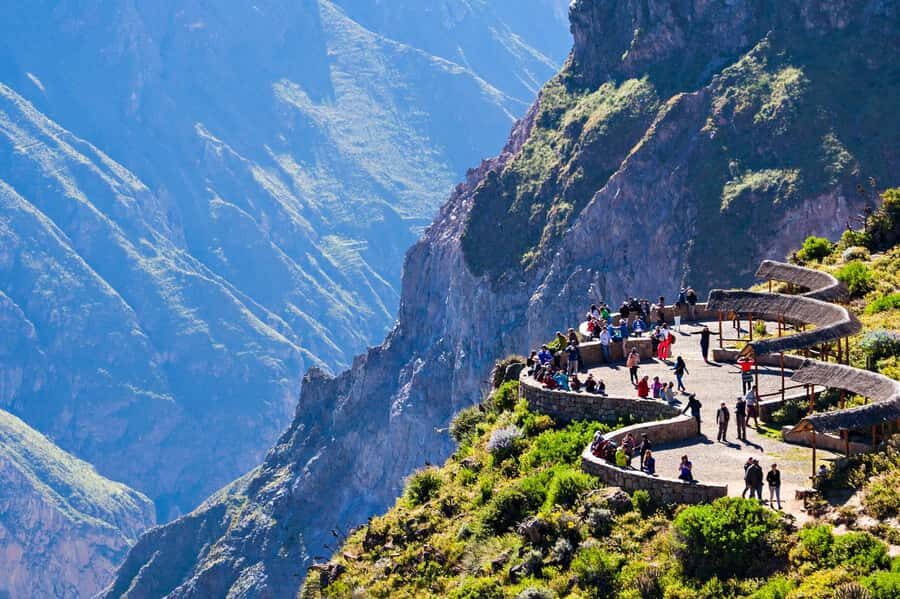
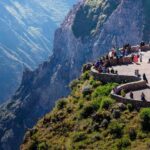
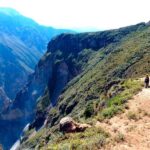
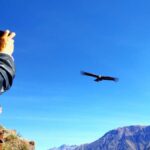
Day 2 is where the trip’s headline delivers. You’ll be picked up from your Chivay hotel between 06:30 and 07:00 after breakfast, then you head into the canyon circuit.
The guided tour portion lasts about 1 hour, and it focuses on the big sights:
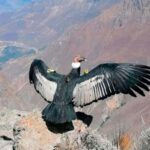
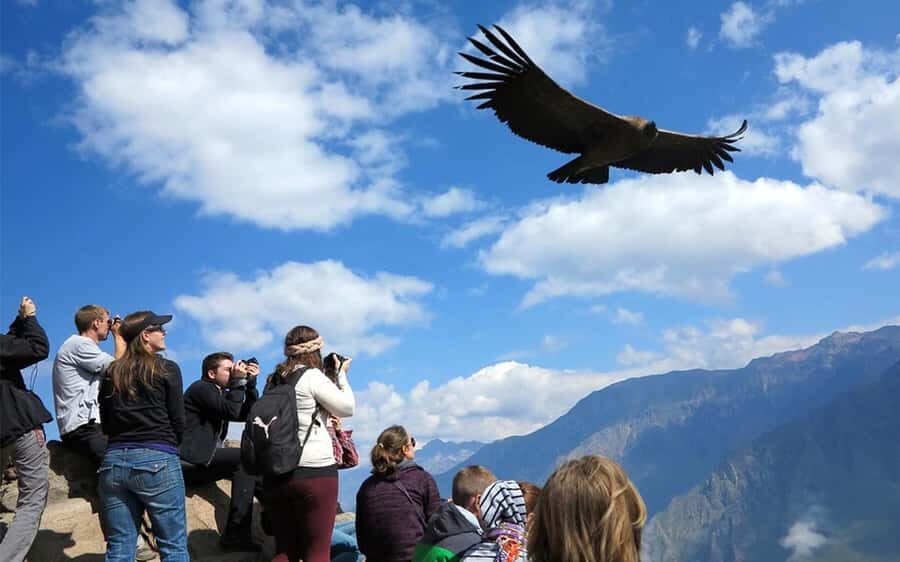
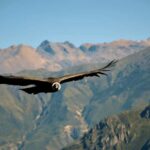
- Cruz del Condor, the prime viewpoint for condors
- the flight of the condors
- traditional and ancestral villages, including Yanque
- a church built in honor of the virgin of the Immaculate Conception
- local crafts
- the representative dance of the Colca Wititi
Why this works: the canyon day isn’t only about staring at cliffs. You also get village context and cultural moments built into the route. Even if you’re not planning to buy anything, watching people at work and seeing the rhythm of daily life makes the view feel less like a postcard and more like a place.
What you should be ready for: because the condor viewing is the centerpiece, you’ll want to have your camera and layers ready right when you arrive. You don’t want to be stuck hunting for your gloves while everyone else is watching the sky.
Maca on the way back: Santa Ana and gold-leaf detail
After the canyon circuit, you return toward Chivay passing through Maca. The itinerary includes a stop at the church of Santa Ana, specifically noting that inside it has altarpieces bathed in gold leaf.
This is a smart pause. Condor viewing and canyon overlooks can be intense and tiring. Santa Ana gives you a quieter scene where you can look slowly, catch your breath, and reset before the final transfer to Arequipa.
Getting to Arequipa by 5:00 pm: a satisfying end, but it’s not slow travel
The tour continues from Chivay to Arequipa after the midday stop for lunch in Chivay. Arrival in Arequipa is listed for 5:00 pm.
This timing is great if you want to keep your itinerary moving. It’s also a sign that the tour isn’t designed for long, leisurely wandering in Arequipa. You’ll likely arrive with daylight still in the city, but plan for a later dinner rather than expecting a full afternoon of exploring.
Lunch isn’t included. You’ll be given lunch time in Chivay, but you should budget for it separately (same idea for dinner the prior night).
Price and add-ons: is $102 good value?
At $102 per person for 2 days / 1 night, the price is mostly paying for the structure: transport between cities, an English-speaking guide, and an actual hotel night in Chivay with private bathroom, hot water, and breakfast.
Here’s the key part: big attractions are paid separately on the day. Colca Canyon entrance tickets are not included, and they’re listed as:
- Foreigners: S/ 70.00
- Latin America: S/ 40.00
Hot springs at La Calera are also optional and cost S/ 15.00 for entrance.
So the trip’s real total cost is the base price plus these add-ons plus your meals. If you’re someone who plans to do both Colca Canyon entrance and the hot springs, the overall value stays strong because the tour handles transport, guide time, and lodging. If you skip the hot springs and you’re picky about meals, you’ll save some money, but you still can’t avoid the Colca Canyon entrance.
Also worth knowing: entrance ticket payment is described as cash on the day of the tour. I’d keep some spare cash in small bills to avoid last-minute stress.
Transport reality: when the day feels tight
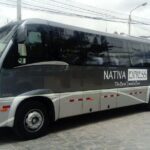
The tour uses tourist transportation by bus or van, so the exact comfort level can vary with the vehicle size. In some cases, the minibus setup can be tight for luggage and leg space.
What to do with that:
- Travel with a smaller bag if you can
- Keep one day of essentials in a pocket or small sling, not buried in luggage
- Expect the group to move fast from vehicle to viewpoint
There have also been reports of guiding quality and vehicle condition varying by day. One example was a Day 1 situation described as lacking explanation (more like an assistant than an information-forward guide). Another situation mentioned a vehicle being old and seatbelts not working. These are not “every departure” facts, but they are good reasons to stay alert and ask questions early, especially on the route day before the canyon.
Practical tips to enjoy Colca without fighting your body
Altitude is the silent boss here, even if you’re not “high-altitude experienced.” The itinerary includes 4,830 m at Patapampa, plus the canyon day where you’ll be outside for viewpoints.
A few ways to make it smoother:
- Dress in layers. Morning and high stops can feel much colder than you expect.
- Move slowly when you step out. If you rush, you’ll pay for it later.
- Bring water. The schedule includes several stops, but you don’t want to arrive thirsty at the viewpoint windows.
- Have coca on hand if it’s part of your comfort routine, though the tour already references coca for acclimatization.
For condors, the best strategy is simple: be ready when you get there. Don’t schedule your phone battery charging or snack time for the exact moment you arrive at Cruz del Condor.
Who this tour fits best
This tour is a good match if you want:
- Two days of major Colca highlights without needing to drive yourself
- A guided canyon day with cultural moments like Yanque and the Colca Wititi dance
- A hot springs option after the canyon stress
- A convenient one-night base in Chivay
It’s less ideal if you hate early starts, you demand tons of detailed commentary all the way through, or you’re very sensitive to cramped transport.
If you’re traveling solo, the group format can be fine as long as you’re comfortable with a set schedule. If you’re with friends, agree ahead of time what you’ll do if you feel guidance is missing or the timing feels rushed.
Should you book this Puno to Arequipa Colca tour?
I’d book it if you want a solid, efficient route that hits the canyon viewpoints, includes Chivay lodging, and gives you animal spotting stops that start the day well before the dramatic cliffs.
I’d think twice if you are very strict about vehicle comfort or you need very detailed guiding every single stop. In those cases, it’s worth asking specific questions before you go about vehicle type and guide responsibilities, and it’s smart to arrive ready to speak up if something feels off.
If you handle the “group pace” and keep your expectations aligned with a tight two-day schedule, the combination of Cruz del Condor, Chivay hot springs, and the high-altitude stops makes this tour a good value for the Colca Canyon experience.
FAQ
What is included in the tour price?
Pickup from downtown hotels in Puno, transportation by bus or van from Puno through the Colca area to Arequipa, an English-speaking guide, and 2-star hotel lodging in Chivay with a private bathroom, hot water, and an American breakfast. The hotel room includes TV and Wi‑Fi.
What time does pickup happen in Puno on Day 1?
You’re picked up from your hotel in Puno at 06:10.
When will you be back at Arequipa?
You arrive in Arequipa at 5:00 pm on Day 2.
Are Colca Canyon entrance tickets included?
No. Colca Canyon entrance tickets are not included. Payment is made in cash on the day of the tour, with prices listed as S/ 70.00 for foreigners and S/ 40.00 for Latin America.
Are hot springs included?
No. La Calera Hot Springs entrance is optional. The entrance fee is S/ 15.00.
Is lunch included?
Lunch and dinner are not included. Lunch and dinner options are listed from S/ 35.00 per person.