REVIEW · CHIVAY
Full day excursion to Colca Canyon
Book on GetYourGuide →Operated by XPLORA AMERICA · Bookable on GetYourGuide
Colca Canyon at first light hits different—especially when you chase condors. This full-day trip from Arequipa is built around the Cruz del Cóndor viewpoint, and you also get a real mix of culture stops and thermal time at Chacapi. The value is strong for the price, but it’s also a packed day, and the schedule can feel a bit tight if you want long stops.
I like that this tour includes the basics you’d otherwise have to organize—transport, a bilingual English-Spanish guide, breakfast, and a buffet lunch in Chivay. You’ll also pass through key towns on the Colca route, with colonial-church photo ops and multiple viewpoints for canyon views. One thing to weigh: the group can be fairly large, and some commentary suggests you’ll get more out of it if you can follow Spanish during explanations.
In This Review
- Key Things You Should Know Before You Go
- Early Morning Pickup From Arequipa (02:30–03:00) and the Long Road to Colca
- Cruz del Cóndor at 08:30: Why This Viewpoint Is the Main Event
- The Condor View Plus Cultural Stops: Pinchollo, Maca, Yanque, and the Church Visits
- Antahuilque and Choquetico: Viewpoints, Tombs, and Everyday Heritage
- Chacapi Hot Springs Around 11:30: A Midday Reset (Optional So You Can Control It)
- Lunch in Chivay at 12:30: The Buffet That Keeps the Day Moving
- The 4,910 m Volcano Viewpoint: Cold Air, Big Elevation, Short Moments
- Tocrapampa Wetlands and Pampa Cañahuas: Birds, Alpacas, Llamas, and Vicuñas
- Price and Value: What $45 Covers and What You’ll Pay Extra
- Group Size, Guide Pace, and How to Get the Most Out of It
- Who This Colca Canyon Day Trip Suits Best
- Should You Book This 01 Day Colca Adventure Tour?
- FAQ
- What time is the pickup in Arequipa?
- When do we arrive at Cruz del Cóndor?
- Is breakfast included?
- Is lunch included, and where?
- Are entrance tickets included in the $45 price?
- Are the hot springs included?
- What languages does the guide speak?
- Where can you see vicuñas?
- When does the tour return to Arequipa?
Key Things You Should Know Before You Go
- Cruz del Cóndor timing is set for a prime canyon viewing window around 08:30
- Chacapi hot springs are included as optional time, so you can choose how much soak you want
- You’ll make cultural stops in Pinchollo, Maca, and Yanque, plus viewpoints at Antahuilque and Choquetico
- The day includes wildlife viewing in high areas, including vicuñas in the Aguada Blanca and Salinas National Reserve
- There’s a 4,910 m volcano viewpoint stop, so plan for cold air and slower breathing
Early Morning Pickup From Arequipa (02:30–03:00) and the Long Road to Colca
This tour starts early—pickup happens between 02:30 and 03:00 AM from hotels around Arequipa (via Yura on the drive). You’ll be in the vehicle for much of the morning before you reach the canyon, which is normal for Colca, where the best views are tied to early light.
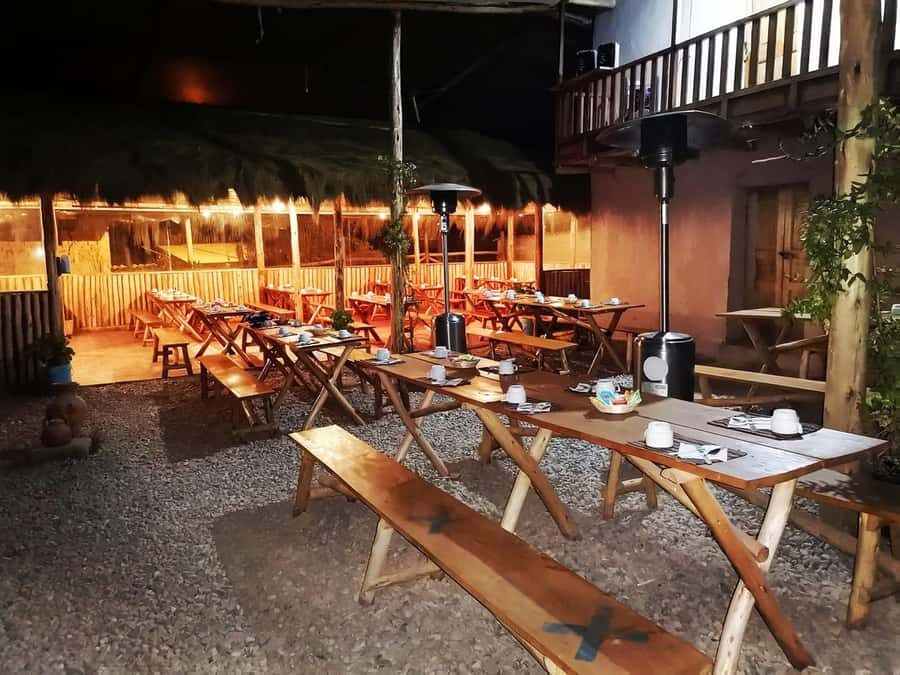
Breakfast is handled on the way, and the tour description is clear that it’s a quick stop before you push on toward Cruz del Cóndor. If you’re the type who hates rushed mornings, set expectations now: you’re buying a full-day itinerary, not a slow scenic day with hours to wander.
The plus here is that early departure usually means you arrive with daylight and better odds for the condor-viewing moment. The downside is that you should plan to be ready to go immediately after pickup—no gradual start.
A few more Chivay tours and experiences worth a look
Cruz del Cóndor at 08:30: Why This Viewpoint Is the Main Event
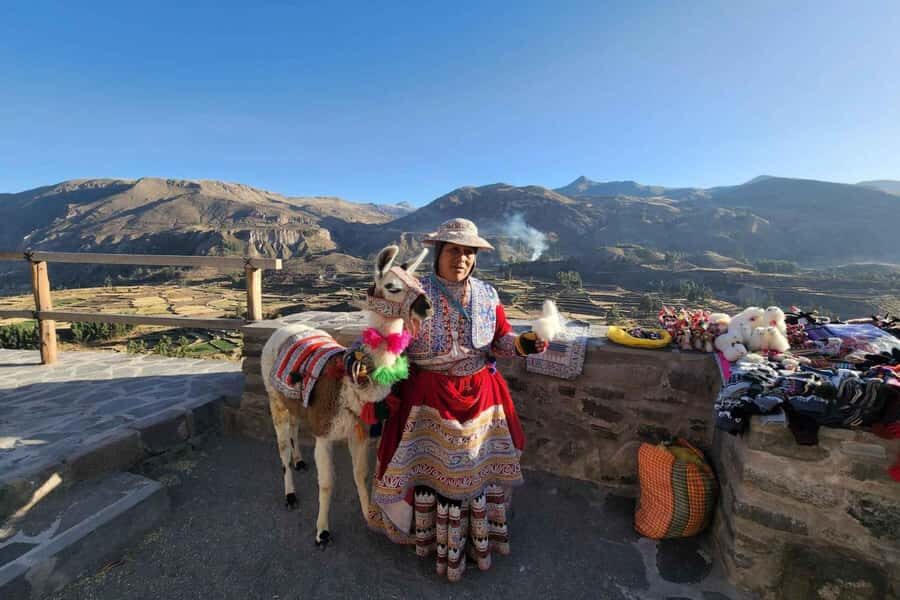
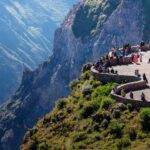
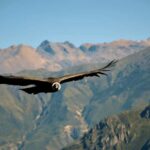
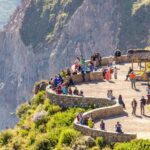
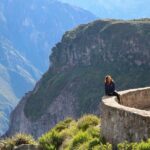
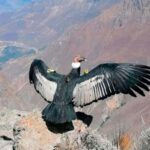
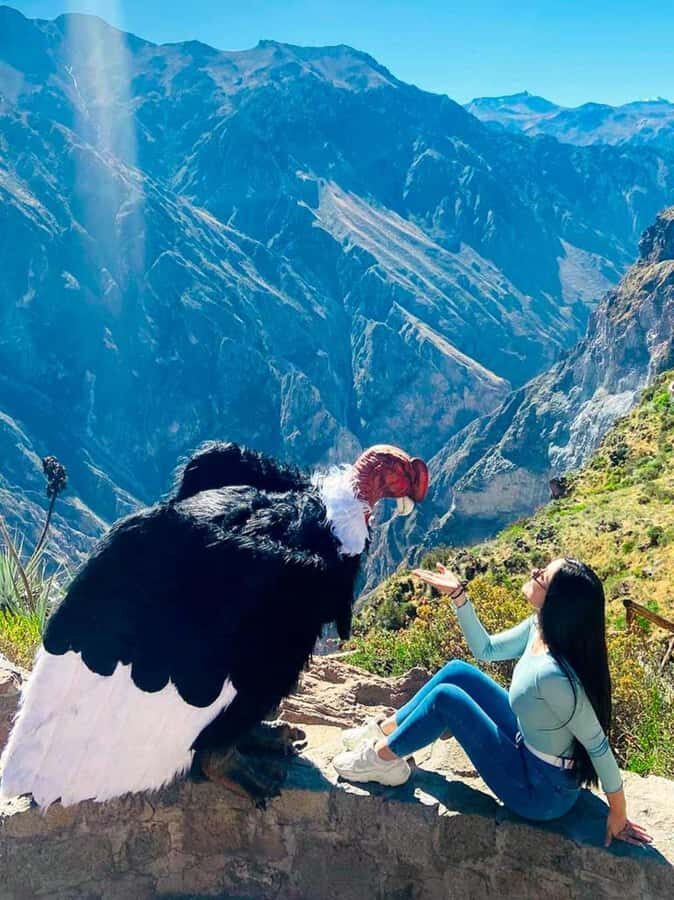
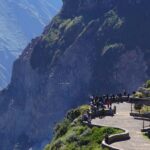
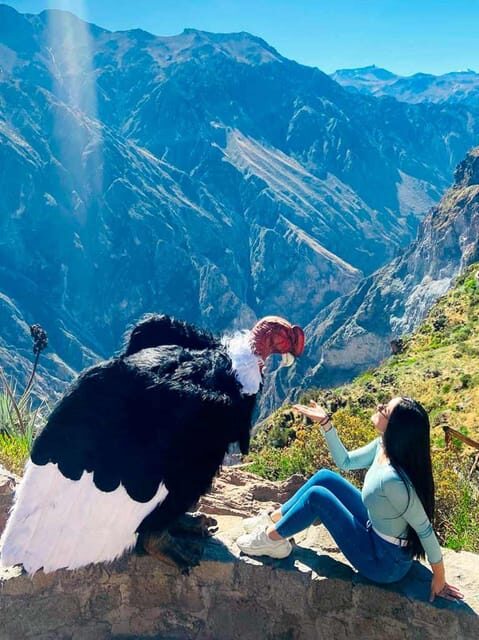
Around 08:30, you arrive at Cruz del Cóndor, the central stop for why most people come to Colca Canyon. This is where you can appreciate one of the world’s deepest canyons and where the condor sanctuary sits—so you’re not just looking at a canyon; you’re aiming at the place condors are known for.
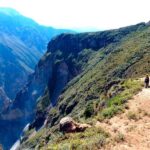
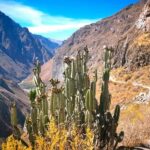
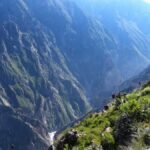
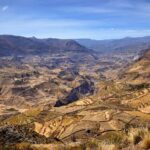
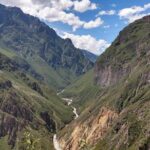
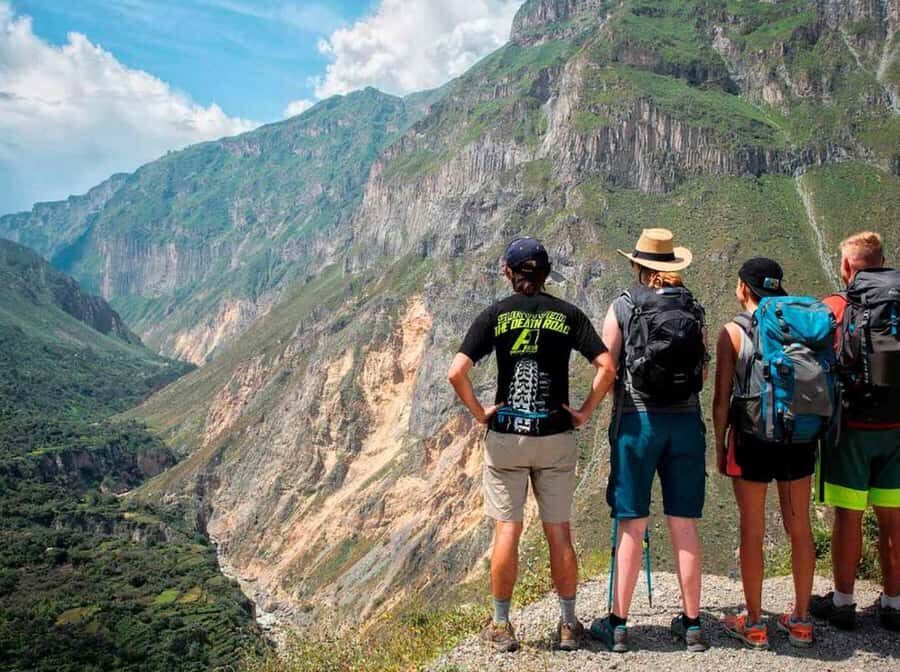
What makes this stop worth your attention is the combination of scale and timing. Colca Canyon is massive, and from the right angle the depth feels almost unreal—like the canyon is giving you a geography lesson in one glance.
You’ll want to keep your camera ready during the viewing window, but also leave time to just watch. Condors don’t always do a big dramatic performance on schedule, so staying patient matters more than snapping one quick photo.
The Condor View Plus Cultural Stops: Pinchollo, Maca, Yanque, and the Church Visits
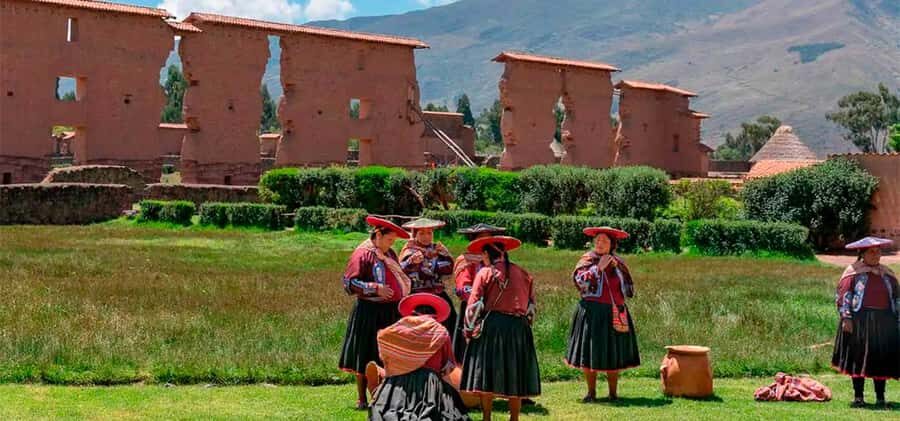
On the return route, the itinerary pivots from canyon-and-wildlife into culture and villages. You stop in Pinchollo, Maca, and Yanque, which are known for their traditional life and colonial churches, giving you a break from pure nature watching.
These aren’t just random photo stops. Even with short visit times, church exteriors and town squares often show you how the region’s daily culture and Spanish-influenced architecture blend. It’s a useful way to avoid a tour that feels like only viewpoints and long bus rides.
A practical note: these village stops are typically brief on a full-day tour, so if your goal is detailed exploring, you’ll need a separate trip for that. If your goal is to understand the Colca route as a living place, these stops do the job.
Antahuilque and Choquetico: Viewpoints, Tombs, and Everyday Heritage
Later in the morning, you’ll reach the viewpoints at Miradores de Antahuilque and Choquetico. From here, you can observe pre-Incan tombs and models, and also get broad views over the Colca area.
This is where the tour adds texture beyond the canyon itself. Instead of only watching depth and wildlife, you also get a connection to how people have used the region for centuries—especially through farming terraces and living patterns tied to the terrain.
You may also see demonstrations or references connected to local traditions, including typical costumes, camelids, and trained birds, plus traditional drinks such as the Colca Sour made in Sancayo. For me, the value of these stops is that they turn the day from scenery-only into a story you can remember.
That said, your enjoyment here will depend on your comfort with guides pacing the group. If you prefer quiet observation over explanations, treat these moments as an information bonus rather than the main attraction.
Chacapi Hot Springs Around 11:30: A Midday Reset (Optional So You Can Control It)
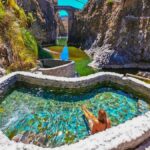
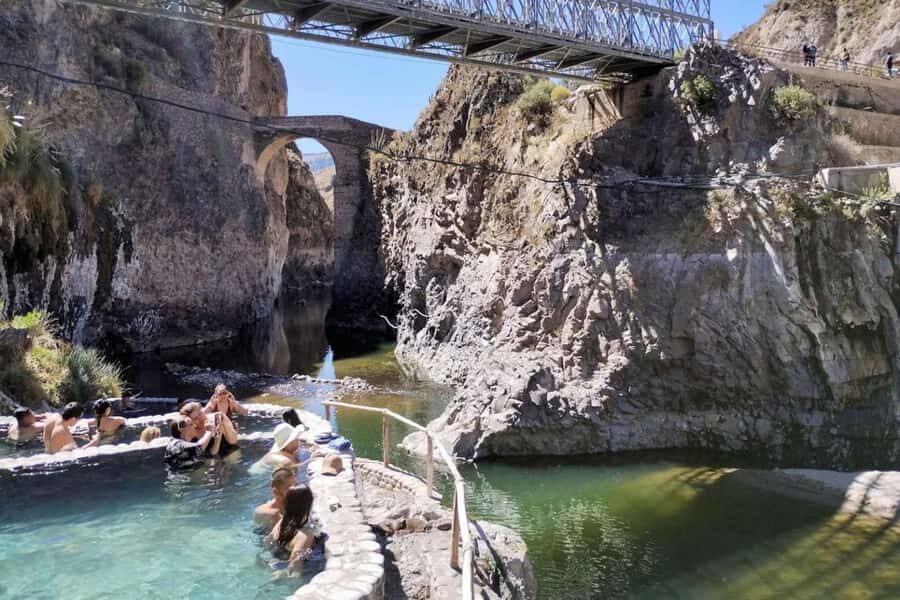
At about 11:30, you head to Chacapi hot springs. The tour describes it as wells with natural views, and it’s an optional add-on with an entrance fee listed separately (not included): 15 soles.
This is one of the best parts of the day if you’re traveling with cold weather or want a mental break from viewing platforms. The timing matters too: it comes after the morning village/canyon-focus and before lunch, so you’re not just soaking at the end of a long day.
If you’re on the fence, I’d decide based on two things: (1) whether you’re feeling worn out already, and (2) whether you packed layers for warmth. Hot springs can be relaxing, but chilly outdoor temperatures around the baths can make you want quick access, towels, and patience.

Lunch in Chivay at 12:30: The Buffet That Keeps the Day Moving
Around 12:30, you have about an hour for lunch in Chivay, with a buffet described as typical and varied. This is a practical lunch window designed to keep the return portion of the day on track.
One thing I like about including lunch (instead of leaving you to hunt food on the road) is stress reduction. You get a predictable meal stop, which matters on a tight schedule with high-altitude viewpoints later.
The tradeoff is that hour-long meals don’t leave time for a deep food adventure. If you’re picky about specific dishes or hate buffet setups, consider this a solid fuel stop—not your culinary highlight of the trip.
The 4,910 m Volcano Viewpoint: Cold Air, Big Elevation, Short Moments
After lunch you start the return, and around the afternoon you stop at a volcano viewpoint, listed as the highest point at 4,910 meters above sea level. This is your big altitude moment, and it’s usually where wind can be a surprise.
Even if you feel fine at sea-level, high altitude can make you breathe faster and move slower. Keep that in mind for any photo plans that require standing still for long periods.
I’d also treat this as a short-and-smart stop: layer up, take the photos you came for, and don’t try to sprint around. The scenery rewards patience, and the air is thinner than you’re used to.
Tocrapampa Wetlands and Pampa Cañahuas: Birds, Alpacas, Llamas, and Vicuñas
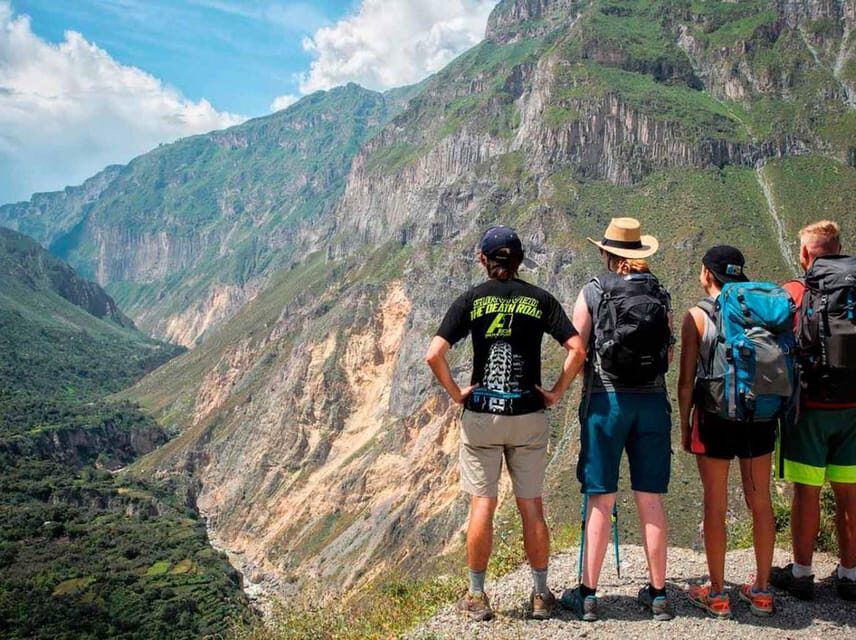
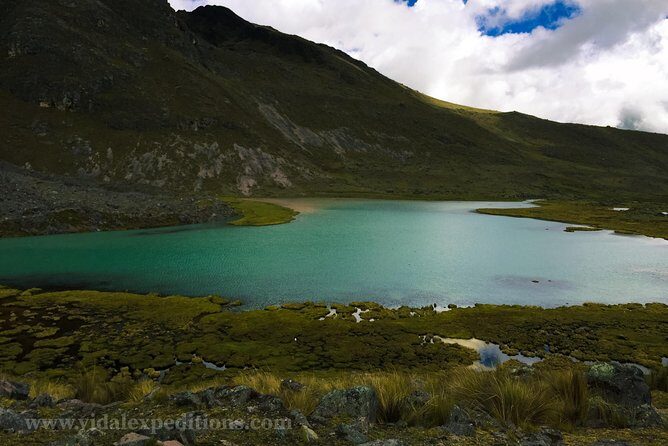
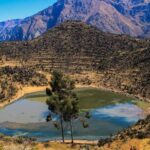
Next come two wildlife-heavy sections. In Tocrapampa wetlands, you can appreciate diversity of wild birds, plus herds of alpacas and llamas. Then in Pampa Cañahuas, you’ll observe herds of vicuñas, part of the Aguada Blanca and Salinas National Reserve.
This is the part of the day where the tour shifts from “look at the canyon” to “watch life on the high plains.” The reserve connection matters because it’s not random roadside wildlife; it’s tied to a protected area where these animals are part of the ecosystem you’re observing.
The best way to enjoy it is to keep your eyes scanning, not just your camera fixed. Animals can be distant, and your best shots often happen when you notice them first and then slowly lift your lens.
Also, this is a reminder to dress for wind and cold. High-altitude plains can feel colder than the city, even in daytime.
Price and Value: What $45 Covers and What You’ll Pay Extra
The listed price is $45 per person, and for a full-day Colca itinerary, that can be a good deal. You’re paying for tourist transport, a bilingual (English-Spanish) guide, breakfast, and the buffet lunch in Chivay.
Your separate costs are the entrance fees and the optional hot springs. The mandatory entrance ticket is listed as:
- Peruvians: 20 soles
- South Americans: 40 soles
- Europeans and others: 70 soles
On top of that, Chacapi hot springs are optional with an entrance ticket of 15 soles.
So the real budgeting tip is to not think of $45 as your full total. Think of it as the “tour operations” cost, and then add entrance fees based on your category plus the hot springs decision.
When this tour feels like great value is when you want the full experience in one shot: canyon viewpoint, condor sanctuary stop, cultural villages, and hot springs time. If you only care about one or two parts, a more focused itinerary might fit you better.
Group Size, Guide Pace, and How to Get the Most Out of It
This tour is designed for efficiency, and that means group dynamics matter. One critique associated with similar pacing is that some passengers felt activity times were a bit short, and others mentioned that the driver didn’t provide much extra explanation.
In plain terms: you’re unlikely to have long, freeform time at every stop. If you prefer “slow and linger,” this might feel like you’re sprinting from highlight to highlight.
Language matters too. Since the guide is described as bilingual, you can expect English support, but if you’re traveling with no Spanish at all, you’ll still want to keep close attention during stops where quick explanations happen.
My practical advice: arrive ready for photos, accept short-but-useful cultural moments, and save deeper exploration for a future independent day. This tour works best as a first taste of Colca.
Who This Colca Canyon Day Trip Suits Best
I’d recommend this tour if you want a strong overview day and you don’t want to plan transportation yourself. It’s ideal for first-time Colca visitors, couples, and groups who like fixed schedules and clear stops.
You’ll also get more out of it if you:
- enjoy wildlife spotting from viewpoints
- can tolerate an early pickup and long drive
- want a mix of canyon + condors + culture + hot springs
If you’re very sensitive to altitude or hate cold windy conditions at higher elevations, plan carefully. The 4,910 m stop is part of the route, so check how you personally handle elevation.
Should You Book This 01 Day Colca Adventure Tour?
If you want the classic Colca hits—Cruz del Cóndor, the canyon’s depth, a shot at condors, village culture, a hot springs option, and high-altitude wildlife—this is a solid bargain-style option at $45 with transport, breakfast, and lunch included.
I’d book it if you’re flexible on pacing and you treat each stop as a highlight you’ll experience, not a place you’ll master. It’s especially worth it when you want one day to cover a lot of ground without dealing with tickets, drivers, and timing.
I would hesitate if you know you’ll be unhappy with short activity windows, or if you’d be frustrated by a large-group feel. In that case, consider a smaller-group version or a more focused half-day/one-main-stop plan.
FAQ
What time is the pickup in Arequipa?
Pickup happens between 02:30 and 03:00 AM from different hotels in Arequipa.
When do we arrive at Cruz del Cóndor?
The tour description says you arrive at Cruz del Cóndor at about 08:30.
Is breakfast included?
Yes. Breakfast is included and is provided during the early travel portion before reaching the main viewpoint.
Is lunch included, and where?
Yes. Lunch is included as a buffet in Chivay, with about an hour allocated for it around 12:30.
Are entrance tickets included in the $45 price?
No. A mandatory entrance ticket is not included. Costs are listed as 20 soles for Peruvians, 40 soles for South Americans, and 70 soles for Europeans and others.
Are the hot springs included?
Hot springs are optional. Entrance to Chacapi hot springs is listed at 15 soles.
What languages does the guide speak?
The guide is listed as bilingual English and Spanish.
Where can you see vicuñas?
Vicuñas are expected to be seen in Pampa Cañahuas, which is part of the Aguada Blanca and Salinas National Reserve.
When does the tour return to Arequipa?
The schedule lists an arrival back in Arequipa at about 17:30.