REVIEW · CHIVAY
From Arequipa: Fullday Tour Colca Canyon + Transfer To Puno
Book on GetYourGuide →Operated by AREQUIPA EXPLORER Y ACTIVIDADES TURISTICAS · Bookable on GetYourGuide
A condor-view morning is the whole point. I love how this day trip stacks Cruz del Cóndor with extra viewpoints and village stops, then hands you off in Puno for your next move. The two moments that really stick are the early canyon viewpoint where you can watch condors ride the thermals, and the Chacapi thermal baths break that keeps the day from feeling like one long bus ride. The main drawback: it’s a fast 1-day format, so you won’t get the deeper, unhurried Colca Canyon experience you’d get from a 2-day option.
This tour is built around timing. You start before sunrise, hit the best viewing window around 8:30, and then keep moving all the way to the Puno area by around 19:00. One review highlight that matters for your comfort: the team is supportive, and the driver even helped someone stay healthy and returned a forgotten hat—small things that make long travel days easier.
If you’re budgeting, know that you’ll likely pay extra for canyon entrance and optional hot springs, and lunch is not included (even though you’ll get time to eat). If you’re the type who hates extra costs mid-trip, bring cash and plan ahead.
In This Review
- Key points to know before you go
- Leaving Arequipa at 02:30 AM is brutal, but strategic
- Why the early start works for the canyon views
- Cruz del Cóndor: the condor moment you came for
- The best way to enjoy this stop
- Reality check
- Village stops and viewpoints: seeing Colca beyond one cliff
- What these stops add (and what to watch for)
- Chacapi thermal baths: your midday reset in hot water
- Lunch in Chivay: included time, not included food
- The high-altitude transfer stretch: volcano views and vicuñas near Puno
- Why you should care about this part
- A practical mindset for this long day
- Price and budgeting: what the $56 really covers
- Is it good value?
- Who should book this Colca + Puno transfer day
- Who might feel disappointed
- Should you book? My take
- FAQ
- What time does pickup in Arequipa start?
- How long is the tour?
- Where does the tour go in Colca Canyon?
- What time do you arrive at Cruz del Cóndor?
- Is breakfast included?
- Is lunch included?
- Are entrance tickets to Colca Canyon included?
- Are entrance tickets to the thermal baths included?
- What are the languages of the guide?
- Where does the tour end in Puno?
Key points to know before you go
- Cruz del Cóndor around 08:30: built for the condor-view window, not a random late-morning stop
- Chacapi thermal baths with a 1-hour break: a real reset, even if you skip the baths entrance fee
- Multiple viewpoint and town stops: places like Pinchollo, Maca, and Yanque add texture beyond the canyon
- High-altitude wildlife area later in the day: Tocrapampa wetlands, vicuñas, and Andean camelids along the route
- Transfer into Puno included: you finish near the bus terminal so you can start Titicaca plans quickly
- Budget for fees and lunch: canyon entrance isn’t included, and lunch costs extra in Chivay
Leaving Arequipa at 02:30 AM is brutal, but strategic
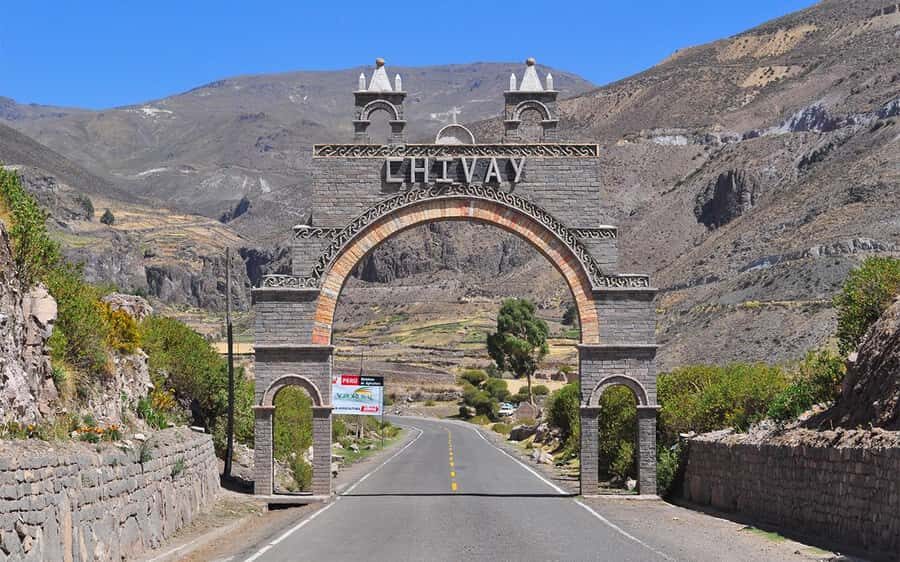
The day starts with hotel pickup between 02:30 and 03:00 AM, and then you head out through the Yura area. That early departure isn’t for drama—it’s to get you into Colca Canyon at the right time. You’ll stop only for breakfast, which means you’re basically saving your appetite for the real canyon payoff later.
This is also where the guide and driver matter. One review praised the team—especially a guide named Sheila—for being kind and helpful, plus a driver who supported someone who wasn’t feeling great. On long, high-altitude days, that kind of care makes the difference between a “busy” day and an “okay, I can do this” day.
A few more Chivay tours and experiences worth a look
Why the early start works for the canyon views
Colca’s best viewing time is tied to the light and the thermals where birds circle. By arriving at Cruz del Cóndor around 08:30, you’re much more likely to catch the moment rather than just standing there for scenery.
Cruz del Cóndor: the condor moment you came for
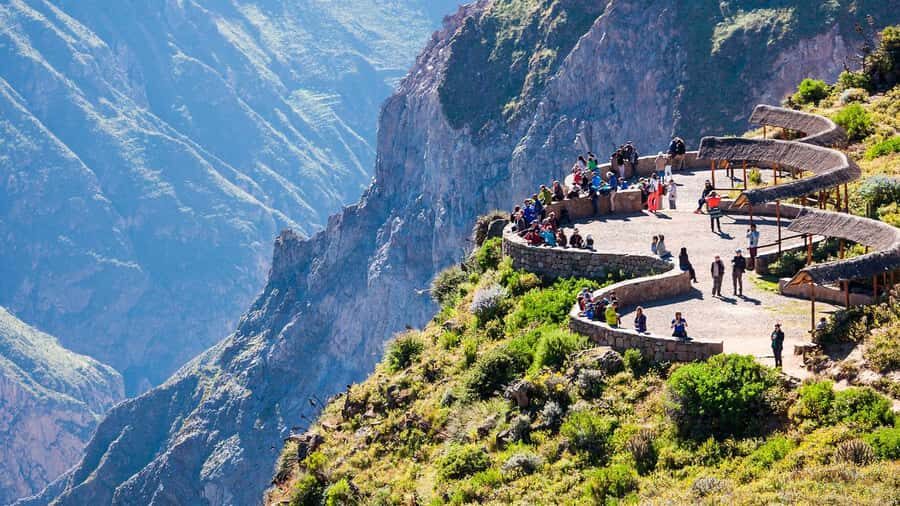
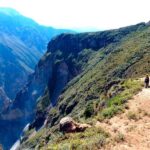
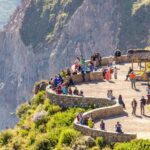
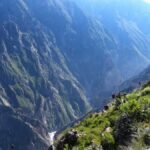
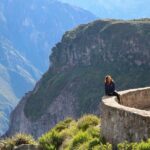
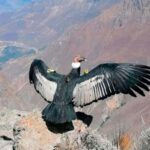
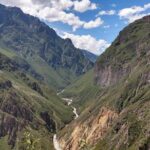
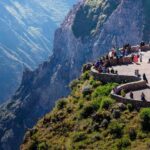
Around 08:30, you arrive at Cruz del Cóndor, the condor sanctuary viewpoint. This is where you’ll see why Colca Canyon is famous: it’s described as one of the deepest canyons in the world, and the viewpoint is positioned for watching birds glide and circle.
Expect a mix of photo time and guided context. The guide sets the scene, then you get time to stand, look, and watch the canyon breathe around you. If you’re going mainly for condors, this is the heart of the itinerary.
The best way to enjoy this stop
Give yourself permission to linger. The payoff here isn’t only the photo—it’s the moment when you stop scanning and start watching the birds actually use the air currents. If you’re traveling with friends, this is also the part where your group will likely split between “stand and stare” mode and “rapid photos” mode.
Reality check
A 1-day format means viewpoint time is time-boxed. You can still have an awesome experience at Cruz del Cóndor, but if you dream of hiking sections of Colca Canyon or doing lots of slow stops, you’ll feel the limits of the schedule.
Village stops and viewpoints: seeing Colca beyond one cliff
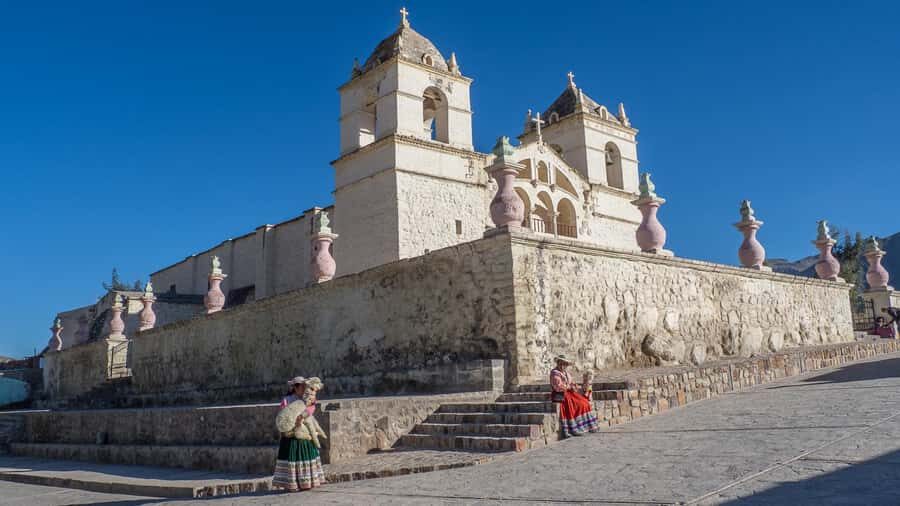
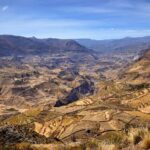
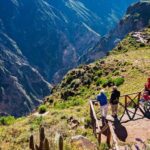
On the return leg from the main canyon viewpoint, the tour adds stops in towns and viewpoints that give you more than just a single panoramic look. You’ll make photo and guided stops in Pinchollo, Maca, and Yanque, all known for colonial churches and classic canyon-town vibes.
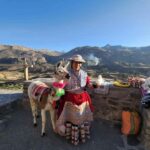
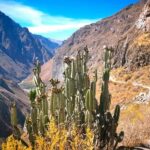
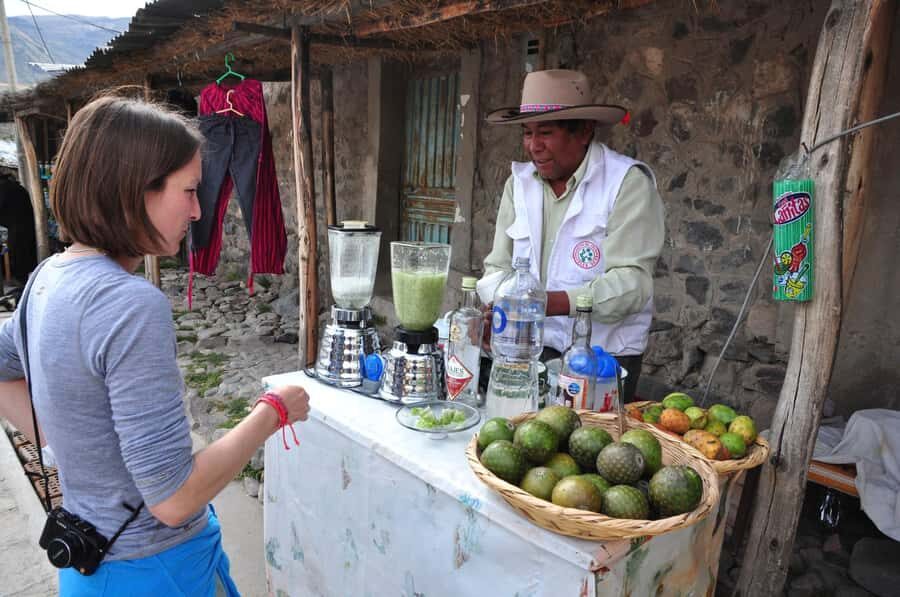
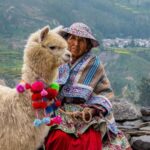
Then come the viewpoint moments—Antahuilque and Choquetico Viewpoints. These are positioned so you can observe Colca’s dramatic scenery and also learn about pre-Inca tombs and models tied to the area. You also get time to take in local cultural elements: typical costumes, camelids, and trained birds. The day even includes traditional drinks like a Colca Sour made from Sancayo, which is a fun way to taste the region beyond just snacking between stops.
What these stops add (and what to watch for)
These add value because they break up the long drive and keep the day from becoming only “drive, viewpoint, repeat.” The downside is that some stops are shorter photo windows. If you’re the type who hates feeling rushed, treat this part as “quick cultural check-ins,” not deep exploration.
Also, plan your energy for the whole day. After Cruz del Cóndor, you’ll keep moving and the altitude still matters, so it helps to stay hydrated and keep a snack handy even though breakfast is provided.
Chacapi thermal baths: your midday reset in hot water
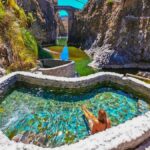
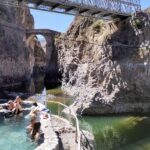
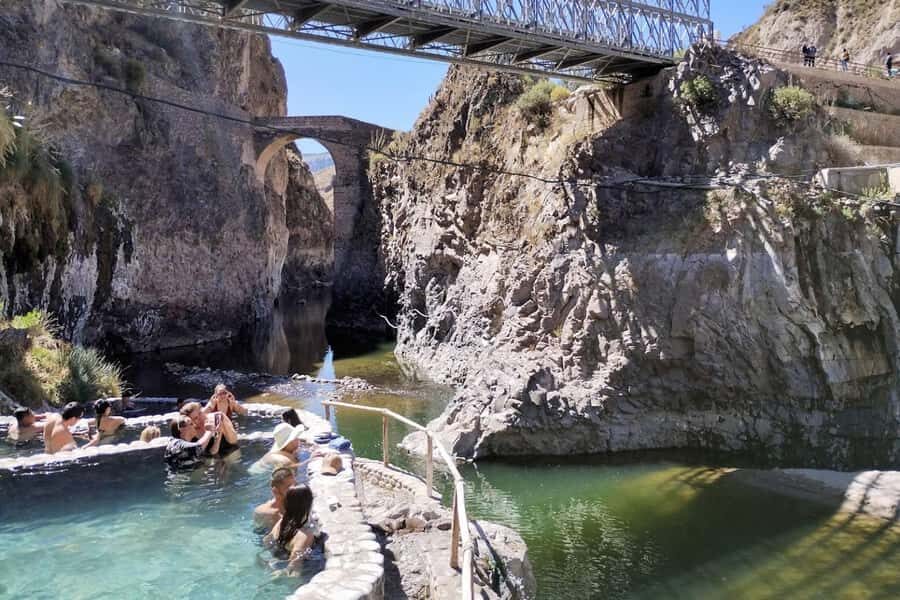
Around 11:30, you head to Chacapi thermal baths for a break time of about 1 hour. This is one of the best pacing choices in the itinerary. The canyon is cool and dramatic; then the thermal baths offer a physical “downshift” that helps you last through the rest of the trip.
Important budget note: the thermal baths entrance is listed as optional, with a fee of S/. 15.00. The tour includes the time for the stop, but you pay if you enter the baths.
Lunch in Chivay: included time, not included food
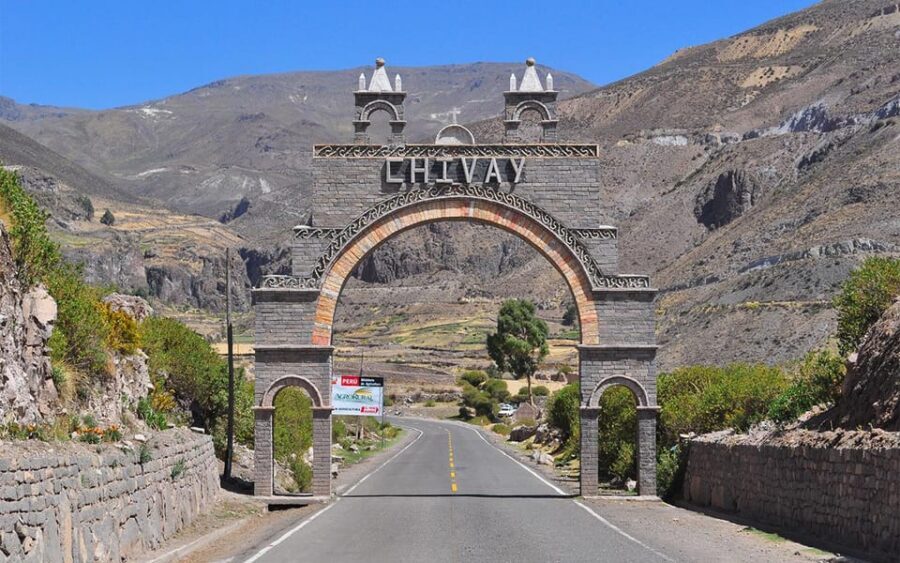
After the baths, you get to Chivay for lunch, with about 1 hour of time. Lunch itself is not included. So you can choose what fits your appetite and your budget, but don’t count on the lunch being covered.
One review mentioned eating at a restaurant with great views of a waterfall, which lines up with the feeling that this is a scenic meal stop. Still, bring realistic expectations: you’ll have time to eat, but you won’t have hours to linger.
The high-altitude transfer stretch: volcano views and vicuñas near Puno
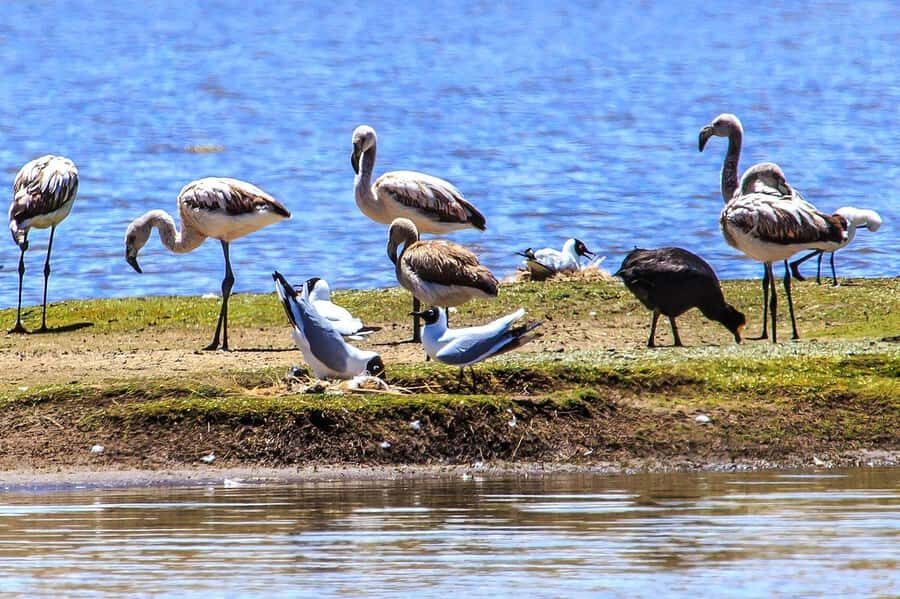
After lunch and more driving, you’ll reach a volcano viewpoint at the highest point of about 4,910 meters above sea level. You’ll also stop at Tocrapampa wetlands, where the tour highlights diversity of wild birds plus herds of alpacas and llamas.
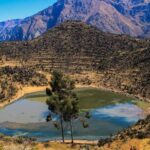
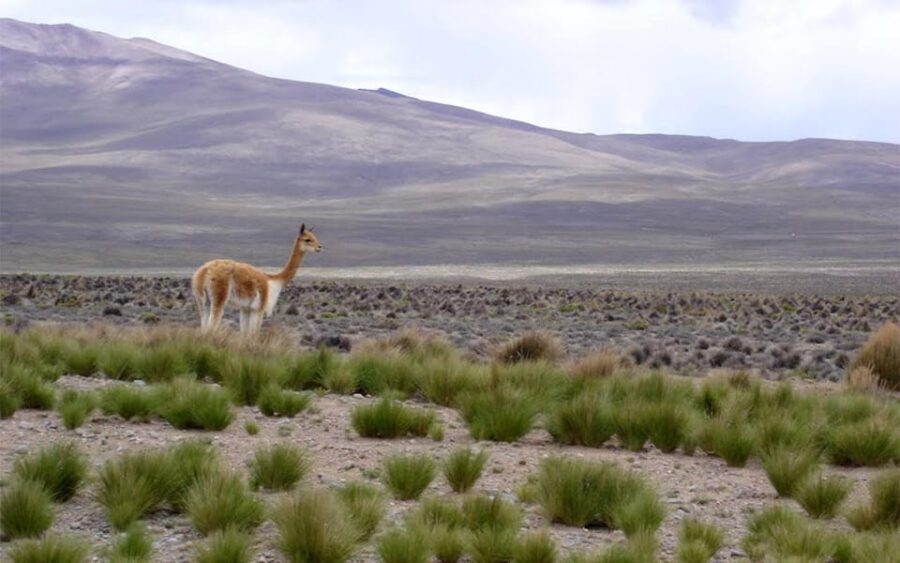
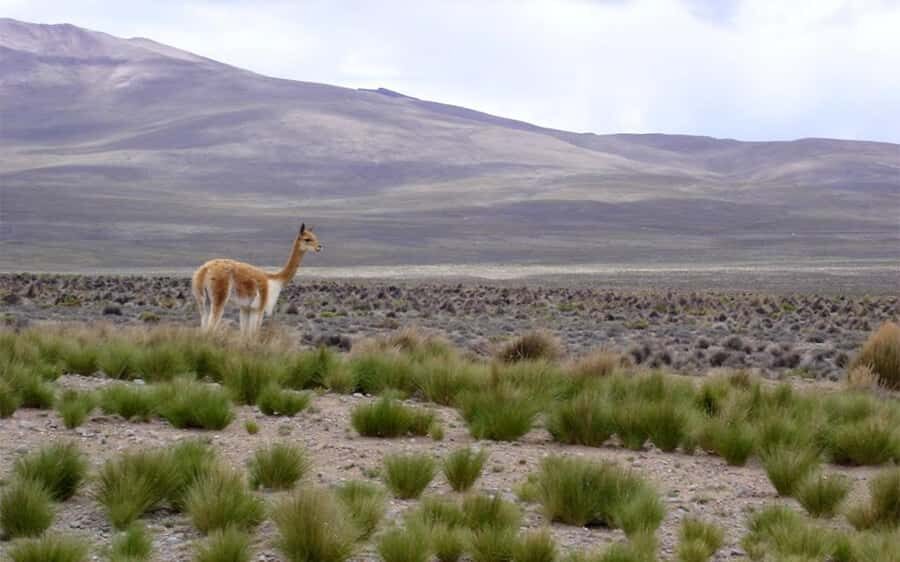
Then the itinerary continues to Pampa Cañahuas, where you can observe herds of vicuñas. This area is part of the Aguada Blanca and Salinas National Reserve, and you’ll also see high Andean lagoons near the Puno region.
Why you should care about this part
This segment turns a transfer into something worth doing. You’re not just “getting from A to B.” You’re getting wildlife viewing opportunities and dramatic high-altitude scenery while you travel toward Lake Titicaca plans.
A practical mindset for this long day
By the time you’re in the later stops, you’ll likely feel the length of the day. That’s when having an earlier breakfast and a quick snack mindset pays off. Keep your eyes open, take a few photos, and don’t demand the kind of slow travel you might do on a separate hiking day.
Price and budgeting: what the $56 really covers
The price is listed at $56 per person for a 16-hour outing. For that money, you get: tourist mobility, hotel pickup, an official tourism guide, breakfast, and the transfer from Colca to Puno.
But here’s the part to budget carefully:
- Colca Canyon entrance tickets are not included. Fees listed are:
- Foreigners: S/. 70.00
- National (Peruvian): S/. 20.00
- Latin (residents): S/. 40.00
- Lunch is not included, even though you’ll have time to eat in Chivay.
- Thermal baths entrance is optional at S/. 15.00.
Is it good value?
Yes—if you want a single-day structure that connects Colca Canyon with Puno efficiently. The main cost “gotcha” is the canyon entrance fee plus your lunch choices. If you’re comparing prices, don’t just compare the headline rate; compare what’s covered and how many meals and major sites are actually included.
Also, one review complained about a stop at a Pucará museum being expensive for what you see. The exact inclusion of that stop isn’t stated in the provided schedule, so if your departure includes it, treat it as optional and decide on the spot based on time and cost.
Who should book this Colca + Puno transfer day
I think this tour fits best if you:
- Want condor viewpoints and key Colca highlights without adding extra overnight travel
- Need to reach Puno the same day so you can start Titicaca plans quickly
- Prefer a guided day with lots of short stops rather than a long hike
- Like having a scheduled thermal break to keep the day from feeling all-drive
Who might feel disappointed
If you want lots of time inside Colca Canyon—more walking, longer time between viewpoints, and a slower rhythm—this 1-day format can feel like “mostly bus” even when the views are stunning. One critique pointed out that you sometimes only get quick moments to jump out and take photos rather than experiencing the canyon properly, and it also flagged that lunch being extra can sting.
If that sounds like you, consider a 2-day Colca Canyon tour instead and then travel onward separately. You’ll trade efficiency for more time on the ground.
Should you book? My take
If you’re short on time and you want a smart route: yes, I’d book it. You’re paying for a full guided canyon day plus a real transfer to Puno, and you get multiple viewpoint stops plus the chance to soak briefly at Chacapi.
I’d only hesitate if:
- You absolutely hate extra entrance fees and add-on costs
- You want deep, unhurried Colca Canyon time and hikes
- You’re sensitive to long days (this one is 16 hours and starts very early)
If you book, go in with the right mindset: this is a highlights-and-connection day. It’s not trying to replace a longer Colca stay—it’s trying to get you from Arequipa to a Titicaca-ready Puno with the canyon’s best moments along the way.
FAQ
What time does pickup in Arequipa start?
Pickup starts between 02:30 and 03:00 AM from different hotels in Arequipa.
How long is the tour?
The total duration is about 16 hours.
Where does the tour go in Colca Canyon?
You visit major viewpoints including Cruz del Cóndor, plus stops in towns like Pinchollo, Maca, and Yanque, and viewpoints such as Antahuilque and Choquetico.
What time do you arrive at Cruz del Cóndor?
You arrive at Cruz del Cóndor at approximately 08:30.
Is breakfast included?
Yes, breakfast is included.
Is lunch included?
No, lunch is not included, though there is about an hour of lunch time in Chivay.
Are entrance tickets to Colca Canyon included?
No. Entrance fees are listed as S/. 70.00 for foreigners, S/. 20.00 for nationals, and S/. 40.00 for Latin visitors.
Are entrance tickets to the thermal baths included?
No. Thermal baths entrance is optional and listed at S/. 15.00.
What are the languages of the guide?
The guide operates in English and Spanish.
Where does the tour end in Puno?
The tour ends at the terminal terrestre in Puno (21001) at approximately 19:00.