REVIEW · CHIVAY
From Arequipa: Tour Colca Canyon 2 Days with End in Puno
Book on GetYourGuide →Operated by AREQUIPA EXPLORER Y ACTIVIDADES TURISTICAS · Bookable on GetYourGuide
Colca mornings are made for spotting condors. This 2-day run from Arequipa to Puno mixes big-altitude scenery with a practical pace, and I really like the condor-viewing timing and the way you actually get Chivay downtime in between driving. You also get a clear sense of the Colca region beyond the canyon itself.
Two details I especially appreciate: the slow, photo-friendly stop pattern (you’re not rushed from one viewpoint to the next), and the chance to soak in the Chacapi hot springs after Day 1. One possible drawback: guidance can lean heavily Spanish depending on the day and group, so if you need clear English the whole time, plan to ask for that upfront.
In This Review
- Key moments you’ll notice right away
- Day 1: Arequipa to Chivay, with stops that make the drive feel worth it
- Vicuñas, coca tea, and alpacas: the Salinas and Aguada Blanca stretch
- The 4,800-meter Mirador de los Volcanes stop: worth the breath
- Chivay lunch, a private room, and the Chacapi thermal bath option
- Day 2: Cruz del Cóndor for condors, then viewpoints and Maca
- Arrival in Puno: where to go after you get dropped at the bus station
- Price and value: what $95 really covers (and what to budget for)
- Comfort vs. cold rooms: the Chivay reality check
- Guide quality: ask for English clarity if that matters to you
- Who this tour suits best
- Should you book this Arequipa-to-Puno Colca Canyon tour?
- FAQ
- FAQ
- How long is the tour?
- What’s included in the price?
- What’s the tour price per person?
- Where does pickup happen in Arequipa?
- Do I need to pay for the Colca Canyon entrance?
- Is the Chacapi hot springs visit included?
- Where do you watch for condors?
- Are meals included?
- How big is the group?
- Where does the tour end?
Key moments you’ll notice right away
- Salinas y Aguada Blanca stops for vicuñas in the open highlands
- Patahuasi coca tea break to help with altitude comfort
- Toccra Bofedales with alpacas grazing freely near the road
- Mirador de los Volcanes at around 4,800 meters for big-range mountain views
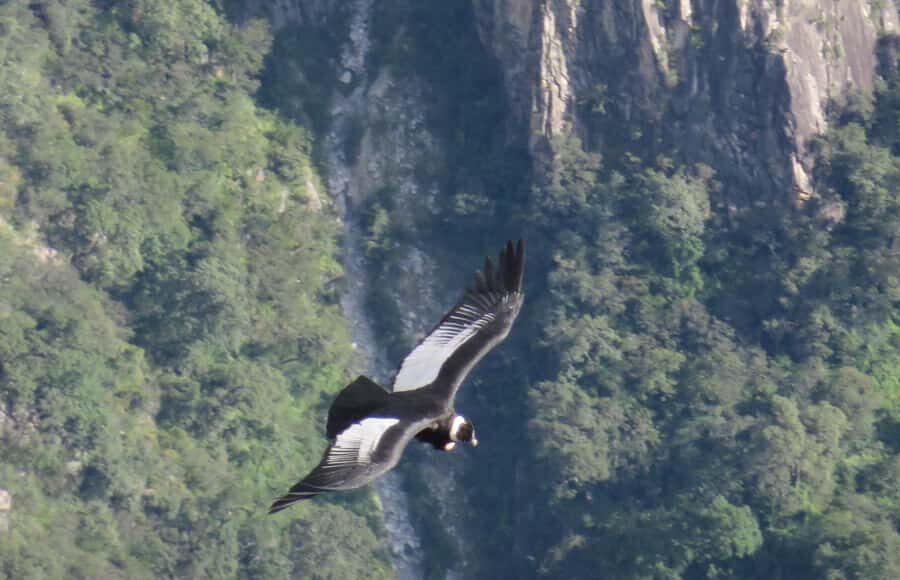
- Cruz del Cóndor observation window built around condor flight chances
- Chacapi thermal baths to reset your legs before the next travel day
Day 1: Arequipa to Chivay, with stops that make the drive feel worth it
Day 1 starts with pickup in central Arequipa, typically between 7:30 and 8:00am. Then the day turns into a long, scenic transfer where the bus doesn’t just move you between places—it keeps you stopping for things to see.
By around midday, you’ll reach Chivay, which is where you stay overnight. The trip is designed around altitude and timing: you start early, hit viewpoints before the day gets too warm, and still arrive with enough energy to enjoy Chivay at street level.
You’ll also get a small-group feel here. The group size is limited to 18, which matters because it usually keeps stops calmer and helps you hear the guide’s safety and timing notes.
A few more Chivay tours and experiences worth a look
Vicuñas, coca tea, and alpacas: the Salinas and Aguada Blanca stretch
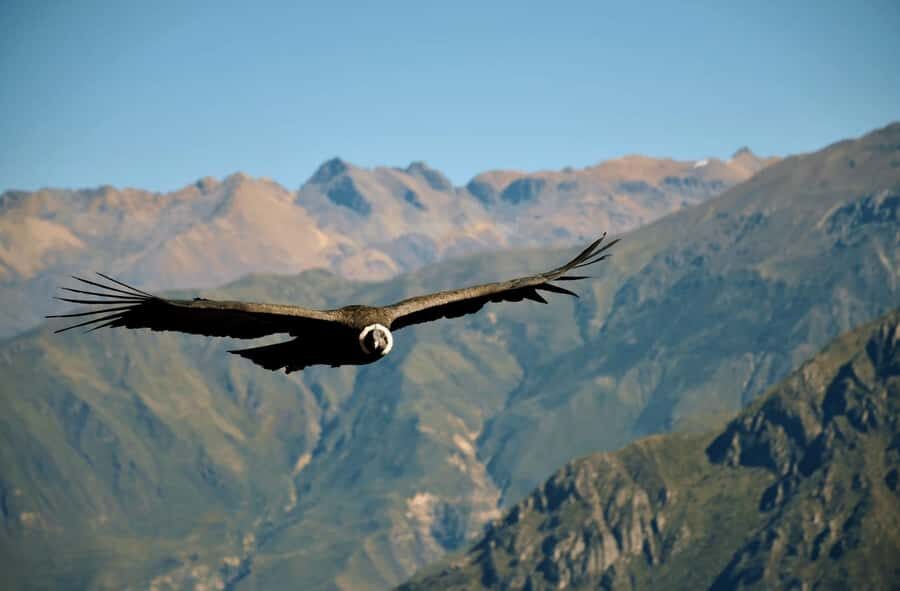
One of the best parts of this route is that the first day isn’t only about getting to the canyon—it’s about getting acclimated through culture and wildlife.
On the way to Chivay, you pass through Salinas and Aguada Blanca where vicuñas live. You’re not searching in the middle of a field for hours; instead, the stops are set up so you can spot them from roadside viewpoints and stretches where animals actually appear.
Then you’ll stop at Patahuasi, where you drink traditional coca tea. This is a small thing, but it’s smart. At altitude, a warm, sweet herbal drink can make the first day feel less like a battle, especially if you’re the type who gets altitude headaches when you don’t fuel properly.
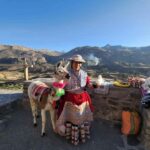
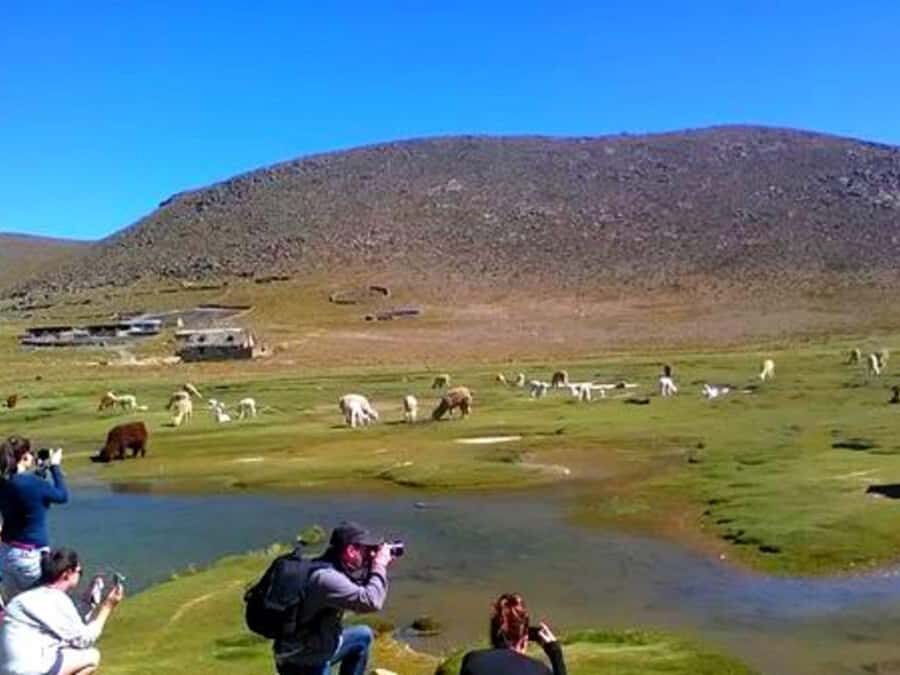
A little later, you visit the Toccra Bofedales area to see alpacas grazing freely. It’s not just a cute photo moment; it shows you the working highland landscape—what life looks like when animals have grazing space and the terrain supports it.
The 4,800-meter Mirador de los Volcanes stop: worth the breath
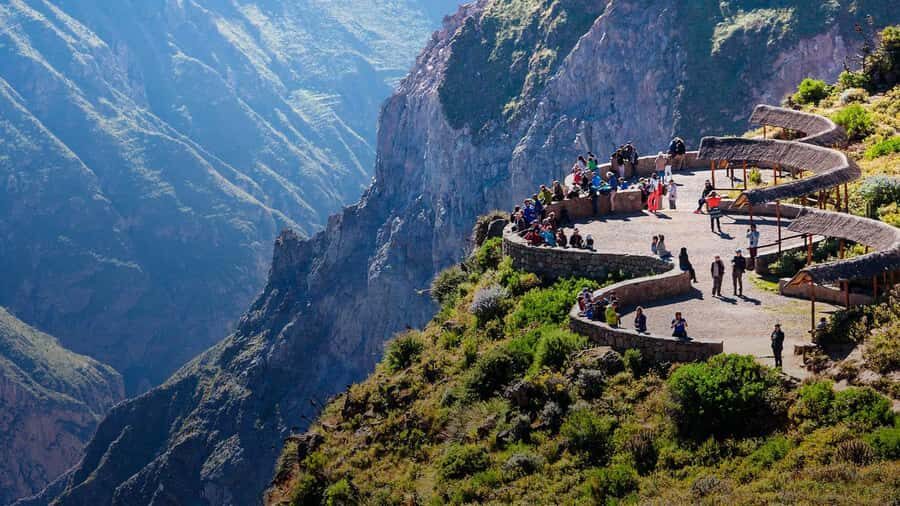
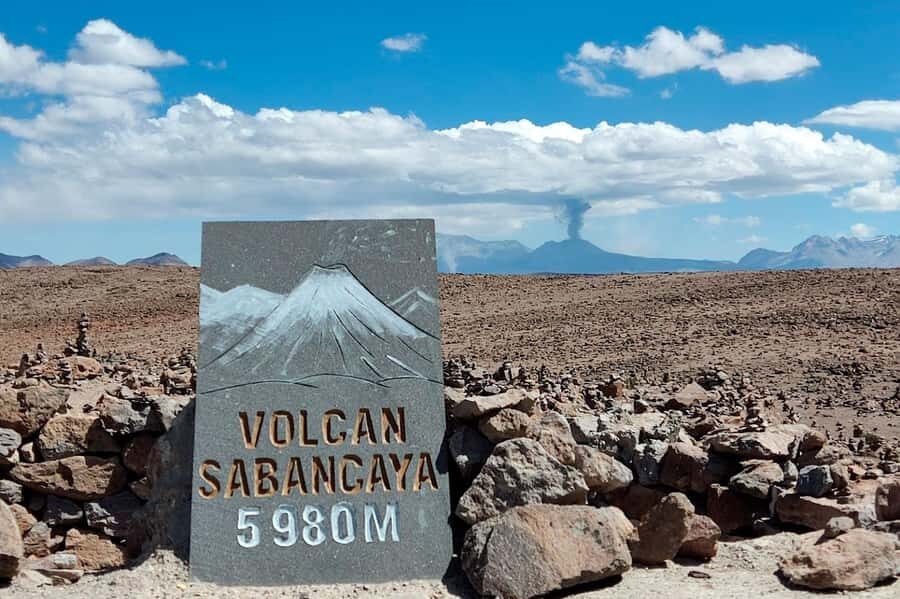
At some point during the drive you’ll reach Mirador de los Volcanes, listed as the highest point on the road at about 4,800 meters. This is where you’ll likely feel altitude most sharply, so slow down, take a breath, and avoid rushing your photos.
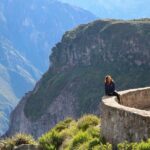
What I like about this stop is the payoff. From there you can see a wide portion of the western mountain range, and even a short viewing window feels dramatic. It’s also one of the clearest moments in the day to understand why the Colca region is famous: the scale is real, not just a label on a map.
If you’re traveling from sea level, I’d take this as your cue to keep the rest of the day gentle. Eat lightly before big viewpoints and drink water consistently—your body will reward the patience.
Chivay lunch, a private room, and the Chacapi thermal bath option
When you arrive in Chivay around 12:30pm, you’ll have time for lunch. Lunch on Day 1 is optional, and you can expect to pay for it yourself (often described as a buffet option).
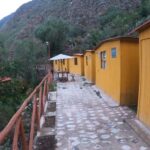
After lunch, the tour settles you into a private room in Chivay. This is a practical upgrade compared with dorm-style tours: you’ve got somewhere quiet to shower, change layers, and recover before the early condor morning.
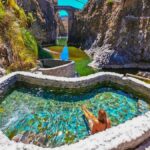
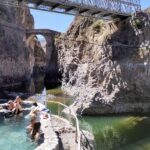
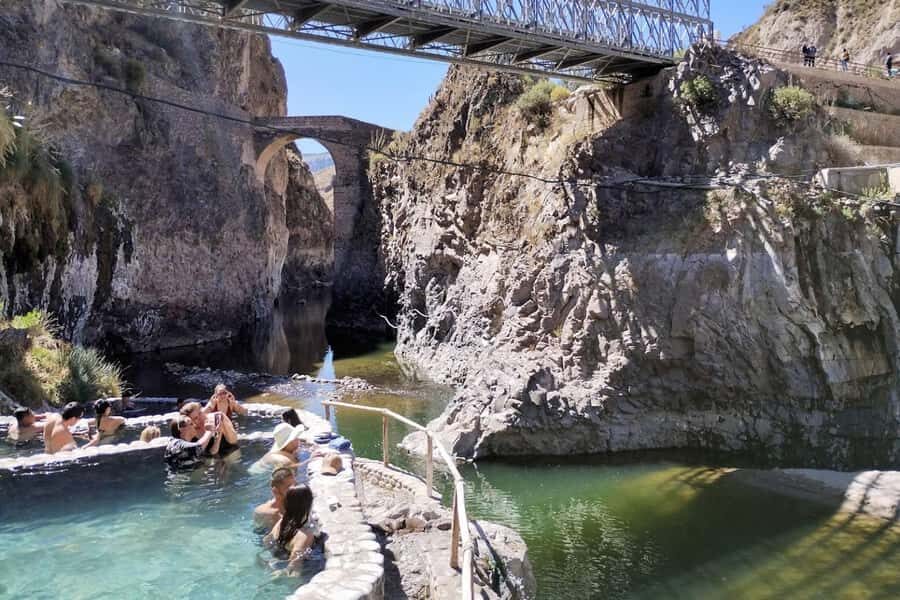
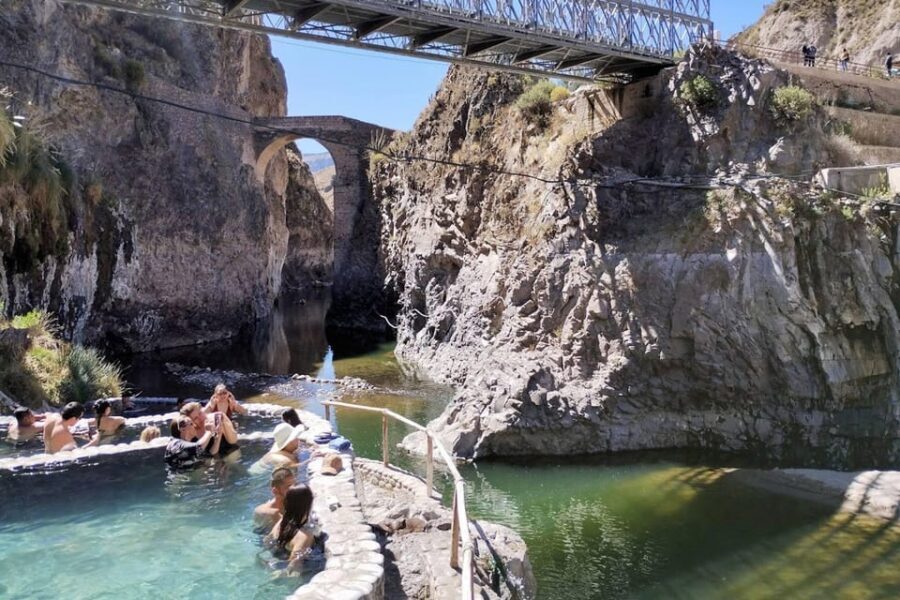
In the afternoon, you can do the Hot Springs at Chacapi. The entry is optional and listed as S/. 15. The listed water temperature range is 35ºC to 38ºC, which is just right for relaxing stiff muscles after a day of sitting in a vehicle at altitude.
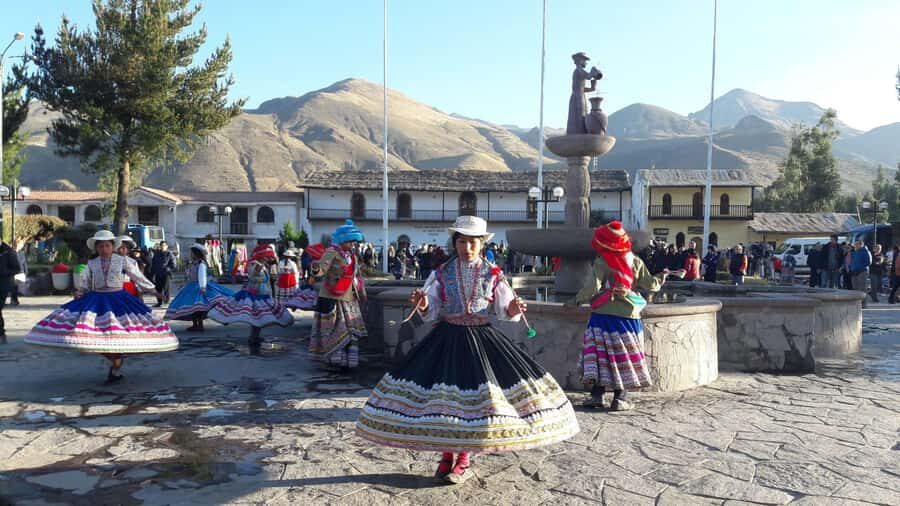
There’s also an optional folklore show with local dances for dinner. It’s listed as extra (S/. 35). If you’re tired, you can skip it and rest. If you’re feeling social, it’s an easy low-effort way to connect with the region’s performance style.
Day 2: Cruz del Cóndor for condors, then viewpoints and Maca
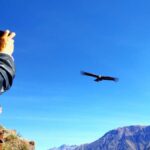
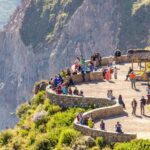
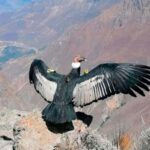
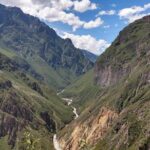
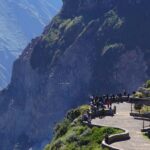
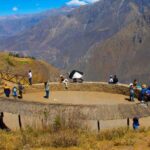
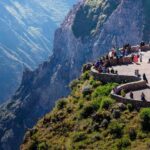
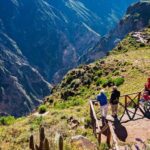
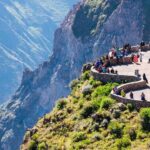
Breakfast happens at the hotel on the second day. After that, you head about 30 minutes to Mirador de la Cruz del Cóndor, the main observation point for the canyon and for watching the flight of condors.
You’ll typically spend around 45 minutes at the viewpoint. That duration is important because condors don’t follow a strict schedule like a bus. You want enough time to settle in, watch the thermals, and catch a flight when it happens.
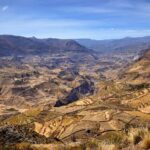
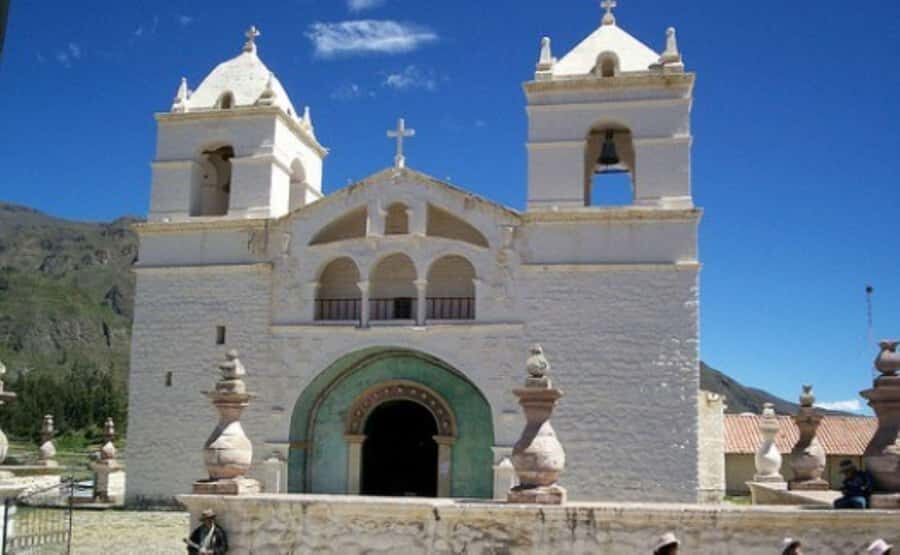
On the way back, you stop at additional viewpoints for canyon views and for the Andenería del Valle (terraced valley area). You also visit Maca, where you can see its church and optionally taste a local drink like the Colca Sour, made with local products.
After the morning viewpoints, there’s a lunch stop in Chivay around 12:00pm. Lunch on the second day isn’t included, so plan to pay on your own.
Then the timing shifts from sightseeing to travel: you return toward Arequipa’s region only to transfer onward to Puno.
Arrival in Puno: where to go after you get dropped at the bus station
The tour ends in Puno, with arrival around 7:30pm. The disembarkation happens at the main bus station in Puno. It’s noted that it’s about 5 minutes by taxi from the center, so don’t plan on long walking with luggage in the dark.
This matters because Puno is more than a pass-through town. If you’re heading to Lake Titicaca sights the next day, you’ll want to arrange transport immediately or book a hotel close to where you’ll start your lake day.
Also, since you’re arriving at night, I’d do a quick check the day before on where you’ll store bags, where you’ll sleep, and how you’ll get from the station to your lodging.
Price and value: what $95 really covers (and what to budget for)
At $95 per person for 2 days, this route can be good value because it includes a lot that usually costs extra on split tickets: pickup in Arequipa, tour transport throughout, a professional guide in English and Spanish, and a private room in Chivay with breakfast on Day 2.
But you should budget for the big add-ons that aren’t included. The Colca Canyon entrance fee depends on your nationality category:
- Europe/USA: S/. 70
- Latin American: S/. 40
- Peruvian: S/. 20
There’s also Chacapi hot springs entry listed as optional at S/. 15. If you choose the folklore show dinner, that’s extra at S/. 35. Lunches are also not fully included—Day 1 lunch is optional, and Day 2 lunch is listed as not included.
When I look at the math, the tour still tends to be worth it if you want a guided, stop-heavy route without having to coordinate transport on your own. If you’re traveling very budget-first and you’re skipping optional extras (hot springs, show), your total cost drops—but you’re still paying for the guided canyon day and the long drive to Puno.
Comfort vs. cold rooms: the Chivay reality check
Chivay is the one overnight stop, and the main comfort variable is simple: your room can be more basic than you’d expect.
Some people describe the accommodation as simple but enough, and others call out rooms that felt cold. So if you’re sensitive to temperature, bring or pack an extra warm layer. Even if the day feels mild, evenings can feel sharp at this altitude.
The good news is that Chivay is the right kind of town for a short reset. It’s comfortable enough to shower, eat, and sleep—then you can get up early without feeling like you’re stranded somewhere remote.
Also, you’ll likely get some help from the guide and timing structure to keep the day flowing, including enough time at viewpoints rather than a constant rush.
Guide quality: ask for English clarity if that matters to you
Guides are listed as professional with English and Spanish. That’s helpful if you want to understand altitude tips and why each stop exists.
At the same time, one concern you should take seriously is language balance. In at least one instance, the guidance leaned more Spanish, and it was hard to follow for someone who needed clearer English. If language clarity is your top priority, message the operator before you go and ask whether your guide will provide strong English during stops.
On the flip side, there are also signs of excellent guiding. One name that stands out is Roy, praised for being strong and attentive. So the experience can be fantastic when the guide’s style matches your language needs.
Who this tour suits best
This is a strong fit if you want:
- A guided Colca Canyon day without planning logistics
- A small group (up to 18)
- A calm overnight base in Chivay
- One clear, focused condor morning at Cruz del Cóndor
- Direct continuation to Puno instead of backtracking to Arequipa
It’s also a good choice if you’re comfortable moving at altitude. You’re traveling through areas that include 4,800 meters, so if altitude hits you hard, it’s worth arriving in Arequipa ahead of time.
Should you book this Arequipa-to-Puno Colca Canyon tour?
Book it if you want an efficient 2-day plan that covers the key Colca experience—wildlife stops, a hot-springs reset, and condor observation—then delivers you to Puno without hassle.
Think twice if:
- You need consistent English all day and you’re worried about language switching
- You’re sensitive to basic rooms or cold evenings
- You’re trying to keep costs ultra-low, since canyon and hot-springs entries are extra
My practical advice: arrive in Arequipa a day early if you can. The region is at altitude, and acclimatizing plus eating lightly makes the whole canyon day feel easier.
FAQ
FAQ
How long is the tour?
It runs for 2 days.
What’s included in the price?
Pickup from a central Arequipa hotel, a private room in Chivay, tour accommodation, breakfast on Day 2, guided tourist stops, and tour transportation for the full itinerary including the Chivay to Puno transfer.
What’s the tour price per person?
The price is listed as $95 per person.
Where does pickup happen in Arequipa?
Pickup is included from hotels in the center of Arequipa. If your hotel is remote, the meeting point is at the door of the Cathedral in the main square.
Do I need to pay for the Colca Canyon entrance?
Yes. Colca Canyon entrance is not included, and the fee varies by category (S/. 70 for Europe/USA, S/. 40 for Latin American, S/. 20 for Peruvian).
Is the Chacapi hot springs visit included?
Entry to the Chacapi hot springs is optional and listed as S/. 15.
Where do you watch for condors?
Condor viewing is at Mirador de la Cruz del Cóndor, about 30 minutes from Chivay, with about 45 minutes there.
Are meals included?
Breakfast on the second day is included. Day 1 lunch is optional, and lunch the second day is listed as not included. A folklore dinner with dancing is optional and extra.
How big is the group?
It’s a small group, limited to 18 participants.
Where does the tour end?
The tour ends in Puno at the bus station. Disembarkation is at the only bus station in Puno, about 5 minutes by taxi from the city center.