REVIEW · CHIVAY
2-Day Tour Colca Canyon in Arequipa with end in Puno
Book on GetYourGuide →Operated by AREQUIPA EXPLORER Y ACTIVIDADES TURISTICAS · Bookable on GetYourGuide
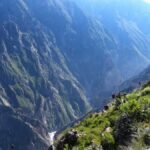
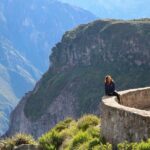
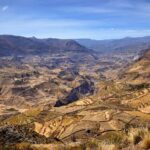
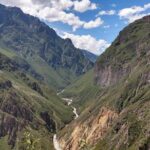
The Colca feels big even when you’re just watching from a viewpoint. This 2-day route is interesting because you’re not only chasing Cruz del Cóndor moments, you’re also traveling through high-altitude reserves where you can spot animals and local life as the scenery changes fast.
I especially like the focus on real places rather than a rushed checklist. You get time to enjoy Chivay in the evening with optional hot springs and folklore, and you also have the payoff of arriving in Puno the same trip so you don’t stack extra bus days.
The main drawback to plan around is altitude and timing. If you don’t sleep in Chivay (or you book outside town), you may need extra transfers, and the long day between Colca and Puno can feel long even with comfort stops.
In This Review
- Key highlights
- From Arequipa to the Colca, with stops that make sense
- Arequipa pickup and the long, scenic climb to Chivay
- Salinas and Aguada Blanca: vicuñas, coca tea, and alpacas grazing freely
- Mirador de los Volcanes at 4,800 m: the view that changes your sense of scale
- Chivay check-in: lunch, optional hot springs, and a folklore evening
- Cruz del Cóndor: canyon views and the condor flight moment
- Andenería del Valle and Maca: smaller moments with real character
- Chivay to Puno: the long transit day that still has value
- Price and value: is $78 a smart deal?
- Guides, pacing, and comfort: what usually matters most
- Who should book this Colca Canyon to Puno route?
- Should you book this Colca Canyon tour?
- FAQ
- Where does pickup happen in Arequipa?
- What time do you pick up on the first day?
- How big is the group?
- What languages is the tour guide?
- Do I need to book a hotel in Chivay?
- Are the Chacapi hot springs included?
- Do I need a ticket for Cruz del Cóndor?
- What animal sightings are possible on this trip?
- When do you arrive in Puno?
- Where will I be dropped off in Puno?
Key highlights
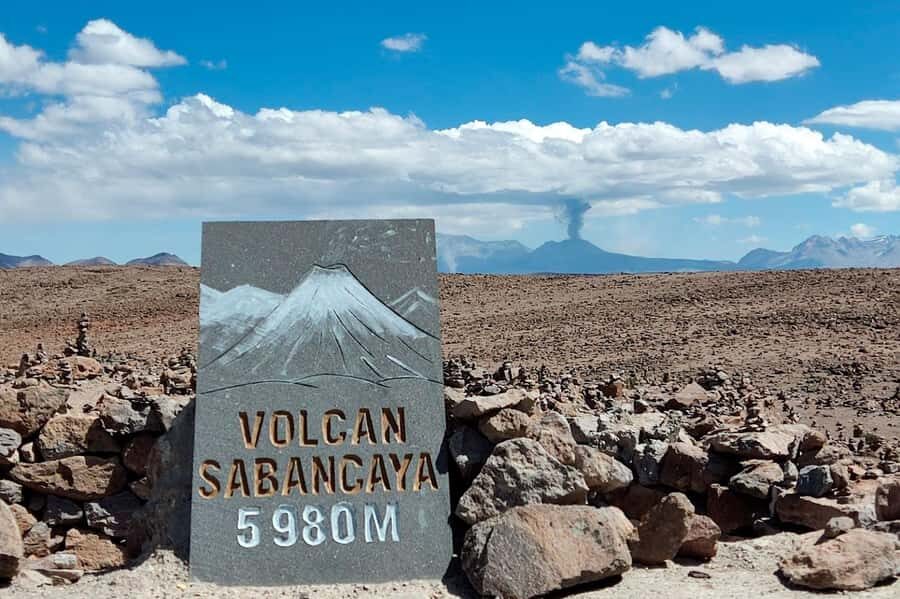
- Salinas and Aguada Blanca Reserve stops where vicuñas graze in the high country
- Patahuasi coca tea stop for altitude support, plus alpacas at the bofedales area
- Mirador de los Volcanes (4,800 m) for wide mountain-range views before heading to Chivay
- Chivay hot springs as an easy, low-effort reset after a morning of high elevations
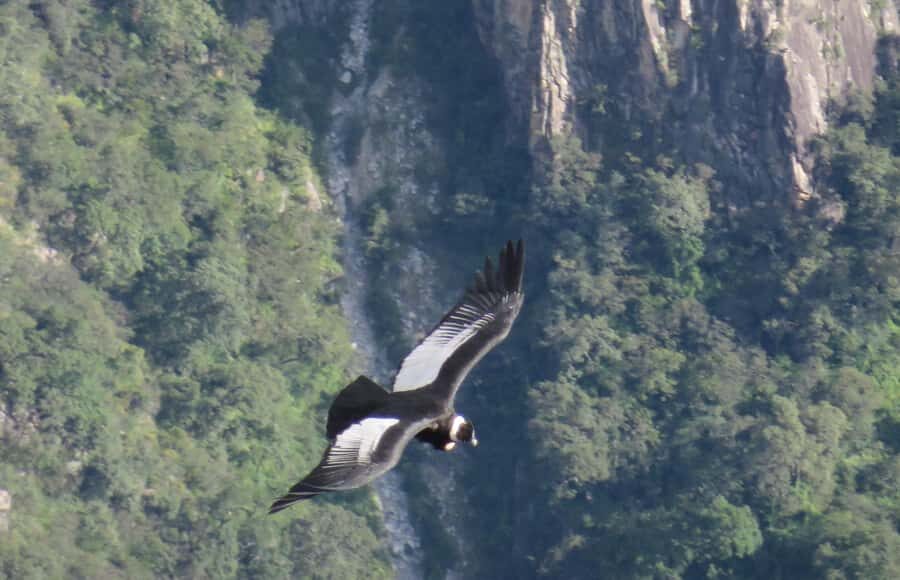
- Cruz del Cóndor viewing time for canyon scale and the classic condor flight chance
From Arequipa to the Colca, with stops that make sense
This tour works because it does the hard part for you: getting from Arequipa into the Colca Valley with enough stops to understand what you’re seeing. You’ll start with hotel pickup in central Arequipa around 7:30–8:00am, then spend the morning climbing into the high Andes world of reserves and grazing land.
You should expect a mix of moments: big views, animal sightings, and a few cultural stops that help connect the dots. And you’re doing it as a small group (up to 18 people), which usually means less waiting around and more space for questions.
One smart tip: if you can, plan to arrive in Arequipa at least a day early. The Colca is high, and you’ll enjoy the canyon more if your body isn’t still arguing with the altitude.
A few more Chivay tours and experiences worth a look
Arequipa pickup and the long, scenic climb to Chivay
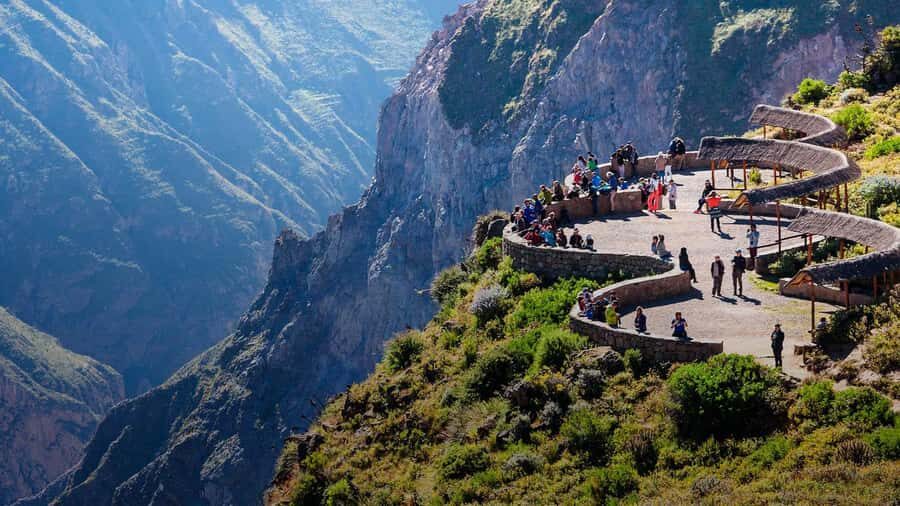
Pickup is straightforward and designed to reduce lost time. The guide meets you at the door of your hotel in the center of Arequipa, and if your place is remote, the meeting point shifts to the door of the cathedral in the main square area.
Once you’re rolling, the drive is part sightseeing, part altitude training. You’re heading toward Chivay (the main base for the Colca), and the stops are spaced so you can look around without feeling like you’re just being transported from one photo to the next.
The driving day is also where you set your expectations for the whole trip. If you’re the type who gets restless on roads, bring patience. If you like changing scenery and “wait, look at that” moments, you’ll be in your element.
Salinas and Aguada Blanca: vicuñas, coca tea, and alpacas grazing freely
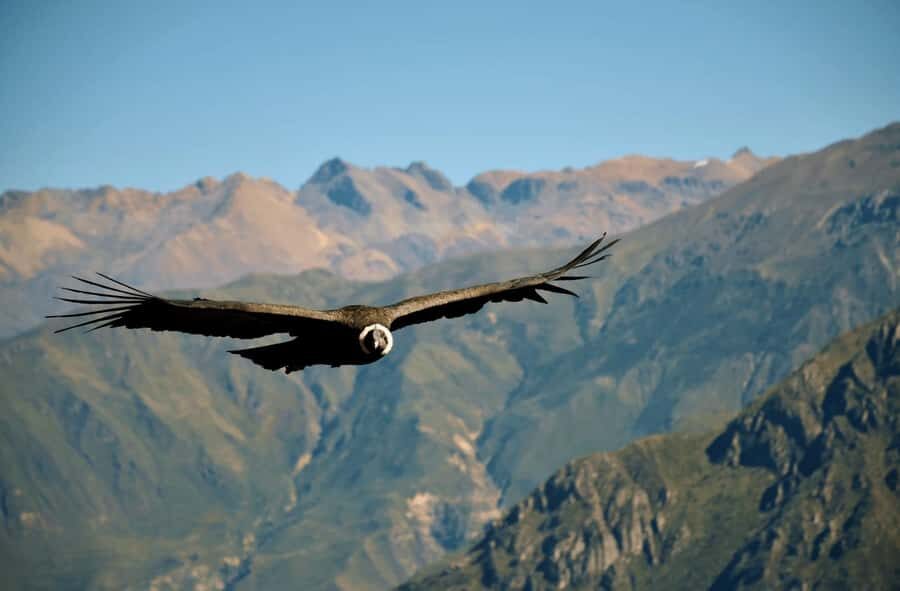
The day starts with a reserve stop that’s all about high-Andes animals. In the Salinas and Aguada Blanca area, you can appreciate vicuñas living in the region. It’s not a zoo stop, so animals are wild and distant at times, but that’s the point: you’re seeing them in their real habitat.
Next comes a cultural-and-practical stop at Patahuasi for traditional coca tea. It’s specifically used to help with altitude sickness. I like this kind of inclusion because it’s useful without taking away time from the views.
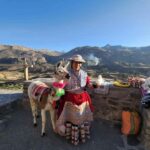
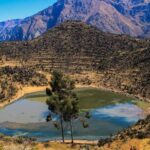
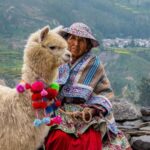
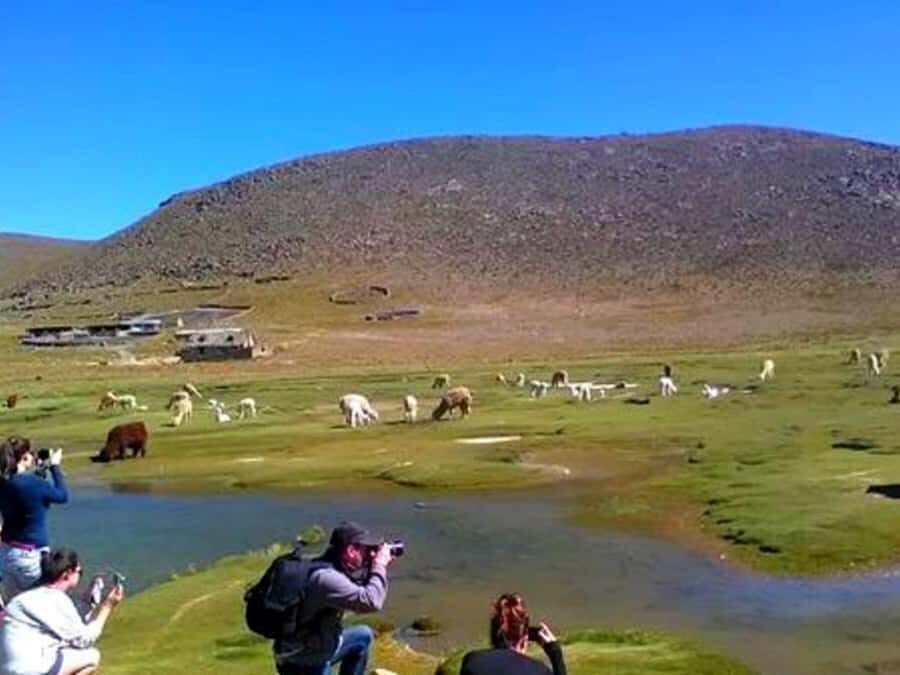
Then you’ll stop at the Toccra bofedales area, where alpacas graze freely. Bofedales are wet, high-altitude grasslands, and they’re a good reminder that this isn’t only about rugged rock and dramatic cliffs. There’s a working landscape here, shaped by water and grazing.
And yes, this is where the route feels more like a guided journey than a transit day.
Mirador de los Volcanes at 4,800 m: the view that changes your sense of scale
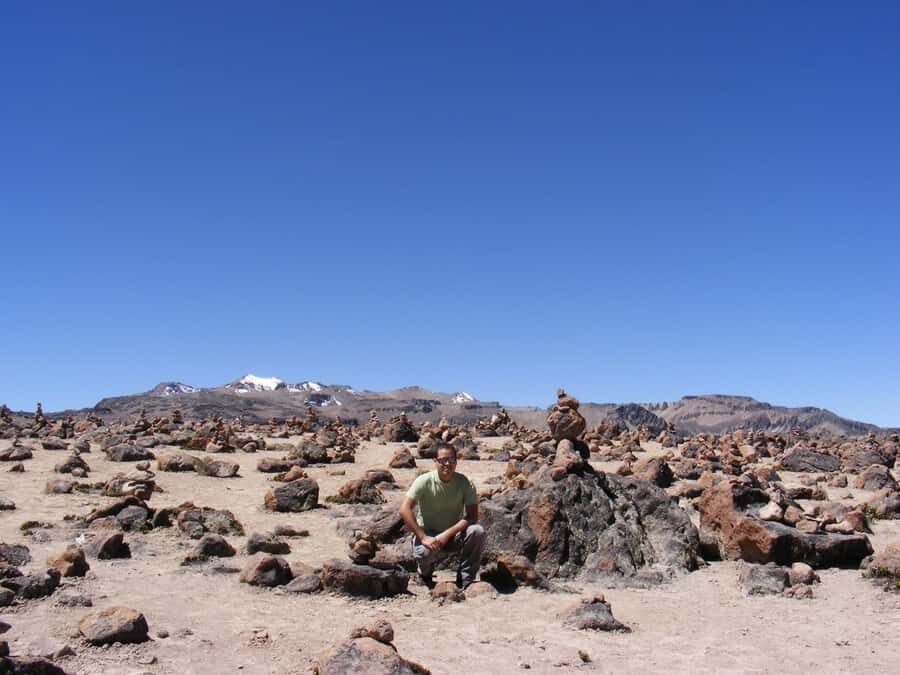
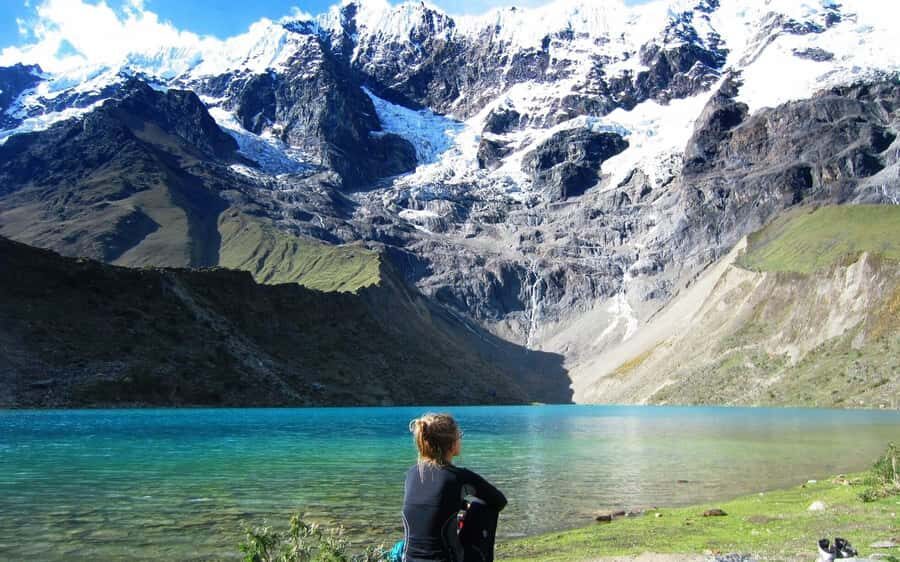
A mandatory-feeling stop is the Mirador de los Volcanes, the highest point on the road reaching about 4,800 meters. From there, you get a huge sweep of the western mountain range, the kind of view that makes the Colca feel even deeper.
This stop also has a practical side: you build perspective before you arrive at Chivay. The drive from the mirador to town takes about 40 minutes, so you’re not stuck up at altitude for hours—just long enough to take it in, then move on.
If you’re sensitive to altitude, go slow during the stop. Take breaks, drink water, and don’t turn it into a “let’s sprint for the best photo” mission. Cold air at high elevation can surprise you too, even when the sun is bright.
Chivay check-in: lunch, optional hot springs, and a folklore evening
You reach Chivay around 12:30pm, and the day shifts into a more comfortable rhythm. After you arrive, you’ll enjoy lunch (cost is handled as part of the day’s payments) and then settle into your accommodations.
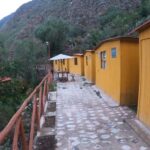
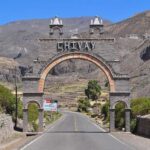
Chivay is the key to why a 2-day version of this tour feels better than rushing in and out. You’re not spending the night on a bus. You’re sleeping in a real town that’s close to viewpoints, with the option to do a little unwinding.
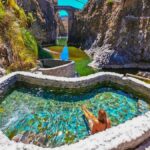
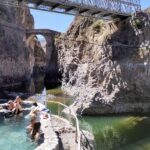
In the afternoon, you can add hot springs in Chacapi (optional entry is $5 per person). The water temperature is typically 35ºC to 38ºC, which is perfect after a morning of high-altitude air. Even if you don’t go in, it’s worth knowing this is available as a reset button.
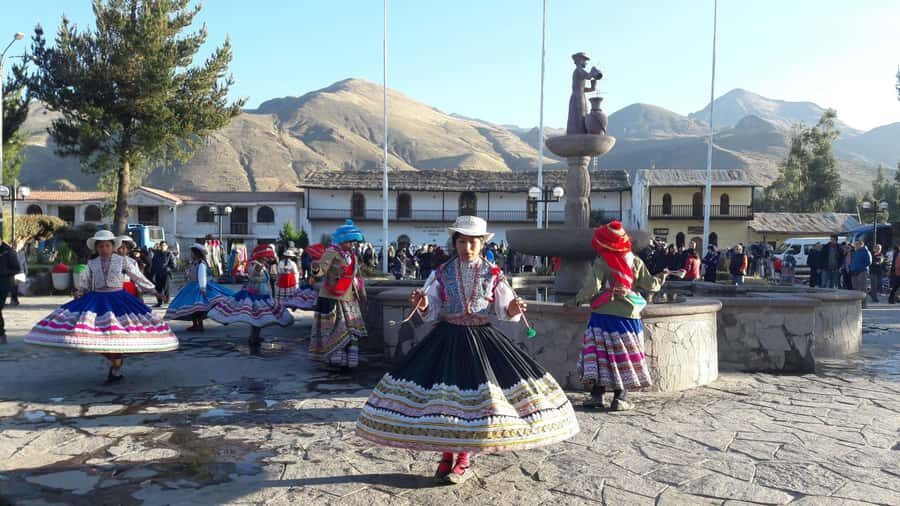
That evening, there’s also a folklore show with typical dances of the area (evening meal is paid on behalf of the client). This isn’t the same as seeing a household celebration, but it’s a low-stress way to connect culture to place after you’ve been staring at mountains all day.
Important practical note: plan your hotel stay carefully. Book within the town of Chivay. If you choose a hotel outside town, you may need extra transfer costs to keep the schedule flowing.
Cruz del Cóndor: canyon views and the condor flight moment
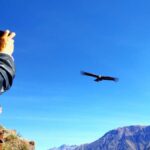
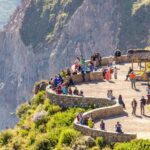
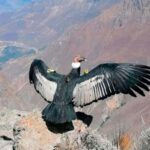
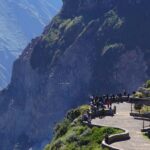
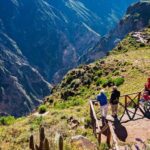
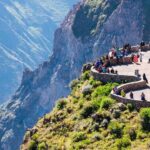
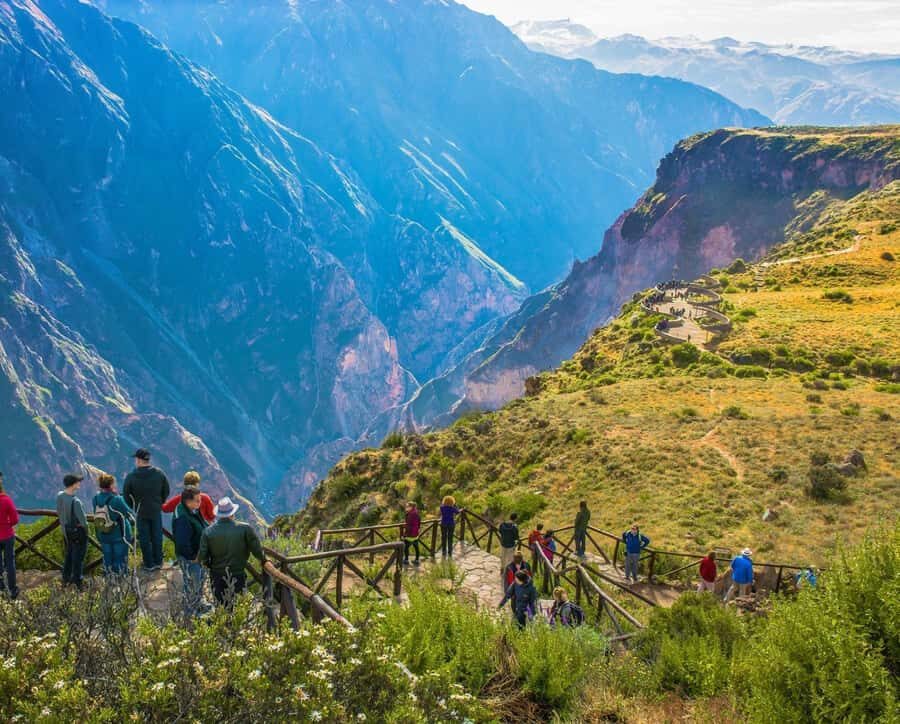
Day two is built around one big reason people come to the Colca: Cruz del Cóndor. You travel about 30 minutes from Chivay to the viewpoint, then you spend around 45 minutes watching the canyon and waiting for condors.
This is one of the only truly “ticket-required” moments on the itinerary. You’ll need a mandatory entrance ticket for Mirador de la Cruz del Cóndor (listed as $20 per person). Plan for that cost so it doesn’t surprise you later.
The best way to enjoy this part is to slow your expectations. Condors aren’t on a timetable, and wind can change how they fly. But even when you’re just watching the canyon change colors and depth with the light, it still hits.
Your guide’s role matters here. With a good guide, the viewing becomes more than “spot the bird.” You’ll pick up context about the Andean condor, canyon formation, and what you’re seeing from this angle.
The timing also helps. This viewpoint happens before lunch, so you’re not tired from the full day yet.
Andenería del Valle and Maca: smaller moments with real character
On the way back, you get additional viewpoints and a couple of cultural stops that are worth paying attention to.
You’ll see Andenería del Valle (the impressive terrace farming in the valley). Terraces are more than pretty geometry. They show how locals have learned to manage steep terrain and agriculture over generations.
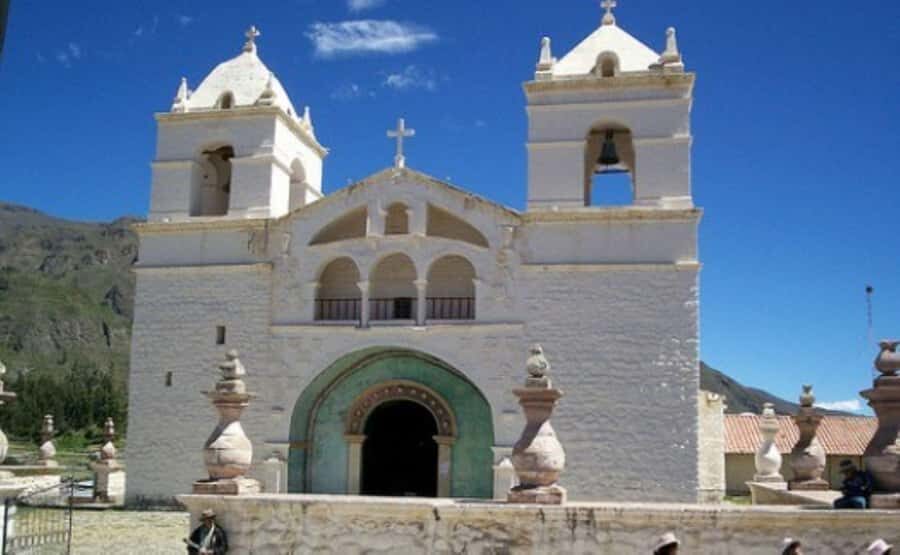
Then you’ll stop in Maca, where you can see the church. There’s also an optional chance to taste a local drink like the Colca Sour, made from local products. This is one of those “small but satisfying” stops. You’re not forced to do it, but if you’re curious, it’s a fun way to add a taste of the region.
Some days run smoother than others, and a couple of “extra stops” can happen. Even so, these are the kinds of pauses that help you understand how the Colca Valley feels as a lived-in place, not only a postcard.
Chivay to Puno: the long transit day that still has value
The tour doesn’t end back in Arequipa. After lunch around 12:00pm, you switch to transport that takes you toward Puno, arriving about 7:30pm.
This is the part where you should mentally prepare for a ride that takes time. Comfort can be good, and the schedule includes stops, but it’s still a travel day.
The payoff is that you’re not just crossing Peru in silence. The transfer includes guided transport with stops for viewpoints and time in protected natural areas where flora and fauna are part of the story between Colca and Puno. You also travel with a professional guide, so those stops aren’t random.
When you arrive in Puno, you’re dropped at one of two areas depending on traffic: Hotel Conde de Lemus or the Gran Unidad School in San Carlos. Both are described as about two blocks from the main square, which is exactly what you want after a long day: an easy landing zone for dinner and planning Lake Titicaca time.
Price and value: is $78 a smart deal?
At $78 per person for two days, you’re paying for three main things: getting from Arequipa to the Colca with a guide, getting the canyon viewing experience, and then continuing to Puno with guided transport.
What’s included is solid for this price point:
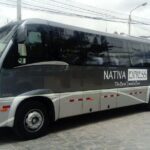
- Tourist transportation in the Arequipa–Colca section
- A professional guide in English and Spanish
- Transfer from Colca to Puno with guide and stops
- Permanent assistance
- Small group size capped at 18
What’s not included is where you should focus your budget thinking:
- Hot springs entry is optional at $5 per person
- The Cruz del Cóndor ticket is mandatory at $20 per person
- Your Chivay accommodation is not included
So the real cost isn’t just the $78 headline. It’s $78 plus the condor ticket (and optional hot springs) plus your hotel choice. If you already have a Chivay room and you plan to view the condors, the value stays strong because you’re paying less for logistics and more for guided time.
Also, a key detail: this is a 2-day format. People who only do day trips often feel like they’re glued to a schedule. Here, sleeping in Chivay gives you a more human pace.
Guides, pacing, and comfort: what usually matters most
The tour’s quality tends to come down to two things: how the guide explains what you’re seeing and how safely the driver handles roads at altitude.
In feedback, Roy and Cecilia show up as guides who keep explanations clear and story-driven. Edgar is mentioned as a driver who stays safe and comfortable through the driving portion, and Lorena is noted for timing that helps you reach the condor viewing at the right moment.
Even so, pacing can vary. One concern that pops up is that a couple of stops can feel unnecessary, and lunch buffet quality can be inconsistent depending on the day and setup. On balance, the strongest praise centers on canyon time, animal-viewing stops, and the cultural evening in Chivay.
If you want maximum comfort, the 2-day structure helps. And if your group is on the lively side, the folklore night adds a fun social touch after a long day of fresh air and altitude.
Who should book this Colca Canyon to Puno route?
This tour is a good fit if:
- You want Colca Canyon highlights without doing extra overnight bus logistics
- You like guided stops for animals like vicuñas and alpacas
- You want the condor viewpoint experience at Cruz del Cóndor
- You’re ready for altitude and can handle a long transfer day to Puno
It might not be ideal if:
- You hate long road days and prefer flying or only short transfers
- You’re extremely altitude-sensitive and haven’t acclimatized in Arequipa first
- You plan to book a Chivay hotel outside town, since extra transfers may be needed
If you’re pairing this with a Lake Titicaca itinerary, the ending in Puno is practical. You’re set up to continue exploring from the main square area.
Should you book this Colca Canyon tour?
I’d book it if you want a well-guided Arequipa to Puno journey that gives you more than one big moment. The combination of high-altitude animal stops, the Cruz del Cóndor viewing window, and a real Chivay evening makes the $78 price feel reasonable once you factor the guided transport and the time you get in place.
Book it with two conditions: plan your budget for the $20 condor ticket (and optional hot springs), and sleep inside Chivay so the schedule stays easy. If you handle altitude smartly and you’re okay with a long transfer day, this is a strong value way to connect the Colca Canyon with Puno.
FAQ
Where does pickup happen in Arequipa?
Pickup is from hotels in central Arequipa. If your hotel is remote, the meeting point is at the door of the cathedral in the main square area.
What time do you pick up on the first day?
Pickup is scheduled between 7:30am and 8:00am.
How big is the group?
The tour is limited to a small group of up to 18 participants.
What languages is the tour guide?
The guide speaks English and Spanish.
Do I need to book a hotel in Chivay?
Yes. Accommodation in Chivay is not included, and you’re advised to book within the town of Chivay.
Are the Chacapi hot springs included?
Hot springs entry is optional and costs $5 per person.
Do I need a ticket for Cruz del Cóndor?
Yes. There is a mandatory entrance ticket of $20 per person for Mirador de la Cruz del Cóndor.
What animal sightings are possible on this trip?
You can see vicuñas in the Salinas and Aguada Blanca area, alpacas at the bofedales stop, and condors at the Cruz del Cóndor viewpoint.
When do you arrive in Puno?
You arrive in Puno around 7:30pm.
Where will I be dropped off in Puno?
Depending on traffic, you’ll be dropped near either Hotel Conde de Lemus or the Gran Unidad School in San Carlos, both about two blocks from the main square.