REVIEW · CHIVAY
Arequipa: trekking to the Colca Canyon 2 days/1 night
Book on GetYourGuide →Operated by Libertrek Peru Travel Agency · Bookable on GetYourGuide
Condors at dawn are hard to forget. This 2-day Colca Canyon trek from Arequipa is an early, active route that lets you see the canyon from multiple angles, then sleep near the Sangalle Oasis thermal baths.
I love the Cruz del Condor stop because it’s timed for condor flight viewing, not just a quick photo stop. I also like that you actually hike into the canyon area, so the experience feels like more than a day excursion.
One drawback to consider: communication and overnight quality can be inconsistent, and you’ll likely face add-on costs for certain stops once you’re already on the move, so confirm details upfront and budget for extras.
In This Review
- Key highlights worth planning for
- Two Days in Colca Canyon: What Makes This Trek Work
- Day 1: Hotel Pickup, Cruz del Condor, and the Descent Toward Sangalle
- The Colca River Walk and San Juan de Chuccho: Where the Trek Becomes Real
- Sangalle Oasis Night: Thermal Baths, Dinner, and a Different Kind of Rest
- Day 2 Sunrise Hike to Cabanaconde: Early Light, Big Effort
- The Return Route: Andenería Viewpoints, Maca, Volcano Views, and Salinas
- Price and Value: What $160 Includes (and What Costs Extra)
- Guide Language, Group Size, and Communication Reality
- What to Bring: The Short List That Prevents Dumb Problems
- Who This Trek Fits Best (and Who Might Struggle)
- Should You Book This Colca Canyon Trek?
- FAQ
- How long is the Colca Canyon trek?
- What time is pickup from Arequipa?
- What are the main hike starts and timings on Day 2?
- What meals are included?
- Do I stay overnight during the trek?
- What’s included for guides and group size?
Key highlights worth planning for
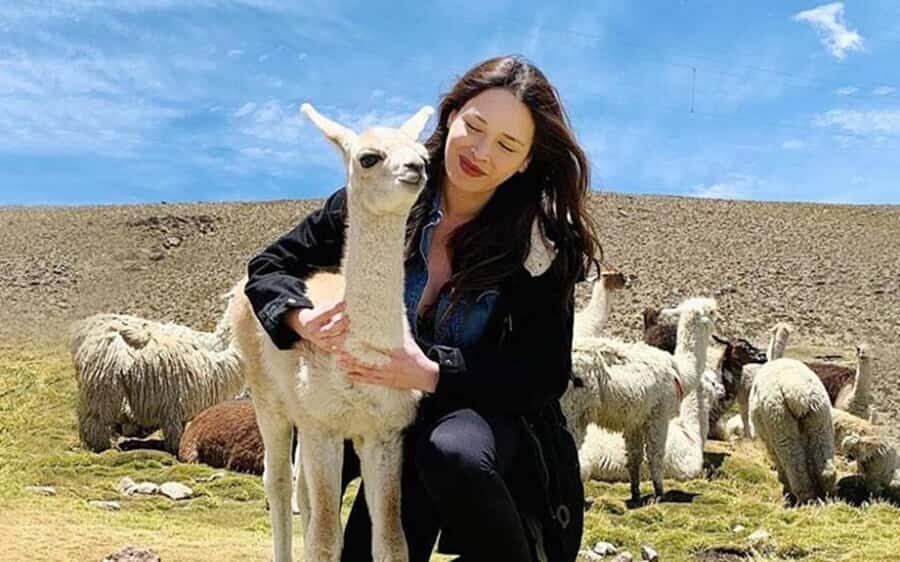
- Cruz del Condor condor flights: a dedicated viewpoint moment early in the day
- Sangalle Oasis stay + thermal baths: the canyon doesn’t end when the hike ends
- A tough early start on Day 2: sunrise and a morning push toward Cabanaconde
- Return viewpoints beyond the canyon: Pre-Inca andenería glimpses, volcano range views, and Salinas scenery
- Small group size (up to 15): better cohesion for a multi-stop itinerary
Two Days in Colca Canyon: What Makes This Trek Work
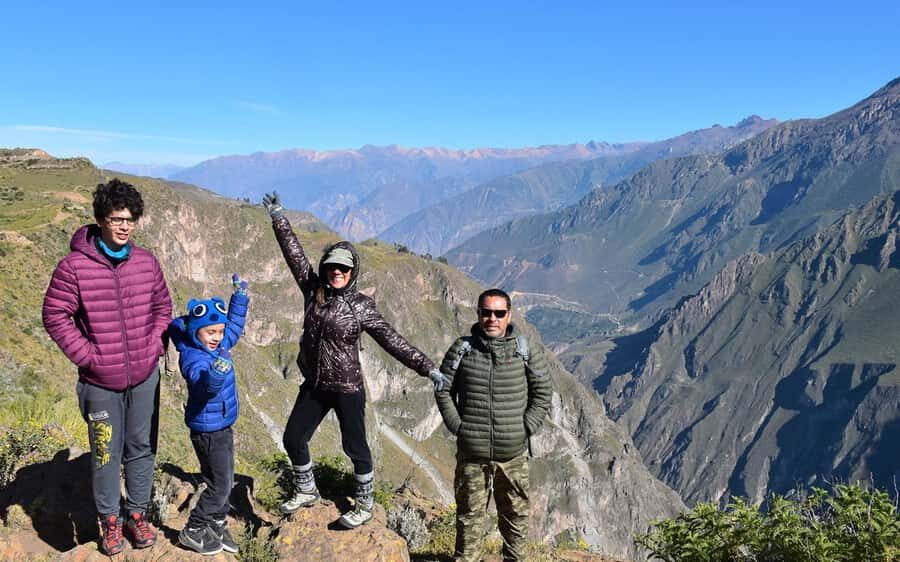
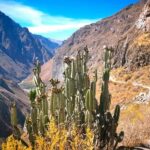
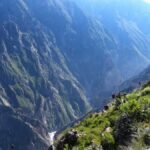
This trek is built around a simple idea: you don’t just look into Colca Canyon. You move through it. The route strings together a condor viewpoint, a canyon walk with river crossings, a night near the Sangalle Oasis area, then a sunrise hike that climbs back toward Cabanaconde before you ride back to Arequipa.
From a value standpoint, I like that the package bundles the big cost drivers: hotel pickup, tourist transport, guide(s), entrance into the canyon area, meals, and one night of accommodation. For many people, that’s what turns a “maybe I’ll do this” idea into a real plan.
That said, the Colca Canyon trek has a reality check. You’re dealing with long travel legs, a strong early-morning schedule, and hike conditions that are more demanding than a casual walk. If you’re the type who wants slow and flexible, you might find the pace a bit tight.
Still, if you’re game for a challenging two days and want to see the canyon the way locals and canyon communities live around it, this is a strong option.
You can also read our reviews of more evening experiences in Chivay
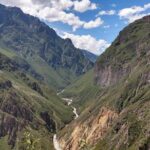
Day 1: Hotel Pickup, Cruz del Condor, and the Descent Toward Sangalle
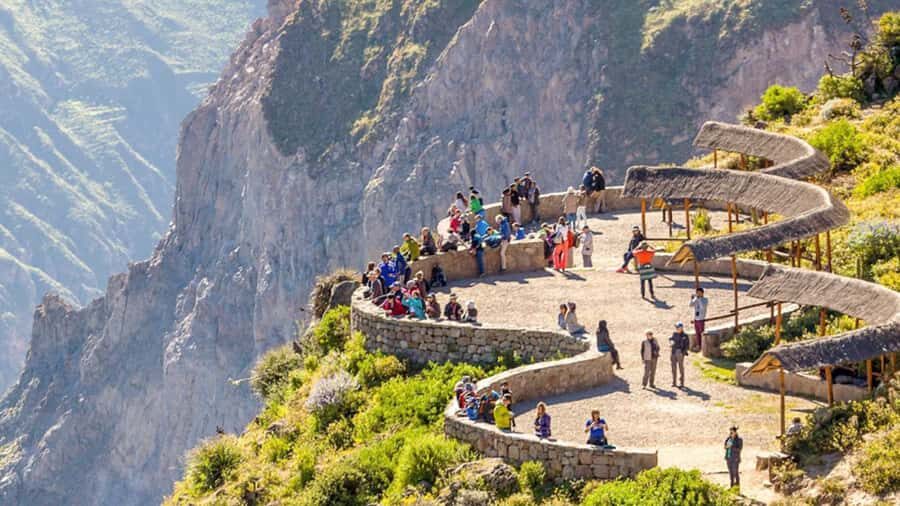
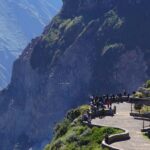
Day 1 begins with a hotel pickup in Arequipa at 03:30. Yes, it’s early. But Colca Canyon is a place where timing matters. You’ll drive about three hours toward Chivay, then continue to the Cruz del Condor viewpoint.
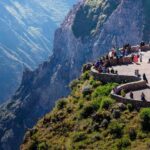
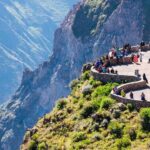
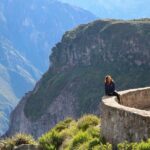
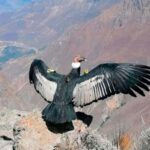
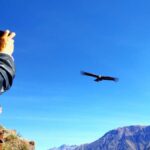
Here’s what makes the viewpoint stop meaningful: you’re not just scanning for wildlife. You’re positioned where condors often circle, and the schedule is set up so you can enjoy the flight show. This is the moment many people remember most, because the canyon scale makes a bird’s flight feel dramatic and close at the same time.
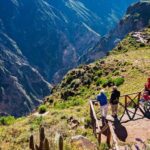
After Cruz del Condor, the plan moves to the start of the canyon walk near Sangalle’s direction. The hike includes crossing the Colca River and following a path that offers spectacular canyon views along the way. About three hours into the walking, you reach San Juan de Chuccho for rest and lunch.
One practical note: mid-hike breaks are your friend on this itinerary. You’ll want your water and snacks ready before you set off, because the day already has a lot going on: a long early drive, viewpoint time, then a real trail stretch.
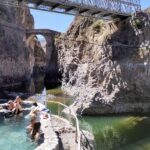
Then you continue toward Sangalle Oasis, the place where the trek shifts from “walk all day” to “you’ve earned downtime.” You’ll arrive there, enjoy the thermal baths, have dinner, and spend the night.
The Colca River Walk and San Juan de Chuccho: Where the Trek Becomes Real
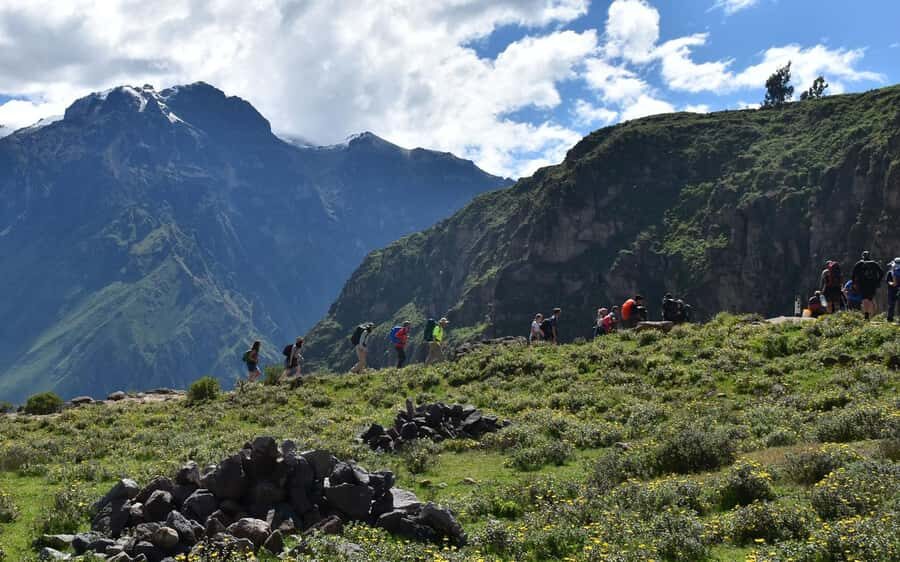
There’s a difference between seeing Colca Canyon and hiking where people actually cross and work the terrain. The Day 1 portion that runs past San Juan de Chuccho is where the experience turns from sightseeing into something physical and personal.
Even without getting into technical trail details, you should plan for:
- steady downhill effort early on (even if the canyon views are worth it)
- uneven ground and the need to watch your footing
- breaks that come at a pace set by the itinerary rather than your own timing
San Juan de Chuccho is also the kind of stop that helps you reset mentally. It’s a place to rest, eat lunch, and refocus before the final push to Sangalle Oasis.
If you’re tempted to treat this as a casual stroll, don’t. This is a trek with a schedule. The payoff is that you’ll feel like you truly traveled into the canyon, not just visited it.
Sangalle Oasis Night: Thermal Baths, Dinner, and a Different Kind of Rest
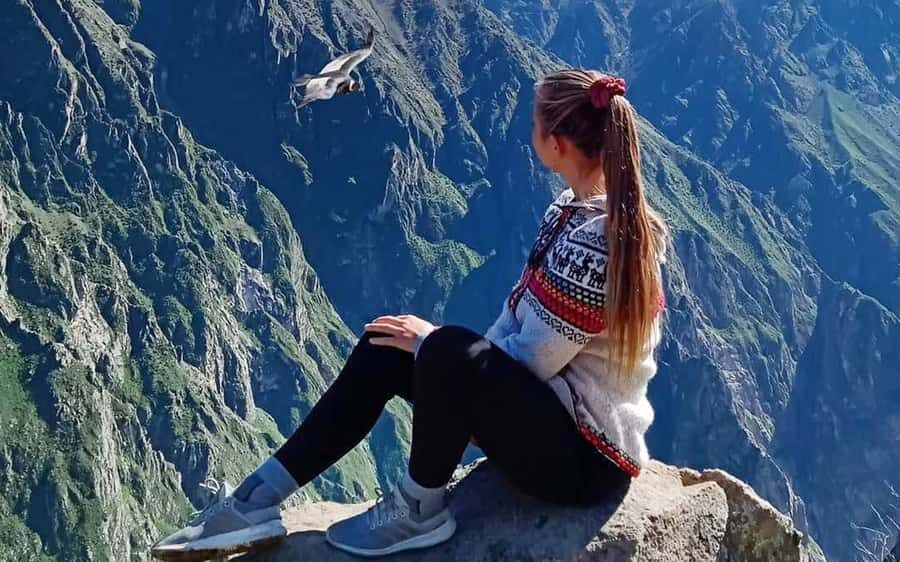
Your overnight base is Sangalle Oasis, and the itinerary specifically includes thermal baths there. That detail matters. In a trek like this, the night isn’t just accommodation. It’s recovery.
After you arrive, you’ll have time to soak in the thermal baths, then dinner, and then sleep for the night. This is also why the first day is structured the way it is. They build in enough walking to get you deep into the canyon experience, then switch to recovery mode.
Now, here’s the balanced truth: overnight quality can vary. Some hikers expect a straightforward lodge-style setup, while others care a lot about comfort and communication. If your idea of “good sleep” is strict, ask questions before you go about what the overnight stay is like and how communication will work if you don’t speak Spanish fluently.
Also, remember that the thermal baths are included in Sangalle, but other bath access (like later stops) may require extra payment. Carry cash for the extras you didn’t budget for.
Day 2 Sunrise Hike to Cabanaconde: Early Light, Big Effort
Day 2 kicks off at 04:30 with an early walk aimed at the highest part of the canyon. Sunrise is part of the package, and the timing is set so you can enjoy the morning light while the route is still unfolding.
Then, after about three hours, you reach Cabanaconde for breakfast. This is your turning point. The hike day becomes less about descending and more about reaching the place where transport can collect you.
One smart move for this day: keep your layers ready. Morning temperatures in canyon regions can feel different than later in the day, even if the sun climbs quickly. You’ll be moving, sweating, then standing around for breakfast and loading onto buses.
After breakfast, you ride back toward Arequipa, with multiple scenic stops along the way.
You can also read our reviews of more hiking tours in Chivay
The Return Route: Andenería Viewpoints, Maca, Volcano Views, and Salinas
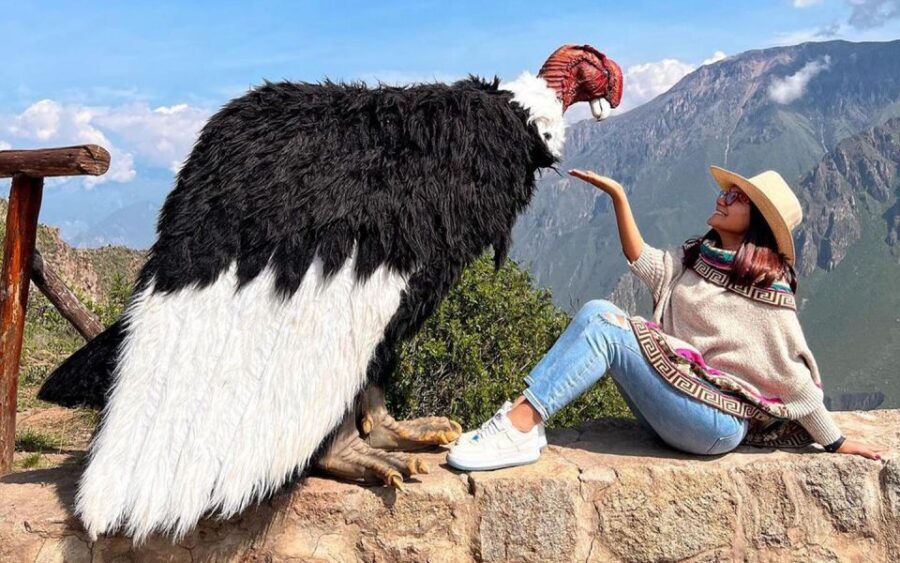
The ride back to Arequipa isn’t just a transfer. It’s a scenic circuit with cultural and nature stops.
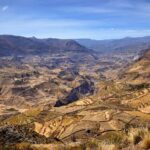
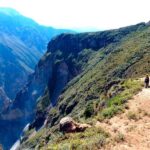
You’ll make a brief stop at a viewpoint to observe Pre-Inca Andenería. Even if you’re not a history expert, terraces like this usually land visually: they show how people shaped steep terrain long before modern agriculture methods.
You’ll also visit the Town of Maca, then stop in Chivay for free time. In Chivay, you can enjoy the La Calera thermomedicinal baths as an optional add-on. The itinerary says the entrance ticket to those baths isn’t included, so if you want that soak, plan for extra cost.
Next, there’s a volcano viewpoint where you can appreciate the Chila mountain range, including Ampato volcano and Hualca Hualca. This part is about widening your perspective. After two days focused on one canyon, the broader Andes views feel like a reset.
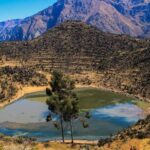
The final scenery stop is in the Salinas and Aguada Blanca National Reserve, where you can observe the scenery, plus flora and fauna. This is a nice way to end the trip with something distinct from the canyon trails.
By 17:00, you return to Arequipa.
Price and Value: What $160 Includes (and What Costs Extra)
At $160 per person for a 2-day trek, I look at value in two ways: what’s included already, and what you’ll almost certainly pay for if you want the full experience.
Included:
- hotel pickup in Arequipa
- tourist transport
- professional English and Spanish tour guide
- entrance to the Colca Canyon
- 2 breakfasts, 1 lunch, 1 dinner
- 1 night accommodation at Sangalle Oasis
- thermal baths at Sangalle
That’s a lot bundled into one price, and it reduces decision fatigue once you arrive. You’re not trying to coordinate transport between towns, and you’re not sourcing meals and lodging on your own for a trek with early starts.
What’s not included (and can add up):
- extras along the way
- lunch on the second day (Day 2 includes breakfast, then later you’ll have time in Chivay, but the itinerary only specifies one lunch total)
- entrance to La Calera baths in Chivay
Also, the experience can involve add-on purchases that feel pricey once you’re already committed. If you’re trying to stay on budget, carry cash and set a limit before you leave Arequipa.
If you want the best value, treat this like a structured hiking program. Bring what you need and budget for optional experiences rather than assuming everything will be included.
Guide Language, Group Size, and Communication Reality
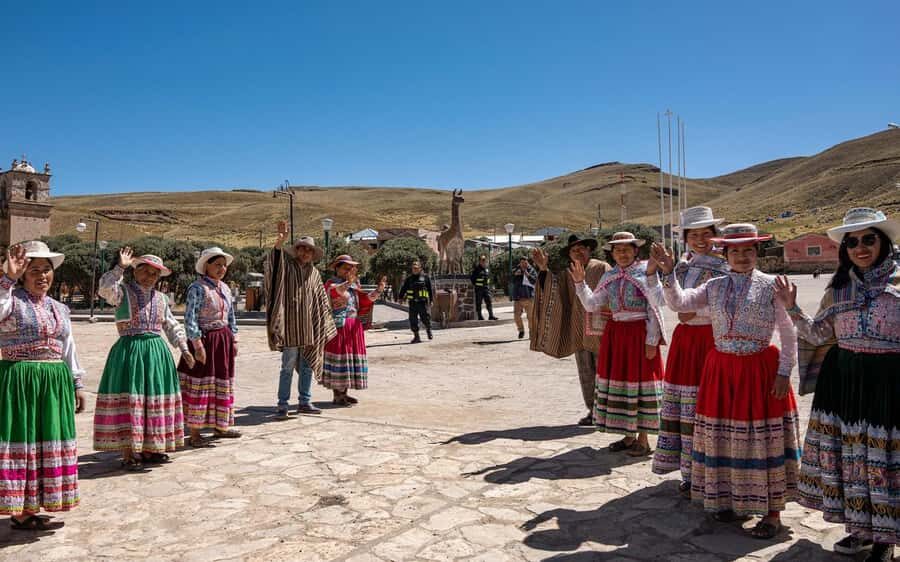
This tour runs as a small group, limited to 15 participants. That’s a practical benefit. It helps with managing pace, keeping the group together on a multi-stop route, and making sure nobody gets lost during transfers.
The package also says guides are English and Spanish. That’s good on paper. But I’d take a cautious approach before you go. One traveler reported that communication became difficult because the guide didn’t speak English despite a request. I can’t guarantee what will happen on your exact date, but you can protect yourself:
- Ask the agency which language the guide will speak for your group.
- Request confirmation in writing when possible.
- Bring basic Spanish key phrases for emergencies and ordering, just in case.
And if you tend to rely on explanations for navigation, don’t assume all spoken guidance will land perfectly. A trekking itinerary is still safer when you can follow cues and timing even if the language isn’t ideal.
What to Bring: The Short List That Prevents Dumb Problems
The activity’s own packing list is simple, and I agree with it:
- passport
- change of clothes
- camera
- sunscreen
- cash
I’d also add a few practical items, based on the schedule: a small daypack for the hike, a reusable water bottle, and layers for early mornings. The itinerary is heavy on early starts, so comfort beats style.
Sunscreen is non-negotiable here. You’ll be exposed during sunrise hours and across open canyon viewpoints. Also plan for photos: you’ll want a camera that can handle low-light sunrise conditions and bright midday contrast on the canyon walls.
If you’re bringing a phone, keep your power in mind. Long drives plus early starts drain batteries faster than you expect.
Who This Trek Fits Best (and Who Might Struggle)
This is best for you if:
- you’re comfortable with a harder, schedule-driven hike
- you want the condor viewpoint moment and not just a canyon walk
- you like structured itineraries that handle transport, meals, and lodging
- you can handle early mornings without needing a slow start
It may be less ideal if:
- you hate early departures or want lots of free time
- you need very consistent English-language communication throughout
- you’re very sensitive to overnight comfort quality
- you’re trying to minimize all extra spending and don’t want optional bath costs or add-ons
The trek can feel like a “real effort” rather than a gentle nature stroll. That’s not a complaint; it’s the point. But it helps to go in knowing your legs will work.
Should You Book This Colca Canyon Trek?
I’d book it if you want Colca Canyon in the full two-day format: Cruz del Condor, a real canyon walk, a night at Sangalle Oasis, then a sunrise push back toward Cabanaconde. The included meals, transport, entrance, and thermal baths at Sangalle make the $160 price feel like a workable deal rather than a patchwork of separate bookings.
Before you commit, do two things that can make or break the experience:
- Confirm the guide language you’ll actually get for your group.
- Ask what extras are common so you’re not surprised once the hike is underway.
If you want condors, canyon hiking, and a recovery soak in one package, this trek can be a strong choice. Just plan like it’s a real trek, not a casual tour.
FAQ
How long is the Colca Canyon trek?
The trek runs for 2 days (2 days / 1 night).
What time is pickup from Arequipa?
You’re picked up from your hotel in Arequipa at 03:30 for the Day 1 departure.
What are the main hike starts and timings on Day 2?
Day 2 starts at 04:30, with a walk that reaches Cabanaconde after about 3 hours for breakfast.
What meals are included?
The tour includes 2 breakfasts, 1 lunch, and 1 dinner.
Do I stay overnight during the trek?
Yes. You get 1 night of accommodation at the Sangalle Oasis area.
What’s included for guides and group size?
The tour includes a professional guide (English and Spanish) and runs as a small group limited to 15 participants.