REVIEW · CUSCO
4-Day Lares Trek to Machu Picchu from Cusco
Book on Viator →Operated by Bamba Travel · Bookable on Viator
Wake up, walk high, then witness Machu Picchu.
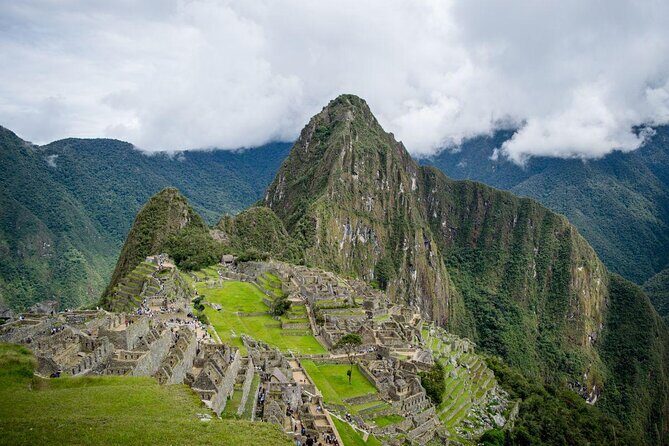
This 4-day Lares Trek to Machu Picchu pairs real mountain hiking with the day that matters most: a first-bus arrival so the mist lifts over the ruins. You’re kept in a small group (max 15, average around 4), and you get guided time on the trail plus a guided tour inside Machu Picchu.
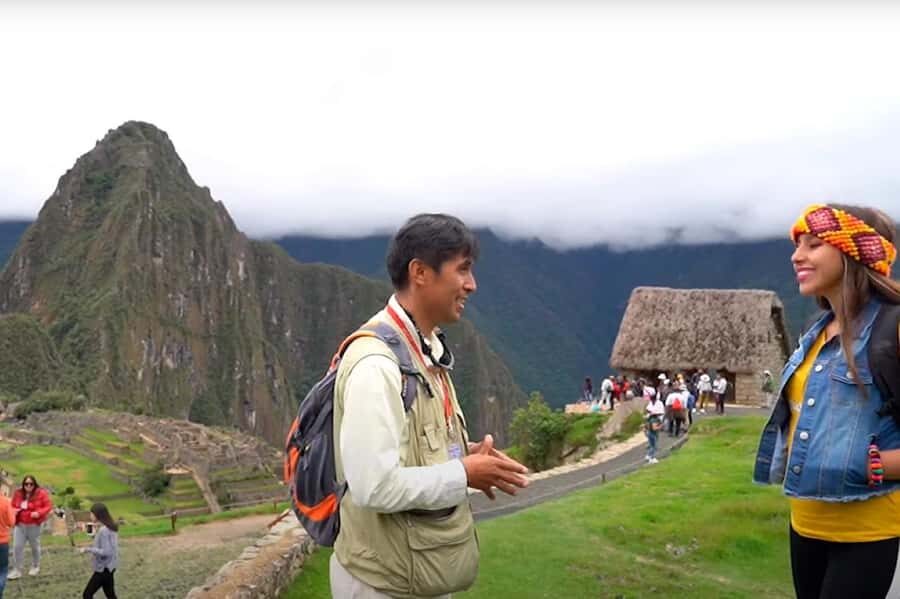
What I like most is how human it feels, not like a conveyor belt. On the trek, the local bilingual guide experience can be excellent—Percy, for example, earned praise for being experienced, funny, helpful, and considerate with strong English. I also really value the food: the cook runs the camp kitchen, and the meals are set up with variety and a vegetarian option for every meal (when requested in advance).
The one real drawback is the altitude. You’ll be hiking a lot of the time above 3,800m, crossing Ipsayccocha Pass at 4,400m, and Day 4 starts with a 5:30am bus. If you’re not ready for cold, thin air, or early mornings, you’ll feel it.
In This Review
- Key things to know before you go
- Why the Lares route hits different than the usual path
- Price and value: what $847 actually buys you
- Cusco to Lares Town: a 6:00am start you’ll either love or hate
- Day 1: Lares Town to Wakawasi and first views worth the effort
- Day 2: Ipsayccocha Pass (4,400m) and camping near llamas
- Day 3: the train to Aguas Calientes and a calmer night before Machu Picchu
- Day 4: 5:30am bus to Machu Picchu, then a guided 2-hour walkthrough
- Huayna Picchu passes: what you must do to get one
- What’s included on the trek (and what you’ll still need)
- Packing for 4000m hikes: keep it warm and keep it dry
- Who should book this trek (and who should think twice)
- A note on tipping and support
- Should you book this 4-day Lares Trek to Machu Picchu?
- FAQ
- What’s the group size for this tour?
- What time do they pick you up in Cusco?
- How difficult is the trek?
- Do you camp on the trek?
- Is a vegetarian meal option available?
- Do I need to bring a sleeping bag?
- Are hot springs included in Lares Town?
- How does the Machu Picchu visit work on Day 4?
- Is Huayna Picchu included?
- Can this be refunded if plans change?
Key things to know before you go
- Small-group hiking with a max of 15 people and an average closer to 4
- Local bilingual guidance on the trek and a structured 2-hour Machu Picchu walking tour
- Camp comfort that’s honest: tent + basic mattress, plus horses carrying part of the gear
- Good food systems with a chef cooking fresh meals and vegetarian options available
- Early Machu Picchu timing using one of the first buses for morning light and fewer distractions
- Huayna Picchu is limited: ticketed passes and pre-booking are required if you want it
Why the Lares route hits different than the usual path
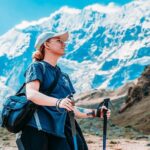
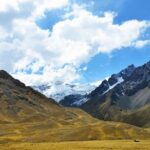
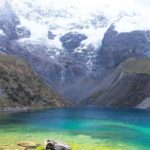
If you’re choosing between “Machu Picchu with a hike” and “just Machu Picchu,” the Lares Trek option makes the story feel earned. Day 1 and Day 2 are real hiking days with changing views, glacier scenery, wildlife sightings, and villages along the way. You don’t just arrive at the ruins—you build to them.
The best part is that Lares gives you a more personal rhythm. Camping at Wakawasi and Patacancha puts you closer to how people live in the Andes: the itinerary specifically sets up time in the Wakawasi community and camping near native crop plantations and animals like llamas and alpacas. Even if you’re not big on cultural add-ons, the setting changes how you see the trek.
You can also read our reviews of more hiking tours in Cusco
Price and value: what $847 actually buys you
At $847 per person, it’s not the cheapest way to reach Machu Picchu. But for what’s included, it can be good value—especially if you’re the kind of traveler who dislikes juggling tickets, transfers, and meal logistics on your own.
Here’s what you’re covering inside the package:
- Transport from Cusco to the trek start (van to Lares Town)
- Camping nights (tent + basic sleeping mattress, shared setup varies by solo vs couple)
- A 3-star hotel night in Aguas Calientes
- Train from Ollantaytambo to Aguas Calientes
- Round-trip bus from Aguas Calientes to Machu Picchu
- A professional bilingual guide for the trek and the Machu Picchu tour
- Most meals on the mountain (and snacks), plus a cook who handles camp food
What’s not included is also clear: airport pickup, bottled water, your sleeping bag rental (optional but basically expected), and a few meals (Day 1 breakfast and Day 4 lunch). If you already know you’ll need help with train/bus timing and you want the hiking handled end-to-end, the price starts making sense fast.
Cusco to Lares Town: a 6:00am start you’ll either love or hate
Your day kicks off with an accommodation pick-up around 6:00am in Cusco, followed by a bus transfer to Lares Town (around 2,900m). From there, you have a choice that’s very worth considering: hot springs time before the trek begins.
If you want the hot springs, it’s an extra cost (10 soles). I like this option because it turns an early travel morning into something gentler—especially if you’re stiff from sitting in a car for hours.
Once you’re in the trekking groove, the itinerary jumps into altitude. You start with a roughly 6-hour trek on Day 1 (about 14km) and climb in zigzags up toward Wakawasi (3,850m). That climb is where you’ll feel the high-country air for real.
Day 1: Lares Town to Wakawasi and first views worth the effort
Day 1 is built for that “okay, we’re really here” feeling. After the transfer to Lares Town, you begin a zigzagging climb that brings big views—glaciers, wildlife, and local communities are specifically part of what you can expect to see along the way.
The trek ends at a campsite in the Wakawasi community. That’s not just a place to sleep. It’s a chance to meet local families living in harmony with nature, which gives the hike meaning beyond the distance on paper.
Practical expectation: Day 1 includes camping (1 night) and meals (breakfast on trek day, plus lunch and dinner). You’ll also have horses carrying cooking and camping gear plus a limited weight allowance for your load (more on that later). That setup matters because it helps you keep your energy for the climb.
Day 2: Ipsayccocha Pass (4,400m) and camping near llamas
Day 2 is longer and tougher, mainly because you cross Ipsayccocha Pass at 4,400m. You start with an uphill trek around 4 hours, then you go over the pass and descend for about 40 minutes to your lunch stop by a lake.
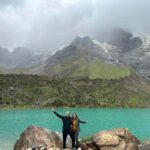
That lake lunch stop is the kind of small reset that helps altitude fatigue. You’re not just marching forward—you’re given a pause where the air might feel a bit more manageable after the pass.
After lunch, you continue another 3 hours to Patacancha town (3,800m), where you camp. The itinerary calls out llamas, alpacas, and native crop plantations in the area. I like that because it makes camp feel like you’re in a working mountain landscape, not a random clearing.
Day 2 is also where your gear plan shows up. With horses carrying camp equipment and limited personal load, you can focus on staying steady and pacing yourself instead of wrestling a heavy pack.
A few more Cusco tours and experiences worth a look

Day 3: the train to Aguas Calientes and a calmer night before Machu Picchu
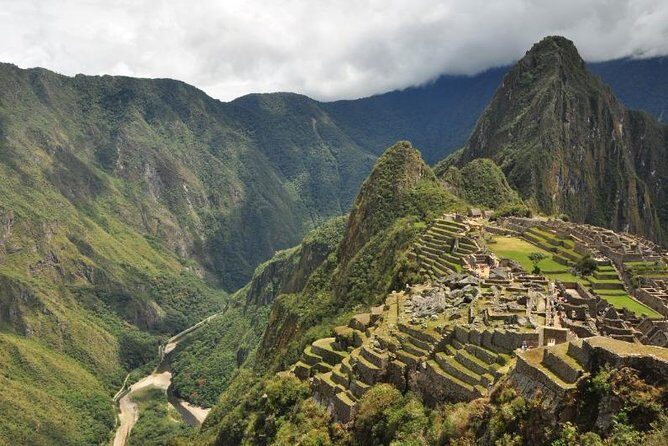
Day 3 shifts from hiking to moving toward the gateway town. You start in the Patacancha mountain community (3,800m), then walk about 4 hours to Ollantaytambo, with lunch in between. After that, you take the train to Aguas Calientes.
You get a 1-night stay in Aguas Calientes (3-star hotel), and your guide gives you indications for the next day. This is a genuinely smart inclusion. Machu Picchu morning is demanding; having a hotel night close to the action means you can focus on sleep, not scrambling.
Once you’re in Aguas Calientes, you’ll have time to wander. The itinerary notes internet cafes, cafes with board games/cards, shops, and places to relax. It’s not a luxury city, but it’s enough to take the edge off before the big morning.
Day 4: 5:30am bus to Machu Picchu, then a guided 2-hour walkthrough
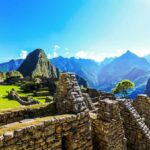
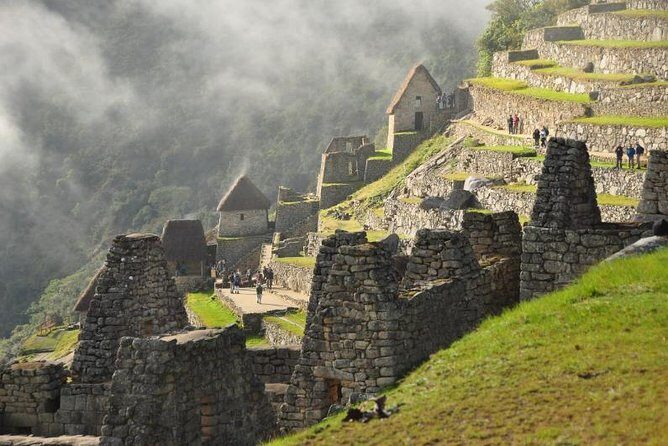
Day 4 is all about timing. You catch one of the first buses at 5:30am from Aguas Calientes (about a 25-minute ride). The goal is to experience Machu Picchu as the mist dissipates in early morning light.
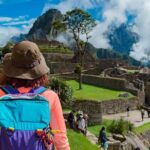
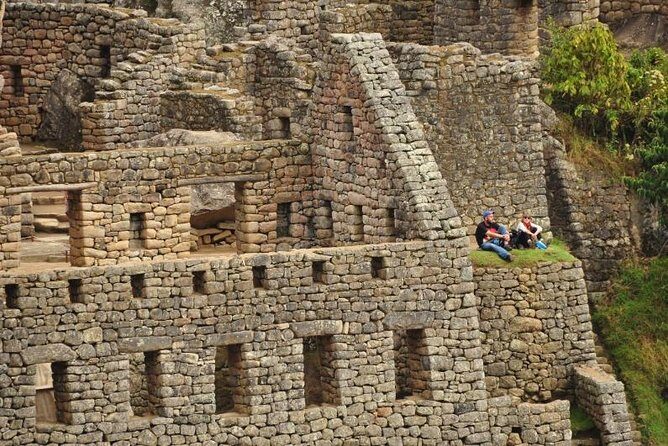
You’ll get a 2-hour guided walking tour covering the most important areas, then you have time to explore on your own. This is the right balance: you get the structure so the site makes sense, and you also get freedom for photos and slower wandering.
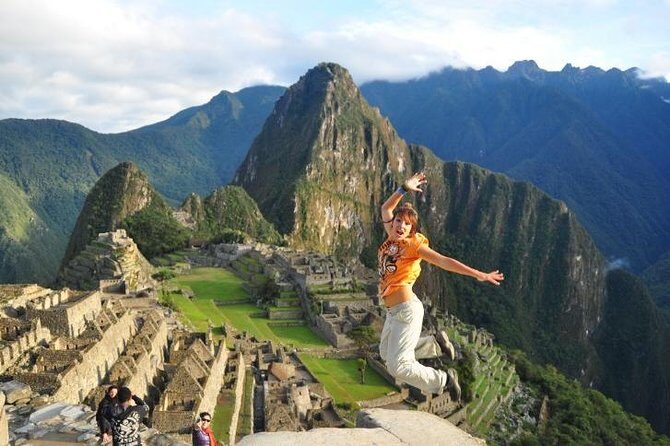
Energy check: there’s an optional climb of Huayna Picchu for a steep hike viewpoint. It’s inside the archaeological site and takes about 45–60 minutes up, often muddy. If you’re chasing views from that coveted angle, this option can be the highlight.
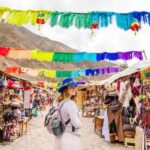
After Machu Picchu, you take the bus back down to Aguas Calientes and can visit the local marketplace near the train station until the train whistle. Then you ride back to Ollantaytambo, and your bus returns to Cusco arriving around 8:00pm, dropping you at Plaza San Francisco. From there, you make your own way to your lodging.
Huayna Picchu passes: what you must do to get one
If Huayna Picchu is on your list, treat it like a ticketed activity, not a last-minute wish.
The tour notes:
- You must purchase your Huayna Picchu hike ticket at least 2 weeks in advance
- Passes are limited to 400 people total
- There are two time slots: 200 at 7:00am and 200 at 10:00am
- You need to email the tour to request the extra ticket
Also, wear thinking-you’ll-regret-it boots. The route can be muddy, and it’s a steep climb. If you hate sliding around on scree and mud, you can still enjoy Machu Picchu fully without it.
What’s included on the trek (and what you’ll still need)
The package does a lot of the heavy lifting for you, literally and logistically.
On the trek you get:
- Camping accommodation with a basic sleeping mattress and tent (sharing details depend on whether you’re solo or a couple)
- A cook who prepares and serves meals and snacks
- A first aid kit and emergency oxygen bottle
- Horses carrying cooking and camping equipment plus a total load limit for each trekker for the first 3 days (including sleeping gear and personal items)
Meals are a major plus. The itinerary describes typical menus like hot porridge and quinoa or oats for breakfast, and lunch/dinner with soups, stews, quinoa dishes, and desserts. There’s a vegetarian option at every meal when you request it at least 2 days in advance.
What you should plan to bring or pay for:
- A sleeping bag rental for $15 USD (if you don’t bring your own)
- Your own bottled water
- Day 1 breakfast and Day 4 lunch (not included)
Also, on the transfer days: you’ll have a guide for the trek and the Machu Picchu tour, but not during the bus and train transfers. That’s normal for many packaged tours, but it’s good to know so you don’t plan on hand-holding through logistics you’ll handle independently.
Packing for 4000m hikes: keep it warm and keep it dry
This hike is described as difficult, and altitude is a big reason why. You’ll want warm clothes and weather gear because mornings can feel sharp, and rain can make trails slippery.
The suggested packing list includes:
- Hiking poles
- Rain pants, rain poncho
- Trekking boots
- Warm socks, thermals, sweater
- Hat and gloves, plus sunscreen and sunglasses
- Flashlight/torch and camera batteries (with limited/no electricity on the trek)
- Waterproof bag for your camera
- Water bottle and small personal first aid kit
Two extra practical notes:
- Bring extra cash for snacks and water since prices can be higher along the trail.
- If you’re considering hot springs in Lares town, pack a bathing suit.
Who should book this trek (and who should think twice)
This tour fits best if you:
- Want a real multi-day hike that leads directly into Machu Picchu
- Prefer a small group with professional local guidance
- Like structured days with meals and lodging handled, especially around the Machu Picchu morning rush
- Are okay with camping nights and cold-weather trekking
You should think twice if:
- You’re sensitive to altitude or not ready for long hikes above 3,800m
- You don’t like early starts—Day 4 begins with the 5:30am bus
- You hate steep, potentially muddy optional climbs (Huayna Picchu)
The minimum age listed is 7 years, and the physical requirement is “good physical conditions needed,” especially due to repeated high-altitude time.
A note on tipping and support
Tipping is optional, not mandatory. If you do tip, the recommended ranges are:
- Guide: 40–60 soles per trekker
- Assistant guide: 30–40 soles per trekker
- Horsemen: 60–80 soles per horseman from the whole group
- Cook: 150–200 soles for the cook from the whole group
It’s also worth knowing the tour includes a pre-departure briefing the evening before at 6:00pm at the Cusco office (Calle Matara 242, Second Floor). You’ll confirm departure details and get a list of what to bring.
Should you book this 4-day Lares Trek to Machu Picchu?
Yes—if you want Machu Picchu plus the kind of Andes hiking that makes the ruins feel like a payoff, not a checkbox.
I’d book it especially if you care about:
- Small-group size
- A guided approach inside Machu Picchu that saves you from wandering without context
- A trek with solid meal support and a plan for cold nights
- Early timing so you’re at the site while conditions are at their best
But if your priority is maximum comfort, or you’re not sure about high-altitude walking, you may want to choose an easier itinerary. The early mornings, the pass at 4,400m, and the camping setup mean you should go with clear expectations.
FAQ
What’s the group size for this tour?
The group has a maximum of 15 travelers, with an average group size of around 4.
What time do they pick you up in Cusco?
Your pickup is around 6:00am for the transfer to Lares Town.
How difficult is the trek?
It’s listed as difficult and requires good physical conditions, especially because much of the hike is at high altitudes around 4,000 meters.
Do you camp on the trek?
Yes. The itinerary includes camping accommodations for Days 1 and 2 (including a tent and basic sleeping mattress).
Is a vegetarian meal option available?
Yes. Vegetarian options are available upon request, and you should advise at least 2 days in advance.
Do I need to bring a sleeping bag?
A sleeping bag rental is available for $15 USD. The tour does provide tent and a basic mattress, but the sleeping bag itself is not included.
Are hot springs included in Lares Town?
No. Hot springs in Lares town are an extra cost (10 soles).
How does the Machu Picchu visit work on Day 4?
You take an early bus to Machu Picchu, then receive a guided walking tour of about 2 hours. After that, you explore on your own.
Is Huayna Picchu included?
Huayna Picchu is optional and costs extra. Tickets must be purchased at least 2 weeks in advance due to limited passes.
Can this be refunded if plans change?
No. The experience is non-refundable and cannot be changed for any reason.