REVIEW · LIMA
From Lima: Cordillera de la viuda | Mountain Exploration
Book on GetYourGuide →Operated by www.iziperu.com · Bookable on GetYourGuide
Travelers usually remember one thing after Cordillera La Viuda trips. Here it’s the mix: ancient petroglyphs and high-mountain lagoons under snow-capped La Viuda. You also get cultural depth with time in Canta and the Santa Rosa de Quives sanctuary, not just viewpoints.
What I like most is how the day balances nature and people. The stop at the HUAROS community trout fish farm adds a real-world, sustainable-living angle, and it breaks up all the mountain scenery in a good way. The main drawback to consider is the sheer time: an early 5am start plus a long road day means you’ll want patience if traffic or road conditions slow things down.
In This Review
- Key highlights worth knowing
- A 16-hour Cordillera La Viuda day that actually covers ground
- Checta Petroglyphs and the Cochapampa viewpoint stop
- Laguna de Chuchun and the three-lagoon loop near La Viuda
- Huaros community trout farming: food production with real local meaning
- Canta: Plaza de Armas heritage, portals, and market time
- Santa Rosa de Quives sanctuary: quiet time and a wishing well
- Price and what you’re truly paying for at $39
- Getting picked up in Lima and managing a long road day
- Who this tour suits (and who should think twice)
- Final verdict: should you book Cordillera de la Viuda with this setup?
- FAQ
- How long is the tour?
- Where do I meet for pickup?
- What language is the tour guide?
- What’s included in the price?
- What isn’t included?
- Are the lagoon tickets and boat tour optional?
- Do I need to bring swimwear?
- What should I bring besides swimwear?
- Is oxygen provided during the trip?
- Is there a cancellation option?
Key highlights worth knowing
- Checta Petroglyphs: stylized animals, hunters, and cosmos-like symbols on stone
- Multiple Andean lagoons: Laguna de Chuchun, Laguna Ocho, and Laguna Leoncocha in one run
- La Viuda snow-capped range views: big mountain presence without complex planning
- Huaros trout farming: learn how trout farming works in a local community setting
- Canta plus its market time: Plaza de Armas area touring and snackable shopping
A 16-hour Cordillera La Viuda day that actually covers ground
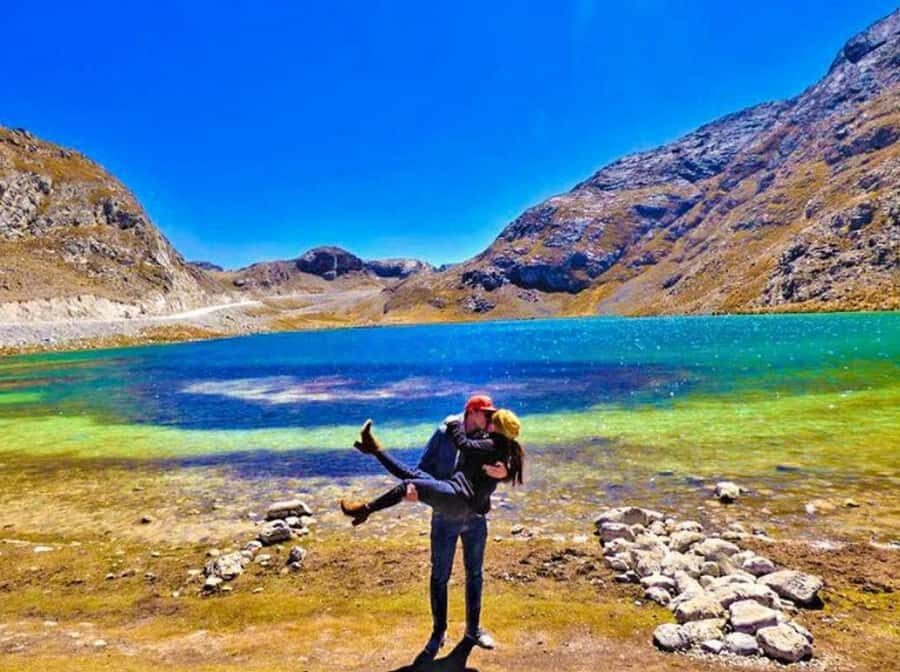
This is a full-day mountain exploration with an early start: you leave at 5am and return around 9pm. Plan on it feeling like two days in one. Morning is focused on the Cordillera area and lagoons; afternoon turns cultural in Canta and ends at Santa Rosa de Quives.
The value sits in the structure. You’re not just driving past scenery—you stop at named places, with time to look, learn, and take photos. Also, the tour includes oxygen for the group plus coca leaves and a first aid kit. That’s a quiet hint that altitude and mountain conditions matter on this route, so you’re not left to “figure it out” alone.
Timing note for your comfort: bring patience for the road. Even when everything runs well, you’re dealing with mountain driving, and some stretches can take longer than you expect.
You can also read our reviews of more tours and experiences in Lima.


Checta Petroglyphs and the Cochapampa viewpoint stop
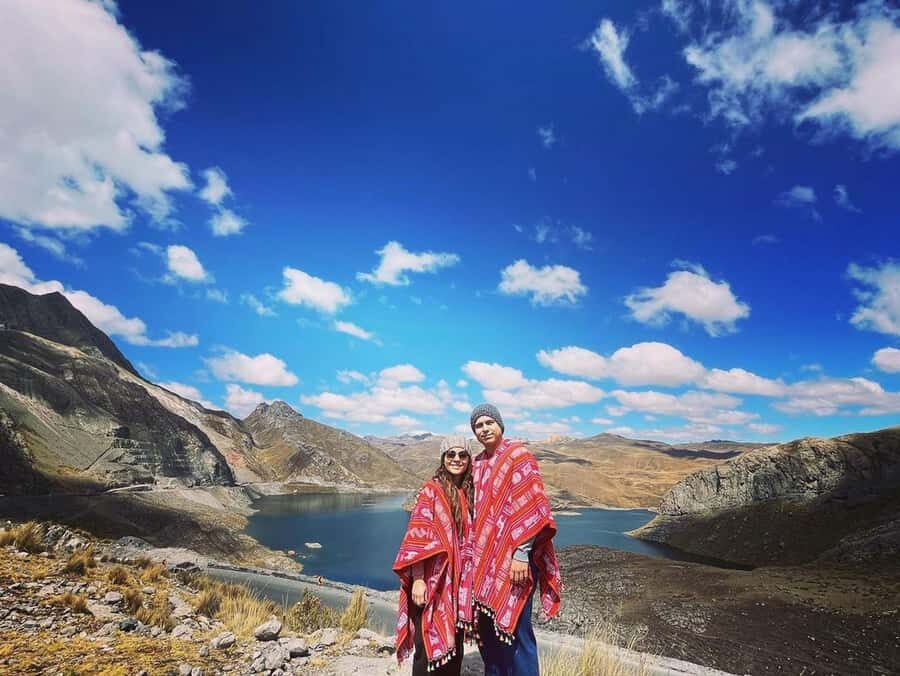
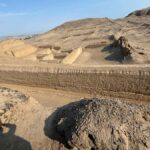
The day kicks off with a classic Peru “how old is this place?” moment at Checta Petroglyphs. On the way through the Lima mountains toward Cordillera La Vida, you pass by stones marked with stylized drawings—animals, humans on the hunt, and abstract elements that people interpret in different ways. It’s not just a photo stop. With an official guide, you’ll get context for what you’re looking at and why these carvings still matter.
This is one of those stops where small details win. The carvings are on stone, so look slowly instead of rushing for the easiest wide shot. If you’re into visual anthropology—how societies represented animals, people, and the sky—this stop gives you something to think about before the lagoons steal the show.
After that, there’s a viewpoint stop at Cochapampa. It’s the “reset your eyes” moment. You get a broader sense of the mountain valley geography before heading toward the main lagoon area.
Laguna de Chuchun and the three-lagoon loop near La Viuda
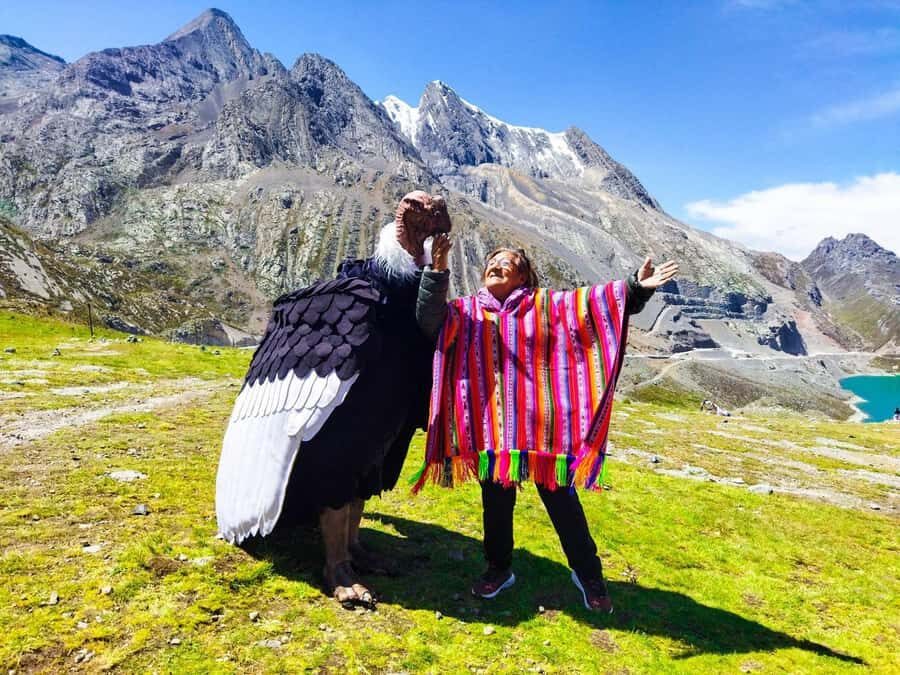
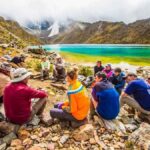
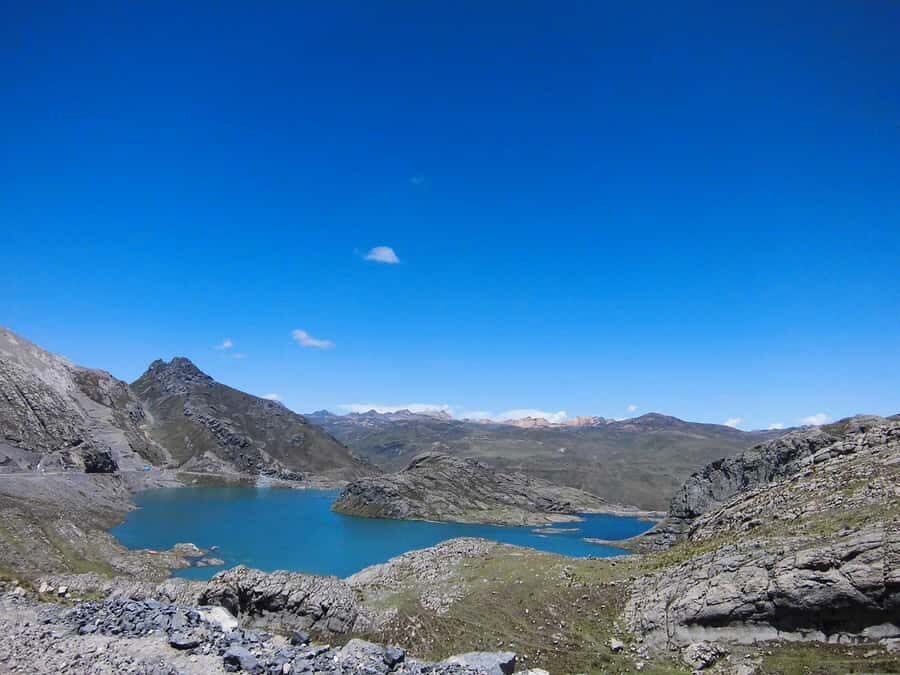
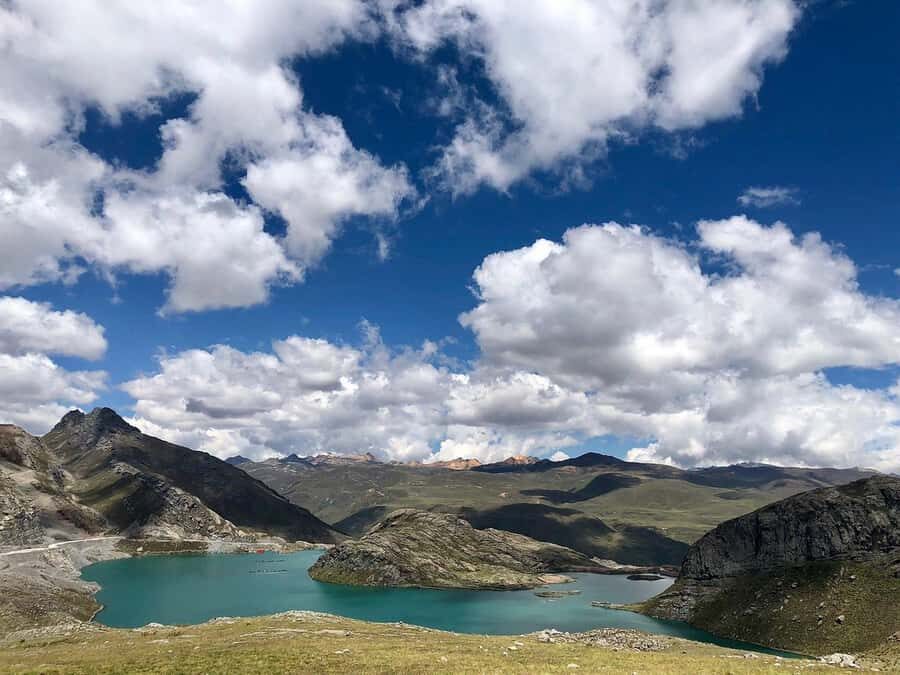
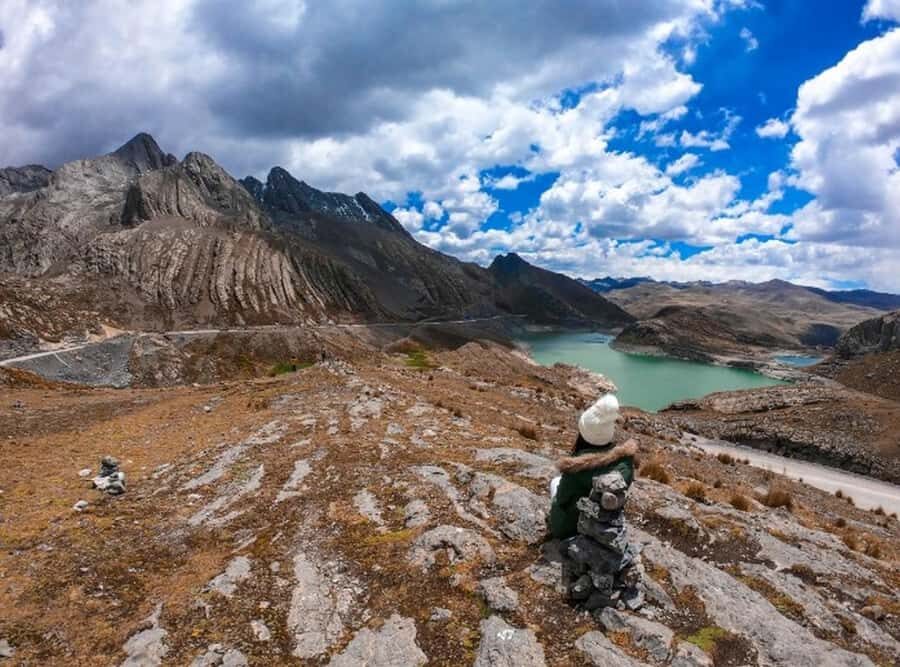
Once you reach the main area, the tour concentrates on the lagoons: Laguna de Chuchun, Laguna Ocho, and Laguna Leoncocha, plus views toward the snow-capped La Viuda range. This is the heart of the day. And because you’re hitting several lagoons instead of just one, you’re more likely to find the kind of reflections and changing light you’re hoping for.
What makes these lagoons special is variety within the same setting. Even without changing locations drastically, you’ll see differences in color, shoreline angles, and how the mountain backdrop frames the water. When you’re in that high-altitude environment, those tiny shifts feel like a different scene every time you walk a few minutes.
Two practical tips here:
- Bring sunscreen even if it looks cloudy. Mountain sun can be sneaky.
- Pack your time for walking. Some parts are easier than others, and good footing helps you enjoy the views without stress.
Also, note the optional boat tour. The lagoon boat tour is not included and is listed separately (S/7). You’ll want to decide on the day whether you have the energy and time for it.
Huaros community trout farming: food production with real local meaning
Midday takes you to the fish farm in the Huaros community, where you can learn about trout farming. This is one of the best “turn the lens” stops on the itinerary. Instead of only asking what the mountains look like, you’re also learning how people work with Andean water and local conditions to produce food.
Why this matters for you: it adds a human layer that changes how you experience the lagoons. After learning how trout farming operates, the water and water sources don’t feel abstract. They become part of a working local system.
If you’re traveling with kids, this kind of stop is a nice change of pace. It’s hands-on learning style compared with pure scenery. And for adults, it’s a more grounded way to experience sustainability than just hearing slogans.
Canta: Plaza de Armas heritage, portals, and market time
In the afternoon you shift from nature to town life in Canta, which is also called Heroica Villa. You’ll get a guided city tour around the Plaza de Armas area, with stops that highlight colonial and Republican-era architecture. The tour includes the historic colonial pool, the portals from the Republican period, and a church where you can admire the patrons of Canta.
There’s also mention of Mariscal Chaperito, which helps explain why this town has a strong local identity beyond being a convenient stop on the way back to Lima.
Then comes the market time—one of the easiest parts to enjoy because it’s practical. This is where you can shop for snacks and small food gifts. The market suggestions include flat bread, rolls, rosquitas, humitas, tamales canteños, honey, manjar blanc, cow butter, cow cheeses, beef, and more. Bring cash if you can. And do your shopping with stomach timing in mind, since lunch isn’t included.
This part of the day is also a good cultural “decompression.” If the morning felt long and high up, Canta gives you streets, conversation, and local routines.



Santa Rosa de Quives sanctuary: quiet time and a wishing well
The last major cultural stop is Santa Rosa de Quives. This sanctuary visit includes time at the chapel and the wishing well, tied to the patron saint who lived there. The mood here is calmer than the mountain portions of the day.
For me, the value of ending at a spiritual site is simple: it slows your pace at the right time. You’ve spent hours on the road, looking at stone carvings and lagoons, then shopping in a market. A sanctuary is where your brain can switch gears before the 9pm return ride.
If you’re the type who likes to step into a place and absorb atmosphere, you’ll probably enjoy this stop. It’s not about ticking off another viewpoint; it’s more about setting a reflective tone before going back down to the city noise.
Price and what you’re truly paying for at $39
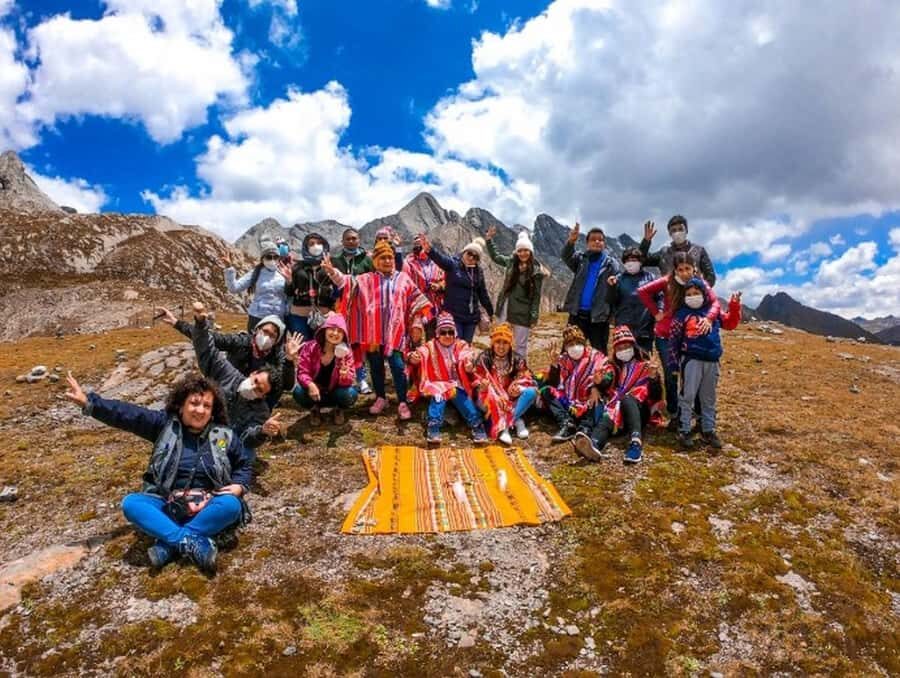
At around $39 per person, the cost feels reasonable when you look at what’s included. You’re getting transport, an official tourist guide, and a set of small-but-important safety and support items: oxygen for the group, coca leaves, and a first aid kit. Payment to Earth-Pachamama is also included, plus photography during the tour.
Where the extra costs can pop up:
- Food is not included.
- Lagoon entrance tickets are listed separately at S/3.
- The boat tour is listed separately at S/7.
So the real “budget math” depends on whether you buy snacks and whether you choose the boat tour. If you plan ahead and pack snacks or plan your meals carefully, the total can stay pretty close to the base price.
One more practical point: this is a Spanish-language tour. If you don’t feel confident following Spanish details, you may still enjoy the scenery, but you’ll miss more of the meaning behind petroglyphs, sanctuary context, and community stops.
Getting picked up in Lima and managing a long road day
You meet at Shopping Mall La Rambla, and the exact GPS location is sent to you. That’s helpful, but it also means you should double-check the details before heading out—especially with an early 5am departure. The biggest frustration reported for this kind of tour is coordination hiccups, including group mix-ups and late confirmation issues.
Road time is another thing to respect. Some people have flagged that the transport portion can be slow due to road conditions and traffic, with stretches that can take hours. If you’re sensitive to long rides, bring a distraction: offline music, a downloaded podcast, and water.
What helps you enjoy it anyway:
- Pack sunglasses and sunscreen for the mountain hours
- Bring insect repellent (it’s specifically listed, so don’t ignore it)
- If you might want to get near water, swimwear is on the list—use that info when you decide what to pack
Who this tour suits (and who should think twice)
This tour fits best if you want an all-in-one day that mixes Andean nature with cultural stops. You’ll likely enjoy it if you like:
- ancient art and symbolic history at places like Checta Petroglyphs
- multiple lagoons in one outing instead of a single viewpoint
- a community learning moment at a trout farming stop, not just scenery
- a town experience in Canta, including market shopping and guided heritage sights
- ending with a calm sanctuary visit at Santa Rosa de Quives
Who should think twice: if you hate long road days, or if you need a tight schedule with minimal waiting, the 5am-to-9pm format and possible traffic delays may wear you out.
It also helps to have a basic comfort with altitude-related discomfort. Oxygen is included, and coca leaves are offered, but you still want to pace yourself and take breaks when you feel winded.
Final verdict: should you book Cordillera de la Viuda with this setup?
If you’re coming to Lima and want a meaningful mountain day that also teaches you something—petroglyphs, lagoons, and real community farming—this is a strong option for the price. The included oxygen and first aid kit are a smart safety layer, and the itinerary isn’t just one big scenic drive.
I’d book it if you can handle a long day and you’re traveling with flexibility. I’d skip or choose carefully if you know you’ll be stressed by early departures, coordination risks, and slow transport stretches.
As a final note on service quality: guides and drivers have been praised by name in past runs, including Alejandro and Gabo, plus Wilma working with driver Sr Edgar. That kind of on-the-ground teamwork makes a long day feel smoother.
FAQ
How long is the tour?
It lasts about 16 hours, starting at 5am and returning around 9pm.
Where do I meet for pickup?
You meet at Shopping Mall La Rambla. The exact GPS localization is sent to you.
What language is the tour guide?
The tour guide provides the experience in Spanish.
What’s included in the price?
Transport, an official tourist guide, oxygen for the group, payment to Earth-Pachamama, coca leaves, a first aid kit, and photography during the tour.
What isn’t included?
Food is not included, and lagoon entrance tickets (S/3) and the boat tour (S/7) are also not included.
Are the lagoon tickets and boat tour optional?
The lagoon entrance ticket is listed separately, and the boat tour is listed separately at S/7, meaning it’s not part of the base inclusions.
Do I need to bring swimwear?
Swimwear is listed as something to bring, so if you want the option to get near water or participate in water-related moments, pack it.
What should I bring besides swimwear?
Bring sunglasses, sunscreen, and insect repellent.
Is oxygen provided during the trip?
Yes. Oxygen for the group is included, and coca leaves are also included.
Is there a cancellation option?
Yes. Free cancellation is listed up to 24 hours in advance for a full refund.