REVIEW · LIMA
Lima: Surf Class with Equipment and Instructor
Book on GetYourGuide →Operated by Explora Peru Tours · Bookable on GetYourGuide
Surfing in Lima starts with one small decision. A Miraflores surf class gives you pro coaching plus all equipment for $36, so you can focus on learning instead of figuring gear out. The big consideration: Lima’s waves (especially in winter) can feel strong, so you’ll want to be in good physical shape and ready for a real workout.
What makes this lesson feel practical is how it’s built for beginners through returning surfers. You get a warm-up with stretches and a terrain simulation, then a full hour of in-water instruction on paddling, positioning, and body balance, with instructors who adjust when the surf is doing its thing. Instructors you may meet include Felipe, Carlos, Denise, and Denis, and the common thread is patient help when you’re learning to catch your first waves.
In This Review
- Key highlights at a glance
- Why Miraflores makes a smart surf starting point
- Getting started: briefing, gear, and a smooth handoff
- Warm-up and terrain simulation: how you learn without guessing
- The 60-minute in-water lesson: paddling, positioning, balance
- Optional extra hour: turning practice into progress
- Price and value: what you’re really paying for at $36
- What’s included, what to expect, and what to avoid
- Who this Lima surf class fits best (and who should rethink it)
- Practical tips to get better fast in Lima’s surf
- Instructors and style: patient coaching you can build on
- Should you book this Lima surf class?
- FAQ
- How long is the surf lesson in Miraflores?
- What is included in the price?
- What should I bring to the class?
- What languages are the instructors?
- Is there a minimum number of participants?
- Can I stay in the sea after the class?
Key highlights at a glance
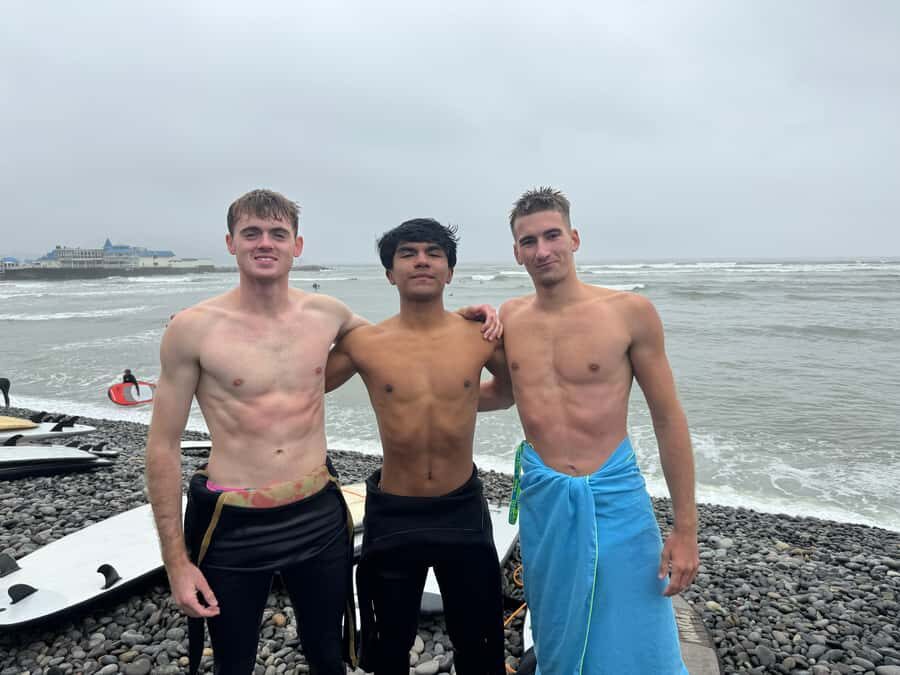
- Equipment and instructor handled for you: wetsuit, surfboard, and certified instructors are part of the lesson.
- A structured progression: warm-up stretches and terrain simulation before you go into the water.
- The lesson targets what matters most: paddling, positioning, and body balance for real wave control.
- Coaching adapts to your level: if you’ve surfed before, the instructor fine-tunes the plan.
- Patient, hands-on guidance in strong conditions: helpful support even when winter surf feels challenging.
- Optional extra time after class: you can stay longer with additional payment.
Why Miraflores makes a smart surf starting point
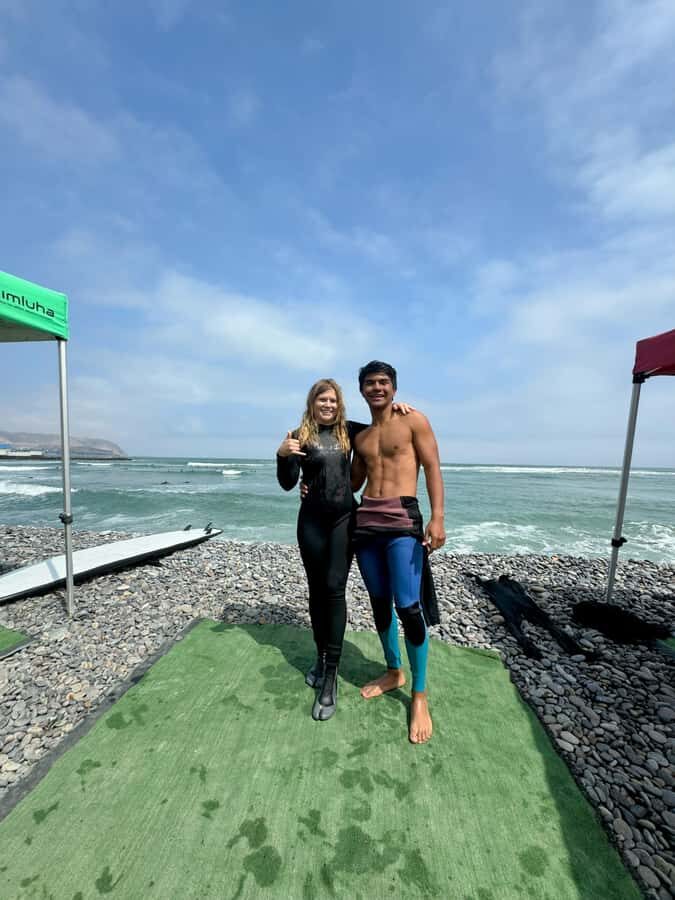
Miraflores is a great place to begin because it’s built around accessible beach time and active learning. The lesson is designed so you’re not just standing around watching others; you’re in the water with guidance that helps you translate effort into movement.
Also, Lima surf seasons can change the feel fast. One review points out that in winter, waves can be strong, and that’s exactly why a good instructor matters. If you’re a first-timer, that strength can be intimidating—yet it’s also the kind of real-world condition where coaching on positioning and balance pays off.
You’ll get the most out of the class if you treat it like training, not a performance. Your goal is to build repeatable skills: paddle with better rhythm, set up your body in the right spot, and stay balanced when the wave pulls you around.
A few more Lima tours and experiences worth a look



Getting started: briefing, gear, and a smooth handoff
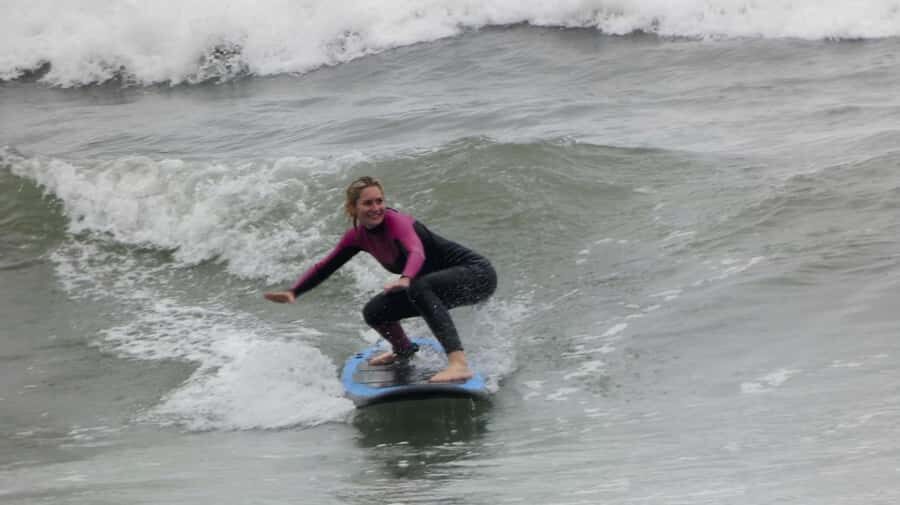
The lesson begins at the surf school. Plan to arrive 15 minutes early so you can check in, get a quick briefing, and get kitted out with your gear without rushing.
The included equipment is a huge value piece. You don’t have to rent a wetsuit, source a board, or worry if you picked the wrong size—your class uses surfboard and wetsuit provided by the operator, plus instructors who handle safety and technique at sea.
What you should bring is simple, but don’t skip it:
- Swimwear
- Towel
- Sunscreen
- Water
- Comfortable clothes (for before and after the water)
The practical win here is time. Surfing days are short, and the best classes keep you moving. Once you’re geared up, you head to the beach and start the lesson flow quickly.
Warm-up and terrain simulation: how you learn without guessing
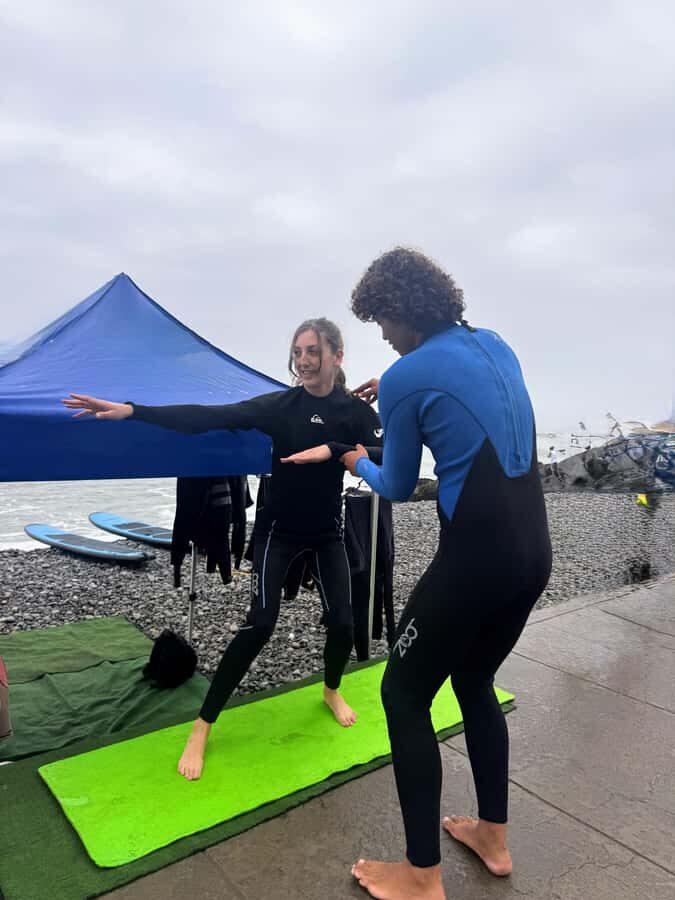
Before you ever get into the water, you do a warm-up with stretches. That’s not fluff. Surfing asks for quick leg power, shoulder stamina, and core control, and warming up helps you use the technique instead of fighting your body.
Then you get a terrain simulation. It’s a way to practice how things will feel—so when you’re actually on the board, your brain isn’t starting from zero. This is especially helpful if you’ve never paddled for waves before, because your instincts can be wrong at first.
The structure matters. A lot of “try surfing” experiences skip the setup and hope you pick it up by luck. This one tries to remove the guesswork so you can spend your effort on learning the right moves: paddling, body position, and balance.
The 60-minute in-water lesson: paddling, positioning, balance
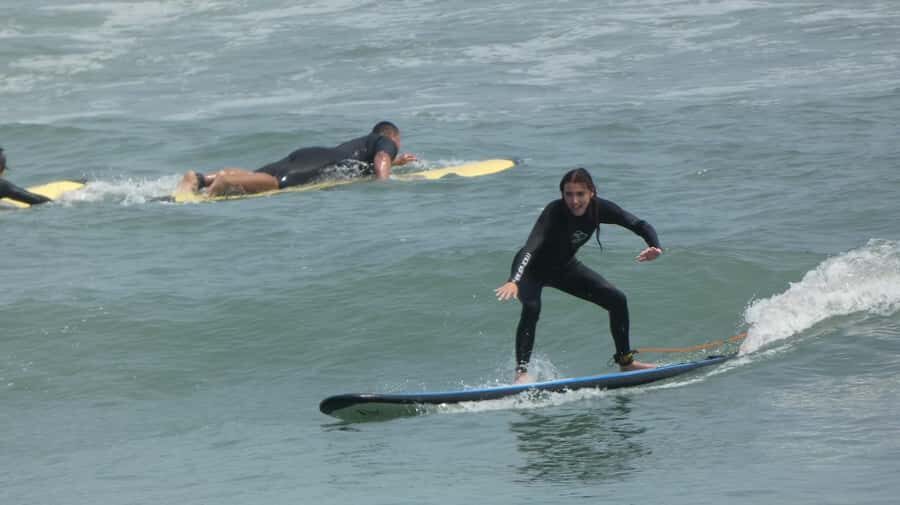
The core of the experience is a one-hour lesson in the sea. This is where you’ll work through the skills instructors focus on most: paddling, positioning, and body balance.
Here’s how that helps you as a learner:
- Paddling: You’re taught how to move efficiently, so you’re not burning energy before the wave arrives.
- Positioning: You learn how to set your body so the board responds better instead of stalling or turning when you need traction.
- Body balance: You practice staying stable when the wave changes speed and direction.
If you already have surf experience, the instructor adapts the class to your level. That’s a real quality signal. It means you won’t get stuck repeating beginner steps if you already understand the basics.
You’ll also see why patient instruction is repeatedly praised. Instructors named Felipe, Carlos, Denise, and Denis are described as attentive and supportive when you need help. In conditions where winter surf can be strong, that sort of guidance helps you stay confident rather than getting knocked around and discouraged.
Optional extra hour: turning practice into progress
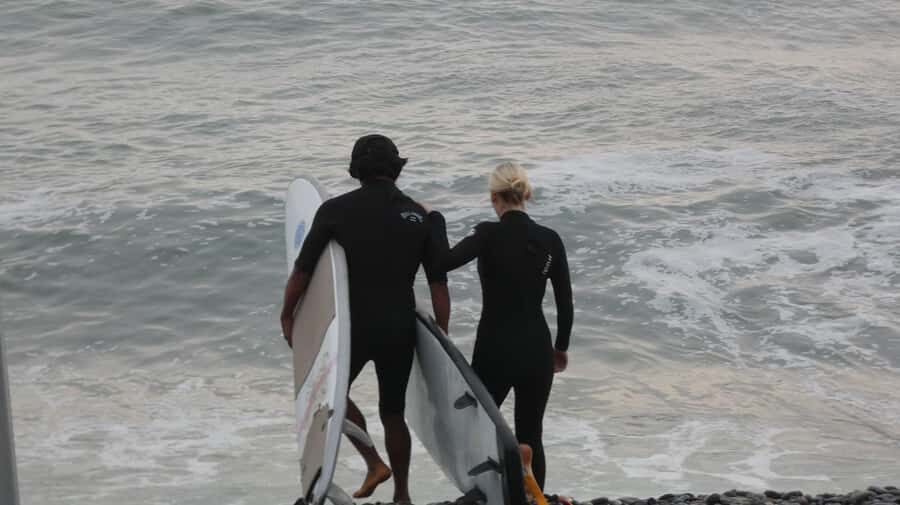
After the main 90-minute session, you can continue surfing for an extra hour. That additional water time is where skills often start to click, because you get more attempts to apply what you learned during the lesson.
You should also know the operator allows longer sea time with additional payment. One detail included in the information is that you can stay up to 4 hours after the class by paying extra.
This option is best for you if:
- You learn faster with repetition.
- You want more wave attempts rather than switching to dry-land activities.
- You’re already comfortable enough to stay safe and listen closely to the instructor.
If you’re brand new and still figuring out where your balance starts working, the first lesson hour may feel like a lot. That’s normal. The optional extra time is there for you if you feel ready—no pressure to overdo it.






Price and value: what you’re really paying for at $36
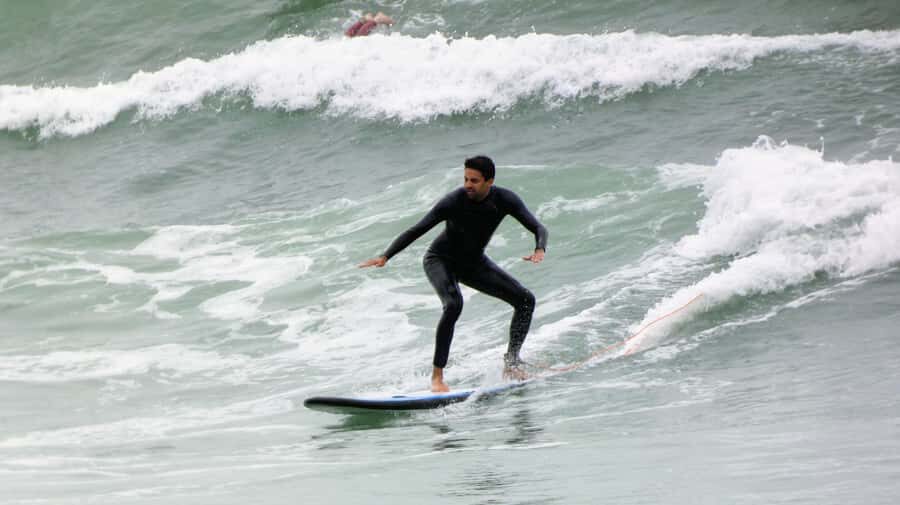
At $36 per person for a 90-minute surf lesson, the value is all about what’s included. You’re not paying for a board rental and hoping you get coaching on top. Your class includes complete surfing equipment—wetsuit and surfboard—and certified instructors who teach technique and safety.
In plain terms: you’re paying for time on the water plus skilled attention. That’s the expensive part in most learning experiences—good instruction and safety supervision—so it’s smart that it’s included rather than tacked on later.
Also, this is not positioned as a quick photo op. The class includes warm-up, stretches, terrain simulation, and a full hour of in-water coaching. If you go in expecting a guided skill lesson, the structure justifies the price.
What’s included, what to expect, and what to avoid
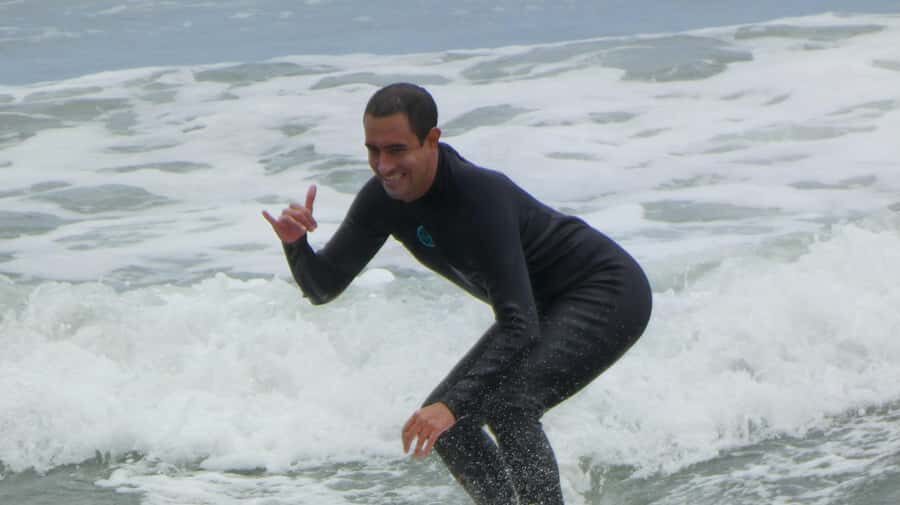
Here’s what the class includes:
- A 90-minute surf lesson
- Complete equipment: wetsuit, surfboard, and instructor support
- Certified instructors and a focus on safety and technique at sea
- A lesson designed to fit all levels and ages (with the stated age limits below)
What’s not included is any extra time in the sea after the class hour-and-a-half block. If you want that extra surf time, you pay for the added hour (and potentially longer stay) separately.
What’s not allowed is straightforward:
- No alcohol or drugs
That matters for you because it keeps the session safer and more focused. Surfing is physical and balance-heavy even under calm conditions, and the operator clearly wants everyone sharp and following guidance.
Who this Lima surf class fits best (and who should rethink it)
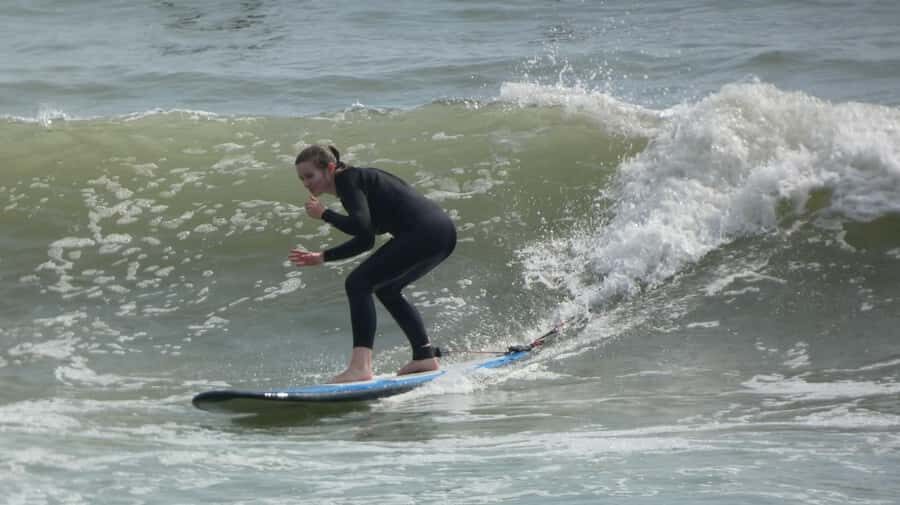
This is a good fit if you want a beginner-friendly introduction with real structure. The lesson is suitable for all levels, and instructors will adapt if you’ve surfed before.
It’s also a good fit if you want a more personal feel. The experience is described as a private group. That can mean more attention from the instructor and less waiting for your turn.
Language options are another plus. Your instructor may speak English, Spanish, or Portuguese, which helps a lot if you want to understand technique instructions clearly instead of relying on guesswork.
On the other hand, it’s not suitable for:
- Children under 3 years
- Pregnant women
- People over 80 years
And there’s a health note you should take seriously: ensure you’re in good physical condition, and check with your doctor if you have medical concerns. It’s also recommended to have travel insurance that covers water activities, since you’re participating in an aquatic sport.
Finally, the minimum group size matters. The activity requires at least 4 participants to run, so if you’re booking at a quieter time, it’s worth checking that your session will actually take place.
Practical tips to get better fast in Lima’s surf
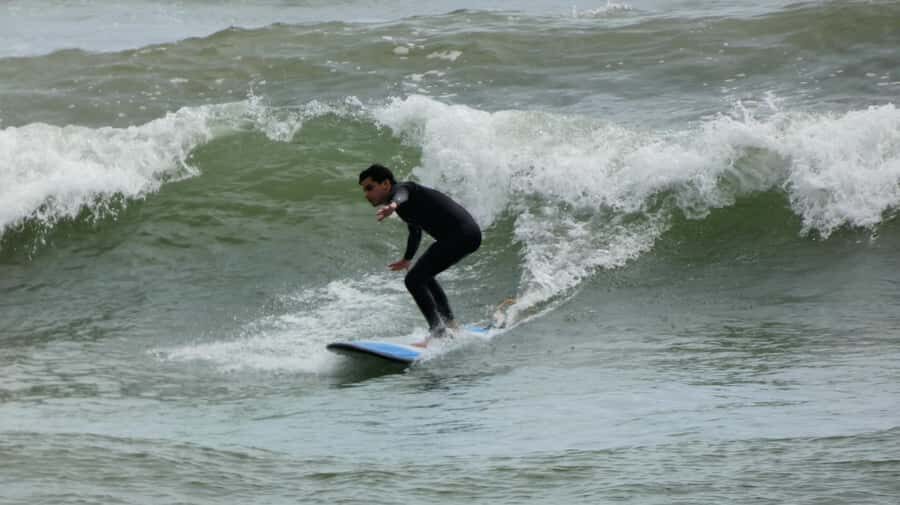
You’ll learn faster if you act like a student and a teammate, not just a participant. Your best outcomes come from following the instructor’s guidance and taking the warm-up seriously.
Here are practical ways to prepare, based on what the lesson focuses on:
- Treat paddling as the foundation. If your paddling is off, you’ll struggle to get into position no matter how good your balance looks on land.
- Listen for positioning cues. Small changes in stance and where you place your body can make a big difference with wave timing.
- Use the balance training right away. When the instructor calls for balance changes, do it even if you feel unsure. That’s how you start getting consistent.
- In winter, respect how strong the surf can feel. If you’re not used to it, pace yourself. Strong waves can be part of the experience, but safety and control come first.
Also, bring what keeps you comfortable. Sunscreen and a towel are not optional extras here. Lima sun can be relentless even when the water feels cold, and being warm and dry after your session helps you recover and enjoy the rest of the day.
Instructors and style: patient coaching you can build on
One of the most praised parts of this class is the instruction approach. Multiple reviews highlight that instructors were patient, assisted when needed, and clearly explained skills—especially important for beginners.
Names you might see tied to great teaching include Felipe, Carlos, Denise, and Denis. What connects them is a calm focus on helping you catch waves as a first-timer, not just getting you wet.
That coaching style is exactly what you want when you’re learning the basics:
- The lesson covers core skills (paddling, positioning, balance).
- The instructor adapts for prior experience.
- You’re supported when the waves are doing their thing.
If you tend to get frustrated when things don’t work on the first attempt, this kind of teaching can make the difference between quitting and improving.
Should you book this Lima surf class?
If you want a structured beginner surf lesson in Lima with equipment and a certified instructor included, this is an easy yes. The price is reasonable for what you get—90 minutes of coaching, a wetsuit and board, and real attention on technique.
Book it if:
- You’re new and want paddling, positioning, and balance taught in a simple way.
- You want Miraflores surf time without managing gear logistics.
- You’d like the option to stay longer after the main lesson to practice.
Hold off if:
- You’re not comfortable with physical exertion in potentially strong winter conditions.
- You fall into the listed age or health groups that make the activity unsuitable.
- Your travel plan depends on a guaranteed session when the minimum group size might not be met.
If you’re ready to spend an active day on the coast and learn the basics the right way, this class is a solid start.
FAQ
How long is the surf lesson in Miraflores?
The lesson duration is 1.5 hours, which includes the briefing and the in-water instruction.
What is included in the price?
The experience includes a 90-minute surf lesson, complete surfing equipment (wetsuit and surfboard), and certified instructors.
What should I bring to the class?
Bring swimwear, a towel, sunscreen, water, and comfortable clothes.
What languages are the instructors?
Instructors speak English, Spanish, and Portuguese.
Is there a minimum number of participants?
Yes. A minimum group size of 4 participants is required for the activity to take place.
Can I stay in the sea after the class?
You can continue surfing for an extra hour after the lesson, with additional payment. You can also stay up to 4 hours after the class with further additional payment.