REVIEW · LIMA
7 Day Peru Private Journey
Book on Viator →Operated by VIPAC Travel · Bookable on Viator
Peru, handled start to finish. This private 7-day route links Lima, Cusco, Machu Picchu, and the Sacred Valley into one set plan, with airport meet-and-greet plus day-after-day guided history. I also like the Expedition train ride as the clean, scenic link to Machu Picchu. One thing to plan for: Days 5 and 6 run long, with major transit built in.
This is the kind of trip where someone is already holding the map. You get transfers between airports, hotels, train, and bus, plus 6 nights in selected hotels and a mix of included meals and admission tickets. If you prefer to hop around on your own with no structure, a private schedule like this may feel busy.
In This Review
- Key things worth knowing before you go
- Price and logistics: what you’re actually paying for
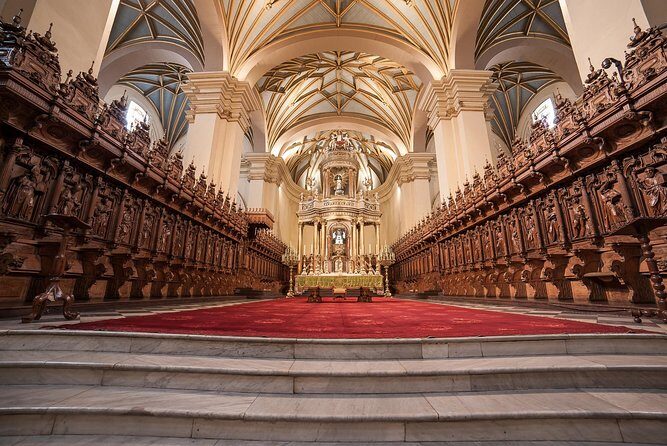
- Day 1 in Lima: Miraflores views, Huaca Pucllana, and the Cathedral complex
- Day 2 in Lima: Museo Larco then pisco sandwiches and the Magic Water Circuit
- Day 3: Flight to Cusco and the full Inca-to-colonial sampler
- Day 4 Sacred Valley: Pisac markets, Inkariy Museum, and Yucay camelids
- Day 5: Moray terraces, Maras salt mines, and the train connection to Machu Picchu
- Day 6: Machu Picchu by bus, guided visit, and the visitor circuit system
- Back in Cusco: a smooth landing after a big day
- Who this private Peru journey fits best
- Should you book this 7-day Peru private journey?
- FAQ
- What’s included in the tour price?
- Is airfare included?
- Does this trip include the train to Machu Picchu?
- What are the main locations covered?
- Where do we meet the tour on arrival?
- How does Machu Picchu circuit routing work?
- When do I receive confirmation after booking?
- Is this tour private?
- Is the tour refundable if plans change?
- Is it suitable for most travelers?
Key things worth knowing before you go
- Private-only group time: only your group participates, not a mixed crowd tour.
- Meet-and-greet on arrival in Lima: a driver meets you after landing.
- Museo Larco plus nighttime fountains: history in the day, light-and-water spectacle in the evening.
- Cusco heavy-hitters: Sacsayhuaman, Qorikancha, and Cusco Cathedral in one Cusco day.
- Sacred Valley variety: Pisac, a museum lunch stop, and Yucay’s weaving and camelid experiences.
- Machu Picchu circuits explained up front: Route 2 is prioritized, with backup options if it’s not available.
Price and logistics: what you’re actually paying for
At $1,630 per person for about 7 days, this isn’t a shoestring deal. But it also isn’t just a pile of sightseeing tickets. What you’re buying is a lot of “friction removal.”
Here’s where the value shows up:
- Transfers are handled throughout: airport to hotel, hotel to train/bus connections, and station back to your next base.
- 6 nights in selected hotels are included, which is often the biggest budgeting unknown on a DIY trip.
- Admissions and guided time are built into the days (like Lima’s Cathedral visit and museums, plus Machu Picchu with a guided visit).
- You get a structured pace that still gives you room to explore Lima on your own terms.
What’s not included matters, too. Airfare (Lima to Cusco and back) is not included in the price. So your real total depends on how you book flights. Also, the biggest travel days (Sacred Valley into the train; then Machu Picchu and back to Cusco) are long. If you hate being on the move, this schedule will test your patience.
You can also read our reviews of more private tours in Lima


Day 1 in Lima: Miraflores views, Huaca Pucllana, and the Cathedral complex
Lima starts with a smooth landing: you meet a driver at J Chavez Intl Airport and get transferred to your hotel. That alone lowers stress fast, because the first day in a new city is usually the hardest.
Your afternoon city walk focuses on Lima’s layers:
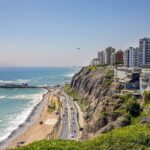
- Love Park in Miraflores gives you the Pacific backdrop and a good “this is where we are” orientation.
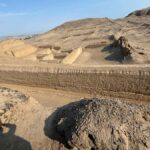
- Huaca Pucllana adds a cultural curveball: a ceremonial center tied to Lima’s earlier cultures. It helps you understand that Lima isn’t only colonial streets.
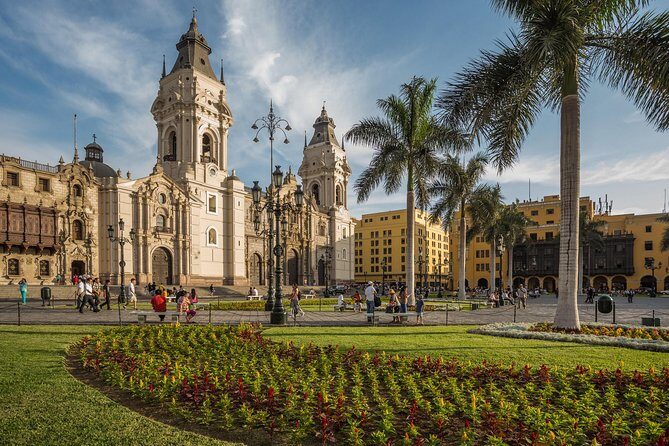
- Then you shift to the Main Square, where you see the Government Palace and Town Hall area.
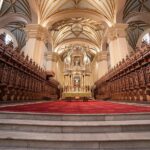
- The visit rounds out with the Cathedral and the Santo Domingo Convent, where you can explore corridors linked to 17th-century saints and the resting place of their remains.
Why I like this first-day format: it’s not just landmarks. It’s a quick primer in how Lima stacks different eras on top of each other. The only possible drawback is that after travel, a 3-hour city tour can still feel like a lot. If you’re jet-lagged, prioritize rest in the evening and treat the tour as orientation, not homework.
Day 2 in Lima: Museo Larco then pisco sandwiches and the Magic Water Circuit
Day 2 is one of the best “contrast” days in the itinerary. You get a serious museum first, then something fun and visual at night.
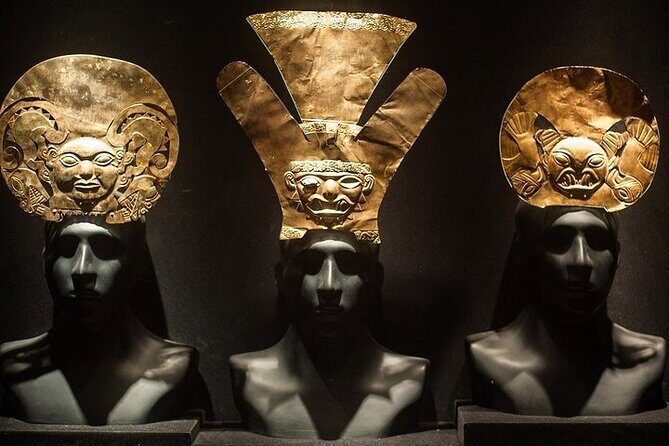
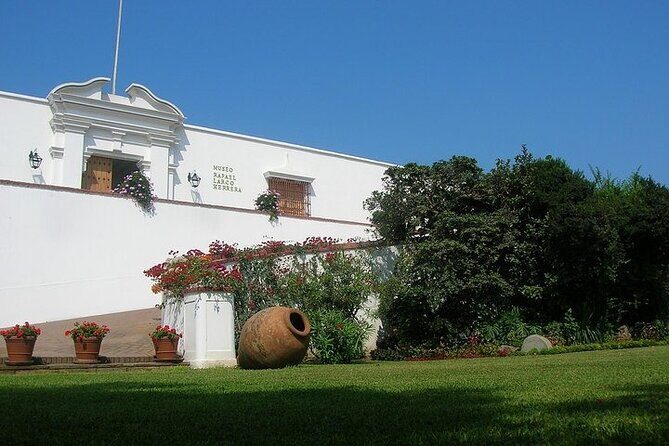
Museo Larco is the anchor stop. It’s known for presenting Peru’s ancient cultures through galleries and, especially, a major warehouse collection of ceramics. The display theme you’ll encounter is everyday life in ancient Peru—faces, objects, birds, fruits, and other scenes—so you don’t just see art behind glass. You see how people lived.
Then you move to the Circuito Magico del Agua area. Before the fountains, there’s an antique tavern stop with Peruvian sandwiches plus a drink of pisco. It’s a practical add-on: food before the show.
The evening highlight is the Magic Water Circuit, described as a major lights-and-fountains spectacle with water, light, music, and visuals. If you like big production energy, this is your payoff night, and it’s timed for dusk so the lighting makes sense.
Possible consideration: you’re doing museum time plus evening show time in one day. If you’re the type who needs quiet and slow pacing, you may want to keep your evening return flexible and not schedule anything extra after the fountains.
Day 3: Flight to Cusco and the full Inca-to-colonial sampler
After Lima, the itinerary snaps into Cusco mode. You transfer to the airport, fly to Cusco, and then get met and transferred to your hotel.
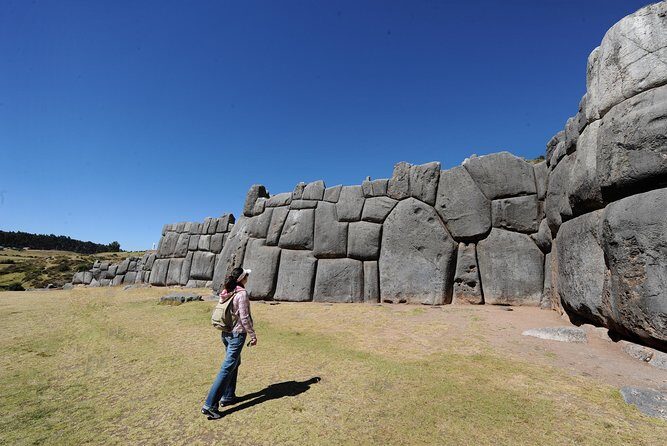
In Cusco, you start with Sacsayhuaman, climbing into the archaeological park. The day focuses on the fortress and the surrounding areas that connect the stones to Inca power and design. You also visit places tied to religious and ceremonial space:
- Q’enqo, including an altar area inside a huge rock.
- Tambomachay, described as sacred fountains of life and health.
- And along the way, a panoramic viewpoint at Puca Pucara, a watchtower controlling the city entrance.
Then you hit Qorikancha, the famed Temple of the Sun. The key point here is the layering: it originally sat above gold-lined splendor, and later the Saint Dominique Convent was built on top. That physical overlap of eras makes the history easier to grasp than reading alone.
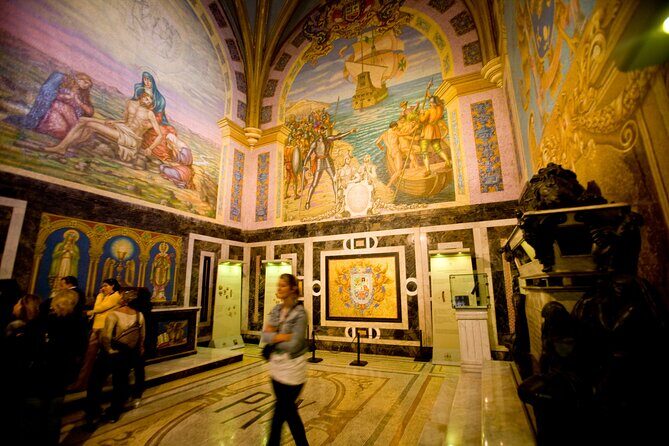
You finish at the Cusco Cathedral, with colonial paintings and early conqueror-era artifacts. It’s another reminder that Cusco’s story doesn’t move in a straight line.
Why this day works: it compresses a lot of major sites into one Cusco block, so you’re not chasing “must-sees” across multiple days. The trade-off is intensity. You’ll want comfortable shoes and the willingness to keep moving.
Also keep in mind that one Machu Picchu-focused review praised guides facing rain, so if weather shifts in the Andes, having a flexible attitude helps.
Day 4 Sacred Valley: Pisac markets, Inkariy Museum, and Yucay camelids
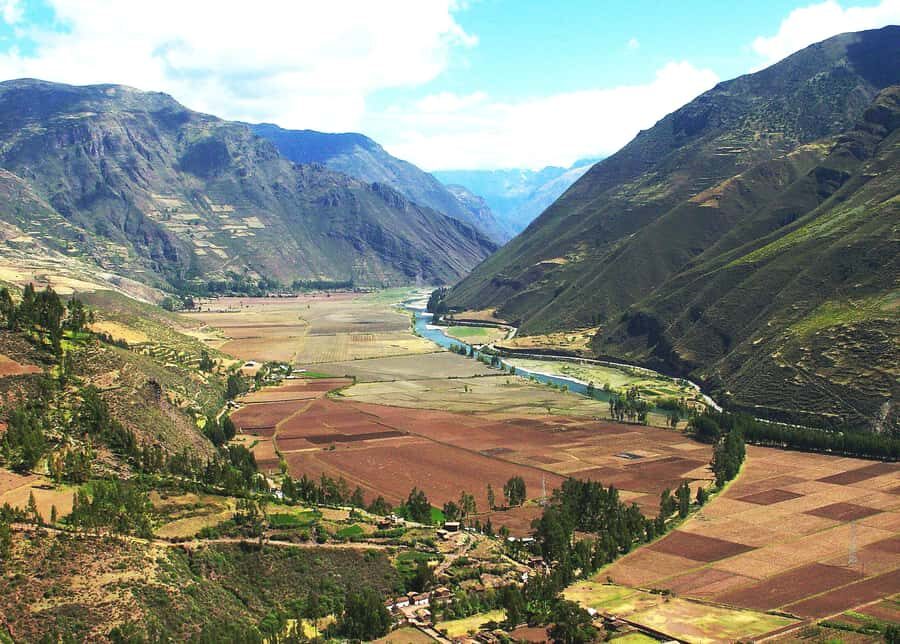
Day 4 is your Sacred Valley deep-feel day. It starts with Pisac, mixing Inca-era archaeology and colonial town time. The walk includes views over the colonial town of Pisac and time in the handicraft market for shopping.
That market stop is more than free time. It’s where you can compare what you’re seeing at sites with what people still make today. If you’re picky about souvenirs (and who isn’t), this gives you a chance to shop without sprinting.
Then the tour moves to the Inkariy Museum, where lunch is included. You also get a guided museum visit focused on rooms exhibiting pre-Hispanic representations of ancient Peru.
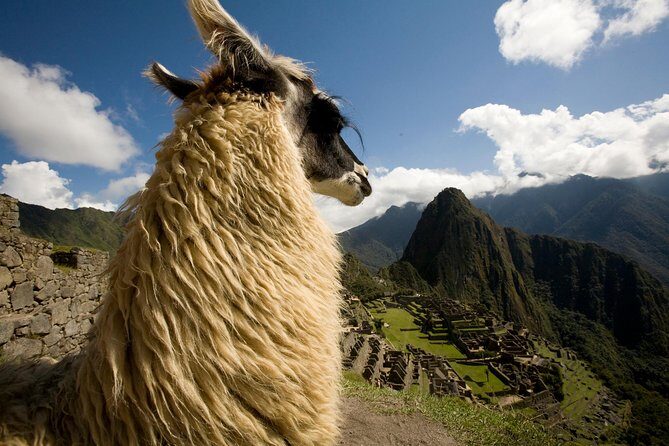
Next up: Yucay Living Culture Center. This is one of the more human-scale stops on the route. You’ll see and feed Andean camelids like llamas and alpacas, and you’ll watch locals show traditional weaving and dyeing techniques for textiles.
What I like about this structure is the “three-step lesson”:
- See the site (Pisac).
- Learn how people made culture (museum).
- Watch craft and animal care in the present (Yucay).
The consideration: it’s an 8-hour day. That’s not a problem if you’re excited, but it can feel like a long stretch if you prefer downtime between activities.
A few more Lima tours and experiences worth a look
Day 5: Moray terraces, Maras salt mines, and the train connection to Machu Picchu
Day 5 is a long scenic day with strong visual payoff. You start at Moray, known for concentric terraces that imitate different microclimates. The terraces are presented as an agricultural strategy the empire used to support production in different conditions.
From there, you go to Maras, the millenary salt mines. The famous contrast is part of the experience: white pools against the green valley. It’s the kind of landscape you’ll want photos for, mostly because it’s so unlike the stone-and-temple visuals earlier in the trip.
Lunch is a buffet, included. That matters on a travel day because it keeps you fueled without hunting down a place on your own.
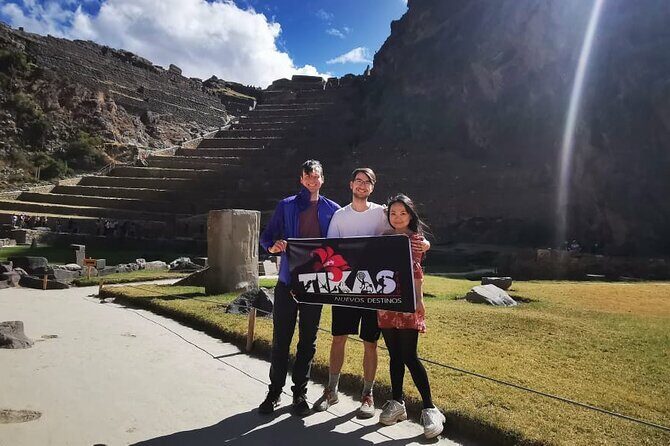
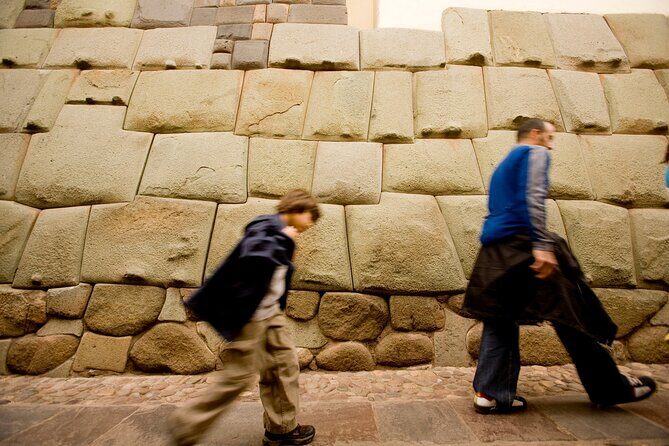
Then you head to Ollantaytambo for the archaeological complex and the stonework techniques, before catching the train at Ollantaytambo Railway Station. This is where the experience starts turning toward Machu Picchu.
One practical consideration: because this day runs about 10 hours, your energy management matters. If you usually get hangry, use the meal windows carefully and don’t assume you’ll find extras easily later.
Day 6: Machu Picchu by bus, guided visit, and the visitor circuit system
Machu Picchu day begins with a bus ride up the winding road, with views over the Urubamba River and canyon. Then you reach the Lost City of the Incas and get a guided visit.
You’ll see the terraces, ceremonial shrines, steps, and urban areas. This is the day where the trip’s whole theme clicks. Earlier stops explain how the Incas used space, stone, and ritual. Here, you see the result.
Lunch is included at a restaurant in the area, then you return to Cusco and are transferred to the hotel.
Now, the important Machu Picchu detail: visitor circuits. The site has implemented new visitor routes with three main routes. Your tour prioritizes route 2. If it’s not available, the operator will inform you of circuit 3B or circuit 1B so you can confirm before tickets are issued. That’s a good system because it gives you awareness before the time comes, instead of last-minute confusion.
One more realistic note: one review mentioned a Machu Picchu guide handling rain. So if you go in a season with unpredictable weather, pack for damp conditions. Bring a rain layer that you can actually use on a busy walking day.
Back in Cusco: a smooth landing after a big day
After Machu Picchu, you return to Cusco and get transferred to your hotel. That’s a big deal because Cusco nights can be chaotic if you’re doing logistics on your own. Here, the schedule keeps the pressure off.
Your final full day in the tour is more travel-focused:
- Overnight in Cusco after Machu Picchu.
- Day 7 is a departure transfer.
If you like the city vibe, use the last evening to reset. If you prefer quiet, this is also a good time to do that, since Days 4–6 are the heavy “eyes-on” days.
Who this private Peru journey fits best
This tour makes the most sense for you if:
- You want a private plan (only your group) with guides and drivers handling the handoffs.
- You like guided context—museums plus archaeology—so you understand what you’re seeing, not just where to stand for photos.
- You want Lima and the Sacred Valley included, not just a quick Machu Picchu sprint.
It may be less ideal if:
- You hate long travel days. Days 5 and 6 run close to 10 hours each, and the day structure is built around connections.
- You’re expecting airfare included. Flights are not part of the package.
Based on feedback patterns, this company style seems to work well for groups who value organization and timely service. Names that came up in connection with strong on-the-ground help include Richard Vargas and Fatima in Lima, and guide roles like Sofia, Hector Morales, and in Cusco/Sacred Valley Ruben, David, and William. Depending on your dates, your staff lineup may differ, but the emphasis on punctual, supportive service shows up repeatedly.
Should you book this 7-day Peru private journey?
If you want the “Peru done for you” version—Lima first, then Cusco, then Machu Picchu, with the Sacred Valley in between—this is a strong match. The value isn’t just sightseeing. It’s the transfers, the included hotel nights, the admission structure, and the way the itinerary reduces decision fatigue.
I’d especially recommend it if:
- You’re traveling as a couple or small group and want privacy without sacrificing structure.
- You’re okay with an active schedule and long transit days.
- You like having a clear route with planned meals and guided site time.
I’d think twice if you’re after slow travel, or if you plan to stay in Cusco for extra days on your own right away. This trip is built to deliver the highlights inside one week, and it sticks to that mission.
FAQ
What’s included in the tour price?
Transfers from/to airports, hotels, railway and bus station are included, along with 6 night accommodations in selected hotels. Breakfast (6) and lunch (3) are included, plus the relevant admission tickets for the listed activities.
Is airfare included?
No. Airfare for Lima to Cusco and Cusco to Lima is not included.
Does this trip include the train to Machu Picchu?
Yes. You ride the Expedition train to Machu Picchu as part of the journey, and the train connection is scheduled from Ollantaytambo.
What are the main locations covered?
The tour covers Lima, Cusco, Machu Picchu, and the Sacred Valley.
Where do we meet the tour on arrival?
The start point is J Chavez Intl Airport in Lima, Peru. Pickup is offered.
How does Machu Picchu circuit routing work?
Machu Picchu uses visitor circuits. Route 2 is given priority. If route 2 isn’t available, you’ll be informed about circuit 3B or circuit 1B options so you can confirm before tickets are issued.
When do I receive confirmation after booking?
Confirmation is received within 48 hours of booking, subject to availability.
Is this tour private?
Yes. Only your group participates, with private service and guided activities as scheduled.
Is the tour refundable if plans change?
No. This experience is non-refundable and cannot be changed for any reason. If you cancel or request an amendment, the amount paid is not refunded.
Is it suitable for most travelers?
Most travelers can participate. The tour is described as feasible for typical traveler participation.