REVIEW · PARACAS
Paracas:Private Tours Paracas National Reserve all inclusive
Book on GetYourGuide →Operated by SOUTH AMERICANS SECRETS E.I.R.L · Bookable on GetYourGuide
Paracas has a way of changing your mind fast about deserts. In one tight private tour you get flamingos near the water, plus the surreal colors of Playa Roja and the pink lagoon. I love how it mixes wildlife, geology, and local science without feeling rushed, but one drawback is simple: no meals or drinks are included, so you’ll want snacks or plan to eat right after.
This reserve sits on Peru’s coast where the Humboldt Current and year-round upwelling feed an unusually productive marine ecosystem. That matters because it supports a big cast of birds, fish, and even cetaceans, while the peninsula itself offers dramatic viewpoints over cold Pacific swells and sedimentary rock layers.
Price-wise, at about $43 per person for a private service with pickup, entrance fees, a professional guide, and binoculars, it’s strong value for an afternoon that would be harder to assemble on your own.
In This Review
- Key things that make this Paracas tour worth your time
- Why Paracas National Reserve feels different from other coastal stops
- Price and what your private tour actually includes
- How the 9:00 to 3:00 schedule works (and where the time goes)
- Centro de Interpretacion: start with the sea science before the viewpoints
- Flamingos by the water: the short walk that sets the tone
- Mirador Catedral: rock formations and the view that makes geology click
- Istmo viewpoint: highest point energy without heavy hiking
- Playa Roja: the red-sand photo stop you’ll keep returning to
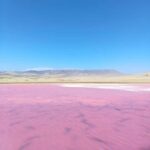
- Pink lagoon color (Lagunillas): why it turns pink
- The wrap-up drive back to Paracas
- Wildlife beyond birds: how to think about fish and cetaceans here
- What guides add: Lucio, Alberto, and the value of good explanations
- What to bring, what to watch for, and who this suits best
- Should you book this Paracas private reserve tour?
- FAQ
- How long is the Paracas National Reserve private tour?
- What time does the tour operate?
- Do I get hotel pickup and drop-off?
- What stops are included during the tour?
- Will I have a guide and are languages covered?
- Are entrance fees included?
- Is binoculars provided?
- Are meals and drinks included?
- What should I bring to stay comfortable outdoors?
- Are pets allowed?
Key things that make this Paracas tour worth your time
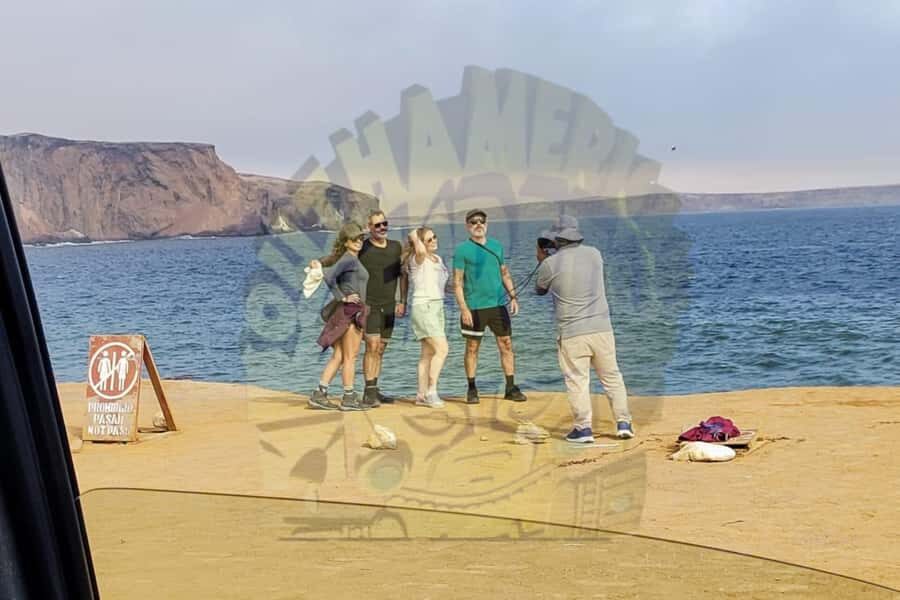
- Private pacing: you move at your group’s speed, with frequent photo stops.
- Bird-focused stops: a walk for flamingos plus a reserve known for 224 bird species.
- Red-sand and pink-lagoon color: Playa Roja and Lagunillas/Rosada-type pink tones from salt and microorganisms.
- Big views without climbing: Mirador Catedral and the Istmo viewpoint for peninsula panoramas.
- All-in planning: hotel pickup, entrance fees, and binoculars are included.
Why Paracas National Reserve feels different from other coastal stops
Paracas isn’t just scenic coastline. It’s a biologically busy system that’s productive because of the Humboldt Current and coastal upwelling that occurs year-round. In plain terms: colder nutrient-rich water helps food chain activity stay strong, which is why you can see so much wildlife in a relatively small area.
The reserve is also recognized as a wetland of international importance (Ramsar site since 1991). That label is useful because it signals long-term conservation value, not just a one-season photo spot. You’ll feel it in the way the tour starts with an information center run by residents biologists and then moves into viewpoint and beach areas where the geology and ecology are tightly linked.
You can also read our reviews of more private tours in Paracas
Price and what your private tour actually includes
At about $43 per person for roughly 3 hours (210 minutes), you’re paying for a lot of friction-free convenience plus a guide who can connect what you see with what it means.
What’s included:
- Pickup from your hotel in Paracas and drop-off afterward
- Private transportation (jeep/SUV)
- Professional guide (English, with Spanish available as well)
- Entrance fees
- Binoculars
What’s not included:
- Meals and drinks
- Personal expenses
- Travel insurance
The value is best for people who want a focused afternoon with zero map work. If you’re traveling solo or in a small group, the private format helps justify the price because it often costs more time than money to build this kind of route yourself. The main trade-off is that you’re out for half a day, so you’ll want your energy for cameras and light walking.
How the 9:00 to 3:00 schedule works (and where the time goes)
This tour can be scheduled from 9:00 am to 3:00 pm, but the standard plan is about 3 hours. The flow is built around a few high-payoff stops: a learning start, then a sequence of viewpoints and sand/beach color points, ending back at your hotel by around 12:30 pm.
Because it’s private, you’re not stuck waiting on a big group bus. The timing still moves steadily: you’ll usually get short guided time at each main stop, plus some driving and scenic passing time between them. If you’re the type who likes to linger for photos, you’ll appreciate that the guide can adjust on the fly—there’s even an option to extend the tour to about 4 hours if you want extra time for panoramic views and more geological phenomena across the peninsula.
Centro de Interpretacion: start with the sea science before the viewpoints
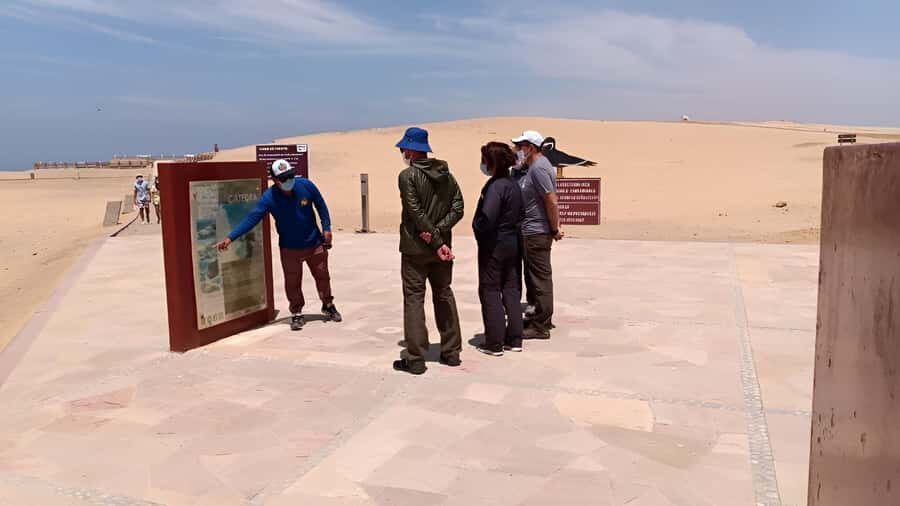
The tour begins with pickup from your Paracas-area hotel around 9:00 am, then you head to the Centro de Interpretacion. Expect about 35 minutes of guided context from the local team (resident biologists prepared the information center).
This is not time wasted. It sets up everything you’ll see later:
- Why Paracas is productive marine territory in the Pacific
- How coastal upwelling and the Humboldt Current support a rich food chain
- Why the reserve has so many species of birds and marine life
You’ll also get a better sense of the human side. The area has 114 recorded archaeological sites, and the story here is that ancient inhabitants of Paracas built their lives around the sea. Even if your main goal is birds and beaches, this start helps your photos feel like more than just pretty colors.
Practical tip: Wear sunscreen and sunglasses before you enter the next stage. Light is strong, and you’ll spend plenty of time outdoors afterward.
Flamingos by the water: the short walk that sets the tone
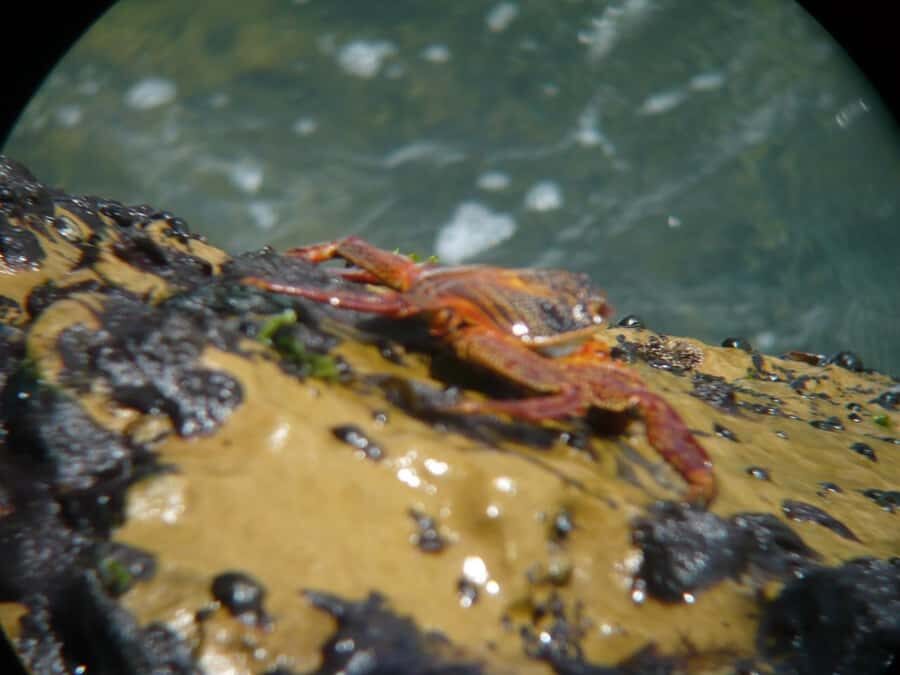
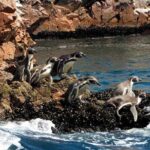
After the interpretation stop, you’ll do a short walking segment with flamingos in view (around 9:40 am in the typical flow).
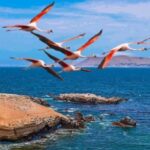
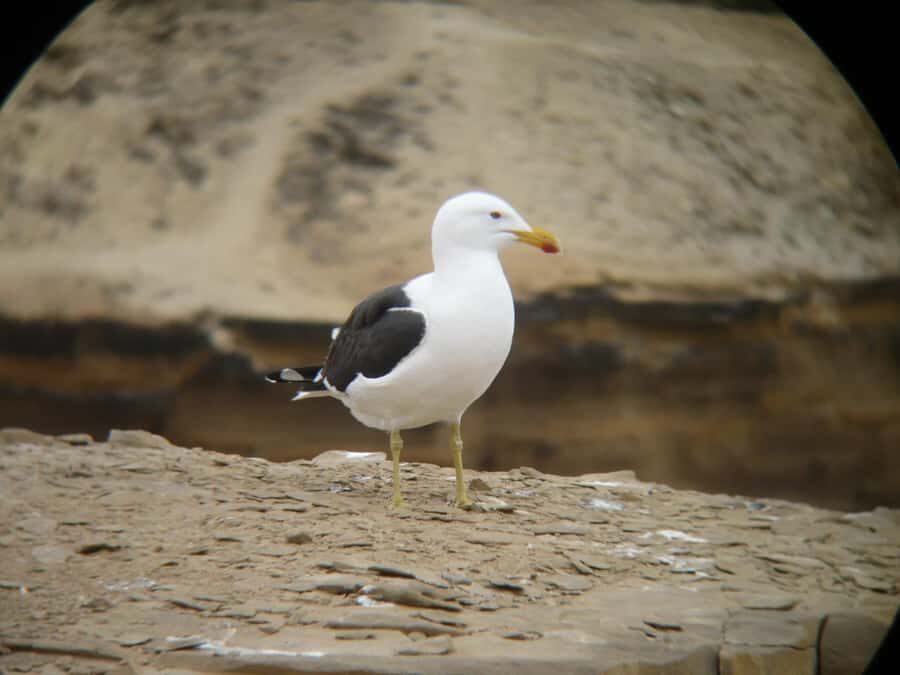
This is one of the most emotionally satisfying parts of the day because it turns the ecosystem from an idea into something you can watch. Flamingos tend to catch attention fast, and seeing them here connects directly to the reserve’s bird diversity (224 species overall). Even if you’re not a birder, it’s a quick way to understand why Paracas earns its conservation status.
If you like bird details, bring your camera close and be ready for short bursts of motion rather than long still moments. Binoculars can help you pick out shapes and movement at a distance.

Mirador Catedral: rock formations and the view that makes geology click
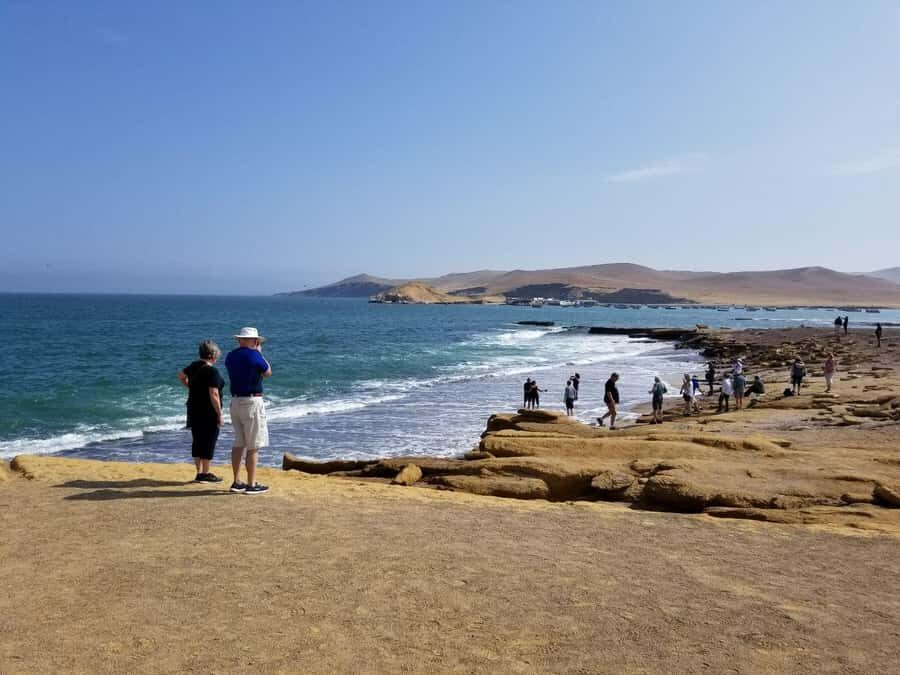
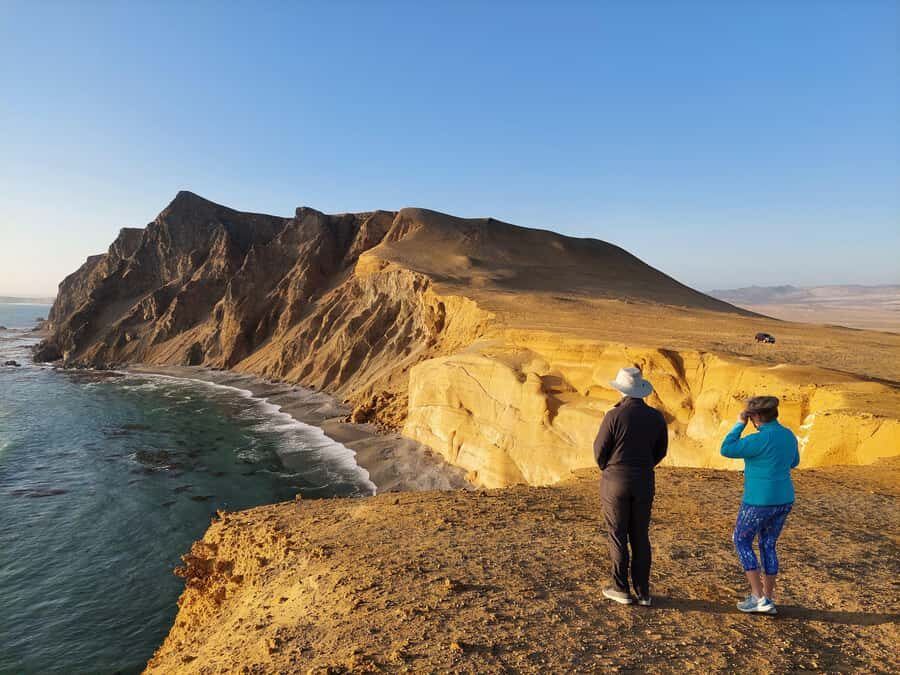
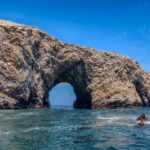
Next you’ll drive to a major rock formation called Catedral (around 10:00 am). You’ll have guided time and a photo-friendly pass-through as you take it in.
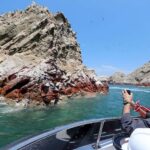
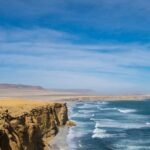
What makes this stop special is that the reserve’s beauty isn’t only the sand. The peninsula’s geological features explain why the coastline looks the way it does, with visible layers and striking shapes that you simply can’t replicate in a city viewpoint. This is the kind of place where, if you pay attention for five minutes, you start noticing the patterns instead of just the drama.
Downside to consider: This portion involves driving and time outdoors, so if it’s extremely windy you’ll want a sun hat plus something to hold your camera steady.
Istmo viewpoint: highest point energy without heavy hiking
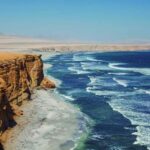
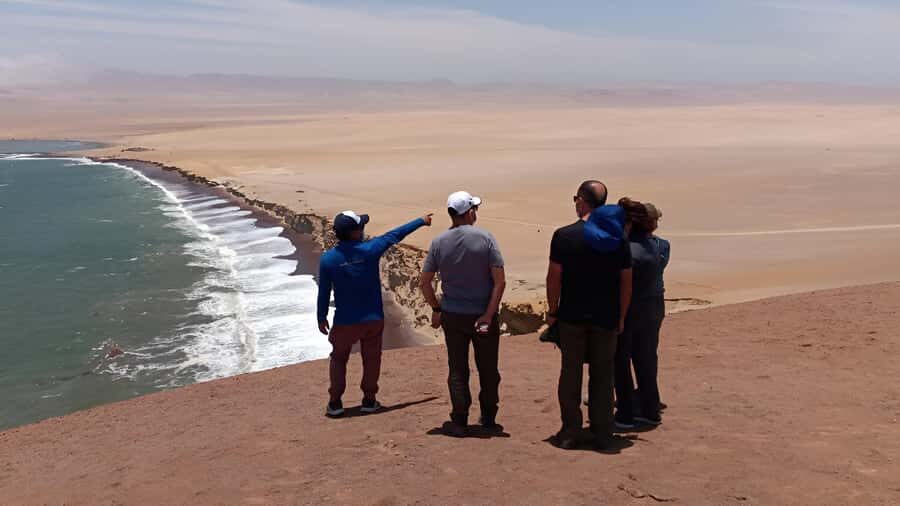
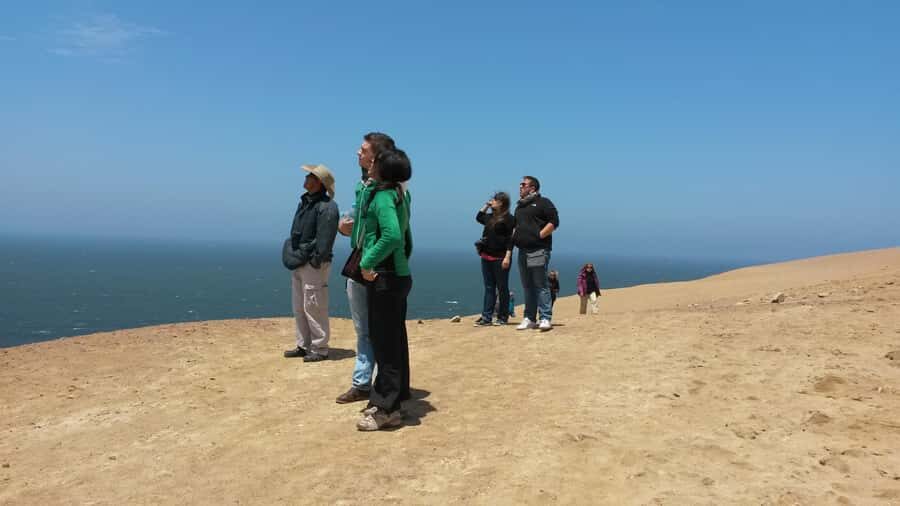
From there, you drive along the coast to a high viewpoint at the Istmo of the Paracas Peninsula (around 10:45–11:00 am in the typical sequence). Expect photo stops plus scenic time on the way, guided enough to help you “read” what you’re looking at.
This is a great fit for two types of travelers:
- People who want sweeping panoramas without a long hike
- People who enjoy learning how the peninsula’s shape affects views, wind, and coastal swell
You’ll often see the blue and turquoise tones of the water and feel the cold Pacific energy in how the swells roll in. If you opt for the extended 4-hour version, you’ll likely get more time for panoramic viewing and extra geological perspective across the peninsula.
Playa Roja: the red-sand photo stop you’ll keep returning to
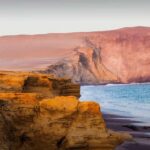
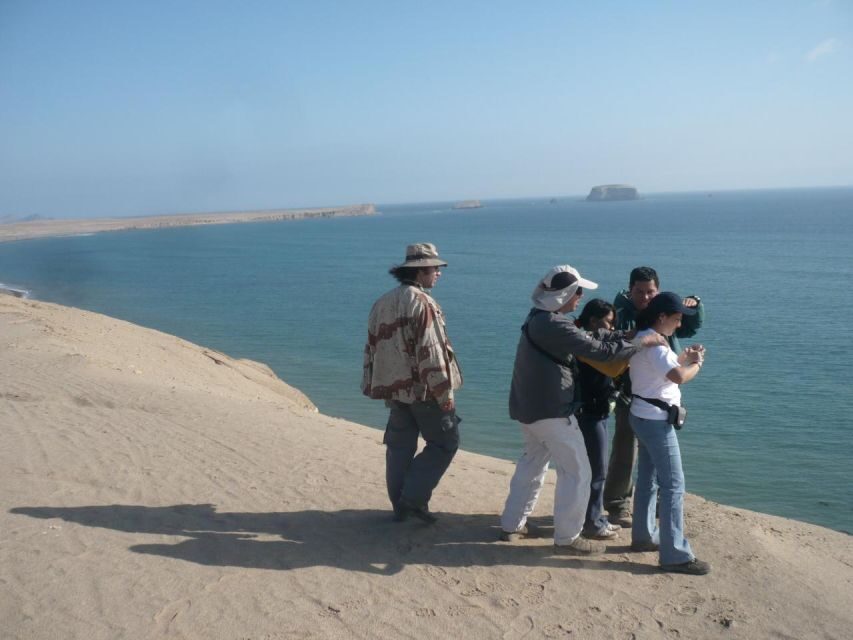
Around 11:00 am, you’ll stop at Playa Roja for photos. This is the tour’s color moment in the most literal sense: red sand against pale tones, with dramatic coastal context.
Even when the weather is bright, the color here can feel almost unreal in photos. That’s why it’s worth slowing down. Take a few wider shots so you capture the coastline, then zoom in for sand texture and rock edges.
Tip from the field: Wear beachwear or at least clothing you don’t mind getting dusty. The sand and wind can leave a fine film on shoes and pant hems, even if you only walk a little.
Pink lagoon color (Lagunillas): why it turns pink
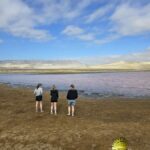
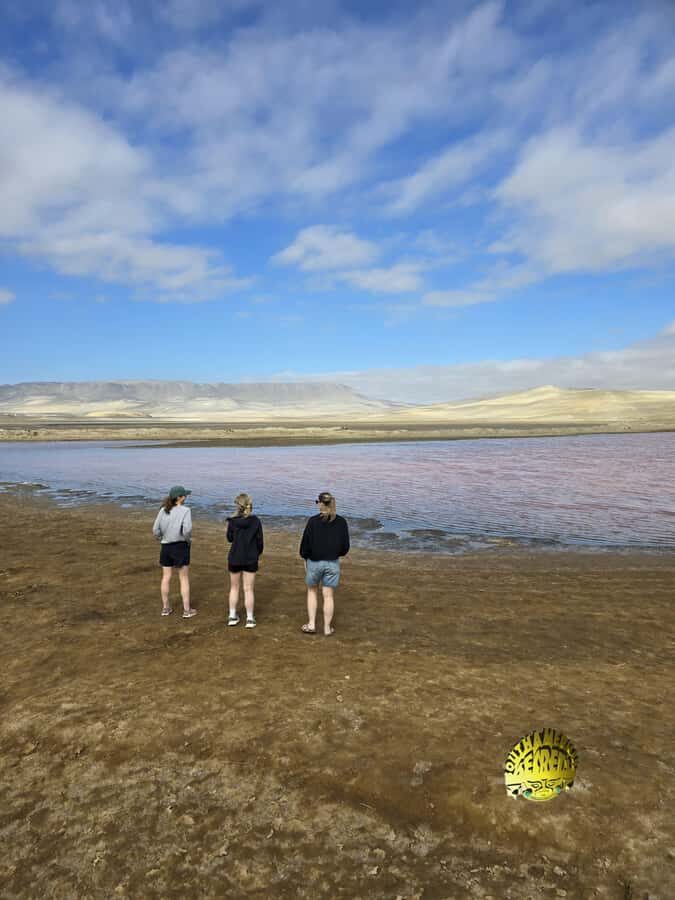
Next is Lagunillas (often referenced as the pink lagoon), around 11:20 am with about an hour of time at this stop in the standard plan.
The pink color isn’t random. It’s linked to microorganisms and a high concentration of salt. In other words, you’re seeing biology plus chemistry shaping the visual. That makes this stop more interesting than a typical shoreline photo—there’s a real scientific reason behind the look.
What to expect in real life: Pink can vary by time and conditions, and your best photos often come when the light hits the surface at the right angle. If you’re serious about pictures, spend a few minutes trying different viewing positions rather than taking one shot and moving on.
The wrap-up drive back to Paracas
By about 12:30 pm, you’ll return to your hotel and the tour ends. That quick turnaround is part of the appeal. You get a full “big nature afternoon” without losing the rest of your day in transport.
If you’re planning the rest of your itinerary, keep dinner later. You’ll probably work up thirst and appetite during sand-and-viewpoint time, and meals and drinks aren’t part of the tour package.
Wildlife beyond birds: how to think about fish and cetaceans here
The reserve is famous for more than the flamingos you can spot during the walk. The broader numbers are striking:
- Over 180 fish species
- 20 species of cetaceans
- The bird count around 224 species
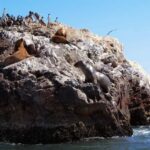
Even if your specific sightings during the tour focus on birds and the visual lagoon experience, these stats help you understand why Paracas is considered such a productive marine refuge. Humboldt upwelling keeps the system running, so life concentrates where nutrients land.
In practice, you’ll get the best results by approaching wildlife as “watching for moments,” not collecting guarantees. Your guide helps because they can interpret what you’re seeing and where to focus your attention at each stop.
What guides add: Lucio, Alberto, and the value of good explanations
The difference between a good tour and a great one is what happens between the photo stops. Here, guides like Lucio and Alberto (and also Luis, based on past experiences) often make the day feel smarter and less hurried. The best guides don’t just point. They explain the connection between science, local history, and the shape of the land.
You may also notice hands-on touches. One guide experience described using bird-call materials and even small fossil-brushing-style tools for a more tactile learning moment. You can treat that as a bonus possibility: the core is always the guided walkthrough plus the stop-by-stop interpretation.
If you care about getting more out of each viewpoint, choose a time when you can ask questions. The tour format supports it because the group is private.
What to bring, what to watch for, and who this suits best
Bring:
- Sunglasses
- Sun hat
- Camera
- Sunscreen
- Beachwear
Avoid bringing:
- Pets (assistance dogs allowed)
A few “real world” considerations:
- Wind and sun both matter here, so hat and sunscreen are not optional.
- Expect uneven ground at beach and viewing areas. It’s usually manageable, but you should be comfortable walking short distances.
- The tour is listed as wheelchair accessible, which is a big plus for travelers who need it.
Who this suits:
- You want wildlife plus geology in one half-day
- You enjoy photography with varied backdrops: red sand, pink lagoon, rocky formations, and water views
- You want a private, guide-led route rather than a crowded bus day
- You care about conservation context and how the sea shapes human life in Paracas
Who might pause before booking:
- You’re only interested in one narrow thing, like sand beaches without any learning component, since the schedule includes interpretation and multiple guided stops.
Should you book this Paracas private reserve tour?
I’d book it if you want an afternoon that feels like a real place, not a checklist. The combination of an information center, a flamingo viewing walk, high peninsula viewpoints, and the color stops of Playa Roja and the pink lagoon makes this route hard to beat for value. With pickup, entrance fees, a professional guide, and binoculars included, you’re paying mostly for access and interpretation, not just driving.
If you’re the type who hates sun and forgot sunscreen, you’ll feel it here. And because meals and drinks aren’t included, plan to eat afterward or bring a small snack you can enjoy before or after the tour.
If those trade-offs sound fine, this is exactly the kind of Paracas experience that leaves you with both photos and a clearer sense of why this reserve matters.
FAQ
How long is the Paracas National Reserve private tour?
The tour duration is about 210 minutes, which is roughly 3 hours in the standard program.
What time does the tour operate?
Tours can be scheduled from 9:00 am to 3:00 pm.
Do I get hotel pickup and drop-off?
Yes. Pickup is included from your hotel in Paracas, and the tour also includes drop-off back at your accommodation nearby.
What stops are included during the tour?
The itinerary includes an information center visit, a short flamingo walk, viewpoints such as Catedral and the Istmo, a photo stop at Playa Roja, and a visit to Lagunillas (the pink lagoon area).
Will I have a guide and are languages covered?
Yes, you’ll have a live guide. Languages listed are English and Spanish.
Are entrance fees included?
Yes, entrance fees are included in the tour price.
Is binoculars provided?
Yes. Binoculars are included.
Are meals and drinks included?
No. Meals and drinks are not included.
What should I bring to stay comfortable outdoors?
Bring sunglasses, a sun hat, a camera, sunscreen, and beachwear.
Are pets allowed?
Pets are not allowed, but assistance dogs are allowed.