REVIEW · LIMA
Machu Picchu, Cusco & Lima 7-Day Tour
Book on Viator →Operated by Viagens Machu Picchu · Bookable on Viator
Peru hits different when logistics are handled for you, especially on a tight 7-day schedule. This tour strings together Lima, Cusco, the Sacred Valley, and Machu Picchu with planned guides and included entrances, so you spend less time figuring it out and more time looking up. I especially like the mix of Colonial-era Lima and real local neighborhoods in Miraflores, plus the steady pacing that helps you adjust before the big Machu Picchu day.
Then there’s the Cusco part: you get multiple Inca sites in one run (Qorikancha, Sacsayhuaman, Q’enqo, Puka Pukara, Tambomachay), not just a token stop or two. I also like that after landing, you’re guided through the first-day routine in Cusco with a practical altitude helper—coca tea—so you’re not guessing what to do with your first hours in the Andes. A key consideration: you’ll do a lot of walking and moving around at altitude, so bring good shoes and plan to take it easy the first day in Cusco.
In This Review
- Key highlights you’ll feel fast
- Lima, Historic Center to Miraflores: Where the Trip Starts Easy
- Cusco Arrival and First Day Rhythm: Getting Ahead of Altitude
- Cusco’s Inca Core in One Packed Day: From Qorikancha to Tambomachay
- Sacred Valley Day: Pisac Market, Ollantaytambo Streets, and the Train to Aguas Calientes
- Machu Picchu Day: Bus Up, Guided Understanding, Back to Cusco
- Lima Final Day: A Clean Airport Exit
- Guides, Group Size, and the Human Touch That Shows Up
- Price and Value: What Your $1,311 Gets You (and Why It Adds Up)
- Who This Tour Suits Best (and Who Should Rethink It)
- Should You Book This Machu Picchu, Cusco & Lima 7-Day Tour?
- FAQ
- How long is the Machu Picchu, Cusco & Lima tour?
- What does it cost per person?
- How many nights are included in hotels?
- Are meals included?
- Are entrance tickets for the archaeological sites included?
- How do you get to Machu Picchu from Aguas Calientes?
- What kind of support do you get during the trip?
- How big are the groups?
- Is there anything included to help with altitude in Cusco?
- What happens if the weather is bad for Machu Picchu?
- Can I change dates or get a refund if I cancel?
- Are service animals allowed?
Key highlights you’ll feel fast
- Small groups (max 17) keep the tour personal instead of chaotic
- 24-hour Spanish/English assistance means a human answers when plans get messy
- Coca tea on arrival in Cusco is a smart first step for altitude comfort
- Machu Picchu day includes transport timing: bus from Aguas Calientes to the main entrance and back
- Multiple Inca sites in Cusco give context, not just checkboxes
- Miraflores stops with viewpoints and cats add a more local Lima mood than only museums
Lima, Historic Center to Miraflores: Where the Trip Starts Easy
Day 1 is all about getting you settled in Lima with minimal stress. After you land at Jorge Chávez International Airport, you’re met and taken to your hotel, then you get a clear rundown of what’s coming next. That matters more than it sounds—Lima can be overwhelming at first, with traffic, long lines, and lots of options that look similar from a distance.
From there, the first organized day focuses on two very different sides of the city:
1) Historic Center with real landmarks
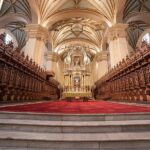
You’ll tour Nicolás de Piérola Avenue and drop into Plaza de Armas (Plaza Mayor), the heart of the historic center. This square is surrounded by power and faith: the Government Palace, the Cathedral of Lima, and other palaces that reflect how the city grew. It’s a good way to get oriented because the plaza is basically Lima’s gravity point.
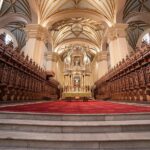
You’ll also visit the Basilica and Convent of Santo Domingo, a major example of Colonial architecture built in 1578, with construction taking decades. This site is meaningful not only for the architecture but also for what it houses: the remains of Santa Rosa de Lima and San Martin de Porres. If you like places that connect art, religion, and local identity, this stop hits.
2) Miraflores with viewpoints and food energy
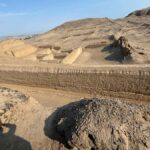
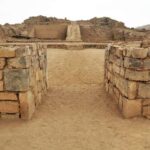
Then the tour shifts to the coast side of town. You visit Huaca Pucllana, one of the city’s 54 huacas, dated to about 200–700 A.D. It’s in Miraflores, which is a neat contrast: modern city life wrapped around a ceremonial site. If you like food as much as sightseeing, this attraction also offers an on-site dining experience in the archaeological setting (based on the tour notes).
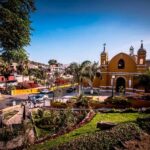
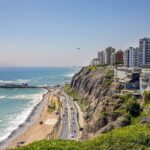
You’ll also stroll through Parque del Amor, known for its ceramic benches, colorful flowers, and the sculpture El Beso by Víctor Delfin. It’s a scenic breather with Pacific views at Costa Verde. And if you’re the kind of person who notices small details (I am), you’ll love Kennedy Park in Miraflores, famous for housing hundreds of stray cats, cared for by the municipality and local non-profits. It’s a quiet, human-scale moment before the Peru whirlwind continues.
What to consider in Lima:
You’re covering a lot of ground in one guided flow—historic buildings, churches, outdoor parks—so heat, sun, and walking time can sneak up on you. Plan on sunscreen and water. And if you’re jet-lagged, you’ll still want to rest first so your Cusco days don’t feel tougher than they should.
A few more Lima tours and experiences worth a look
Cusco Arrival and First Day Rhythm: Getting Ahead of Altitude
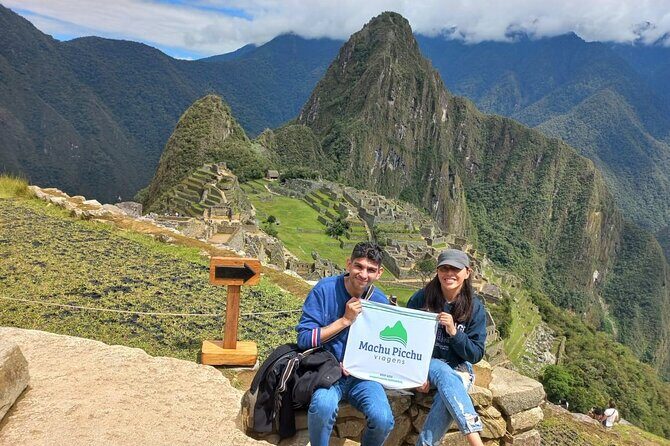
On Day 3, the trip moves from Lima to Cusco. You’re taken to Lima International Airport in time for your flight, then met in Alejandro Velasco Astete International Airport. The tour includes a hotel transfer in Cusco and a short orientation with a map—where to go, where to exchange money, and where to eat.
One practical touch I really like here is the mention of coca tea when you first arrive. You’re in Cusco, and altitude can affect people fast. This isn’t a cure-all, but having something traditional and readily offered makes your first evening more comfortable and less scary.
After you check in, you’ll get guidance on Cusco’s sights and where they sit relative to your base. That “where to start” step is underrated. When you land, you’re tired, and Cusco’s streets aren’t always intuitive. A simple plan helps you avoid wasting your first hours doing wrong turns.
What you’ll notice on this kind of start:
The itinerary isn’t trying to cram Cusco into one marathon day. Day 4 is the big exploring day. So if you arrive and take it slowly the first night, Day 4 feels more like a guided tour than a survival test.
Cusco’s Inca Core in One Packed Day: From Qorikancha to Tambomachay
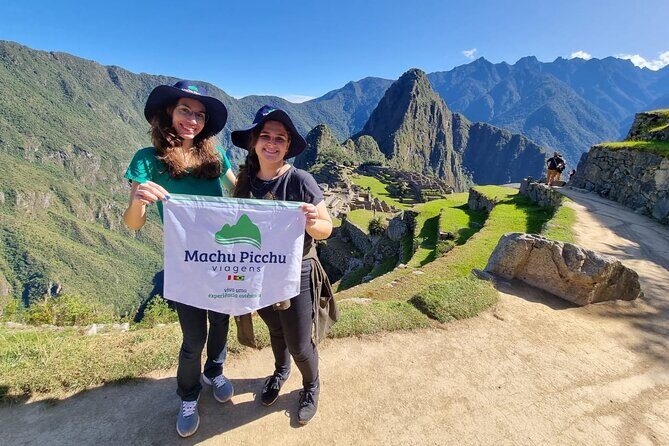
Day 4 is a full Cusco history day. It’s built around sites that explain Inca thinking—religion, power, engineering, and ritual—then shows how Spanish colonial layers sit on top of it.
Qorikancha (Temple of the Sun)
You start at Qorikancha, the historic heart of Inca worship, often called the Temple of the Sun. Here, you get time in the site and you’ll see the Catholic church built over earlier Inca structures. This layering matters: it shows how conquerors didn’t just replace culture—they often built over it.
Cusco Cathedral
Next is the Cusco Cathedral, Colonial baroque architecture, but with foundations tied to an important Inca palace. You’re basically looking at the city’s shift in control in stone. If you like architecture that tells a story, this stop is a strong one.
Sacsayhuaman fortress
Then you head to Sacsayhuaman, a massive megalithic structure that has survived earthquakes over centuries. The tour notes highlight stone sizes—up to about 5 meters and more than 120 tons. Even if you don’t care about construction nerd details, it’s hard not to feel the scale here. This is an excellent spot for photos because it sits in a way that lets you see the surrounding terrain.
Q’enqo and ritual space
You’ll also visit Q’enqo, a ceremonial site where rituals and sacrifices are referenced in historical interpretations. It’s shorter than Sacsayhuaman, but it adds a different “purpose” to the day: less fortress, more ceremony.
Puka Pukara and administrative vibes
Then comes Puka Pukara, described as fortress-like with a likely military and administrative role. It’s a good mid-day transition if you start to feel overwhelmed by pure monument size. It gives you something to picture: how a place could manage territory.
Tambomachay and Inca water engineering
Finally, Tambomachay is where you get Inca hydraulic engineering. The site includes irrigation channels and three water fountains that still provide water today. This is a great “wait, they built this centuries ago?” reality check. When you’re done, you understand that Inca power wasn’t only about temples and walls—it was about systems that worked.
A drawback to keep in mind for Day 4:
You’re moving between sites in a single day, and several of them are at elevation. Expect the pace to be active. If you get winded easily, plan to take short breaks during photo stops and drink water. The tour is structured, but your body still sets the tempo.
Sacred Valley Day: Pisac Market, Ollantaytambo Streets, and the Train to Aguas Calientes
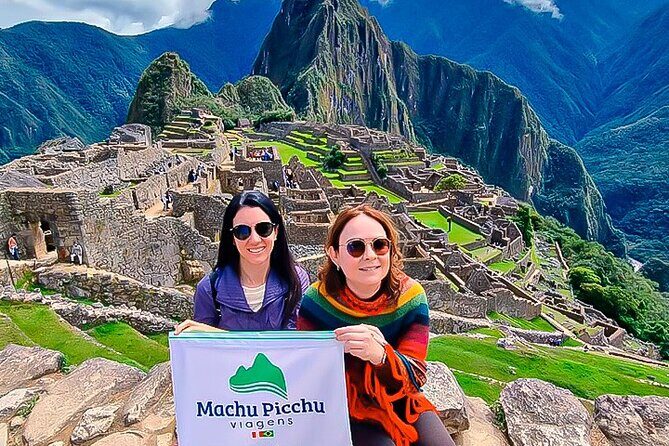
Day 5 is about the Sacred Valley—and it’s one of the most satisfying days because it mixes daily life with big Inca remains.
Awana Kancha (alpacas and textiles)
You start at Awana Kancha, an animal shelter and textiles exhibition. If you like alpacas/llamas/vicuñas (and even if you just like cute), this is an easy and friendly way to begin. It also ties the region’s identity to what people make and wear.
Pisac archaeological park
Next is Pisac at about 3,300 meters—already high, with views over the Sacred Valley. This isn’t just about ruins; you’ll also experience the valley’s scale, which helps Machu Picchu feel less random later.
Pisac market
Then comes the Pisac Artisan Market, described as one of the largest local markets in the region. This is a place to see handmade work and talk to artisans. You get a set time block, so it works best if you go in with a simple goal: look, compare, and buy only what you truly like.
Urubamba buffet lunch by the river
Lunch is included at a buffet in Urubamba at Tunupa Restaurant, with the sound of the Urubamba River nearby. It’s not a luxury fine-dining moment, but it’s a useful reset. You’re also right at the midpoint: after the walking and viewing, you’ll appreciate having a meal handled.
Ollantaytambo’s town layout and its fortress
After lunch, the tour heads to Ollantaytambo. You’ll wander cobbled streets and see an Inca drainage system still visible in the town layout. Then you visit the archaeological park, noted for being the only place that defeated the Spanish army for nearly 50 years. That detail gives meaning to what you see. You’re not only looking at stones—you’re looking at a record of resistance.
Train to Aguas Calientes
Then you board the train to Aguas Calientes, a town in the mountains. You’ll have time in the evening for hotels, restaurants, bars, and handicraft shops.
What I’d watch for on Day 5:
This is a day of contrasts: high ruins, busy markets, and then a train ride into a different kind of mountain town. If you prefer slow travel, you might feel the schedule. But if you want a big Peru hit without chaotic planning, this day is one of the best-balanced.
Machu Picchu Day: Bus Up, Guided Understanding, Back to Cusco
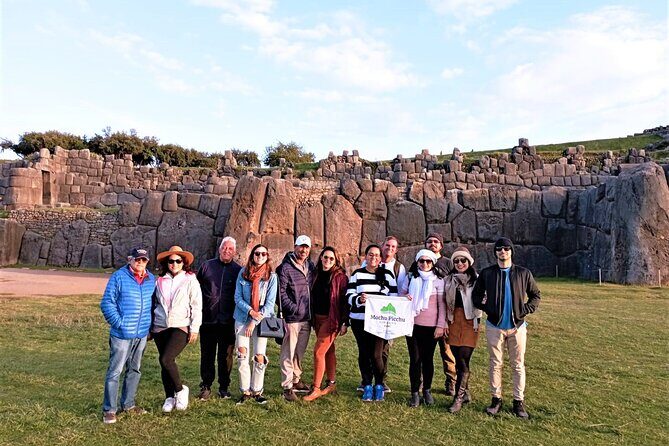
Day 6 is Machu Picchu, and the tour is built to get you there without turning it into an all-day scramble.
Bus from Aguas Calientes to the main entrance
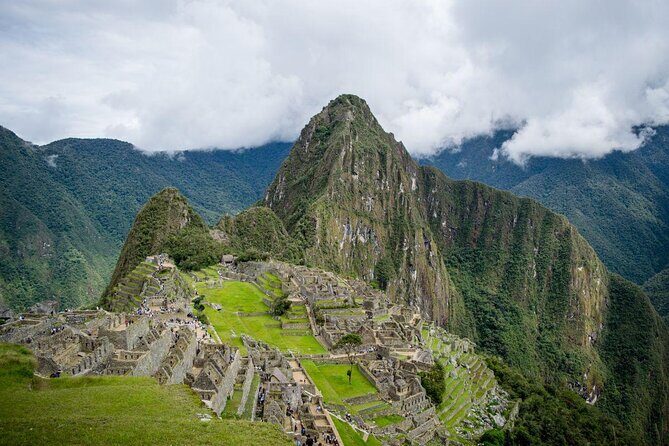
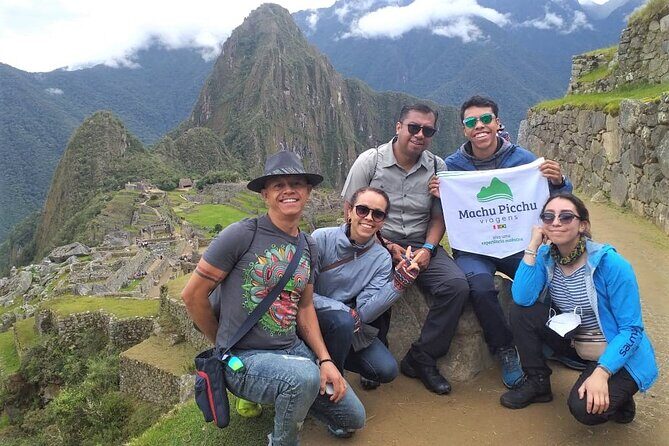
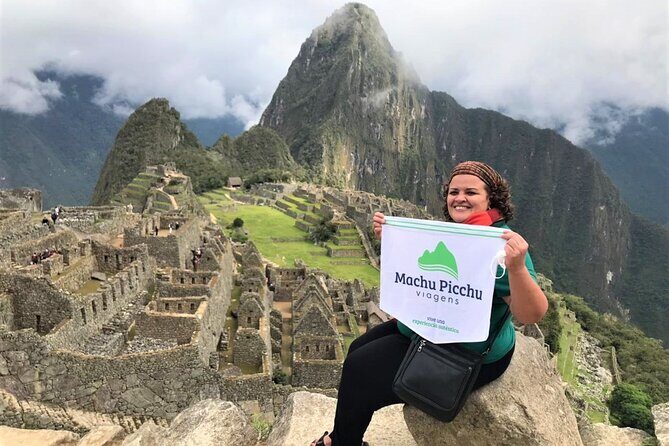
The team picks you up from your hotel, then you board the bus to Machu Picchu. The ride takes about 30 minutes from Aguas Calientes to the main entrance. A professional guide is included, and this is the key part: they walk you through the site with facts and mysteries around Inca culture. Instead of wandering, you get a sense of why certain areas mattered.
Time on the citadel
You have about 2 hours on-site (as noted by the tour timing). That’s usually the sweet spot for most people: enough time to see the major areas, ask questions, and still feel fresh for photos.
Return to Cusco
After Machu Picchu, you return to Aguas Calientes and then head back by train. The train takes you to Poroy Train Station, about 30 minutes from Cusco. The team meets you there and transfers you to your hotel in Cusco.
Important practical note:
This is the day you’ll feel most weather-sensitive. The tour requires good weather, and that matters because visibility changes everything at Machu Picchu. If the mountain fog rolls in, your experience can shift. Still, having transport and guides organized helps you stay flexible and not waste energy.





Lima Final Day: A Clean Airport Exit
On Day 7, the tour becomes simple again. You’ll be picked up from your hotel and transferred to the airport 2 hours before your flight departure. That timing is a relief when you’re tired after Machu Picchu and your schedule is tight.
This also helps you avoid the classic Peru travel headache: last-minute lines, confusion, and rushing. It’s not glamorous, but it’s smart.
Guides, Group Size, and the Human Touch That Shows Up
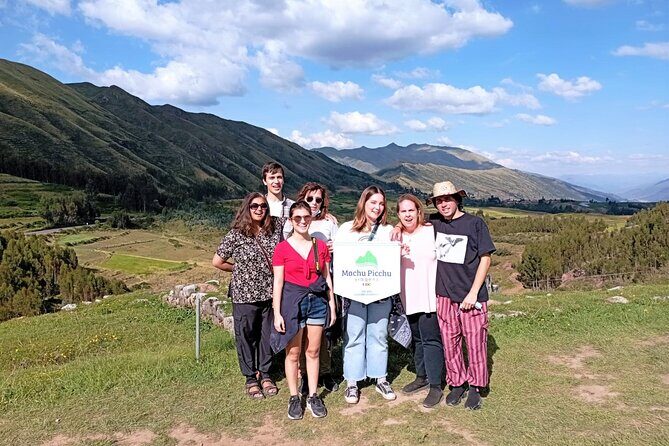
One of the strongest parts of this experience isn’t just the sites—it’s the people running the operation. The reviews highlight punctual support and a team that answers when something goes wrong, with a 24-hour assistance setup in Spanish and English.
You’ll also see recurring guide names tied to quality support and calm follow-through, including Bryan, Wilmer, Walter Diaz, Shaman Manuel Jesus, Pamela, and Alicia. That’s not just branding. It signals consistency in the guides and staff you meet along the way, from airport pickups to on-site commentary at Machu Picchu.
And the group size cap of 17 matters because you don’t feel like one face in a crowd. It’s a practical comfort factor when you’re managing time and altitude. You’ll still do the day’s walking, but you’ll feel more “handled” than “herded.”
Price and Value: What Your $1,311 Gets You (and Why It Adds Up)
At $1,311 per person, this doesn’t look like the cheapest way to do Peru. But the value is in what’s handled for you:
- Hotel nights: 2 nights in Lima, 3 nights in Cusco, and 1 night in Aguas Calientes (with 3-star accommodation at that mountain stop)
- Entrance tickets for all the listed archaeological sites
- Round-trip bus tickets from Aguas Calientes to Machu Picchu
- Round-trip train tickets to and from Aguas Calientes
- Private transfers to airports on each destination
- Breakfasts (6) and lunch included
- 24-hour assistance in Spanish and English
In plain terms: you’re paying for the parts that usually eat your time and planning effort. Booking Lima hotel, internal flights, train access, Machu Picchu bus timing, plus guides and site fees—trying to assemble that on your own can cost you either money or sanity. Here, you get one package that covers the major moving parts.
One thing to weigh:
You are paying a premium for structure. If you already love solo planning and know how you want to arrange Machu Picchu timing, you might find cheaper DIY options. But for most people, that’s where stress creeps in.
Who This Tour Suits Best (and Who Should Rethink It)
This is a great fit if you want:
- An organized Lima + Cusco + Sacred Valley + Machu Picchu combo
- Guided time at major sites (especially for understanding what you’re seeing)
- Transfers and transportation handled, including the hard parts
- A group size that stays under 17 for a more personal feel
It may not be ideal if you:
- Want lots of free time to roam on your own every day
- Get exhausted by multi-stop days at altitude
- Prefer to totally customize Machu Picchu timing without a bus/train plan
Also, the tour notes say service animals are allowed and that most travelers can participate. If you have specific mobility needs, you’ll want to check with the provider directly since several days involve walking around historic and archaeological areas.
Should You Book This Machu Picchu, Cusco & Lima 7-Day Tour?
I’d book it if your priority is a smooth Peru circuit with guided structure—especially if Machu Picchu is the centerpiece and you don’t want to play logistics roulette. The best reasons to choose this one are practical: the included train/bus to Aguas Calientes and Machu Picchu, the hotel nights in the right places, and the on-the-ground support that keeps the trip moving.
I’d think twice if you want maximum flexibility day-to-day or if you know you’ll struggle with long sightseeing days right after arriving in Cusco. In that case, you might want a slower itinerary with more buffer time.
If you like history but also care about getting from point A to B without drama, this tour is a strong, value-driven way to do the classic Peru route—Lima’s Colonial and coastal side, Cusco’s Inca layers, Sacred Valley streets and markets, then Machu Picchu with the important background that makes it all click.
FAQ
How long is the Machu Picchu, Cusco & Lima tour?
It’s approximately 7 days.
What does it cost per person?
The price is $1,311.00 per person.
How many nights are included in hotels?
You get 2 hotel nights in Lima, 3 hotel nights in Cusco, and 1 night at a 3-star hotel in Aguas Calientes.
Are meals included?
Yes. Lunch is included, and breakfast is included 6 times.
Are entrance tickets for the archaeological sites included?
Yes. Entrance tickets for all archaeological sites listed on the itinerary are included.
How do you get to Machu Picchu from Aguas Calientes?
The tour includes round-trip bus tickets from Aguas Calientes to Machu Picchu and back, plus round-trip train tickets to Aguas Calientes.
What kind of support do you get during the trip?
There is 24-hour assistance in Spanish and English, plus a professional team on all tours and treks.
How big are the groups?
The tour has a maximum of 17 travelers.
Is there anything included to help with altitude in Cusco?
On arrival in Cusco, you’ll try coca tea, which is noted as helpful with altitude sickness symptoms.
What happens if the weather is bad for Machu Picchu?
The experience requires good weather. If it’s canceled due to poor weather, you’ll be offered a different date or a full refund.
Can I change dates or get a refund if I cancel?
This experience is non-refundable and cannot be changed for any reason. If you cancel or ask for an amendment, the amount you paid will not be refunded.
Are service animals allowed?
Yes, service animals are allowed.