REVIEW · LIMA
Lima: Historic Center Street Food, Market, and Eateries Tour
Book on GetYourGuide →Operated by Exquisito Peru – Food Tours · Bookable on GetYourGuide
Lima’s food is best learned in motion. This 4-hour guided walk through Lima’s historic core mixes Peru’s comida al paso with iconic colonial landmarks, plus at least one stop that focuses on the Peruvian-Chinese fusion of chifa in Barrio Chino. I especially like that you get guided access to places you’d miss on your own, and you also hit the big food action at Lima’s market scene. One thing to consider: this route can feel dessert-heavy, so plan your appetite accordingly.
You’ll also get an English-speaking guide who ties dishes to the city—names like Marcos, Aura, Valeria, David, and Manuel come up often for blending food choices with clear Lima history. You’re not just tasting; you’re learning how daily life, trade, and neighborhoods shape what ends up on the street.
In This Review
- Key Highlights at a Glance
- Lima Historic Center Street Food: Why This Tour Works
- Starting at Gran Hotel Bolívar: Fast, Easy Begin
- Plaza San Martín to Your First Tasting: Getting in the Flow
- Iglesia de La Merced and Plaza Mayor de Lima: Landmarks Without the Lecture
- The Restaurant Stops: Where Classic Street Staples Turn Up
- Mercado Central: The Market Stop That Changes How You Taste
- Barrio Chino Street Food: Chifa Bites in the Lima Mix
- Chilcano, Anticuchos, Churros, and the Classics You’ll Want Again
- Desserts: Enjoy Them, but Know the Sweet Load
- San Francisco Basilica and the Cathedral Area: Colonial Photos, Short Stops
- Final Hours at a Local Bar and the Walk to Alameda Chabuca Granda
- How Much Walking and Eating Fits in 4 Hours
- Price and Value: Is $69 a Good Deal?
- Who This Tour Fits Best (and Who Should Skip)
- Should You Book This Lima Street Food and Historic Center Tour?
- FAQ
- Where does the tour start?
- Where does the tour end?
- How long is the tour?
- What does the tour cost?
- What’s included in the price?
- Is hotel pickup or drop-off included?
- What languages are offered?
- Are there dietary restrictions or allergies you should know about?
- Is luggage allowed?
Key Highlights at a Glance
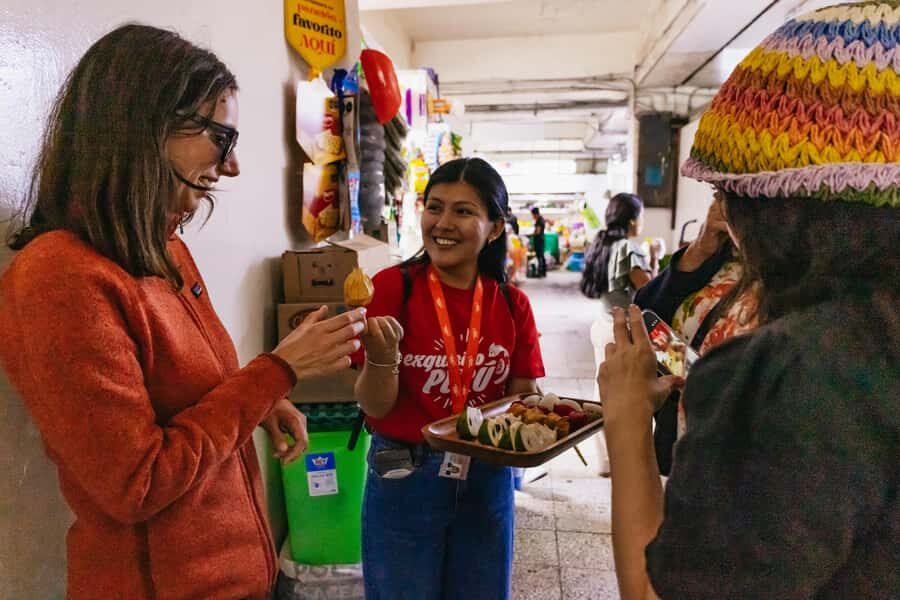
- Market time at Mercado Central where you see Peru’s produce and pantry culture up close
- Barrio Chino street food and chifa flavors that show how cultures mix in Lima
- Historic-center architecture photo stops around Plaza de Armas, the Cathedral area, and San Francisco
- Classic tastings like chilcano and favorites such as anticuchos and creole-style churros
- Guides who connect food to place, with English explanations throughout
Lima Historic Center Street Food: Why This Tour Works
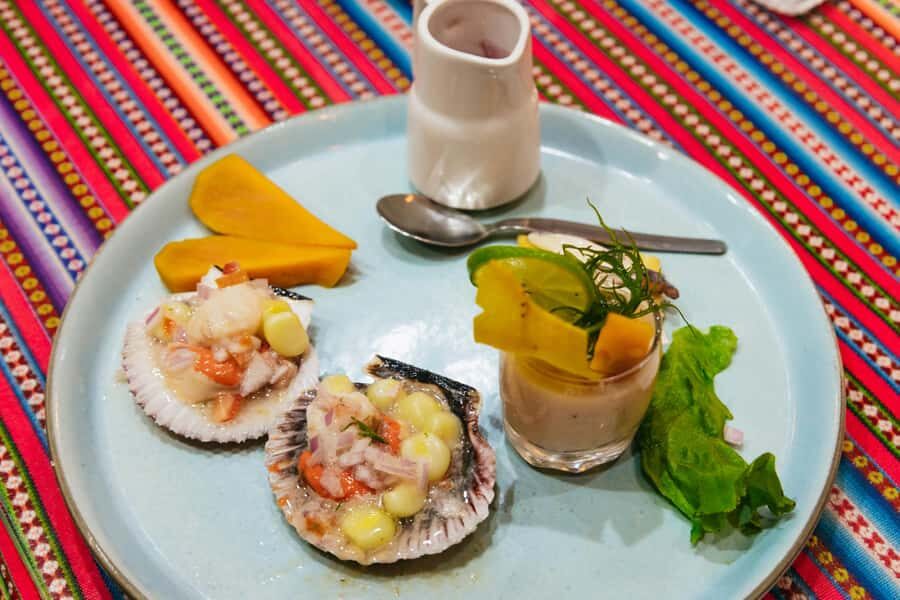
If Lima is your first big Peruvian city, this tour is a smart way to start. The historic center can feel like a blur of stone streets and plazas. This walk slows it down and gives you a reason to be there besides photos. Each stop has a food target, and the guide explains why that dish fits the neighborhood you’re standing in.
I like that the tour focuses on real everyday eating: small plates, quick bites, and drinks that locals actually chase after work or before an evening out. It’s not trying to turn street food into a museum exhibit. You’re eating the kind of stuff you see people queueing for.
And you’re not only in one lane. You mix classic eateries, market browsing, and Chinatown-style street bites. That range is where the value shows—your $69 is buying context, not just samples.
You can also read our reviews of more food & drink experiences in Lima
Starting at Gran Hotel Bolívar: Fast, Easy Begin
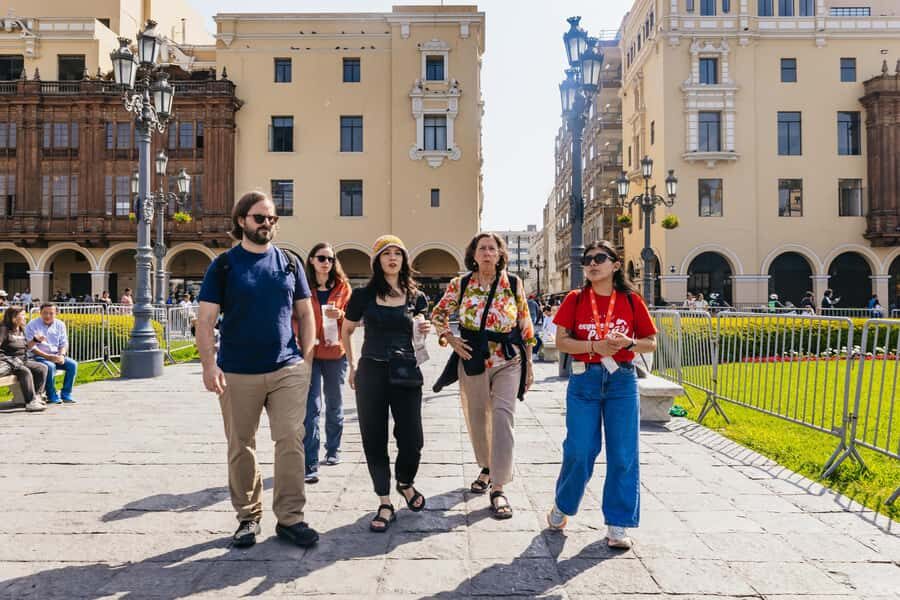
The tour meets at the main door of Gran Hotel Bolivar on Jirón de la Unión 958, in Plaza San Martín. This matters more than you’d think. It’s a central, recognizable landmark, so you’re not hunting down a tiny side street with limited daylight and too many cameras.
From the start you get a quick orientation stop at Plaza San Martín for sightseeing and photos. It’s only about five minutes, but it sets the tone: you’re walking a historic loop, not driving between far-flung sites.
One more practical note: large bags and luggage aren’t allowed. Keep your hands free. Lima is a city where you’ll want your phone, water, and maybe a camera strap—not a rolling suitcase.
Plaza San Martín to Your First Tasting: Getting in the Flow
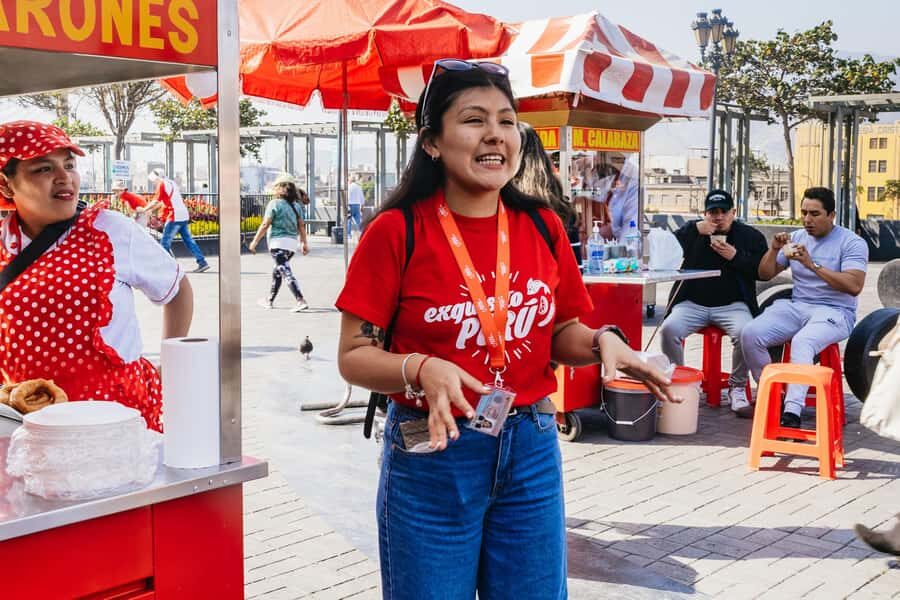
Right after the brief plaza stop, you head to an initial local restaurant. This segment is set up for a comfortable kickoff: 30 minutes of spirits plus food tastings. It’s the kind of start that gets your stomach ready for the rest of the evening’s walking.
This is also where the tour style clicks for me. Instead of giving you one big meal, it spaces things out. You’ll have time to look around between tastings. You’ll also have the chance to taste different categories of food—street bites, restaurant bites, and market snacks—without feeling stuck.
If you’re the type who worries about stomach trouble on a food tour, this pacing helps. You’re not dropping from a plaza into a single high-volume dessert stop with no buffer.
Iglesia de La Merced and Plaza Mayor de Lima: Landmarks Without the Lecture
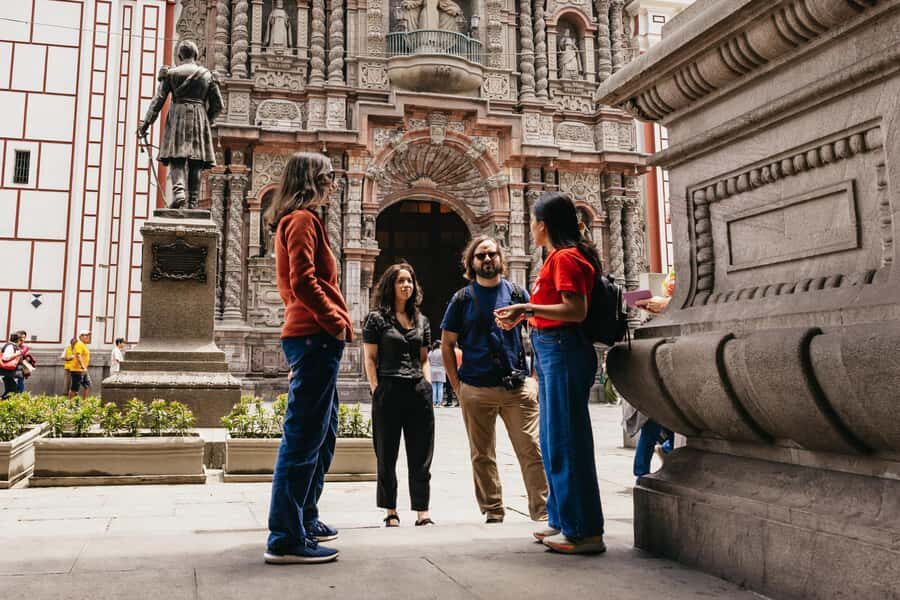
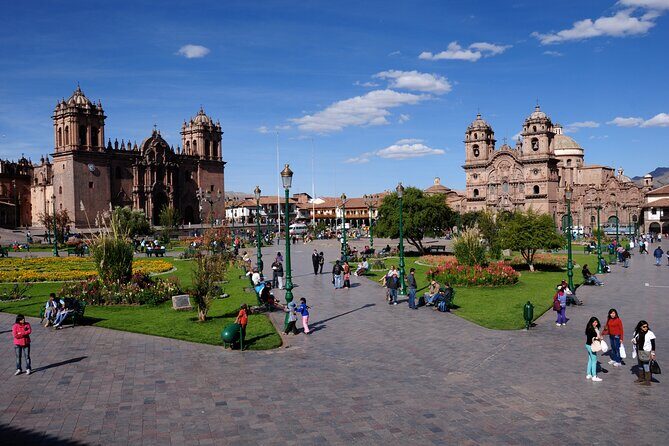
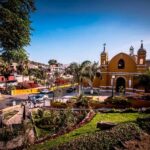
The route includes short sightseeing windows at Iglesia de La Merced and then more anchor points in the heart of the historic center around Plaza Mayor de Lima / Plaza de Armas.
These are photo-stop moments—think quick looks at the façade, a few minutes to reposition, and then food. That’s a plus. I’d rather have time to taste than spend the whole tour inside a building where I can’t eat.
What you get here is the sense of scale. The guide points out the big-picture landmarks from the outside, including the Lima Cathedral, the Government Palace, and the colonial architecture vibe you’ll recognize again at later photo stops. The history isn’t dumped on you in one dense block. It’s attached to where you’re standing.
The Restaurant Stops: Where Classic Street Staples Turn Up
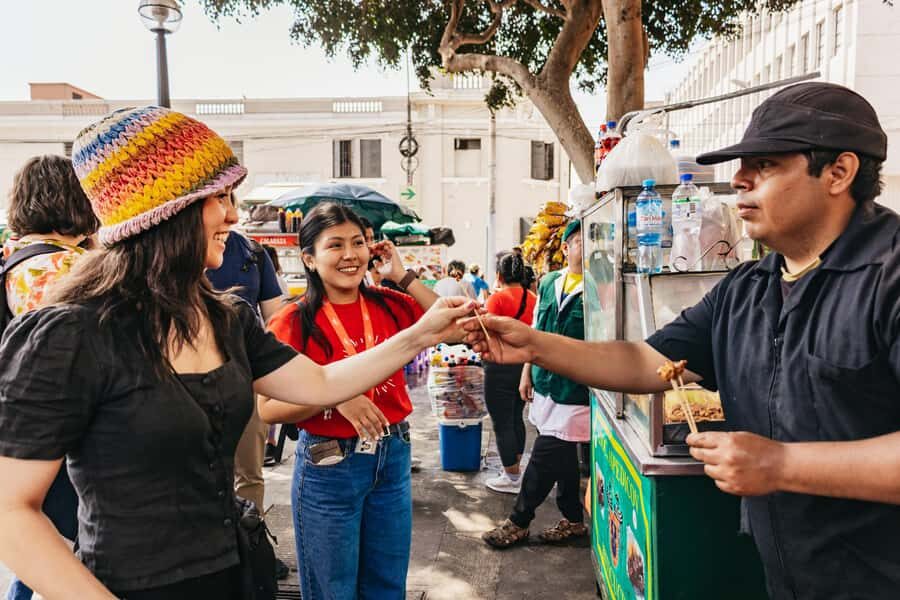
Between plaza moments, you’ll hit additional local eateries for more tastings. There’s another restaurant stop for about 20 minutes, focused on regional food.
This is where you should watch for classic Lima flavors. The tour highlights include chilcano served in an older casona (a traditional historic home). If you like Peru’s mix of citrus, herbs, and spice paired with street-food energy, this kind of drink fits perfectly with what you’ll be eating.
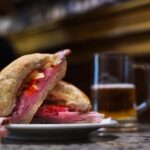
You’ll also see references to favorites such as anticuchos (grilled meat skewers), plus creole churros. Even if you’ve never tried these before, you’re in good hands: the guides do a good job of explaining what you’re eating and how it’s commonly enjoyed.
One caution: the food list includes items that may not suit everyone’s comfort zone. If you’re easily put off by strong scents from frying, grilled stalls, or busy market counters, expect it. That’s part of street food.
A few more Lima tours and experiences worth a look
Mercado Central: The Market Stop That Changes How You Taste
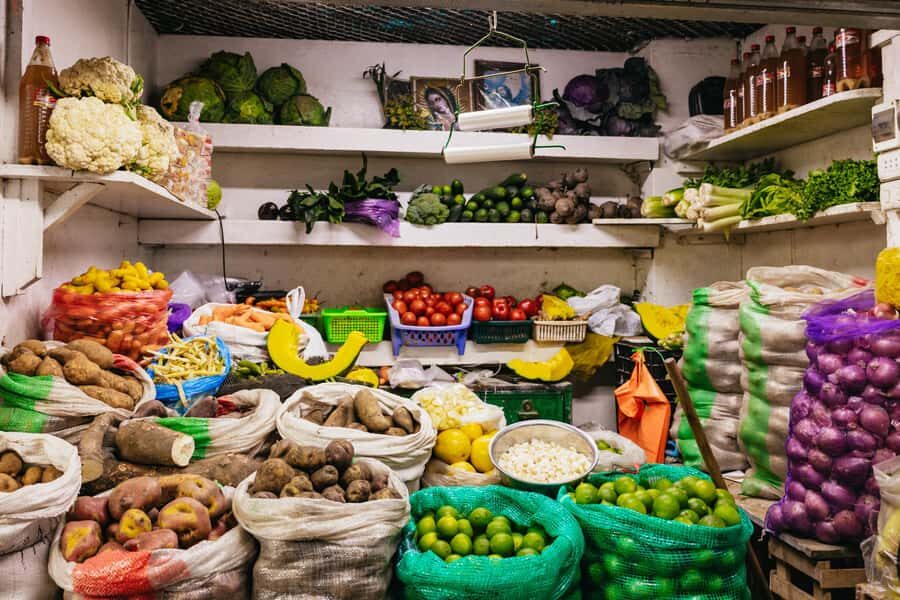
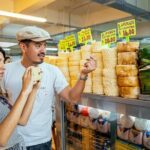
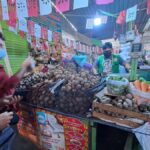
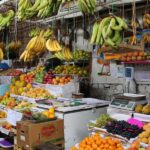
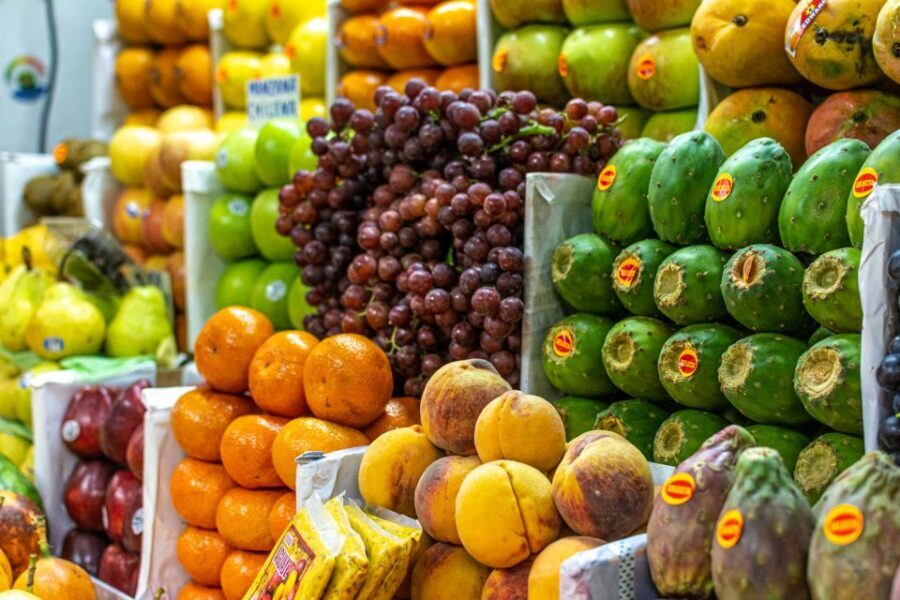
Then comes Mercado Central, a 25-minute visit. This is one of my favorite parts, even if you’re not a market person. A market stop turns the tour from eating to understanding.
You’re not just buying snacks. You’re seeing the raw ingredients and the way vendors and shoppers interact. In a place like Lima, where imports, local produce, spices, and street vendors all overlap, that context helps everything else make sense.
Watch for the smells and textures. You’ll likely notice spices, fresh produce, and the busy rhythm of shoppers. After this, street-food bites hit different because you know what’s behind them.
If you hate crowds, you might find Mercado Central energetic. You still get enough time to look around and taste, but it’s not a quiet sit-down experience.
Barrio Chino Street Food: Chifa Bites in the Lima Mix
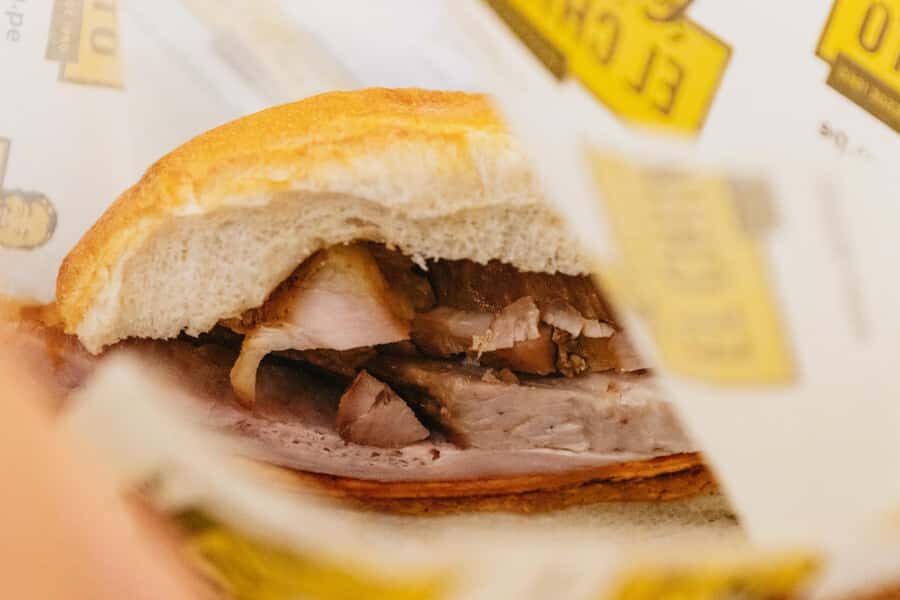
After the market, you head into Barrio Chino (Chinatown) for street food and sightseeing. This section includes walking plus 15 minutes for street food tasting.
Here’s the important thing: you’re not only in Chinatown as a novelty. You’re there for chifa, the Peruvian-Chinese food style that grows out of real local history and everyday fusion. You can taste the blend in the way flavors are balanced—think familiar technique and ingredients paired with Peruvian preferences.
This part of the tour gives you variety without sending you across town. And because it’s closer to street life than museum life, the food feels more immediate.
If you love food experiments—sweet-salty sauces, quick handheld snacks, and flavors that hit in layers—this is a highlight.
Chilcano, Anticuchos, Churros, and the Classics You’ll Want Again
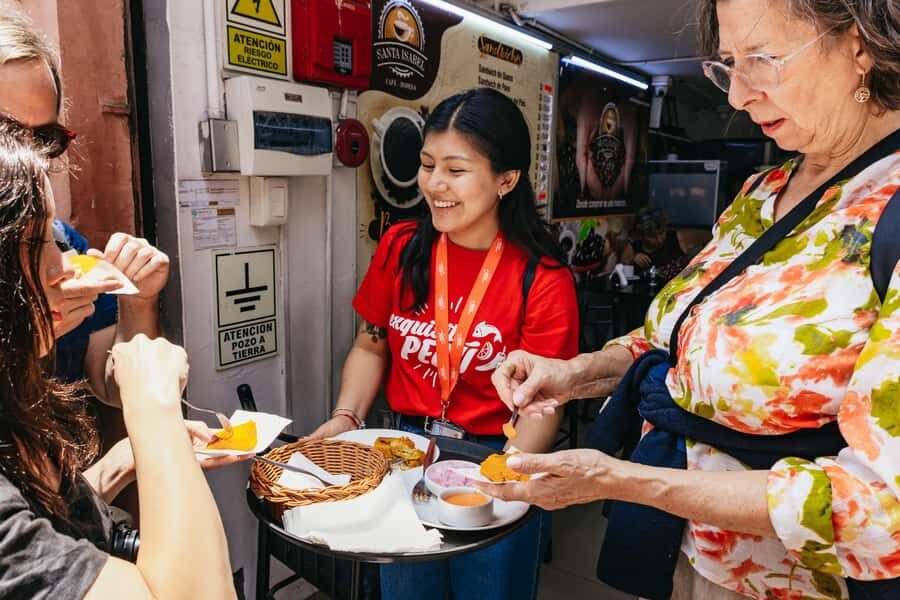
The tour keeps feeding you the dishes Peru is famous for on the street. From the provided highlights and the dish patterns across the route, you should expect a mix of:
- Anticuchos: grilled skewers, often seasoned and smoky
- Creole churros: a sweet, crispy snack with local style
- Chilcano: a Peruvian drink highlighted as part of the tour, served in a historic setting
- Additional street-food tastings in the historic center stretch
Also, you’ll have more tasting time after Chinatown—another street food moment with a 15-minute focus on eating. That matters because it keeps your taste buds active. You’re not winding down right after the fun part.
And yes, you’ll be full by the end.
Desserts: Enjoy Them, but Know the Sweet Load
Now for the drawback that’s worth respecting: this tour can feel dessert-heavy.
There are dessert-focused moments on the route, including a dedicated 10-minute dessert stop plus another 15-minute dessert-and-street-food tasting portion later. One guide-led experience pattern that stands out is finishing with a big sweet payoff—like full servings of churros and picarones (Peru’s version of sweet fried dessert, often compared to a donut-like treat).
If you’re more of a savory person, you may feel like dessert arrives faster than expected. My practical advice: go in ready for sweets, and when a dessert stop shows up, treat it like a last stretch of the race. If portions are large, consider sharing with your group—this kind of tour is built for sampling, not forcing yourself into full plates.
If you love churros and dessert in general, this is probably going to feel like the best part of the evening.
San Francisco Basilica and the Cathedral Area: Colonial Photos, Short Stops
Near the end, you’ll do a photo stop at Basílica y Convento de San Francisco de Lima. The tour also includes a Lima Cathedral photo stop.
These sections work because they’re short and timed around your energy. After market food, Chinatown bites, and dessert, you still get the visual anchor of colonial Lima without dragging you through long indoor segments.
I like the way the itinerary mixes outside architecture with eating rhythm. You’re walking, tasting, stopping, then walking again. The city is the set. Your stomach becomes the clock.
Final Hours at a Local Bar and the Walk to Alameda Chabuca Granda
The last stretch includes a 30-minute local bar stop for spirits. This is a nice reset point. You’re not only chewing; you’re also drinking something Peru-style, in a setting meant for conversation and soaking up the evening’s atmosphere.
The tour ends at Alameda Chabuca Granda. That gives you an easy finishing point to continue exploring on your own rather than getting dropped somewhere random.
How Much Walking and Eating Fits in 4 Hours
This is a walking tour with multiple short segments. In practice, you should expect:
- Quick photo stops (a few minutes each)
- Multiple tasting moments in restaurants and street settings
- A market visit that adds energy and smells fast
From the structure of the route, it’s not constant high-speed walking. There are breaks built in through tastings and short pauses. Still, it’s enough movement that you’ll feel it by the end—especially if you’re not used to Lima’s street-level walking and frequent stopping for photos.
My tip: wear comfortable shoes with good grip. Even when streets look fine, you’ll be stepping around uneven pavement and turning corners quickly.
Price and Value: Is $69 a Good Deal?
At $69 per person for 4 hours, the value depends on what you’re optimizing for:
- If you want a guided evening that combines historic center sights with food, this is a solid package.
- You get food tastings, a drink, and a local guide. That’s the core of what you’re paying for.
- You’re also getting access to places you might not find alone—especially for street food that locals actually buy.
What’s not included is hotel pickup and drop-off. You start at Gran Hotel Bolívar and finish at Alameda Chabuca Granda, so plan your own transport.
Also, it’s shared and English-guided. If you need private language handling, you’d want a private option instead.
In short: this price works best when you want the blend of taste + context and don’t want to guess your way through Lima’s street food scene.
Who This Tour Fits Best (and Who Should Skip)
This tour is best for people who:
- Want to eat Lima’s comida al paso style food rather than just dine in restaurants
- Like walking through the historic center while learning how the city shaped its food
- Enjoy sampling lots of small dishes and drinks instead of a single big meal
It may not fit if you:
- Are pescatarian, vegetarian, or vegan, since alternatives aren’t offered
- Have severe gluten or nut allergies, because some foods included can contain small traces
- Need a route that avoids dessert or you don’t want sweet-heavy stops
If you have allergies that aren’t severe, you still should flag them. And the tour info is clear: if you have specific dietary restrictions, tell the provider at least 24 hours before so they can try to adapt what you’ll be served.
Should You Book This Lima Street Food and Historic Center Tour?
I’d book it if you want a first evening in Lima that does two jobs well: feeds you and orients you. You’ll leave knowing where to go next for anticuchos, churros, and Lima-style drinks, and you’ll connect the food to real neighborhoods like Barrio Chino and the market scene.
I’d skip or reconsider if dessert overload would ruin your day, or if you fall into the dietary and allergy groups listed above. Also skip if you prefer a slow, sit-down approach with minimal walking.
If you’re flexible, enjoy trying new flavors, and want the historic center experience without doing it all solo, this is one of the better ways to spend your 4 hours in Lima.
FAQ
Where does the tour start?
It starts at the main door of Gran Hotel Bolivar in Plaza San Martin (Jirón de la Unión 958, Cercado de Lima).
Where does the tour end?
The tour finishes at Alameda Chabuca Granda.
How long is the tour?
The tour lasts 4 hours.
What does the tour cost?
The price is $69 per person.
What’s included in the price?
Included are food tastings, a drink, and a local guide.
Is hotel pickup or drop-off included?
No. Hotel pickup and drop-off are not included.
What languages are offered?
The shared tour is English only. For other languages, you’d need a private tour.
Are there dietary restrictions or allergies you should know about?
Specific dietary restrictions should be advised at booking (at least 24 hours before the start time) so the menu can be adapted if possible. Pescatarian, vegetarian, or vegan travelers should not book, and people with severe gluten or nuts allergy should not book either.
Is luggage allowed?
Luggage or large bags are not allowed.