REVIEW · CUSCO
Super Sacred Valley with Transfer to Ollantaytambo
Book on GetYourGuide →Operated by Exploor Trip E.R.L · Bookable on GetYourGuide
Ruins, salt, and markets in one day. This Sacred Valley day tour links Inca-era sites with living craft traditions, plus the working salt mines at Maras—so you see both the monuments and the everyday economy that grew around them.
What I like most is the mix: Chinchero gives you archaeology and a 17th-century colonial church, while the Maras Salt Mines show how thousands of small wells feed a food ingredient people still value. The one drawback to consider is pacing: you may lose some time to shop stops, so if your top priority is ruins-only photos, go in with that expectation.
In practice, the day works best when you’re okay with moving between places, wearing walking shoes, and letting the guide set the rhythm. You’re dropped off near the Ollantaytambo train station, which makes it handy if you’re continuing your trip.
In This Review
- Key points at a glance
- A day in the Sacred Valley: the Cusco start, the Ollantaytambo finish
- Cusco pickup: quick start, then altitude reality
- Chinchero crafts, archaeology, and that market energy
- What you’ll see there
- Why it’s worth your time
- A timing caution
- Moray: the circular terraces that still feel strange
- What you’ll likely notice on the walk
- The practical tradeoff
- Maras Salt Mines: over 4,000 wells and why you should care
- What you’ll experience
- How to enjoy it more
- Entrance fees to note
- Urubamba lunch: included fuel in the middle of the day
- Timing tip
- Ollantaytambo: living Inca city and a real fortress feel
- What you should focus on
- Transfer detail that helps
- One more logistics consideration
- Price and value: is $35 a smart deal?
- Who should book this tour?
- Should you book Super Sacred Valley with Transfer to Ollantaytambo?
- FAQ
- How long is the tour?
- Where does the tour start?
- Which stops are included in the day?
- Is lunch included?
- Are entrance fees included?
- Are Maras Salt Mines entrance fees included?
- What languages are the guides available in?
- How much does it cost?
Key points at a glance
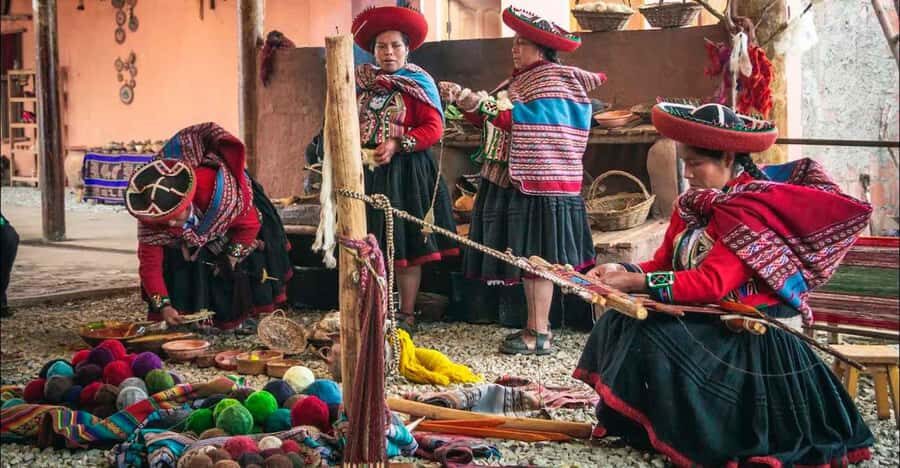
- Chinchero at 3,780 meters: archaeology plus a colonial church and market where Andean textiles are bought and exchanged
- Moray’s circular terraces: an old agricultural research site with a wow-factor geometry
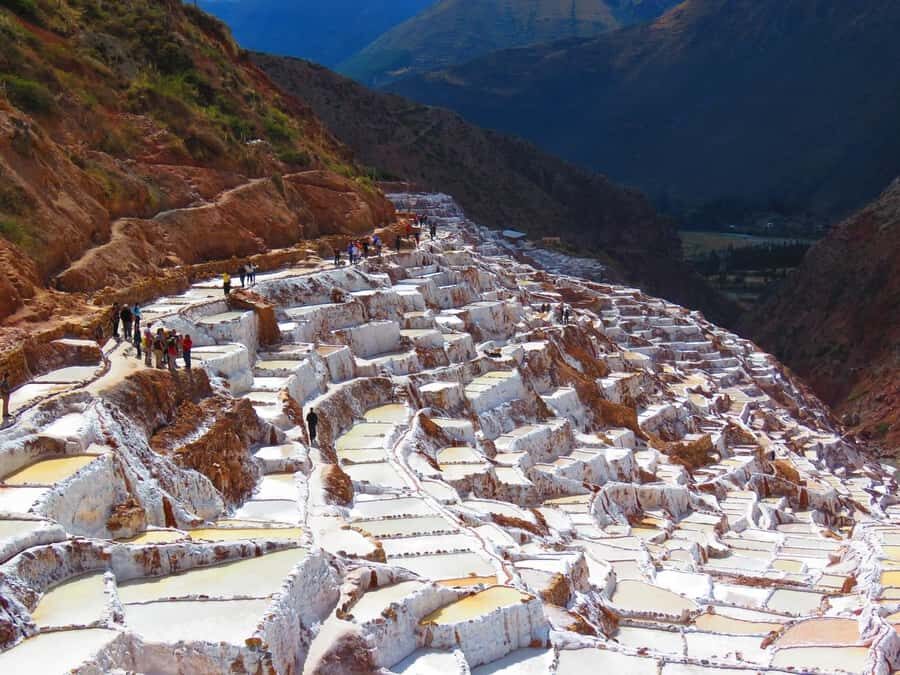
- Maras Salt Mines: over 4,000 wells on dramatic salt flats tied to gastronomy
- Urubamba lunch: included meal that helps you refuel between sites
- Ollantaytambo transfer: you finish at a prime jumping-off point for the train
A day in the Sacred Valley: the Cusco start, the Ollantaytambo finish
This is a one-day circuit built around the classic Sacred Valley sequence: Cusco pickup, Chinchero, Moray, Maras, lunch in Urubamba, then Ollantaytambo—with drop-off near the train station.
That structure matters. You’re not doing a “sample platter” with long backtracking. The stops are grouped in a way that keeps the day efficient, which is great if you’re short on time and want the big-name highlights without having to drive yourself.
Also, this tour is designed for the end of your day to actually help you. Instead of returning all the way back to Cusco, you finish where many people want to go next for Machu Picchu logistics—Ollantaytambo.
A few more Cusco tours and experiences worth a look

Cusco pickup: quick start, then altitude reality
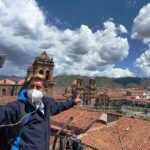
You’ll be picked up from your hotel in central Cusco. From there, your guide and driver handle the transport while you focus on the scenery and the stops.
Two practical notes for a successful day:
- Expect some elevation exposure. Chinchero alone sits at 3,780 meters, so build in a slower pace on arrival.
- Bring something for sun and wind. Even when the day looks calm, Sacred Valley light can be strong and weather can shift fast.
Chinchero crafts, archaeology, and that market energy
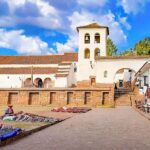
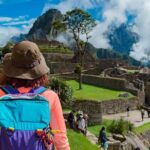
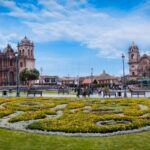
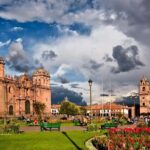
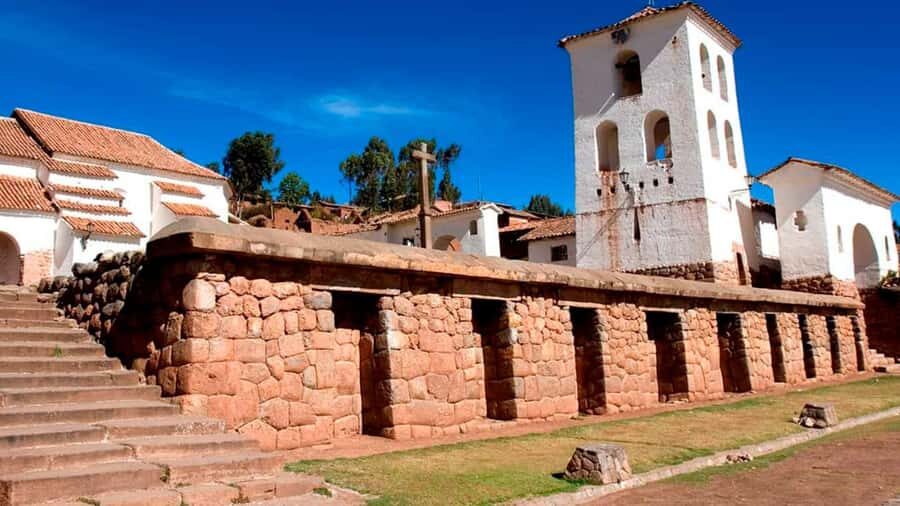
Chinchero is the first true “story” stop of the day. It’s famous for its setting—fields and villages with snow-capped mountains in the background—and it also serves as a window into Andean daily life.
What you’ll see there
You’ll explore the archaeological area of Chinchero and then spend time at the town’s 17th-century colonial church, which includes canvases from the Cusco School. This is one of the more interesting contrasts in the region: Inca-era place, then layered colonial-era art.
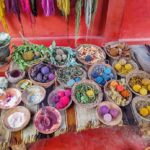
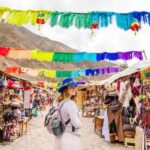
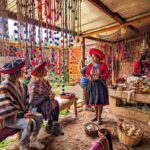
Then comes the market. This is where you’ll see the kind of product exchange and shopping that keeps Sacred Valley culture alive. You can look at Andean fabrics, talk textures and dyes with vendors, and get a feel for why textiles remain such a big deal here.
Why it’s worth your time
Chinchero works because it’s not only “look at the ruins.” You get a sense of the local economy—how the same routes and traditions that supported travelers and trade in the past still shape what people do today.
A timing caution
One thing to watch: depending on the day and the group, market time can eat into your site time. If you want maximum ruin viewing and minimum shopping, go with a plan (for example: check fabrics fast, then refocus on the church and archaeology).
Moray: the circular terraces that still feel strange
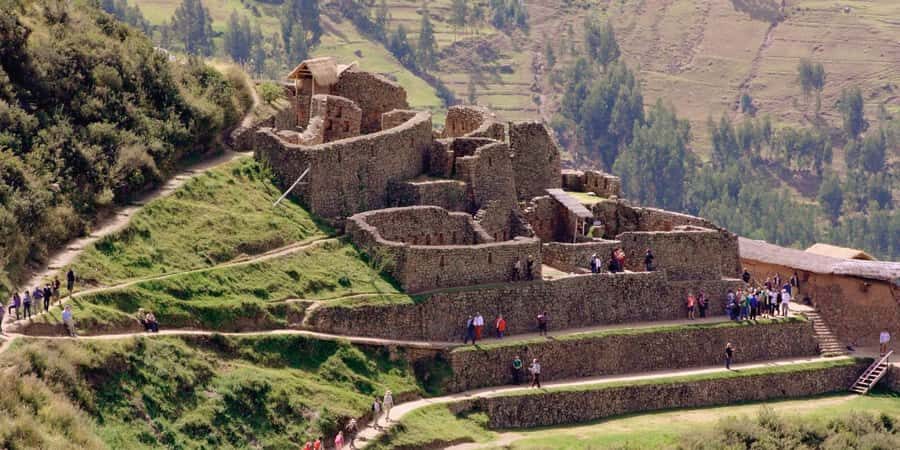
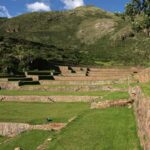
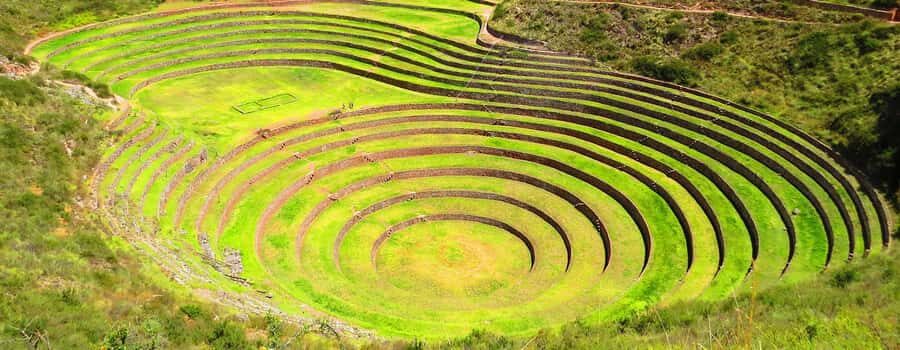
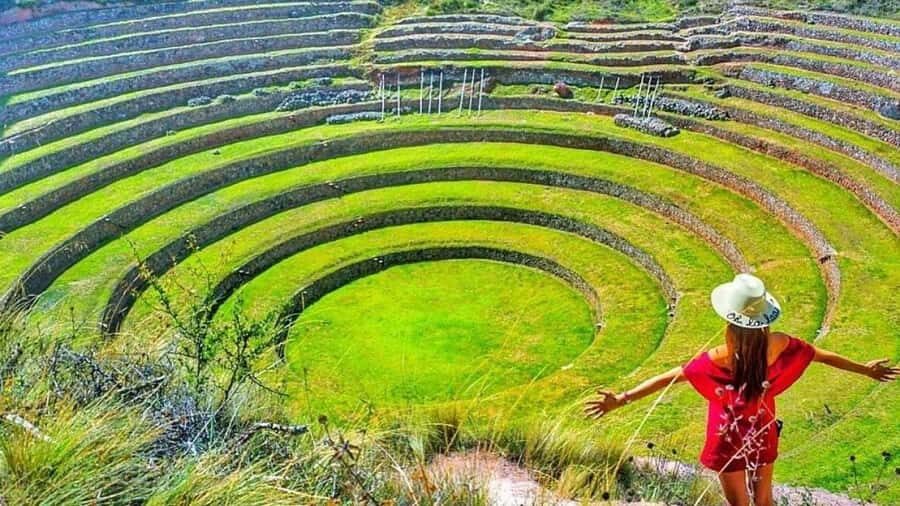
Next up is Moray, famous for its circular agricultural terraces. It’s often described as an ancient agricultural research center, and the site’s layout is the main reason it’s so memorable. Even if you don’t know the full technical story, you feel the design instantly—the rings, the slopes, and how they would create different growing conditions.
What you’ll likely notice on the walk
- The terrain guides your attention. Paths lead you through different levels, so the terraces feel like a natural amphitheater.
- The geometry is the attraction. It’s not a big sprawling city ruin—you’re looking at a system.
The practical tradeoff
Moray is visual and educational, but it’s also a “stand and look” place. If you’re the type who loves lots of restored walls and dense ruins, Moray may feel less dramatic than other Inca sites. Still, it’s one of the most unique stops in the Sacred Valley because it doesn’t look like the standard temple or fortress.
Maras Salt Mines: over 4,000 wells and why you should care
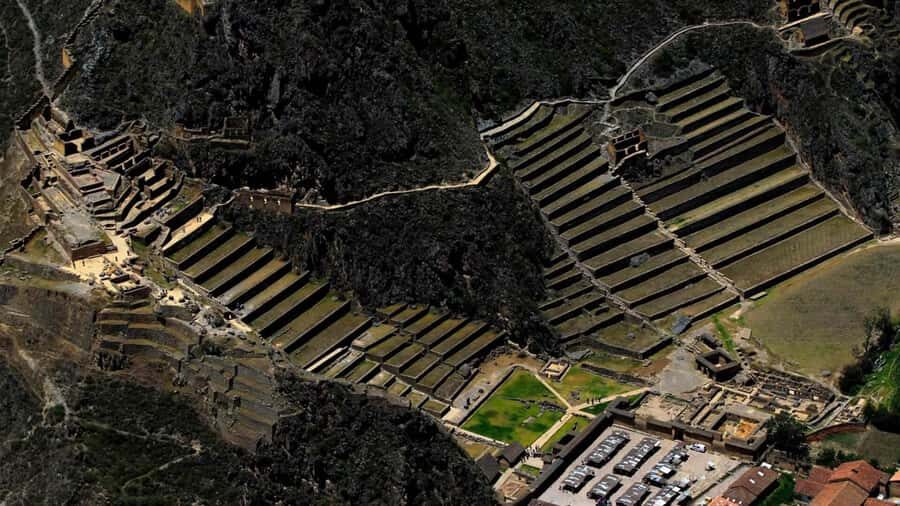
After Moray, you head to Maras Salt Mines. This is the stop that turns the trip from “ancient places” into “working tradition.”
The mines contain more than 4,000 wells spread across some of the highest salt flats in the world, where salt is produced for use in gastronomy—meaning this isn’t just a museum product. It’s tied to real food culture.
What you’ll experience
You’ll see the scale of the wells and how the salt production system is organized. The visual is the headline: thousands of small extractions areas that look almost like a pattern from above.
How to enjoy it more
- Wear shoes you trust on uneven ground. You’ll likely move around to get views.
- Take a slow look before rushing for photos. The mines are easy to photograph from one angle, but the grid of wells makes more sense when you walk the area a bit.
Entrance fees to note
Site entrance fees aren’t included, and Maras salt mines entrance is specifically not included either. Budget for that extra cost so you don’t get surprised at the gate.
Urubamba lunch: included fuel in the middle of the day
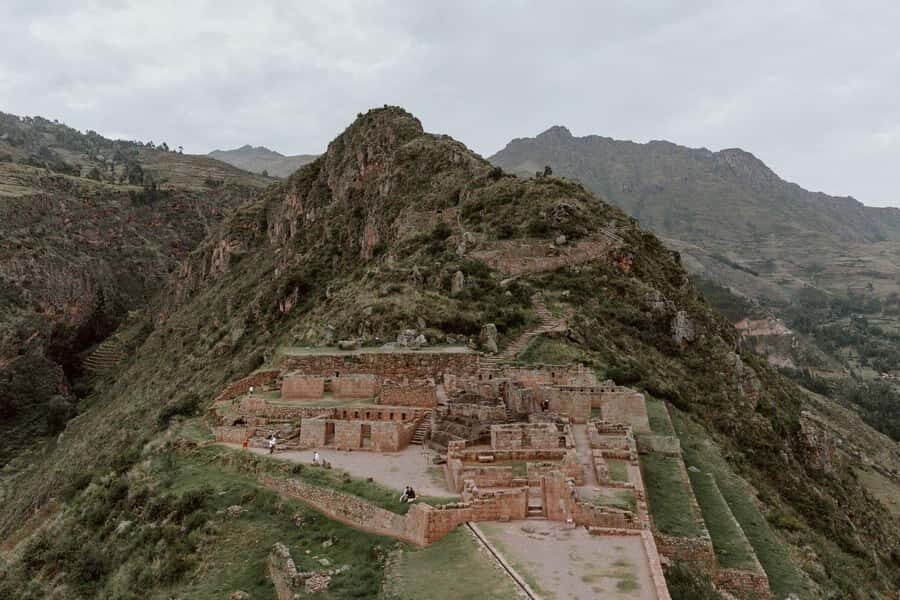
You’ll head to Urubamba for lunch at a typical restaurant in the area. Since lunch is included, it’s a relief for planning: no hunting for food between sites.
Keep expectations reasonable. This isn’t a gourmet tasting menu guaranteed to match your personal tastes. It’s a practical meal so you can keep going.
Timing tip
After Maras, your body will probably ask for a slower pace—whether it’s fatigue, altitude effects, or just a long day of walking. Use lunch to reset. If you’re sensitive to altitude, hydration and eating something steady will make the Ollantaytambo portion more enjoyable.
Ollantaytambo: living Inca city and a real fortress feel
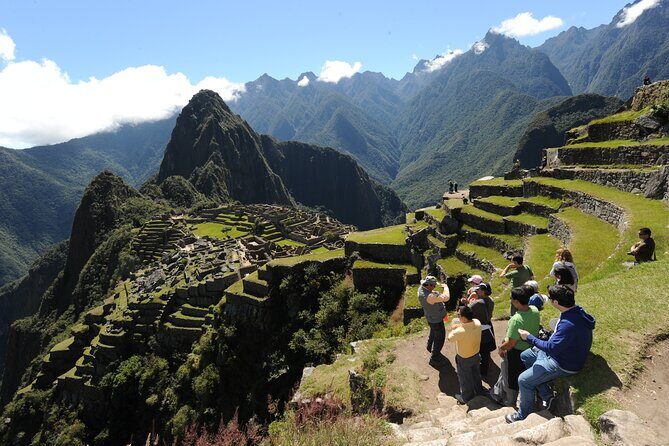
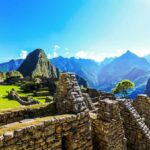
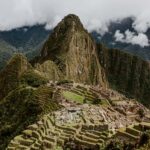
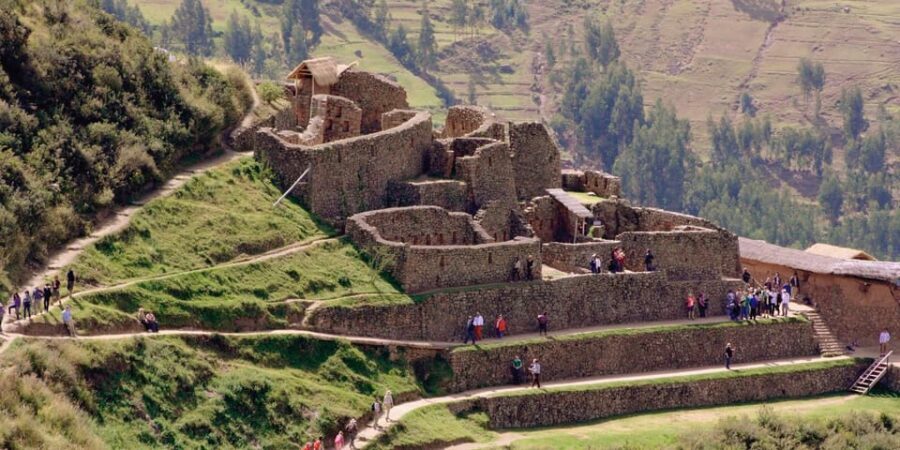
You’ll end with Ollantaytambo, often described as a living Inca city—and that label fits. You’re not only looking at stone. The town’s layout and energy make the Inca “strategic” function easier to picture.
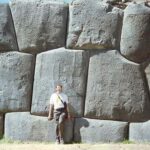
Ollantaytambo is known for its military, religious, and administrative fortress role in the Sacred Valley. In other words, this wasn’t an ornamental stop—it was a control point.
What you should focus on
- The way the site is positioned and how it relates to the surrounding terrain.
- The sense of layered purpose: defenses, worship spaces, and governing infrastructure all in one place.
Transfer detail that helps
You’ll finish with a drop-off near the Ollantaytambo train station. For many itineraries, that’s a big win. It can save time and reduce the stress of figuring out transport at the end of a long day.
One more logistics consideration
Pacing and movement matter on the last leg. The tour day can involve quick transitions. If you carry luggage, keep it minimal for this part of the trip. Bring a day bag you can handle smoothly during stops, since switching between transport and walking areas can be rushed.
Price and value: is $35 a smart deal?
At about $35 per person, this tour can be good value—mainly because it bundles transport, pickup, guide time (English/Spanish), multiple featured stops, and lunch.
Where the value math changes:
- Entrance fees are not included, and Maras salt mine entrance is also not included.
- That means your true total depends on the specific fees for each stop on the day you go.
Still, the overall package is likely worth it if you want a single-day “best-of” Sacred Valley overview without coordinating separate drivers or independent tickets. If you’re already comfortable driving and navigating on your own, you might be able to cut costs—but you’d trade away the convenience and local guidance.
Who should book this tour?
I’d point you toward this tour if:
- You want classic Sacred Valley highlights in one day: Chinchero, Moray, Maras, Ollantaytambo.
- You prefer guided structure so you know where to look and what each site is doing.
- You’re okay with moderate walking and a day that moves.
I wouldn’t choose it if:
- Your ideal day is slow, mostly ruins, and minimal market time.
- You strongly dislike shop stops and tight transitions between locations.
- You’re hoping for a fully “restored monument” style day with little variety.
Should you book Super Sacred Valley with Transfer to Ollantaytambo?
If you want the Sacred Valley highlights with less planning, I think it’s a solid pick. Chinchero + Moray + Maras is a strong three-stop arc—Inca place, agricultural science, then salt production that connects to today. Add lunch and a transfer finish near the train station, and it’s built for travelers who want momentum.
Just go in with two mindset adjustments: plan for some time spent in markets or shops, and keep your carry-on manageable for the day’s movements. If that fits your style, this is the kind of tour that helps you see more of the Sacred Valley without getting stuck in logistics.
FAQ
How long is the tour?
It lasts 1 day.
Where does the tour start?
It starts with a pickup from your hotel in central Cusco.
Which stops are included in the day?
The tour visits Chinchero, Moray, Maras Salt Mines, and Ollantaytambo, plus lunch in Urubamba.
Is lunch included?
Yes. Lunch in Urubamba is included.
Are entrance fees included?
No. Entrance fees to archaeological sites are not included.
Are Maras Salt Mines entrance fees included?
No. Maras Salt Mines entrance fees are not included.
What languages are the guides available in?
The live tour guide is available in English and Spanish.
How much does it cost?
The price is listed as $35 per person.