REVIEW · CUSCO
Private Ollantaytambo, Pisac Ruins Tour with Farm Visit, Gourmet Picnic Lunch
Book on Viator →Operated by Valentins Pachamama Journeys · Bookable on Viator
A Sacred Valley day that feels personal. This private tour strings together Ollantaytambo ruins, a farm and market stop, and Pisac so you get the big Inca sights plus everyday food culture in one efficient route. I especially like that you’re not rushed between stops, and you can ask questions as the day unfolds.
Two things I really like: the guide energy and the food. With Valentin (who grew up in the Sacred Valley), you get practical context on Andean agriculture and village life, not just dates on a sign. And the gourmet picnic lunch at an organic farm is the kind of meal that changes your whole opinion of lunch-on-tour.
One drawback to plan for: entrance fees are not included, and there’s moderate walking with stairs at Ollantaytambo. If you’re tight on mobility, you’ll want to pace yourself and keep expectations realistic for a full 8-hour day.
In This Review
- Key things you’ll notice
- A Private Sacred Valley Day That Blends Ruins With Real Life
- Ollantaytambo: Terraces, Water, and the Pachacutec Story
- The Sacred Valley Farm Visit: Guinea Pigs, Chicha, and Organic Food
- Gourmet picnic lunch on an organic farm
- Urubamba Market: Tastings and a Family-Run Look at Daily Ingredients
- Pisac Ruins: Terraces Above 11,000 Feet and a Less-Used Inca Trail
- Time for a hike and an Inca-made tunnel
- Price, Tickets, and Timing: What You Pay For
- Who This Tour Fits Best (and Who Should Pass)
- A Quick Practical Checklist Before You Go
- Should You Book This Private Ollantaytambo and Pisac Tour?
- FAQ
- How long is the tour?
- Is this a private tour?
- What’s included in the price?
- Do I need to buy entrance tickets for Ollantaytambo and Pisac?
- How much walking is involved?
- Can I cancel for a refund?
Key things you’ll notice
- Valentin’s local perspective: clear English, strong context on agriculture, diet, weather, and the local economy
- Ollantaytambo’s built for work details: terracing, fountains, aqueducts, and storage areas tied to wind and crop storage
- Hands-on farm time: cutting alfalfa for guinea pigs and seeing how chicha is made
- A chef-prepared gourmet picnic: local organic produce with some farm-grown ingredients, eaten outdoors
- Urubamba market tastings: you can try fruits and foods like passion fruit, lucuma, and chirimoya
- Pisac’s altitude farming: terraces that allowed crops grown above 11,000 feet, plus time in less-used Inca paths
A Private Sacred Valley Day That Blends Ruins With Real Life
This tour works because it doesn’t treat the Sacred Valley like a stop-and-snap postcard. You spend real time at the Inca sites, then you shift gears into how people actually live with the land—on farms, in family markets, and around traditional foods.
Since it’s private, you set the pace. That matters at Ollantaytambo and Pisac, where the terrain naturally slows you down and questions come up fast. A guide who understands the region also helps you connect what you see—terraces, water channels, storage—with why it mattered to Inca life and later Andean farming.
You’ll be picked up in the morning and kept moving in private transport. The total day runs about 8 hours, so it’s long enough to feel like a full outing, not a quick taste. Just keep in mind that the walking is described as moderate, with some stairs at Ollantaytambo.
You can also read our reviews of more private tours in Cusco
Ollantaytambo: Terraces, Water, and the Pachacutec Story
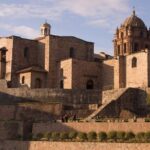
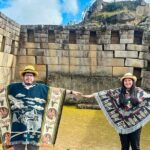
Ollantaytambo is where the day starts with a strong sense of purpose. You’ll be collected from Cusco around 7:00 am, then you’ll reach the Ollantaytambo area for a guided visit that begins around 8:30 am. That timing helps you get into the archaeological park with less stress and more daylight for views.
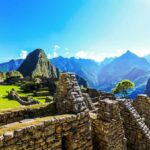
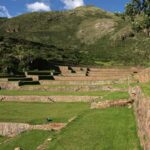
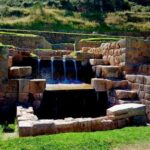
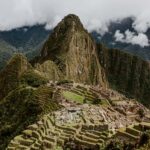
What makes Ollantaytambo special is how practical the engineering feels. You tour terraced ruins with fountains and aqueducts, then you also get to see storage structures used to help preserve crops—using the idea that winds could be used to keep things cooler. It’s not just pretty stone. You start to see a system designed for food security.
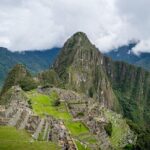
Your guide also frames the place in layered roles: it was lodging for Inca emperor Pachacutec, and later it functioned as a military checkpoint as the Incas tried to protect routes toward Machu Picchu from Spanish forces. Even if you’ve seen photos before, the story lands differently when someone ties the site to geography, movement, and defense.
After the ruins, you have time to wander the streets of one of Peru’s oldest towns where many 15th-century Inca buildings are still present. That stretch is a good breather, and it helps you absorb what you’ve just learned before you head into the farm and lunch portion of the day.
Practical note: there are stairs and uneven sections. You don’t need to be an athlete, but you should expect some climb and take your time.
The Sacred Valley Farm Visit: Guinea Pigs, Chicha, and Organic Food
Next comes a change of scenery—and it’s one of the best parts of this tour. You drive about 20 minutes toward Yanahuara, then you visit a farm in the Sacred Valley where you can see how life connects to food.
This stop isn’t set up like a museum. It’s interactive. You can tour the farm lands and then join activities like cutting alfalfa to feed guinea pigs. That hands-on element may sound small, but it’s exactly the kind of detail that makes you understand the farm as a working system, not a photo backdrop.
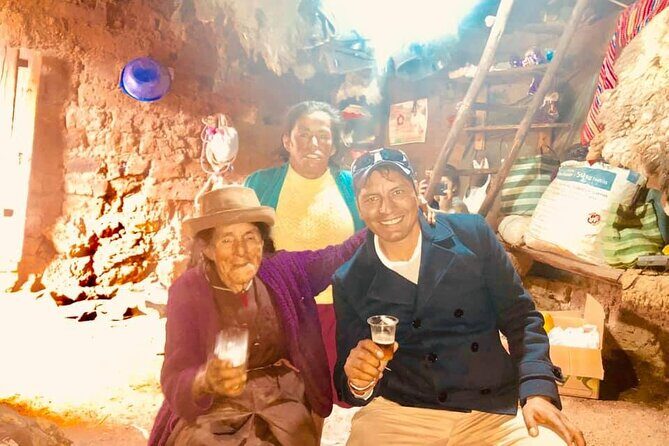
Then there’s chicha, the traditional corn beer that’s been part of Peruvian culture for a very long time. You’ll see first hand how chicha is made, and you’ll also connect it to the ingredients and methods later during the market time. If you like food traditions, this is the kind of cultural thread that pulls the whole day together.
Gourmet picnic lunch on an organic farm
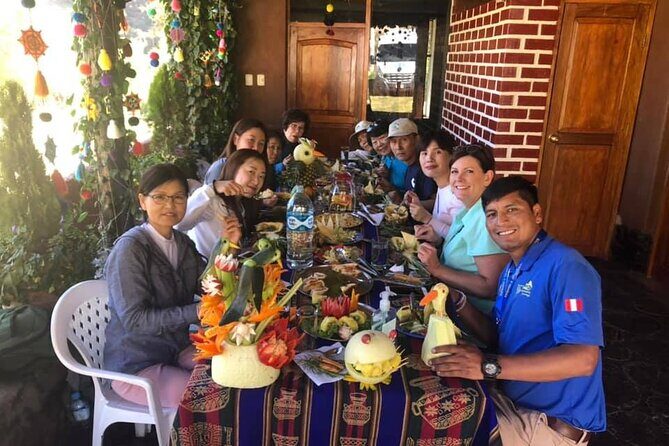
Lunch is a highlight for a reason. You’ll get a private gourmet picnic prepared by the chef, built around local organic produce with some ingredients from the farm itself. You’ll eat outdoors with a view of the Sacred Valley, which makes the meal feel like it belongs in the landscape, not like a timed meal break.
This portion is also where private touring really pays off. You’re not sharing your table with strangers. You can take longer if the conversation is flowing, and you can ask about what you’re tasting without feeling like you’re holding up a big group.
Urubamba Market: Tastings and a Family-Run Look at Daily Ingredients
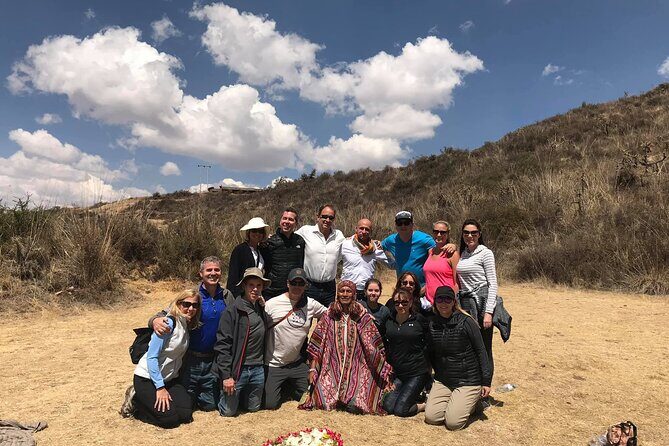
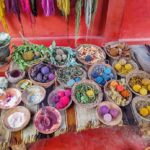
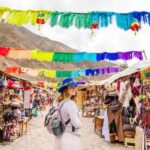
After lunch, you drive to an authentic, non-tourist market in Urubamba. This is a key cultural stop because it shows what’s actually for sale right now—fruits, vegetables, flowers, and natural medicinal plants—rather than what’s convenient for a souvenir shelf.
Your guide walks you through the market and gives you context. Then you get to taste Peruvian foods, including passion fruit, lucuma, and chirimoya. Even if you’ve had one of these before, tasting them in the place where families trade them adds a layer you can’t get from a menu.
You’ll also learn about the ingredients needed to make chicha. That makes the earlier farm visit feel more connected. You’re not just seeing how something is made. You’re learning what goes into it and why it’s culturally important.
One more practical point: markets are a sensory overload in a good way. If you’re sensitive to crowds or smell, you’ll still find it manageable because the tour is private and paced by your guide.
A few more Cusco tours and experiences worth a look
Pisac Ruins: Terraces Above 11,000 Feet and a Less-Used Inca Trail

In the afternoon, you head about one hour to Pisac. The drive itself is part of the appeal—Cusco is dramatic, but the Sacred Valley changes the mood: it’s wider, more agricultural, and often easier to understand through what you see outside the window.
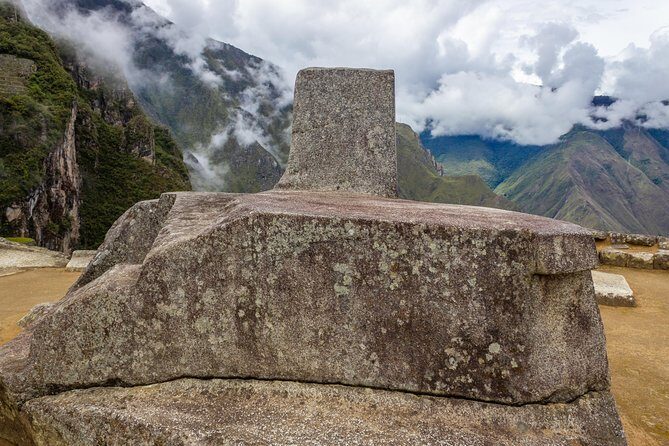
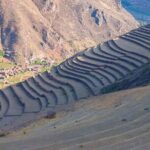
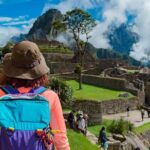
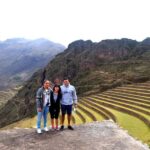
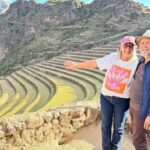
Pisac is famous for its setting, and your visit leans into that. The ruins are terraced along a mountain, with views that help you understand why the Incas built agriculture into the slope. Your guide explains the religious, astronomical, and military functions of the site, which helps the terraces feel more intentional.
One fact worth filing away: the terraces allowed food to be grown above 11,000 feet. That’s not just an impressive number. It’s a reminder that Inca success depended on adapting crops, water, and labor to altitude and microclimates.
Time for a hike and an Inca-made tunnel
After your main visit, you’ll have a chance to hike on a little known, seldom used original Inca trail and through an Inca-built tunnel. This is a huge reason to pick this format over a faster, checkbox-only version. You get movement and perspective, not just a guided scan of the biggest viewpoints.
There’s also an opportunity to tour one of the largest Inca cemeteries located at Pisac. If you’re the kind of traveler who likes to understand how power showed up in stonework and city planning, this portion tends to stick with people.
Price, Tickets, and Timing: What You Pay For
The tour price is $197 per person, and it’s worth judging it by what’s included rather than what’s missing. You get private transport, a local professional guide, hotel pickup and drop-off, and the day’s main meal: a chef-prepared lunch plus food tastings.
The big thing not included is entrance fees. You’ll need a Boleto Turistico for entry into Ollantaytambo and Pisac ruins (and you may see it bundled across other sites). The provided guidance lists these options:
- A boleto covering Pisac, Ollantaytambo, Chinchero, Moray, multiple Cusco museums, and either Sacsayhuaman or a half ticket option for about 130 soles (about $37)
- A half ticket option for about 70 soles (about $23) covering some sites
So the practical budgeting tip is simple: count on entrance fees as an extra line item. If you already plan to visit several other Cusco-area sites, the higher boleto can be cost-effective. If you only want these two major parks, the half ticket may fit better—but check what it covers for the exact sites you’ll do that week.
Also factor in pacing. This is designed as an 8-hour day with multiple distinct settings. If you’re arriving from higher altitude or you’re still adjusting, take it slow, drink water, and let the guide’s pace help you avoid the feeling of rushing uphill.
Who This Tour Fits Best (and Who Should Pass)
This tour fits you well if you want:
- Inca ruins with context you can actually use, not just a quick walk-through
- A day that mixes sightseeing with food culture (farm + market)
- A guide-led experience shaped by local knowledge—especially if you value agriculture and daily life stories
- The comfort of being in a private group where you can ask questions and go at your pace
It may not be the best match if:
- You struggle with stairs and uneven ground at archaeological sites. There’s moderate walking with some climbing at Ollantaytambo, and that hike segment at Pisac is optional but still part of the overall structure of the day.
- You prefer shorter days. This is built as a full outing, not a half-day cruise.
A Quick Practical Checklist Before You Go
Bring what makes a long day in the Sacred Valley easier:
- Comfortable shoes for uneven stone and steps at Ollantaytambo
- A light layer, since altitude and weather can shift quickly
- Sun protection, since you’ll be out at ruins and dining outdoors
- Curiosity for food traditions—chicha comes up more than once
If you’re a planner, you might also decide in advance whether you’ll buy the boleto that covers more Cusco sites. That way you’re not scrambling when you arrive at the parks.
Should You Book This Private Ollantaytambo and Pisac Tour?
If you’re choosing between a fast ruins tour and something more food-and-culture oriented, this one leans smartly toward the second option. You get two major Inca stops—Ollantaytambo and Pisac—plus a farm visit with hands-on moments, a chef-prepared gourmet picnic lunch, and a real market tasting session in Urubamba.
Booking makes extra sense if you care about local agriculture and want explanations that connect what you see to how people lived. Valentin’s local perspective and clear English can turn the day from sightseeing into understanding.
So my take: if you want your Sacred Valley day to feel both historic and human, this is a strong choice.
FAQ
How long is the tour?
It’s about 8 hours.
Is this a private tour?
Yes. It’s private, meaning only your group participates.
What’s included in the price?
Lunch, food tastings, private transport, a local professional guide, and hotel pickup and drop-off are included.
Do I need to buy entrance tickets for Ollantaytambo and Pisac?
Yes. Entrance fees require a Boleto Turistico. The guide info provides two price options: about 130 soles (around $37) for coverage of major sites, or about 70 soles (around $23) for a half ticket that covers some sites.
How much walking is involved?
The tour involves a moderate amount of walking, with some stairs to climb at Ollantaytambo.
Can I cancel for a refund?
Yes. Free cancellation is available up to 24 hours in advance for a full refund. After that, refunds aren’t listed for late cancellations.