REVIEW · CUSCO
Small Group: 4-Day Inca Trail Trek to Machu Picchu
Book on Viator →Operated by Inkayni Peru Tours · Bookable on Viator
Sun Gate arrives fast, even if the trail doesn’t. This 4-day trek follows the Inca Trail to Machu Picchu, with a guide and camp setup that keeps the focus on the hike instead of logistics. I love the small-group feel (capped at around 10) and the chef-led meals that make hard days feel doable.
The big consideration is the altitude and the steep effort. You’ll cross high passes, start very early (5:00 am), and sleep around 3,000–3,600 meters, so pack smart and pace yourself. The upside is that much of the “how do we get there and where do we sleep” work is handled for you.
In This Review
- Key things to know before you hike
- Inca Trail Basics: Why a small group matters on a regulated path
- Day 1: Cusco to Km 82 and the Wilka Rakay payoff
- Day 2: Tres Piedras to Abra de Warmihuañusca and Pacaymayo camp
- Day 3: Runkurakay, Sayacmarca, Chaquicocha, and Phuyupatamarca Pass
- Day 4: Inti Punku (Sun Gate) and your first Machu Picchu look
- What’s included: camp life, guides, and the meals that keep you moving
- Transportation and timing: why the 5:00 am start isn’t just a nuisance
- Real talk on altitude, weather, and the walking days that hurt
- Guides and team vibe: the human engine behind the trek
- Value for $850: what you’re paying for and when it feels fair
- Should you book this 4-Day Inca Trail trek to Machu Picchu?
- FAQ
- FAQ
- What’s the group size for this Inca Trail tour?
- How long is the trek and what start time should I expect?
- Where does the Inca Trail trek start?
- Is transportation included in both directions?
- Are meals and camp accommodation included?
- Do I need to bring my own sleeping bag?
- What camping gear is provided?
- Is water included?
- Can I hike Huayna Picchu or Machu Picchu Mountain?
- What documents do I need?
- Who should avoid this trek?
Key things to know before you hike
- Regulated trail capacity: the Inca Trail runs under a daily limit, with only 500 people allowed each morning (including hikers, guides, porters, and cooks).
- Hotel pickup plus Km 82 start: you’re collected in Cusco and taken by bus to the official trailhead at Km 82.
- Personal porter for 5kg: you can offload part of your load and trek with a lighter day pack.
- Camping comfort is included: inflatable sleeping mattress, spacious tents (4-person tents used by two), and hot water each morning.
- Machu Picchu options cost extra: the main day includes Machu Picchu entry via the trail, while Huayna Picchu and re-entry inside the citadel may require an additional ticket.
Inca Trail Basics: Why a small group matters on a regulated path
The Inca Trail is famous, but it’s not a free-for-all. Since the year 2000, Peru regulates access for better trail conditions and to control daily numbers, meaning you’ll hike with a carefully managed flow of people on the trail each day.
That’s where this tour’s size really helps. The group stays small (listed as up to 10 travelers, with another cap mentioned as a maximum of 12 in inclusions), so your guide can actually manage pace, breaks, and regrouping. On a trek that can turn into a blur of uphill steps, that matters more than you’d think.
And because the itinerary includes your transport, meals, and camp setup, you spend less time coordinating and more time moving through the experience. The “start time” is early for a reason, and you’ll feel it immediately when the day begins at 5:00 am.
You can also read our reviews of more hiking tours in Cusco
Day 1: Cusco to Km 82 and the Wilka Rakay payoff
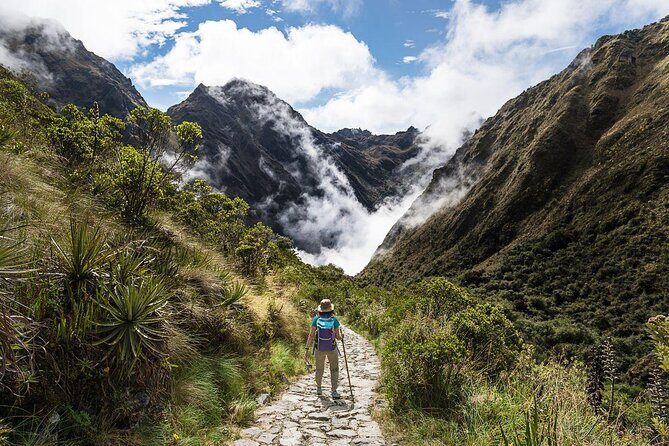
Day 1 starts with hotel pickup in Cusco and a private bus ride into the Sacred Valley area. You pass through places like Chinchero, Urubamba, and Ollantaytambo before heading to the official trail start at Km 82.
After a scenic drive of about 2.5 hours, the trek begins with an ascent toward Wilka Rakay. This is one of those early “wow” moments where the views and the sense of place click into focus fast. You’ll also get the first taste of what this trail does well: it mixes Inca sites, Andean valleys, and changing vegetation.
By late afternoon, you reach Wayllabamba (about 3,000 masl / 9,842 ft.) where you camp. You’re not trying to race the clock here. The plan is to settle in, dinner happens on-site, and you rest up because tomorrow includes the highest point of the trek.
Practical detail: water is included, but not right away. For the first 4 hours of the trek, the tour notes that you’ll need to bring your own water, so don’t assume everything is covered at the start.
Day 2: Tres Piedras to Abra de Warmihuañusca and Pacaymayo camp
Day 2 is where you earn your altitude badge. You start after breakfast and hike about an hour to Tres Piedras (The Three Stones), which signals the transition into a cloud-forest feel. The air tends to feel different under those conditions, and the trail becomes more about rhythm than sprinting.
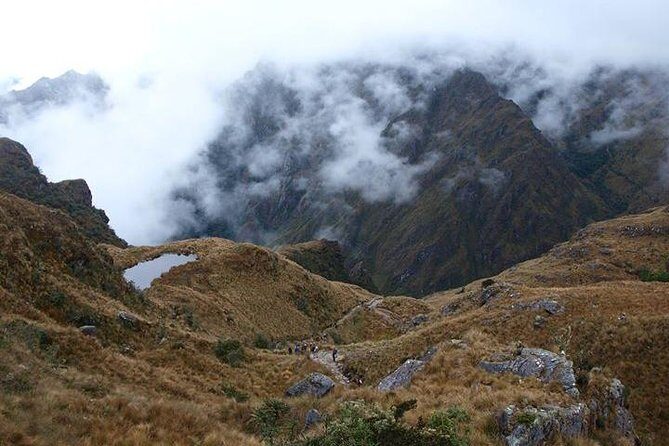
Then comes the big milestone: Abra de Warmihuañusca (Dead Woman’s Pass) at about 4,215 masl / 13,828 ft. Expect a demanding climb and a wide-open, high-altitude moment when you crest and look out over rugged terrain.
Once you hit that pass, the day shifts into steep descent mode all the way to Pacaymayo (about 3,600 masl / 11,811 ft.). It’s the kind of descent that can be tough on your knees, so steady steps and good trekking poles (if you use them) are your friends.
Camp at Pacaymayo sets you up for a solid recovery window. You’ll get dinner and time to unwind in the mountains. In the feedback from recent hikers, one theme shows up again and again: the guides manage effort well, and the team knows when to push and when to slow down.
Day 3: Runkurakay, Sayacmarca, Chaquicocha, and Phuyupatamarca Pass
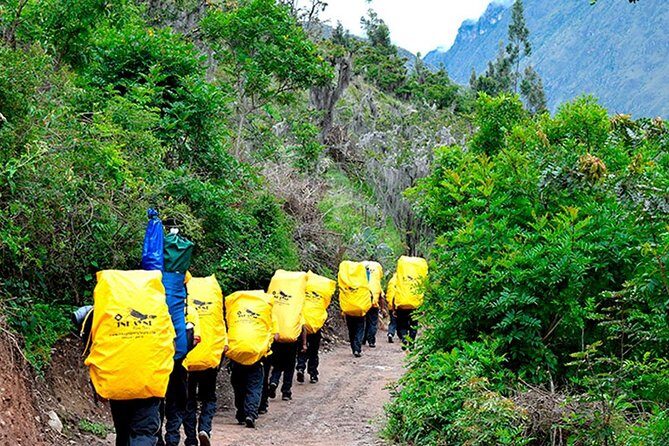
Day 3 is a blend day: shorter climbs, then more ruins and viewpoints, then another long walk. You begin with a 45-minute ascent to Runkurakay, an ancient Inca resting site, followed by another 45-minute climb up to Runkurakay Pass around 4,000 masl / 13,123 ft.
From there you descend to Sayacmarca, built into a steep mountainside. This is the kind of place where you start to understand Inca planning as practical, not just decorative. The stone structures feel like they were placed with intention, even when the slope is unforgiving.
Lunch happens at Chaquicocha, and after that you step into high Andean cloud forest again. If you like moments where the trail changes character, day 3 delivers. You follow a narrow ridge to Phuyupatamarca Pass, with views over the Sacred Valley and toward Machu Picchu.
The afternoon walk brings ceremonial sites and agricultural terraces. Then you reach your final campsite of the trek at Wiñayhuayna, arriving with enough energy to appreciate the last stretch without feeling totally wiped.
In reviews tied to this operator, people often single out the human side of the trek: the guide storytelling, the team’s warmth, and the calm way everything runs in the background so you can focus on the path.
Day 4: Inti Punku (Sun Gate) and your first Machu Picchu look
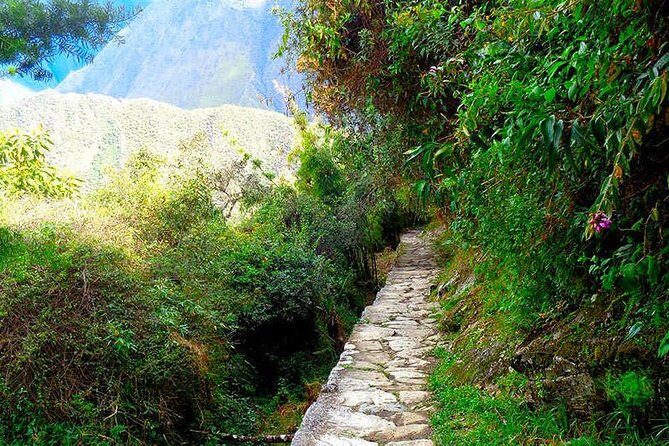
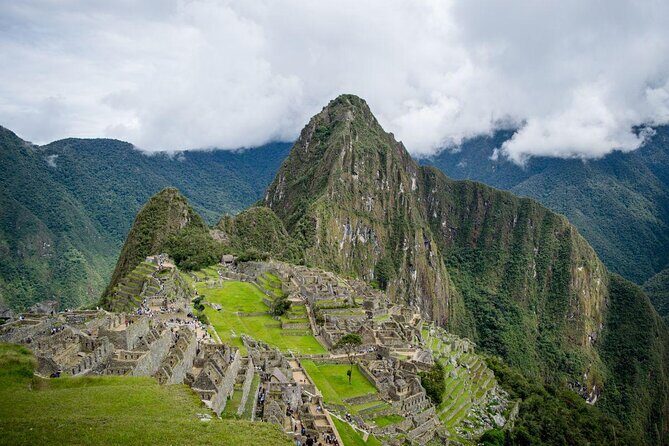
You rise early on Day 4 to hike the final segment into Machu Picchu via Inti Punku (Sun Gate). This stretch is described as relatively easier, but you’ll still feel the “last day” fatigue in your legs, so don’t treat it as a stroll.
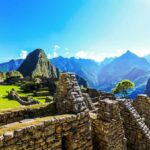
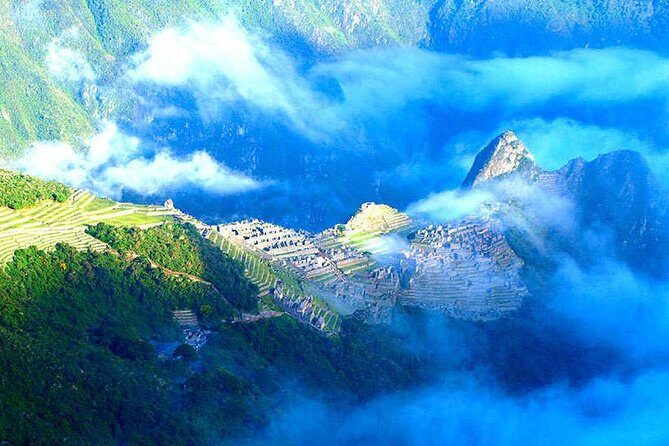
About an hour in, you reach Inti Punku. Weather permitting, this is when you might catch sunrise over the Andes and get that first big sightline down toward the citadel. Even without sunrise, the approach from the gate is dramatic because you’re coming in on foot from the trail, not arriving later by bus.
A 45-minute descent brings you to the upper terraces, a common photo spot for that classic first look. Then the tour gives you options depending on tickets you’ve arranged. If you want a guided walk inside the citadel, the notes point out that you may need an extra ticket for re-entry, with your guide leading you through temples, ceremonial sites, terraces, and storage structures.
You may also hike Huayna Picchu or Machu Picchu Mountain for extra cost if you pre-book. The itinerary treats these as optional, which is smart, because both add time and a bit more risk if your legs or breathing aren’t feeling great.
Afterward, you return to Aguas Calientes for a break and lunch, then board the train toward Ollantaytambo. From there, a private van takes you back to Cusco. It’s a nice finish: you get the big moment, then you’re guided through the logistics back to real life.
A few more Cusco tours and experiences worth a look

What’s included: camp life, guides, and the meals that keep you moving
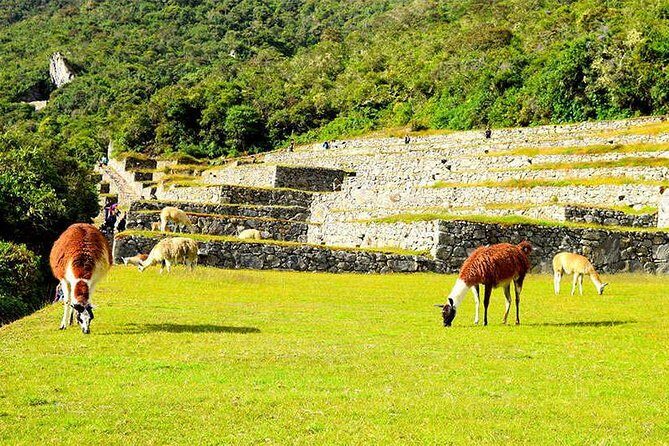
This tour bundles a lot that usually adds stress or hidden costs on trekking trips.
You get a professional English-speaking guide, a chef, and porters who handle cooking and camping equipment. There’s also a personal porter carrying up to 5kg of your gear, so you can keep your day pack focused on essentials.
Sleeping and comfort details are unusually concrete:
- 4-person tents, used by two people per tent
- Inflatable sleeping mattress
- Inflatable pillow (you need to carry this)
- Hot water every morning
- Oxygen bottle and a first aid kit
Meals are also built into the plan: breakfast (3), lunch (3), dinner (3), with the notes clarifying what’s not included (breakfast on Day 1 and lunch and dinner on Day 4). That means you can plan your first morning in Cusco and your final day near Aguas Calientes accordingly.
One more real-life detail: the tour provides water but not for the first 4 hours. So I’d treat the first day like you’re responsible for hydration until the trek schedule catches up.
If you’re the kind of person who hates packing surprises, you’ll like the clarity here. A big part of what makes this trek work is how consistently the team handles “camp reality,” from cooking to setup to morning routines.
Transportation and timing: why the 5:00 am start isn’t just a nuisance
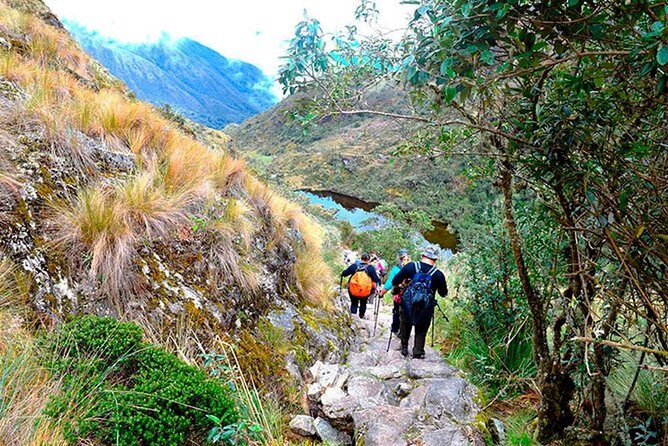
This trip starts at 5:00 am. That’s early, yes, but it fits the regulated nature of the trail and the reality of reaching the best time windows for hiking and Machu Picchu.
You’ll also spend time in transit, but it’s structured. Instead of piecing together multiple shared rides, you get pickup from your hotel and a bus to the trailhead at Km 82, then rail and van for the return.
This is one of the values of choosing a local operator that handles the full route. It reduces the chance of small timing failures turning into big stress, especially on the last day when Machu Picchu timing can matter.
Real talk on altitude, weather, and the walking days that hurt
Even if you’re fit, the Inca Trail has a rhythm that can surprise you. The highest pass is Abra de Warmihuañusca at about 4,215 masl, and you’ll also sleep and hike at other high points like Wayllabamba, Pacaymayo, and Wiñayhuayna.
This is not the trek for anyone with back problems, heart disease, or serious medical conditions, and the tour doesn’t recommend it for those reasons. If you’re generally healthy but not yet accustomed to altitude, build in patience. Take breaks before you feel wrecked. Your guide’s job is to watch the group, but your body is the main boss.
Weather is another factor. The itinerary changes between cloud forest and high passes, which can mean rapid shifts in temperature and comfort. Pack for layers, rain protection, and sun. The tour’s packing list is specific: walking boots, waterproof jacket or rain poncho, warm jacket, hat and gloves, sunscreen factor 35 or higher, and insect repellent.
If you’re unsure about your gear, don’t overthink it. A good rain layer and good boots beat fancy gear every time on uneven steps.
Guides and team vibe: the human engine behind the trek
A trek like this runs on people, not just permits and monuments. In feedback about Inkayni Peru Tours, several guide names show up with consistent praise, including Papa Freddy, Edwin, Herlin, Ronald Ccana Sotalero, Paul, and Yo-yo.
What these guides share in the stories is a mix of history talk and practical pacing. People often highlight that the guide keeps things fun without losing control of the schedule. You’ll also see repeated praise for the camp team, often called Chasquis in this setting, with strong emphasis on how much work porters and cooks do behind the scenes.
Food is a major part of that. Multiple reviews describe the chef as creating unexpectedly good meals for a camping kitchen, including comforting three-course style dinners. That might sound like marketing, but on a four-day trek it’s simple math: better meals help you keep moving, and you feel less beat up at the end of each day.
Value for $850: what you’re paying for and when it feels fair
At $850 per person, this 4-day Inca Trail trek sits in the “serious experience” category. The value comes from the bundle: guide, chef, porters, tents and sleep setup, oxygen bottle, hot water, regulated permit access, and round-trip transportation from Cusco (bus to Km 82 and train/van back).
You’re also getting a small-group format and a personal porter for 5kg of your gear, which changes how you experience each walking day. Instead of fighting the weight of your pack, you can focus on the trail and your pace.
Could you do it cheaper by booking pieces separately? Maybe, but you’d be taking on more coordination risk and likely more uncertainty about meals, camp timing, and transfers. For many people, paying for a complete, well-run plan is what makes the trek feel less like a project and more like a journey.
Where value drops a bit is in optional extras: Huayna Picchu, Huayna/Machu Picchu Mountain hikes, and any additional ticket needed for re-entry inside the citadel are not included. If you want those, budget extra.
Should you book this 4-Day Inca Trail trek to Machu Picchu?
If you want the classic route to Machu Picchu, enjoy camping in a planned way, and you’d rather have a team handle the logistics, this is a strong match. I’d especially recommend it if you like small groups, appreciate solid meals on the trail, and value a guide who connects the sites with practical trekking rhythm.
Book sooner than later. The Inca Trail permits can sell out fast, and the tour explicitly recommends booking at least five months in advance. Also, double-check your health and fitness fit for high passes, and plan your first day hydration since water isn’t covered for the first 4 hours.
FAQ
FAQ
What’s the group size for this Inca Trail tour?
The tour is listed as a small group, with a maximum of 12 people in the included details, and a maximum of 10 travelers mentioned in the activity note. Either way, it’s far from a large crowd.
How long is the trek and what start time should I expect?
The trek runs for about 4 days. The meeting/start time is listed as 5:00 am.
Where does the Inca Trail trek start?
You’re transported by bus to Km 82, which is the official starting point of the Inca Trail.
Is transportation included in both directions?
Yes. You get pick-up from your Cusco hotel. You travel to Km 82 by bus, and after Machu Picchu you return using train and private van back to Cusco, with bus from Machu Picchu to Aguas Calientes included.
Are meals and camp accommodation included?
Yes. Accommodation and meals are included with dinner, breakfast, and lunch counts across the days. Breakfast on Day 1 and lunch and dinner on Day 4 are not included.
Do I need to bring my own sleeping bag?
Sleeping bag is not included, but you can rent one locally from a tour operator.
What camping gear is provided?
You’ll have inflatable sleeping mattresses, a spacious tent setup (4-person tents used by two), inflatable pillow (you need to carry), hot water each morning, and an oxygen bottle.
Is water included?
Water is included, but excluding the first 4 hours of the trek, when you’ll need to bring your own.
Can I hike Huayna Picchu or Machu Picchu Mountain?
Huayna Picchu and Machu Picchu Mountain hikes are optional and not included in the price. The notes mention they require extra cost and pre-booking for best chances.
What documents do I need?
A current valid passport is required on the day of travel. If you want a student discount, you’ll also need an ISIC card.
Who should avoid this trek?
It is not recommended for participants with back problems, heart disease, or other serious medical conditions, and the minimum age is 6 years.