REVIEW · COPACABANA BOLIVIA
Bolivia: Full day to Copacabana & Isla del Sol
Book on GetYourGuide →Operated by Zarate Adventours · Bookable on GetYourGuide
Lake Titicaca needs one day of respect.
This trip is a practical way to see Copacabana and then cross the bay to Isla del Sol—with Inca-era stops like the Umani stairs and the Temple of the Sun at Pilkoken on the schedule. I especially like how the day ties together faith (Copacabana’s cathedral) and archaeology (Inti worship sites), so it feels more than a sightseeing checklist.
What makes it work is the guide support. You’re traveling with a private bilingual guide (English–Spanish), and real humans matter here—names like Ana and Jaime show up as examples of guides who take time with explanations and keep things moving even when the day gets complicated. The one real drawback to plan around is that it’s a long, early start day with border procedures at Cassani and plenty of time spent in transit.
In This Review
- Key Points Before You Go
- From Puno to Copacabana: that 6 a.m. start actually pays off
- Cassani Border Crossing: what to expect and how to avoid stress
- Copacabana Cathedral and the Virgin of Candelaria: more than a quick stop
- The boat across Lake Titicaca: your best “pause button”
- Isla del Sol: Pilkoken, the Umani stairs, and the Eternal Fountain
- Timing and comfort on a one-day loop from Puno
- Price and value: is $105 really fair for this route?
- Who should book this (and who should skip it)
- Should you book this Copacabana and Isla del Sol day trip?
- FAQ
- What time does the tour pick up you in Puno?
- How long is the tour?
- Do I need an entrance ticket for Isla del Sol?
- Is lunch included?
- Is the boat included?
- What languages is the guide?
Key Points Before You Go
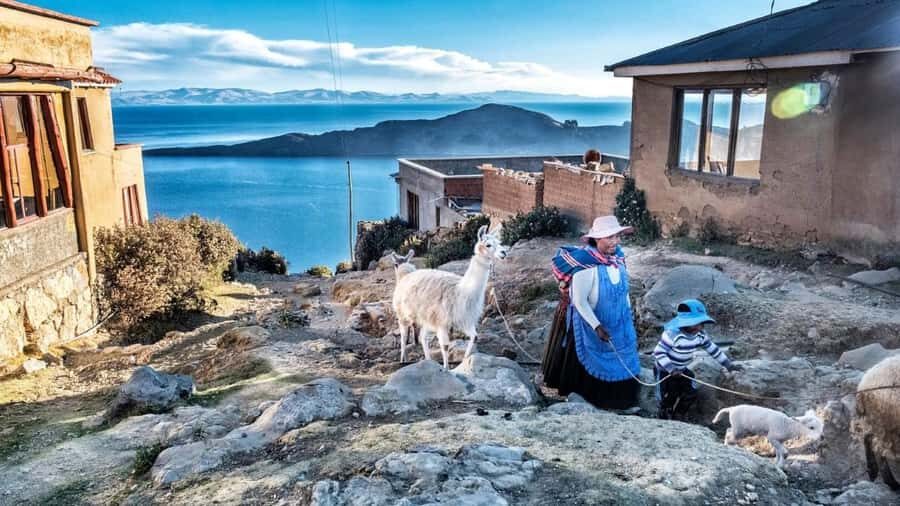
- Small group (max 15): You’ll get more than a quick “follow me” experience, especially at the Inca sites.
- Two worlds in one day: Copacabana’s Virgin Candelaria visit plus Isla del Sol’s Inti-related ruins.
- Shared boat across Lake Titicaca: Worth it for the views and the car-free walking feel on the island.
- Umani stairs + Eternal Fountain: These are the kind of stops you remember after the photos.
- Early pickup from Puno (6:00 a.m.): If you like slow mornings, this one will feel demanding.
From Puno to Copacabana: that 6 a.m. start actually pays off
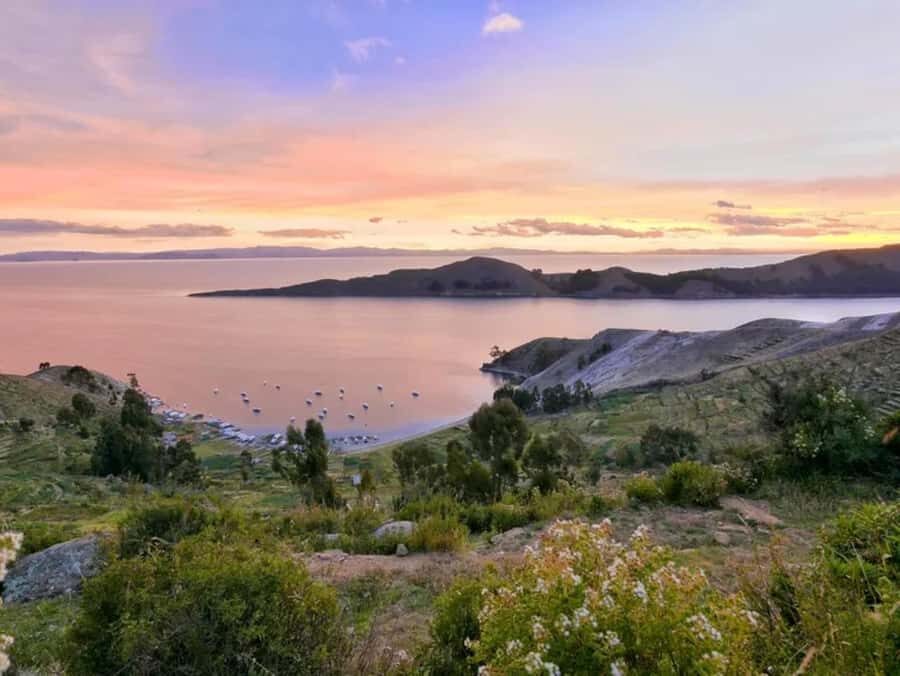
Your day starts early—pickup from your Puno hotel is set for 6:00 a.m., near the main square. Then you’re transferred to the bus terminal before continuing by excursion bus toward Copacabana. The timing is built around reaching Copacabana around 12:00 (Bolivian time), which is the right move: you get daylight for the island portion instead of rushing around in the late afternoon.
If you’re thinking, Is a full day really necessary? It is, because you’re crossing 142 km and adding border formalities. The advantage is that you don’t have to plan separate tickets, separate transport, or separate guides. The tradeoff is simple: you’ll be in transit for hours, and you’ll want comfortable clothes for sitting on a bus.
One small practical note: bring water and a few snacks even if you’re getting lunch. You’re not only traveling distance—you’re also going through the Cassani border process, and that can stretch waiting times.
Cassani Border Crossing: what to expect and how to avoid stress
This tour goes through the Peru–Bolivia border at Cassani, and you’ll handle the entry steps as part of the day. From a practical perspective, border crossings are where schedules are most likely to wobble. So the best approach is not to fight it with impatience, but to show up ready.
Here’s what you should take seriously:
- You’ll need your passport (and the tour also mentions passport or ID card, but the passport requirement is the safer assumption for international travel).
- Have cash available in case you need to pay small extras that aren’t included.
- Keep your phone charged. If any online forms are involved, weak connectivity turns into a time sink fast.
A good guide can keep things orderly, but your best advantage is preparation: know your basic details, keep your documents in one place, and don’t assume the process will be instant.
Copacabana Cathedral and the Virgin of Candelaria: more than a quick stop
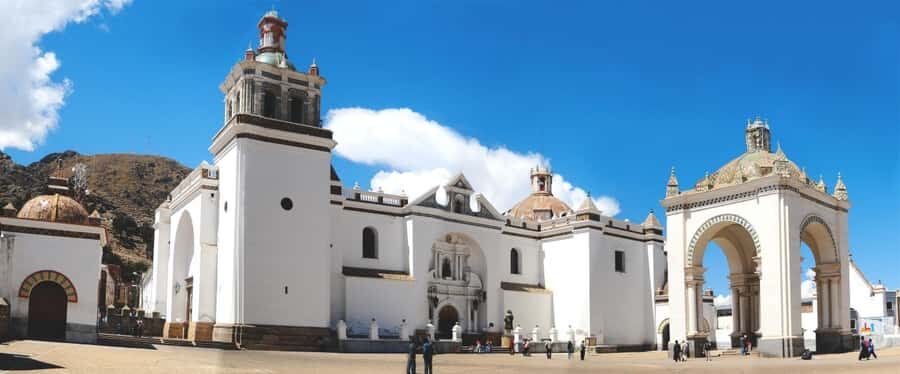
Once you arrive in Copacabana, the day pivots to culture and religious tradition. You’ll have lunch in Copacabana, then visit the Cathedral of Our Lady of Copacabana. The tour also specifies the Basilica of the Virgin Candelaria of Copacabana, which is the heart of why this town matters.
This isn’t just about architecture. Copacabana’s religious traditions connect directly to the broader Andean world—where faith, community, and the landscape around Lake Titicaca have always shaped each other. Even if you’re not there for religious ceremony, you’ll feel the town’s rhythm. It’s the kind of stop that makes your later Inca sites on Isla del Sol feel less random.
If you’re the type who enjoys learning why a place is important to locals, this is a strong part of the day. And if your guide is like Ana—someone who’s patient and attentive—you’ll likely get context that makes the cathedral visit click instead of feeling rushed.
The boat across Lake Titicaca: your best “pause button”
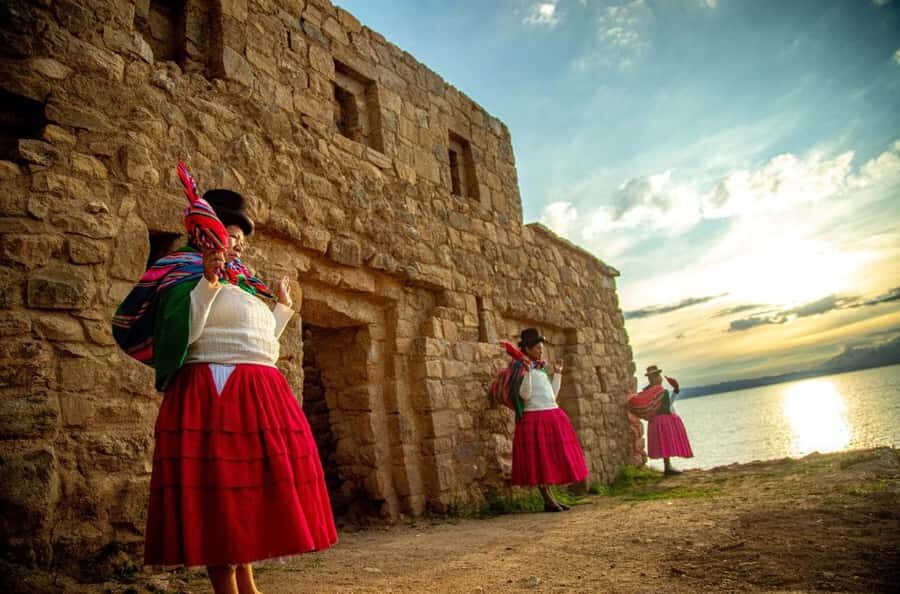
After the cathedral, you head to the dock for the boat crossing. The boat ride is on a shared boat, and you cross Lake Titicaca to reach the south side of Isla del Sol.
This leg is short enough to fit inside a one-day plan, but long enough that it changes the feel of the trip. You’re leaving Copacabana’s town energy behind and transitioning to an island where the main movement is walking, not cars. That matters because Isla del Sol is experienced at foot level—paths, steps, viewpoints.
Bring your camera, but also give your eyes a moment. The point of the boat ride isn’t only the best photo. It’s the mental shift: you’re about to move through Inca-associated sacred spaces rather than just look at them from a distance.
Isla del Sol: Pilkoken, the Umani stairs, and the Eternal Fountain
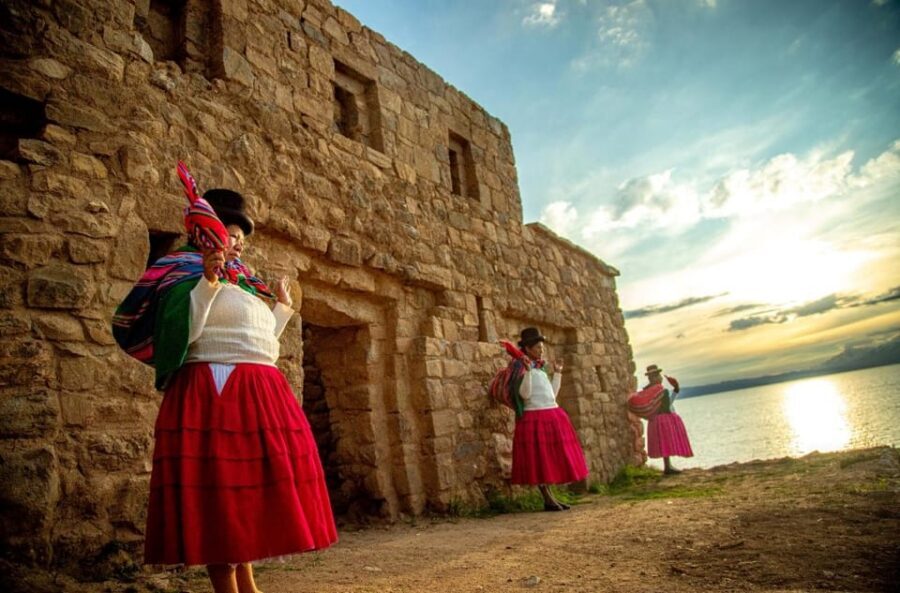
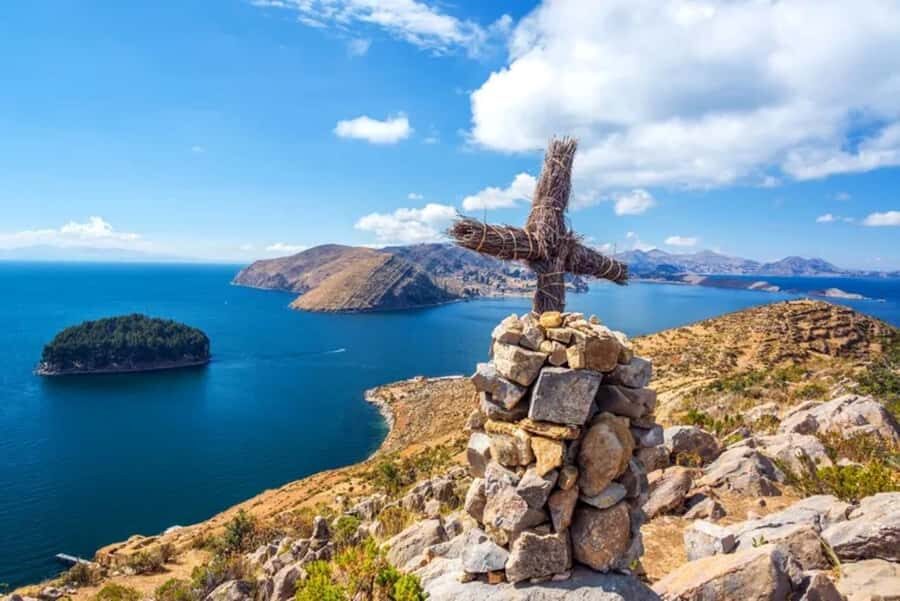
Isla del Sol is where the tour earns its reputation. On the island, you visit the archaeological site of Pilkoken, including the Temple of the Sun. This is tied to the tour’s explanation about archaeological centers dedicated to the cult of the Sun god, Inti, and it helps connect Copacabana’s traditions to the Inca-era story.
Then you’ll go down the Umani stairs, described as part of the Inca era route. Stairs sound simple until you’re actually on them at altitude. This part is where comfortable shoes matter. If you’ve got foot issues, the uneven steps can be the limiting factor, not the walking distance.
Next comes one of the more memorable stops: the Eternal Fountain of the Incas, where you can taste the holy water. That’s a small action—one sip—but it’s exactly the kind of moment that makes a day like this feel personal. The guide should help you understand what you’re doing and why people treat it as meaningful.
Time on the island is limited (it’s still a one-day schedule), so don’t plan to wander for hours. Instead, think of this as a structured walk through the island’s core sacred-and-archaeology points. If you like to go slow, you’ll still have enough time to pause, but you’ll want to accept that the day is designed to cover key highlights rather than leave you “loose” for an entire afternoon.
Timing and comfort on a one-day loop from Puno
This is a 1-day tour with a packed timeline:
- Pickup in Puno: 6:00 a.m.
- Arrive Copacabana: about 12:00
- Island visit: boat over, Inca stops, then boat back
- Return to Copacabana: about 5:00 p.m.
- Bus back to Puno: arrive around 9:00 p.m.
There’s a slice of free time in Copacabana after the island return, before the night bus. That’s useful if you want a quick look around—maybe buy a small snack or just enjoy the lakeside town energy without pressure.
On comfort, you’ll be on a bus for a long stretch, and the reviews show the range can vary day to day. The safest planning mindset is to assume you’ll spend hours seated. Wear layers, bring water, and keep your expectations realistic for a long day rather than a relaxed resort outing.
Price and value: is $105 really fair for this route?
The price is listed at $105 per person, and what you’re paying for is the full logistics bundle:
- Round-trip bus Puno–Copacabana
- Transfers in Puno to the terminal
- Entry to Isla del Sol
- Shared boat crossing
- A private bilingual guide (English–Spanish)
- One lunch in Copacabana
- Basilica/Cathedral visit support
Value-wise, this is most fair if you don’t want to piece it together yourself. The hardest parts to organize quickly are the border steps and the timing that connects bus schedules to boat departures. With a guide and included tickets, you’re less likely to waste time figuring out transport connections on the fly.
What’s not included is also important for budgeting: drinks, any extra food beyond the included lunch, travel insurance, and “extra expenses.” If you like bottled water or sodas, plan for it so the day doesn’t feel expensive at the end.
And with a small group limited to 15 participants, you’re not paying for a huge cattle-car. That can improve the quality of guidance at the Inca stops where questions come up.
Who should book this (and who should skip it)
This tour is a great match if you:
- Want a full-day Puno to Isla del Sol experience without complicated planning
- Enjoy structured history and faith-related context (Copacabana plus Inti-related sites)
- Prefer a small group and a bilingual guide who can explain what you’re seeing
It’s not suitable for certain travelers, including pregnant women, wheelchair users, visually impaired people, people with pre-existing medical conditions, and people over 95. The main reason is the early schedule, altitude conditions common around Lake Titicaca, and the stairs on Isla del Sol like the Umani route.
If you have any health limits, it’s smart to think hard before committing, since this is a long day with walking on uneven steps.
Also note what you need to bring: comfortable shoes, sunscreen, sunglasses, a hat, and cash. The tour even suggests bringing snacks and water, which is good advice for a day that runs from early morning to evening.
Should you book this Copacabana and Isla del Sol day trip?
If you want one day that actually covers the essentials—Copacabana’s cathedral, the boat ride across Lake Titicaca, and Isla del Sol’s Pilkoken, Umani stairs, and the Eternal Fountain—this is a strong option. The small-group size and bilingual private guide help, and the logistics support around borders and transport is a real advantage.
Skip it if you’re hoping for a relaxed day, because the early pickup and long bus time are non-negotiable. Also, if you’re sensitive to stairs or have medical concerns, you should read the tour’s suitability notes carefully and consider a gentler option.
Verdict: Book it if you value an organized, highlight-focused day from Puno with real guide attention. Pass if you need slow pacing or step-free access.
FAQ
What time does the tour pick up you in Puno?
The pickup is at 6:00 a.m. near the main square of Puno, followed by a transfer to the bus terminal.
How long is the tour?
It’s a 1-day experience, with the full schedule running from early morning pickup to return to Puno around 9:00 p.m.
Do I need an entrance ticket for Isla del Sol?
Yes. Entrance tickets to Isla del Sol are included, so you won’t need to buy them separately.
Is lunch included?
Yes, the tour includes 1 lunch in Copacabana. Drinks and additional food beyond that are not included.
Is the boat included?
Yes. The tour includes a shared boat crossing to Isla del Sol and the return trip to Copacabana.
What languages is the guide?
The guide is bilingual English–Spanish.