REVIEW · LIMA
Lima: Larco Museum Entry Ticket & Guided Tour with Pickup
Book on GetYourGuide →Operated by APULLAY TOURS · Bookable on GetYourGuide
Carved stories in ceramics beat any brochure. This small-group Larco Museum tour turns ancient Peru into a guided walk through time, with 45,000+ artifacts presented clearly, plus a stop at the striking fertility room. One caution: the museum’s themes include offerings and human sacrifice, so if that’s a tough subject for you, plan accordingly.
You’ll get an easy hotel pickup from Miraflores, Barranco, or San Isidro, then a smooth ride to the museum with a bilingual guide. It’s a focused, mostly indoor experience, and you’ll want to be ready to listen—because the best parts happen when someone explains what you’re looking at.
In This Review
- Key things I’d mark as your top payoffs
- Pickup in Miraflores, Barranco, or San Isidro: the day starts easy
- Skip the ticket line, then meet your bilingual guide
- Larco Museum: 45,000+ ceramics that actually make sense
- The “offerings” and sacrifice scenes: a strong but heavy section
- Music, war, and death: the Andean worldview, explained through art
- The fertility room: why it’s the emotional centerpiece
- Time at the museum: guided visit, photo stop, free time, then shopping
- How much is it, and is it good value for Lima?
- Who this tour suits best (and who should consider another option)
- Should you book the Larco Museum tour with pickup?
- FAQ
- How long is the Larco Museum tour?
- Does the tour include hotel pickup and drop-off?
- What language is the guide?
- Is entry to the Larco Museum included?
- Can I skip the ticket line?
- How big is the group?
- What’s included besides the guide and museum entry?
- Is the tour wheelchair accessible?
- Are meals included?
Key things I’d mark as your top payoffs
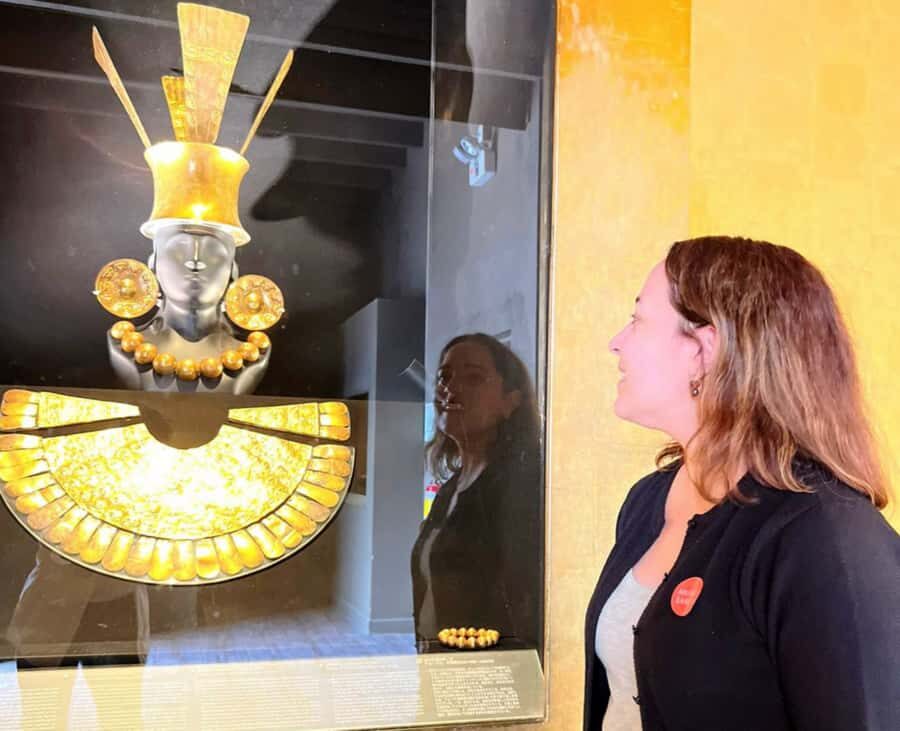
- 45,000+ ceramics shown in a chronological, didactic way, so you’re not just looking at pretty objects
- Offerings and human sacrifices explained through standout ceramic scenes
- Andean worldview themes like music, war, and death, tied to what the art shows
- The fertility room, described as a powerful cultural experience and a strong ending moment
- Small group (up to 10) with time for questions and pacing that doesn’t feel rushed
Pickup in Miraflores, Barranco, or San Isidro: the day starts easy
This tour is designed for people who want to show up, park their brain, and let the day run. You’ll be collected from your hotel area in Miraflores, Barranco, or San Isidro, then carried to the museum by van. Plan on about 25 minutes each way, which matters in Lima where getting around can be more time-sensitive than you’d expect.
You should wait in the lobby 15 minutes before your scheduled pickup. When the guide and driver arrive, they’ll ask for your last name at the reception desk. It’s a tiny detail, but it saves you from standing around outside, scanning for a van that may be hard to spot.
This is also one of those setups where small-group logistics are part of the value. With a limit of 10 participants, you’re less likely to feel like you’re being herded. And because it includes hotel return (and an optional drop-off in key districts), you don’t end the day stuck trying to figure out what bus or taxi to take.
A few more Lima tours and experiences worth a look



Skip the ticket line, then meet your bilingual guide
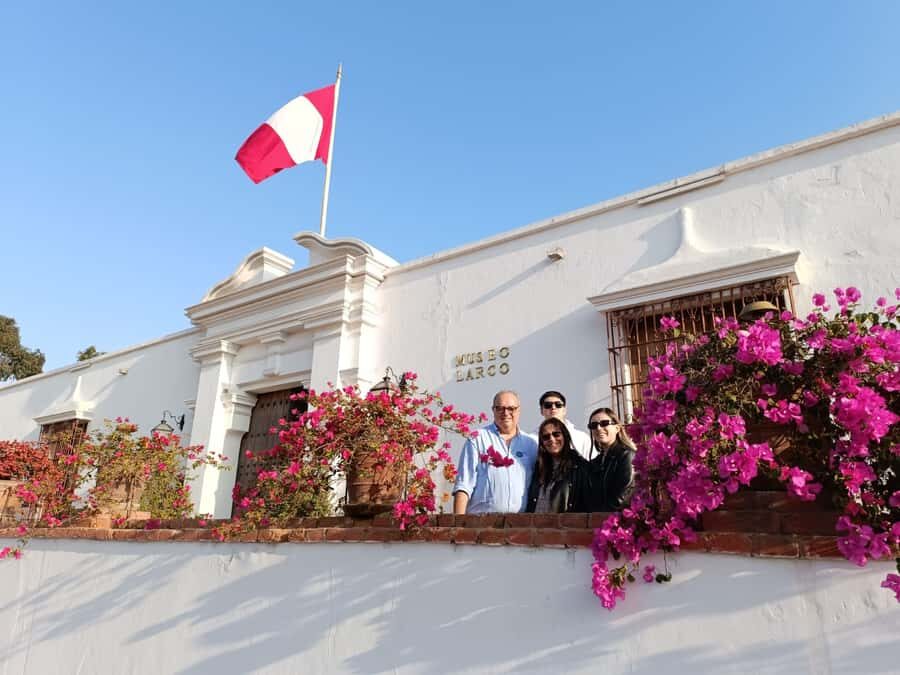
Once you arrive, you’ll have entry tickets handled through the tour, including skipping the ticket line. That’s not a luxury in a major museum—it’s a small time win that keeps the day from feeling like waiting is your main activity.
Your guide is listed as official bilingual English/Spanish, and that bilingual part matters more than you might think. A lot gets lost when explanations are rushed or simplified. The guide’s job here is to connect the visuals to meaning: what certain scenes might represent and how the pieces fit into a broader Andean story.
I especially liked the way guides on this experience are described for storytelling and patient Q&A. One guide name that came up clearly was Pamela, noted for enthusiasm and for answering questions patiently. If you get her (or anyone with the same style), expect a tour that slows down just enough for you to ask follow-ups instead of just collecting facts like postcards.
Larco Museum: 45,000+ ceramics that actually make sense
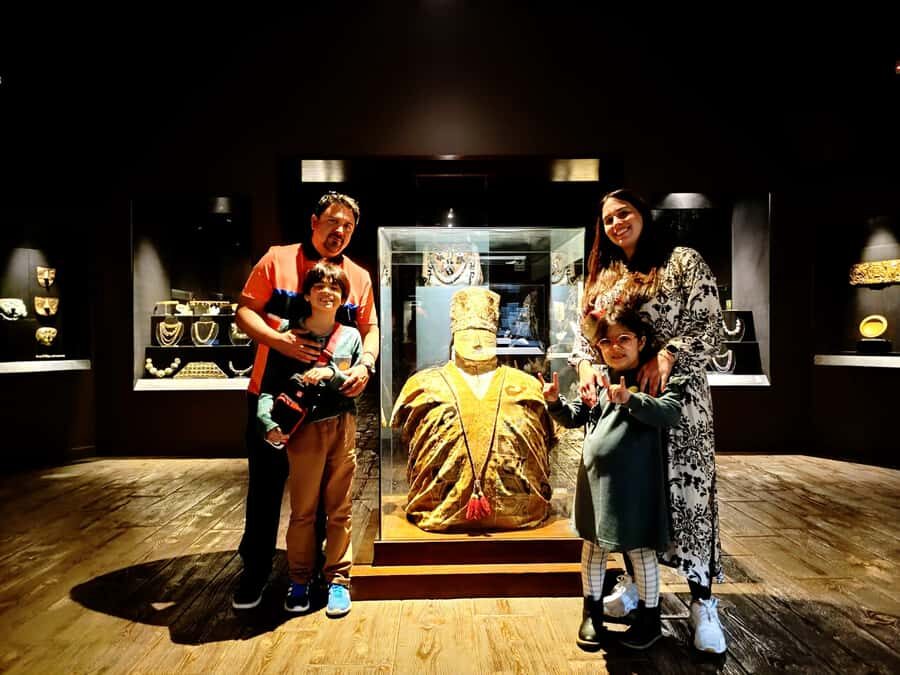
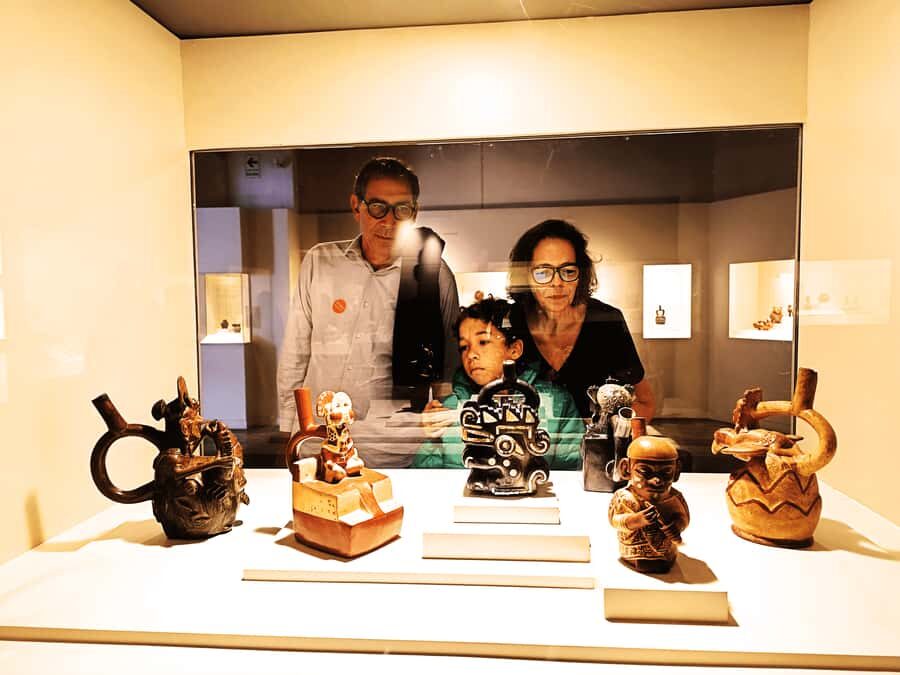
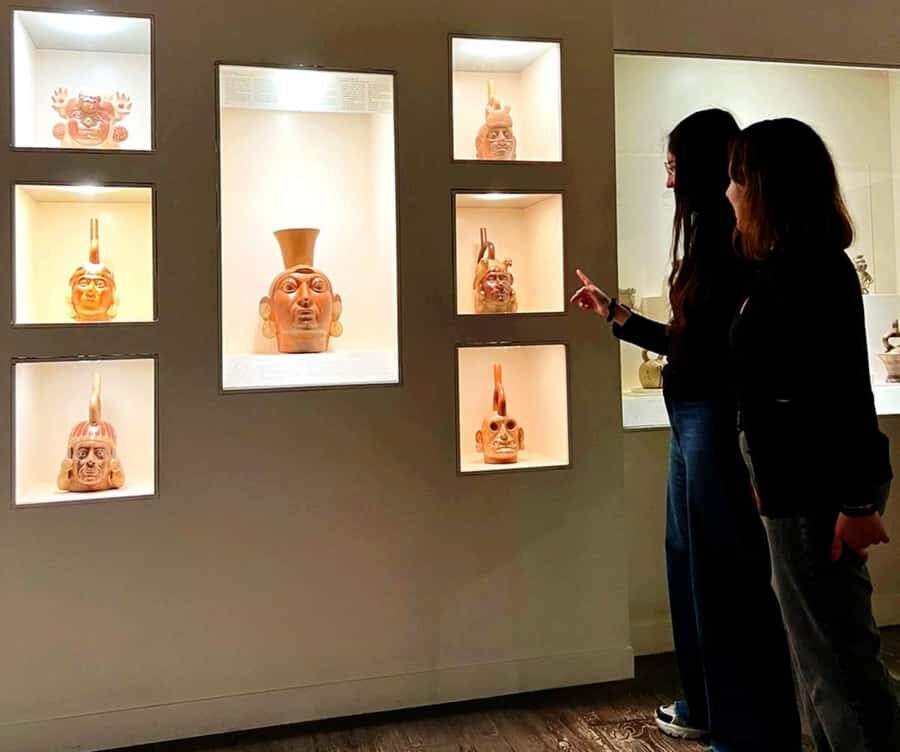
The main event is the museum’s collection of 45,000+ ceramic pieces, presented in a way that’s built for learning. Instead of random rooms and vague captions, you’re led through an organized display that follows the birth and evolution of ancient Peruvian civilizations, all the way through the rise of the Inca Empire.
What I like about this approach is that it gives your eyes a route. Ceramics can look similar at first glance—colors, faces, shapes. Chronology and theme help you start noticing patterns: how styles shift, how motifs repeat, and how the art reflects real-world beliefs and power.
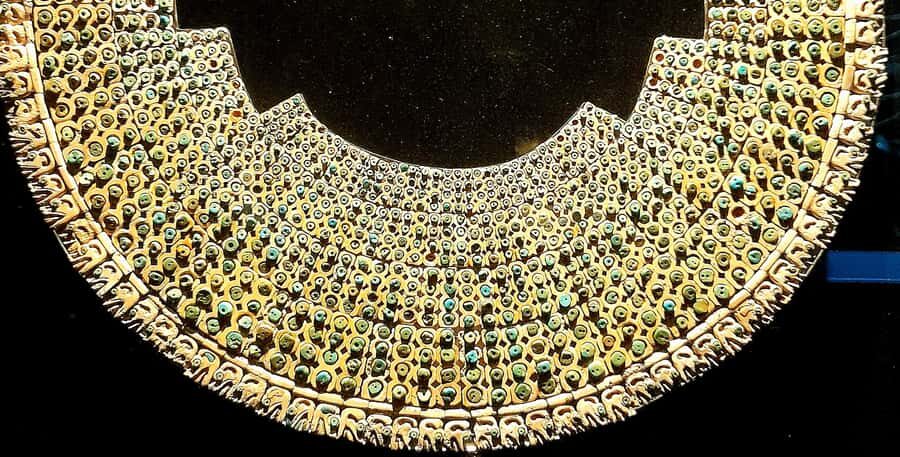
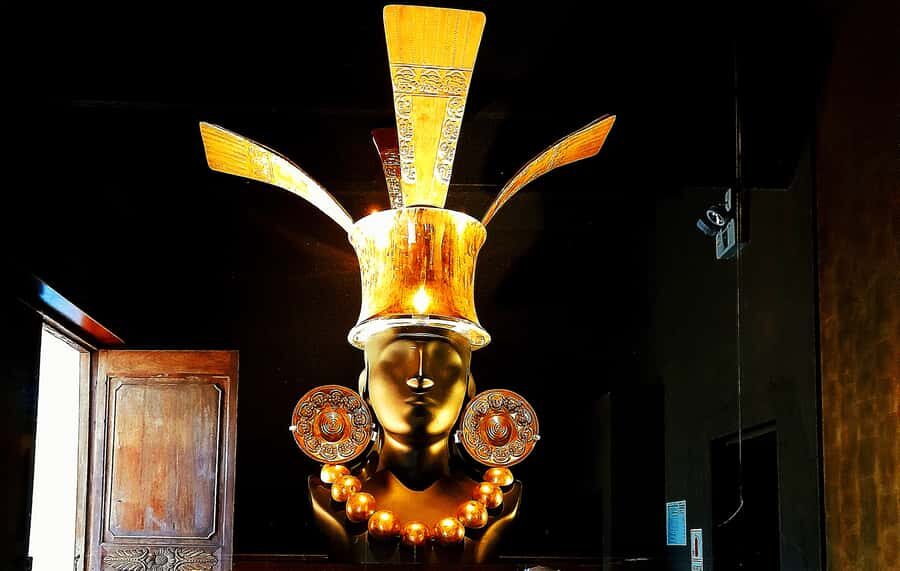
The rooms are described as thematic, with a layout that highlights ceramics, textiles, and precious metals (gold and silver) in excellent condition. Even if your focus is ceramics, those adjacent materials help you understand that ancient Peru wasn’t a one-medium culture. It was connected—materials, craft, and meaning all in the same visual language.
The “offerings” and sacrifice scenes: a strong but heavy section
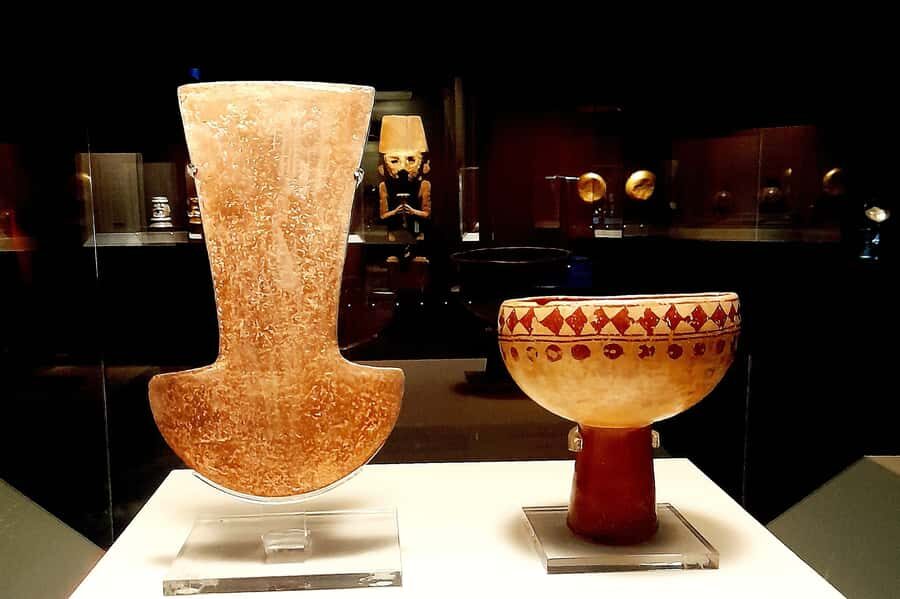
One of the tour highlights is the chance to discover offerings and human sacrifices through stunning ceramic pieces. This is not a vague mention. The point is to show you the imagery and then explain what it signals in the Andean worldview, especially in the period before the Incas.
Here’s the practical take: go into this section with a little emotional awareness. Some art is made to decorate, and some art is made to communicate duty, survival, belief, and power. If you’re the type who likes museums that are only uplifting, this might feel intense. If you prefer art that helps you understand how people thought and lived, it’s a compelling reality check.
Also, having a guide matters here because the meaning doesn’t always jump out to someone walking in cold. You’re being taught how to read the scenes—what’s being offered, what kinds of rituals are being represented, and why these images were important to the communities that made them.
Music, war, and death: the Andean worldview, explained through art
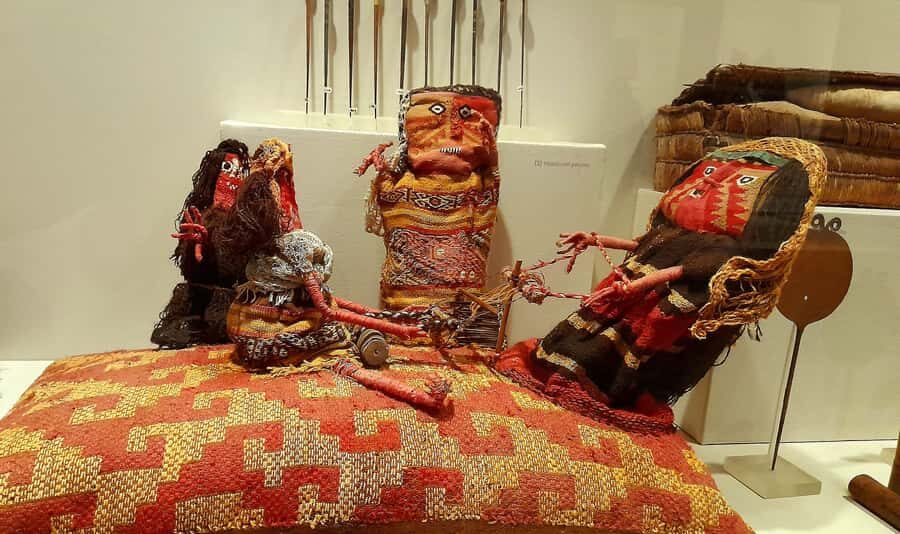
Another standout part of the tour is learning about music, war, and death in the Andean cosmovision. This is where the ceramics stop being isolated objects and start becoming evidence of worldview.
Think of it like this: when a culture makes art that references conflict, endings, and the sacred role of sound or ceremony, it’s telling you what they believed was real and important. The guide’s job is to connect these themes into something you can hold in your head—not just three separate facts.
If you like museums where you walk out feeling like you understand the people behind the artifacts (not just the dates), this section is for you. And if you’re learning Spanish or English at a steady pace, you may find you catch more detail here because the themes are concrete and visual.
You can also read our reviews of more guided tours in Lima




The fertility room: why it’s the emotional centerpiece
You finish with a visit to an impressive room allusive to fertility. The listing calls it a powerful cultural experience, and based on how the day is structured, this is designed as more than a last-photo moment. It’s a room that closes the narrative by pointing toward life cycles, continuity, and the sacred meaning people placed on fertility-related symbolism.
This kind of stop is valuable because it gives balance. Earlier you’re facing ritual offerings and death-related themes. Then you end with fertility, which changes the emotional tone of the tour. Even if you don’t know the background, the contrast can help you feel how complex ancient belief systems were—one culture holding both the heavy and the hopeful in the same visual world.
If you like ending a museum day with something memorable, this works. And if you’re bringing a partner who gets restless in long exhibits, a strong final room often helps keep attention right through the finish.
Time at the museum: guided visit, photo stop, free time, then shopping
Your day is about 3 hours total, including pickup and the ride. At the museum, you’ll have a photo stop, then a guided visit and time to wander. The time on-site is described as about 2 hours, covering visit, guided tour, free time, sightseeing, and shopping.
There’s also a separate shopping window listed at around 15 minutes. That’s not a long stall, but it can be enough to browse souvenirs without turning the tour into a store run.
The practical upside of this timing: you get instruction first, then you get enough free time to look at your own favorites. If you only had a guided tour and no free time, you’d miss details that catch your eye. If you only had free time and no guidance, you’d risk leaving without understanding what those ceramics meant.
Wear comfortable shoes. You’ll be inside mostly, but museum walking adds up, and you’ll be scanning displays up close while listening to your guide.
How much is it, and is it good value for Lima?
The price is listed as $54 per person for a 3-hour experience that includes: hotel pickup and return (in specific districts), museum entry tickets, a bilingual official guide, a professional driver, and a bottle of water.
Is it worth it? For a short, guided museum tour in Lima, yes—especially because you’re not doing the hardest parts yourself. You get the entry ticket handled, you skip the ticket line, and you don’t need to figure out transport during peak time. In a city where logistics can eat your day, that alone can make the price feel fair.
It’s also a smart buy if you don’t want to gamble on museum time. Larco’s collection is large. Without context, you could spend hours and still miss what you really came for. A guide helps you focus on the highest-impact rooms: ceramics across eras, the ritual imagery, and the fertility room.
The one value tradeoff is the tour’s structure: it’s not positioned as a slow, self-paced deep study. You’re guided, you’re timed, and you’re meant to leave with a clear storyline, not a full day of reading every caption.
Who this tour suits best (and who should consider another option)
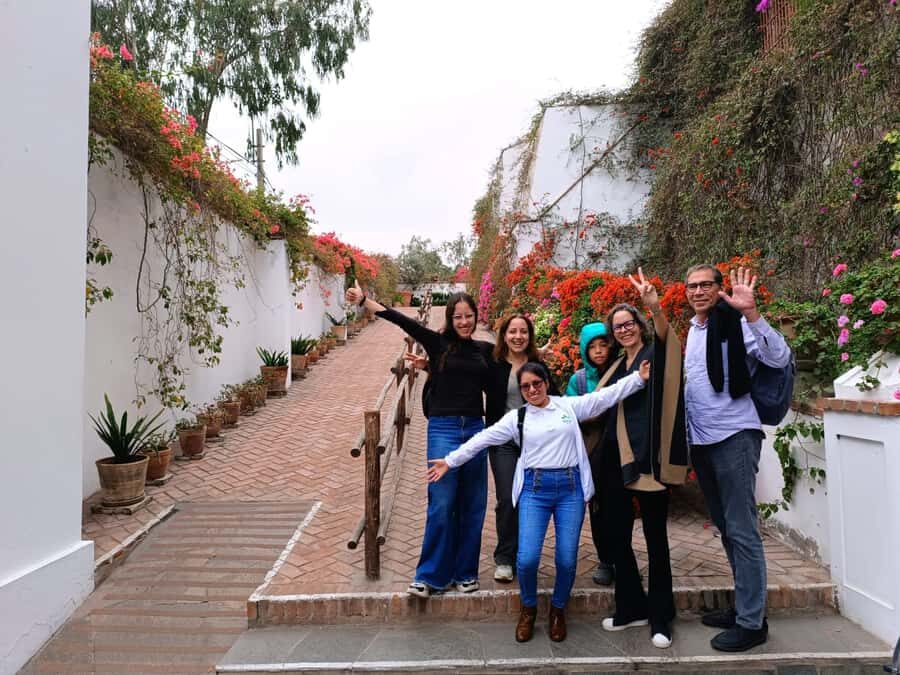
This is a great fit if you want:
- A guided museum visit that connects art to meaning
- An easy pickup/drop-off setup in Miraflores, Barranco, or San Isidro
- A small group experience with room for questions
- A route through the museum’s most concept-driven themes: ritual, worldview, and fertility
You might think twice if:
- You’re uncomfortable with themes related to human sacrifice and ritual death
- You prefer fully self-directed museum time with no structured flow
- You want a long, detailed look at just one tiny slice of the collection
Should you book the Larco Museum tour with pickup?
I’d book it if you want your time in Lima to feel efficient and meaningful. The big wins are the guide-led storyline through 45,000+ ceramics, the explanation of ritual scenes (including offerings and sacrifice), and the end stop at the fertility room. Add in the skip-the-line entry and hotel pickup from the most common districts, and it becomes an easy yes for most first-timers.
I’d skip it only if those ritual themes are a hard no for you, or if you’re hoping for a super self-paced museum day. Otherwise, this is the kind of tour that helps you leave knowing what you saw—and why it mattered.
FAQ
How long is the Larco Museum tour?
The total duration is 3 hours.
Does the tour include hotel pickup and drop-off?
Yes. Pickup and drop-off are included if you’re staying in Miraflores, Barranco, or San Isidro. If you’re in another district, pickup and drop-off can be organized with a small extra fee.
What language is the guide?
The tour includes an official tourist guide bilingue in English and Spanish.
Is entry to the Larco Museum included?
Yes, entry tickets to the Larco Museum are included.
Can I skip the ticket line?
Yes, the tour includes skip-the-ticket-line entry.
How big is the group?
It’s a small group limited to 10 participants.
What’s included besides the guide and museum entry?
You’ll also get a professional driver, hotel pickup and drop-off, and a bottle of water.
Is the tour wheelchair accessible?
Yes, it is listed as wheelchair accessible.
Are meals included?
No, meals are not included.