REVIEW · LIMA
Peruvian Experience: Interactive, Cultural & Gastronomic Guided Tour
Book on Viator →Operated by PERUVIAN EXPERIENCE, Interactive, cultural & gastronomic guided experience · Bookable on Viator
Peru comes at you from every angle. In Miraflores, the Peruvian Experience mixes Inca storytelling with an interactive dark ride on a cart, complete with special effects and a staged look at how Peru’s food, history, and outside influences all connect. You start with an animatronic welcome from Inka Pachacutec, then move into the kind of hands-on, photo-friendly setup that makes even beginners feel like they’re in the loop.
I really like two things here: first, the pisco sour master class in a 1920s themed bar, where you don’t just taste—you learn the production steps at the vineyard and then make your own cocktail. Second, the overall food payoff: you end up with a big 12-course tasting, plus cooking time where you learn dishes like ceviche or causa instead of only watching.
One heads-up: there’s no hotel pickup, and the ticket is non-refundable and cannot be changed. That means you’ll want to arrive on time (they recommend showing up 15 minutes early) and treat this like a fixed schedule moment.
In This Review
- Key highlights to know before you go
- Lima’s Miraflores start: what a $92.43, 2-hour experience really delivers
- From Inka Pachacutec to a giant quipu: the opening show
- The dark ride on a cart: history, effects, and quick context
- Andean grains and cookie tasting: a small stop with big payoff
- Pisco Experience: vineyard process + a 1920s pisco sour class
- Cooking master class: ceviche or causa, not just watching
- The Taste of Peru: recreated market, dances, and a 12-course spread
- Staff energy, small group size, and the language mix
- Price and value: what $92.43 includes (and what it doesn’t)
- Logistics: where to go, when to arrive, and how not to miss it
- Who should book this (and who should consider alternatives)
- Should you book the Peruvian Experience in Lima?
- FAQ
- What does the tour include in the 2-hour experience?
- Where is the meeting point?
- Is there hotel pickup or drop-off?
- What time does it run?
- Are photos included?
- Will minors be able to participate?
- How large is the group?
- Is the ticket refundable or changeable?
Key highlights to know before you go
- Animatronic Inka Pachacutec welcomes you and sets the tone fast
- Cart dark ride with special effects on Peru’s history and gastronomy influences
- Pisco Experience at the vineyard, then a 1920s bar cocktail master class
- Hands-on cooking session for ceviche or causa (with a minor-friendly option)
- Peruvian market recreation with typical dances plus a 12-course tasting
- Small group size (maximum 15) helps the experience feel personal
Lima’s Miraflores start: what a $92.43, 2-hour experience really delivers
Let’s set expectations. This isn’t a “one neighborhood walk” tour. It’s more like a compact cultural and food show built around several short, high-energy stops. You get guided time plus multiple active moments—tasting, learning, and cooking—while everything stays timed and structured for about two hours.
The price is $92.43 per person, and for many visitors the value is the sheer amount of included food and activities. You’re not paying just for a guide; you’re paying for a full program: dark ride entry with special effects, vineyard access for the pisco story, a pisco sour class, a cooking master class, and a staged market with a 12-course tasting. If your Lima plan has room for a single “do it all” food and culture stop, this is designed for exactly that.
You’ll meet at Ca. San Martín 509 in Miraflores and the activity ends back at the meeting point. There’s no pickup or drop-off from your hotel, so you’ll want to plan how you’ll reach Miraflores and return. The venue is near public transportation, which helps a lot.
Practical detail: the site’s hours are Tuesday through Saturday, 10:30 AM to 7:30 PM. If you’re visiting on Monday or Sunday, this isn’t your slot.
You can also read our reviews of more guided tours in Lima

From Inka Pachacutec to a giant quipu: the opening show
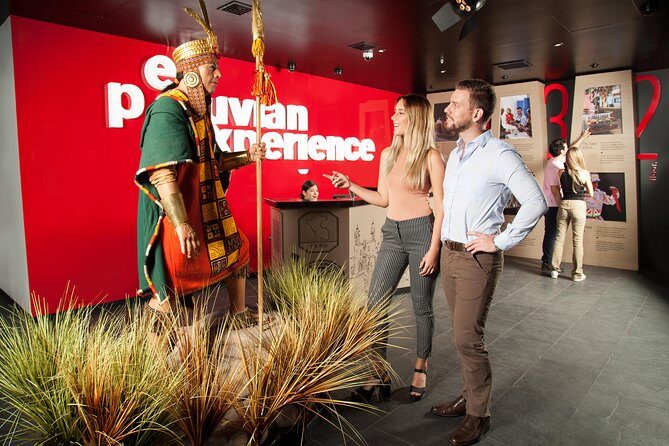
The experience starts with a welcome from Inka Pachacutec in animatronic form. It’s a bold first move, but it works because it sets an easy entry point into the topic. You’re not forced to read placards or decode symbols; you’re guided into it with staging and narration.
Next you’ll see the largest quipu featured in the program, along with an explanation of quipus as tools used in the Inca Empire. Even if you’ve heard the term before, this kind of guided “seeing + hearing” format tends to make the concept stick better than a quick mention on a day tour.
Then comes a stop that feels like it belongs in a food tour, not a history museum: you learn about Andean super beans and taste cookies made with these grains. This is one of those touches that makes the whole thing more believable. Instead of saying Peru has extraordinary ingredients, the program gives you something you can actually taste right away.
The dark ride on a cart: history, effects, and quick context
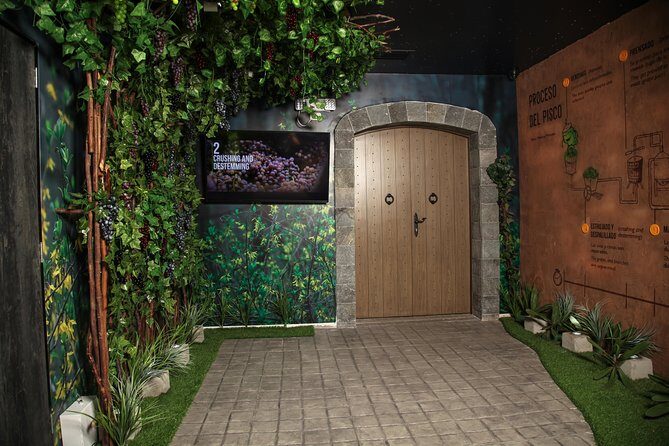
You’ll get on a cart for the dark ride, which is built like a movie ride with special effects. You’re shown a storyline tied to Peru’s history and the influences that shape its gastronomy. The “ride” format matters because it compresses a lot of background into a short attention span window.
For practical reasons, this is a smart choice in Lima. Even when the city weather or your energy level isn’t perfect, this part is indoors and scheduled. It also gives you shared context before you start the food-heavy sections, which makes the later pisco and cooking parts feel less random.
Possible consideration: if you strongly prefer slow, street-level history and minimal staging, you might find the show style a bit theatrical. Still, the goal here is understanding through a guided spectacle, not quiet contemplation.
Andean grains and cookie tasting: a small stop with big payoff
This is one of those underrated pieces. The program sets you up to understand the agricultural side of Peru—especially the grains and beans that show up in everyday eating. When you taste the cookies made with those Andean grains, you get a direct sensory reference point.
I like it because it gives you something to connect later with what you’ll eat in the tasting menu. If you’ve never tasted Andean grains before, this is a gentle first step. And if you’ve tried them in Peru already, it’s still a quick reminder of how local ingredients show up in baked, snack-style forms too.
Pisco Experience: vineyard process + a 1920s pisco sour class
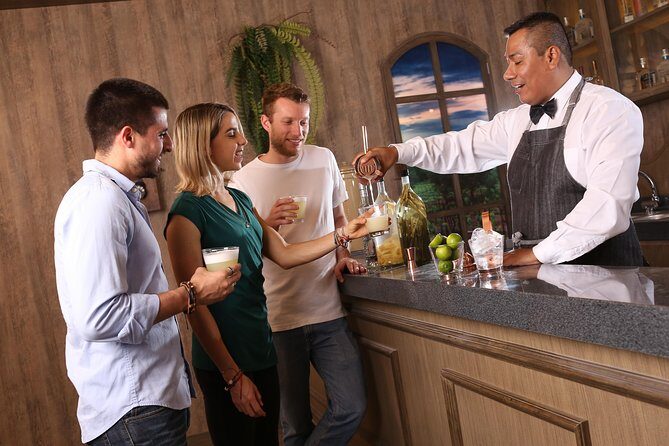
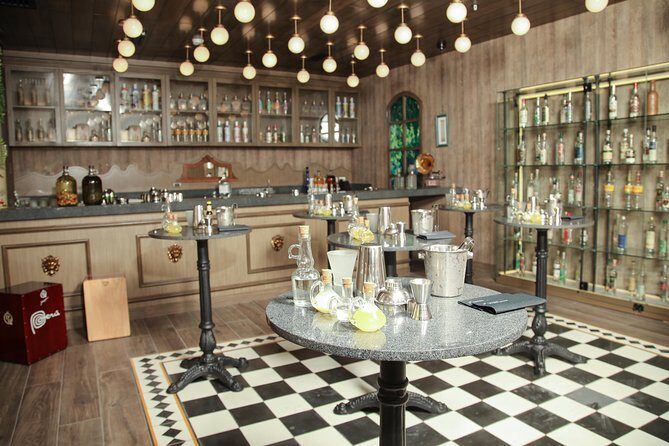
This is the centerpiece for a lot of people, and it’s easy to see why. The program takes you into a vineyard where you learn about the pisco production process—the steps behind Peru’s national drink. Then you move to a thematic 1920s bar for a master class, where you prepare your own pisco sour.
You don’t just get the cocktail. You get the story that explains why pisco is pisco, and how that production journey leads to the drink you’re about to mix. That makes the tasting feel earned.
There’s also a practical family detail: minors can participate in the class, but they’ll make a seasonal fruit shake instead of the alcohol version. So if you’re traveling with kids who want to do something “hands-on,” this program is built with that in mind.
What to watch for: pisco sour is delicious, but it’s still alcohol. If you’re going to keep your evening plans going, you may want water nearby and a safe plan for transport afterward.





Cooking master class: ceviche or causa, not just watching
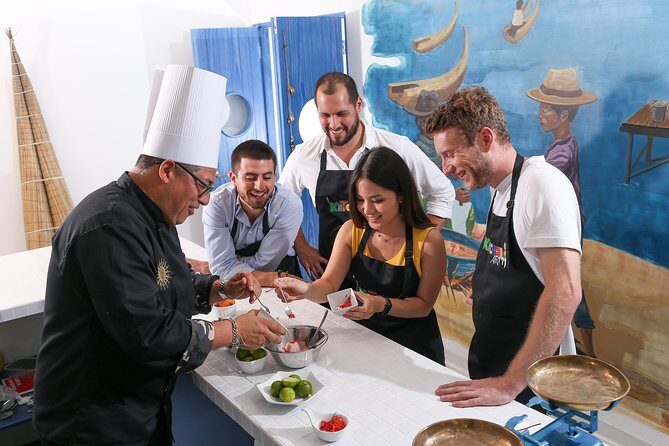
After the pisco part, the experience turns physical with a cooking session. You’ll learn in a fun way to prepare representative dishes—specifically ceviche or causa.
This is where the program shifts from “cultural show” to “food learning.” You get a guided workflow, and you can actually see how the flavors come together. For first-timers to Peruvian cuisine, this helps you avoid the classic travel mistake: ordering a dish later with no idea what you should be tasting for.
Ceviche and causa are different styles: one is bright and seafood-forward, the other is more layered and comforting. Either way, you’re learning a core part of Peruvian identity rather than sampling random bites.
If you’re the kind of person who likes to eat well but hates long cooking lessons, don’t worry. The format here is designed for a short, guided class within a two-hour program.
The Taste of Peru: recreated market, dances, and a 12-course spread
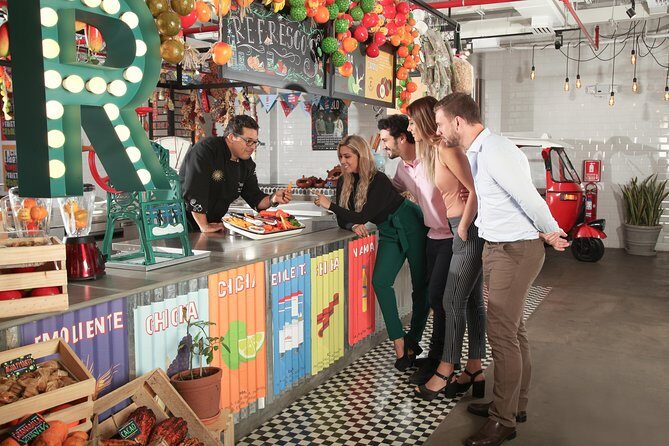
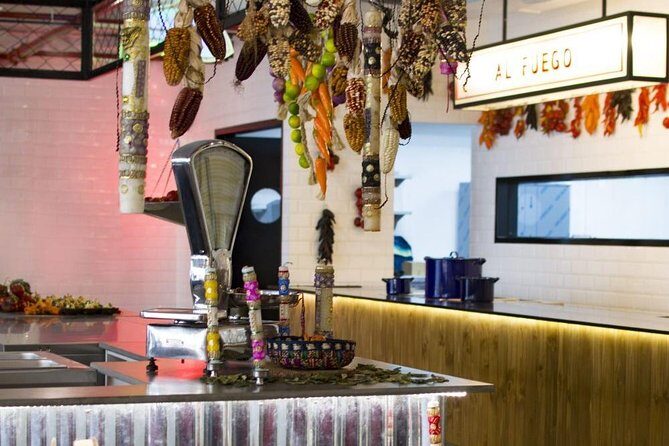
The final phase leans hard into variety. You’ll see a recreation of a typical Peruvian market with typical dances, and then you’ll sit down for a 12-course tasting of representative dishes.
This is a big deal for travelers who want breadth. A 12-course menu in a short time can feel overwhelming on paper, but in practice it’s often the fastest way to learn the shape of Peru’s cuisine—what’s common, what’s distinctive, and what pairs well with what.
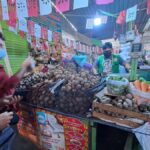
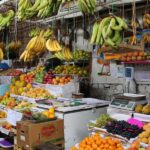
I also like the staging here. The dances make the food feel like part of a living culture instead of a checklist. And because it’s a market-style recreation, it helps you imagine what you might look for when you go hunting for food later in Lima.
Two notes to keep it smooth:
- Come hungry, but pace yourself. A 12-course tasting is a lot, even if the portions are manageable.
- If you have dietary restrictions, you’ll want to check in directly with staff when you arrive, since the tour data doesn’t spell out allergy handling.
Staff energy, small group size, and the language mix
One reason people rate this so highly is the human side. The program runs with a maximum of 15 travelers, so it doesn’t feel like you’re lost in a crowd. That size matters for hands-on activities like mixing pisco sour and cooking.
You can also expect guides to present in both English and Spanish. That bilingual setup is a real advantage in Lima, especially if you’re traveling with mixed-language friends.
From previous experiences with guides mentioned in the program’s feedback, you may encounter warm, energetic leadership—names like Andres and Cesar have come up. The best thing you can do is show curiosity. When you ask short questions while you’re tasting or cooking, the whole experience speeds up and clicks.
Price and value: what $92.43 includes (and what it doesn’t)
Let’s break the value down plainly.
Included:
- Dark ride journey with special effects
- Visit to the Andean grain area and cookie tasting
- Vineyard visit and the Pisco production process
- Pisco sour class in the 1920 themed bar
- Cooking master class (ceviche or causa)
- 12-course tasting of representative Peruvian cuisine
Not included:
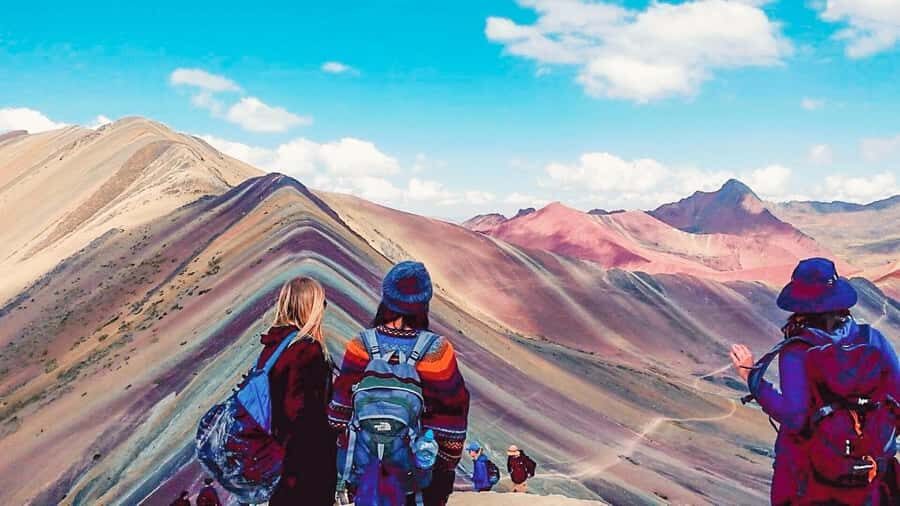
- Photos in their chroma key area (you can choose backgrounds like Machu Picchu, the mountain of seven colors, or other scenic choices)
- Tips
- Souvenir shop products
- Hotel pickup and drop-off
So you’re paying for a lot of structured access and instruction, not just a guide walking you between stops. If your main goal is to sample Peru’s flavors and learn the basics of the culture fast, the price is easier to justify.
One more practical consideration: because the ticket is non-refundable and can’t be changed, you should only book if you’re confident about your Lima schedule.
Logistics: where to go, when to arrive, and how not to miss it
You’ll want to be at Peruvian Experience about 15 minutes before the start time. That recommendation is important because the program is timed and includes multiple short activities back-to-back.
The meeting point is Ca. San Martín 509, Miraflores. The venue is near public transportation, so you should be able to plan a simple route with taxis, rideshares, or local transit.
Since it ends back at the meeting point, you don’t need to coordinate a complicated end-of-tour transfer. But because there’s no hotel pickup, your travel time to Miraflores is entirely on you.
Who should book this (and who should consider alternatives)
This tour fits best if you want:
- A fast, single-stop introduction to Peru’s culture and food
- Hands-on learning like pisco sour making and cooking ceviche/causa
- A heavy tasting with many different dishes in a short time
- A program with entertainment elements (dark ride, market recreation, dances)
It may be less ideal if you want:
- Unstructured time in real markets and street food only
- A longer, slower pace with fewer activities
- A purely museum-style history experience without theatrical staging
For solo travelers, couples, and families, it can work well because the group is small and activities are guided. For food-first travelers, it’s also a good add-on even if you do day trips to other nearby sights, because it gives you a strong culinary foundation.
Should you book the Peruvian Experience in Lima?
If you’re trying to get a lot of Peru—history cues, pisco culture, and a major tasting—without spending your whole day on logistics, I’d say it’s worth booking. The inclusion list is unusually full for a 2-hour program, and the structure helps you leave with both knowledge and memorable flavors.
I’d skip it only if your schedule is too tight for fixed timing or if you dislike show-style staging. Otherwise, go in hungry, arrive early, and treat it like a guided crash course in Peruvian food culture.
If you want a fun, high-value introduction to Lima cuisine, this is one of the more efficient ways to do it.
FAQ
What does the tour include in the 2-hour experience?
You get a dark ride with special effects, a visit to an Andean grain area with cookie tasting, a vineyard visit to learn about pisco production, a pisco sour class in a 1920s themed bar, a cooking master class to prepare ceviche or causa, and a 12-course tasting of representative Peruvian dishes.
Where is the meeting point?
The tour starts at Ca. San Martín 509, Miraflores 15086, Peru. The activity ends back at the meeting point.
Is there hotel pickup or drop-off?
No. Pickup and drop-off from your hotel are not included.
What time does it run?
The opening hours listed are Tuesday through Saturday, 10:30 AM to 7:30 PM.
Are photos included?
Photos in the chroma key area are not included. You can choose different backgrounds such as Machu Picchu or the mountain of seven colors.
Will minors be able to participate?
Minors can participate in the class, but instead of making pisco sour, they will make a seasonal fruit shake.
How large is the group?
The maximum group size is 15 travelers.
Is the ticket refundable or changeable?
No. The ticket is non-refundable and cannot be changed for any reason.