REVIEW · CHIVAY
Arequipa: 2-day Colca Canyon Trekking, Ending in Puno
Book on GetYourGuide →Operated by AREQUIPA EXPLORER Y ACTIVIDADES TURISTICAS · Bookable on GetYourGuide
The Colca Canyon hits you fast, even before you start walking. I love the condor-watching moment at Cruz del Cóndor and the peaceful soak at Sangalle Oasis after a full day on the trail. The one real consideration: the trek is physically demanding and the trip materials don’t emphasize gear enough, so you’ll want to plan ahead for steep, early-morning hiking (think walking sticks and a headlamp).
This is also a smart “end in Puno” route. You get a small group experience (limited to 18), with a professional guide, two breakfasts plus a lunch and dinner, and transport that carries you from Arequipa to the canyon and then over to Puno. If you’re sensitive to slow starts, long drives, and early descents/ascent, it’s better to understand the pace before you book.
In This Review
- Key things to know before you go
- Two intense days in the Colca Canyon, then straight to Puno
- Morning departure from Arequipa: fast start, clear rhythm
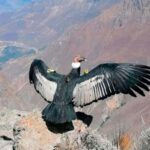
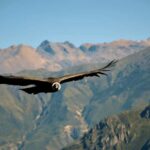
- Cruz del Cóndor: your best shot at the famous soaring birds
- Heading down: Pampas, the first big descent, and the suspension bridge
- San Juan de Chuccho and the canyon villages: the route isn’t random
- Sangalle Oasis: pools, palms, and the reality of a canyon night
- Day 2 starts before sunrise: the climb back to Cabanaconde
- Chivay arrival, then the scenic drive to Puno
- The optional hot springs stop (Yanque/Chacapi)
- Transport to Puno: multiple guide-led stops, then drop-off near the action
- Price and value: what $139 really buys you
- What I’d pack (and why) for this exact itinerary
- Who should book this trek—and who should think twice
- Should you book Arequipa to Colca Trekking Ending in Puno?
- FAQ
- Is the Colca Canyon entrance ticket included?
- Are the hot springs included?
- What meals are included during the trek?
- What accommodation is included for the night?
- How big is the group?
- Where do you end the tour in Puno?
Key things to know before you go
- Cruz del Cóndor condor viewing: you get a short window with big canyon depth views, over 3,400 meters down
- Steep back-to-back hiking: Day 1 is a long descent; Day 2 is a tough climb back up
- Sangalle Oasis pools and adobe bungalow night: a real reward after walking all day
- You’ll finish in Puno at Plaza de Armas: transport coordination takes you straight there
- Optional hot spring stop (often Chacapi/ Yanque): only if you want it, and you pay extra
- Small group, English/Spanish guide: easier flow than big tours
Two intense days in the Colca Canyon, then straight to Puno
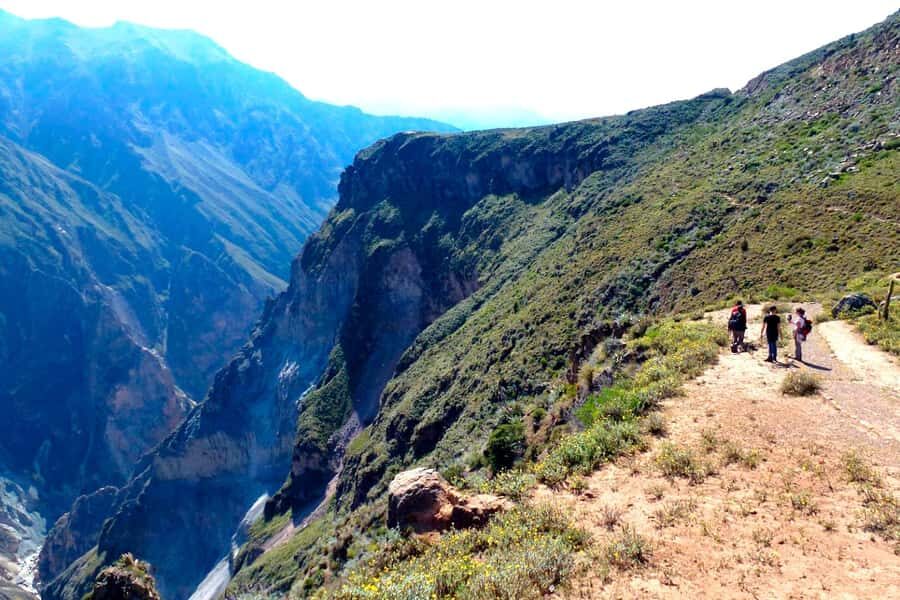
This 2-day trekking route is built for people who want more than just viewpoints. Yes, you’ll see the famous Colca Canyon from above. But the main payoff comes when you actually step onto the trail—down to the Colca River, past traditional settlements, and then back up the next morning.
The trip starts early from Arequipa (hotel pickup near the historic center happens around 3:00 to 3:30 am). After that, it’s a mix of long scenic drives, short but high-impact stops, and then real hiking time where your legs do the sightseeing.
You’re also not stuck in one place at the end. After Chivay and several scenic stops on the way, the tour lands in Puno in the evening, usually about 7:30 pm, dropping you near Plaza de Armas.
You can also read our reviews of more hiking tours in Chivay
Morning departure from Arequipa: fast start, clear rhythm
On Day 1, you start with pickup from hotels close to Arequipa’s historic center. From there, it’s roughly a 3-hour drive toward the Colca area. You’ll reach Chivay around 6:30 am, where breakfast is part of the included package.
This timing matters. It means you’re not just rolling in sleepy; you’re getting fuel before the condor stop and before the trek gets serious. It also keeps the whole day moving, which helps when you’re dealing with canyon light patterns and a tight schedule.
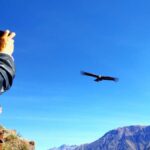
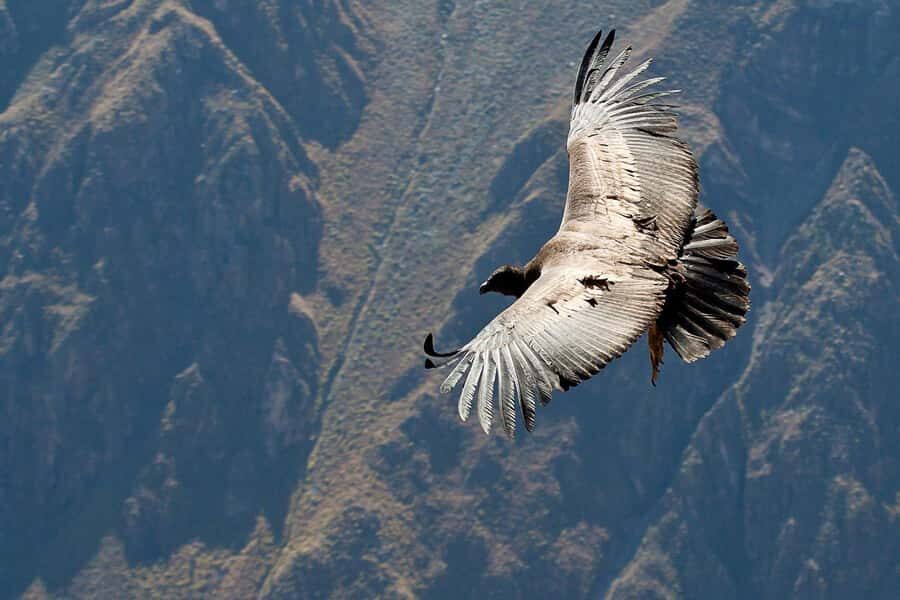
From Chivay, you then head to Cruz del Cóndor for about 40 minutes. That’s not a long visit, but it’s built around the viewpoint’s main draw: the chance to spot condors riding thermal winds above the canyon.
Cruz del Cóndor: your best shot at the famous soaring birds
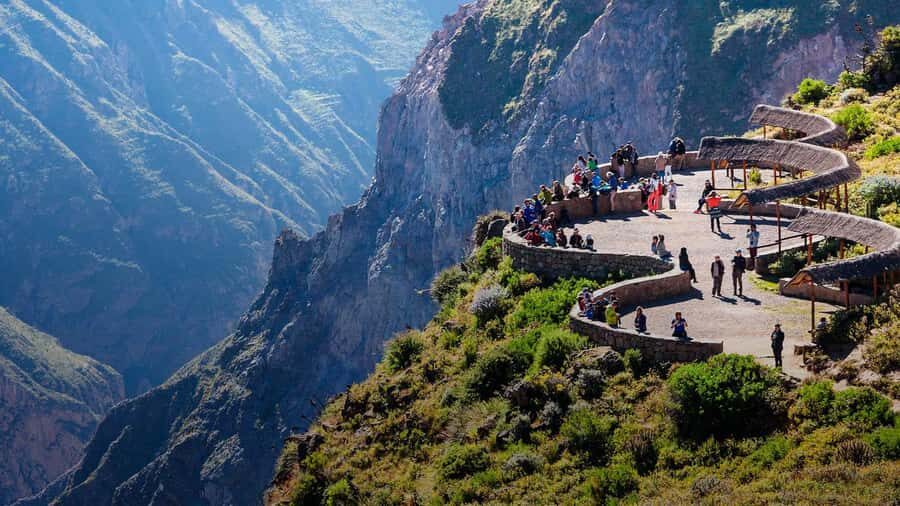
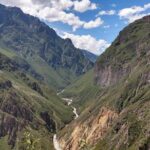
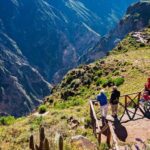
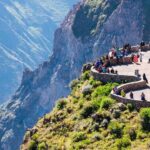
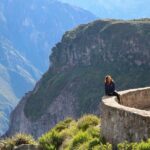
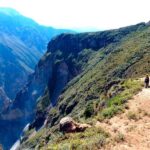
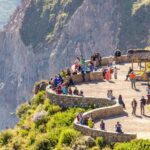
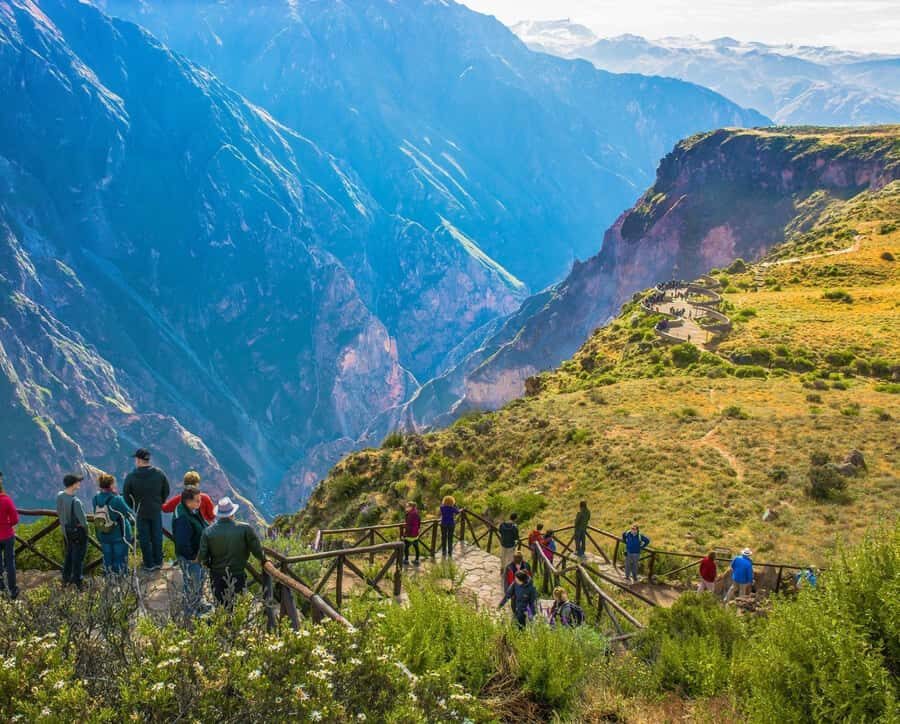
Cruz del Cóndor is one of those places where you can’t really rush. Even if you don’t catch a condor on every moment, the canyon depth is dramatic—over 3,400 meters down.
The viewing time is designed to be just long enough. The guide organizes it so you get a focused window rather than wandering around for an hour with no real plan. When condors appear, you’ll understand why this stop is considered a signature moment of the region.
Practical tip: you’ll likely be standing and watching for a bit. Layers help because mornings can feel cool, and you’ll appreciate anything that doesn’t slow you down when you’re ready to move.
Heading down: Pampas, the first big descent, and the suspension bridge
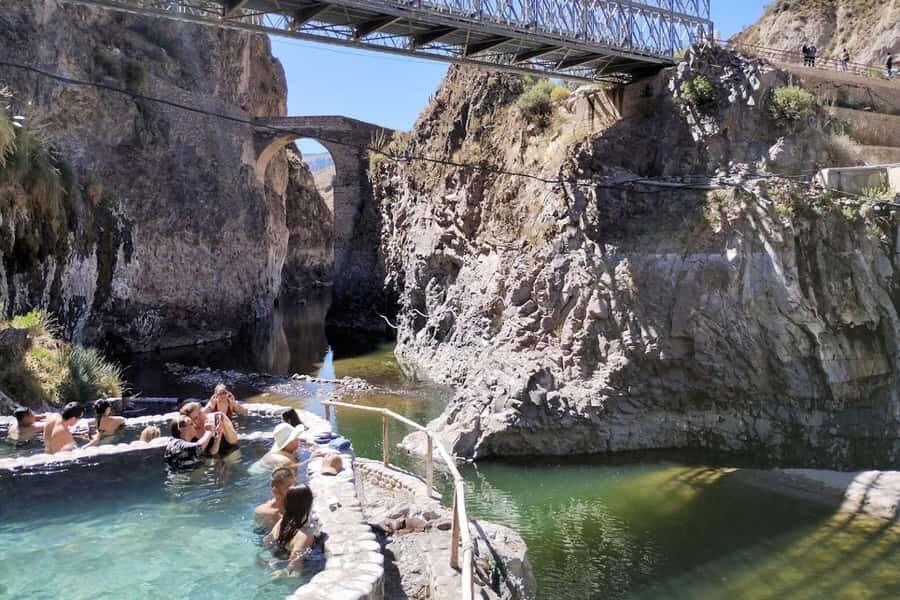
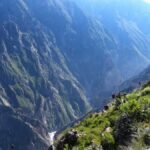
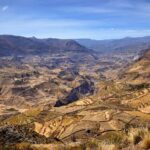
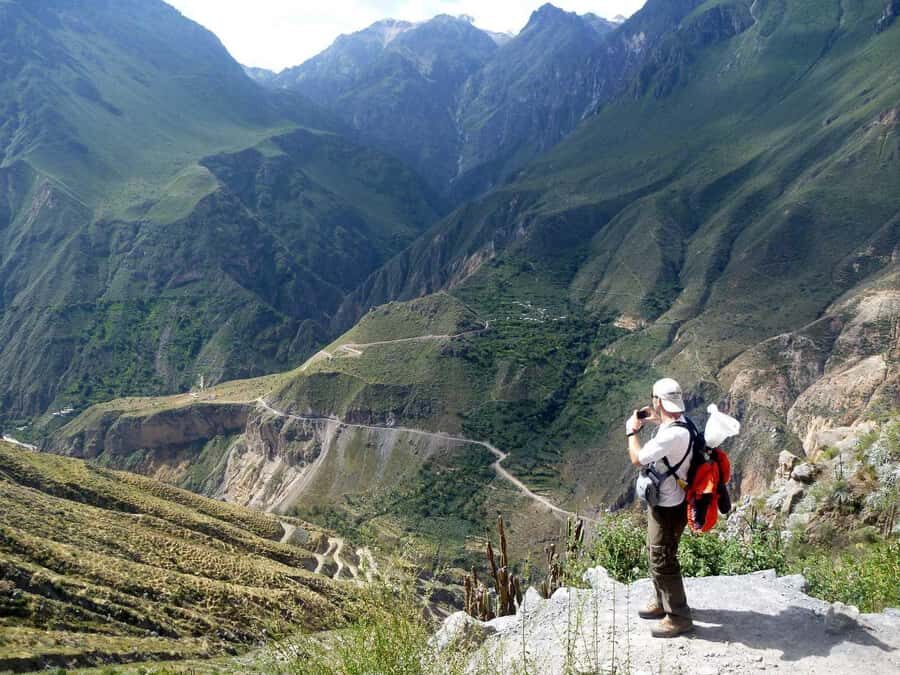
After the viewpoint, the route brings you to Pampas de San Miguel, in the Cabanaconde area. This is where the hike begins. The descent is long and steep—about 3.5 hours down to the Colca River, with a rest period after you reach the river area.
Then comes one of the most memorable “tactile” moments: you’ll cross the first suspension bridge in the area. It’s not just a photo stop. Crossing it is part of how the canyon feels real—your route is right there under your feet.
This section is where you’ll feel how physically demanding the trek is. If you go in expecting easy walking, you’ll be surprised. But if you go in ready for a steady pace, it becomes one of those days where your body settles into rhythm and the canyon turns into a series of meaningful steps.
San Juan de Chuccho and the canyon villages: the route isn’t random
After descending and resting at the river, the day continues with lunch in San Juan de Chuccho. This break is important, because you still have more walking after lunch.
You then move onward to Malata and Cosñirhua. These are traditional settlements along the route, and what’s valuable here is that you’re not only seeing nature—you’re walking through lived-in canyon communities. It gives the trek context beyond a “scenery checklist.”
Timing-wise, the goal is to reach Sangalle Oasis by around 5:00 pm, so you can recover, eat dinner, and settle in for the night before the next early start.
A few more Chivay tours and experiences worth a look
Sangalle Oasis: pools, palms, and the reality of a canyon night
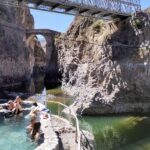
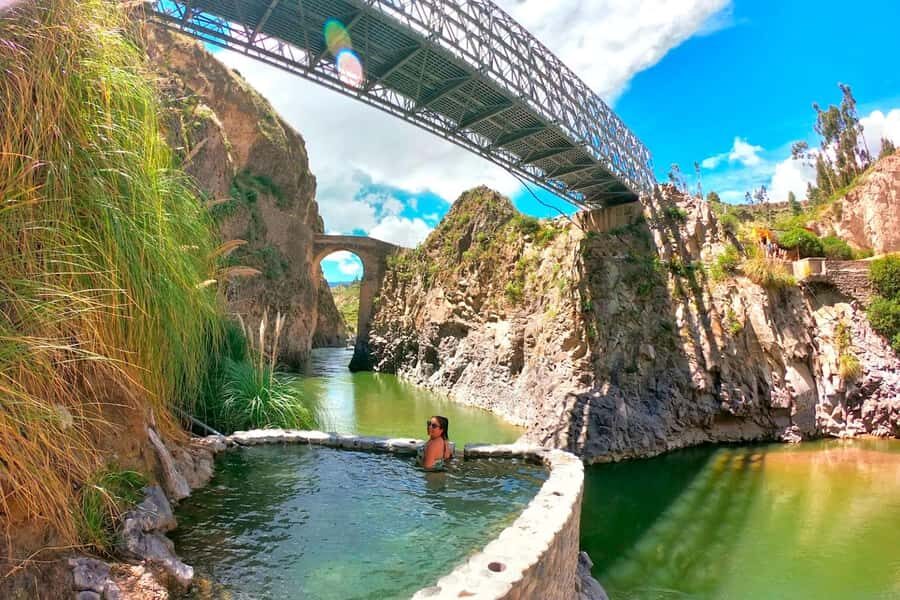
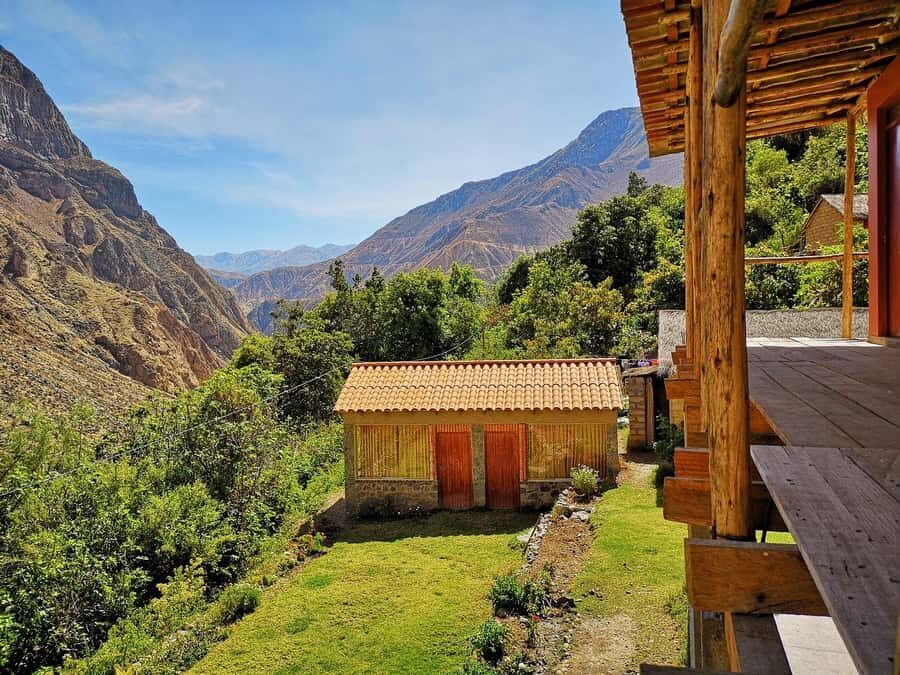
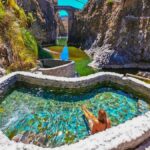
Reaching Sangalle Oasis is a built-in reward. The setting is peaceful, and the included waterpools in the oasis make a big difference after a steep day.
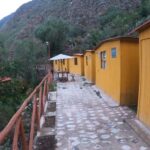
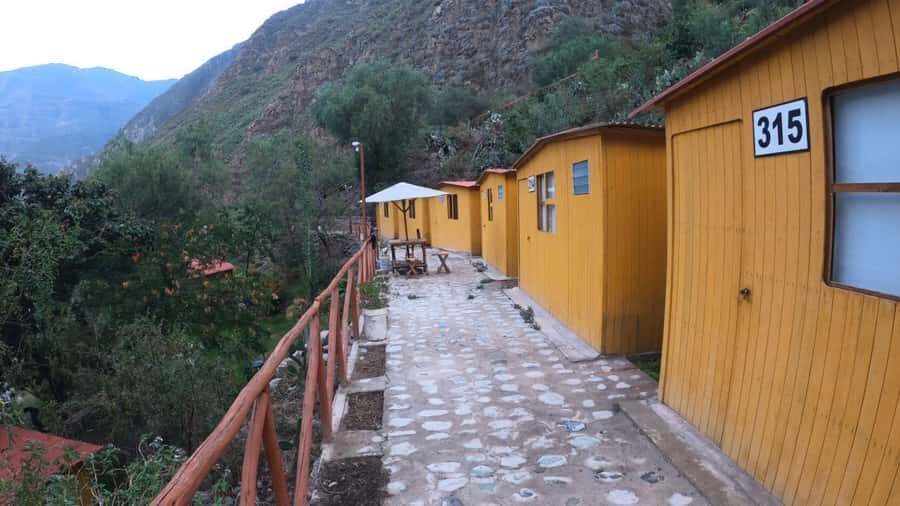
You also sleep in a typical adobe bungalow. That’s part of the charm, but it’s also part of the tradeoff. This isn’t a hotel night. It’s simple accommodation in a canyon environment—exactly the kind of stay that turns a day trip into an actual trek experience.
One practical note I’d take seriously: after your Day 1 effort, Day 2 begins early (starting around 4:30 am). If you’re not used to night/dawn hiking, plan for it. A headlamp can be the difference between stressed and smooth the next morning.
Day 2 starts before sunrise: the climb back to Cabanaconde
Day 2 begins with a start time around 4:30 am from Sangalle. Then it’s a major change: instead of descending, you’re ascending for about 3 hours up to Cabanaconde.
This is the toughest section of the whole trip for many people. Your legs are still recovering from yesterday’s long drop, and you’re now working uphill with the goal of getting back to the village area before breakfast and transport.
Once you reach Cabanaconde, breakfast is included. From there, you board a vehicle that takes you back toward Chivay.
If you’re worried about stamina, don’t just think about Day 2 as “another hike.” Treat it like a second, harder workout.
Chivay arrival, then the scenic drive to Puno
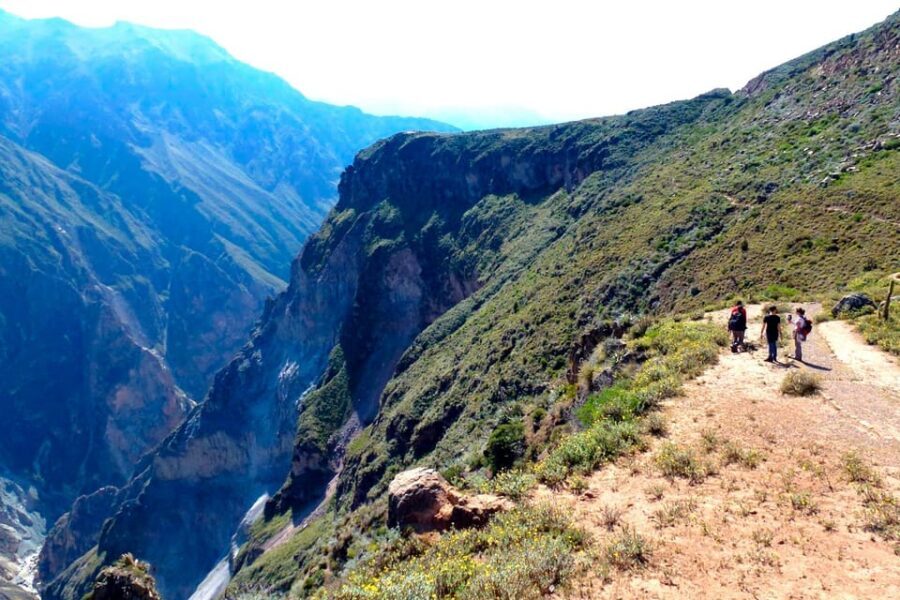
After breakfast and the return route, you’ll stop along the way with professional guidance. You’ll visit:
- a natural viewpoint for valley pre-Inca terraces
- the traditional village of Maca
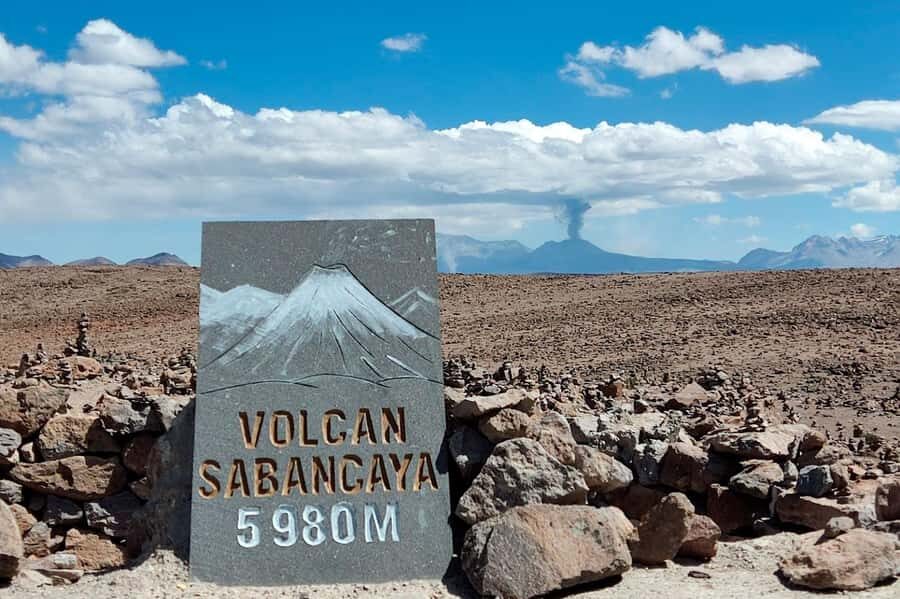
- and other stops for volcano views, varied llamas, and Lagunillas (with chances to see Andean birds and wide canyon-basin scenery)
You arrive in Chivay around 12:00 pm. There’s about an hour to eat, and an optional buffet lunch is available—but it’s not included in the tour price.
The optional hot springs stop (Yanque/Chacapi)
At around 11:00 am, the tour allows time for an optional hot spring visit—often associated with Yanque, and sometimes Chacapi Hot Spring. The ticket is 15 soles when you choose to go.
This is a nice option because it helps undo the stiffness that builds up after Day 1 and the climb on Day 2. But since it’s optional and costs extra, it’s best to decide based on your own recovery needs and energy.
Transport to Puno: multiple guide-led stops, then drop-off near the action
After Chivay and the midday meal window, the tour shifts into transport mode. The guide coordinates onward travel to Puno City.
The drive includes multiple scenic stops with guidance, including volcano viewpoints, llamas, and Lagunillas, before you finish in Puno around 7:30 pm. You’ll be dropped off near Plaza de Armas (typically about one block away from the main square).
This is practical if you’re continuing onward in Peru. You can start planning your Puno/ Lake Titicaca days right away without a long overnight transfer.
Price and value: what $139 really buys you
At $139 per person for a 2-day package, the value comes from four big things working together:
- Transport coverage: pickup from Arequipa plus vehicle logistics back and forth, then transport all the way to Puno
- A guided trek: a professional guide leads the route and helps connect all the stops
- Meals + accommodation in the canyon: two breakfasts, one lunch, one dinner, plus an included night in adobe bungalow
- Entry to key included activities: including entry to the waterpools at Sangalle Oasis
What’s not included matters too. You’ll need to plan for:
- the mandatory Colca Canyon entrance ticket (prices vary by nationality: Peruvian 20 soles, South American 40 soles, other 70 soles)
- optional hot spring ticket (15 soles)
- and the lunch on the second day
If you compare this to doing the trek independently, the included guidance and the “finish in Puno” transport are the real savings. You’re paying to remove a lot of planning stress—especially around the canyon day pacing and getting to the next city.
What I’d pack (and why) for this exact itinerary
The trek’s biggest requirement is being ready for steep hiking, early starts, and overnight recovery. The tour doesn’t spell out gear emphasis enough, so take the hint and pack like you mean it.
Bring:
- walking sticks (useful on steep downhills and for balance crossing uneven sections)
- a headlamp (since Day 2 starts around 4:30 am and you’ll be moving in low light)
- sturdy hiking shoes with real grip
- layers for cool mornings and warmer afternoons
- a small daypack for the essentials
You don’t need fancy gear, but you do need reliable footing and light. This trip is the kind where the right small items can turn strain into steady progress.
Who should book this trek—and who should think twice
This is a great fit if you:
- like hiking that actually feels like a hike
- want authentic canyon life (not just a quick photo stop)
- are okay with early mornings and an active 2-day schedule
- want the convenience of finishing in Puno instead of backtracking
It might not be ideal if you:
- prefer flat, easy walking
- want lots of downtime during the day
- don’t like steep climbs/descents or early starts
Should you book Arequipa to Colca Trekking Ending in Puno?
I’d book it if you’re the type who counts a canyon bridge crossing and an oasis pool as part of the trip, not extras. The combination of guided canyon walking, included meals, a canyon night in an adobe bungalow, and a direct finish in Puno near Plaza de Armas is strong value for $139.
If you’re on the fence, the deciding factor should be your comfort with effort. This itinerary rewards stamina. Go prepared, and you’ll come away with that rare feeling of having walked through the place instead of just looking at it.
FAQ
Is the Colca Canyon entrance ticket included?
No. The Colca Canyon entrance ticket is mandatory and not included. Prices listed are: Peruvian 20 soles, South American 40 soles, and other 70 soles.
Are the hot springs included?
Not exactly. An optional hot spring stop is available (often Yanque or Chacapi Hot Spring), but the 15 soles ticket is not included.
What meals are included during the trek?
The package includes 2 breakfasts, 1 lunch, and 1 dinner across the two days.
What accommodation is included for the night?
You get a private room for 1 night in bungalows in the Oasis at Sangalle Oasis (with access to the oasis waterpools).
How big is the group?
It’s a small group limited to 18 participants.
Where do you end the tour in Puno?
You’ll finish around 7:30 pm with drop-off in central Puno, typically about one block from Plaza de Armas.