REVIEW · CHIVAY
2 day 1 night trek / Colca Canyon
Book on GetYourGuide →Operated by Exploor Trip E.R.L · Bookable on GetYourGuide
The Colca Canyon feels built for early mornings. This 2-day trek through the canyon is all about big views and the drama of condors circling above the cliffs. I really like how the route mixes high viewpoints with real walking time, and I also like that you get a guide plus meals so you can focus on the experience. One possible drawback to consider: the group starts extremely early, and this trek includes multiple uphill/downhill segments at altitude.
In This Review
- What Makes This Colca Canyon Trek Worth Your Time
- One Thing to Watch Before You Book
- Key Highlights You’ll Actually Remember
- Price and Value for a 2-Day, 1-Night Trek
- The Big Picture: Your Two Days in Colca
- Leaving Arequipa at 3:30 a.m.: Why It Matters
- Breakfast in Chivay and the Drive into Colca Valley
- Cruz del Cóndor: Condor Flight at Around 3,800 Meters
- The Descent Begins: Pampas of San Miguel to the Canyon Bottom
- San Juan de Chuccho: Lunch and a Real Rest
- Sangalle (2,225 m): Your One-Night Base with Pool Time
- Day Two Sunrise Ascent to Cabanaconde
- Back Toward Chivay: Viewpoints and a Church Visit
- Yanque Hot Springs: Optional Recovery with Healing Claims
- Optional Onward Travel to Puno or Return to Arequipa
- What’s Included (and What You Should Bring)
- Guide Quality, Small Group Size, and One Caution About Boundaries
- Who This Trek Suits Best
- Should You Book This Colca Canyon Trek?
What Makes This Colca Canyon Trek Worth Your Time
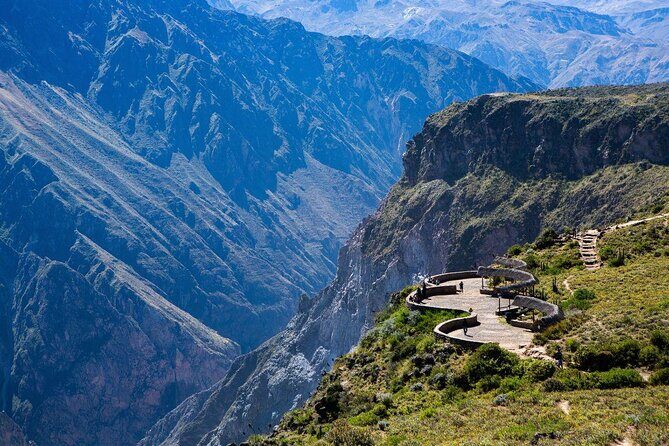
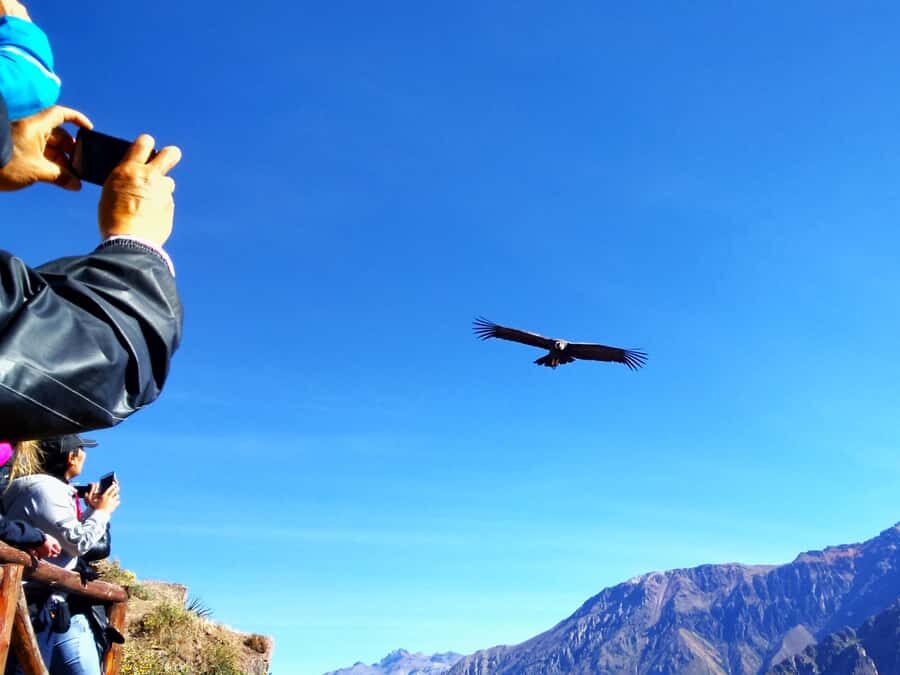
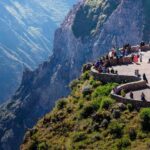
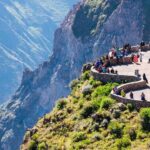
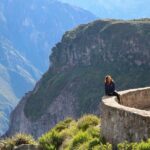
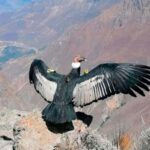
The centerpiece is the Cruz del Cóndor area at around 3,800 meters. From there, the timing and vantage are designed for one of the natural highlights in Peru: watching condors glide and climb in the wind. If you’re the kind of traveler who loves a good “look for the moment” experience, this part is where the day starts to feel special.
I also like the way the itinerary uses the canyon from both ends. You walk along the canyon bottom for about 6 km on the first day, then you rise again the next morning as you head toward Cabanaconde. That mix makes the Colca feel like a place you’re moving through, not just a viewpoint you pass by.
One Thing to Watch Before You Book
Pay attention to comfort and boundaries. The tour is small (up to 15 people) and guided, which is usually a plus, but one past guest reported a problem with how their guide handled a room-wake-up moment before dinner, including overly personal behavior. This may not reflect every guide, but it’s a reminder to choose tours where you feel respected, and to mention preferences if you’re staying sensitive to personal space.
You can also read our reviews of more evening experiences in Chivay
Key Highlights You’ll Actually Remember
- Cruz del Cóndor viewing at about 3,800 m, timed for condor spotting
- A guided down-canyon walk of 6 km (about 3 hours) with canyon-bottom scenery
- Sangalle at roughly 2,225 m, including a pool and dinner for your one night
- The next morning’s up-canyon climb: about 3 km over around 3 hours toward Cabanaconde
- Optional Yanque hot springs in Chivay after the trek
- Optional onward travel to Puno by regular bus leaving Chivay at 1:00 p.m.
Price and Value for a 2-Day, 1-Night Trek
At $90 per person for a 2-day tour, this sits in the “serious day-trip option” category rather than a budget stroll. You’re paying for more than transportation: you’re getting guided hiking time, included meals (breakfast twice plus lunch and dinner), and the logistics that otherwise eat your day up—like an early pick-up from Arequipa and coordinated return to Arequipa or onward to Puno.
That said, the price isn’t the full story. A tourist ticket is not included, and it costs s/. 40 for Latin foreigner and s/. 70 for other nationalities. Hot springs in Yanque are also optional (s/. 15). If you don’t plan to do the hot springs, you’ll still want to budget for the ticket.
If you’re trying to decide whether this is good value, look at what you’re buying: a guided canyon walk with scheduled altitude changes (high viewpoints, lower canyon floor, then back up), plus one night at Sangalle. For a trek where the “how” matters as much as the “where,” that package format is usually what makes the difference between a smooth trip and a stressful one.
The Big Picture: Your Two Days in Colca
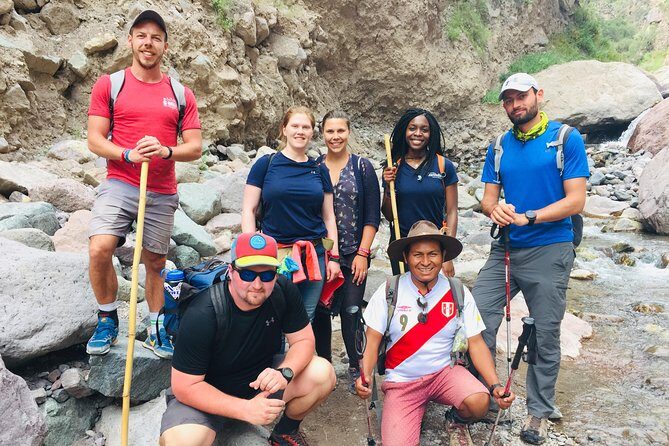
This trek is built around a classic Colca flow: early departure, condor viewing, down into the canyon, overnight at Sangalle, then hike back up for sunrise views and a finish with Chivay hot springs and a cultural stop or two.
Day 1 is about getting deep into the canyon. You start in Arequipa early, drive toward the Colca Valley, stop for breakfast in Chivay, reach the condor viewpoint, then walk down and across canyon communities before settling into the oasis area at Sangalle.
Day 2 is about sunrise, the ascent, and recovery time. You wake up early again, hike up the canyon side toward Cabanaconde with sunrise and wide views, then head back to Chivay for viewpoints, a church visit in Maca, and optional hot springs before continuing to Puno or returning to Arequipa.
Leaving Arequipa at 3:30 a.m.: Why It Matters
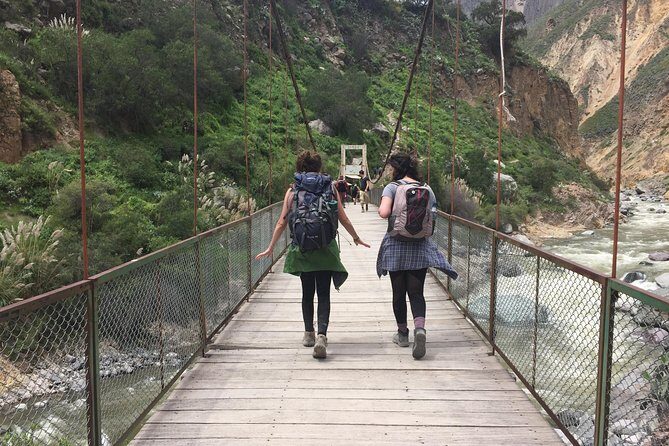
Pick-up is between 3:00 and 3:30 a.m. from near the Plaza de Armas in Arequipa, with the goal of setting off by 3:30 a.m. That’s early enough to test your willpower, but it’s also the point.
The Colca is a place where timing affects what you’ll see. The condor viewing at Cruz del Cóndor happens high above the valley, and the trip is paced so you reach that viewpoint early enough to maximize your chances of seeing the birds. Early starts also help you avoid wasting daylight on long drives and keep the hiking schedule realistic.
Practical tip: if you’re prone to altitude discomfort or just hate early mornings, plan your sleep the night before like you’re training for a flight. Bring something warm even if Arequipa feels sunny—high-elevation mornings can be cold fast.
You can also read our reviews of more hiking tours in Chivay
Breakfast in Chivay and the Drive into Colca Valley
After you start from Arequipa, the drive to the Colca Valley takes about 3 hours. There’s a brief breakfast stop in Chivay, which matters because once you’re into canyon walking, you don’t want to be thinking about food logistics.
Chivay is also where the tour starts threading in cultural stops and viewpoints later. It’s not just a stopover—it’s the base town vibe you’ll see again on day two when you return to explore Maca and (optionally) Yanque hot springs.
Cruz del Cóndor: Condor Flight at Around 3,800 Meters
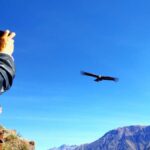
You’ll reach Cruz del Cóndor at about 3,800 meters above sea level. This is the main show: the chance to watch condors glide and circle.
Here’s what makes this kind of viewing special: at this height, your perspective is long and open. You’re not just looking at birds; you’re watching them use wind and thermals in a way that feels almost choreographed. Even if you’ve seen photos, it’s the scale that changes everything.
One consideration: altitude can affect how quickly you catch your breath, and the viewpoint is at height. Take it slowly, especially if you’re sensitive to elevation. Bring warm layers and accept that your body may feel slower for a few hours.
The Descent Begins: Pampas of San Miguel to the Canyon Bottom
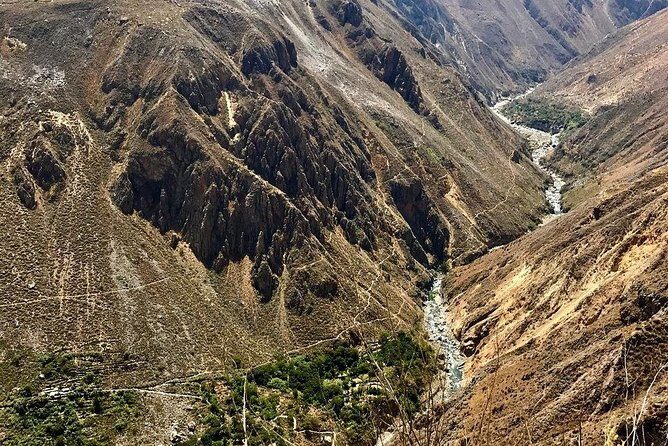
After the condor viewpoint, you continue to Pampas of San Miguel (about 3,300 m) before starting the real walking. The first big segment is a 6 km walk down into the canyon, scheduled for about 3 hours.
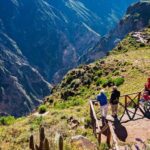
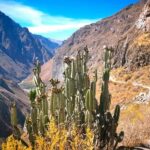
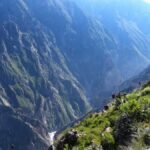
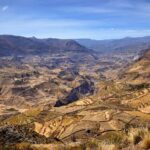
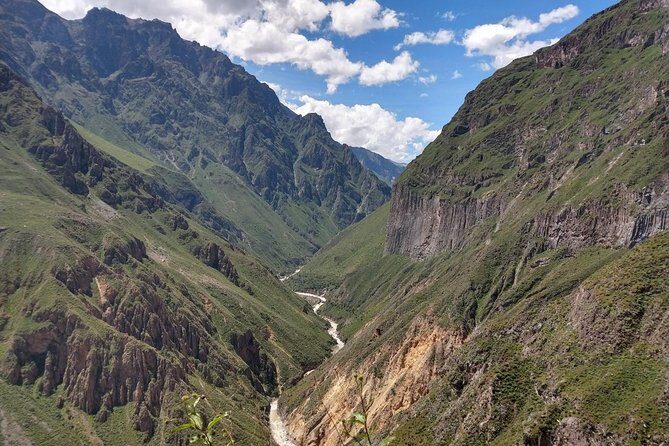
This is the heart of the trek. You’ll be walking along the canyon bottom, so your surroundings are close and dramatic—walls of the canyon rising above you, changing light, and a sense of moving through the Colca’s working landscape. It’s not a “stroll”; it’s steady hiking with a purpose.
Also keep an eye on how your legs feel here. Day 1 is about descent and control; day 2 is about ascent. If you rush the first day, you often pay for it the next morning.
San Juan de Chuccho: Lunch and a Real Rest
After the canyon-bottom segment, you arrive at San Juan de Chuccho to rest and enjoy lunch. This is where the tour slows down in a way that actually helps. You’ve walked for hours, and that meal stop plus downtime is what keeps a trek like this from feeling brutal.
From there, you continue onward through Cosñirhua and Malata for another 3 km (about 2.5 hours). These community towns are part of the lived-in Colca. Even without a long “museum stop,” the walking route gives you a sense of how people are connected to the canyon.
Sangalle (2,225 m): Your One-Night Base with Pool Time
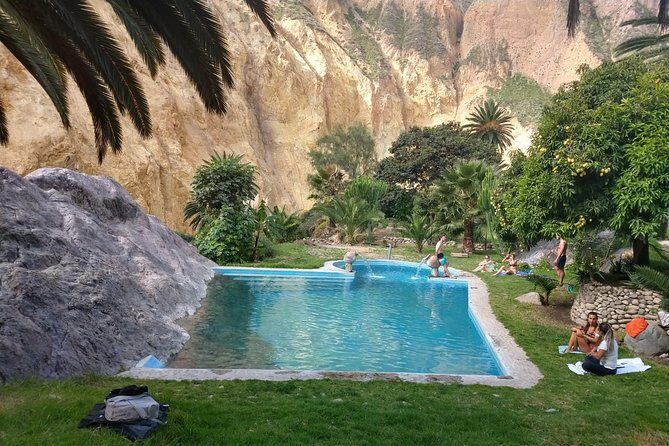
Eventually, you reach Sangalle at about 2,225 meters, described as a spectacular oasis. Practically, this means you’re in a lower-elevation pocket where things feel more human-scale than the high viewpoints.
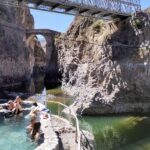
You spend the night here, with dinner in the evening and a chance to enjoy the pool. After a day of hiking, the pool option is more than “extra”—it’s recovery time. If you’re going to do only one thing to make day two easier, it’s to treat your evening at Sangalle like part of the trek, not downtime you ignore.
Bring an attitude that matches the schedule: early starts, walking days, and a planned rest. When you go with the flow, Sangalle feels like a reward.
Day Two Sunrise Ascent to Cabanaconde
You’ll get up early again to start the 3 km walk ascending the side of the canyon, about 3 hours. The itinerary specifically calls out admiring sunrise with incredible views on the way to Cabanaconde (around 3,230 m).
That sunrise hike is one of the reasons you do the overnight. If you only did the canyon in one day, you’d lose the payoff of waking up in the canyon area and climbing into the morning light.
Fitness note: ascent is harder than descent, both mentally and physically. If you’re managing knee strain, slow down and use shorter steps. Your guide can help pace you, and a steady rhythm beats a fast push.
Back Toward Chivay: Viewpoints and a Church Visit
After arriving in Cabanaconde, you travel back toward Chivay with brief stops at Antahuilque viewpoint for views of Andean terraces and the Colca Valley. Then you visit Maca, including a panoramic look at its colonial church.
This part of the day is less about strenuous hiking and more about “closing the loop.” You’ve been moving through the canyon; now you see the wider pattern—terraces, valley shapes, and settlement points. It’s the kind of “oh, that’s what we were walking through” moment that makes the trek feel connected.
Yanque Hot Springs: Optional Recovery with Healing Claims
In Chivay, you can take your time to visit Yanque hot springs. The tour notes that the pools have healing properties as well as relaxing effects.
Hot springs are optional here, but if you’re doing this trek, you’ll probably feel like you earned it. The key is to plan your time and consider your energy levels. Some people love soaking right away; others prefer to take it slow so they don’t feel sluggish on the ride afterward.
If you do go, budget the s/. 15 fee for the hot springs, since it’s not included. Also bring basic swim comfort since the tour includes pool time at Sangalle but doesn’t list water gear or towels.
Optional Onward Travel to Puno or Return to Arequipa
At the end, you have options:
- Bus to Puno: You can take a regular bus leaving Chivay at 1:00 p.m. and arriving at Puno’s main square at 7:00 p.m.
- Return to Arequipa: You return to Arequipa, passing near the Pampa Cañahuas National Reserve, home to camelids like llamas, alpacas, vicuñas, and guanacos. You’ll be dropped off about two blocks from the Plaza de Armas.
I like that you’re not forced into one ending. If you’re continuing your Peru route toward Lake Titicaca, the Puno option is handy. If you’re starting local exploration in Arequipa, the return gives you a clean landing point.
What’s Included (and What You Should Bring)
Included meals make a difference on hiking routes. This tour includes:
- Breakfast (2)
- Lunch
- Dinner
- Guided English-Spanish support
- One-way transportation from Arequipa to the start of the trekking
- Return transportation from Cabanaconde to Arequipa
- Small group service (limited to 15 participants)
Not included:
- Tourist ticket (s/. 40 Latin foreigner; s/. 70 other countries)
- Hot springs (optional s/.15.00)
- Last lunch
- Waters
- Snack
So pack for the obvious gaps. Bring your own water and some snacks if you get hungry between meals. And because the day starts at 3:30 a.m., bring layers and something small for comfort while waiting at pick-up.
Guide Quality, Small Group Size, and One Caution About Boundaries
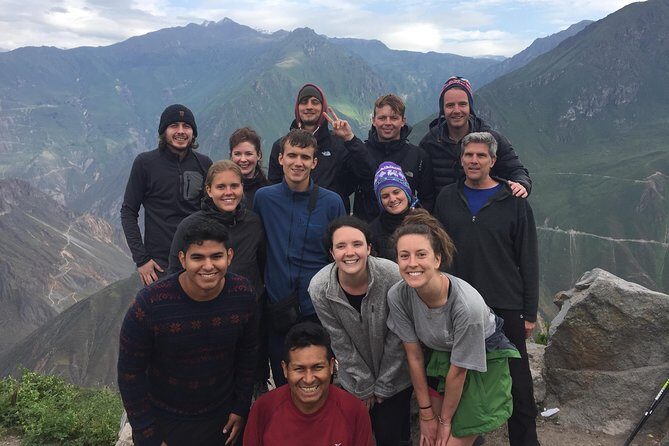
The tour uses an English-Spanish guide and keeps the group to 15 participants or fewer, which usually helps with pacing and communication on hikes.
I also want to be honest about guide behavior. One past guest mentioned a guide named Paul entering their room to wake them before dinner and then taking a physical, personal approach that made them uncomfortable. It’s not something you should shrug off, and it’s a reminder to set personal boundaries early if you’re the kind of person who prefers privacy and space.
On the other hand, the canyon itself and the overall experience earned strong praise: stunning canyon views, good food, and good company were highlights. The key is that the main value here is the route. The guide is part of that, but your comfort should come first.
Who This Trek Suits Best
This 2-day Colca Canyon trek is a strong match if you:
- Want guided condor viewing at Cruz del Cóndor
- Enjoy structured hiking days with meals and transport handled
- Want a route that includes both a canyon descent and a next-day ascent
- Prefer a small group over a huge crowd
It may be less ideal if you:
- Struggle with very early mornings and altitude at around 3,800 m
- Need a fully flexible, stop-when-you-want pace
- Are particularly sensitive to personal space issues and want clear boundaries
Should You Book This Colca Canyon Trek?
I’d book it if your top priorities are the condor viewpoint at Cruz del Cóndor, real canyon hiking time, and a guided overnight plan that takes care of the hard logistics. The included meals and one-night base at Sangalle make this feel like a complete experience rather than a half-day hike with extras you have to chase down.
Before you go, do two things: budget for the tourist ticket (and hot springs if you want them), and pack for early starts plus altitude. And if you’re booking with any concerns about privacy or personal boundaries, trust your instincts and ask questions in advance.
If you want, tell me your fitness level and whether you’re continuing to Puno after. I can suggest how to time the Puno bus option versus the return to Arequipa.