REVIEW · CHIVAY
Colca Canyon Day Trip: From Arequipa to Puno
Book on GetYourGuide →Operated by Todo Turismo · Bookable on GetYourGuide
Waking up at 2:30 is the trade. This one-day Colca Canyon run is built around the big moments: Cruz del Cóndor, classic Colca viewpoints, a stop in the Chacapi thermal pools, and then onward transfer into Puno. You’ll cover a lot of ground, but the timing makes sense if you want the canyon highlights without spending the night in more than one place.
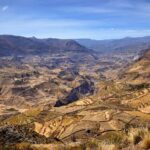
What I like most is how the trip strings together different “views of the same place,” not just one stop and done. You’re guided through key viewpoints with dramatic canyon depth, then back through villages and viewpoint angles where the terraces, birds, and camelid country show up in the same day. I also appreciated the inclusion of the transfer all the way to Puno at the end, since it turns a stressful route into a straightforward day plan.
One drawback: it’s a very early start and the day can feel long. In the reviews, people noted an early pickup plus a late or talk-heavy guide experience, so you’ll want to go in ready for a packed schedule and a bit of waiting.
In This Review
- Key points before you go
- From Arequipa to Colca Canyon: why the early start matters
- Cruz del Cóndor: the viewpoint everyone waits for
- Chacapi thermal baths: your break from the long road
- Back through Colca villages: Pinchollo, Maca, and Yanque
- Antahuilque and Choquetico: pre-Incan tombs and viewpoints
- Sancayo and the Colca Sour: a small cultural payoff
- Lunch in Chivay: plan on paying for it
- Altitude stops: the volcano viewpoint, Tocrapampa wetlands, and Pampa Cañahuas
- Arrival in Puno around 7:00 PM and the Lake Titicaca finish
- Price and logistics: is $80 good value?
- Who this Colca-to-Puno tour fits best
- Making the day feel worth it (practical tips)
- Should you book this Colca Canyon day trip to Puno?
- FAQ
- How long is the Colca Canyon day trip from Arequipa to Puno?
- What time does the tour pickup start in Arequipa?
- What’s included in the $80 price?
- Is lunch included?
- What entrance fees should I expect for the canyon?
- Are the hot springs included?
- What languages is the tour guide?
Key points before you go
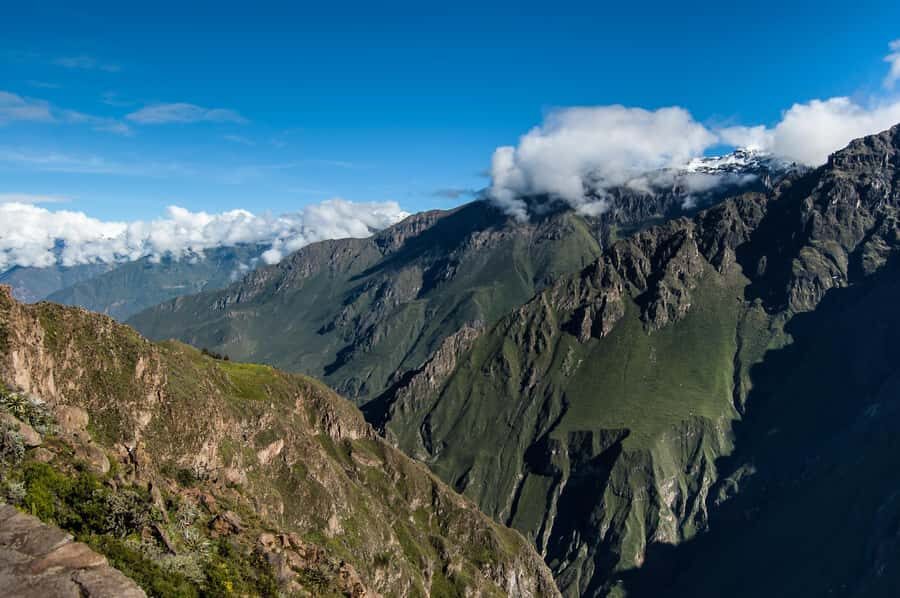
- Cruz del Cóndor around 08:30 gives you the clearest shot at canyon depth and the condor sanctuary vibe.
- Chacapi hot springs are a highlight, with an entrance fee listed as optional.
- Viewpoints like Antahuilque and Choquetico add pre-Incan tomb context and big terrace scenery.
- High-altitude wildlife stops include vicuñas in Pampa Cañahuas and wild birds at Tocrapampa wetlands.
- You arrive in Puno around 7:00 PM, setting you up to finish with Lake Titicaca.
From Arequipa to Colca Canyon: why the early start matters
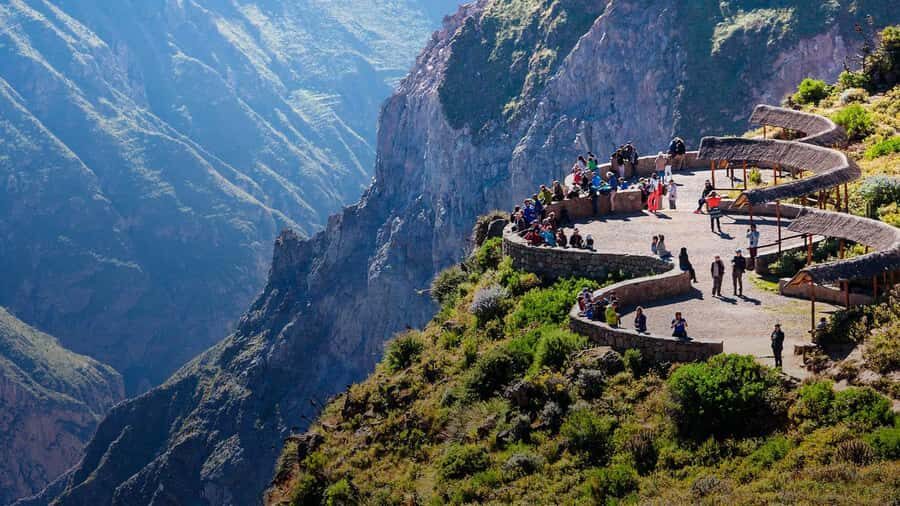
This trip is scheduled as a long day, about 16 hours, starting with hotel pickup around 02:30 to 03:00 AM. You’ll roll out through the Yura area and head toward the Cruz del Cóndor route, with only one simple stop for breakfast along the way.
That early departure isn’t random. Colca viewpoints are best when the day is still fresh, with better chances of clear visibility and fewer “day has already warmed up” conditions. If you’re the type who hates alarms, this is the kind of tour that will feel like punishment. If you’re okay with an early wake and want maximum sightseeing for one calendar day, it can feel like good planning.
Also note the structure: you’re not doing multiple hotel moves. You’re picked up in Arequipa, moved through Colca, then taken from Colca to Puno at the end. That’s a real value compared with piecing together separate tickets and schedules.
A few more Chivay tours and experiences worth a look
Cruz del Cóndor: the viewpoint everyone waits for
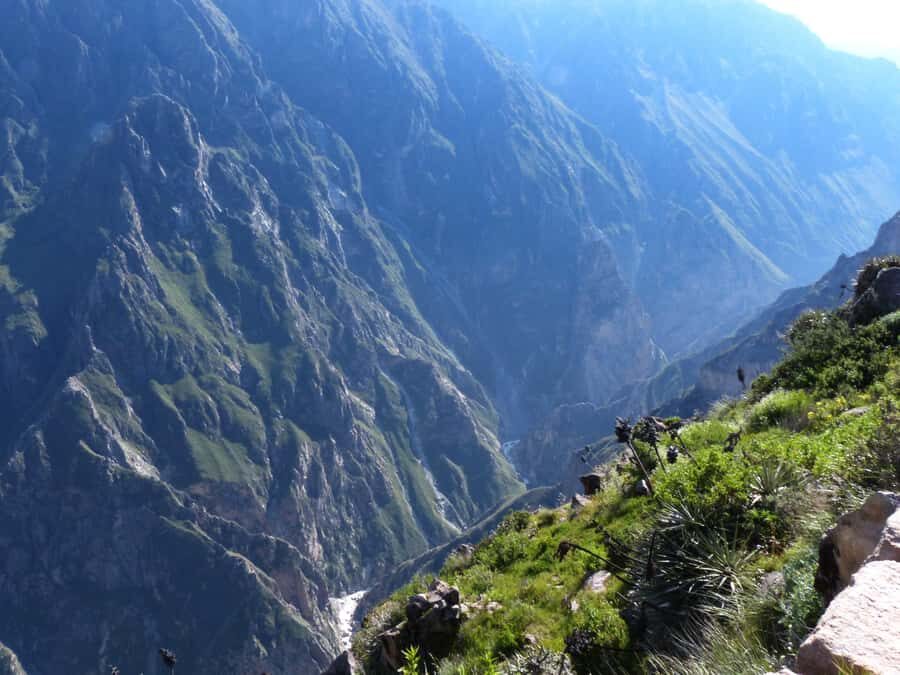
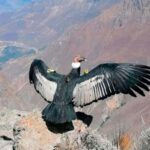
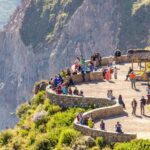
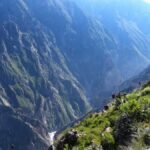
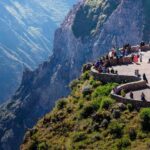
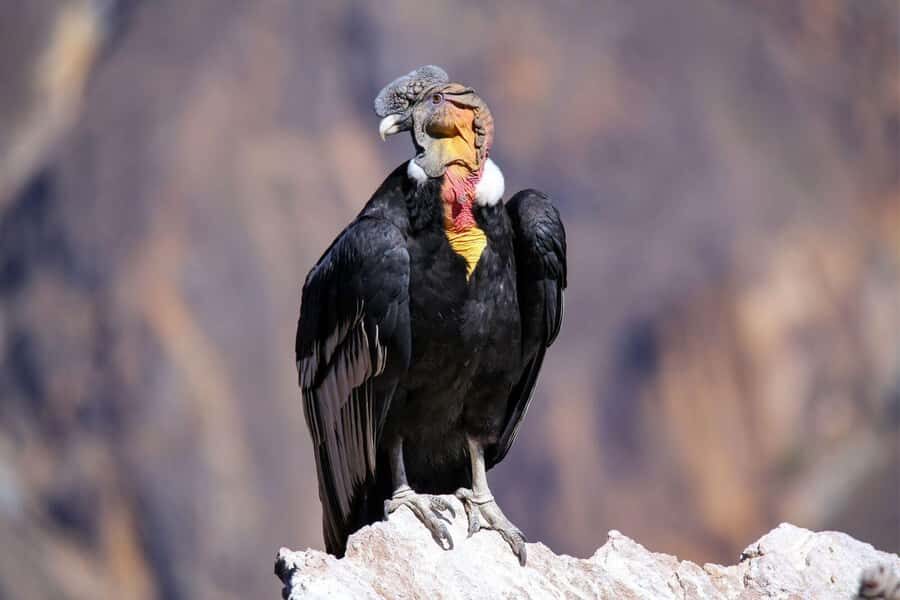
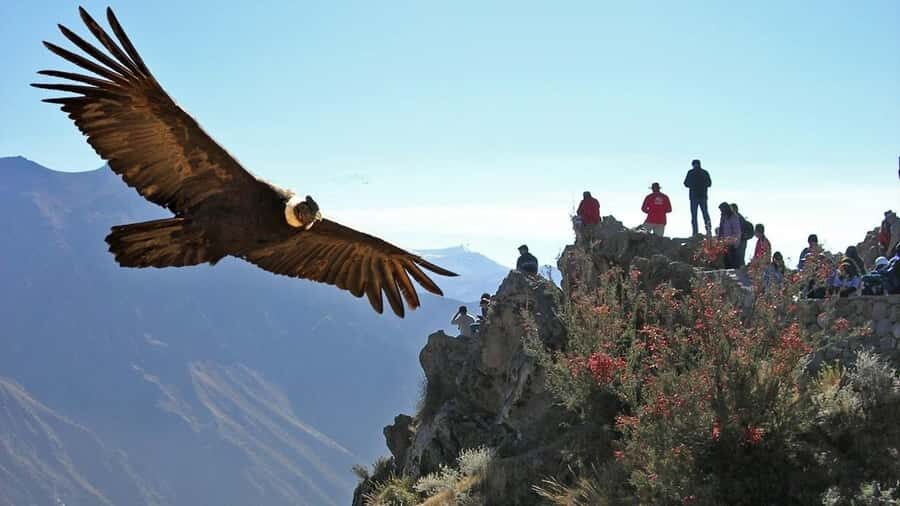
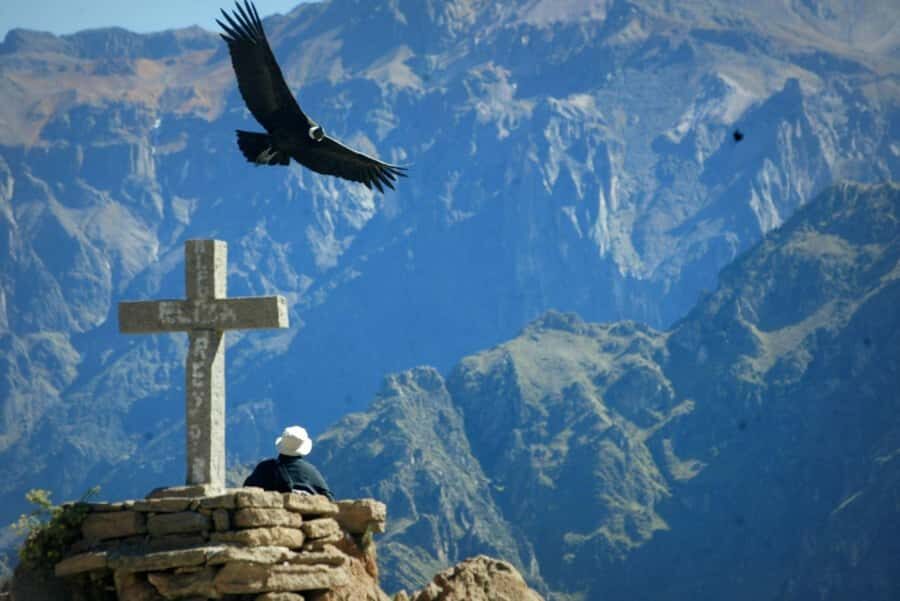
You’ll arrive at Cruz del Cóndor at about 08:30 AM, and this is the emotional center of the day. This is where you appreciate Colca Canyon as one of the world’s deepest canyons and where it’s tied to the condor sanctuary setting.
Practically, this is the stop where you should be ready to stand still, take photos, and wait a bit. Even when conditions aren’t perfect, the canyon scale is the point. Bring patience, and dress for temperature swings—this part of the day is often cooler than you expect because of the early timing.
If you’re comparing tours, I’d treat the Cruz del Cóndor timing as the “deal marker.” A good day-trip is only as good as this moment, and the schedule here is built around getting you there in the morning window.
Chacapi thermal baths: your break from the long road
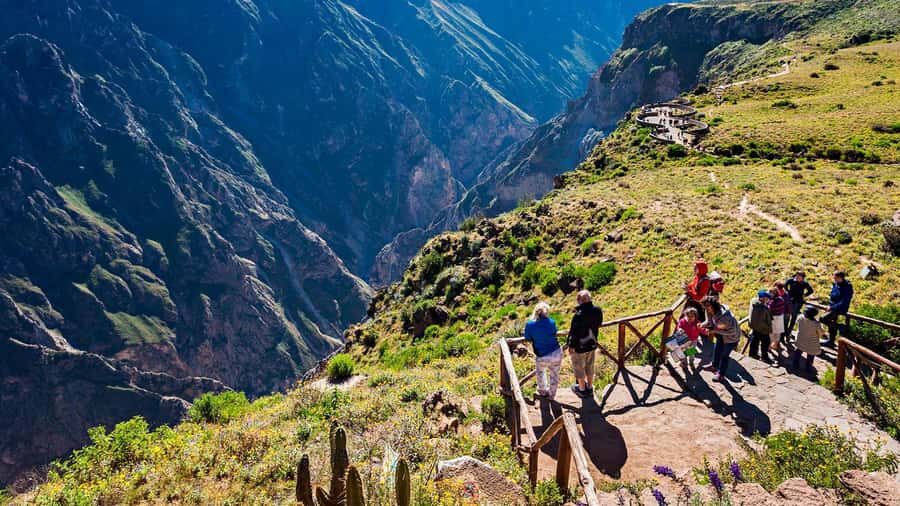
On the way back, the itinerary includes the thermal baths of Chacapi, described as natural pools with scenic views. This is one of the few built-in “reset moments” in a full-day itinerary, and that matters when you’re traveling from Arequipa all the way to Puno.
The entrance ticket for the thermal baths is listed as S/. 15 (optional). That phrasing is useful: it suggests you can decide on the fly whether you want to pay for the soak-time based on your energy level and how long you want to stay.
If you go, go with a realistic expectation: you’re not getting a spa-day with a long lounging schedule. You’re getting a scenic thermal pool break inside a packed route. Still, after hours of canyon viewpoints and high-altitude air, even a short soak can turn the day from exhausting to memorable.
Back through Colca villages: Pinchollo, Maca, and Yanque
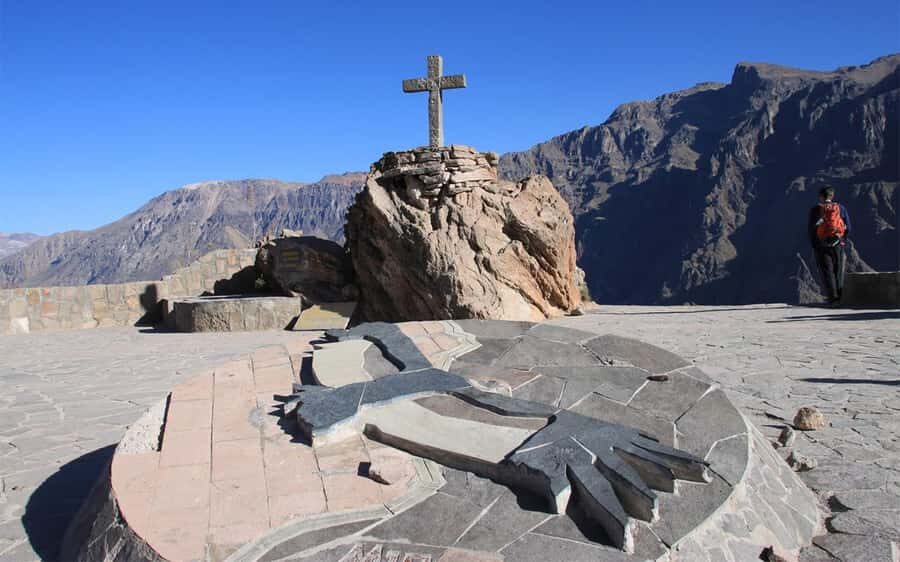
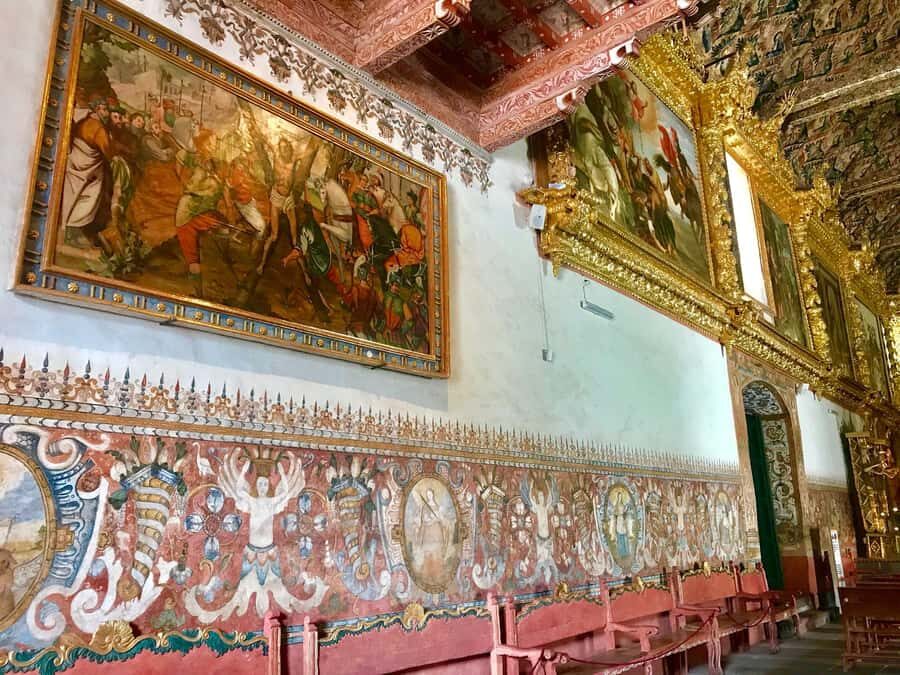
After Cruz del Cóndor, you head toward a cluster of towns: Pinchollo, Maca, and Yanque. These stops are included as part of the return route, and they’re tied to colonial churches and the slower rhythm of village life.
What I like about this kind of stop is that it changes the tone. You go from canyon scale to human-scale places where architecture and daily life feel closer. It’s also a good time to spot how the terrain shapes life, especially when the road starts weaving around terraces.
Then the tour shifts into viewpoint time again, which brings you to the next pair of key stops.
Antahuilque and Choquetico: pre-Incan tombs and viewpoints
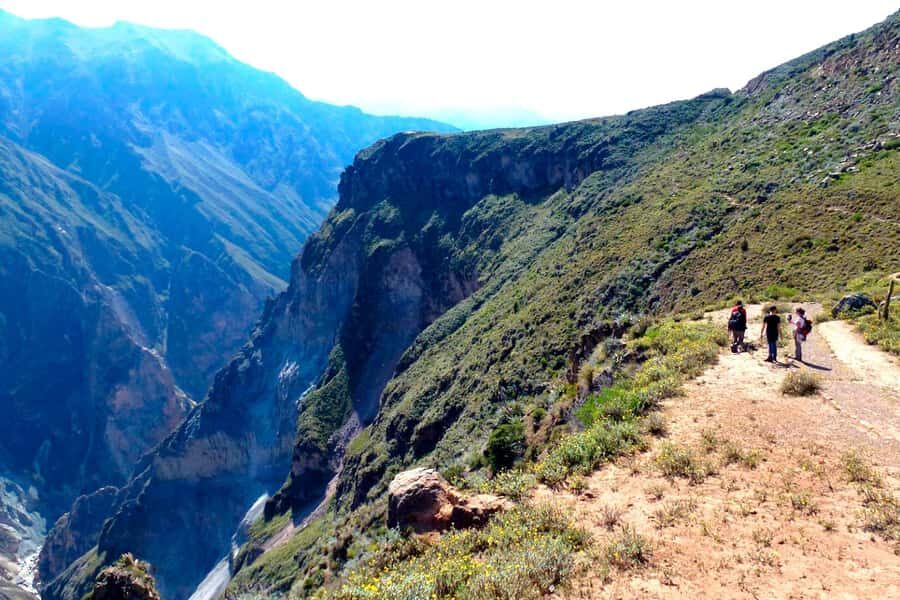
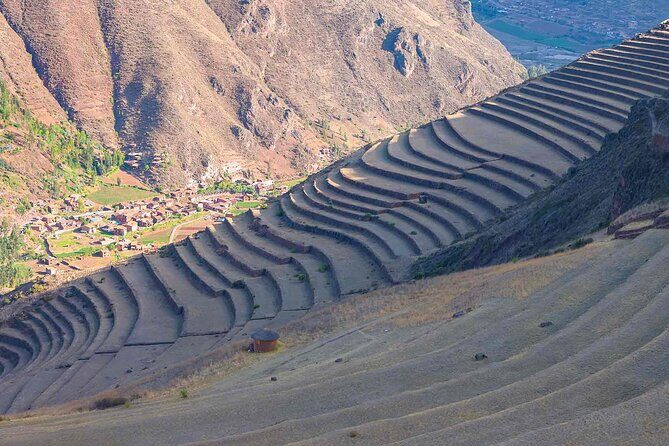
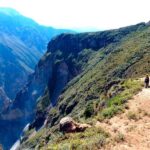
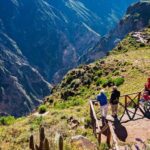
You’ll stop at the viewpoints of Antahuilque and Choquetico, and these are described as places where you can observe pre-Incan tombs and models. They’re also tied to views over the Colca valley, terraces, and overall scenery in the region.
This is more than just “another viewpoint.” The pre-Incan angle gives you a layer of meaning: you’re not only looking at the canyon; you’re looking at a landscape that has been shaped by long-term settlement and burial practices. Even if you don’t go deep on details, it’s a helpful way to make sense of why these viewpoints matter to locals and why they were valued.
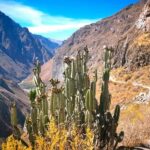
One practical note: bring layers for the viewpoints. Even when the sun is out, the higher you go and the earlier the timing, the quicker you can get chilly.
Sancayo and the Colca Sour: a small cultural payoff
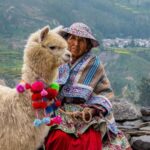
Between village and wildlife stops, the itinerary mentions traditional elements like traditional costumes, camelids, and trained birds. It also includes traditional drinks such as the Colca Sour made in Sancayo.
This is one of those areas where it can either feel fun and local or feel like staged tourism—so I approach it with the right expectation. What I do like here is that it’s integrated into the route rather than being a random detour. If you’re curious about Colca’s everyday culture and not only the scenery, this adds texture to the day.
If you’re not interested in tastings, you can still enjoy it as a visual stop. Either way, it gives the day a more “human” center before the altitude and wildlife sequence.
Lunch in Chivay: plan on paying for it
The tour includes a lunch stop in Chivay with about one hour to eat. But lunch is listed as not included in the price.
That’s important for planning, because you’re on a clock. One hour means you should know what you want before you sit down, and keep payment simple. Bring some cash or confirm options quickly once you arrive.
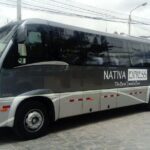
Also consider timing: after lunch, you board another tourist vehicle toward Puno. So don’t plan a late, heavy meal. You’ll want energy for the later wildlife viewpoints and the high-altitude moments.
Altitude stops: the volcano viewpoint, Tocrapampa wetlands, and Pampa Cañahuas
On the return journey toward Puno, the itinerary includes a series of nature-focused stops that raise the drama level.
First is a volcano viewpoint, noted as the highest point at 4,910 meters above sea level. That altitude can hit hard if you’re not used to it. You don’t need to overdo walking here—just breathe, move slowly, and treat it like a quick “see it and respect it” moment.
Next is Tocrapampa wetlands, where you can observe diversity of wild birds and also see herds of alpacas and llamas. This is a nice change from canyon walls: instead of deep rock cuts, you get wider, more alive wildlife country.
Finally, the itinerary includes Pampa Cañahuas, described as a place where you’ll see herds of vicuñas, and it’s tied to the Aguada Blanca y Salinas National Reserve. You’ll also see high Andean lagoons near Puno around this time.
This wildlife sequence is one of the strongest reasons to do the tour in a single day. You get condors/canyon, then villages, then an altitude climb, then wetlands and lagoons. It’s not random. It’s a well-paced theme shift from geology to life.
Arrival in Puno around 7:00 PM and the Lake Titicaca finish
You’ll arrive in Puno at approximately 7:00 PM. The summary also states that the tour includes a visit to Lake Titicaca at the end of the experience.
Because the itinerary details stop at the Puno arrival window, you should keep expectations flexible. In real life, that final Lake Titicaca moment may be brief or scheduled as part of the arrival flow. Either way, the key benefit is that you’re not stuck figuring out how to get from Colca to Puno on your own at the end of a long day.
If you can, plan a simple dinner near where you’re staying in Puno. After 16 hours, the best move is eating something easy and getting ready for whatever you’ve lined up next—Lake Titicaca tours are often the following morning.
Price and logistics: is $80 good value?
The price is listed as $80 per person for a 16-hour day trip from Arequipa to Puno. Here’s what you get included: hotel pickup, an official tour guide, tour mobility (transport), breakfast, and the transfer Colca to Puno.
What’s not included can matter a lot:
- Lunch is not included.
- Canyon entrance ticket: S/. 70 for foreigners, S/. 20 for nationals, S/. 40 for Latinos.
- Thermal baths entrance: S/. 15 (optional).
So the true cost can vary. Even if you only add the canyon entrance, the day’s total can rise quickly depending on your category. That doesn’t make it “bad,” but it does change the math. When you’re budgeting for Colca, I recommend you treat the listed $80 as the transportation + guide base, then add entrance fees and one meal you’ll buy yourself.
One more logistics angle: the reviews show a mixed experience with timing. One booking noted that the guide was an hour late and that contact for the departure point could be clearer. Another mentioned the transport to Puno was very good. My take: the route is solid, but you should show up early for pickup, confirm the exact pickup spot, and be ready for a start time that may not feel like a Swiss train.
Who this Colca-to-Puno tour fits best
This is a great match if you:
- Want to see the Colca Canyon highlights and still reach Puno the same day
- Like structured routes with a guide and clear stops
- Can handle a very early morning and a long day schedule
It’s less ideal if you:
- Hate waking up before sunrise
- Want lots of free time at each viewpoint
- Get easily annoyed by delays or a very talk-heavy guide style
Making the day feel worth it (practical tips)
I’d plan for comfort first, photos second, and “buying things” last.
- Dress in layers. You’ll start very early and hit a point at 4,910 meters, so temperatures can swing a lot.
- Bring cash for entrance fees like the canyon ticket and optional thermal baths fee, plus your Chivay lunch.
- Set expectations for pacing. This is stop-heavy sightseeing with travel time between every highlight.
- Charge your phone/camera early. You’ll be moving for hours, and the best shots at the viewpoints tend to happen when you’re waiting.
- Double-check pickup location. One review flagged that the departure contact could be clearer, so confirm exactly where you’ll be picked up.
Should you book this Colca Canyon day trip to Puno?
I’d book it if you want a one-day hit of Colca’s biggest names—Cruz del Cóndor, Chacapi, key viewpoint stops, and the wildlife/lagoon run—while also getting transferred to Puno for your next stage. The value is strongest when you count the included pickup, guide, breakfast, and the end-to-end logistics.
I wouldn’t book it if you’re sensitive to early mornings, tight schedules, or timing hiccups. The canyon entrance fee and lunch extra cost also mean your budget needs a little breathing room.
If your priority is time efficiency and you can handle a long day, this trip is a practical way to move from Arequipa to Puno while still getting real Colca Canyon payoff.
FAQ
How long is the Colca Canyon day trip from Arequipa to Puno?
The duration is listed as 16 hours.
What time does the tour pickup start in Arequipa?
Pickup starts around 02:30 to 03:00 AM from various hotels.
What’s included in the $80 price?
It includes hotel pickup, an official tour guide, tour transport, breakfast, and the transfer from Colca to Puno.
Is lunch included?
No. Lunch is not included, even though there’s a lunch stop in Chivay with about one hour.
What entrance fees should I expect for the canyon?
The canyon entrance ticket is not included: S/. 70 for foreigners, S/. 20 for nationals, S/. 40 for Latinos.
Are the hot springs included?
You visit the Chacapi thermal baths, but the entrance ticket is listed as optional for S/. 15.
What languages is the tour guide?
The live guide is listed as Spanish and English.