REVIEW · CUSCO
Small Group 5 Days Salkantay and Machu Picchu by Llactapata Tour
Book on Viator →Operated by Xtreme Tourbulencia · Bookable on Viator
A five-day trail that ends with sunrise at Machu Picchu sounds simple. It’s not—this route layers Salkantay high passes, Llactapata Inca ruins, and the warm-up altitude drama of the Andes into one tight plan. I like that this is a small group (max 9), so you actually get time for questions instead of listening to random silence between photos. I also like the human side: you don’t just trek—you learn about coffee farming and rural life along the way. The main consideration is the pace: the first stretch is hard altitude work, and you’ll want solid fitness before you sign up.
The route has a few “you’re going up, then up some more” moments, especially before you see the big payoffs. If you’re prone to getting winded, plan to slow down early and let your guide manage the group rhythm.
In This Review
- Key moments you’ll remember
- Cusco to Challacancha: your Andes wake-up call
- Salkantay Pass day: going high, then going wisely
- Forest plants, coffee farms, and rural conversations in Lucmabamba
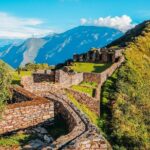
- Llactapata: Inca terraces with Machu Picchu Mountain in view
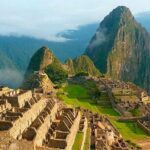
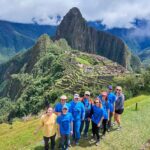
- Machu Picchu at first light, plus a guide who actually explains
- Food, camping gear, and what “small group” changes
- Price and logistics: what you’re really paying for
- Guides and the difference names can make
- Money matters: be clear on tipping expectations
- Who should book this Salkantay–Machu Picchu route
- Should you book this tour?
- FAQ
- What time does the trek start in Cusco?
- How big is the group?
- Is hotel in Aguas Calientes included?
- What’s included for Machu Picchu entry and touring?
- Are meals fully included?
- Do I need to rent a sleeping bag?
Key moments you’ll remember
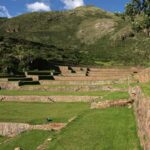
- Llactapata before Machu Picchu: terraces and ruins with classic Machu Picchu Mountain views from a less crowded moment.
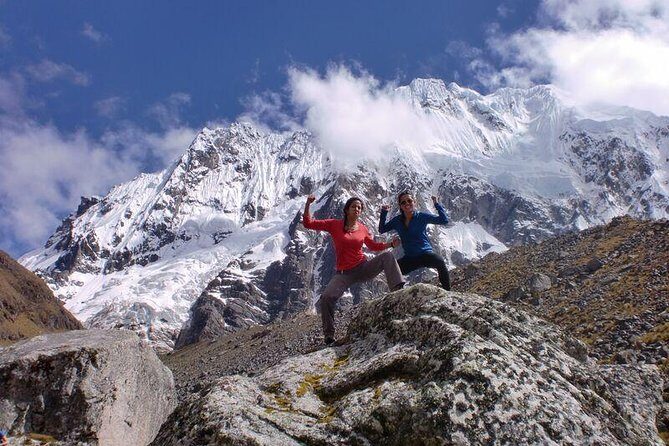
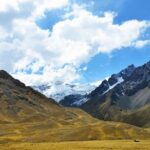
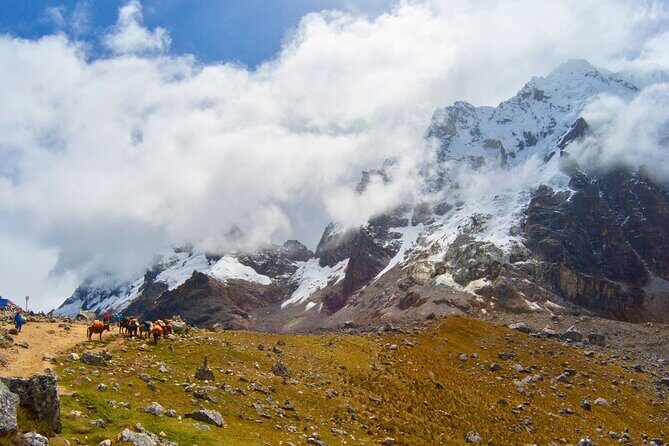
- Salkantay Pass at 4,600 m: big summit views, then a switch into greener country as you descend.
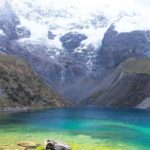
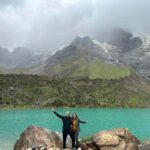
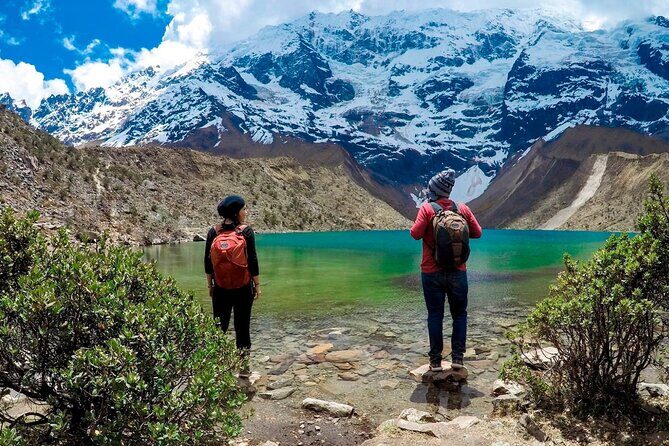
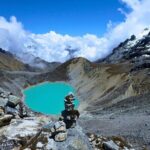
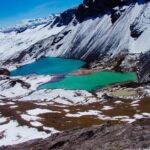
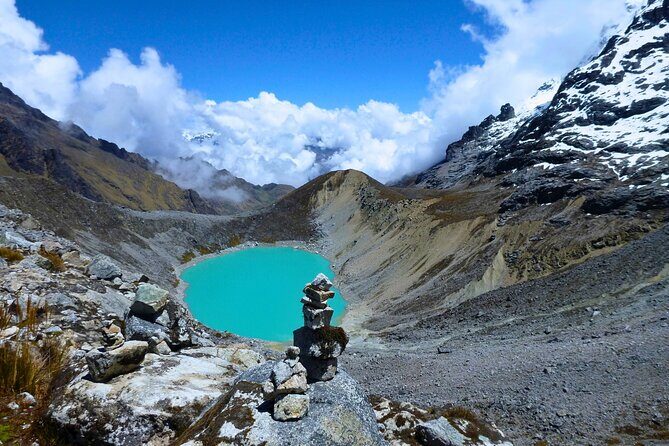
- Humantay Lake option: a turquoise-color hike above camp when your legs can still cooperate.
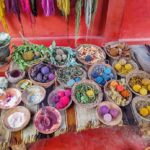
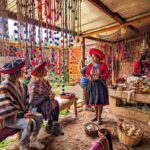
- Coffee and cacao time in Lucmabamba: planting/harvesting process and a hands-on talk with a local rural family.
- Mules for up to 7 kg: you carry what you can, and your pack plan matters more than your ego.
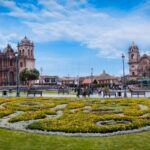
- Early Machu Picchu arrival: the 5:30 am jump means you reach the site around 6:00 am for first-light atmosphere.
Cusco to Challacancha: your Andes wake-up call
Day 1 starts with an early departure from Cusco and a drive out toward Challacancha (about 3,400 m). On the way, you pass through Mollepata (around 3,000 m), where there’s time to stretch and look out over the countryside before the trekking really begins. Then you meet your horsemen and the trekking group—this is when the “we’re really doing this” feeling kicks in.
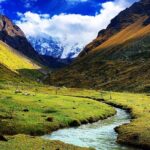
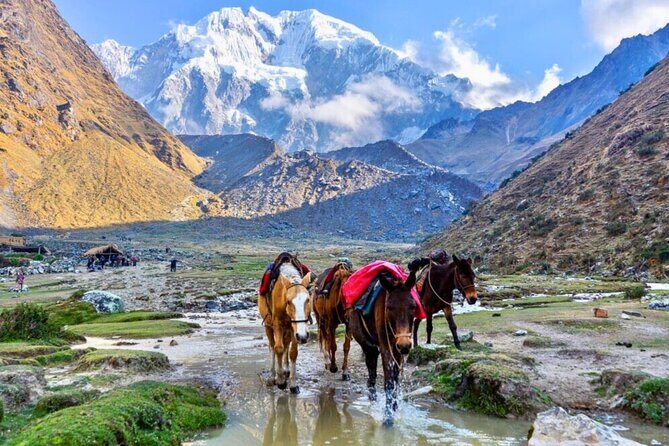
The first hiking segment runs through a valley with serious views. Humantay and Salkantay rise above you like real-deal mountain backdrops, not postcard art. You’ll end the day near Soraypampa (around 3,700 m), your camp area for the night.
In the afternoon, you can add the optional hike to Humantay Lake. If you’ve never hiked at altitude with cold air biting your lungs, this is the gentle-but-real preview that helps you understand what’s coming next.
A few more Cusco tours and experiences worth a look
Salkantay Pass day: going high, then going wisely
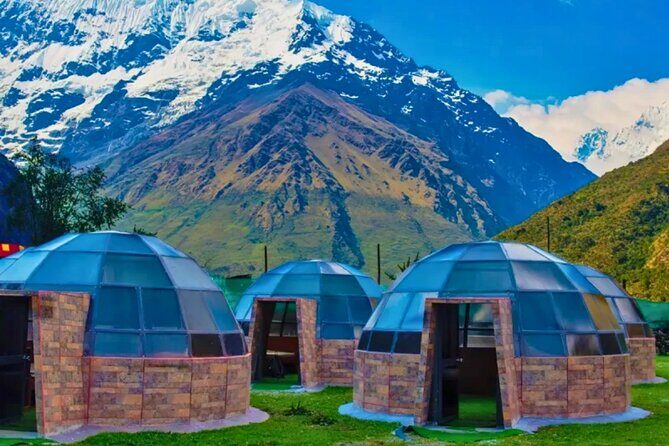
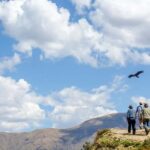
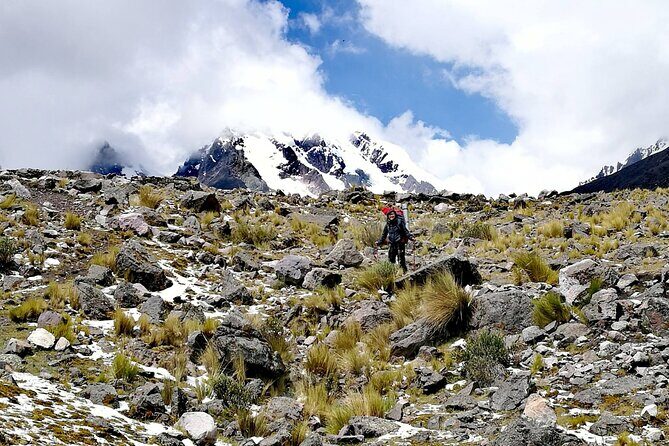
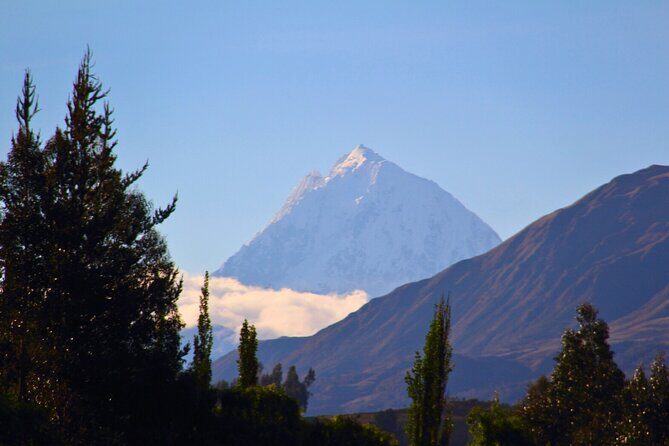
Day 2 is the core challenge. You begin the morning climbing toward Salkantay Pass (4,600 m). At the pass, you’re rewarded with direct, dramatic views of Salkantay (6,264 m). This part is scenic, yes—but it’s also where fitness shows, fast.
After you pause at the high viewpoint, you start descending. The change is noticeable: as you drop, the environment shifts into a greener, warmer feel. That “we’re leaving the cold behind” mood lasts until you reach your campsite near Collpapampa (around 3,000 m).
Collpapampa is described as tropical-forest country, with warmer, more humid air—and mosquitoes. You don’t need to panic, but you should plan for itchy annoyance, especially if you’re sensitive to bites. After a day like this, you’ll be glad the next day includes time in quieter, community-focused settings.
Forest plants, coffee farms, and rural conversations in Lucmabamba
Day 3 slows the pace in a good way—mentally and visually. You descend through dense forest where you’ll notice details you’d miss on a faster route: orchids, bromeliads, and other plants that do well in this climate. This day is less about staring at your feet and more about using your eyes.
As you keep dropping, the scenery shifts into agricultural areas. You’ll pass coffee, cacao, and fruit plantations, and you get the chance to learn how these crops are grown and harvested. Even if you don’t become a coffee nerd in five days, you’ll come away with a grounded sense of how farming supports local life.
Later, you continue through small villages (Wiñaypoco, Granadilla, and Lucmabamba area) before reaching Lucmabamba and setting camp. The standout here is the opportunity to interact with a local rural family and watch the coffee process from growing to drying and roasting. One of the best parts of the tour style here is that it’s not a “look and leave” stop—you get the story behind the cup.
Practical note: the day also includes basic camp conditions. One person flagged the toilet situation on day 3 as an area that could be better, so bring patience and expect simple setups rather than comfort-hotel standards.
Llactapata: Inca terraces with Machu Picchu Mountain in view
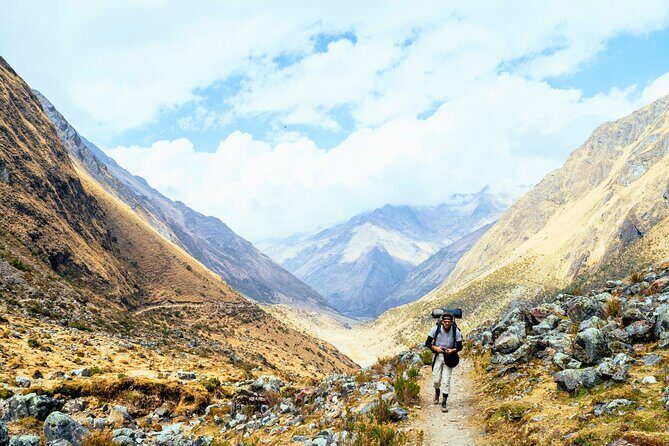
Day 4 turns from jungle-green to Inca trail history. After breakfast in Lucmabamba, you hike up the historic Inca trail toward Llactapata archaeological site (around 2,650 m). This segment matters because it’s a way into Machu Picchu that feels layered: you’re not just arriving at the main attraction, you’re walking part of the larger Inca travel network.
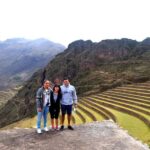
At Llactapata, you’ll see terraces and structures tied to Inca use of these trail routes. Your guide explains what you’re looking at, and the site itself rewards you with major views: Machu Picchu Mountain and the Vilcanota Canyon in the same glance. It’s a “stop, breathe, and look around” moment—exactly the kind of pause that makes a trek feel like more than exercise.
After the site visit, you continue the descent toward the Hydroelectric station area (around 1,950 m). This is also where you get a break before moving to Aguas Calientes, the town below Machu Picchu. You’ll sleep in Aguas Calientes in a hotel with a private room and private bathroom, which is a big deal after several nights of camp life.
Machu Picchu at first light, plus a guide who actually explains
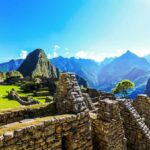
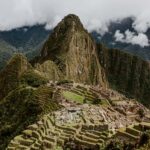
Day 5 is early. You leave your hotel around 5:30 am after breakfast and ride to Machu Picchu. The schedule brings you to the entrance around 6:00 am, with the site in that first-light moment when the stone looks extra real.
Then you get a guided tour through the Santuario Historico de Machu Picchu, a UNESCO World Heritage site. The emphasis is on Inca civilization, architectural features, and cultural context—so you’re not just walking between viewpoints guessing what you’re seeing. You’ll cover about three hours with your guide, then return to Aguas Calientes.
Later, you head to the train in the afternoon. Before the station, you can eat lunch at local restaurants—just note the meal itself isn’t included in the package cost. After the train, transportation brings you back to Cusco.
Food, camping gear, and what “small group” changes
This tour includes a lot of the logistics that usually eat your energy. You get camping equipment like a dining tent with table and chairs, plus scheduled meals across the trek. Dinner is included three times, breakfast three times, and lunch three times. Vegetarian options are available, so you’re not stuck eating bland compromise food.
You also get tea and snacks each day. That sounds minor until you’re staring at a steep section and you remember you’ll get something warm in your hands before the next effort.
Personal equipment matters, because the tour includes horsemen and mules that can carry up to 7 kg for your stuff. That means you’ll want to pack smarter. If you try to bring the whole world in your daypack, you’ll feel it.
Sleeping bag info is also important: sleeping bag rental isn’t included. The package lists sleeping bag rental at $5 per day. If you hate the idea of renting last-minute gear, plan ahead.
Also, you’re getting support beyond “good vibes.” The included first aid kit and oxygen bottle are there for emergencies, and there’s an emergency horse (Marcoccasa – Chaullay). That’s reassuring when altitude and fatigue start turning your legs into noodles.
Price and logistics: what you’re really paying for
At $593 per person, the value is about coverage. This isn’t a barebones self-guided trek. You’re paying for transportation, guides, entrance tickets, hotel in Aguas Calientes with breakfast, train/bus connections, and all the core meal planning.
Here’s what the package covers that tends to cost extra on your own:
- A professional bilingual tour guide
- Entrance tickets to Salkantay and Machu Picchu
- Private-room hotel in Aguas Calientes (with breakfast)
- Tourist train ticket from Machu Picchu to Ollantaytambo, plus bus to Cusco historic center
- Pre-briefing session at 19:00 in the office 1–2 days before departure
- Camping equipment (dining tent, table, chairs)
What costs extra (so you don’t get surprised):
- First-day breakfast and last-day lunch in Aguas Calientes are listed at $30 each
- Bus from Machu Picchu to Aguas Calientes is $12
- Sleeping bag rental is $5 per day
If you’re the type who hates budgeting anxiety, this package helps. If you love planning every ticket yourself and you’re traveling super light with strong altitude experience, you might find cheaper options—but you’d be trading away a lot of the structure that keeps a 5-day trek from turning into a scavenger hunt.
Guides and the difference names can make
This is one of the strongest parts of the experience. Multiple guides earn praise for how they teach the route and how they handle changing conditions.
If you can request, these names come up as favorites:
- Jainor: praised for being kind, patient, passionate about Inca culture and history, and able to switch between Spanish and English smoothly while explaining with depth.
- Carlos and Henry: praised for knowledge and keeping things relaxed while still giving strong historical context.
- Dario: praised as fun and supportive, with one note that day 3 logistics like toilets could be improved.
- Rolando / Ronaldo: praised for answering questions, explaining Inca history clearly, and keeping a great mood throughout varying group stamina.
Then there’s the food and team behind the scenes. Cooks like Alejandro get major credit for strong, tasty meals and creativity even with limited equipment. One person even described a cake surprise for a birthday. Horsemen like José get love too—one highlight was coca tea at wake-up time, which makes an early morning feel less brutal.
If you care about the storytelling side of the Andes, pay attention to the guide fit. This trek is about more than altitude numbers.
Money matters: be clear on tipping expectations
One practical issue came up clearly: tipping expectations for cooks and porters weren’t fully clear to everyone at first. The good news is that the team work is described as excellent. The better takeaway for you is simple: ask your guide during the pre-briefing about tipping expectations before you arrive at the trail. Get a straight answer on who to tip and when.
You don’t need to argue amounts. You just need clarity, so nobody feels awkward at the end.
Who should book this Salkantay–Machu Picchu route
This is a great fit if:
- You want the Salkantay experience plus an Inca trail approach via Llactapata
- You like learning history while you walk, not just taking scenery screenshots
- You can handle high altitude and a tough first stretch
- You like the comfort upgrade of a private room and bathroom in Aguas Calientes
This may be a tough fit if:
- You get hit hard by altitude and you don’t have a good fitness base
- You want a gentle pace from day one
- You’re very sensitive to mosquitoes or basic camp comfort
One more reality check: cancellation isn’t refundable and changes can’t be made once booked. If your schedule might shift, factor that risk into your decision.
Should you book this tour?
Book it if you want a well-run, small-group version of Salkantay that includes real cultural stops (coffee farming in Lucmabamba, Inca sites at Llactapata) and ends with early entry to Machu Picchu. The value is strong because so many moving parts are already handled: guides, tickets, meals, hotel in Aguas Calientes, and the train back.
Skip it (or consider a different style) if you’re not ready for the altitude grind and early starts. The route can be challenging—especially the first two days—and you’ll enjoy it more if you go in with a calm mind and a willingness to slow down.
If you do book, ask for a guide name you’d like (people spoke highly of Jainor and Rolando) and confirm tipping expectations at the pre-briefing. That’s how you turn a great trek into a smooth one.
FAQ
What time does the trek start in Cusco?
The meeting point is Plaza de Armas de Cusco, and the start time is listed as 4:00 am.
How big is the group?
This tour has a maximum group size of 9 travelers.
Is hotel in Aguas Calientes included?
Yes. You stay in Aguas Calientes (also called Machu Picchu town) in a hotel with a private room and private bathroom, and breakfast is included.
What’s included for Machu Picchu entry and touring?
You have the entrance ticket to Machu Picchu included, and you also get a guided tour at the Santuario Historico de Machu Picchu.
Are meals fully included?
Most meals are included: breakfast is included three times, lunch is included three times, and dinner is included three times. The breakfast of the first day and the lunch of the last day in Aguas Calientes are not included ($30 each).
Do I need to rent a sleeping bag?
A sleeping bag is not included in the package. Sleeping bag rental is listed at $5 per day.