REVIEW · CUSCO
Machu Picchu: 5-Day Salkantay Trek with Panoramic Train
Book on GetYourGuide →Operated by TreXperience · Bookable on GetYourGuide
Machu Picchu starts with a mountain pass. This 5-day Salkantay trek links the vivid Humantay Lake color with a real sense of Peru beyond the famous photos. I love the big visual payoffs that keep coming—then the chance to camp at Llactapata with Machu Picchu right there. The one drawback to plan for is the altitude and early mornings (that 4:30 a.m. start is no joke), especially on Day 1.
What makes this route feel well built is how it mixes effort with comfort: glamping on one night, huts on another, and a normal 3-star hotel in Aguas Calientes. I also like that support is treated like part of the trip, with a safety briefing, a pro guide, and even satellite phone plus an oxygen tank. In the guide lineup, names like Cesar, Jose, Roger, and Gilbert come up a lot for a reason: people felt looked after and not rushed.
Still, this trek has clear limits. It’s not for pregnancy, heart problems, mobility impairments, or people with back issues—and if you’re sensitive to altitude, you’ll want to take that seriously. One more practical note: the small-group size (up to 16) is great, but you’ll still hike at the pace of the day, so bring a patient mindset and pack smart.
In This Review
- Key Things That Make This Trek Worth Your Time
- Entering Peru by Way of the Salkantay Route
- Cusco Pickup at 4:30 and Day 1: Humantay Lake + Salkantay Glamping
- Day 2 Over Salkantay Pass: Wayracmachay and Cloud Forest Huts
- Day 3 Pachamanca + Coffee, Then Llactapata: Machu Picchu Finally Comes Into Focus
- Day 4: Hydroelectrica to Aguas Calientes, Mandor Gardens, and Hot Springs Time
- Machu Picchu Sunrise and the Guided Tour That Gets You Oriented Fast
- Panoramic Vistadome or 360° Train Back to Cusco: Rest With Views
- Food, Safety, and the Real Meaning of Included Meals
- Price and Value: Is $655 a Fair Deal?
- What You Need to Bring (And What Will Get In the Way)
- Pacing, Altitude, and Who This Trek Fits Best
- Should You Book This Salkantay Trek to Machu Picchu?
- FAQ
- How long is the trek and what dates does it run?
- Where do I sleep during the 5 days?
- Is a sleeping bag included?
- What train options are used to return to Cusco?
- Do I need to book Huayna Picchu or Machu Picchu Mountain in advance?
- How big can my backpack be for Machu Picchu?
- How many people are in the group?
Key Things That Make This Trek Worth Your Time
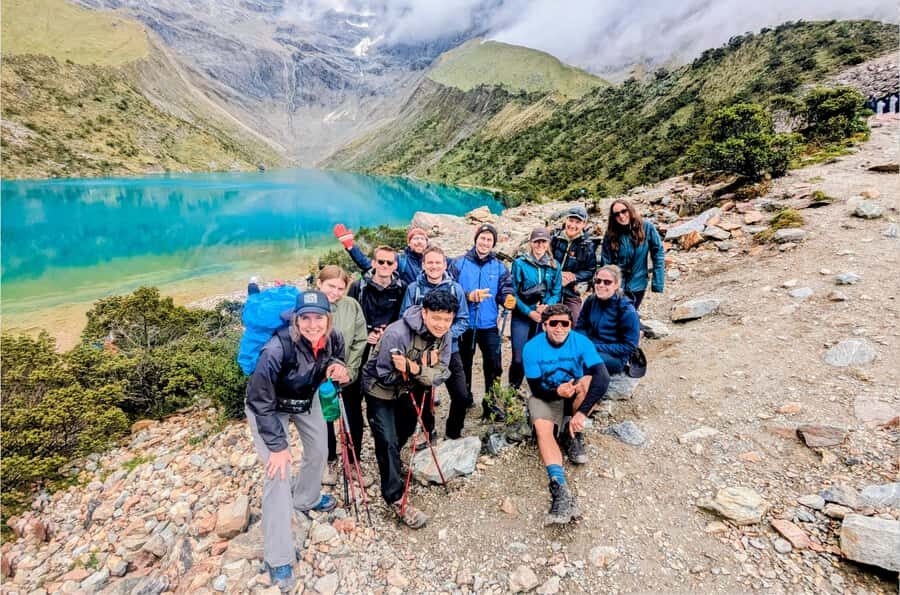
- Humantay Lake and Salkantay Glamp Camp: turquoise views at altitude, plus cozy tent comfort after a hike.
- Salkantay Pass Day: the highest point (4,630 m) with time to breathe in the views before a long descent.
- Cloud Forest Change of Scenery: by Day 2, the trail shifts from high Andean air to lush forest vibes.
- Pachamanca and Coffee Experience: cultural food and local coffee, not just sightseeing.
- Llactapata Camping With Machu Picchu in Sight: the slow reveal hits harder than a one-day stop.
- Panoramic Return by Vistadome or 360° Train: you trade sweaty legs for scenic rail comfort back toward Cusco.
Entering Peru by Way of the Salkantay Route
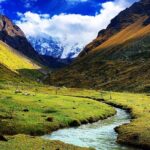
Salkantay is famous for a reason: you’re not just walking to Machu Picchu, you’re walking through Peru’s altitude zones. That means you get glacier-bright mountains one day and cloud-forest air the next. It’s a good fit if you like your travel to have story, not just checkpoints.
This trip also aims for “less stress, more meaning.” The included meals, daily snacks, campsite setups, and a guide team help you focus on the trail and the culture. With small-group limits (16 max), you’re less likely to feel lost in a crowd.
You can also read our reviews of more hiking tours in Cusco

Cusco Pickup at 4:30 and Day 1: Humantay Lake + Salkantay Glamping
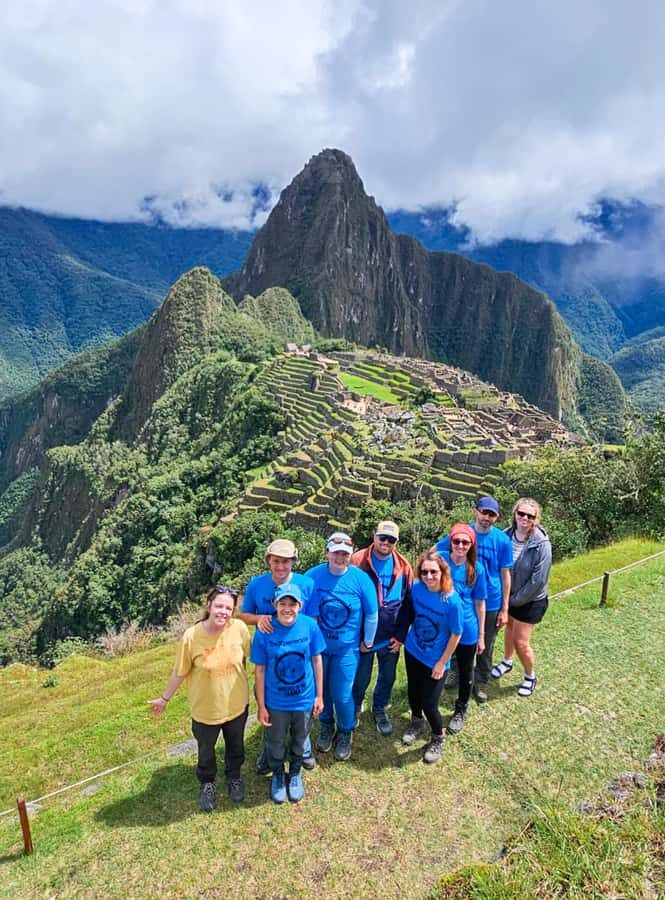
Your day starts with an early pickup at about 4:30 a.m. from your Cusco-area hotel or Airbnb. Then you’ll ride around 3 hours to Mollepata, where breakfast sets you up for the hike ahead. Expect the drive to be scenic and practical: it’s there to get you high and moving before the hardest heat or clouds show up.
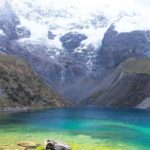
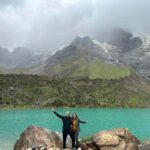
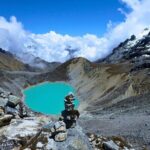
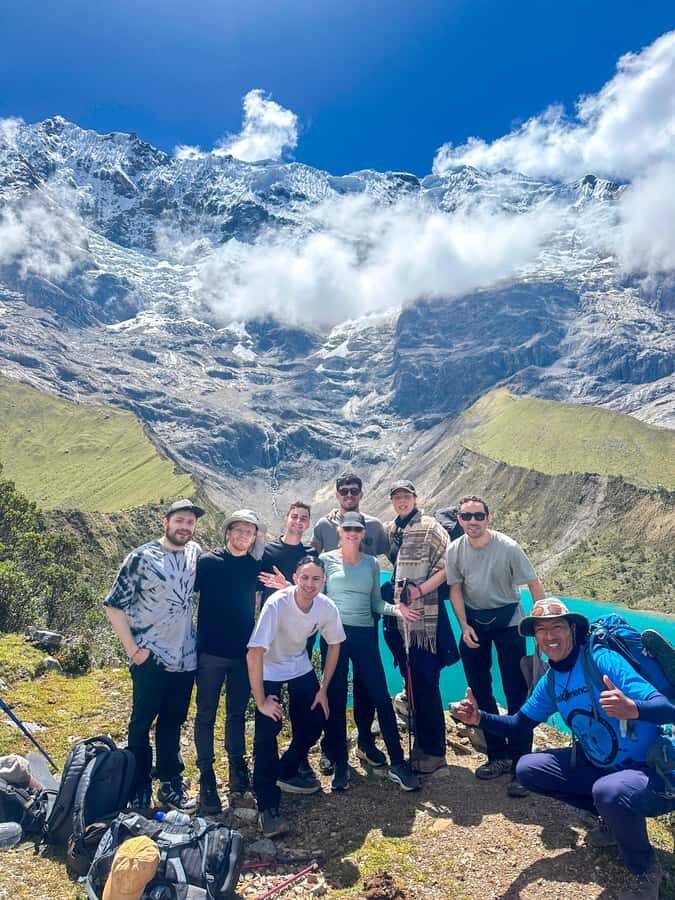
From the trailhead, the hike to Humantay Lake takes about 3 hours, climbing to roughly 4,200 m. The payoff is the lake’s striking turquoise color against stark mountain rock. After you soak in views, you’ll descend to Soraypampa for lunch, then do a gentle climb for about 2 hours to the Salkantay Glamp campsite (around 4,150 m).
This is where the “comfort without cheating” part matters. You’re still working, but you’re sleeping with gear provided: sleeping pad, pillow, rain poncho, and hand towels. Dinner is warm, and after dark you get the stars—something people consistently single out. If you’re altitude-prone, plan to take it slow right after arriving; the night air at these elevations can feel sharp.
One more practical reality: you’ll want your night layers ready. Even when the day felt fine, these camps are high, and temperatures can drop quickly.
Day 2 Over Salkantay Pass: Wayracmachay and Cloud Forest Huts
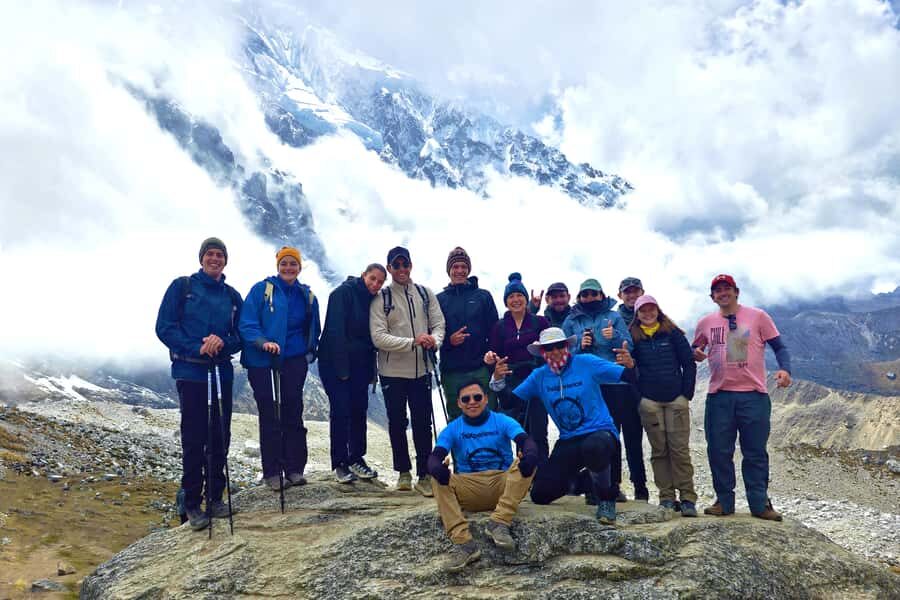
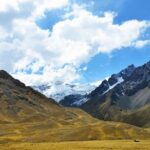
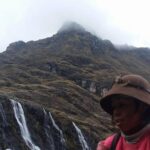
Day 2 begins with a simple but smart touch: hot coffee or coca tea before you start climbing. You’ll hike up to Salkantay Pass at about 4,630 m, the top point on the trek. This is the hardest altitude moment for many people, so it’s worth going at a steady pace and not trying to “win” the mountain.
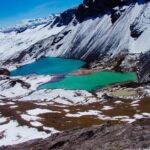
Once you reach the pass, you take in mountain views and stop by a glacial lake nearby. Then the plan shifts to recovery: you’ll start a long descent. After lunch at Wayracmachay, the trail gradually changes as highlands give way to the cloud forest—more greenery, more humidity, and a totally different walking feel.
By evening, you arrive at Collpapampa (about 2,770 m) and sleep in Andean huts. This night is less about glamour and more about warmth and rest, which matters because you’ll be moving again the next day. Having chefs on the team and gear handled by muleteers can be a big deal here: less fiddling means more energy for walking and photos.
In real life, altitude hits people differently. Some guides and participants note that medication like acetazolamide helped with symptoms for some travelers. I can’t tell you what to take, but I do think it’s worth talking with your doctor before you go, especially if you’ve had altitude issues before.
Day 3 Pachamanca + Coffee, Then Llactapata: Machu Picchu Finally Comes Into Focus
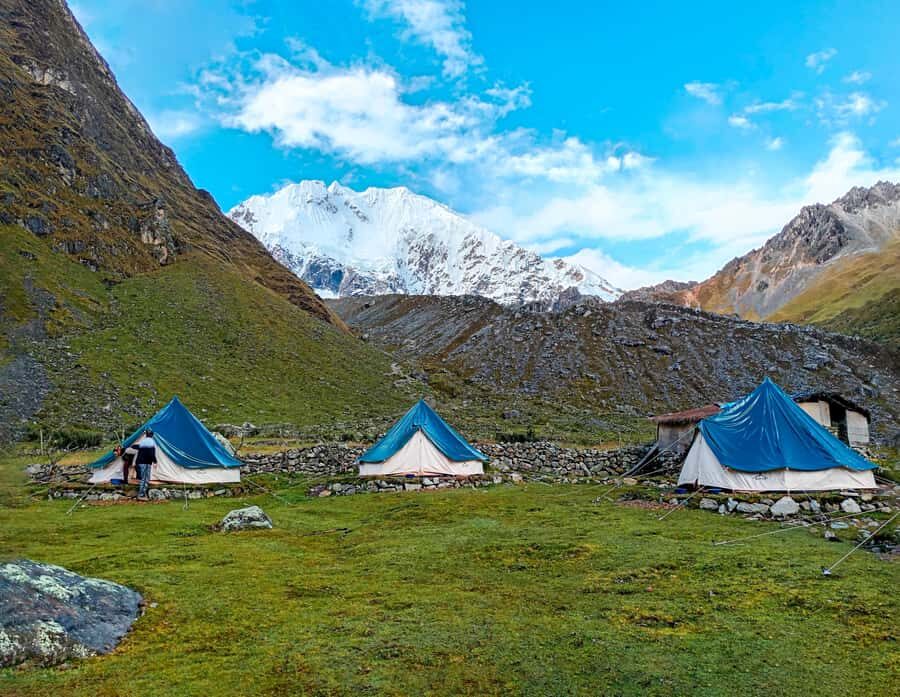
Day 3 is the day where the trek turns cultural. After breakfast, you follow scenic paths with wooden bridges, waterfalls, and plantations along the way. You’ll reach Lucmabamba (about 2,000 m) and that’s where the Pachamanca happens.
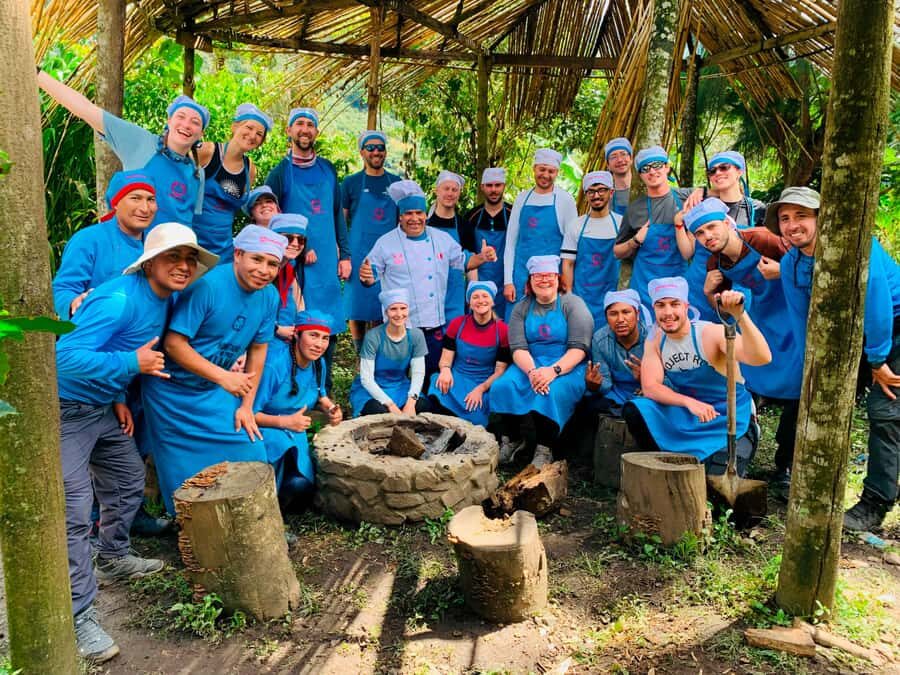
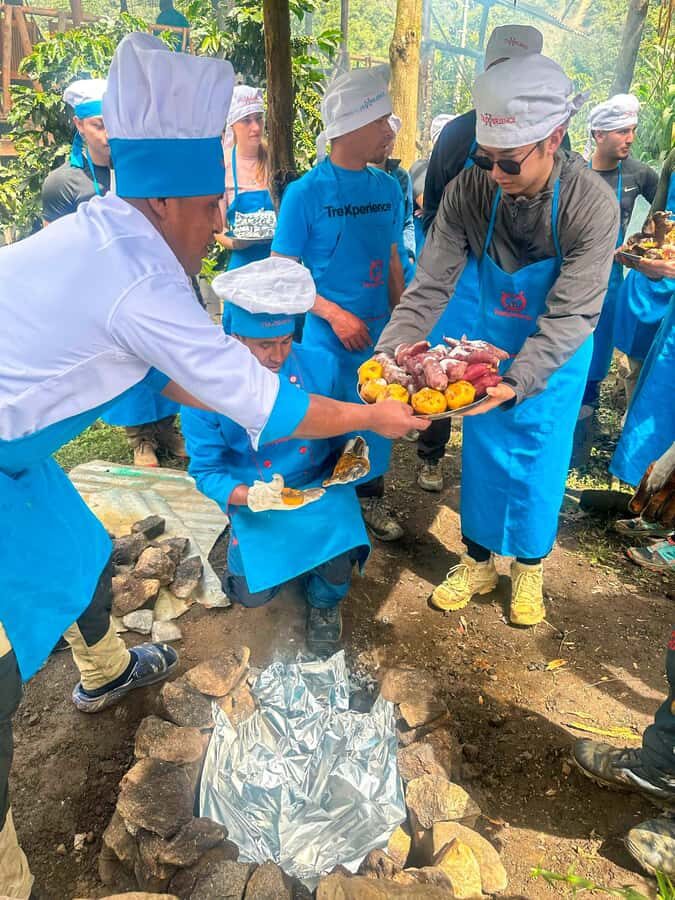
Pachamanca is traditional Peruvian barbecue, cooked in a way that’s tied to local customs. It’s not just a meal; it’s one of those experiences that helps you understand why people live the way they do here. Afterward, you’ll visit coffee farms and taste freshly brewed coffee—an added bonus if you like food travel that isn’t limited to one tasting.
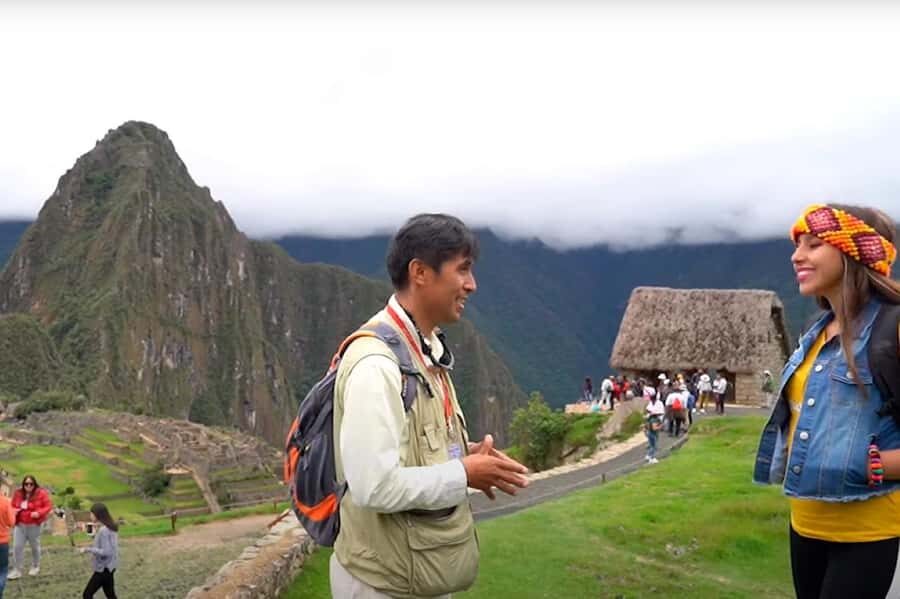
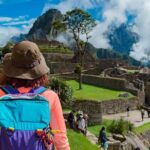
Then the day shifts again toward Machu Picchu. In the afternoon, you follow a section of the Inca Trail for about 3 hours, reaching Llactapata (around 2,750 m). This is the magic moment: you get your first big view of Machu Picchu. Sleeping here means the citadel stays in your mind all night.
You’ll camp at Llactapata with Machu Picchu in sight, and that visual stays with you. It’s also a better mental setup for sunrise than rushing straight from Cusco on Day 5.
If you’re a slower hiker, this day can be manageable because the day includes breaks and scenic pauses. Just know you’ll still be walking, and cobbled or uneven trail steps are part of the deal.
Day 4: Hydroelectrica to Aguas Calientes, Mandor Gardens, and Hot Springs Time
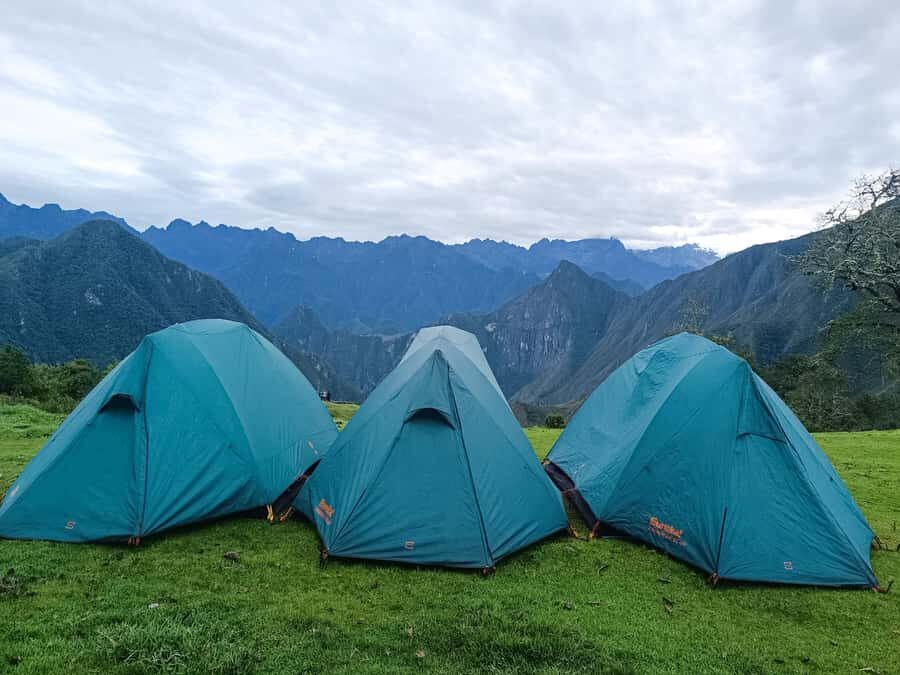
Day 4 starts with a wake-up view. The plan is coffee first, then you get to see Machu Picchu from your camping spot. From there, you’ll descend about 2 hours to Hydroelectrica, and the day includes a final brunch with your team.
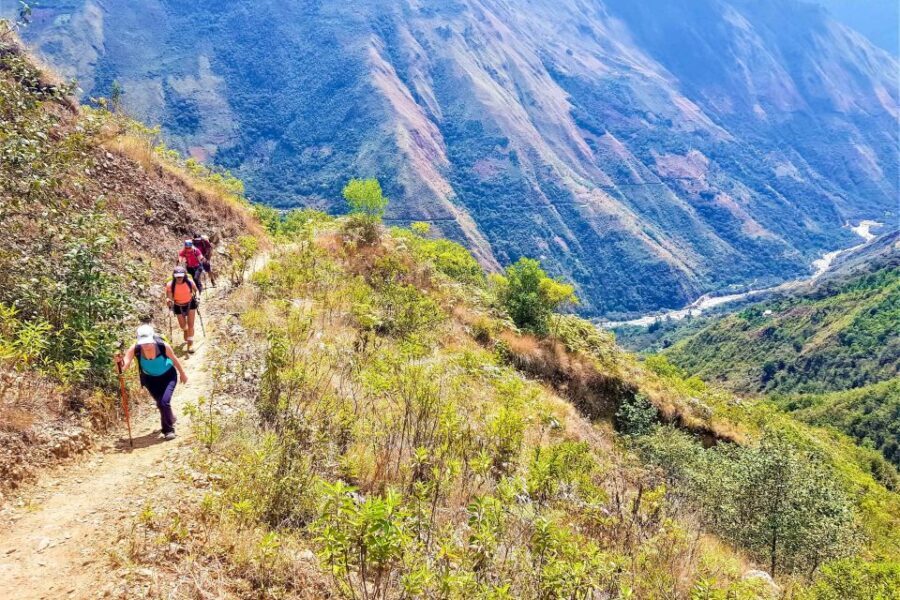
After that, you walk roughly 3 hours along the railway and Urubamba River toward Aguas Calientes. This stretch is different from mountain hiking: you’re moving through valleys with more steady sightlines, and it’s often easier on the legs even if the distance still adds up.
Along the way, there’s a stop at Mandor Botanical Gardens, known for birdlife and orchids. If you like nature that’s close to the human scale, it’s a good pause before the next big stop.
Then you check into a 3-star hotel in Aguas Calientes. That hotel night is more than a base: it lets you recharge for Machu Picchu sunrise. In the evening, you can explore the town or go to the hot springs, which is one of the easiest ways to feel human again after trekking.
A few more Cusco tours and experiences worth a look
Machu Picchu Sunrise and the Guided Tour That Gets You Oriented Fast
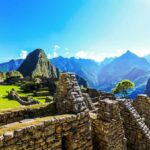
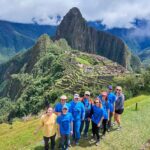
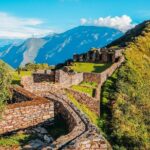
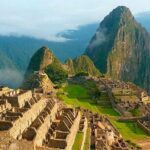
Machu Picchu day is set up to maximize the first moments. You’ll take one of the first buses to get sunrise views, then enjoy a guided citadel tour lasting about 2–3 hours. The guide part matters here: Machu Picchu is complex, and a good orientation helps you connect the buildings to the terrain and the original Inca logic.
After the guided tour, you can explore on your own. If you’ve booked ahead, you can hike Huayna Picchu or Machu Picchu Mountain. If you haven’t booked, you’ll still have plenty to do on the main circuit, but you’ll be choosing between “wander time” and “extra altitude” based on your schedule.
In most trips, you’re walking around in circles. Here, the pacing feels more natural because Day 3 set your expectation. You already saw it from Llactapata, so the scale hits differently.
After your visit, you return to Aguas Calientes for lunch, then transition back toward Cusco by train.
Panoramic Vistadome or 360° Train Back to Cusco: Rest With Views
The return train is either Panoramic Vistadome or 360°, and it’s a smart choice after four days of walking. You board in Aguas Calientes, and the route brings you to Ollantaytambo. Then you’ll take a private van back to Cusco, arriving around 7:30 p.m.
This part matters for value and comfort. You’re paying for a full package, and the train gives you a reward that doesn’t require extra effort. It also reduces the chance that your last day feels like a scramble.
Food, Safety, and the Real Meaning of Included Meals
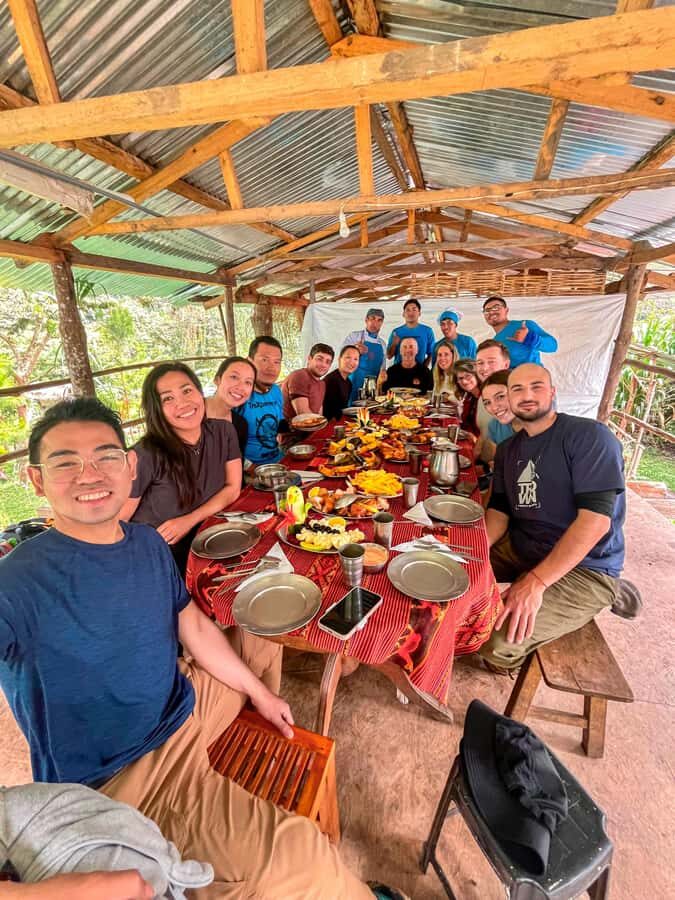
One of the biggest strengths of this tour is how meals are handled. You get 4 breakfasts, 3 lunches, 3 dinners, plus daily snacks and water. People also highlight that the food was better than what they expected, including in Aguas Calientes. That’s important: trekking food can be hit or miss, and here it sounds like the kitchen team treats every meal as a real event.
On the trail, there are also hot drinks and refills. When you’re at altitude and walking hard, clean hydration beats bravery. Having daily support for that can keep small issues from turning into big ones.
Safety is not treated as a pamphlet either. There’s a safety briefing, a professional guide, and support gear like a first-aid kit plus satellite phone and an oxygen tank. You still need to manage yourself—pace, hydration, and layers—but you’re not walking in a vacuum.
Price and Value: Is $655 a Fair Deal?
At $655 per person for 5 days, you’re not just buying entrance tickets and a view. You’re paying for the whole “working package”: guide, safety resources, accommodations across different styles (glamping, camping, huts, hotel), and a logistics engine (duffel bag up to 7 kg, plus muleteers for camping gear).
The value also comes from the included cultural stops: Pachamanca, a coffee farm experience, and guided orientation at Machu Picchu. If you tried to piece that together yourself, you’d spend time coordinating permits, transfers, transport timing, and meals while still needing a guide to make Machu Picchu feel coherent.
Could it cost less if you DIY it? Possibly. But DIY often costs you energy and mistakes. Here, the structure is doing work for you so you can enjoy the challenge rather than wrestle logistics.
What You Need to Bring (And What Will Get In the Way)
Your must-haves are mostly about comfort and practicality. Bring:
- Passport (required for tickets)
- Comfortable hiking shoes plus sun protection (hat, sunglasses, sunscreen)
- Rain gear (weather can shift fast at elevation)
- Sunglasses and a camera (you’ll use them)
- Insect repellent and basic toiletries
- Cash (Peru is easier with it)
Pack size matters. The trip recommends a lightweight backpack no larger than 25L, because larger bags can’t be taken into Machu Picchu. You’ll also have a duffel bag limit for trekking gear (up to 7 kg / 11 lb), with muleteers handling the bulk.
Optional rentals (if you don’t bring them) include sleeping bag, inflatable mattress, and trekking poles. Since sleeping pads and basic bedding gear are provided, you might still want to rent extras only if you know you run cold or need extra padding.
A small, honest tip: bring a head torch. Early mornings plus dim campsites make it useful.
Pacing, Altitude, and Who This Trek Fits Best
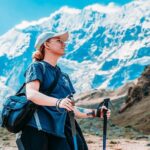
This isn’t a short hike. It’s built for people who can walk daily and handle uneven terrain. One key clue from the way the trip is described by participants is that it suits casual hikers who are comfortable around 25 km walking days. If you’re used to long walks, you’ll likely find the pace challenging but doable.
But it’s not for everyone. The tour is explicitly not suitable for:
- Pregnant women
- People with back problems or heart problems
- People with mobility impairments or wheelchair users
Altitude is the other deciding factor. Day 1 and Day 2 are the heavy hitters, with Humantay Lake at about 4,200 m and the pass at 4,630 m. If you’ve had altitude sickness before, plan for it. Start slower than you think you need to, hydrate, and keep warm layers accessible.
Should You Book This Salkantay Trek to Machu Picchu?
I’d book this if you want the full arc: big mountain views, real cultural meals, and a Machu Picchu visit that starts with sunrise and ends with rail comfort. The mix of glamping on Day 1, huts on Day 2, and camping at Llactapata makes it feel like a guided adventure, not a roughing-it experiment.
I’d skip it if you’re trying to avoid altitude pressure, need accessible terrain, or want a purely relaxing vacation. This trek asks your legs to work. The payoff is that you’re not rushing through Peru—you’re passing through it, step by step.
If you’re on the fence, my decision rule is simple: if you can handle early starts, changing elevation, and long days of walking, you’ll likely love how this route makes Machu Picchu feel earned.
FAQ
How long is the trek and what dates does it run?
It runs for 5 days. Starting times vary by availability, so you’ll need to check current options when booking.
Where do I sleep during the 5 days?
You’ll have 2 nights camping, 1 night glamping on the Salkantay route, and 1 night in a 3-star hotel in Aguas Calientes.
Is a sleeping bag included?
A sleeping bag is not included. You can rent one if you need it.
What train options are used to return to Cusco?
You return on either the Panoramic Vistadome train or the 360° train, followed by a private van back to Cusco (around 7:30 p.m.).
Do I need to book Huayna Picchu or Machu Picchu Mountain in advance?
Yes. Both the Huayna Picchu Mountain pass and the Machu Picchu Mountain pass must be booked in advance.
How big can my backpack be for Machu Picchu?
It’s recommended to bring a lightweight backpack no larger than 25L, because bigger bags can’t be taken into Machu Picchu.
How many people are in the group?
This is a small group limited to 16 participants. You’ll travel with a professional guide (Spanish and English are available).