REVIEW · CUSCO
Ultimate Lares Trek & Inca Trail 5 days
Book on Viator →Operated by TreXperience · Bookable on Viator
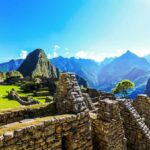
There are fewer crowds, more sky, more life. This 5-day Ultimate Lares Trek & Inca Trail combo trades the busiest routes for a calmer Lares path to UNESCO-listed Machu Picchu. I especially love the Lares hot springs soak on Day 1, because it feels like a reset button before the hiking starts.
My second favorite part is the way this itinerary mixes trekking days with a couple of nights in comfortable hotels, so you’re not camping every single night. The main thing to consider is that Day 2 climbs to Condor Pass (4700 m) and includes a tough 3-hour descent, so you’ll want steady legs and smart pacing.
In This Review
- Key things that make this trek different
- Why the Lares route feels like Peru, not a theme park
- Price and what you really get for $980
- Getting ready: altitude, pace, and what to pack
- Day 1: Hot springs, Kiswarani village, and a camp by a blue lake
- Day 2: Condor Pass (4700 m), Cancha Cancha, and the feeling of time slowing down
- Day 3: Into the Sacred Valley flow—villages, Huaran, Ollantaytambo streets
- Day 4: Chachabamba, Wiñay Huayna, Sun Gate, then an evening that feels almost empty
- Day 5: Early buses, a guided walk, and options if your knees cooperate
- The team and food: why so many reviews focus there
- Crowds vs. quiet: how this itinerary changes your Machu Picchu day
- Who this trek suits best
- Should you book the Ultimate Lares Trek & Inca Trail?
- FAQ
- How early does the tour start?
- What’s the difficulty like across the 5 days?
- Are meals included?
- Is Machu Picchu admission included?
- Do you camp, or is it mostly hotels?
- How many people are in the group?
Key things that make this trek different
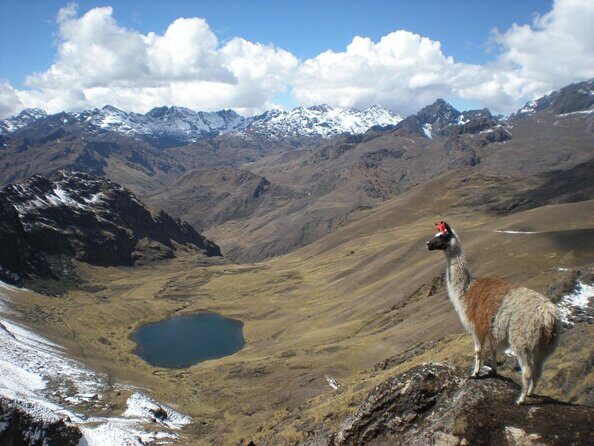
- Lares is the quieter approach: fewer crowds than the classic, more famous routes to Machu Picchu
- Hot springs on Day 1: medicinal pools across different temperatures to ease your body before the first climb
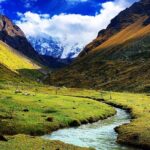
- Condor Pass on Day 2: high-altitude walking paired with a long, scenic descent
- Remote Quechua valley time on Day 2: Cancha Cancha is described as cut off from modern tech and cell service
- Machu Picchu timing that helps you feel breathing room: you arrive when the city is more lightly visited, and you also get an early-bus sunrise option on Day 5
- A strong team focus: guides and chefs are a big deal here, with many reviews singling out support, food, and local storytelling
Why the Lares route feels like Peru, not a theme park
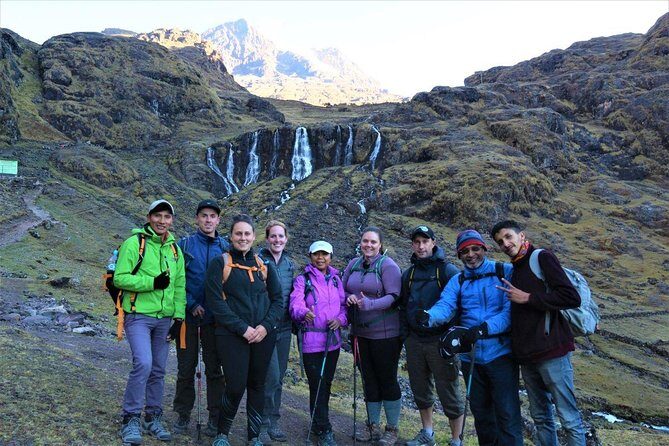
If you’ve ever felt like parts of Peru are fun-but-fast and slightly impersonal, the Lares side of this tour helps fix that. You trade the busiest approach for a trek that’s described as peaceful through Peruvian wilderness, small villages, and working farmland communities you can actually talk to.
You’ll also feel the difference in how the days are paced. Even when the trek gets harder, the rhythm stays human: tea waiting after you arrive at camp, clear guidance about what’s next, and lots of time outdoors to look around and not just survive the next bend.
You can also read our reviews of more hiking tours in Cusco

Price and what you really get for $980
At $980 per person for about 5 days, the big question is value: are you buying logistics, or just buying walking? Here, you’re paying for a lot that would be hard to assemble yourself—transport from downtown Cusco, organized trekking support, camp gear, and then the train-and-bus flow into Machu Picchu and back.
You also get a practical benefit: your trek packing gets lightened with a duffle bag up to 7 kilos carried by horse. That matters when your goal is enjoying the hike instead of fighting your load.
On the food side, this tour is noticeably well-regarded. Multiple reviews mention full, satisfying meals (and at least one birthday cake made in camp), plus chefs who can cook to a high standard even in remote settings.
Getting ready: altitude, pace, and what to pack
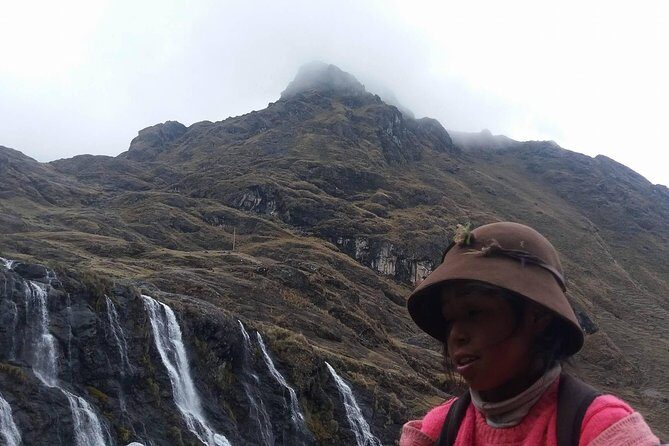
This itinerary is not a gentle stroll. It includes easy trekking segments early on, then a tougher Day 2 with the walk up to Condor Pass (4700 m) and a longer hiking block afterward.
The altitude is real: camps sit around 3750 m, you hit 4700 m at the pass, and you’re still in the 2700 m area on Day 3 before moving to Ollantaytambo and onward. That means you should plan for slower movement, steady breathing, and plenty of water.
Packing guidance isn’t fully specified, but you can count on the big system: horse carry for up to 7 kg in a duffle. Optional items like a mattress, sleeping bag, or trekking poles may be offered, but you’ll likely want to bring your trekking poles if you use them for knee support—especially because some routes toward Machu Picchu add stairs and steep sections.
Day 1: Hot springs, Kiswarani village, and a camp by a blue lake
Day 1 starts early—meeting time is listed at 4:30 am, and the itinerary notes hotel pickup around 5:30 am so you can reach the Sacred Valley area and arrive at the hot springs around 8:00 am. That early start is the trade-off for a relaxed first climb later in the day.
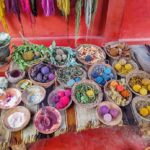
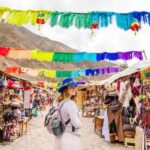
You’ll visit local market stops in the Sacred Valley area, then go straight into the Lares thermo-medicinal baths. The pools are at different temperatures, and the tour frames them as helpful for bones, muscles, stress, and headaches. Even if you’re skeptical of the claims, the practical value is clear: you’re warming up your body before hiking, and you’re starting the trip in a calmer mood.
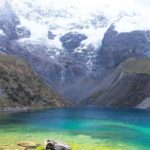
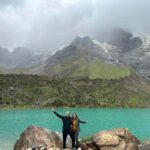
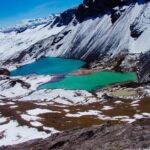
After breakfast, the day becomes trekking time: about 2 hours uphill to Kiswarani village, then another 2 hours to camp. Your campsite is around 3750 m, near a scenic blue lake, with a hot cup of tea waiting when you arrive.
There’s also a nice cultural touch here: you can relax, stargaze, and learn about Inca astronomy. This is the kind of detail that turns Day 1 from just transportation into an experience with atmosphere.
Day 2: Condor Pass (4700 m), Cancha Cancha, and the feeling of time slowing down
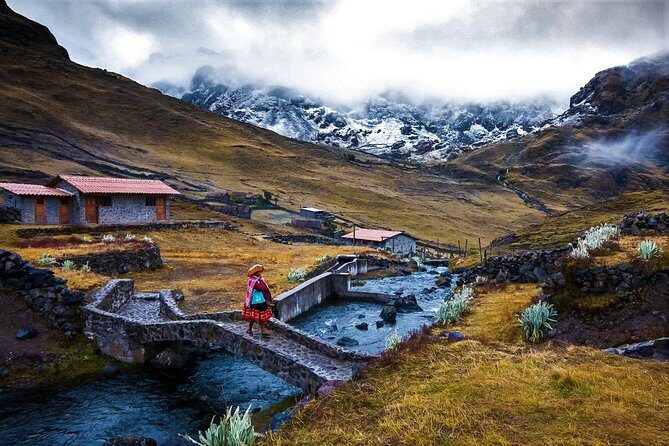
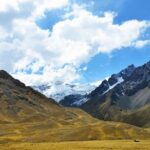
Day 2 is your main test day. After waking up with hot drinks in your tent, you hike about 4 hours uphill to Condor Pass (4700 m). At the summit, you get time to explore before starting a roughly 3-hour descent through dramatic scenery.
The key emotional payoff is how remote this feels. The campsite is in Cancha Cancha at around 3750 m, described as the only village in the Lares Valley without modern technology—no electricity, computers, internet, or cellphone service, and speakers who use Quechua. That’s not just a fun fact; it changes how the day feels. You’re more present, less distracted, and more able to notice people living everyday life in the Andes.
The trekking distance is listed at about 16 km and the duration is longer, so take the pass seriously. Go slow on the climb. If you rush it, you’ll pay later on the descent.
Dinner in camp comes after you’ve settled in, and the night is a proper reset. This is also one of the days where the team’s work shows: you arrive tired, and camp logistics are set up so you can focus on rest instead of problems.
A few more Cusco tours and experiences worth a look
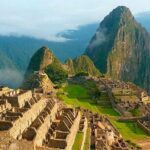
Day 3: Into the Sacred Valley flow—villages, Huaran, Ollantaytambo streets
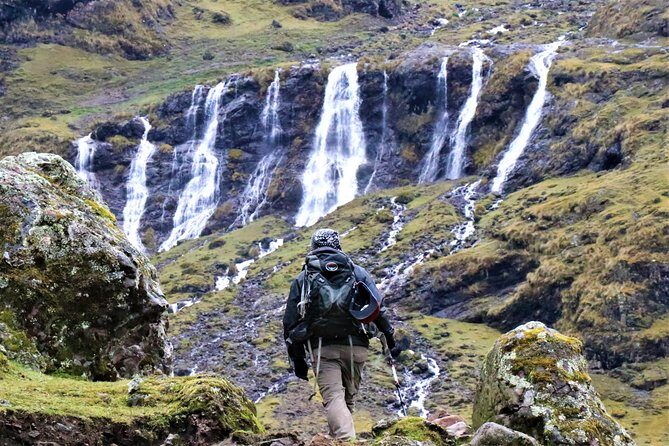
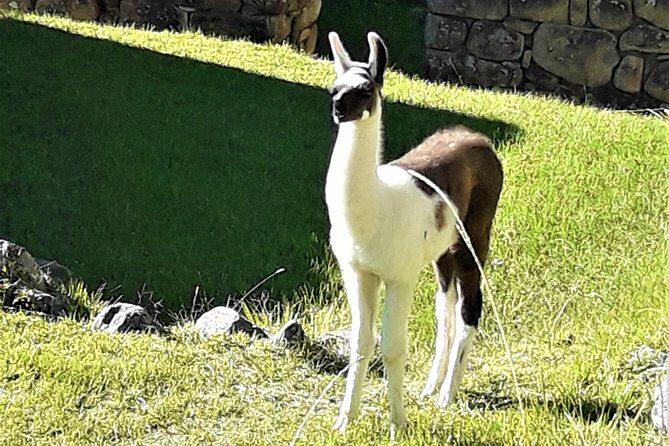
Day 3 shifts from trekking to a cultural transition. You start by waking in a village setting with animals nearby—llamas and alpacas are specifically noted—and after breakfast you trek downhill for about 4 hours.
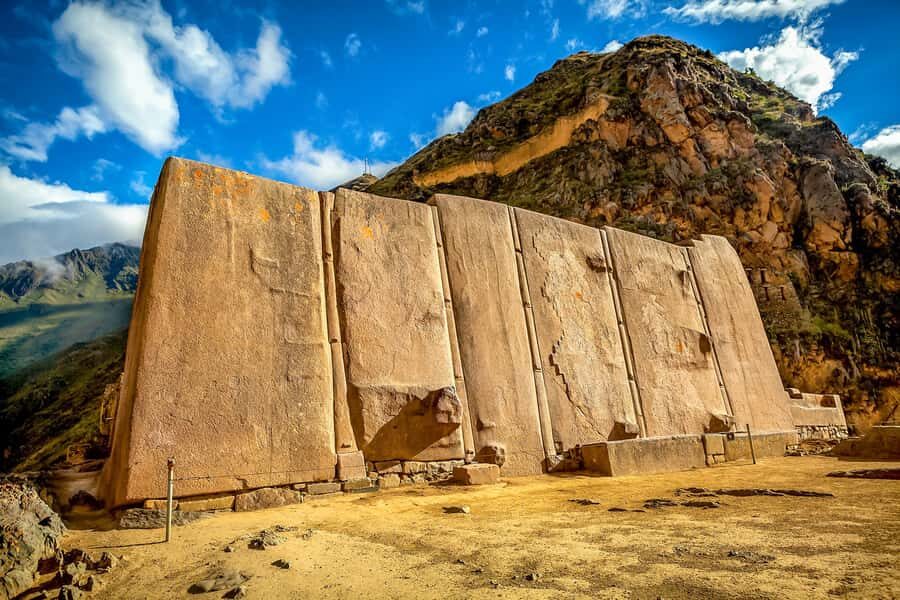
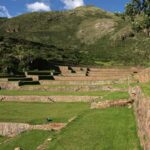
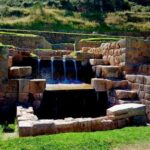
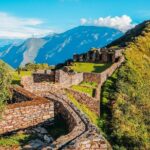
The tour says the trekking concludes in a small town called Huaran (around 2700 m). Then you transfer by private bus to Salineras and Ollantaytambo, with time to explore Ollantaytambo’s Inca streets and the water channel described as still in use since Inca times.
This day ends with dinner at a local restaurant in Ollantaytambo and an overnight in a hotel. That hotel night is a real upgrade after two camping days, and it’s also practical: your legs need recovery before Machu Picchu.
Why I think this day works so well: it keeps you moving, but it doesn’t punish you with more altitude stress. You’re letting your body catch up while you get the in-between history and architecture that make the Machu Picchu finale feel earned.
Day 4: Chachabamba, Wiñay Huayna, Sun Gate, then an evening that feels almost empty
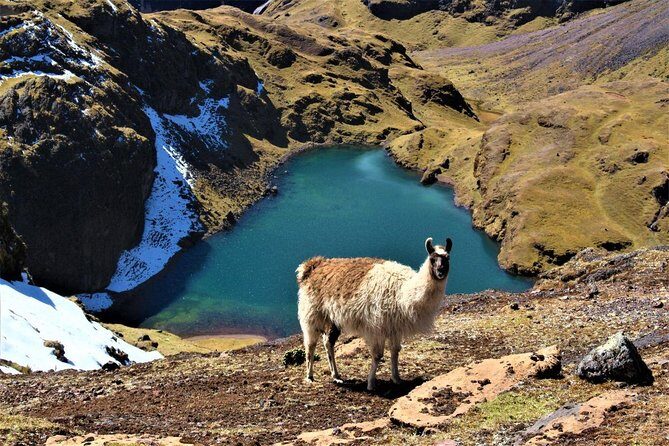
Day 4 is the classic Machu Picchu excitement day, but with an itinerary that’s designed to help you avoid peak crowd crush. You head from your hotel around 6:00 am to the train station, then ride the train about 1.5 hours from Ollantaytambo to km 104 (Chachabamba).
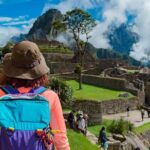
From there, you hike. Your first major stop is an Inca ruin called Chachabamba, then you continue for around 4 hours to Wiñay Huayna. The tour includes a packed lunch and refreshments during this walking block.
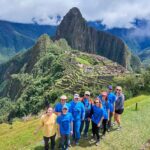
After Wiñay Huayna, you continue toward the Sun Gate to catch your first big glimpse of Machu Picchu. From the Sun Gate, it’s about 1 hour downhill into the city.
One standout detail: you arrive in the afternoon, which the itinerary says gives you the chance to experience Machu Picchu with fewer people. That’s a huge quality-of-life difference. You’re not standing in a wall of bodies the entire time.
Later you take the bus down to Aguas Calientes, eat dinner, and sleep in a hotel—another helpful cushion before Day 5.
Day 5: Early buses, a guided walk, and options if your knees cooperate
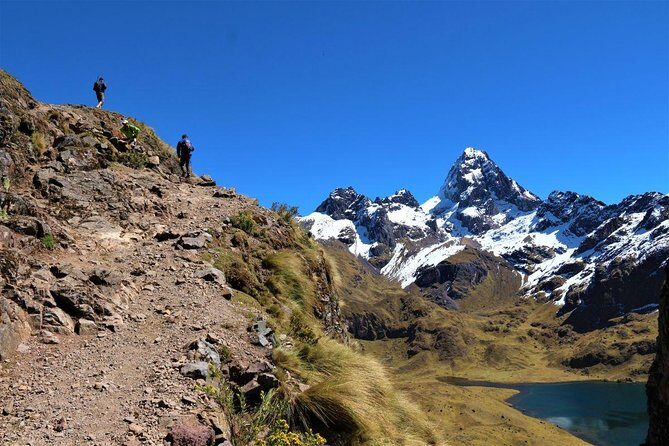
Your final day starts very early again. You wake up, have breakfast, and take early buses up to the citadel. On a clear day, you can see sunrise over Machu Picchu.
Your guide then runs a 2 to 3 hour guided tour of the city. After that, you’re free to explore on your own or climb Huayna Picchu or Montaña—tickets for those need to be booked far in advance.
Important practical note: at least one reviewer flagged that the Machu Picchu-related add-ons involve lots of stairs. If you have ankle or knee trouble, this is where you should be honest with yourself.
After your time on-site, the guide explains how to get the bus back to Aguas Calientes for lunch (not included), then you ride the Panoramic train and bus back to Cusco. The team meets you off the train and returns you safely to your hotel.
The team and food: why so many reviews focus there
On a trek like this, the guide and chef are not extras. They’re the difference between a slog and a trip you remember fondly.
You’ll see repeated praise for guide support and English clarity in multiple reviews—people mention feeling safe, cared for, and pushed in a helpful way. Named guides show up often, including Anthony, Gilbert, Elias, Sara, Manolo, Rosmel, Eddy, Jason, and Miguel. Different names, same theme: local stories, good pacing reminders, and guidance that reduces stress when altitude or fatigue hits.
Chefs get similar love. Reviews name Augusto, Tiburcio, Oscar, Vidal, and Paulino (plus assistants like Andreas and Beto). One review describes being well-fed every meal and even leaving camp a few kilograms heavier—plus a chef making a full-on cake in camping conditions for a birthday. Another reviewer talked about meal variety and how there wasn’t a dish they didn’t enjoy.
Logistics support also matters. Horsemen and porter help show up in reviews with names like Toribio, Gregorio, and L’andros, with attention to how well equipment and animals are managed. One person specifically mentioned that leftovers were handled in a way that supported locals, including minimizing waste. That’s not just a feel-good story; it hints at how responsibly the camp is run.
Crowds vs. quiet: how this itinerary changes your Machu Picchu day
You’re still doing Machu Picchu, which means there will be people. But this plan tries to give you breathing room in two ways.
First, it starts with a quieter approach in the Andes using the Lares route, so your hiking days don’t feel like a line march. Second, the structure around Machu Picchu timing matters. You’re set up for an afternoon arrival on Day 4 (so you can explore when it’s not at its absolute busiest), and you also have the early bus sunrise experience on Day 5 if weather cooperates.
If you hate fighting crowds, this is the kind of scheduling detail that can make the difference between enjoying ruins and just feeling crowded inside them.
Who this trek suits best
This is best for you if you want a real trek through mountain villages, not just a guided bus-to-viewpoint circuit. You’ll like it if you’re excited by smaller, quieter days and you care about culture—especially Quechua language and local village life in the Lares Valley.
It also fits couples and solo travelers well. Reviews mention solo female travelers feeling safe and well cared for, and the team being responsive when someone struggles on the hike.
If you’re traveling with teens, the itinerary can work too, but with an honest look at the tougher day. Day 2 is the one to plan for physically, and it’s the day where pacing and rest matter most.
Should you book the Ultimate Lares Trek & Inca Trail?
I’d book it if you want Machu Picchu, but you also want your Andes days to feel calm and human. This itinerary has a strong balance: hot springs and scenic camp views early, a real high pass challenge on Day 2, then a smoother transition into Inca towns and Machu Picchu with helpful hotel nights.
Book with confidence if food, team support, and a well-run trek matter to you. The named guides and chefs showing up repeatedly in reviews are a good sign that the experience isn’t being left to chance.
The main reason to hesitate is physical readiness for Day 2 and the stair-heavy options some people add around Machu Picchu. If your knees are sensitive, plan your decisions carefully before you climb for extra viewpoints.
FAQ
How early does the tour start?
The meeting point time is listed as 4:30 am. The itinerary also notes hotel pickup around 5:30 am so you can reach the Sacred Valley area and arrive at the hot springs around 8:00 am.
What’s the difficulty like across the 5 days?
Day 1 is marked easy, while Day 2 is moderate to challenging with the highest point at Condor Pass (4700 m). Day 3 and most of the rest of the walking blocks are described as easier compared with Day 2.
Are meals included?
Yes. Breakfast is included for all 5 days, and lunch and dinner are included during the trekking days (lunch and dinner are listed for Day 1, Day 2, and Day 3; dinners and breakfasts are also included as specified).
Is Machu Picchu admission included?
Machu Picchu entrance is listed as included in the tour days. Optional add-on tickets for Huayna Picchu (Wayna Picchu) or Montaña are not included and need to be booked in advance.
Do you camp, or is it mostly hotels?
You’ll camp for 2 nights in the mountains (Days 1 and 2) and sleep in hotels for 2 nights in Ollantaytambo and Aguas Calientes (Days 3 and 4).
How many people are in the group?
The tour states a maximum group size of 12 travelers.