REVIEW · CUSCO
Salkantay Trek To Machu Picchu 5 Days And 4 Nights
Book on Viator →Operated by Action Peru Treks · Bookable on Viator
High-altitude views start before sunrise. This Salkantay trek to Machu Picchu mixes bilingual guide support with real camp comfort (tents with mattresses and pillows), so you’re not trying to figure out logistics while your legs negotiate altitude. I like the small group size (up to 16) because it keeps you from feeling lost in the shuffle, and the whole plan runs on clear pacing from the Humantay Lake side trip to the big high point at the Salkantay pass (15,252 ft). The main drawback to plan for is the early start (pickup around 4:30 am) and the fact that day 2 includes serious elevation, even if the later days feel more relaxed.
What makes this route special is the blend of ecosystems. You’ll move from high Andean passes and glacial-lake scenery to rain-forest trails, then finish with a guided walk inside Machu Picchu. I also appreciate that the crew does the heavy lifting: tents, dining setup, toilets, and cooking gear go with the wranglers and horses, and you carry only a lighter load (the horse carries up to 8 kg of your personal belongings). Still, you should bring a realistic mindset: this is a hiking trek, not a stroll, and you’ll want good boots and proper layers.
If you’re the type who likes your adventure organized—routes, meals, and timing handled—this feels like a great fit. You get the freedom to focus on the hike and the views, without spending days planning. Just be sure you’re ready for cold mornings and altitude on the first couple days.
In This Review
- Quick hits before you hike the Salkantay-to-Machu Picchu route
- Why the Salkantay route to Machu Picchu feels like more than a ticket
- Day 1: Humantay Lake, early pickup, and Soraypampa views
- Day 2: The Salkantay Pass at 15,252 ft and the descent to Colpapampa
- Day 3: Santa Teresa river trails, waterfall time, and coffee at Lucmabamba
- Day 4: Llactapata ruins, first Machu Picchu views, and the train to Aguas Calientes
- Day 5: Guided Machu Picchu, optional Huayna Picchu, and the ride back to Cusco
- Camps, food, and the support team behind the scenes
- Price and packing checklist for this $690 trek
- Who should book this trek (and who might want a different style)
- Should you book Salkantay to Machu Picchu with Action Peru Treks?
- FAQ
- What time does the trek start?
- Is hotel pickup included?
- How big is the group?
- What is the highest point on the route?
- Are tents and bedding included?
- Do I need to bring a sleeping bag?
- Is the Huayna Picchu climb included?
- What are the main items not included in the price?
- Can I cancel for a full refund?
Quick hits before you hike the Salkantay-to-Machu Picchu route
- Humantay Lake off the start: a 2-hour excursion that makes day 1 feel like a warm-up with payoff.
- Salkantay Pass at 15,252 ft: a huge altitude moment plus an Inca-culture offering at the top.
- Day 3 rain-forest hiking by the Santa Teresa river: gentler pacing plus waterfall scenery.
- Coffee plantation visit at Lucmabamba: a real taste of local life, right after a hike.
- Llactapata ruins early-to-mid day: your first far-off view of Machu Picchu from the ruins area.
- Camping comfort included: tents for two, plus mattress and pillow, and even hot water for washing.
Why the Salkantay route to Machu Picchu feels like more than a ticket
This is one of those treks where the scenery changes so much that you stay mentally engaged. Early on, you’re dealing with high Andean air and big mountain shapes around Humantay and Salkantay. Then, by day 3, the trails shift into a rain-forest vibe along the Santa Teresa river, where the hike feels less about conquering height and more about moving steadily through a living, green corridor.
The other reason this feels worthwhile is the way the support is built into the trek. You’re not just buying a route; you’re buying the systems that make a 5-day hike possible: a bilingual guide team, a chef crew, horses for equipment, tents with real comfort, and daily water replenishment. It’s the difference between feeling like you’re camping and feeling like someone has set up camp for you—so your job is simply to show up, walk, and take in what’s around you.
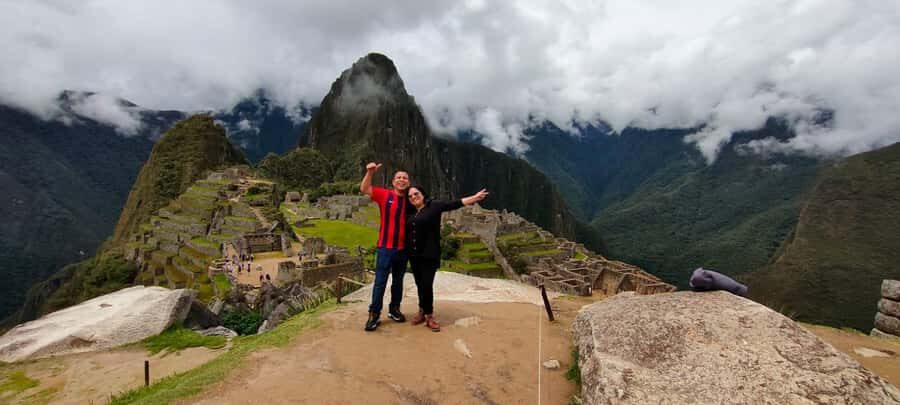
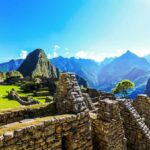
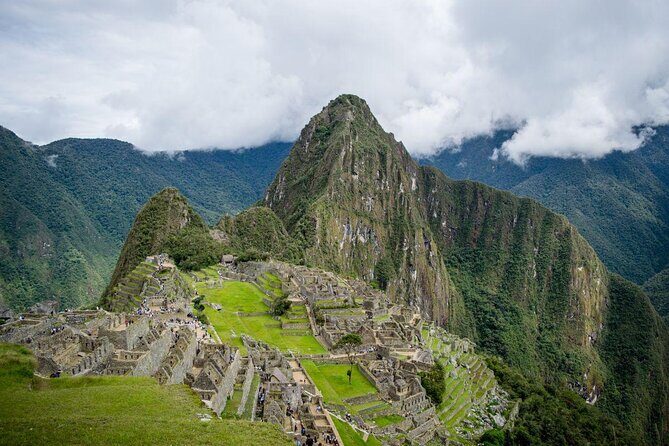
You’ll also get two different “Machu Picchu moments.” First, you’ll spot it from Llactapata in the distance. Then, on day 5, you’ll be inside Machu Picchu with a guided walking tour.
You can also read our reviews of more hiking tours in Cusco
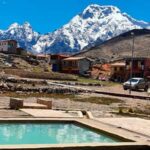
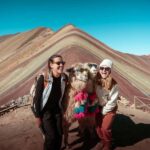
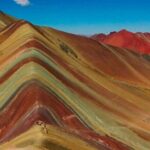
Day 1: Humantay Lake, early pickup, and Soraypampa views
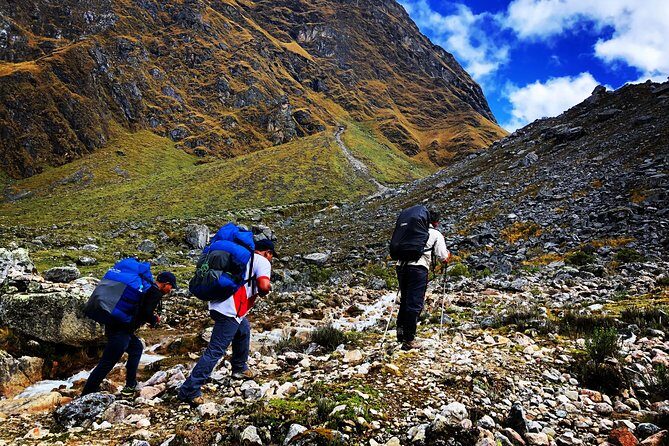
Day 1 starts early—pickup from your Cusco hotel area is built into the schedule, and the start time is listed as 4:30 am. The first stretch is a scenic drive: about 3 hours to Mollepata, then a shorter hop (around 1 hour 45 minutes) to the Soraypampa trail start. On the way, you get your first proper looks at the Salkantay and Humantay mountains, which is great because it sets the tone before you even lace up.
At Mollepata, breakfast is at a local house. That matters more than you might think: it’s not a quick stop, and it puts you on the trail fueled with something practical. After breakfast, you roll forward to Soraypampa (12,467 ft). This is where you meet the support staff and see the logistics click into place—gear gets loaded onto horses so you’re not dragging equipment uphill.
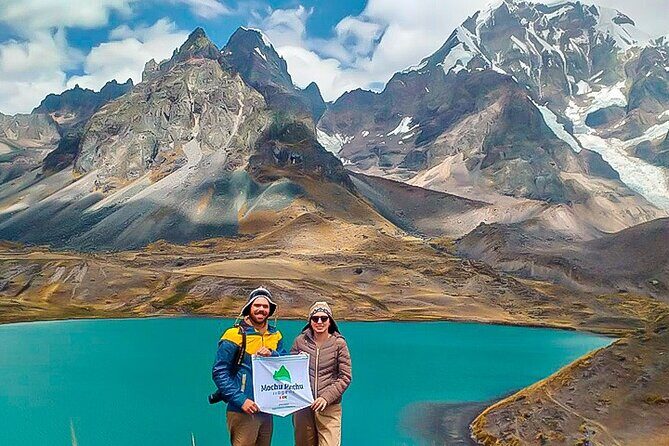
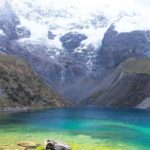
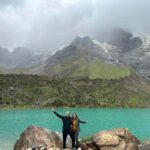
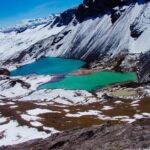
Then comes the Humantay Lake excursion. It’s listed as about 2 hours. Expect it to feel like a payoff hike—stunning views, a cold-weather lake setting, and enough time to soak it in without turning day 1 into a full endurance contest.
The day continues after Humantay back at the trailhead. You’ll be outside for about 6 hours total, so bring layers and plan for changing conditions: sunny at the start, cooler near the water, and often windier than you’d guess.
Practical tip: if you’re sensitive to altitude, keep your pace easy on day 1. You’re not trying to win the trek on day 1—you’re trying to arrive at the pass day still feeling steady.
Day 2: The Salkantay Pass at 15,252 ft and the descent to Colpapampa
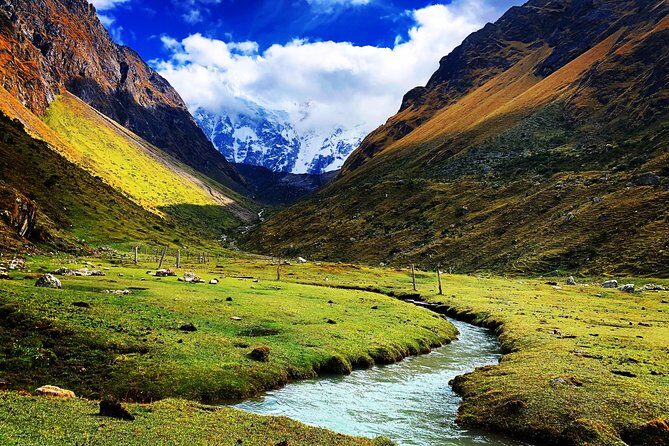
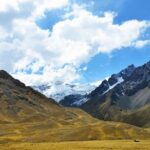
Day 2 is the big one. You’ll start with breakfast, then begin with an uphill push for about 1 hour to the Salkantay pass, which peaks at 15,252 ft. Even if you’re hiking steadily, this is the point where your breathing will get louder and slower. That’s why the route builds in a ceremony at the top: you’ll make an offering to Salkantay and get context about Inca culture and why this location is revered.
After the pass, the day turns downhill. You have about 2 hours down to Huayrac (12,464 ft) for lunch. Then you go further downhill for around 4 hours until you reach camp at Colpapampa (10,170 ft). This is where the trek becomes a leg-management game. Downhill can feel easier mentally, but it can be harder on knees and ankles.
What I like about this design is the structure: you get a defined high point, a solid lunch stop, then a controlled long descent to camp. That beats the common problem of hikes that keep raising the stakes without recovery.
If you’re nervous about steep descents, add trekking poles to your packing plan. They aren’t included, but they’re recommended (and can be rented through the operator). The worst feeling isn’t the altitude—it’s slipping your way down when your body is already tired.
Day 3: Santa Teresa river trails, waterfall time, and coffee at Lucmabamba
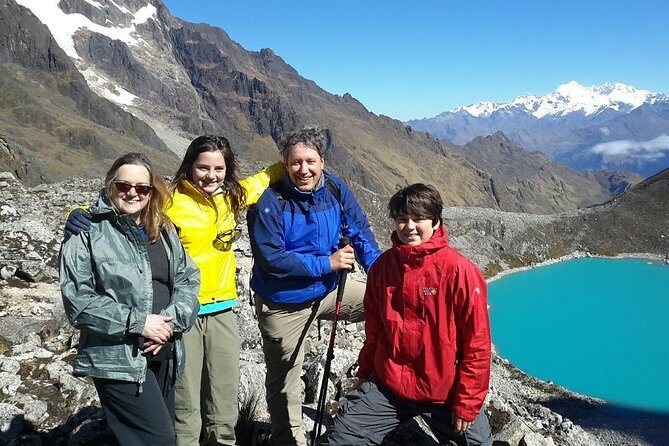
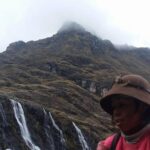
Day 3 is the “you can breathe a bit” day. You’ll have breakfast, then hike around 6 hours on gentler up-and-down segments. The big change is the environment. The route follows the path of the Santa Teresa river and takes you through rain forest. You’ll also see the most beautiful waterfall along the trek, based on the route description.
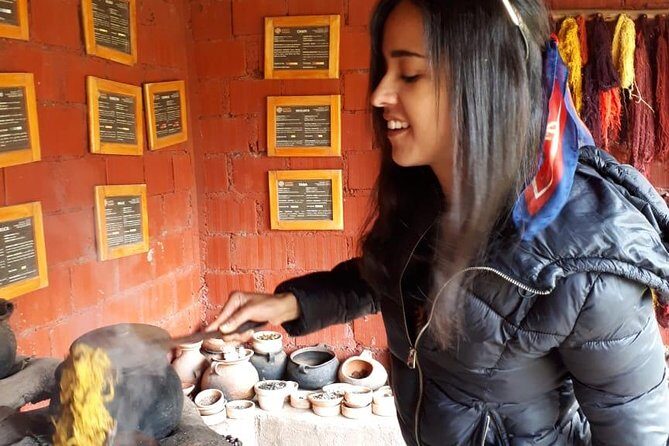
A key timing detail: you reach Lucmabamba around noon. After lunch, you switch gears from outdoor scenery to local culture with a coffee plantation tour right at or near the campsite area. This isn’t a random add-on. It’s timed like a reward: you’ve earned it with the hiking, and then you get a closer look at how coffee is grown and prepared in the region.
Dinner and camp life take over again after the coffee portion. This is also one of those days where the pace feels more human. You’re still trekking, but you’re not constantly wrestling for altitude.
Tip: expect it to feel warmer and more humid than higher elevations. Bring a rain jacket even if the forecast looks friendly—rain forest weather can change fast.
Day 4: Llactapata ruins, first Machu Picchu views, and the train to Aguas Calientes
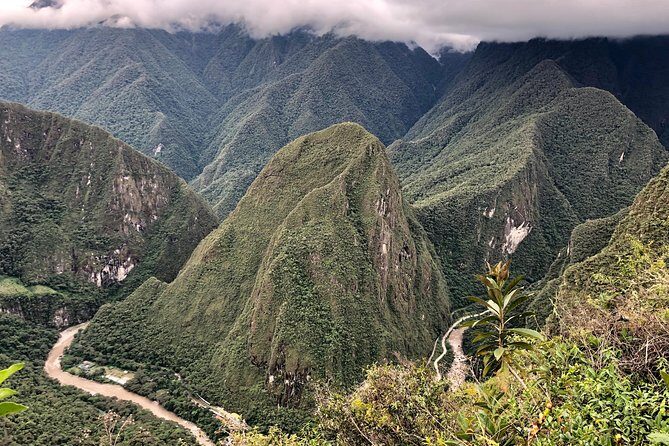
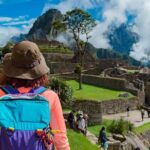
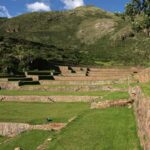
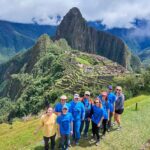
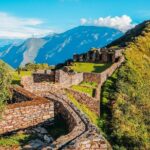
You’ll wake early for breakfast. Today starts with a moderate 3.5-hour climb through rain forest to the Llactapata ruin area (8,856 ft). This is where you get your first view of Machu Picchu in the far distance, which is one of those moments that makes the whole trek feel real. You’re not yet walking the stones—now you’re seeing what you came for.
From there, you get a thorough tour of the Llactapata ruins. Then the day becomes travel plus hiking segments: a 2.5-hour descent to Hydro, where lunch is served.
At 3:00 pm, you board the train to Aguas Calientes. That train ride is a good break for legs that are still adjusting after several days of trekking. Once you arrive, you check into your hotel for night 4 (double occupancy is listed), and dinner is at a restaurant.
If you want the practical win from day 4, it’s this: you go from rain forest climbing to a warm bed with minimal stress. That sets you up for Machu Picchu day rather than burning you out the night before.
A few more Cusco tours and experiences worth a look
Day 5: Guided Machu Picchu, optional Huayna Picchu, and the ride back to Cusco
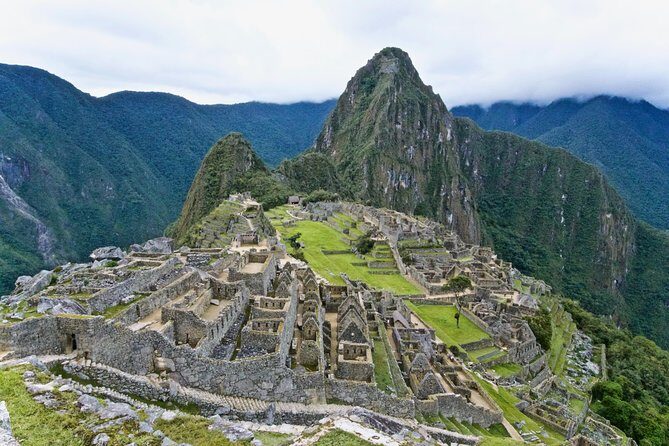
Day 5 starts with breakfast at your hotel in Aguas Calientes. Then you travel by bus up to Machu Picchu. Once you’re inside, you get a 2-hour walking tour of the site.
There’s also an optional choice: if you elected to climb Huayna Picchu, it’s scheduled to begin at 10:00 am, and it is not included in the package. If you skip the climb, you’ll still have time to explore on your own after the guided portion, and then return to Aguas Calientes.
Getting back to Cusco is handled with train and private transport. You board the train from Aguas Calientes to either Ollantaytambo or Poroy, then travel by private van to Cusco. It’s a clean finish: no guessing how to get from Machu Picchu back into the real world.
One thing to plan in your mind: day 5 is about fitting in the right amount of walking around the site, not pushing your trekking miles. If you feel your energy dropping, take the slower route through the ruins and save your legs for the train.
Camps, food, and the support team behind the scenes
The camp setup is one of the strongest parts of this trek, and you feel it from the first night. You’re provided with camping equipment and a full dining setup—tents with tables and chairs, plus a toilet tent with a portable toilet. Hot water is included for washing, and the route includes daily boiled and cold water so you can fill your water bottles.
Tents are listed as four-person tents for each two persons, plus mattress and pillow. That’s not luxury camping, but it’s a huge upgrade from the typical “camp in a sleeping bag on bare ground” feeling. Several guides and chef crews in past departures have been praised for serving multi-course meals—including three-course meals—so you’re not just eating to survive. You’re eating to keep walking.
Then there’s the crew muscle. You’ll have wranglers and horses carrying equipment like food, tents, and dining items. You also get a horse specifically for your personal belongings, up to 8 kg, plus a duffle bag to pack it. There’s even an emergency horse if it’s needed, which is a comfort you don’t notice until you’re tired and grateful.
Guide support is bilingual English-speaking, and the small group format helps you actually talk with the team while you’re on breaks. From the names that come up in past group experiences, you might encounter guides like Christian with support from Eddie or Ericsson, and in some cases other leaders such as Hipo or Dario. The consistent theme is that the guide adds context to what you’re seeing—plants, wildlife, and Inca connections—so the trek feels less like a hike through scenery and more like an education you can walk through.
Price and packing checklist for this $690 trek
Let’s talk value. At $690 per person, what you’re really paying for isn’t just the trail. You’re paying for the systems: transport from your hotel to Soraypampa on day 1, a bilingual guide, camp gear (including mattress and pillow), a chef team, horses for equipment, daily water, emergency medical supplies (including emergency oxygen and a medical kit), and then the finish logistics into Aguas Calientes and onward to Cusco via train and private transport.
A big part of your cost savings is that you don’t have to arrange most of that separately. If you tried to DIY a trek like this with proper camp staffing and gear, the effort and risk quickly add up.
Now, what you still need to budget for:
- Sleeping bag: not included, but you can rent one through the operator.
- Round-trip bus ticket to Machu Picchu: not included.
- Day 5 lunch in Aguas Calientes: not included.
- Tips for the crew: not included.
- Hiking poles: recommended; you can rent them.
For packing, stick to the practical list you’re given and then build around it:
- Footwear: trekking boots that work on steep descents.
- Layers: warm fleece, warm underwear, and a rain jacket for rain-forest days.
- Cold gear: gloves and a warm hat for higher elevations.
- Light essentials: head lamp (you’ll want it for early starts), sunglasses, sunscreen SPF 35+.
- Comfort helpers: toiletries, wet wipes, personal towel.
- Smart extras: binoculars and a camera with spare batteries (altitude drains batteries faster).
Also plan for the altitude reality on day 2. You’re going to be at 15,252 ft on the Salkantay pass. Even if you’re fit, pace matters more than speed. Take it slow on the climb, drink water regularly, and avoid the temptation to power through just because you feel okay at the start.
Who should book this trek (and who might want a different style)
This trek suits you if you want a challenging hike with strong support. If the idea of carrying camping gear makes you less excited than the idea of walking, this is built for you. The included camp setup and the horse carrying up to 8 kg of your belongings makes a big difference if you want to stay focused on the route and not the load.
It also fits you if you like learning while you hike. The route isn’t just moving from photo spot to photo spot; it includes an offering at the Salkantay pass, guided time at Llactapata ruins, and a guided walking tour at Machu Picchu.
Where you should be cautious is if you’re not comfortable with altitude. The pass day is serious, and day 1 starts early. The operator notes that you should have moderate physical fitness. If you’re unsure, choose a conservative approach: start training for inclines and practice pacing so day 2 doesn’t shock you.
Should you book Salkantay to Machu Picchu with Action Peru Treks?
I’d book this if you want the best of both worlds: an unforgettable Andes trek and a smooth transition into Machu Picchu, with camp comfort and real logistics handled. The biggest reasons are the included support (tents with mattresses and pillows, dining and toilet setup, hot water, oxygen and medical kit) and the fact that your schedule has structure—from Humantay Lake to the pass to the train to Aguas Calientes.
I’d think twice only if you want a totally rugged, self-managed trek. This one is more guided and more organized than that style. Also, if your priority is Machu Picchu alone and you’re not excited about multi-day hiking, you might feel the trek portion is the main event.
If you’re ready for early mornings, steep descents, and altitude, this is a solid value way to do one of Peru’s classic routes without turning your vacation into a planning project.
FAQ
What time does the trek start?
The experience start time is listed as 4:30 am, with pickup from your hotel on day 1.
Is hotel pickup included?
Yes. Pickup from your hotel and transportation to Soraypampa are included on day 1.
How big is the group?
This trek has a maximum of 16 travelers.
What is the highest point on the route?
The highest point is the Salkantay pass at 15,252 ft on day 2.
Are tents and bedding included?
Yes. You’ll have a tent setup for two (in shared tents) plus a mattress and pillow.
Do I need to bring a sleeping bag?
A sleeping bag is not included, but you can rent one from the operator if you don’t have it.
Is the Huayna Picchu climb included?
No. Huayna Picchu is optional and not included, with a 10:00 am start time if you choose it.
What are the main items not included in the price?
Not included: sleeping bag, day 5 lunch in Aguas Calientes, tips for the crew, hiking poles, and the round-trip bus ticket to Machu Picchu.
Can I cancel for a full refund?
Yes. You can cancel up to 24 hours in advance for a full refund. If you cancel less than 24 hours before the start time, the amount paid is not refunded.