REVIEW · IQUITOS
Iquitos: Monkey Island and Native Village Day Tour
Book on GetYourGuide →Operated by Viaja con Amaru Explorer · Bookable on GetYourGuide
Monkey Island is a wild reality check. You get Isla de los Monos for close, guided time with rescued monkeys, and you’ll have a live guide in English or Spanish to translate what’s going on. It’s the kind of day where you learn fast because the animals and their rehab story do the teaching.
I like the mix of wildlife and culture here. You’re not just watching from the shore; you’re learning about local customs, then seeing how sanctuary staff care for animals after rescue.
One possible drawback: you should confirm the exact Monkey Island stop and your drop-off point ahead of time, because operational details don’t always match the promise.
In This Review
- Key things to know before you go
- From Iquitos to the Port: How the day starts
- Cruising the Itaya and Amazon Rivers: The part you feel in your bones
- Native Village Visit: Culture, dance, and lunch in one stop
- Monkey Island (Isla Rolling): What “rescued and rehabilitated” really means
- Monkey interaction and feeding rules you should follow
- Guide quality makes the difference (Temu is a name to watch)
- Price and Logistics: Is $100 good value from Iquitos?
- What to bring: heat, sun, bugs, and camera time
- Who this tour is for (and who should skip it)
- Should you book the Iquitos Monkey Island and Native Village Day Tour?
- FAQ
- How long is the tour?
- What does the tour cost?
- Where are the pickup options in Iquitos?
- Will I be picked up from my hotel and dropped back there?
- Is lunch included?
- Is the guide available in English and Spanish?
- Can I feed the monkeys?
- What should I bring?
- Who shouldn’t take this tour?
- Is there free cancellation or a pay-later option?
Key things to know before you go
- Isla de los Monos is also called Isla Rolling, so don’t be thrown off if you see both names in messages or signage.
- You ride out by minibus, then boat on the Itaya and Amazon rivers, with plenty of river scenery in between.
- A native village stop includes a dance performance and a traditional lunch, not just a quick photo stop.
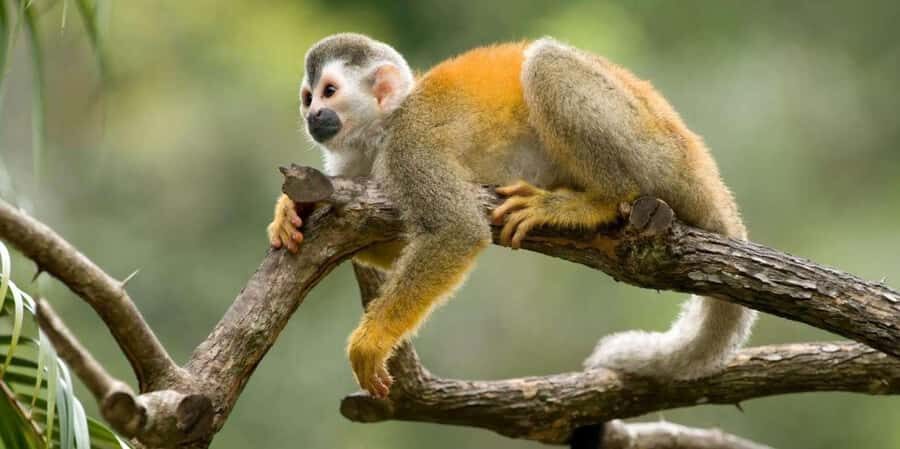
- Monkey Island is a rescue-and-rehab setting, focused on rescued monkeys and the sanctuary’s work.
- Animal interaction is supervised, and the rules are strict about feeding on your own.
- A guide named Temu stood out for clarity, and a good guide really changes how much you get out of the day.
From Iquitos to the Port: How the day starts
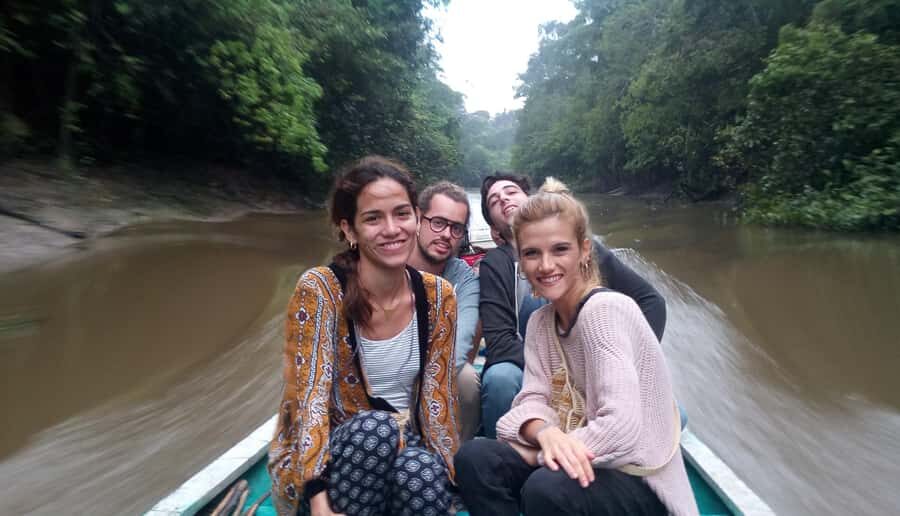
This is set up as a full-day outing from Iquitos. You’ll get pickup from your hotel in Iquitos (and pickup options can also be tied to the airport area), then head toward the port area via minibus.
Plan to be ready early. You’ll want to be in the lobby about 10 minutes before pickup, because the Amazon day moves on the schedule of boats and river traffic, not on tourist pacing.
A small reality check: the day includes both land time and boat time. If you’re sensitive to long sitting, bring comfort measures like a light layer and something to keep your legs happy during the transfer.
You can also read our reviews of more tours and experiences in Iquitos.
Cruising the Itaya and Amazon Rivers: The part you feel in your bones
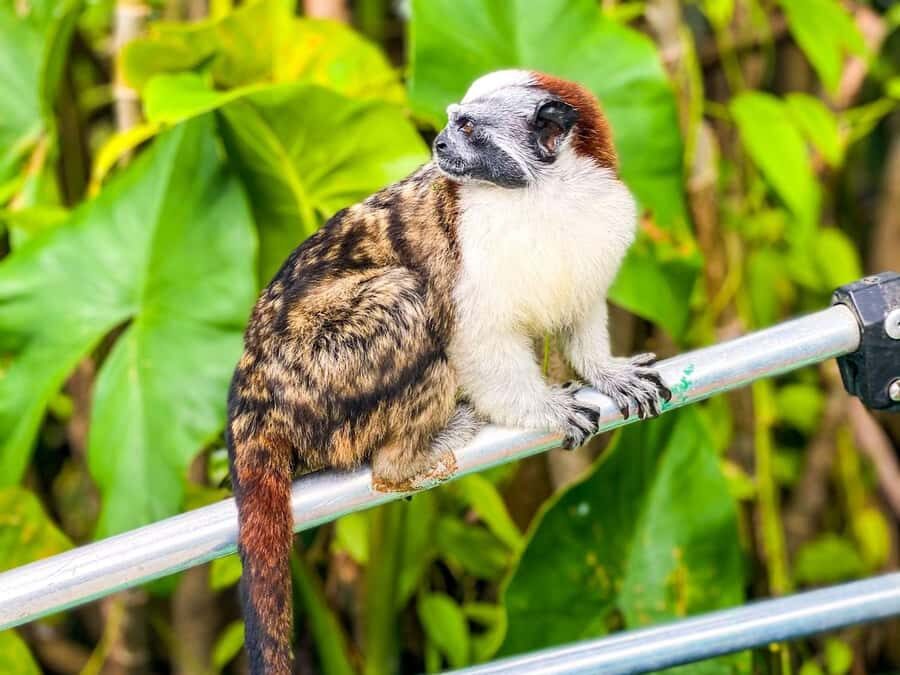
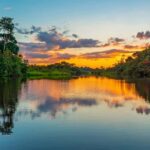
Once you’re on the water, the experience becomes very Amazon. The route runs along the Itaya and Amazon rivers, and you’ll be looking at lush river scenery with wildlife you might spot along the way.
This stretch matters more than it sounds. The cruise is your buffer between Iquitos city life and a quieter wildlife setting. It also gives you the time to settle in, take photos, and get your bearings before you start meeting people and animals.
Practical tip: you’ll likely be in direct sun for parts of the ride. If you only pack one “must-have,” make it sunscreen and a hat. The river breeze can feel cool, then the sun ramps up anyway.
Native Village Visit: Culture, dance, and lunch in one stop
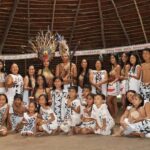
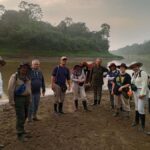
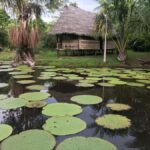
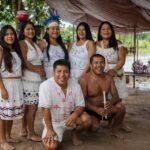
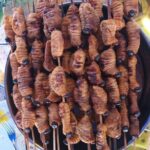
A major part of the day is the native village visit. You’ll learn about local customs and traditions, then watch a traditional dance performance, followed by a traditional lunch.
This stop is valuable because it connects everyday life to the environment. You’re not just learning about wildlife as objects; you’re seeing how people understand the land, movement, and seasons around the Amazon.
The trade-off is time and attention. Village stops can move quickly, so you’ll get the most if you stay present during explanations and ask simple follow-ups through your guide. If you’re expecting a long, unhurried cultural lesson, adjust your expectations and treat it as an introduction.
Monkey Island (Isla Rolling): What “rescued and rehabilitated” really means
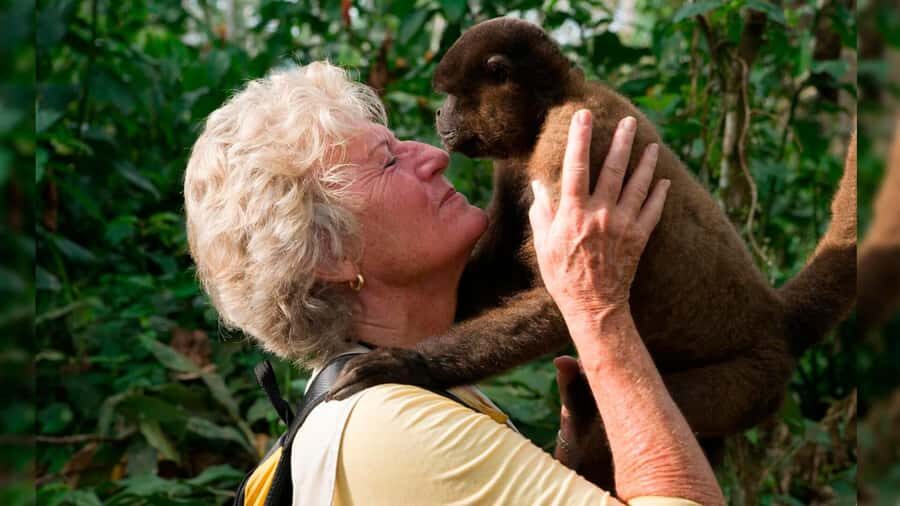
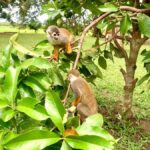
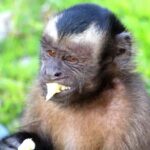
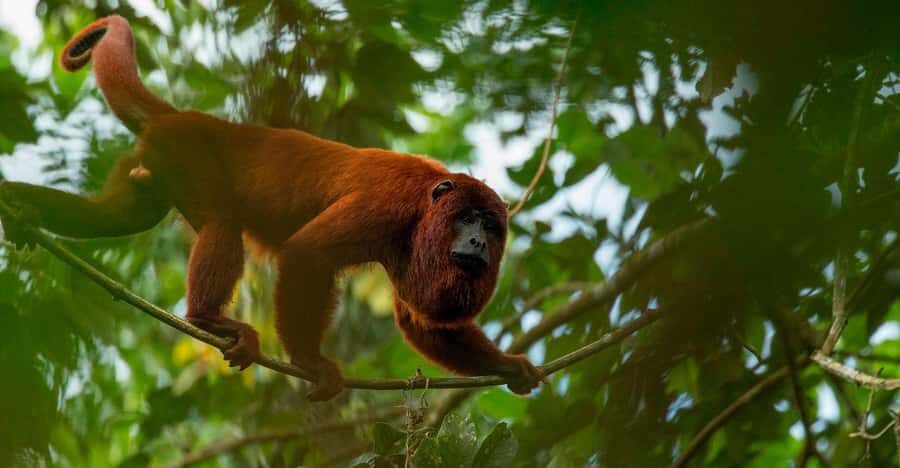
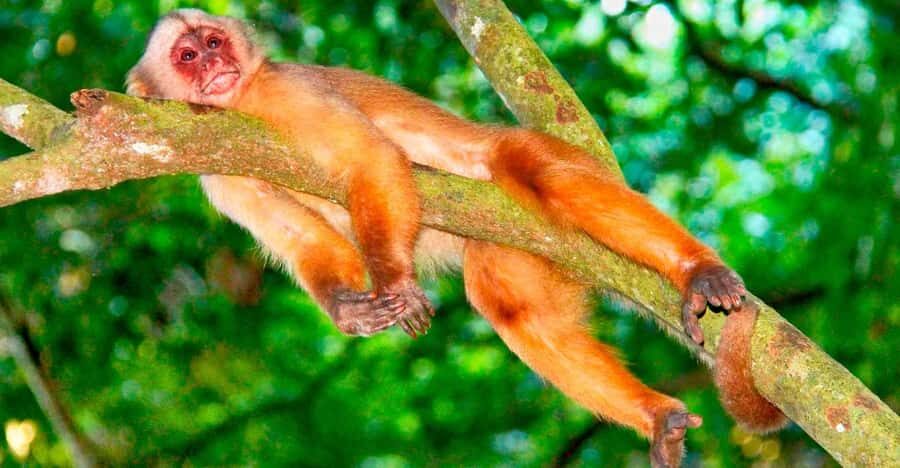
The main event is Isla de los Monos, also known as Isla Rolling. This is a sanctuary for rescued monkeys, and the focus is on their rehabilitation and care.
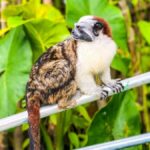
When you arrive, you’ll disembark and explore the island with a guided walk. The guide will point out the different monkey species cared for there, and you’ll learn what the sanctuary staff do to support the animals’ recovery and well-being.
This is also where your behavior really matters. The tour rules emphasize respect for the animals and follow-your-guide instructions. In other words, this isn’t a free-for-all zoo visit where you can do whatever you want.
Monkey interaction and feeding rules you should follow
You may get a chance to interact with the monkeys, with the help of the guide. Some parts of the experience include feeding, but feeding animals is also listed as not allowed.
So here’s the practical way to handle it: assume feeding is tightly controlled. Don’t offer food yourself. Wait for your guide’s instructions and follow the sanctuary rules exactly. If your guide says no feeding at that moment, you’ll still get plenty out of watching the staff work and learning how interactions are managed.
Also note the health reality. You’ll be around animals and close enough for contact possibilities, which is one reason the tour isn’t recommended for people with animal allergies.

Guide quality makes the difference (Temu is a name to watch)
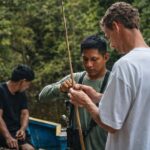
The guide can make or break a day like this. One standout name in the experience feedback is Temu, noted for being especially good at keeping the information clear.
Why that matters: on Monkey Island, you’re not just looking at monkeys. You’re trying to understand a rehab mission—what’s being done, why it matters, and what the monkeys need. A strong guide turns the visit from random animal sightings into a real story you remember.
If you book this, I’d treat the guide as a key part of the value. When you’re on the island, ask questions like:
- What’s the sanctuary’s goal for these monkeys?
- How do staff manage daily care and interactions?
- Which species are you seeing today, and what’s their typical situation?
You’ll get much more than the basics if you engage.
Price and Logistics: Is $100 good value from Iquitos?
At $100 per person for a one-day trip, the pricing has to include more than just a boat ride. What you do get for that price is pretty solid on paper: hotel pickup and transfer, minibus and boat transportation, an English/Spanish speaking guide, entrance to Monkey Island, and lunch.
You’re also getting two different experiences in one day: a native village visit with dance and lunch, then a rescue sanctuary with guided learning and interactions. That combination can feel efficient, especially if you want to pack in culture and wildlife without doing separate bookings.
But here’s the caution that affects real value: you should confirm you’re actually going to Isla de los Monos and that your day ends where you expect. One past booking experience described a situation where the plan shifted away from Monkey Island to other rescue facilities, and the drop-off didn’t match the hotel promise.
So for best value, do a quick practical check before you go:
- Verify the facility name used in your confirmation (Isla de los Monos / Isla Rolling).
- Ask where the day ends and whether you’re dropped back at your hotel in Iquitos.
- If anything changes, you want to know before you’re already out on the river.
If everything lines up, the included transport and entrance can make this a fair deal. If the day changes, the value can drop fast—because Monkey Island is the whole reason most people book.
What to bring: heat, sun, bugs, and camera time
This is an outdoors-heavy day. You’ll want comfortable shoes because you’ll walk on the island and at the village stop. Bring a hat and sunscreen, and plan for bright sun.
From the practical packing list, I’d strongly prioritize:
- Insect repellent (Amazon days earn it)
- A hat and sunscreen
- Water (you’ll be outside and active)
- A camera if you want monkey and river photos
If you’re the type who hates reapplying sunscreen, pack a small travel bottle. You’ll be glad you did halfway through the day.
Who this tour is for (and who should skip it)
This is a good fit if you want a guided, full-day outing that mixes wildlife education with cultural context. It’s also a strong choice if you prefer structured experiences and want an English/Spanish guide to translate what you’re seeing.
It’s not suitable for:
- Pregnant women
- People with mobility impairments
- People with animal allergies
That last one is important even if you don’t plan to touch anything. Being around animals and being in close proximity to sanctuary activity can trigger allergies in ways you might not expect.
If you fall outside those groups, just be ready for an active day: walking, heat, sun, insects, and close animal encounters that require calm, patient behavior.
Should you book the Iquitos Monkey Island and Native Village Day Tour?
Book it if you want a one-day mix of Amazon river scenery, a native village cultural stop with dance and lunch, and a guided visit focused on rescued monkey rehabilitation at Isla de los Monos / Isla Rolling. The included transportation and lunch make it convenient, and the guide experience can be a major highlight.
Don’t book it blindly if you’re only in Iquitos for a tight schedule and can’t handle changes to the day’s stops. Before you pay, confirm the Monkey Island facility name and the exact drop-off plan at the end of the day.
If you want the safest bet, come prepared, follow the rules around animal interaction, and treat the guide as your main translator and safety net.
FAQ
How long is the tour?
It’s a one-day experience.
What does the tour cost?
The price is listed as $100 per person.
Where are the pickup options in Iquitos?
Pickup can be from any hotel in Iquitos, and there’s also an option tied to the plaza de armas de Iquitos.
Will I be picked up from my hotel and dropped back there?
Pickup is included from hotels in Iquitos, and the tour also lists drop-off options in Iquitos. Still, it’s smart to confirm your exact end location before you go.
Is lunch included?
Yes. Lunch is included as part of the day.
Is the guide available in English and Spanish?
Yes, the guide speaks English and Spanish.
Can I feed the monkeys?
Feeding animals is listed as not allowed. If any feeding is part of the experience, it would be handled by the guide and you should follow their instructions.
What should I bring?
Bring comfortable shoes, a hat, a camera, sunscreen, water, and insect repellent.
Who shouldn’t take this tour?
It isn’t suitable for pregnant women, people with mobility impairments, and people with animal allergies.
Is there free cancellation or a pay-later option?
Yes. You can cancel up to 24 hours in advance for a full refund, and there is a reserve now & pay later option.