REVIEW · IQUITOS
Amazon Rescue Center – Manatees Conservation Center Admission Ticket
Book on Viator →Operated by Centro de Rescate Amazónico / Amazon Rescue Center · Bookable on Viator
Manatees here mean real conservation work. At CREA, the Amazon Rescue Center outside Iquitos, you get a guided walk and clear explanations of how rescued animals are rehabilitated before being released.
I particularly like the focus on manatee conservation and the straightforward look at what rehab actually takes. The second big win for me is how the visit is built around learning, with the interpretation center and guides who explain things in plain language, sometimes including English like Jessica’s.
One thing to keep in mind: this is not a fancy animal park. Some animals are in quarantine tanks, and the facilities are functional rather than polished, so your expectations should match the mission.
In This Review
- Key things to know before you go
- Entering CREA: how a manatee rescue center visit feels in Iquitos
- Getting to the meeting point without stress (and building in travel time)
- Stop inside the forest path: what you’ll actually do for that one hour
- The flooded forest interpretation center: why those statues aren’t just decoration
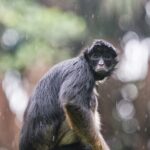
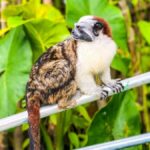
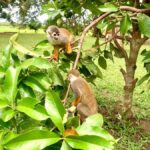
- Manatees, monkeys, birds, and turtles: what you might see during rehab
- How release and rehab work: the part you’ll remember later
- Price and value: $8.08 for conservation you can understand
- Who should book CREA (and who may want a different stop)
- Practical tips for a smoother visit to CREA
- Should you book the Amazon Rescue Center admission ticket?
- FAQ
- How long is the Amazon Rescue Center admission visit?
- What’s included in the $8.08 ticket?
- Where is the meeting point for CREA?
- How far is CREA from Iquitos?
- What should I wear or bring?
- Can I cancel for free?
Key things to know before you go
- A guided hour at CREA that centers on rescue, rehabilitation, and release—not just animal viewing
- Stop at The flooded forest with real-size fiber glass statues of major Amazon aquatic species
- You’ll learn the full rehab path across areas for reptiles, monkeys, birds, and manatees
- Your ticket supports releases; CREA lists manatee releases including 23, with later updates mentioning 33
- Private-by-group experience (only your group participates) for a more personal pace
- Plan for the outdoors: wear outdoor clothes and use mosquito repellent
Entering CREA: how a manatee rescue center visit feels in Iquitos

CREA (Centro de Rescate Amazónico / Amazon Rescue Center) sits about 30 minutes from Iquitos downtown by tuk tuk, or roughly 1 hour by bus. Either way, you’re going out beyond the city enough to feel the change—air, heat, and that sense you’re heading into the real Amazon setting where the rescue work happens.
The experience runs about an hour on site, and the value is in the structure. Instead of a wandering “look at the animals” stop, you follow a path in the forest while a guide explains what’s happening and why. The center also works in partnership with the Dallas World Aquarium Zoo and the Research Institute of the Peruvian Amazon, which helps explain the more scientific, step-by-step approach you’ll hear about once you arrive.
You’ll also notice the vibe. Even when it’s busy, it doesn’t feel like a show. It feels like a working facility. If you come in wanting a theme-park layout, you may feel let down. If you come in wanting to understand conservation as a process, you’ll probably walk out with your brain switched on.
A few more Iquitos tours and experiences worth a look

Getting to the meeting point without stress (and building in travel time)
Your meeting point is the Amazon Rescue Center itself: Centro de Rescate Amazónico / Amazon Rescue Center, Carr. Iquitos-Nauta km 13.8, San Juan 16024, Peru. Your ticket covers the entrance and a professional guide, but it does not include transportation to or from the attraction.
In practice, that means you should think of this as a half-day-ish plan, even though the on-site portion is around 1 hour. From what’s commonly reported, it can be about an hour each way depending on your transport choice, plus time to actually get settled at CREA. If you’re connecting this stop with other Iquitos activities, give yourself a cushion.
A practical tip: go prepared for the heat and bugs. The center advises outdoor clothes and mosquito repellent. I’d also treat this as a “bring water” type of visit—some people do, and it makes the walk more comfortable once you’re out of the air-conditioned city rhythm.
Stop inside the forest path: what you’ll actually do for that one hour
Once you’re in, the center doesn’t just point you toward tanks and cages. You’ll walk a path in the forest and move through areas tied to different groups of animals. The guide’s job is to connect what you’re seeing to the rehabilitation process: where animals start, why they can’t simply be released immediately, and how they progress.
You can expect explanations tied to:
- Reptiles (including a yellow spotted river turtle and tortoise)
- Monkeys
- Birds
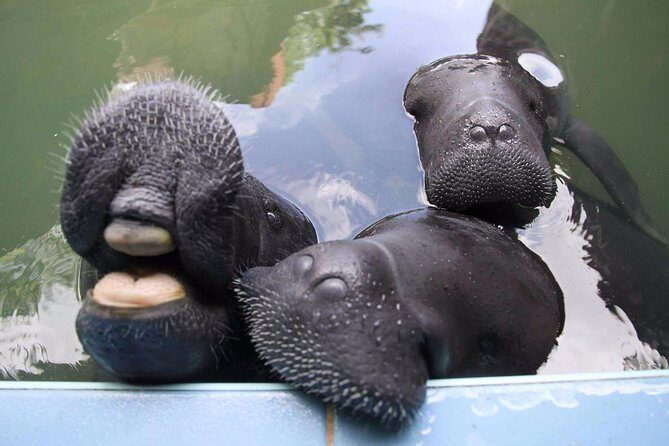
- Manatees
The big idea is that animals arrive because they were rescued from illegal captivity. After rehabilitation, the goal is release to their natural habitat. That mission matters because it changes how you interpret what you see. A small enclosure doesn’t automatically mean “poor care.” Often, it’s the stage of recovery where the animal needs controlled feeding and monitoring before moving into larger areas.
A short visit can feel fast, but it’s packed with information. If you’re traveling with kids, this one tends to land well because there’s a clear story arc: rescue → rehab → release, with animals used as real examples rather than background decorations.
The flooded forest interpretation center: why those statues aren’t just decoration
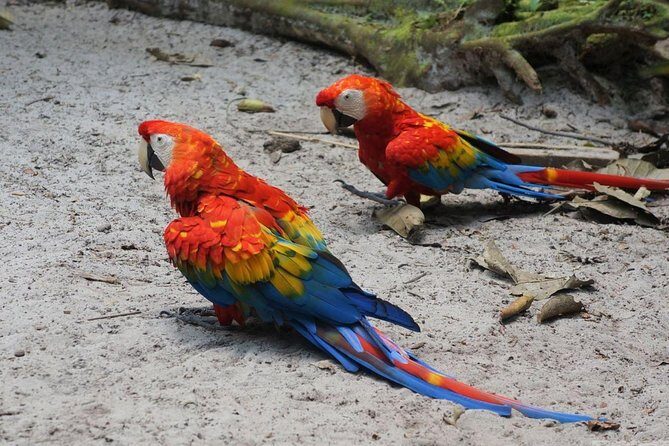
One of the most memorable parts is the interpretation center called The flooded forest. It uses real-size fiber glass statues of main aquatic species of the Amazon. That might sound like a small add-on, but it works because it gives you scale and context.
When you’re standing near manatees and other water-based animals, the statues help you understand the ecosystem idea, not just individual species. You’ll likely hear the guide connect the animals you saw in rehab to the larger habitat they belong to—so your photos end up doing more than documenting tanks.
This is also where the center’s educational approach shows. The visit is designed so you can leave knowing what the Amazon Rescue Center is solving. If you’ve been in the region long enough to see how many animals are affected by human pressures, the flooded forest section hits harder. It’s not guilt-driven; it’s practical. It helps you understand why rehab and release take time and coordination.
Manatees, monkeys, birds, and turtles: what you might see during rehab
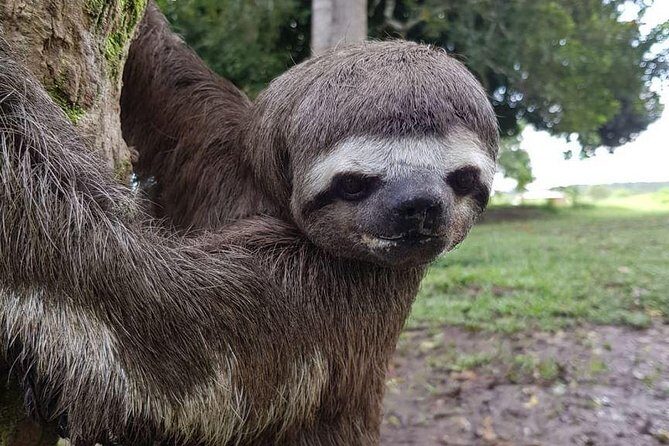
CREA focuses on animals rescued from illegal captivity and rehabilitation before release. The center has worked with several species over time, and the manatee work is the headline. In addition to manatees, the center has reported releasing pink dolphins and caring for a range of other Amazonian wildlife such as anteaters, sloths, turtles, and more.
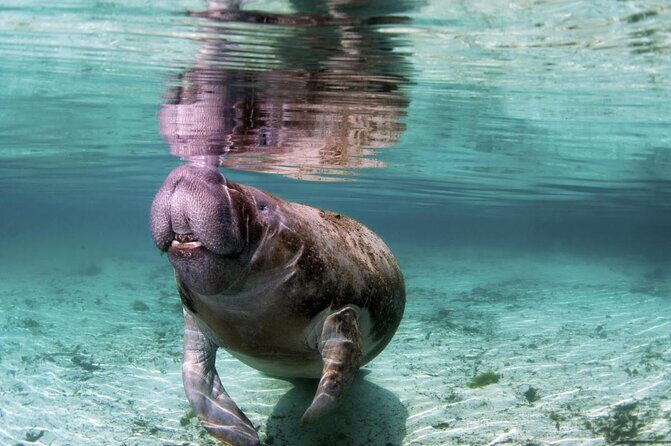
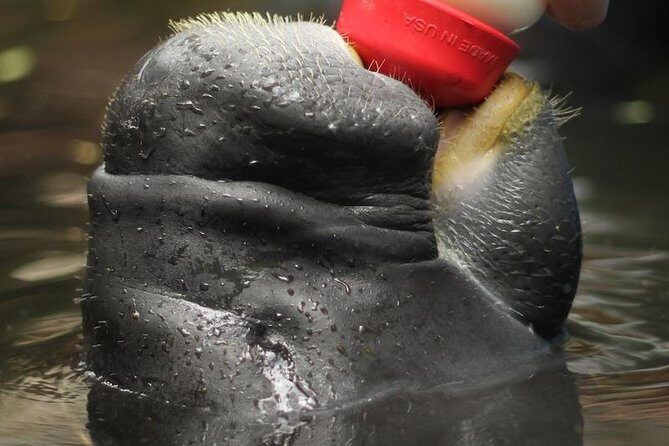
During your hour, you may see manatees in different rehab settings depending on current stages and feeding schedules. Some visitors specifically mention moments like baby manatees being bottle fed. You shouldn’t count on that happening exactly during your visit, but it’s a good reminder that the center is active—not static.
Other highlights people commonly mention:
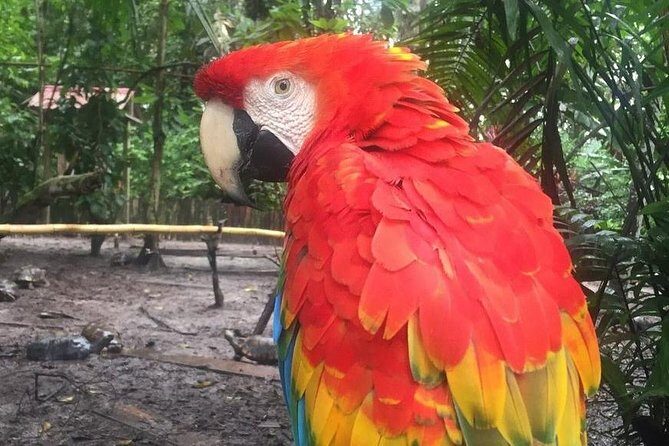
- seeing animals being well cared for during recovery
- learning how long release can take and why it’s not immediate
- hearing stories about how animals arrived and what treatment plans focus on
There’s also a reality check. If you want a wide “variety zoo” effect—many species out and about at once—this might not fully match that. Animals in recovery may be resting, in controlled enclosures, or kept in quarantine during early stages. One visitor called out small quarantine tanks as unimpressive; the center’s response is that those tanks are part of the process. So come with the mindset of conservation in stages.


How release and rehab work: the part you’ll remember later
The rehabilitation story is the reason to buy the ticket in the first place. The center’s model is built around a sequence: rescued animals go through initial care, then they move through different areas as they recover, and eventually they’re released back to natural habitat.
CREA describes releasing manatees over time—figures listed include 23 manatees released, and other updates mention 33. The exact number you hear from the guide may vary depending on what they’re sharing that day, but the point stays the same: this is measurable, long-term conservation work rather than a short-term display.
Why this matters for you: it changes how you interpret the animal setup. Rehab facilities prioritize safe recovery over human viewing comfort. That’s why you shouldn’t expect to pet animals. Protecting animals as they heal and ensuring they can integrate back into the wild safely are part of the job.
Also, the one-hour guide structure means you leave with a clearer sense of the why, not just the what. You’ll likely understand things like:
- why quarantine exists
- why recovery takes time
- how the center moves animals toward release readiness
It’s the kind of explanation that makes future animal encounters in the Amazon feel more thoughtful—and less like you’re just consuming “cute wildlife content.”
Price and value: $8.08 for conservation you can understand
At $8.08 per person, this is priced for accessibility. The real value isn’t only the cost; it’s what your ticket buys you: a guided visit and entrance fee, plus the chance to support a project focused on rescue, rehabilitation, and release.
Because the tour is about an hour, you’re not paying for a long schedule. You’re paying for a focused education moment with actual conservation work happening in front of you. And it’s a private-by-group setup, so you’re not stuck with a huge crowd swamping the guide’s ability to explain.
To decide if it’s worth it, be honest about what you want:
- If you want to understand the process and support the mission, it’s excellent value.
- If you want a polished facility with a “show” feel, you’ll probably feel underwhelmed for the same reason conservation facilities don’t look like resorts.
In other words: the price matches the purpose. You’re buying learning and impact, not luxury animal viewing.
Who should book CREA (and who may want a different stop)
This experience is a strong fit if you:
- want a real conservation project outside Iquitos
- care about manatees and other endangered Amazon species
- want a guided visit that explains rescue and rehab in a way you can actually follow
- have kids and want a setting that teaches instead of just entertains
It’s also ideal for travelers who want to get out of the city for a short stretch and see countryside atmosphere around Iquitos.
On the other hand, you might choose something else if you:
- only want hands-on animal interaction. The center prioritizes recovery and safe rehab; petting isn’t the point.
- expect a large, flashy zoo experience. Facilities are described as nice but not fancy, and some enclosures may look small because that’s the stage of treatment.
I’d also keep expectations realistic if you’re sensitive to the idea that some animals are in rehabilitation rather than “active display mode.” In rehab, rest and controlled conditions are normal.
Practical tips for a smoother visit to CREA
CREA is outdoors, and the Amazon can be intense. Do this part right and the visit feels easy.
Here’s what I’d plan for based on the info you’re given:
- Wear outdoor clothes that won’t mind heat and humidity.
- Use mosquito repellent before you go.
- Consider bringing water, since conditions can be hot and walking is involved.
- Use sun protection if you get sun easily.
For footwear, choose something stable for the forest path. Even if the walk doesn’t sound long, it’s still a natural setting. If you’re managing a wheelchair or mobility aid, it may be more challenging. One visitor noted it’s difficult but not impossible if someone strong can help push. If mobility is a concern for you, it’s smart to ask the provider what your route will be like on the day you go.
Finally, take your questions seriously. This place works best when you’re curious. If you’re thinking about how illegal captivity and rehab intersect, you’ll get more out of the hour.
Should you book the Amazon Rescue Center admission ticket?
If you want a meaningful, affordable stop in Iquitos that teaches you how rehab and release work, I’d book CREA. The one-hour format keeps it efficient, the manatee conservation focus is clear, and the flooded forest interpretation center helps you connect animals to habitat rather than just species names.
Skip it only if you’re chasing a zoo-like experience, petting opportunities, or a “fancy facility” feel. This is conservation in stages. Expect quarantine-related setups and functional buildings, but also expect good explanations and a mission that’s easy to support with your ticket.
If you go, go with the right frame: you’re not there for entertainment. You’re there to understand what conservation looks like when it’s measured in rehab progress and releases back to the wild.
FAQ
How long is the Amazon Rescue Center admission visit?
The tour lasts about 1 hour.
What’s included in the $8.08 ticket?
The admission includes a professional guide and the entrance fee.
Where is the meeting point for CREA?
You meet at Centro de Rescate Amazónico / Amazon Rescue Center, Carr. Iquitos-Nauta km 13.8, San Juan 16024, Peru.
How far is CREA from Iquitos?
CREA is about 30 minutes from downtown Iquitos by tuk tuk or about 1 hour by bus.
What should I wear or bring?
Wear outdoor clothes and use mosquito repellent. It’s also a good idea to bring water for the hot outdoor conditions.
Can I cancel for free?
Yes. Free cancellation is available, and you can cancel up to 24 hours in advance for a full refund.