REVIEW · IQUITOS
Iquitos: Full Day Tour in the Jungle | Amazon Safari
Book on GetYourGuide →Operated by www.iziperu.com · Bookable on GetYourGuide
The Amazon can feel huge and hard to plan. This full-day Iquitos jungle safari turns one long river day into clear stops: dolphins, a Kukama community visit, and wildlife learning along the way.
I especially like the mix of experiences: the slow-moving Nanay and Amazon River boat ride, plus real hands-on moments like meeting monkeys on Neyser’s Monkey Island and seeing how a rescue center prepares animals for release.
One thing to consider: the schedule runs long, and the most intense animal time may be limited depending on timing and what’s available that day. Also, a few past guests felt some guide explanations were thin, so if you care a lot about details, bring your questions (and expect Spanish or English to guide the depth).
In This Review
- Key points before you go
- River time on a traditional boat from Bella Vista Nanay
- Dolphins on the Amazon: gray or pink sightings, real expectations
- Kukama tribe visit: dancing, plant knowledge, and oral stories
- Monkey Island at Neyser: feeding and photo time in the creek
- Wildlife Rescue Center Fundo Rony: what you’ll learn (and what to ask)
- Amazonian trapiche tasting: camu camu, seven roots, ginger
- Lunch at the lodge, then a slower afternoon
- Price and logistics: is $89 a fair deal?
- Who should book this Amazon safari (and who should skip it)
- Should you book: my decision checklist for Iquitos
- FAQ
- What’s the duration of the Iquitos Jungle Amazon Safari?
- How much does it cost?
- Where is the tour based and where do you meet?
- What’s included in the price?
- Are drinks included?
- What languages are the guides?
- Do you offer vegetarian lunch?
- What should I bring for a jungle day?
Key points before you go
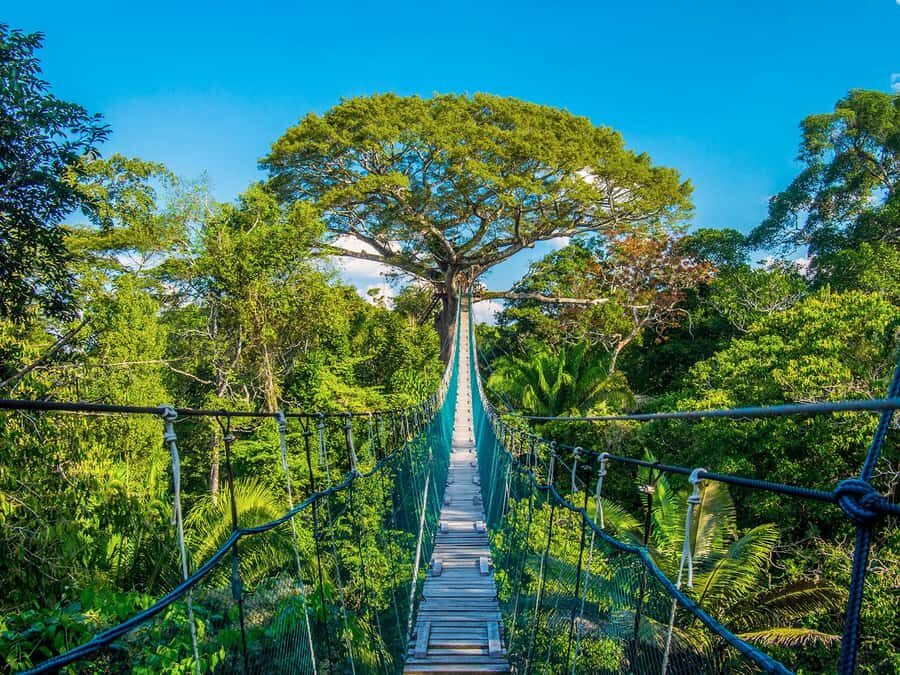
- Dolphin spotting is the headline: you’re looking for gray or pink dolphins on the river route.
- Kukama culture is part learning, part participation: expect a visit with dancing and stories tied to plants and natural medicine.
- Monkey Island at Neyser is a hands-on wildlife stop: feeding, playing, and photos are part of the experience.
- Fundo Rony is a rescue facility, not a safari show: animals may be in enclosures while they’re cared for before release.
- Trapiche tasting brings the Amazon into your cup: you sample macerated drinks like camu camu, seven roots, and ginger.
- Lunch is on-lodge buffet style: you’ll eat well enough for a full day, but timing can affect how much free-time you get afterward.
River time on a traditional boat from Bella Vista Nanay
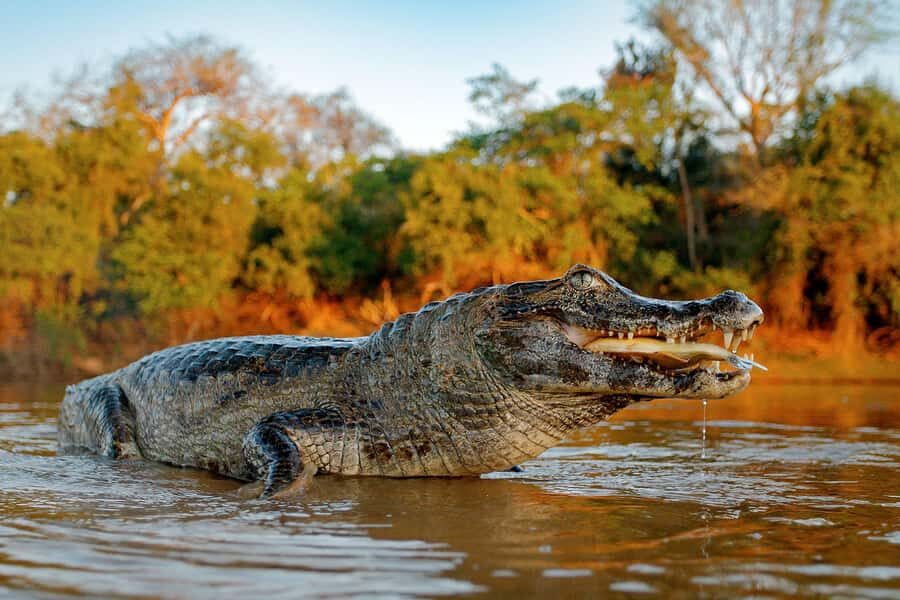
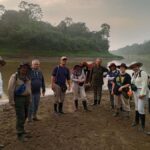
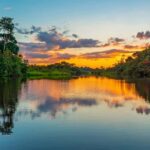
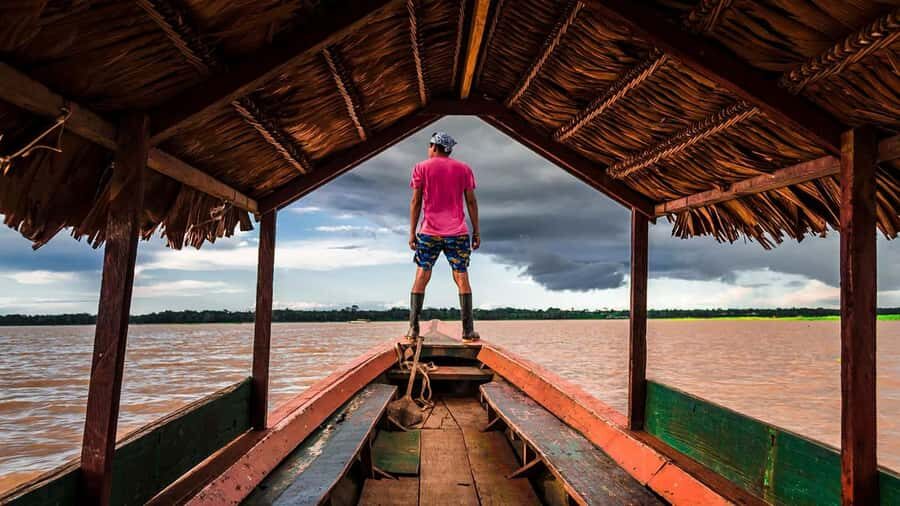
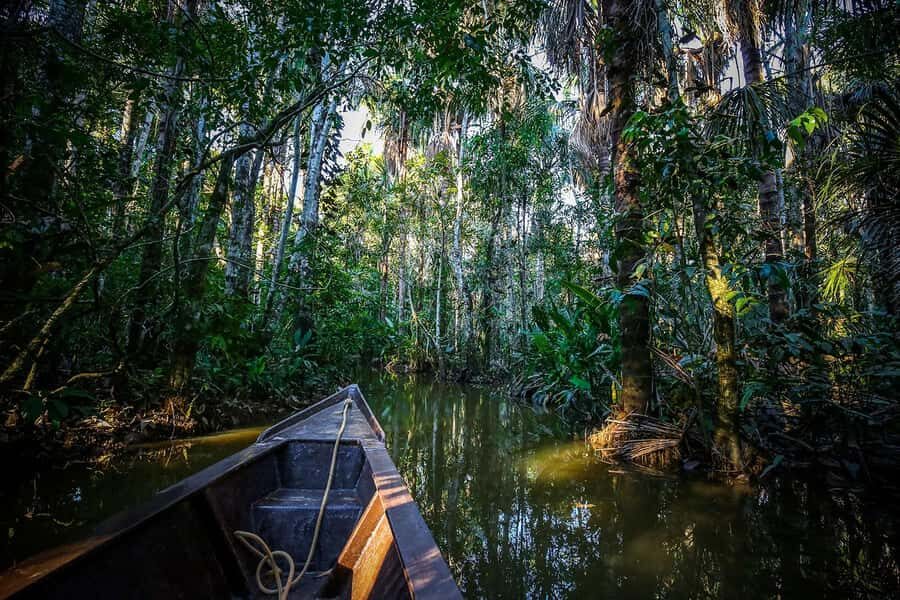
Your day starts with pickup in Iquitos and a short transfer to the tourist pier at Bella Vista Nanay. Then it’s out onto the Amazon system in a traditional boat, the kind that moves at an Amazon pace—slow enough for noticing birds, tree changes, and river rhythms, fast enough to keep the day from dragging.
What you’re really paying for here is access. Iquitos is surrounded by water routes, but you don’t want to improvise your way across in a single day. This tour organizes the transport leg-by-leg so you can spend your energy on what’s interesting: the confluences between the Nanay and Amazon Rivers and the jungle views along the way.
Practical note: one past experience described a fairly big boat group and very bench-like seating with limited cushioning. That won’t matter if you stay focused on scenery and wildlife, but it matters if you hate cramped seating on long rides. Bring a long-sleeved layer even if it’s hot—sun and airflow can swing fast on the water.
You can also read our reviews of more tours and experiences in Iquitos.
Dolphins on the Amazon: gray or pink sightings, real expectations
The tour’s dolphin segment is positioned as a highlight during the river cruise. The goal is to spot either gray or pink dolphins, which is a special moment when it happens—because these aren’t zoo animals. They’re wild, moving, and often not guaranteed.
Here’s how to think about it: you’re not buying certainty, you’re buying a guided chance with the right timing and route. When you’re on the river, your best “dolphin strategy” is simple—stay patient, keep your eyes on the water ahead of the boat, and be ready for bursts of attention when someone calls something out.
If you’re the type who needs lots of wildlife scenes in the open river, plan for a day where the big animal moment may come in waves rather than nonstop action. The boat ride is the main stage; dolphins are the featured act if you’re lucky that day.
Kukama tribe visit: dancing, plant knowledge, and oral stories
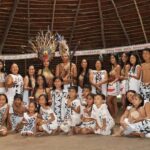
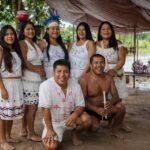
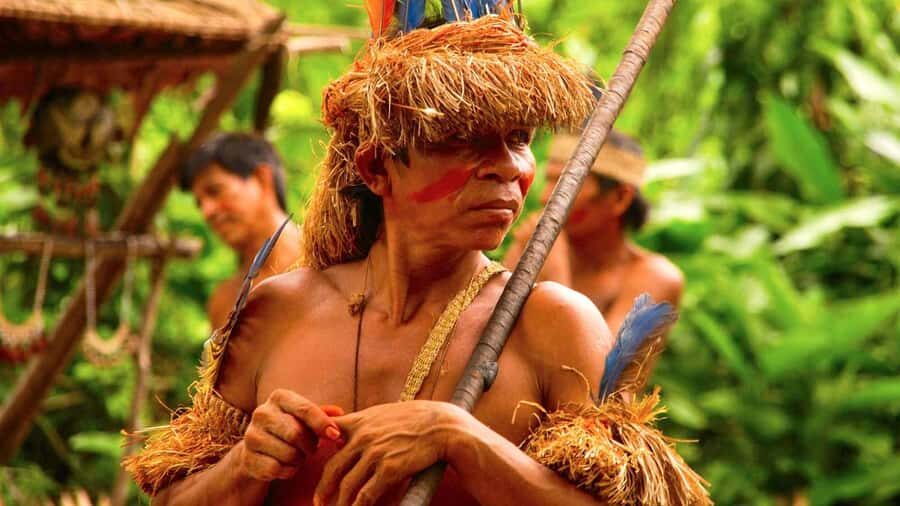
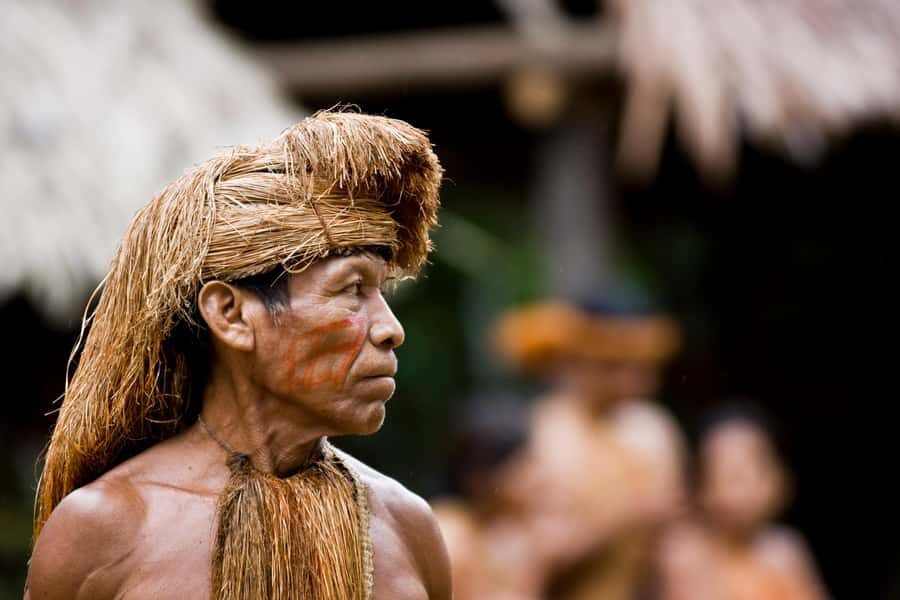
The Kukama tribe stop is one of the most meaningful parts of this outing. You don’t just pass by—you visit and dance with the community, and you’re told about how they’ve used deep knowledge of local plants and natural medicine to survive in a tough environment.
What makes this valuable isn’t just the culture angle. It’s the connection: plants aren’t treated like “nature facts,” they’re linked to everyday life, health, and the way people read the forest. The tour also mentions oral tradition—stories and myths that explain origins and relationships with nature. Even if you don’t catch every nuance in a second language, you can still feel the theme: knowledge here isn’t separate from place.
A reality check you should keep in mind: not every cultural stop is timed the same way for every group, and not every guide will focus equally on history and day-to-day life. The best move is to ask questions early, especially if you want more context. If your guide happens to be Alan (a name that came up in a standout experience), you’ll likely get a warmer, clearer explanation style.
Monkey Island at Neyser: feeding and photo time in the creek
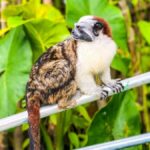
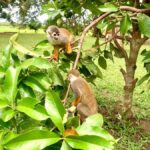
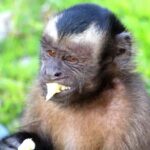
Next up is MONKEY ISLAND – Neyser. You enter a creek off the Amazon route, then arrive at the island where monkeys live in their natural habitat. The structure is interactive: you’re welcomed by multiple monkey species, and you get time to feed them, play with them, and take photos.
This is where expectations matter. One earlier description pointed out that the island didn’t always feel busy with monkeys, and the number seen could be small. Another person thought the stop didn’t fully match what they expected from a “full day” animal experience.
So I’d frame this stop as: you’re here for a guided, close experience with monkeys, but you’re still at the mercy of wildlife presence. Your best odds are to be on time, stay calm, and treat it like a short, friendly wildlife moment—not a guarantee of a long primate show.
Also, bring insect repellent. Even with the best wildlife viewing, you’ll be in jungle vegetation zones long enough to need it.
Wildlife Rescue Center Fundo Rony: what you’ll learn (and what to ask)
The tour includes a wildlife rescue center called Fundo Rony. This is where you’ll see and interact with animals that are typical of the Amazon: sloths, monkeys, macaws, toucans, boa constrictors, and turtles.
The key context is that animals are kept in cages at the center because they’re cared for before being released back into the wild. That’s the difference between “rescue education” and “wildlife spectacle.” If you’re expecting a big free-roaming conservation experience, you might feel let down. But if you want to understand how injured or displaced animals get rehabilitation support, this stop makes sense.
What can go wrong in your mental plan is water conditions and presentation. One person said not much was visible during their visit because everything was under water. Another felt the center visit lacked explanation of how animals ended up there and what the release process looks like.
So if you go, ask direct questions:
- What species are currently in rehabilitation?
- What kinds of injuries or situations lead to rescue?
- How do they decide when an animal is ready for release?
You’ll get more out of the visit when you treat it like an education stop, not a show.
A few more Iquitos tours and experiences worth a look

Amazonian trapiche tasting: camu camu, seven roots, ginger
After the main animal and community stops, the day shifts into taste and wellness-style learning at the Amazonian Trapiche tasting. You try traditional macerated drinks made with ingredients like camu camu, seven roots, and ginger.
You’ll hear the medicinal angle: camu camu is tied to vitamin C and immune support; seven roots is described as helping digestion and vitality; ginger is linked with easing nausea or digestive discomfort. Even if you take the health claims with a grain of common sense, the real win is cultural: you’re learning what locals pay attention to and how ingredients are used.
Also, this is a good moment to slow down. If the day feels intense, tasting something warm or steeped can help you reset before lunch.
Lunch at the lodge, then a slower afternoon
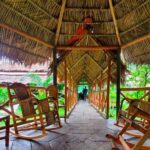
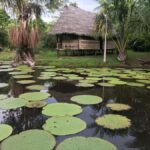
Arrival at the lodge for lunch comes after the trapiche tasting. The tour notes typical jungle cuisine served as a buffet, with an option to request vegetarian food if you inform the operator in advance.
This is a practical issue for value. Several experiences (positive and negative) suggest that time allocation can shape how the day feels. If lunch takes longer than you expect, it can shrink the window for relaxation or extra walking.
Once lunch is done, you’ll have time to relax, explore the camp surroundings, or unwind by the pool. Some people felt they didn’t get much of a walk after lunch, so if you want physical time in the jungle, ask what’s planned for that post-lunch segment. If you’re okay with downtime, this break is a relief after a boat-heavy day.
Price and logistics: is $89 a fair deal?
At $89 per person for an 8-hour full day, this tour has a value pattern that’s pretty clear: you’re buying organized river transport plus multiple stops, not a single “high-volume wildlife” safari.
Why it can feel worth it:
- The boat ride route includes the Nanay/Amazon confluence and dolphin-watching time.
- You get multiple “different world” experiences in one day: a community cultural visit, a monkey island moment, and an educational rescue center stop.
- Meals are included at the lodge buffet.
Why it can feel expensive:
- If your main dream is seeing tons of wildlife in the wild, you might want to temper expectations. Jungle wildlife is not guaranteed on a schedule.
- If guide explanations are brief, you may feel like you paid for transportation more than for learning. One standout guide experience was Alan, which suggests quality can vary.
My practical take: if you want a one-day sampler of Iquitos-area experiences and you like structured tours that handle logistics, this price can work. If your priority is heavy wildlife action and deep interpretation at every stop, you should be prepared to adjust your expectations or consider adding more time in the region.
Who should book this Amazon safari (and who should skip it)
This tour fits best if:
- You want a full-day Amazon experience that covers river views, dolphins, and a couple of wildlife/culture learning stops.
- You’re happy with a mix of wild moments and educational center visits.
- You like guided interaction—dancing in the Kukama community, feeding monkeys, and trapiche tastings.
You might want to skip or rethink if:
- You need constant animal sightings in open wild areas. Some stops can feel short or wildlife-dependent.
- You get frustrated when a day has heavy transit and long boat time.
- You strongly prefer un-caged wildlife only. Fundo Rony includes enclosures because it’s a rescue operation, not a pure-wild viewing situation.
A smart compromise: treat this as a well-organized first Amazon day in Iquitos. If you love it, plan a second outing with a different focus so you’re not trying to squeeze every type of nature moment into 8 hours.
Should you book: my decision checklist for Iquitos
If you’re deciding today, use this quick checklist:
- You want a guided day with pickup, meals included, and a set sequence of experiences. This tour covers that.
- Dolphins are on your bucket list and you’re okay with a wild-animal “maybe.” This fits the dolphin segment style.
- You’re interested in culture and learning, not only photos. The Kukama visit and trapiche tasting add that human layer.
- You can handle rescue-center reality: cages while animals are rehabilitated, plus the need for good questions.
My bottom line: I’d book this if you want an organized, meaningful, one-day overview of the Iquitos Amazon world—river, wildlife, culture, and a bit of local taste. I wouldn’t book it as a “wildlife guaranteed” day.
FAQ
What’s the duration of the Iquitos Jungle Amazon Safari?
The tour runs for 8 hours.
How much does it cost?
The price is $89 per person.
Where is the tour based and where do you meet?
Pickup happens in Iquitos, and you go to the tourist pier at Bella Vista Nanay.
What’s included in the price?
Pickup from your hotel or airport, all meals at the camp (buffet), and the excursions described in the program are included.
Are drinks included?
Personal snack and water aren’t included, and drinks at the bar are extra (soft drinks and beer).
What languages are the guides?
The live tour guide offers Spanish and English.
Do you offer vegetarian lunch?
You can request a vegetarian option if you inform the operator in advance.
What should I bring for a jungle day?
Bring sunglasses, a sun hat, sunscreen, long-sleeved shirt, insect repellent, long pants, and sportswear.