REVIEW · CUSCO
Private Tour Sacred Valley, Chinchero, Maras Moray, Ollantaytambo
Book on Viator →Operated by MachuPicchu Journey · Bookable on Viator
Winding up your day with salt mines and terraces makes Cusco feel more than a stopover. This private Sacred Valley route is built for big highlights without the hassle of planning. I like that you get a dedicated guide all day, and I also like how the stops connect agriculture, craft, and Inca-era sites in a logical loop.
The two things I really liked: you visit Chinchero for the archaeological side (and you may even get a quick lesson on wool cleaning and dyeing), and you end up at Maras salt mines after seeing Moray’s agricultural terraces. One possible drawback: lunch is included, but one guest warned that it can mean a long line and hit-or-miss restaurant conditions, so go in with realistic expectations.
In This Review
- Quick hits before you go
- A one-day Sacred Valley circuit with private pickup from Cusco
- Chinchero first: archaeology plus hands-on textile context
- Moray terraces and Salineras salt mines: agriculture meets extraction
- Urubamba lunch buffet: the included meal and the biggest variable
- Ollantaytambo: ruins and the Aguas Calientes train connection
- Pisac final stop: terraces and a preserved cemetery
- Price and what you get for $89.10 with a guide
- Logistics you’ll feel most on a long day
- Who this private Sacred Valley tour fits best
- Should you book this private Sacred Valley tour?
- FAQ
- What’s the duration of the Sacred Valley private tour?
- Where does the tour start in Cusco?
- Which stops are included during the day?
- Is lunch included?
- Is the tour private?
- Are entrance fees included?
- Is admission listed as free for any stops?
- Do I need a ticket in advance?
- How far in advance is this usually booked?
- What’s the cancellation policy?
Quick hits before you go
- Private guide + transfers so you’re not stuck herding yourself between towns.
- Chinchero pairs archaeology with cultural context, including textile know-how.
- Moray + Salineras (salt mines) gives you the two-part story of Inca agriculture and salt extraction.
- Urubamba lunch is included as an Andean buffet, with a possible line depending on crowds.
- Ollantaytambo mixes ruins with the real-world train stop for Aguas Calientes.
- Pisac closes with terraces and a notably preserved Andean cemetery.
A one-day Sacred Valley circuit with private pickup from Cusco
This is a full-day loop with an early start: hotel pickup is at 6:30 am and you’re back in Cusco by 7:00 pm. The timing matters because the Sacred Valley is spread out, and you’ll feel that “long but efficient” rhythm all day. If you hate spending time in transit without a plan, a private route like this helps you stay productive.
For a price around $89.10 per person, you’re paying for three big conveniences: private transportation, a guide to connect the dots, and lunch. That’s the value here. You’re not just buying rides to five places—you’re buying someone to make the history and purpose of each stop click quickly, without you needing to research every site on your own.
The pace is also part of the tradeoff. You’ll get solid time at each stop, but it won’t feel like a slow wander. Think of it as: “Hit the essentials, learn the essentials, then sleep well when you’re back in Cusco.”
You can also read our reviews of more private tours in Cusco
Chinchero first: archaeology plus hands-on textile context
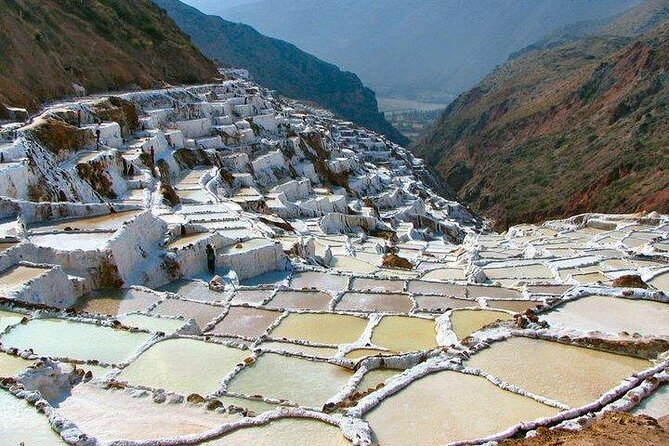
You begin at Chinchero, with about 1 hour 30 minutes to explore the archaeological area. The tour notes an admission ticket listed as free for this stop, which is helpful for budgeting.
Why I’d put Chinchero at the start: it sets a tone for the day. You’re in the right mindset early—settling into the Sacred Valley—and the site gives you a foundation before you move into the more “functional” engineering of Moray and the salt works at Salineras.
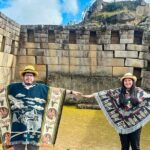
One of the best details from the experience feedback is the way the guide can add small, practical context. In one case, the guide Wally started the day with a lesson on how wool is cleaned and dyed. Even if you don’t get that exact mini-lesson, Chinchero is a place where textile culture makes sense. It’s a reminder that for many Andean communities, craft and everyday survival tech have always been part of the story, not a side note.
Practical note: because this is early, eat smart before pickup. If you’re traveling on Cusco time (and not just clock time), it’s easy to feel extra sleepy at the first stop.
Moray terraces and Salineras salt mines: agriculture meets extraction
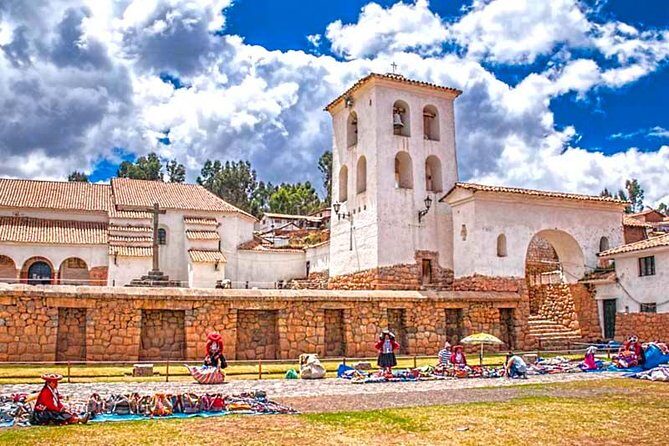
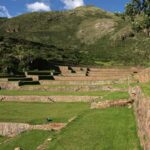
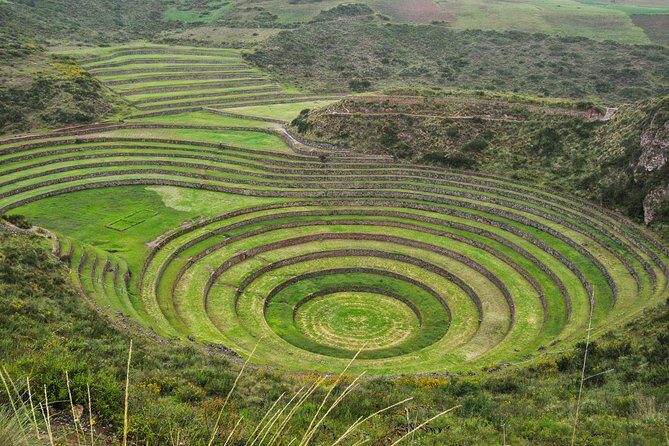
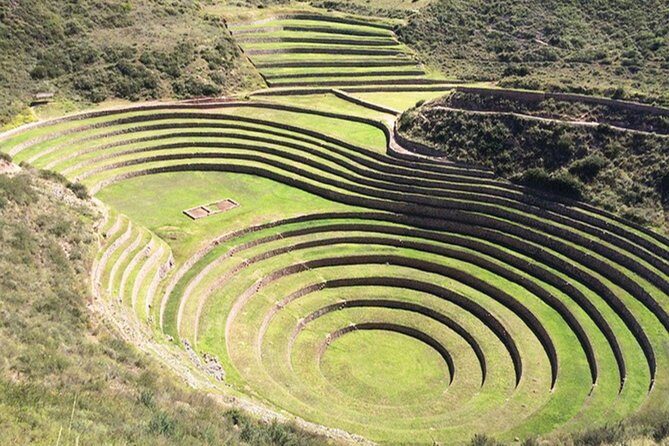
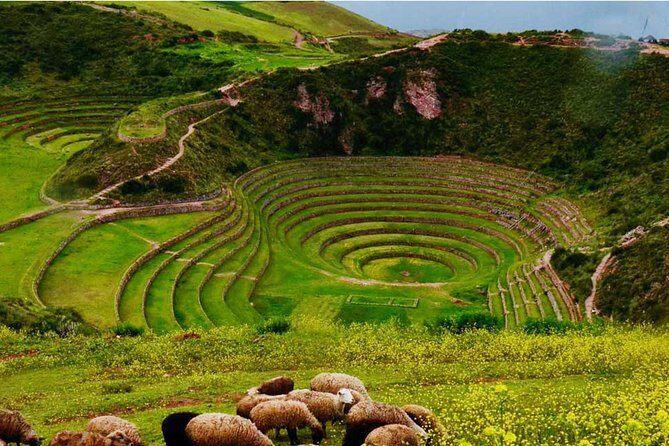
After Chinchero, you head onward to Moray, with about 1 hour there. Moray is one of those sites where the guide’s framing makes everything easier: you’re looking at agricultural terraces that function like an “experimental laboratory.” The tour style here helps you see them less like ruins and more like a purposeful system.
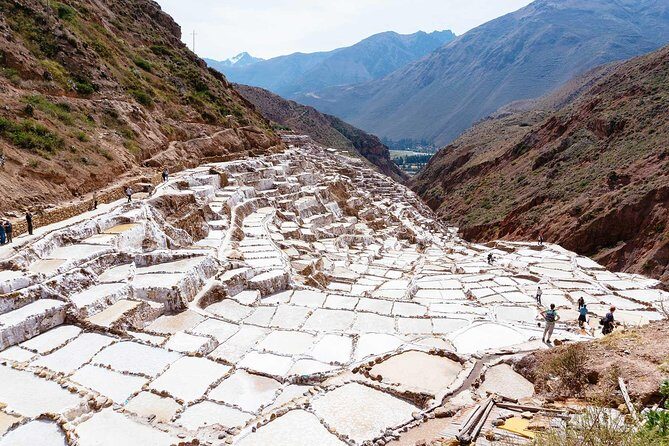
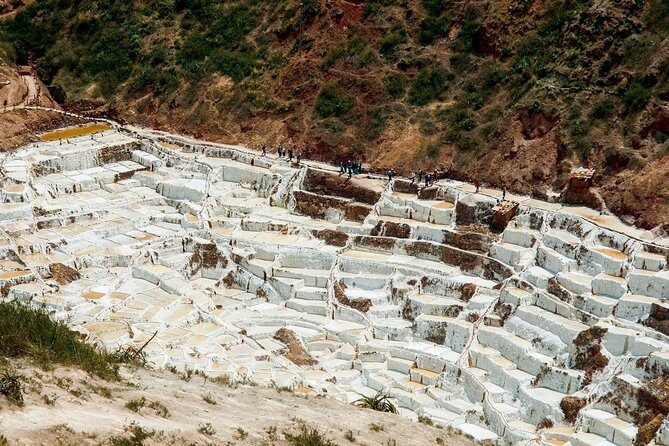
Then comes the big visual reward: Salineras, the salt pans, which the tour describes as having been exploited since the Incas period. This is the moment many people remember, because the scene feels both strange and engineered at the same time—salt is produced on a hillside grid that looks almost too orderly to be accidental.
This stop sequence is clever for your understanding. Moray shows how the Incas used climate and terraces for agriculture testing. Salineras shows another kind of resource logic—how they worked a natural mineral into something repeatable. Put together, it’s not just “two cool places.” It’s two examples of problem-solving.
One consideration: the salt mines can be visually intense, so take your time with photos. If you rush, you miss the patterns that make the place so fascinating in the first place.
Urubamba lunch buffet: the included meal and the biggest variable
Next you go to Urubamba, where you’ll have an Andean buffet lunch (about 1 hour). Admission for this stop is listed as free, and lunch is included, which is a big part of why the tour price feels reasonable.
Now the honesty part: lunch quality and crowding can swing. One person loved the lunch and said it was superb. Another person complained that the lunch meant standing in line for almost 30 minutes, and that the restaurant was quite dirty with food that wasn’t good.
How do you handle this as a smart traveler? Go in expecting the buffet to be convenient, not fine-dining. If you get to the buffet and it’s crowded, keep your expectations steady and take a breather—this is part of the Sacred Valley day rhythm. If you’re picky about hygiene or you’re sensitive to dining conditions, you might want to bring small backup snacks (think crackers, fruit, or a granola bar) so you’re covered if the buffet line or food isn’t your thing.
Also, because you’ll likely be warm during the valley stops, don’t skip water. The day is long, and you’ll feel it most during the mid-afternoon push.
Ollantaytambo: ruins and the Aguas Calientes train connection
After lunch, you reach Ollantaytambo, with about 1 hour to visit both the archaeological site and the town’s train area. Admission is listed as free for this stop too.
This is a site with two identities. One is the archaeological side—Ollantaytambo is unmistakably Inca. The other is modern travel reality: the town has the train terminal where some travelers stay in order to take their train to Aguas Calientes.
Even if you’re not going to Aguas Calientes next, it helps to know how travel actually flows. It turns Ollantaytambo into more than a “ruins stop.” It becomes a junction. Your guide can usually help connect what you’re seeing in the stone to what you’ll experience in the route ahead.
One practical takeaway: the last part of the day can get tiring. If you notice you’re rushing through photos, it’s usually because your attention is dipping—not because the site is boring. Slow down. Pick one or two spots and really look at the stonework.


Pisac final stop: terraces and a preserved cemetery
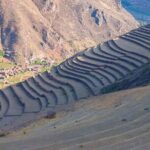
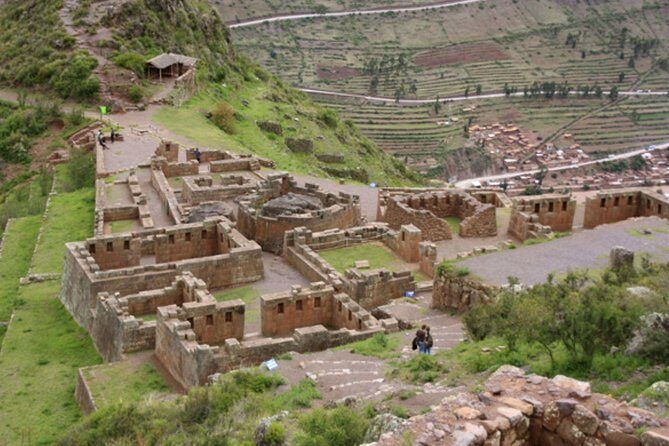
Your last archaeology stop is Pisac, about 50 minutes. The tour notes that you’ll see many Andean terraces and the most preserved Andean cemetery of the Andean culture.
This ending matters. Pisac tends to feel different from the earlier stops because you’re finishing on a place that’s tied to daily land use (terraces) plus the cultural importance of burial sites. It’s a good capstone for the day’s theme: how people shaped the valley to survive, remember, and organize life around their beliefs.
Because you only have 50 minutes, treat it like a guided sampler. If you want extra time in Pisac, you’ll need a separate stop on another day. For this itinerary, the goal is clarity: you should leave knowing what makes Pisac special without spending your entire evening in the valley.
Then it’s back to Cusco for a 7:00 pm return—plenty of time to eat, shower, and reset.
Price and what you get for $89.10 with a guide
Let’s talk value, because the price is what most people will compare first.
At $89.10 per person, you’re getting:
- private transportation
- a dedicated guide
- lunch
- round-trip transfers from your hotel
For a one-day tour that includes multiple towns and several archaeological stops, this can be a fair deal—especially compared to the cost of piecing together taxis, entrance fees, and a guide yourself. The private factor is also key. You’re not sharing a rigid group schedule with strangers, and your guide can keep the day coherent even if someone needs an extra minute at a viewpoint.
But value depends on your expectations about entrances. The tour info says “Not included” and gives a figure of 90 soles for entrances. At the same time, some stops are marked as free. That mismatch is common on tours: some sites may be listed one way in the operator’s materials, while the total entrance budget is captured separately. The safest move is to budget for about 90 soles so you’re not scrambling mid-day.
Logistics you’ll feel most on a long day
This tour is built around a morning start and a long return. That means you’ll want to plan your body as much as your photos.
Start time reality: with pickup at 6:30 am, you’ll want to be ready before you think you need to be. Cusco mornings can feel sharper, and the earlier you’re moving, the better the day goes.
Cash for entrances: since entrances are listed as 90 soles not included, have it ready. If you show up without small bills, it can slow things down.
Comfort wins: you’re visiting several sites in one stretch. Wear shoes that work on uneven surfaces. The day includes salt mines and terraces—both can mean rocky footing.
Lunch backup: because lunch can be a variable, especially if a buffet gets crowded, bring a small snack just in case your meal timing is off.
Who this private Sacred Valley tour fits best
This tour makes sense if you want a structured Sacred Valley day and you prefer not to manage the logistics yourself. You’ll enjoy it most if you:
- like learning with a guide (so the purpose of Moray and Salineras clicks)
- want a route that hits several major stops in one go
- value private convenience for your group’s pace and comfort
It’s also a solid choice for couples, friends, or families who don’t want to feel like they’re competing for attention in a bus group. And since the experience says most travelers can participate, it’s a good option for many visitors who are comfortable with long driving days.
Should you book this private Sacred Valley tour?
I’d book it if you want an organized, guide-led Sacred Valley day that trades planning stress for one smooth loop. The strongest reasons to say yes are the pairing of Moray terraces + Maras salt pans, the full-day structure with hotel pickup and drop-off, and the fact that the guide experience can be practical and memorable—like the wool cleaning and dyeing context mentioned in feedback from Wally.
I’d hesitate only if your main priority is a perfect lunch experience. One person had a great buffet moment; another had a bad line-and-condition experience. If food quality is your deal-breaker, go in ready to adapt.
Bottom line: if you want the Sacred Valley highlights with private ease and a guide who can explain what you’re seeing, this tour is a strong choice.
FAQ
What’s the duration of the Sacred Valley private tour?
It runs for about 1 day, with pickup at 6:30 am and a return to Cusco around 7:00 pm.
Where does the tour start in Cusco?
The tour includes hotel pickup in Cusco.
Which stops are included during the day?
You’ll visit Chinchero, Moray, Urubamba, Ollantaytambo, and Pisac.
Is lunch included?
Yes. Lunch is included, served as an Andean buffet in Urubamba.
Is the tour private?
Yes. It’s a private tour/activity, so only your group participates.
Are entrance fees included?
No. Entrances are listed as not included, with an estimate of 90 soles.
Is admission listed as free for any stops?
The tour details show some stops as free in the schedule, but entrances are still listed separately as 90 soles not included, so plan for entrances during the day.
Do I need a ticket in advance?
Confirmation is received at the time of booking.
How far in advance is this usually booked?
On average, it’s booked about 108 days in advance.
What’s the cancellation policy?
Free cancellation is available up to 24 hours before the experience starts, with a full refund if you cancel at least 24 hours in advance.