REVIEW · IQUITOS
Iquitos: 3 Days and 2 Nights Guided Amazon Jungle Tour
Book on GetYourGuide →Operated by PVTravel · Bookable on GetYourGuide
Amazon nights have a way of sticking. In this Iquitos, Peru 3-day guided Amazon jungle tour, you get wildlife on both river and land, plus real adrenaline with ziplining and rappelling. The tradeoff: communication and day-to-day clarity can vary, so you’ll want to confirm times and who you’re meeting.
What I like most is the mix: conservation farm animals by day, then a night walk where you’re listening for owls and the odd calls of the ayaymamas. You also leave the city for two full nights in a lodge setting, which makes it easier to think of this as a short jungle reset rather than a quick stop.
One consideration before you book: expect early starts (including a 4:30am dawn outing) and humid walking, and the tour isn’t suitable for pregnant women.
In This Review
- Key things to know before you go
- Entering Amazon life from Iquitos, by boat
- Fundo Pedrito: conservation animals and the Victoria Regia plant
- Night in the jungle: tarantulas, cicadas, and ayaymamas
- Day 2 at 4:30am: sunrise, birds, and the Mirador viewpoint
- Ziplining and canopy thrills: bridges, mesh, and a 25-meter rappel
- Dolphins on the Amazon: pink and grey sightings
- Fishing and community time: hands-on Amazon moments
- Day 3 trek: the Ceiba de la Selva (Huimba) tree
- Lodge life: included meals, clean rooms, and limited power
- Price and value: what $434 per person really buys
- What to pack (and what to skip)
- Flight timing rules that can make or break your trip
- Who should book this Amazon tour
- Should you book PVTravel’s Iquitos Amazon tour?
- FAQ
- What are the flight timing requirements for this tour?
- How big is the group?
- What’s included in the tour package?
- Do I need to book a hotel in Iquitos separately?
- What should I bring for the jungle?
- Is there any luggage restriction?
- Will there be Wi-Fi or phone charging?
Key things to know before you go
- Nanay River to the Amazon River: you don’t just arrive—you travel in by boat and set the mood fast
- Fundo Pedrito wildlife + Victoria Regia: conservation animals and the famous giant water lily
- Night jungle walk: tarantulas, cicadas, spiders, owls, and ayaymamas are part of the program
- High-adrenaline canopy time: five zipline lines plus bridges and a 25-meter rappel
- Pink and grey dolphin watching: a dedicated river outing, not a quick side stop
- Ceiba de la Selva trek (Huimba): a huge tree measuring up to 160 feet tall
Entering Amazon life from Iquitos, by boat

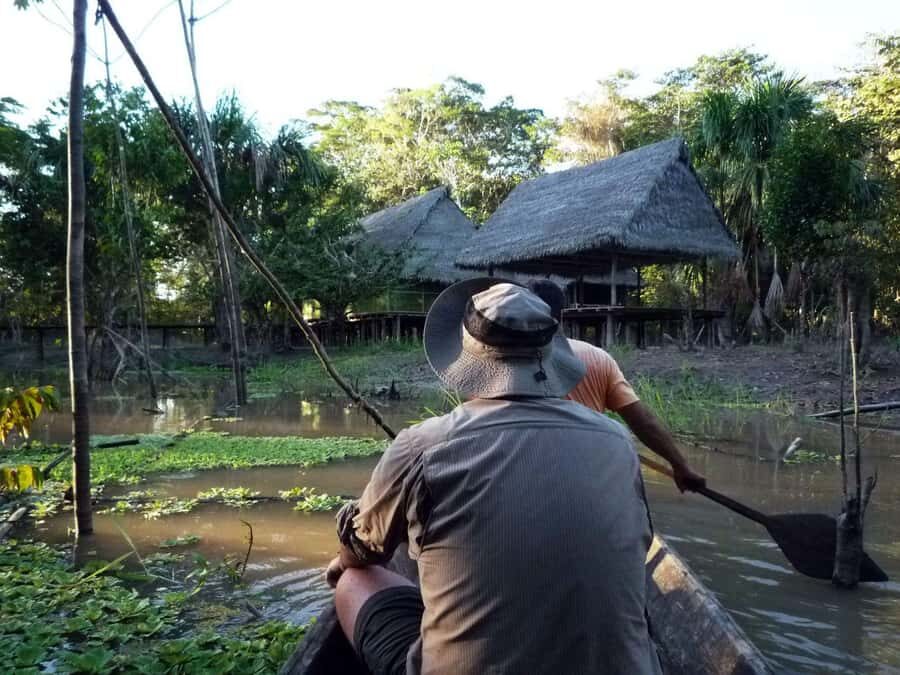
Your day starts in Iquitos and moves quickly from airport arrival into movement. You’ll be picked up in Iquitos and transferred to the port, then ride by boat first along the Nanay River before reaching the Amazon River. That route matters: it’s not just transportation, it’s your first taste of how this region works—slow, wide-water travel with a sense of scale that you don’t get on land.
There’s also a practical reason this setup feels good. By the time you hit the Amazon itself, you’ve had time for a short orientation about Iquitos and the surrounding area during the transfer. It helps you connect names you’ll hear later—rivers, ecosystems, and why certain stops are placed where they are.
You can also read our reviews of more guided tours in Iquitos


Fundo Pedrito: conservation animals and the Victoria Regia plant
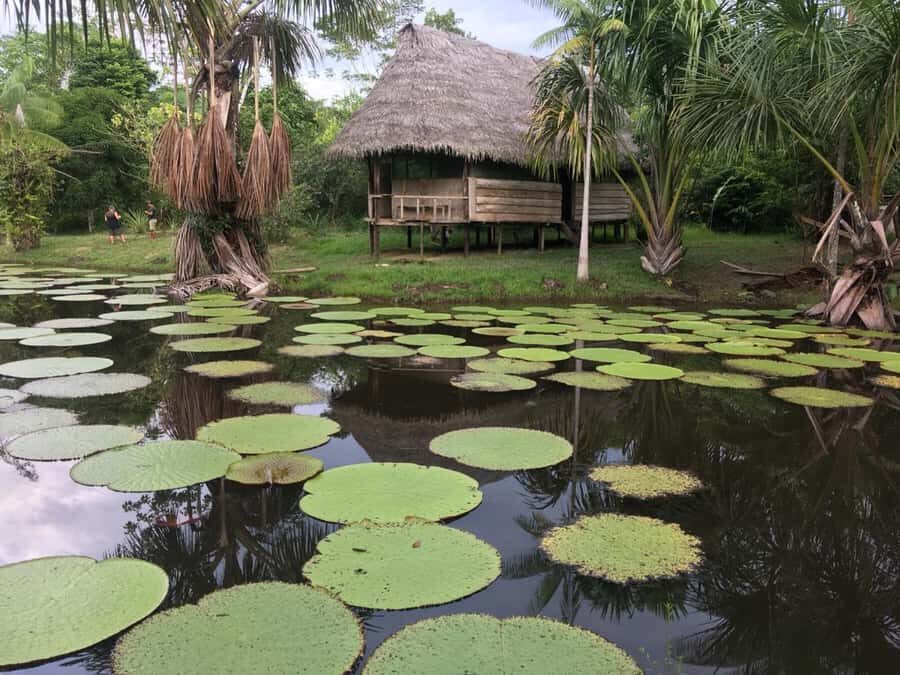
On Day 1, your first major stop is Fundo Pedrito, a farm preserve focused on conservation. This is where you can see a concentration of Amazon fauna that would be much harder to line up on your own—especially in a short trip.
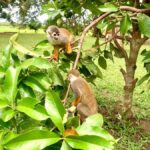
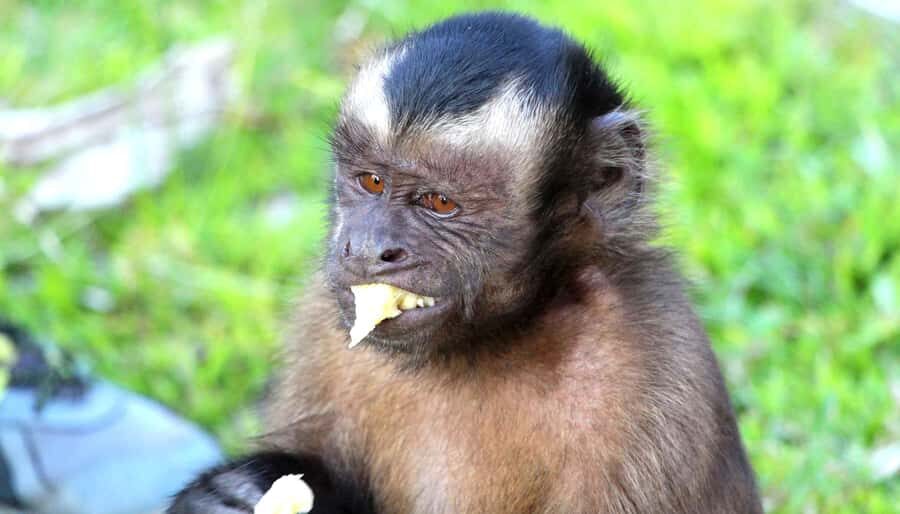
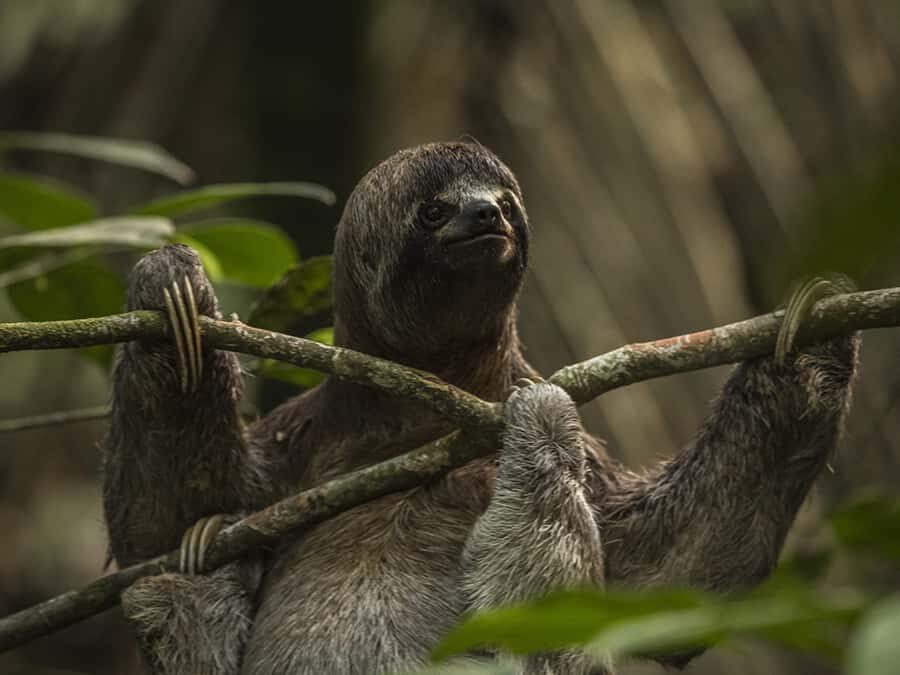
You may encounter animals such as paiches, piranhas, caimans, turtles, parrots, macaws, and even anacondas. If you’re the type who likes learning what you’re seeing (and you don’t need perfect conditions), this kind of stop is a smart first day anchor. You get a baseline of what the ecosystem contains—then the rest of the tour helps you look for it in the wild.
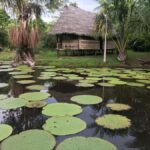
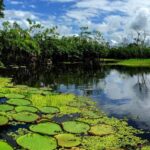
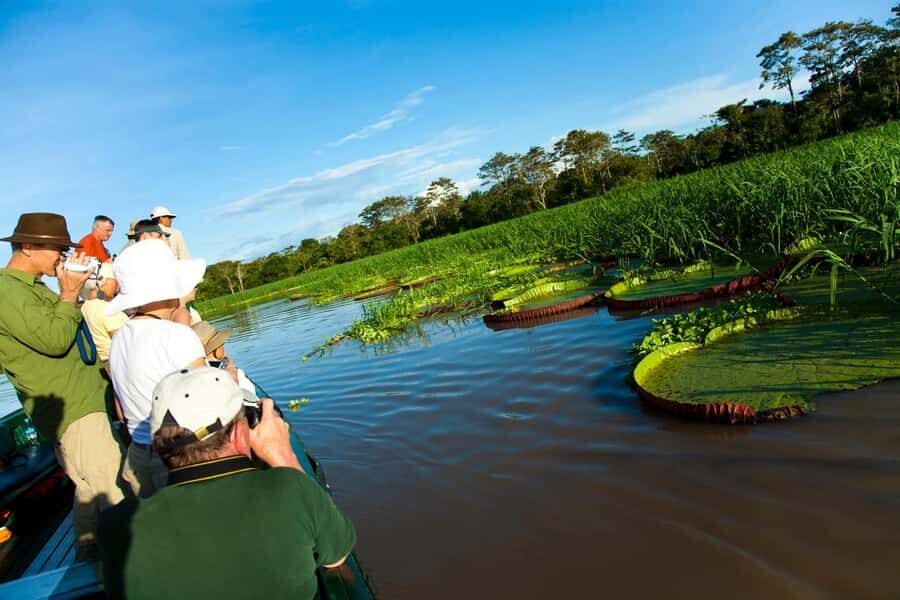
One plant highlight is the Victoria Regia. This giant water lily is famous for how large it is and how it signals a specific kind of Amazon wetland environment. Even if you can’t “spot” wildlife on cue later, you’ll at least understand what to look for in the water and along the edges.
Possible drawback to plan for: communication quality can vary from guide to guide. If you want extra detail about the animals and what they mean ecologically, be ready to ask clear questions and repeat yourself with patience—especially if your guide’s English is limited.
Night in the jungle: tarantulas, cicadas, and ayaymamas
Day 1 also includes a night excursion at nightfall, when the jungle shifts from what you can see to what you can hear. You’ll be guided on a walk or by canoe, and the goal is simple: observe nocturnal life.
The program includes sightings and listening for insects and critters like tarantulas, cicadas, spiders, and praying mantis, plus calls from birds such as owls. You may also hear the “ayaymamas,” a local name tied to nocturnal bird sounds. That matters because it teaches you how to pay attention in a jungle—less about spotting one animal and more about tracking the activity layer-by-layer.
This is also where insect protection becomes non-negotiable. Even the best tour can’t control mosquitoes. Bring insect repellent, and wear comfortable clothes that cover you enough to make the night walk survivable.
Day 2 at 4:30am: sunrise, birds, and the Mirador viewpoint

A 4:30am start is early, but it’s a classic move in places like this for one reason: the jungle feels different before the heat ramps up and the birds settle into the day’s rhythm.
Your morning begins with a sunrise outing and a walk focused on typical local birds. It’s not just “a bird walk.” It’s timed so you can actually see activity when the jungle is waking up, not when everything is hiding under midday humidity.
After breakfast, you head to the Mirador, a viewpoint about 26 meters up. It’s a small climb with big payoff: from higher ground, the jungle stops looking like “a lot of green” and starts looking like layers—canopy, openings, and the movement corridors birds and mammals use.
If you’re prone to rushing, slow down here. Stand, look, and let your eyes adjust. You’ll see more than you think.
Ziplining and canopy thrills: bridges, mesh, and a 25-meter rappel
If you’re chasing energy, Day 2 is built for it. You’ll zip across the canopy with five zipline lines, two suspension bridges, one climbing mesh section, and a 25-meter rappel. This is the tour’s most physical moment, and it’s the one people most often remember afterward.
Why it’s worth the time: it’s a different perspective on the Amazon. From the ground, you see trunks and tangled understory. From above, you notice how the canopy connects—how the jungle functions like a network rather than a single forest wall.
What to watch: this is adrenaline, not a stroll. Wear comfortable shoes (you’re doing enough walking to justify it), and if you’re nervous about heights, practice slow breathing and trust the safety setup. Also keep your phone use controlled; you’ll want battery for photos, but you might find charging options limited later.
A few more Iquitos tours and experiences worth a look


Dolphins on the Amazon: pink and grey sightings
Later in Day 2, you’ll go pink and grey dolphin watching on the Amazon River. This is a highlight because it’s a river moment, not a land-based one, and because it’s one of those experiences tied to water wildlife rather than just vegetation.
A big practical tip: bring patience. Dolphin-watching can’t be forced on schedule. You’re out on the river, scanning for movement, and working with real conditions like water and light.
Even when sightings aren’t constant, the experience still works as a full-sense river outing—smell of water, river soundscape, and the quiet feeling of watching for something that could appear quickly.
Fishing and community time: hands-on Amazon moments
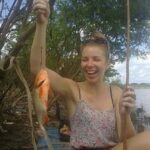
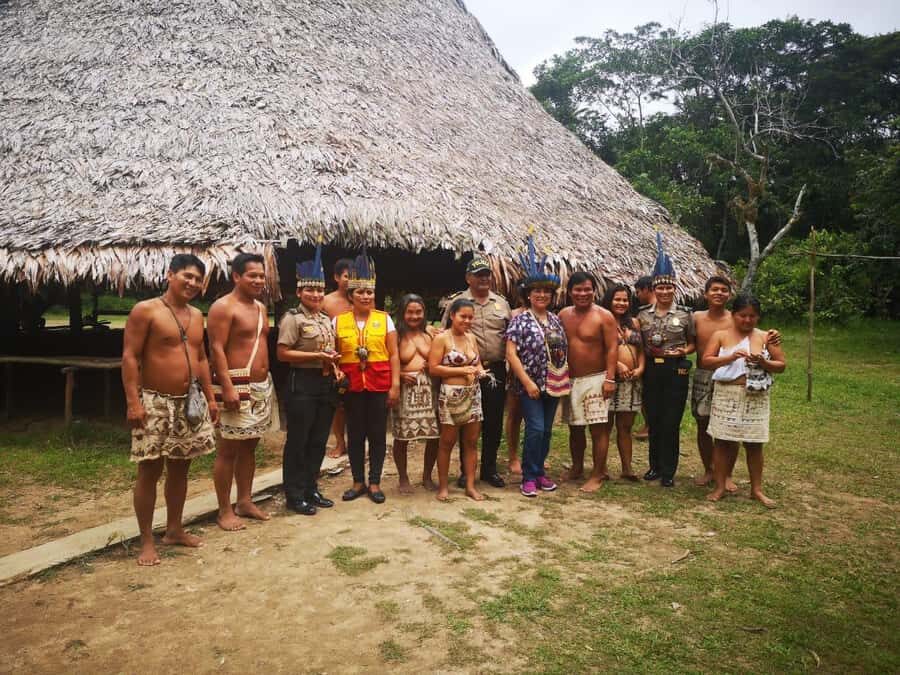
Your tour includes fishing on the Amazon River, plus a visit to a local community. The itinerary doesn’t lock these into one single “perfectly timed” segment you can treat like a museum slot, but it does mean you’ll spend time doing more than just walking and watching.
Fishing gives you a more grounded connection to the river ecosystem—how locals interact with it as a food source and not just a backdrop.
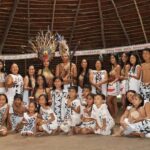
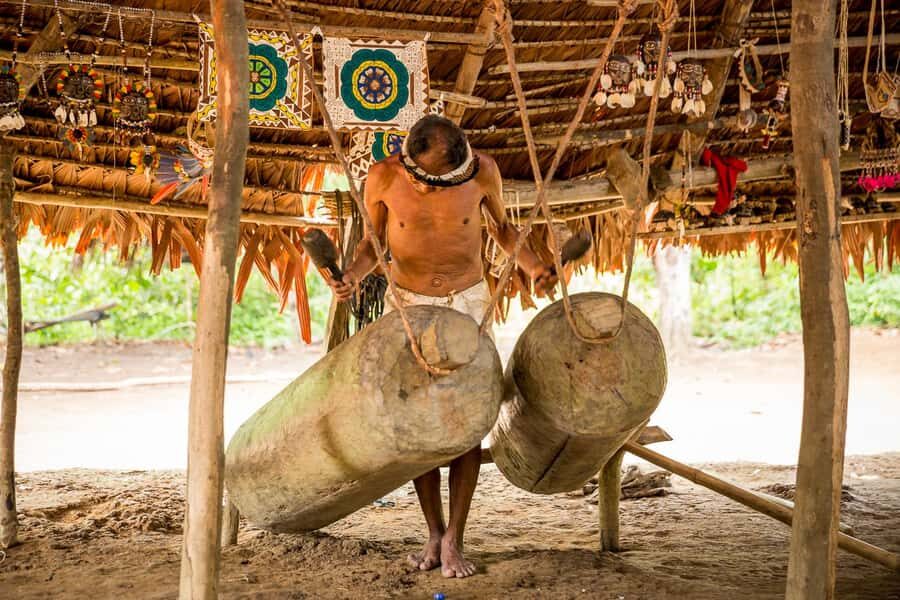
The community visit matters for a different reason: it shifts you from observer to learner. You’re reminded that “the Amazon” is not just nature. It’s also homes, daily routines, and local knowledge tied to the area.
Day 3 trek: the Ceiba de la Selva (Huimba) tree
On the final day, you’ll wake up, have breakfast, and move into a jungle trek focused on the Ceiba de la Selva, also known by the Indians as Huimba. This tree is described as almost 500 years old, and it can reach about 160 feet tall with a trunk up to around 10 feet in diameter.
That kind of size changes how you walk. You’re not just searching for animals. You’re measuring scale—thickness of trunks, how roots sit, and how big organisms influence the micro-ecosystem around them.
Timing also matters on Day 3 because check-out comes before you return to Iquitos: check out is at 12:30pm, and lunch is at 1:00pm at the lodge. At 2:30pm, you’ll transfer by boat on the Amazon for about 1 hour, aiming to arrive at Iquitos around 4:00pm.
Lodge life: included meals, clean rooms, and limited power
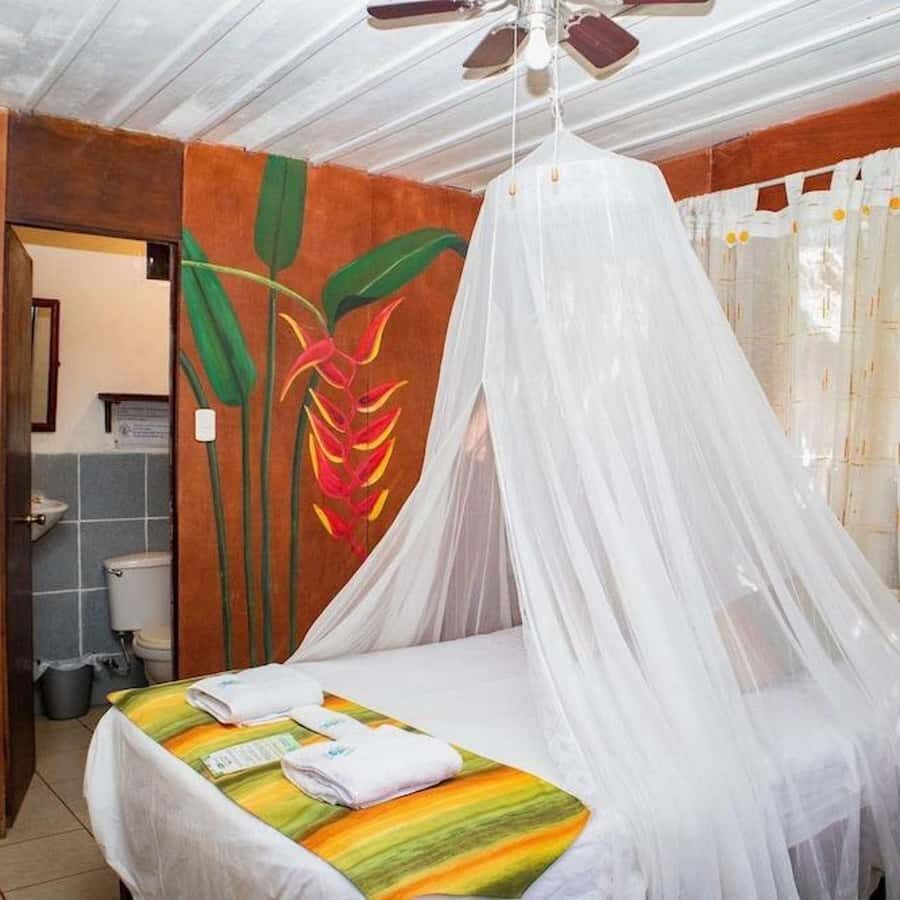
You stay two nights at the lodge, and meals are part of the value: 3 lunches, 2 dinners, and 2 breakfasts are included. Based on what people report, the food can be a strong point, and the lodge environment is often described as clean and comfortable, with helpful staff.
A real-world detail you should plan around: electricity and connectivity can be limited. One traveler’s note was that electricity, phone charging, and Wi‑Fi are only available about 4–5 hours per day, with phone service often very weak or out of range. Another note: hot water may not be available, though the days are hot enough that it might not be a deal-breaker.
What you should do with that: charge early when you can. Bring a power bank if you rely on your phone. And accept that this trip is better when you treat it like a break from constant screens.
Price and value: what $434 per person really buys
At $434 per person for 3 days, you’re paying for more than “a jungle view.” You’re buying a full package that typically includes:
- airport/hotel pickup and drop-off in Iquitos
- boat transportation plus entrance fees
- 2 nights at the lodge
- meals (specified lunches, dinners, breakfasts)
- guiding in English or Spanish
- activities including ziplining, dolphin watching, fishing, night walk, and a community visit
The value here is the combination of distance, logistics, and included guide time. Iquitos is not a place where you can easily self-organize three days, cross-river travel, lodge meals, and structured activities without adding a lot of extra complexity.
The one thing that can affect “value” is how consistent the communication feels day to day. Some people report smooth info flow; others mention limited English or awkward introductions. If you’re someone who needs detailed explanations constantly, you may want to message ahead about language expectations and ask the guide to confirm the daily plan clearly.
What to pack (and what to skip)
This tour runs on the jungle’s rules: heat, humidity, and insects.
Bring:
- comfortable shoes
- sunglasses and sunscreen
- comfortable clothes
- insect repellent
- insect-friendly coverage like long sleeves and long pants when you can
Don’t bring:
- luggage or large bags (you’re expected to travel light)
Also consider how much you rely on your phone. Between limited charging and weak signal, you’ll be happier if you plan photos and navigation ahead.
Flight timing rules that can make or break your trip
This is a tour where flights matter because transfers are scheduled.
- For airport pickup, flights must arrive before 8:00am.
- For airport drop-off, flights must depart after 6:00pm.
- If you need transport outside the set timetable, there’s an extra US$80 boat charge.
If your flight plan is even slightly off, you can end up paying more or wasting time. So lock flights first, then match the tour.
Who should book this Amazon tour
This works best if you want a guided experience that mixes animal viewing with active canopy time, and you’re okay being flexible with jungle conditions.
It’s a good fit for:
- couples and small groups who want structure and meals handled
- travelers who like hands-on activities like ziplining, bridge work, and night exploring
- people who can handle early mornings and humid walking
It’s not suitable for:
- pregnant women (explicitly not recommended)
If you’re traveling solo and expecting a big group vibe, you might be surprised. The tour is described as small group (up to 15), but in practice it can sometimes be just a few people. That can be fine, but you should know it can change the feel.
Should you book PVTravel’s Iquitos Amazon tour?
Book it if you want three compact days that hit the major Amazon “wow” categories: river travel, night jungle life, canopy thrills, and dolphins, all while staying at a lodge with meals and activities handled.
Skip or rethink it if you need very detailed interpretation at every step. Language and daily clarity can vary, and you may want to be proactive about confirming the plan with your guide. Also, be honest with yourself about physical comfort—there’s real zipline and rappel work, plus early mornings.
If you like nature with a bit of adrenaline and you’re ready to trade phone signal for bird calls and river time, this tour is a solid way to experience the Amazon from Iquitos without getting lost in logistics.
FAQ
What are the flight timing requirements for this tour?
Flights must arrive before 8:00am for airport pickup, and flights must depart after 6:00pm for airport drop-off.
How big is the group?
It’s a small group with a limit of 15 participants.
What’s included in the tour package?
The tour includes airport/hotel pickup and drop-off in Iquitos, transportation and boat, entrance fees, 2 nights at the lodge, meals (3 lunches, 2 dinners, 2 breakfasts), dolphin watching, fishing, zipline/canopy activities, a local community visit, and a guided night walk. A professional guide is included in English or Spanish.
Do I need to book a hotel in Iquitos separately?
Accommodation in Iquitos is not included, but pickup and drop-off in Iquitos are included. You only stay at the lodge for 2 nights.
What should I bring for the jungle?
Bring comfortable shoes, sunglasses, sunscreen, comfortable clothes, and insect repellent.
Is there any luggage restriction?
Yes. Luggage or large bags aren’t allowed.
Will there be Wi-Fi or phone charging?
Wi-Fi and phone charging may be available only for a limited window each day (about 4–5 hours), and phone communication can be weak or out of range.