REVIEW · CUSCO
Cusco: 4-Day Salkantay Trek to Machu Picchu, Panoramic Train
Book on GetYourGuide →Operated by TreXperience · Bookable on GetYourGuide
Salkantay hits hard, then rewards you. This 4-day Cusco-to-Machu Picchu trek strings together Humantay Lake views, the Salkantay Pass, and a guided arrival at Machu Picchu, then sends you back by panoramic train.
I like the combo of real trekking days with comfortable sleeping upgrades: small group size (max 16), plus glamping-style camping and a hotel night in Aguas Calientes. I also really enjoy the cultural stops that feel hands-on, like Pachamanca barbecue and a coffee experience where you make your own espresso.
One drawback to plan for: the trail is not gentle. The second-night huts and basic facilities can be hit or miss, and the start time is early enough to make you question your life choices.
In This Review
- Key Things You’ll Notice Right Away
- Why This Salkantay-to-Machu Picchu Plan Makes Sense
- Day 1: Cusco Pickup, Humantay Lake, and Salkantaypampa Glamping
- Day 2: The Salkantay Pass (4,630 m), Wayracmachay Lunch, and Cloud Forest
- Day 3: Pachamanca at Lucmabamba, Coffee Class, Hidroeléctrica, and Aguas Calientes
- Day 4: Sunrise at Machu Picchu, Guided Circuit Viewing, and the Panoramic Train Back
- Comfort Level: Glamping Tents, Andean Huts, and a Real Bed in Aguas Calientes
- Food, Water, and What Actually Keeps You Going
- Price and Value: Is $552 Fair for This 4-Day Experience?
- Who This Trek Fits Best (and Who Should Skip It)
- Should You Book This 4-Day Salkantay Trek to Machu Picchu?
- FAQ
- What is the duration of the tour?
- Where does the trek start?
- How many people are in the group?
- What sleeping arrangements are included?
- What meals are included?
- Is Machu Picchu guided?
- What return train do I take to Cusco?
- What circuit is included at Machu Picchu?
- What should I bring for the trek?
Key Things You’ll Notice Right Away
- Humantay Lake first, then the big push toward the Salkantay Pass at 4,630 m
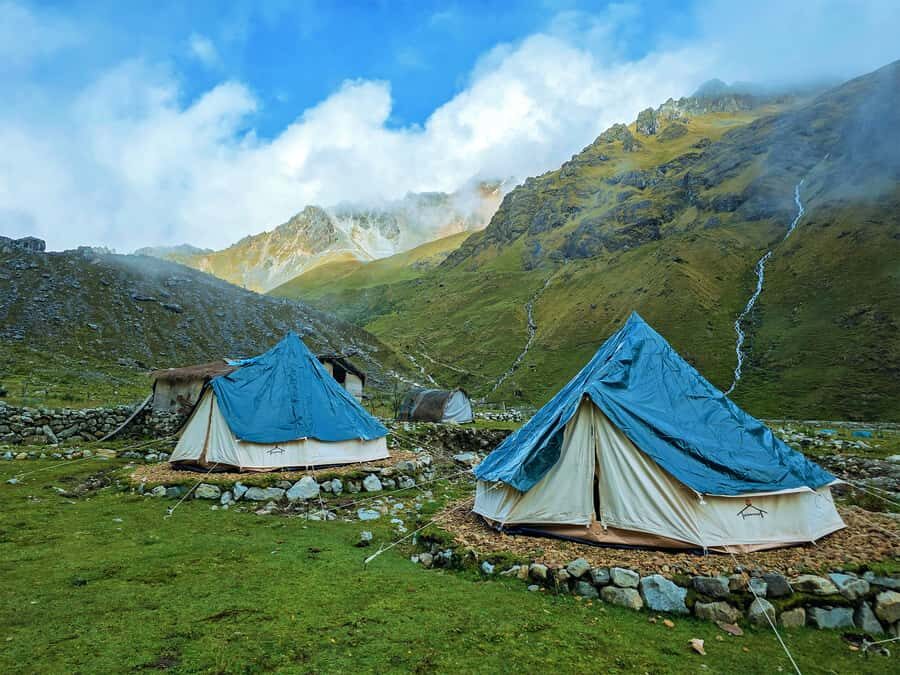
- Glamping at Salkantaypampa with a sleeping pad, poncho, and a cozy basecamp setup
- Cloud-forest hiking on Day 2 with orchids and hummingbirds (yes, really)
- Pachamanca + coffee farm stops that turn lunch into a cultural moment
- Machu Picchu sunrise timing with early buses and a guided 2–3 hour circuit
- A scenic train ride back on either the Vistadome or 360° panoramic options
Why This Salkantay-to-Machu Picchu Plan Makes Sense
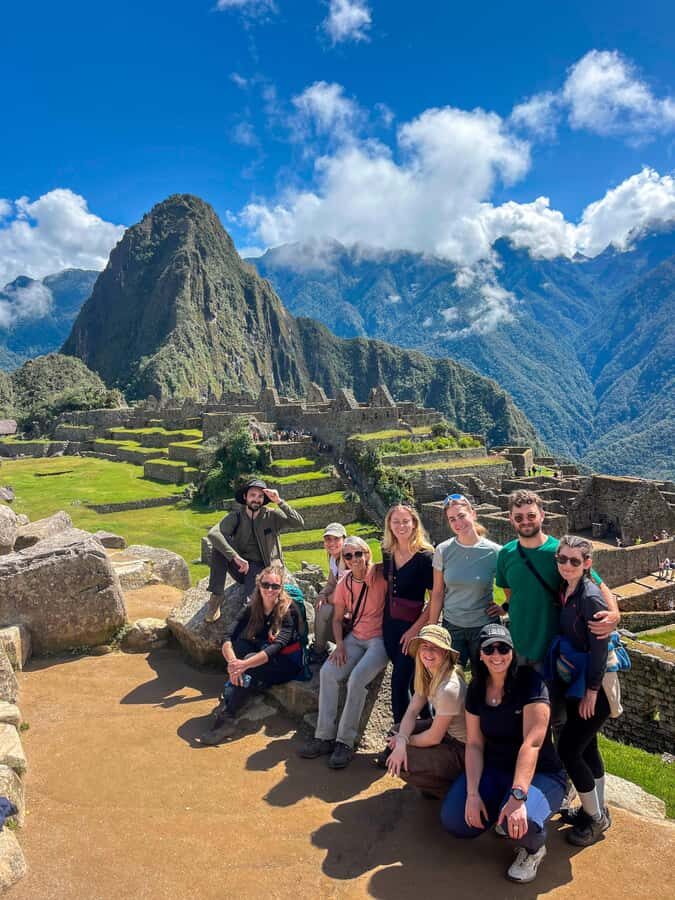
This route is a classic for a reason: it gives you high-mountain drama without forcing you to spend a full week on the trail. You get a clear progression. You start with Andean valley driving and an iconic turquoise lake. You climb to the Salkantay Pass. You drop into cloud forest. Then you end in the warmer, more human scale of Aguas Calientes before Machu Picchu.
What I like for your planning is that the trip is built around the right “beats.” You’re not just walking point to point. Each day has a reason to exist: views, altitude payoff, food culture, and finally Machu Picchu with a guide so you don’t just take photos and hope it makes sense.
You should also know this is a serious trek. Even with comfortable touches (glamping tents, huts, a 3-star hotel), you’ll still be walking long hours at altitude. If you’re expecting a casual hike, this won’t match.
You can also read our reviews of more hiking tours in Cusco

Day 1: Cusco Pickup, Humantay Lake, and Salkantaypampa Glamping
Your day starts early, with a hotel pickup at 4:30 a.m. from Cusco’s historic center. You’ll ride through Andean valleys toward the breakfast stop in Mollepata, then continue onward to the start area around Challacancha.
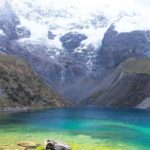
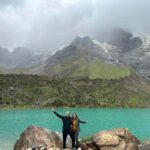
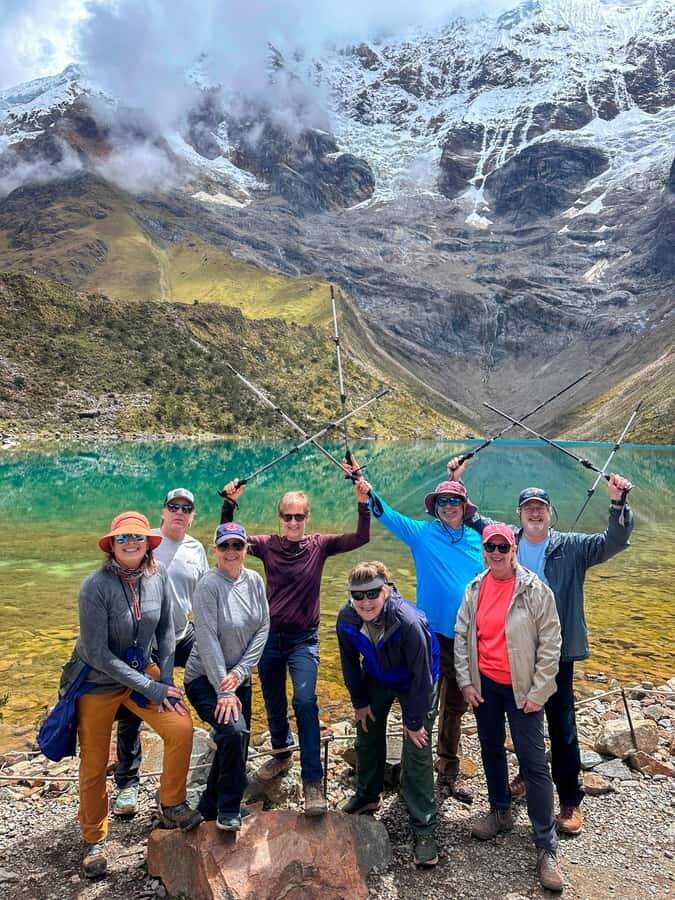
Then you trek to Humantay Lake—the payoff comes as the lake’s color shows up against steep, snow-capped-looking peaks. You’ll see it from the trail as you approach, and you’ll be able to pause for the kind of photos you’ll want to back up on your phone twice.
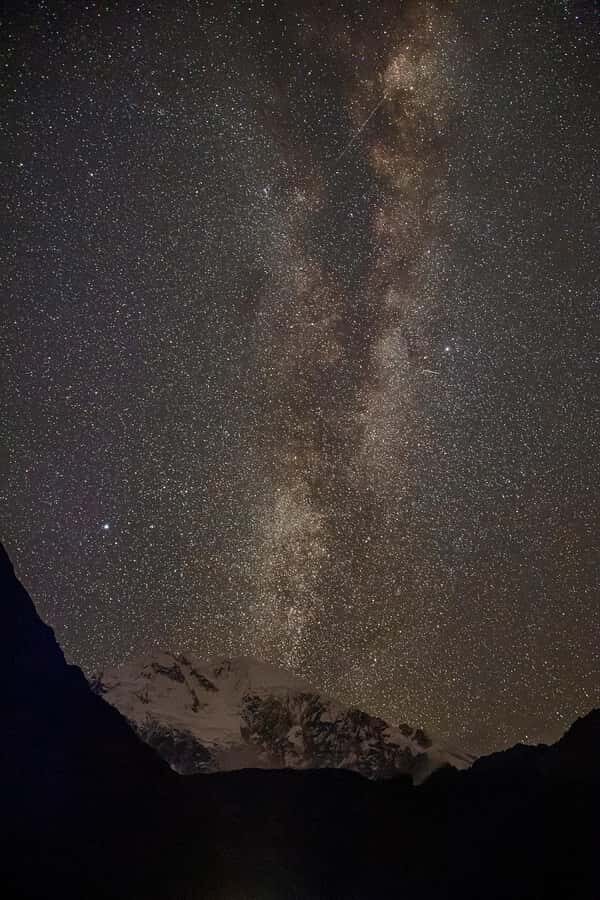
After that, you descend to the area for lunch at Soraypampa, then keep moving to Salkantaypampa, where your sleeping setup is more comfortable than typical camping. You’re in glamping-style tents with provided basics like a sleeping pad and a rain poncho, plus a warm dinner and a quiet night under the Andes.
Practical tip: bring a change of clothes for the camp. You’ll get sweaty on the way up and cold when the air shifts. It’s the easiest comfort upgrade you’ll pack.
Day 2: The Salkantay Pass (4,630 m), Wayracmachay Lunch, and Cloud Forest
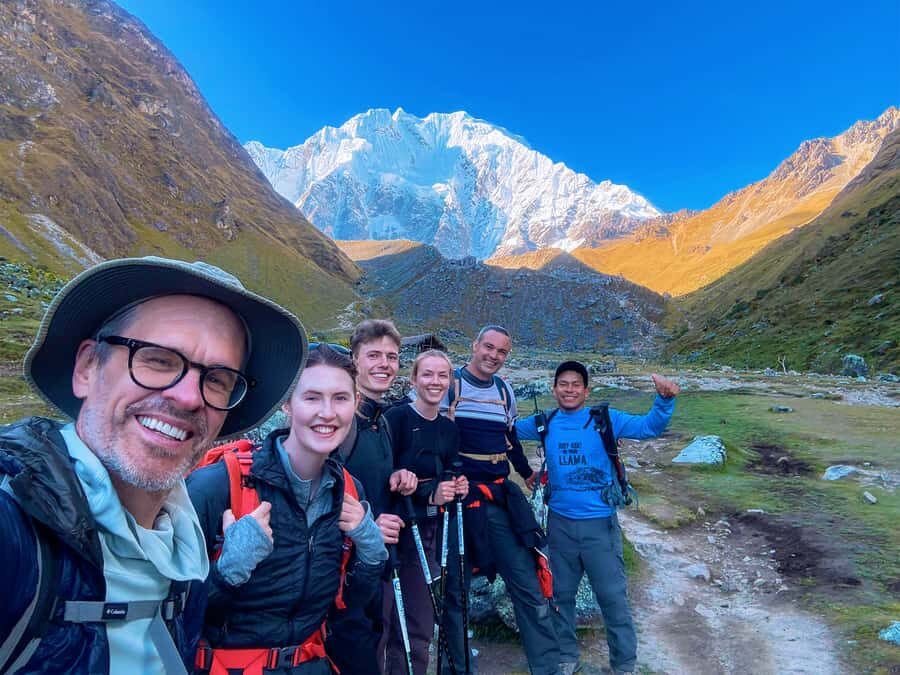
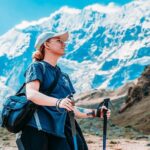
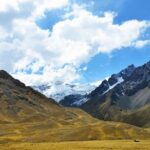
Day 2 is the “big one.” After coffee or coca tea served at your tent, you eat breakfast and start the climb—about 2 hours up toward Salkantay Pass (4,630 m / 15,190 ft).
This is where you’ll feel the altitude the most. The good news is the day is structured to help you pace: you reach the highest point, take in the views, then move downhill. You’ll descend around 3 hours to Wayracmachay for lunch, which helps because you’re not stuck with the hardest effort for hours and hours at once.
After lunch, the terrain changes again. You hike about 3 hours into the cloud forest. This is more than a scenery switch. The air cools and moistens, and the plants get their own spotlight—orchids and hummingbirds show up when you’re walking slower and watching your surroundings.
By evening, you arrive in Collpapampa, where you stay in Andean huts. That night’s goal is recovery: eat well, hydrate, and sleep. Your body needs the downtime.
Consideration: if you’re sensitive to altitude, go slow up the pass and don’t chase speed. That’s how you make Day 3 feel possible.
Day 3: Pachamanca at Lucmabamba, Coffee Class, Hidroeléctrica, and Aguas Calientes
You start with breakfast, then hike for about 3 hours to Lucmabamba. This is the day that turns the trek into a cultural experience.
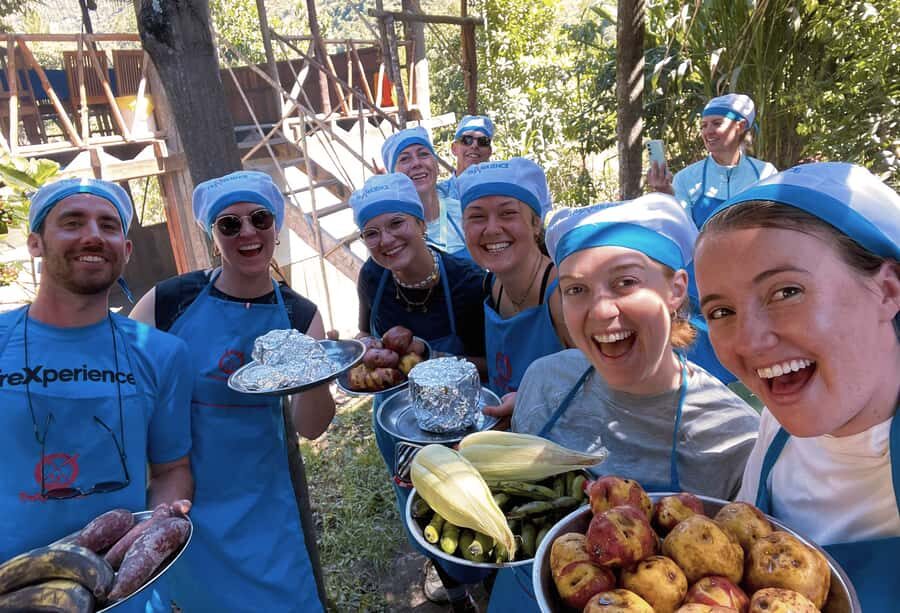
First up is a traditional Pachamanca barbecue. It’s an Andean meal cooked slowly underground using hot stones. You’ll be eating vegetables, fruits, and meats as the group participates in the meal experience. It’s hearty food for big walking energy, but it also feels like you’re part of a local tradition rather than just being served a tourist lunch.
Next comes the coffee stop. You visit a local coffee farm and learn the process from bean to cup. Then you prepare and brew your own freshly made espresso. This is one of those moments that feels small while you’re doing it, and then you remember it later because it’s hands-on and specific.
After the cultural stops, you take a drive to Hidroeléctrica, then hike about 3 hours to Aguas Calientes. Once you arrive, you check into a 3-star hotel and eat dinner at a local restaurant. Then you rest—because Machu Picchu is coming fast on Day 4.
Tip for your kit: pack your camera where you can grab it quickly. This stretch of Day 3 transitions from mountain trekking vibes to the train-and-towns rhythm, and you’ll want easy access for photos.
Day 4: Sunrise at Machu Picchu, Guided Circuit Viewing, and the Panoramic Train Back
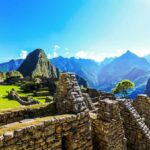
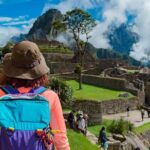
Day 4 starts with an early push to Machu Picchu. You’ll rise early to catch one of the first buses, so you can watch sunrise over the surrounding mountains. Seeing the ruins with morning light is the difference between a view and a memory.
Then you get a guided exploration of the citadel, typically 2–3 hours. The guide’s job here is huge. Machu Picchu is an engineering marvel, but without context, it can feel like you’re walking through a very pretty set of stone walls. With a guide, you get history, design, and meaning that actually connect.
After your morning at the site, you return to Aguas Calientes for lunch (not included), and then you board your return train: either the Vistadome or the 360° panoramic train. These are the kind of rides where you stop thinking about your legs and start enjoying the scenery window by window.
When you arrive back in Cusco, your team transfers you to your hotel.
One planning note: this trip includes Circuit 2 by default. If you want add-ons like Huayna Picchu or Machu Picchu Mountain, you’ll need extra tickets booked in advance.
A few more Cusco tours and experiences worth a look

Comfort Level: Glamping Tents, Andean Huts, and a Real Bed in Aguas Calientes
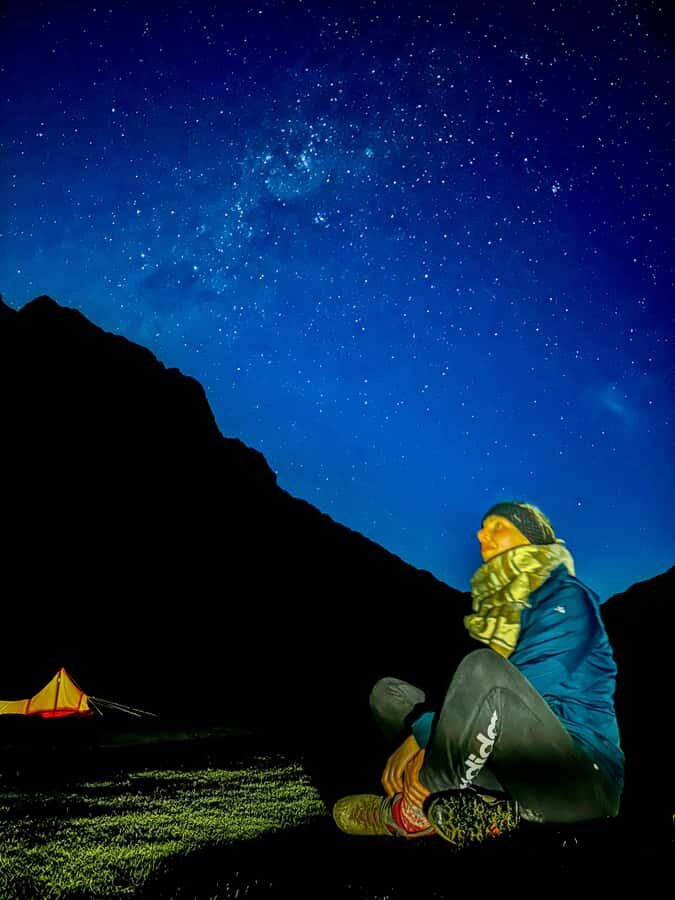
I like that this trek doesn’t force you into the same style of sleep every night. You get variety.
- Night 1: glamping tents at Salkantaypampa, with provided comfort items like a pillow and sleeping pad, plus a rain poncho.
- Night 2: Andean huts in Collpapampa. This is the part to treat as “basic camp comfort,” not luxury. Some people have flagged the condition of huts and sanitation as inconsistent, so keep expectations realistic.
- Night 3: a 3-star hotel in Aguas Calientes with breakfast. This is your proper reset night.
Add to that safety gear: you have access to a satellite phone, a first-aid kit, and an oxygen tank. That doesn’t make altitude safe, but it does mean the operation is equipped for emergencies.
If comfort matters to you, Day 3’s hotel night is a big deal. It’s the moment where you stop sleeping in “trek mode” and start sleeping like a human.
Food, Water, and What Actually Keeps You Going
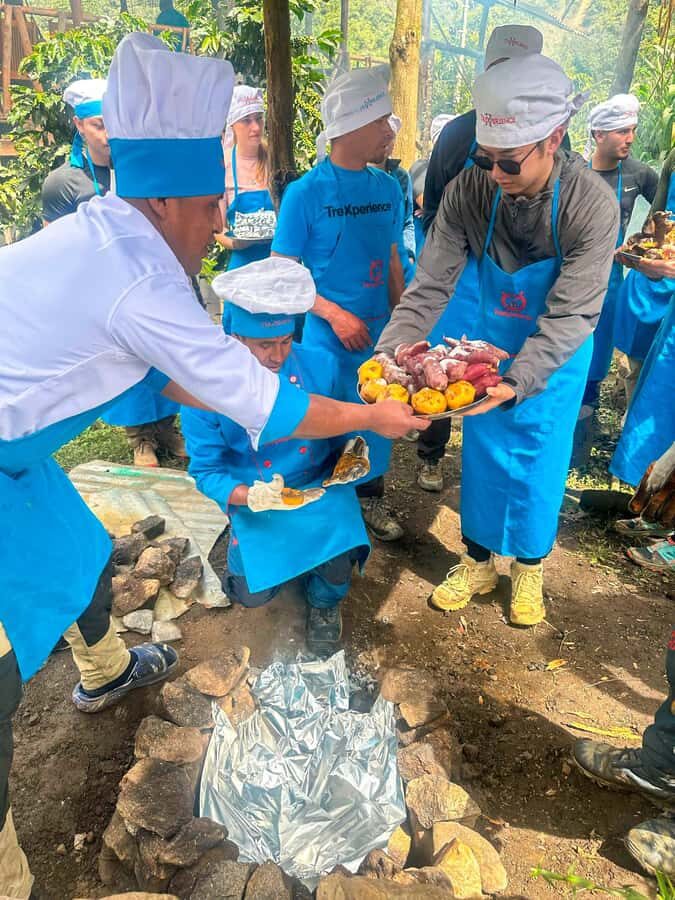
Food on this kind of trek is never just food. It’s fuel, timing, and morale.
On-trail meals are included: 3 breakfasts, 3 lunches, and 3 dinners, plus water and daily snacks. You’ll also get coffee or coca tea at the start of Day 2, and the big meal moments (like Pachamanca) are built into the walking schedule, not dumped in your lap at random.
For your taste buds, you’re not just eating plain carbs all day. The meal format is designed to keep energy up for climbs and descents. If you have dietary needs, you’ll need to inform the operator at booking time.
What you should bring for your comfort:
- Rain gear (weather changes fast in the Andes)
- Sunscreen and sunglasses (altitude sun is no joke)
- Insect repellent (you’re in a cloud forest environment part of the time)
- Hand sanitizer or tissues (small packets save you from big frustration)
- A flashlight for hut/camp paths and early mornings
Price and Value: Is $552 Fair for This 4-Day Experience?
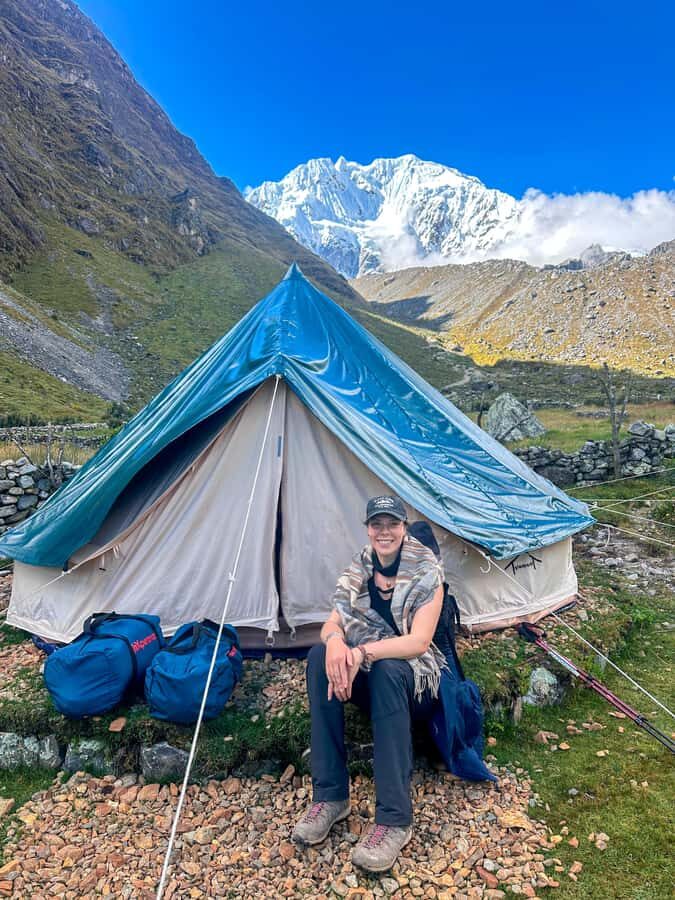
$552 per person is not cheap, but it’s also not random. You’re paying for logistics that are hard to DIY: a guided trek with entrance tickets, transfers, meals, multi-night lodging in different formats, and a scenic train return.
Here’s where the value comes from, in plain terms:
- You’re buying guidance (professional guide + safety briefing). On a pass at 4,630 m, a good guide is worth real money.
- You’re buying “carrying friction.” You get a duffle bag allowance of up to 7 kg / 11 lb, which helps you travel lighter.
- You’re buying meals and camp setup. The trek covers most of the day-to-day needs, so you’re not doing stop-by-stop budgeting or guesswork.
- You’re buying the ending. Machu Picchu needs timing, buses, and guided circuit access. Then you get the panoramic train back rather than a basic ride.
The main reason people hesitate is comfort expectations for the huts. If you’re the type who hates basic sanitation, that Day 2 night can sour the experience. If you can handle simple facilities and focus on the views and the guide, the price starts to make sense fast.
Who This Trek Fits Best (and Who Should Skip It)
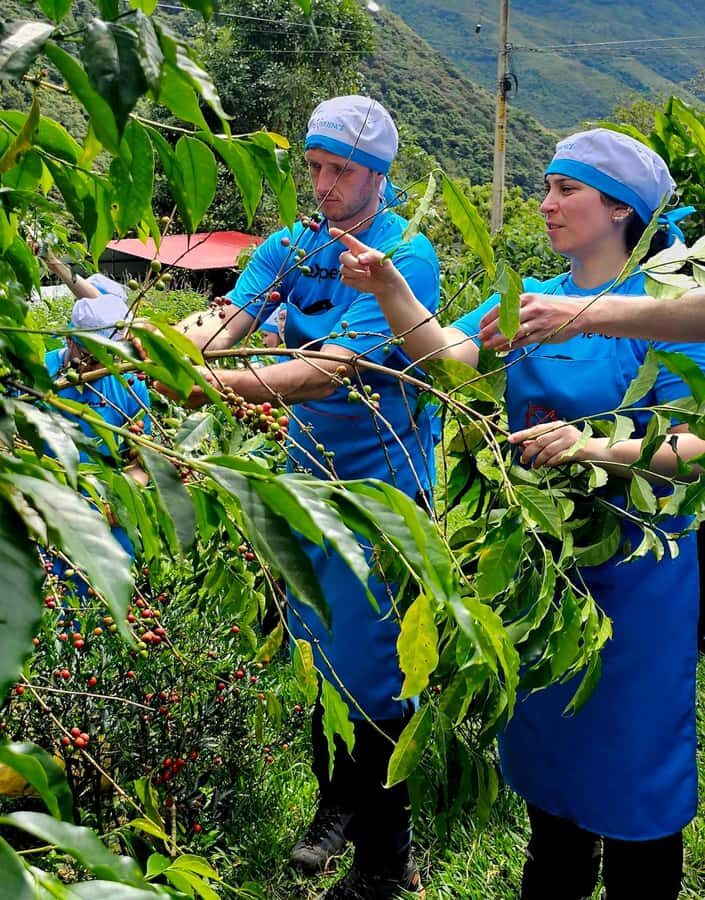
This tour works best if you:
- Want a 4-day trek with the big highlights: Humantay Lake, Salkantay Pass, and Machu Picchu
- Prefer small group travel (max 16) rather than a huge crowd
- Like cultural experiences with food, like Pachamanca and a coffee farm stop
- Are okay with early mornings and a real climb at altitude
It’s not suitable for people who are pregnant, have back problems, mobility impairments, heart problems, or use a wheelchair. If any of those apply, don’t force it. This is a physically demanding trek.
Also be honest with yourself about pacing. Day 2 includes the pass and long walking hours plus cloud-forest hiking later in the day. You don’t need to be an athlete, but you do need to be willing.
Should You Book This 4-Day Salkantay Trek to Machu Picchu?
Yes, book it if you want a structured trek that hits the best parts of Peru’s high Andes and ends with Machu Picchu guided—not just rushed.
I’d be cautious and ask questions first if:
- You’re very picky about hut comfort and sanitation on Night 2
- You have medical concerns related to altitude or physical exertion
- You’re planning to add Huayna Picchu or Machu Picchu Mountain and want to confirm ticket handling for your dates
If you’re reading this because you want the full arc—from sunrise at Machu Picchu to a train ride back to Cusco—this is the kind of trip that delivers. The best days here are the ones where you stop thinking about the next step and start watching the mountains change shape as you walk through them.
FAQ
What is the duration of the tour?
The tour lasts 4 days.
Where does the trek start?
It starts with pickup in Cusco’s historic center, then driving to the trek start area for the hike to Humantay Lake.
How many people are in the group?
It’s a small group limited to 16 participants.
What sleeping arrangements are included?
You get 1 night in glamping tents at Salkantay Camp, 1 night in Andean huts at Collpapampa, and 1 night at a 3-star hotel in Aguas Calientes with breakfast.
What meals are included?
Trail meals are included: 3 breakfasts, 3 lunches, 3 dinners, plus water and daily snacks. The last day’s lunch in Aguas Calientes is not included.
Is Machu Picchu guided?
Yes. You get a guided exploration of the citadel for about 2–3 hours, after catching early buses.
What return train do I take to Cusco?
You return by either the Vistadome or the 360° panoramic train, depending on the option provided for your dates.
What circuit is included at Machu Picchu?
Circuit 2 is included by default. If Circuit 2 is sold out, Circuit 1 or 3 may be assigned.
What should I bring for the trek?
Bring your passport, comfortable hiking shoes, sunglasses and sunscreen, a sun hat, rain gear, a change of clothes, insect repellent, a flashlight, and basic toiletries.